Easter egg
If it’s true that religious holidays don’t often engage children, because of the often repetitive and boring church services, it should nevertheless be said that these festivals are great opportunities to try new and tasty recipes which give a little extra something to the occasion, making one feel happy to be alive. Here we have a recipe for an irresistible dessert that, it is useless to deny, not only appeals to children but to adults too, and that you should never pass up any chance to try - the chocolate egg. When prepared at home it is even more tasty and appetizing than the ones you can buy in a sweet shop or in the chocolate section of a supermarket. Although it may seem difficult, in fact the preparation of this egg is not complicated: and you might also ask, so as to enjoy yourself even more, for the help of some small cookery assistants ...
Ingredients
* approximate values per serving
Preparation
Chop all the chocolate up with a knife and set it aside in two different bowls. Melt the dark chocolate in a bain marie boiler and bring it up to 40°C for 5 minutes, then let it cool down to 27°C stirring with a spatula. Pour the chocolate into the mould and then rotate and tilt the mould so that the chocolate covers the entire surface. Then put it in the freezer for 10 minutes. Melt the white chocolate in a bain marie in a separate pan and repeat the process bringing it down to 27°C. Remove the mould from the freezer and pour the white chocolate over the dark, again rotating the mould so that the chocolate is spread evenly. Then return it to the freezer for 10 minutes. Remove the first half of the egg from the mould and put it in the fridge to keep. Then repeat the whole operation for the second half of the egg. With a little melted chocolate, join the two halves to form one whole egg. Place it in freezer for 10 minutes so that they join well. And your Easter egg is ready: if you want, you can put a surprise in the egg before joining the two halves!
Step by step
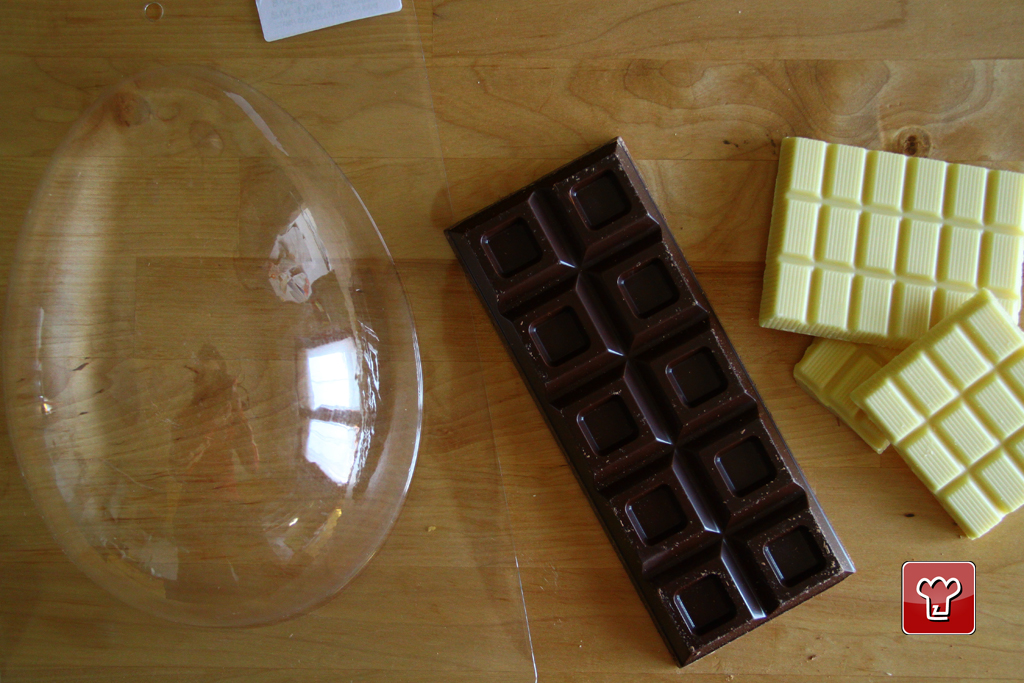
|
View the step by step
|
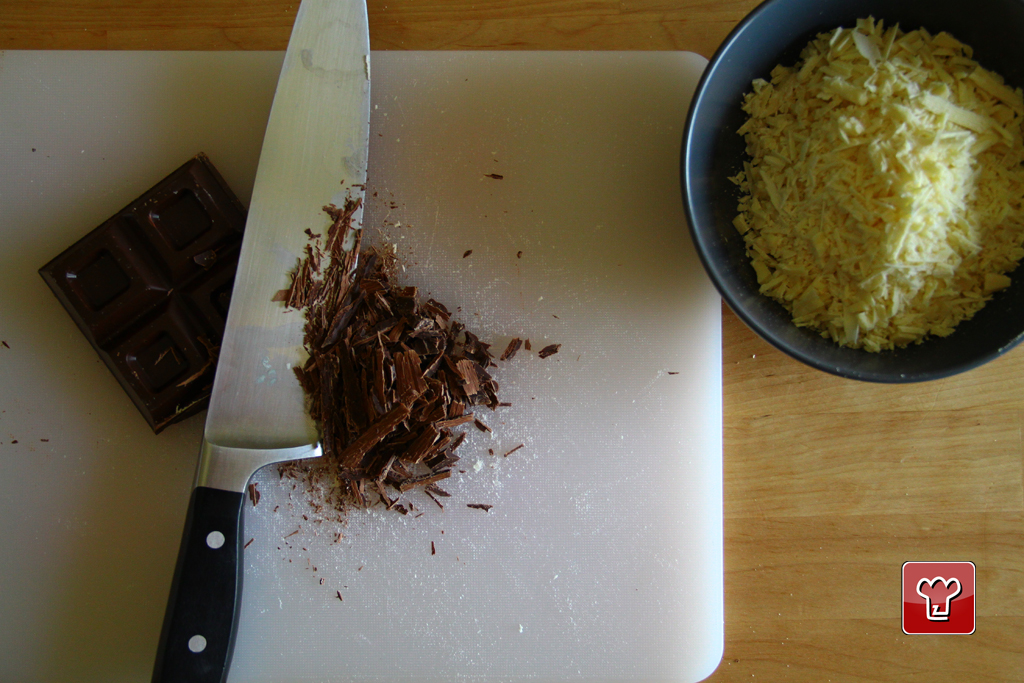
Chop up the chocolate and set aside in two separate bowls
|
|
View the step by step
|
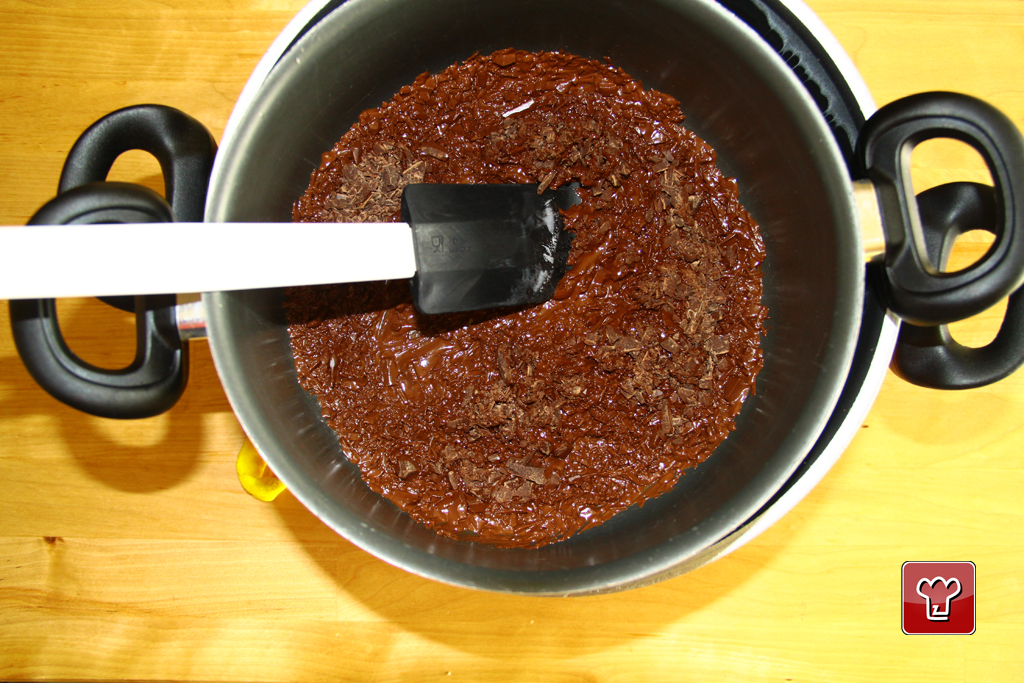
Melt the dark chocolate in a bain marie and bring it up to 40°C for 5 minutes, then let it cool to 27°C stirring with a spatula
|
|
View the step by step
|
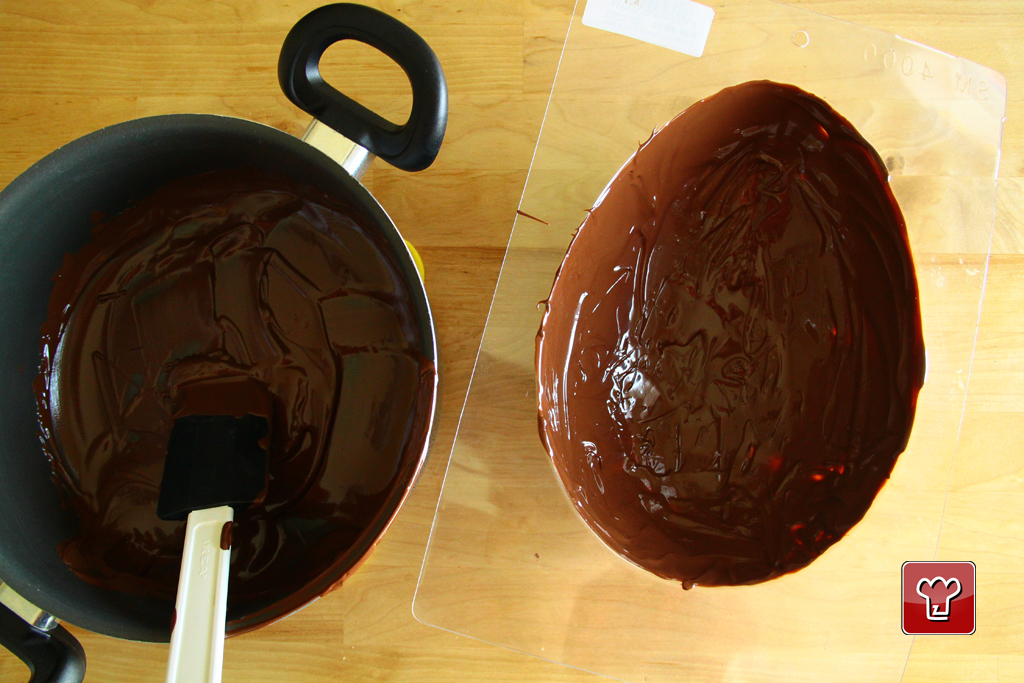
Pour the chocolate into the mould and then rotate and tilt the mould so that the chocolate covers the entire surface. Then put it in the freezer for 10 minutes.
|
|
View the step by step
|
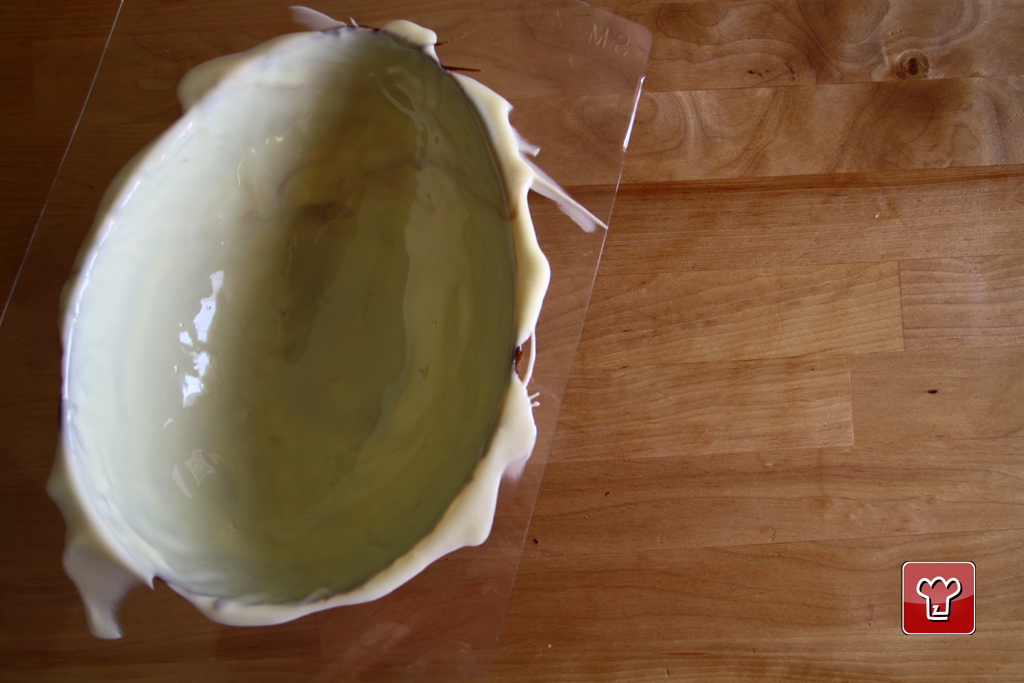
Melt the white chocolate in a bain marie in a separate pan and repeat the process bringing it down to 27°C. Remove the mould from the freezer and pour the white chocolate over the dark, again rotating the mould so that the chocolate is spread evenly. Then return it to the freezer for 10 minutes.
|
|
View the step by step
|
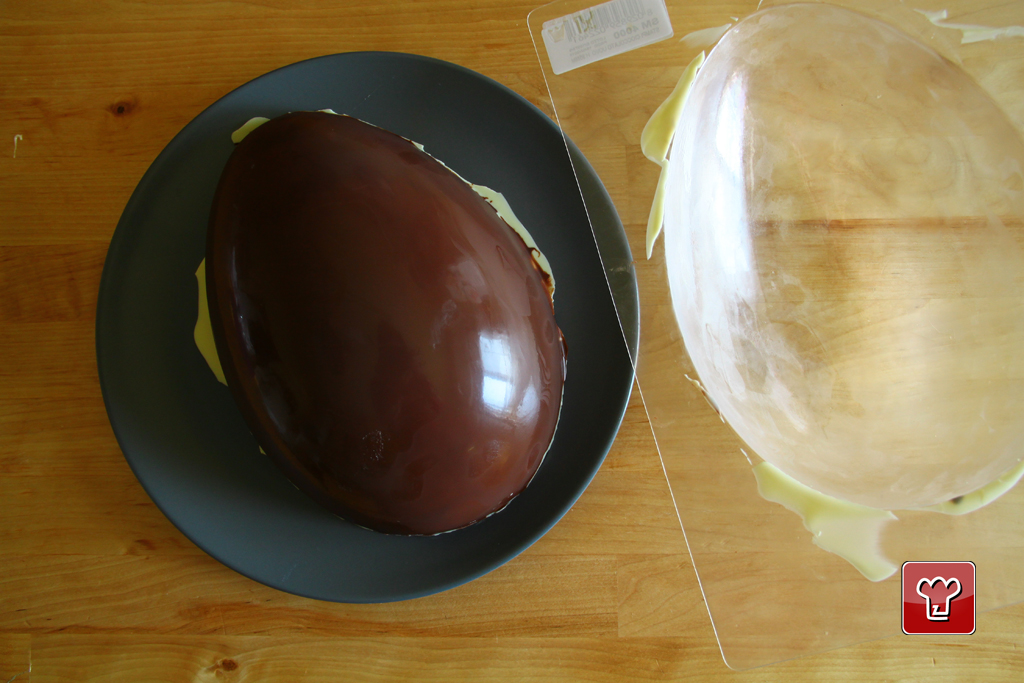
Remove the first half of the egg from the mould and put it in the fridge to keep. Then repeat the whole operation for the second half of the egg.
|
|
View the step by step
|
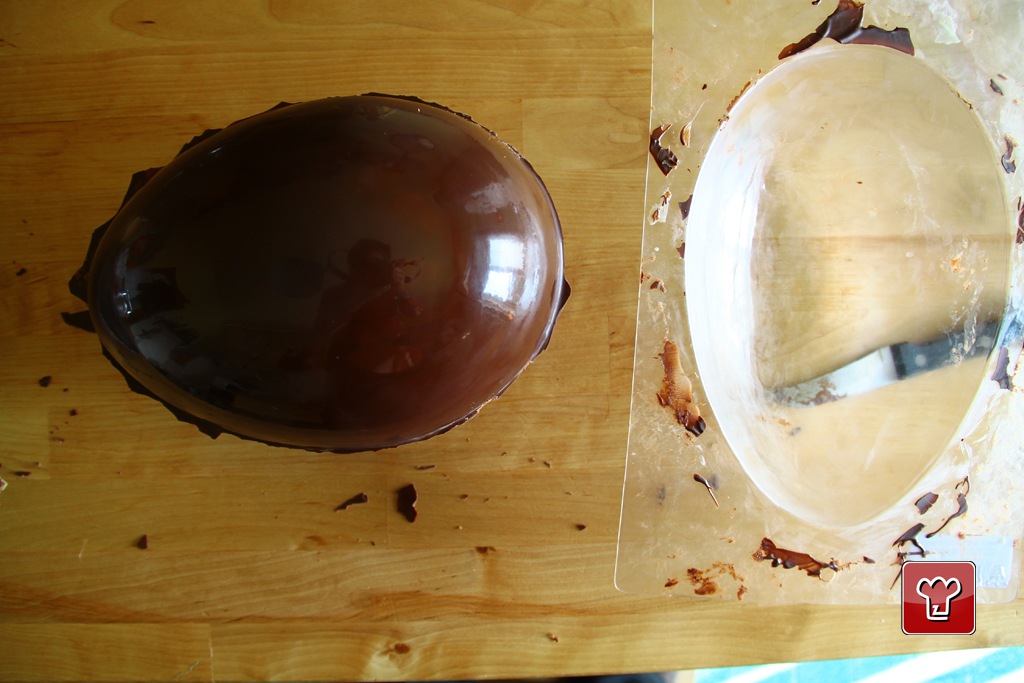
With a little melted chocolate, join the two halves to form one whole egg. Place it in freezer for 10 minutes so that they join well.
|
|
View the step by step
|
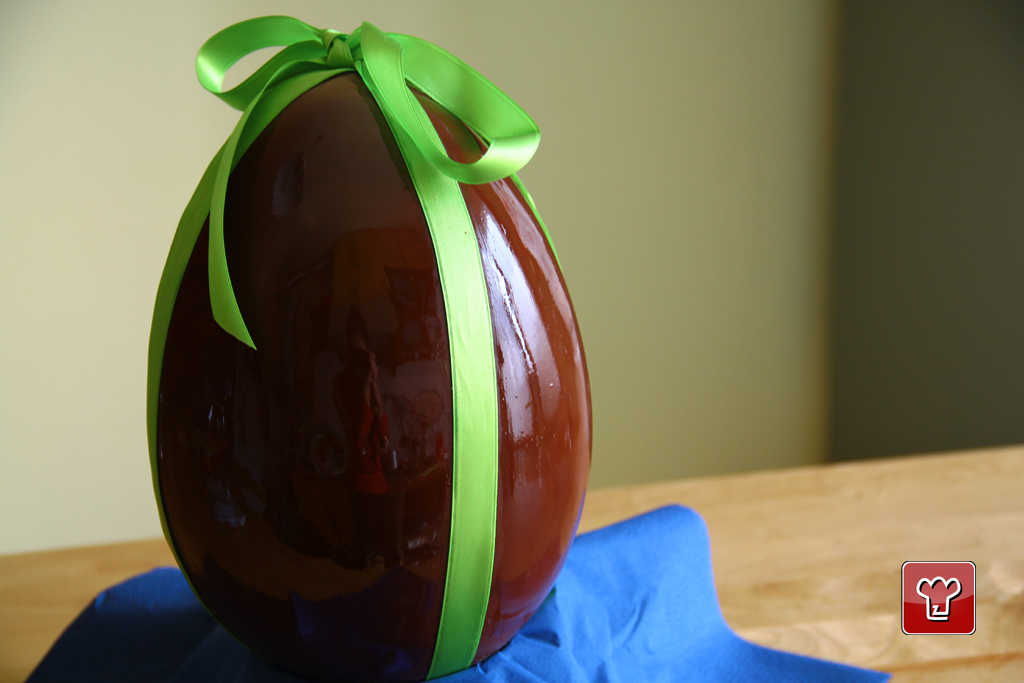
And your Easter egg is ready: if you want, you can put a surprise in the egg before joining the two halves!
|
Additional information
Chocolate Easter Egg with Dark Chocolate and White Chocolate
One of the most appreciated variations of the traditional Easter Egg recipe is certainly the Chocolate Easter Egg with Dark Chocolate and White Chocolate. This preparation is perfect for those who love contrasts in flavor and texture: the dark chocolate, with its intense and slightly bitter taste, pairs wonderfully with the sweetness of white chocolate. To make this variant, the chocolate is finely chopped and melted in a double boiler, then following the classic procedure for creating the mold. Once cooled, the egg can be decorated with shavings of white or dark chocolate for an eye-catching visual effect. This version is not only delicious but also represents an excellent gift idea for Easter, making every sweet moment even more special.
Lombard Easter Egg
The Lombard Easter Egg is a preparation that stands out for the use of local ingredients and traditional techniques. In Lombardy, it is common to enrich the recipe with walnuts, almonds, or other dried fruits, which give a unique flavor and a crunchy texture. To prepare this egg, the classic procedure is followed, but pieces of dried fruit are added to the melted chocolate, creating a mix of flavors that makes every bite surprising. Additionally, one can opt for decoration with milk or dark chocolate, creating a contrast of colors and flavors. This variant not only celebrates the Easter tradition but also brings a piece of Lombard culinary culture to the table.
Light Sugar-Free Easter Egg
For those looking for a lighter preparation, the Light Sugar-Free Easter Egg is an excellent alternative. By using sugar-free dark chocolate and natural substitutes like honey or agave syrup, it is possible to create an Easter sweet that maintains a rich flavor without being heavy. This version is ideal for those following a specific diet or for those who wish to limit their sugar intake. The procedure remains similar to the traditional one, with the only difference being the use of low-calorie ingredients. Thus, one can enjoy a healthier Easter sweet without giving up the pleasure of chocolate.
Benefits of Dark Chocolate and Calories of the Easter Egg
Dark chocolate, the main ingredient of the Easter Egg, is known for its numerous health benefits. Rich in antioxidants, dark chocolate can help improve blood circulation and reduce the risk of heart disease. Additionally, it contains flavonoids that can enhance brain function and lower blood pressure. However, it is important to consume it in moderation. A medium-sized Easter Egg can contain about 500-600 calories, depending on the ingredients used and the size. Choosing high-quality chocolate and paying attention to portion sizes can make this Easter treat a healthier option.
Can the Easter Egg be frozen?
Many wonder if it is possible to freeze the Easter Egg to preserve it for a longer time. The answer is yes, but there are some precautions to consider. Before freezing, it is essential to wrap the egg in plastic wrap or place it in an airtight container to protect it from odors and moisture. When you wish to consume it, it is advisable to thaw it slowly in the refrigerator to avoid the chocolate melting or losing its texture. However, it is important to note that the quality of the chocolate may be affected by freezing, so it is preferable to consume it fresh, if possible. This practice is especially useful if you have a leftover egg and want to extend its shelf life.