Paduan layered cake
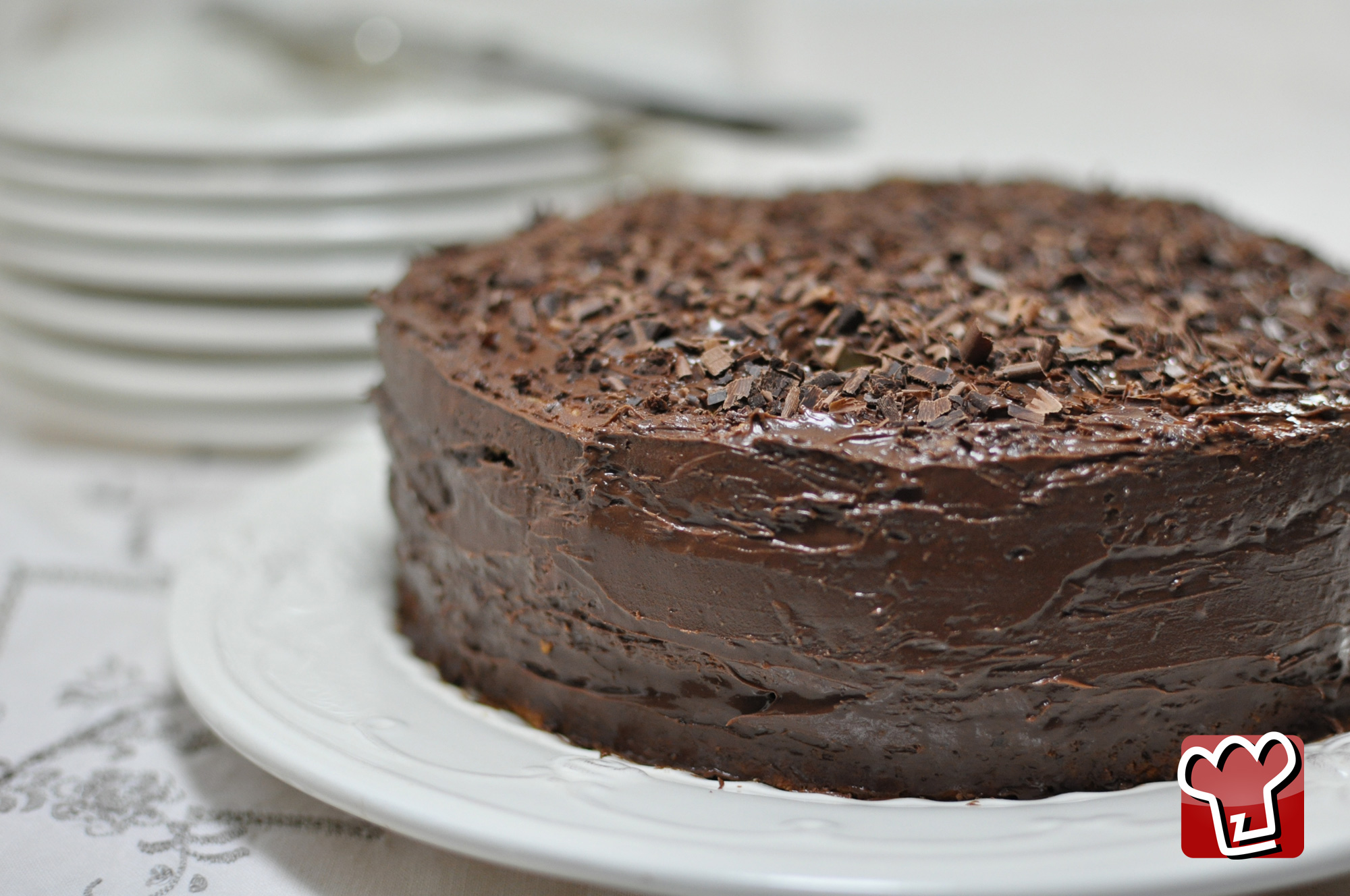
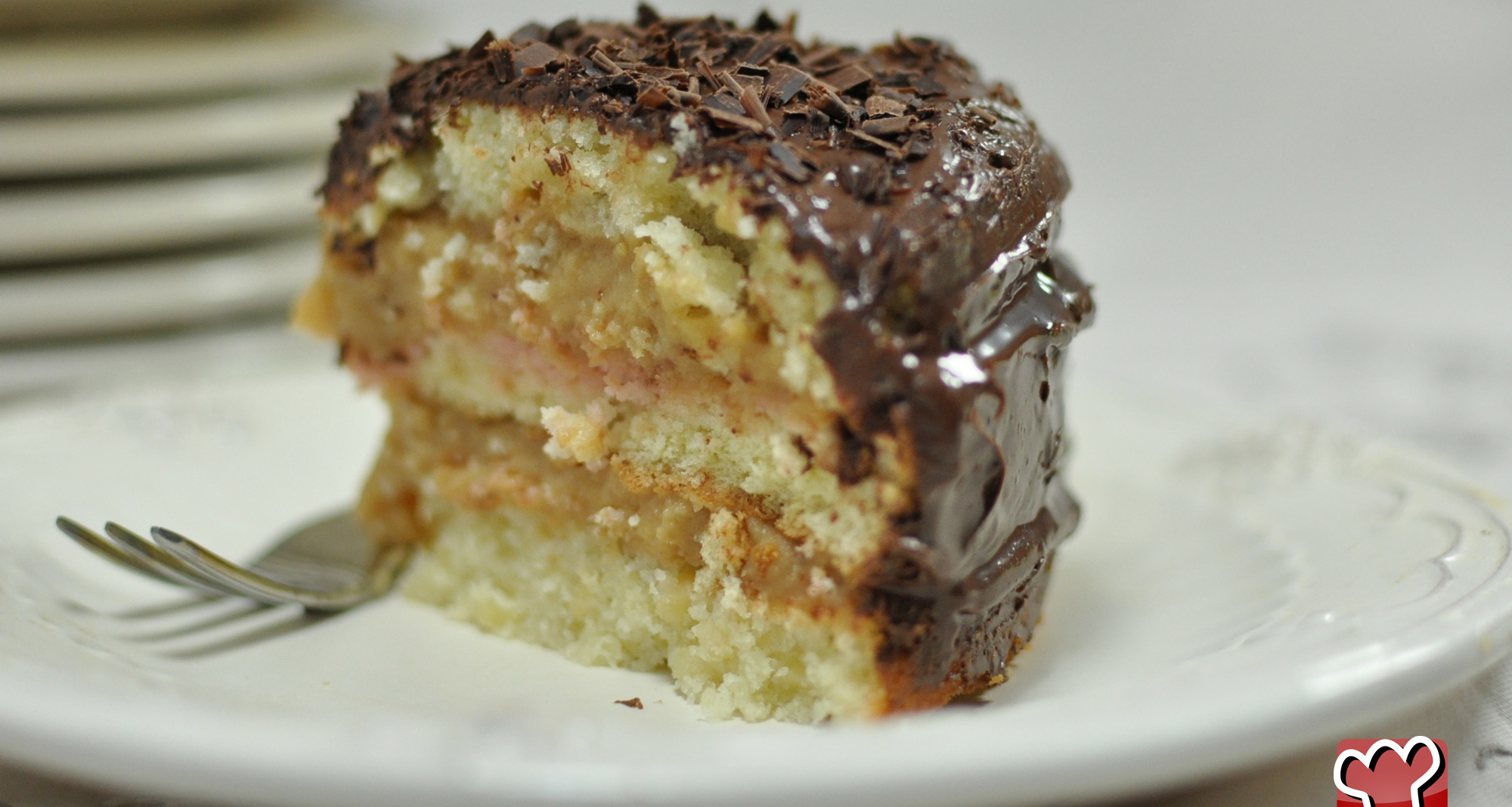
This layered cake – known as ‘Pazientina’ - is a typical cake from Padua, a layer cake composed of ‘Brescia cake’ and another layer of ‘polentina di Citadella’ alternating with two layers of a custardy cream. The cake is usually served glazed with dark chocolate and decorated with ribbons of chocolate or chopped almonds. The use of the ‘polentina di Citadella’ in making the cake is interesting: this is an ancient sponge cake, typical of the town Citadella and the surrounding area. The name of this cake refers to the use of maize flour in one of its variants. The birth of the Pazientina cake dates from 1600 and there are two legends: the first tells of the tradition of offering convalescents a slice of this cake as a tonic, because of its hearty and rich ingredients; the second, which suggests the name of the dessert, is linked to the patience necessary for its laborious and complex preparation. There is indeed a long preparation time, but those who make the effort will be repaid by the sublime excellence of the result. In September 2000, in Prato della Valle, the largest Pazientina cake ever was made, and entered the Guinness Book of Records.
Ingredients
Dough
Stuffing
* approximate values per serving
Preparation
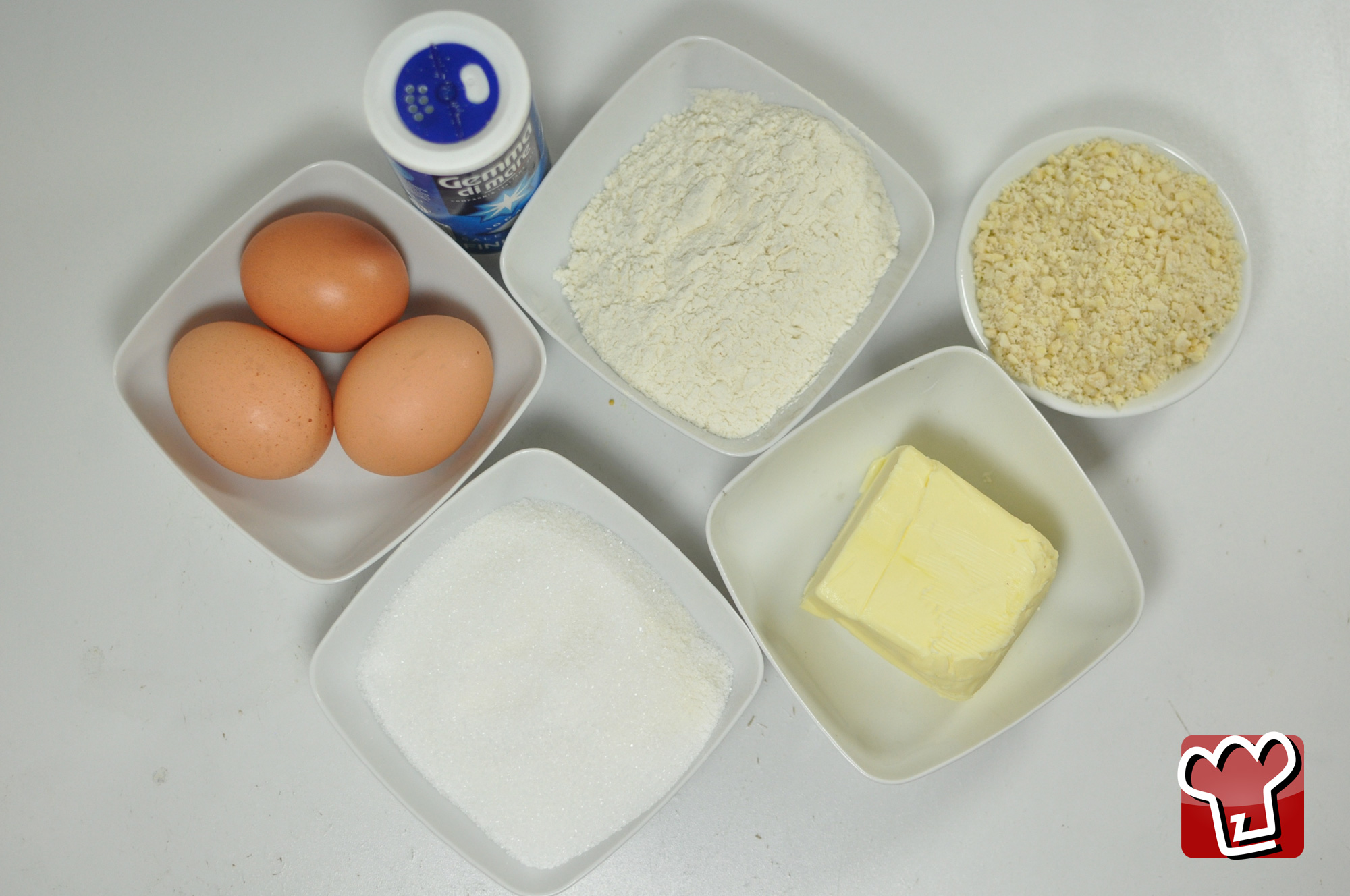
Prepare the ingredients for the layered cake: 4 eggs, salt, 60g of potato starch, 30 g of flour, 30 g of corn flour, baking powder. Beat the egg whites until stiff. In a clean bowl beat the egg yolks with the sugar, then sift in the potato flour, wheat flour and cornflour, baking powder and salt. Stir into the egg and sugar mixture gently. Grease and flour a 22cm springform cake tin and pour in the mixture. Bake in oven at 180 °C for about 30 minutes. Let it cool and tip the cake out. Cut into 3 thin slices, you will need only one. Now for the preparation of the ‘Bresciana’ base. Get all the ingredients: 3 eggs (you need only the egg whites), flour, sweet and bitter chopped almonds, butter, sugar and a pinch of salt. Beat the egg whites until stiff. Beat the sugar with the butter, add the flour, a pinch of salt and the ground almonds. Fold in the egg whites and transfer to a springform pan (which you previously used for the polenta), again buttered and lightly floured. Spread the mixture in a thin layer and cook at 180 °C for about 30 minutes. Remove from the oven and let cool. Now for the preparation of the ‘crema’: 5 egg yolks, sugar, flour and Marsala. In a saucepan, mix the egg yolks and sugar well. Pour this mixture into the sifted flour and mix well to avoid lumps. Mix in the Marsala slowly, stirring as you pour the wine in a thin trickle. You must obtain a homogeneous mixture without lumps, so cook on the stove slowly, stirring constantly, until the ‘crema’ thickens. Transfer the ‘crema’ into a bowl and let it cool. Assemble the cake: spread half the ‘crema’ onto one slice of the ‘Bresciana’ almond cake, cover this slice with the ‘polenta de Citadela’, sprinkled with curaçao or alchermes or another sweet liqueur. Glaze with the other half of the cream. Let it stand in a cool place. Smooth the surface well, then glaze with melted dark chocolate
Step by step
|
View the step by step
|
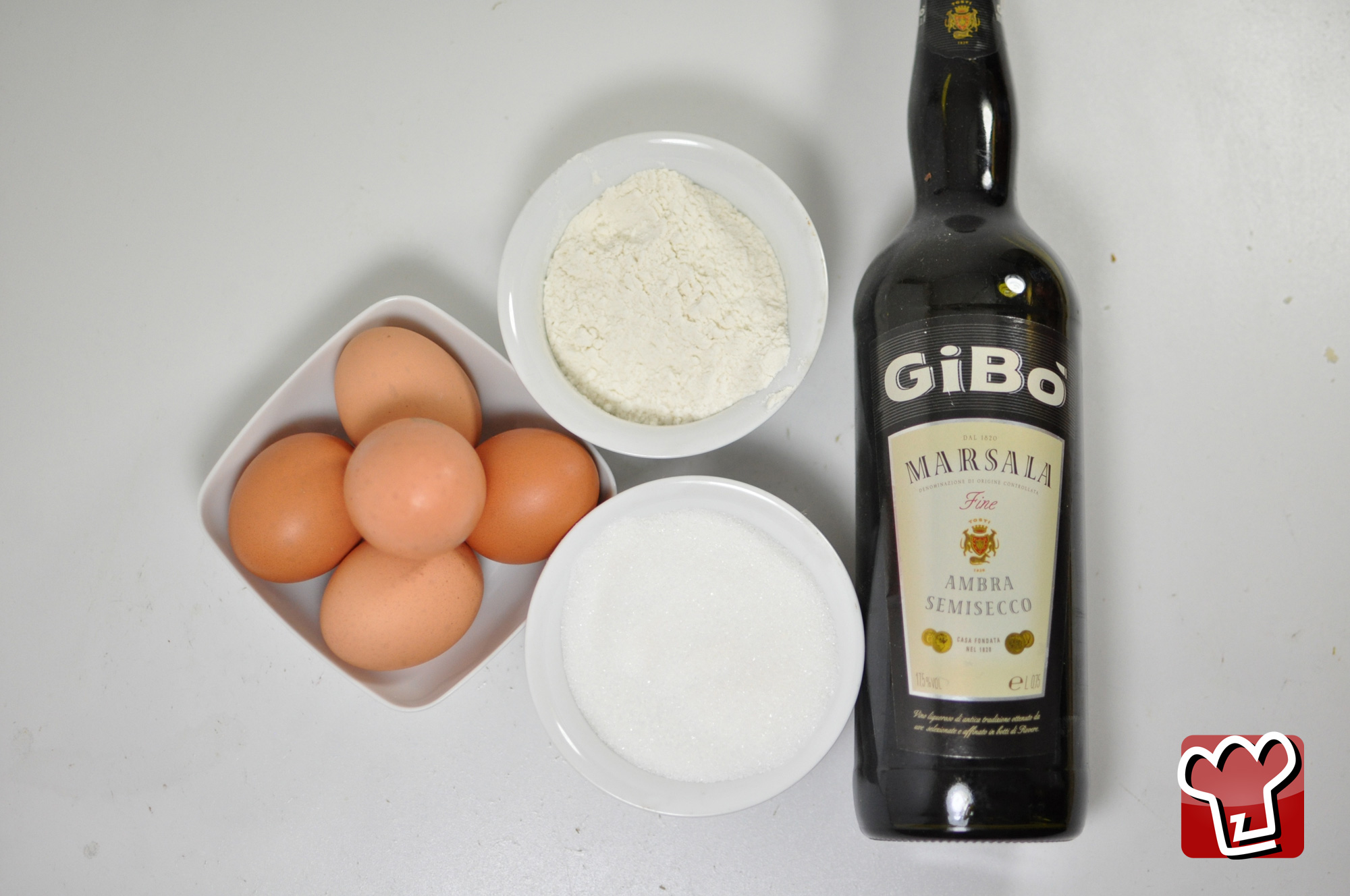
Get all the ingredients: 5 egg yolks, sugar, flour and marsala
|
|
View the step by step
|
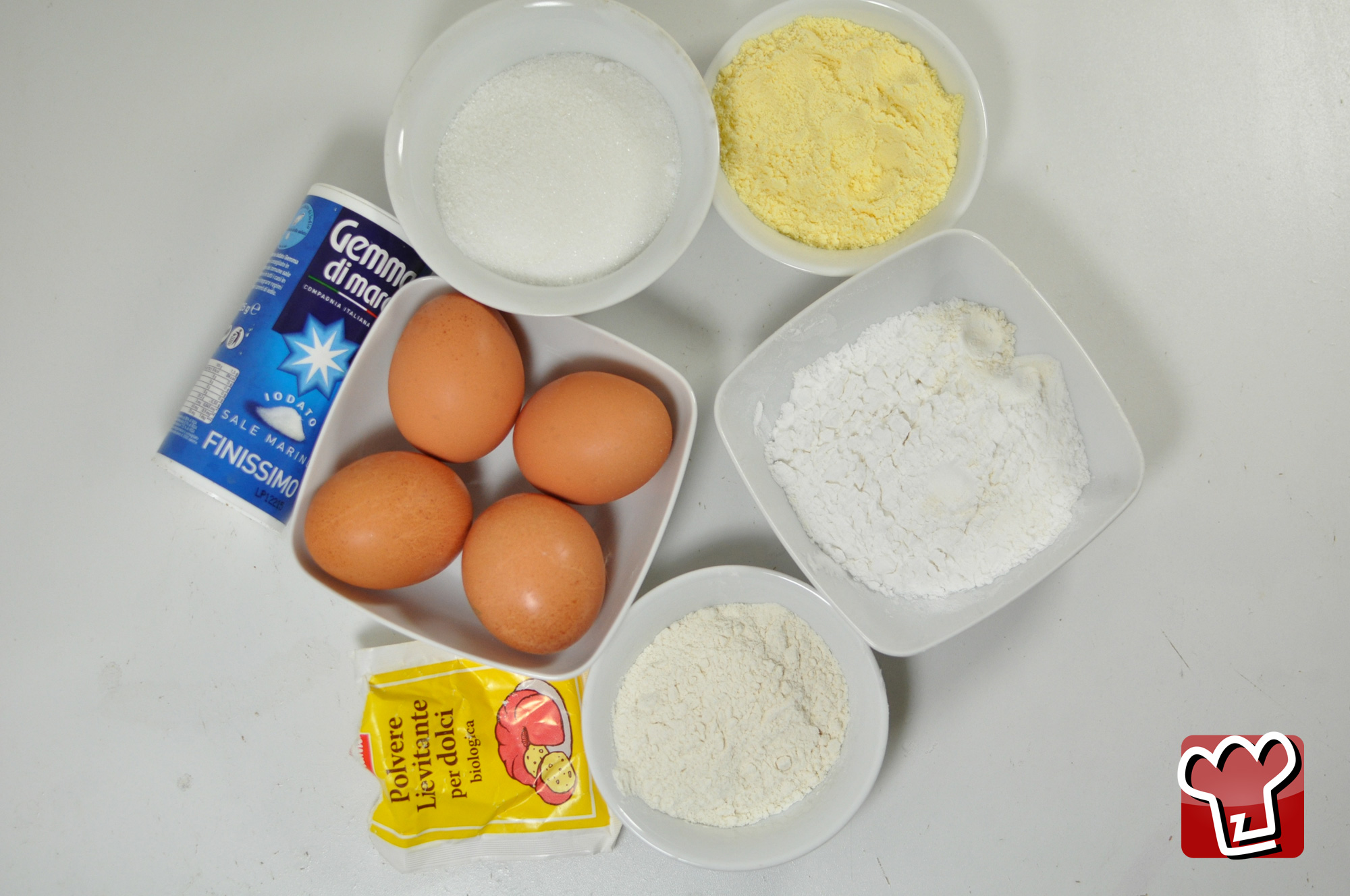
Get the ingredients for the ‘Citadella’: 4 eggs, fine salt, 60g of potato cornflour, 30g of flour, 30g of polenta, baking powder
|
|
View the step by step
|
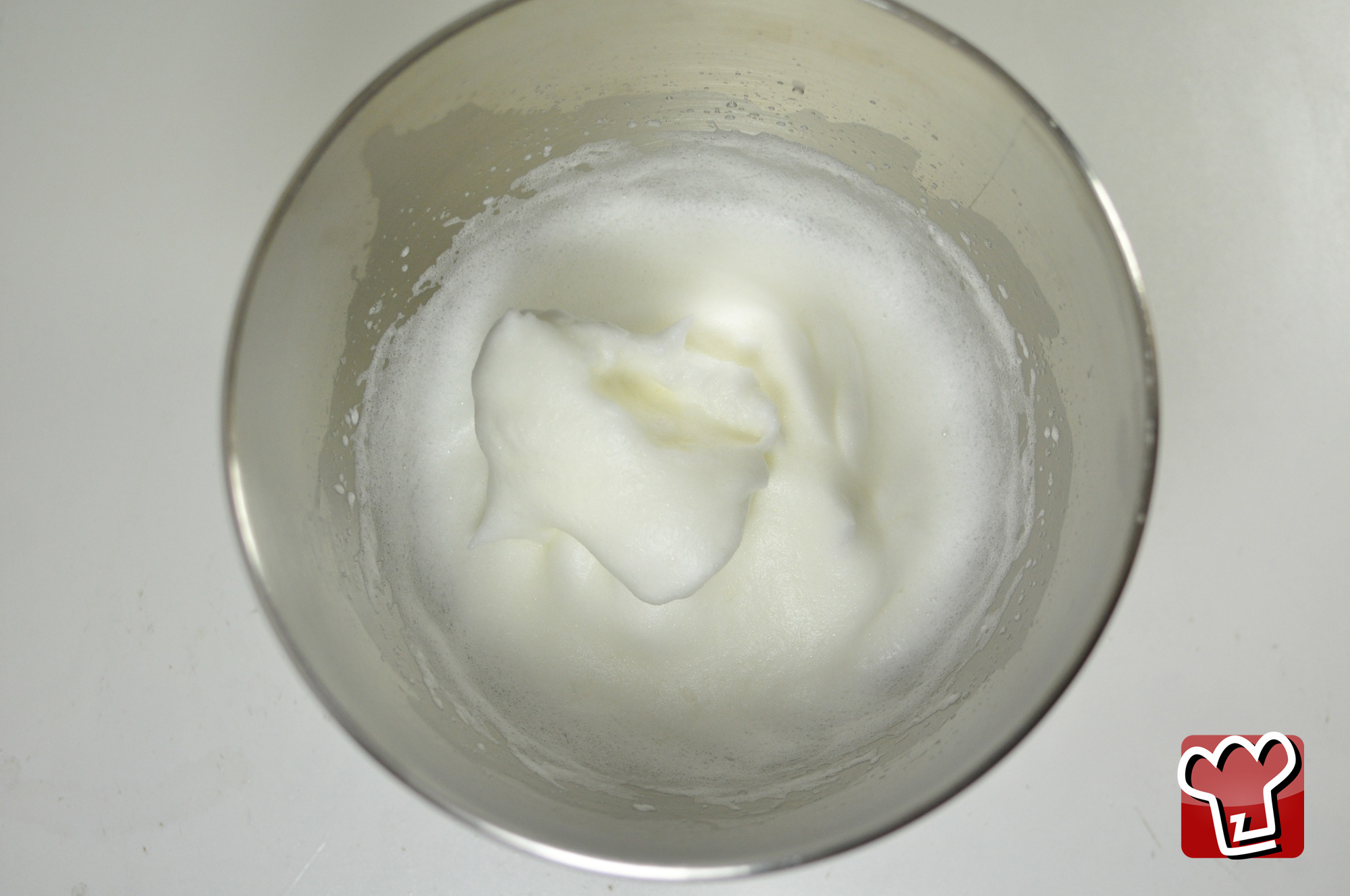
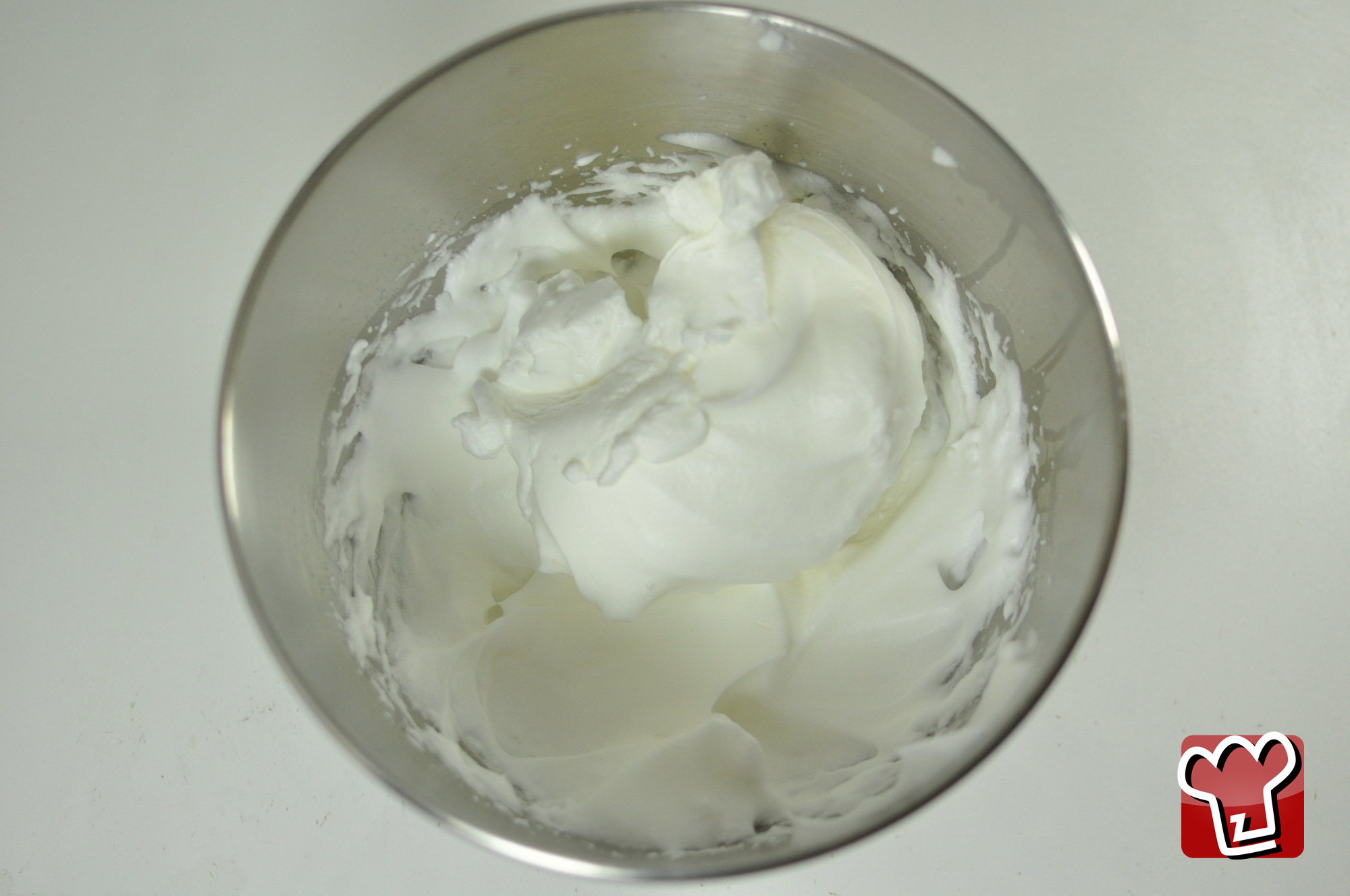
Beat the egg whites until firm
|
|
View the step by step
|
In a bowl, beat the egg yolks and sugar together well
|
|
View the step by step
|
Beat the egg whites until firm
|
|
View the step by step
|
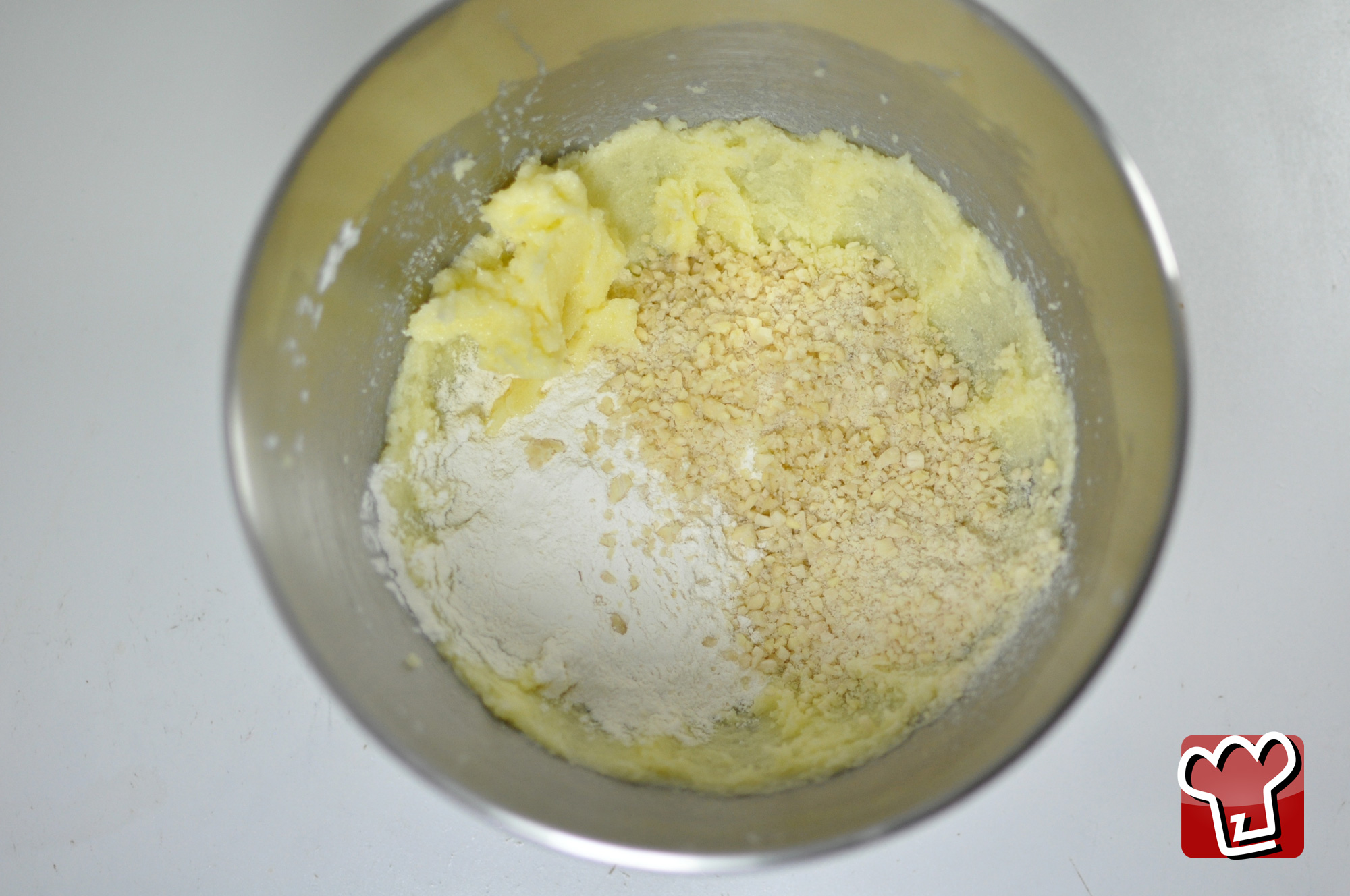
Work the sugar together with the butter, add a sprinkle of flour, a pinch of salt, and the finely ground almonds
|
|
View the step by step
|
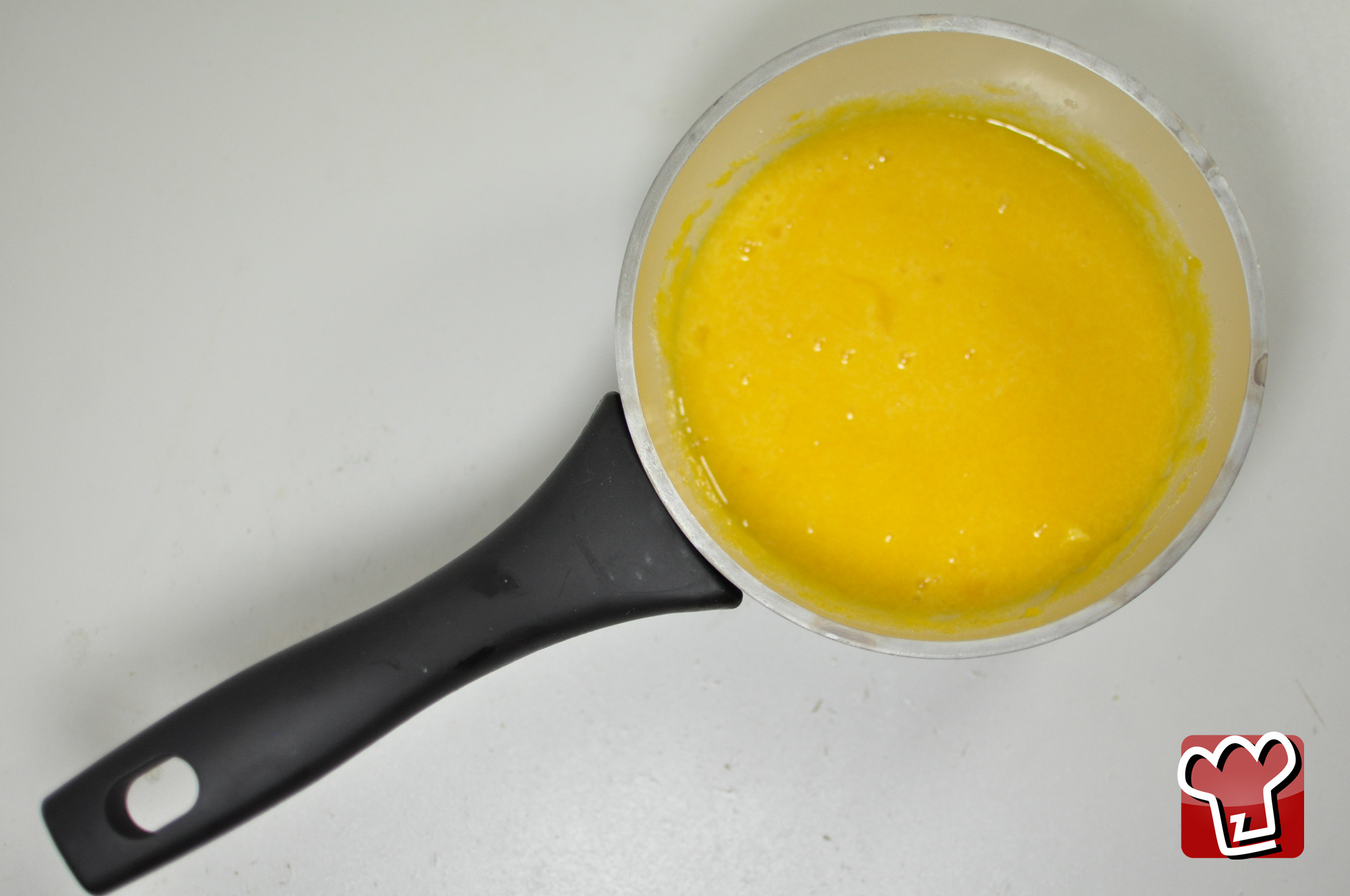
Add the sifted flour to the egg and sugar mixture and mix well, avoiding any lumps
|
|
View the step by step
|
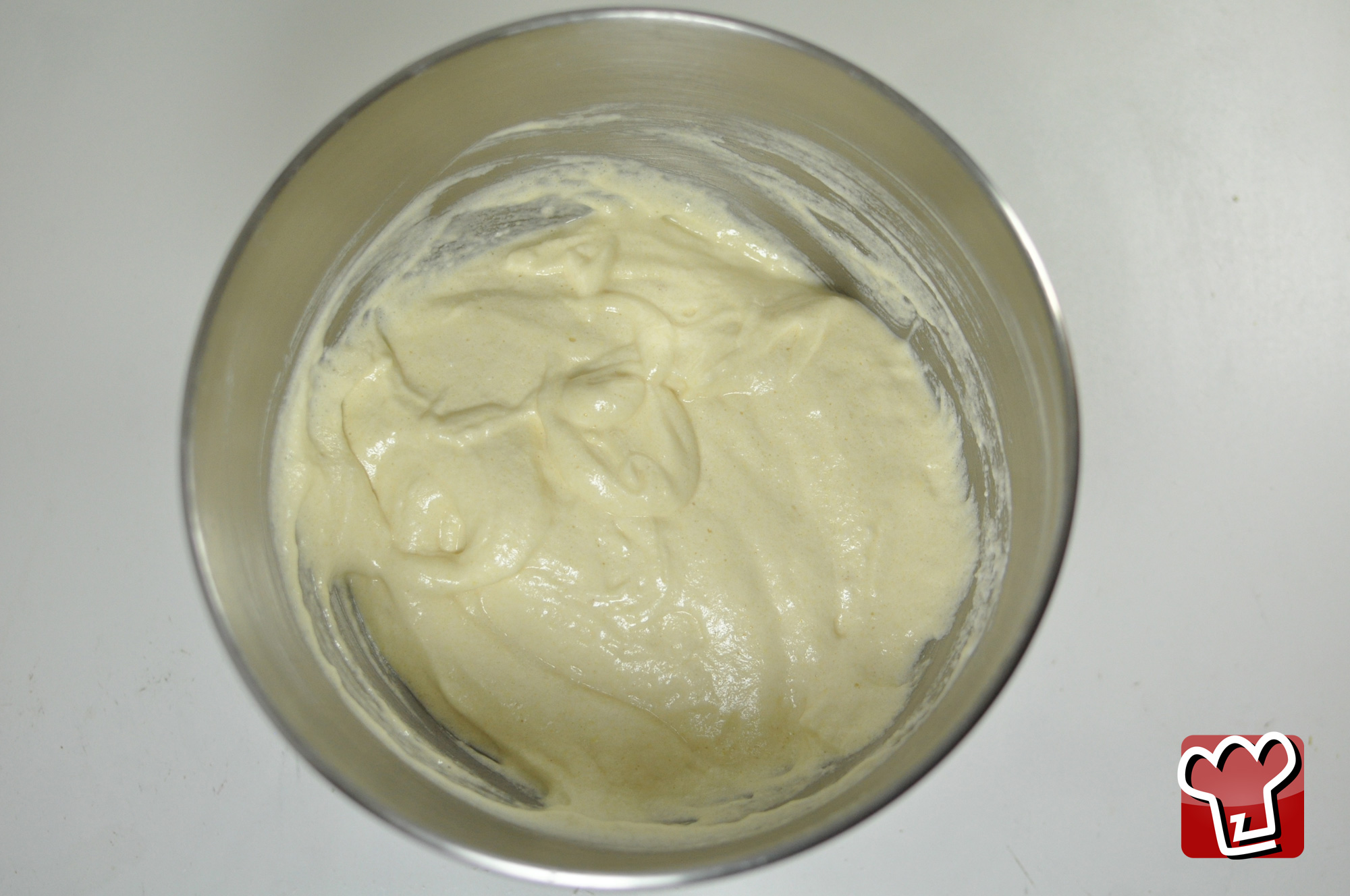
In a clean bowl beat the egg yolks with the sugar, then add the sifted cornflour, wheat flour and polenta, baking powder and salt. Stir into the mixture gently.
|
|
View the step by step
|
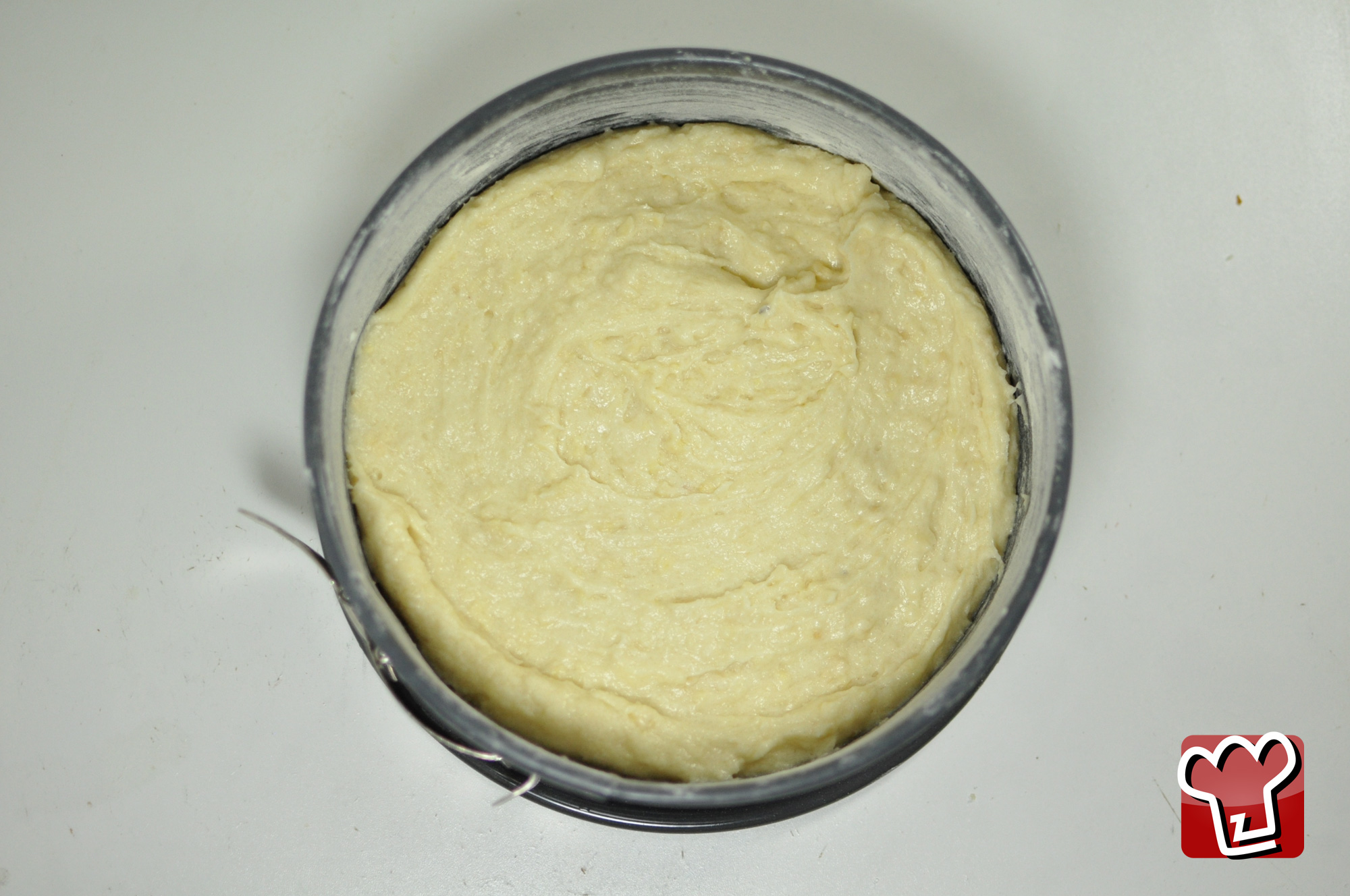
Fold the egg whites into the flour mixture and transfer it the springform pan (which you have previously used for polenta), once again buttered and floured. Spread the mixture into a thin layer and cook at 180 °C for about 30 minutes.
|
|
View the step by step
|
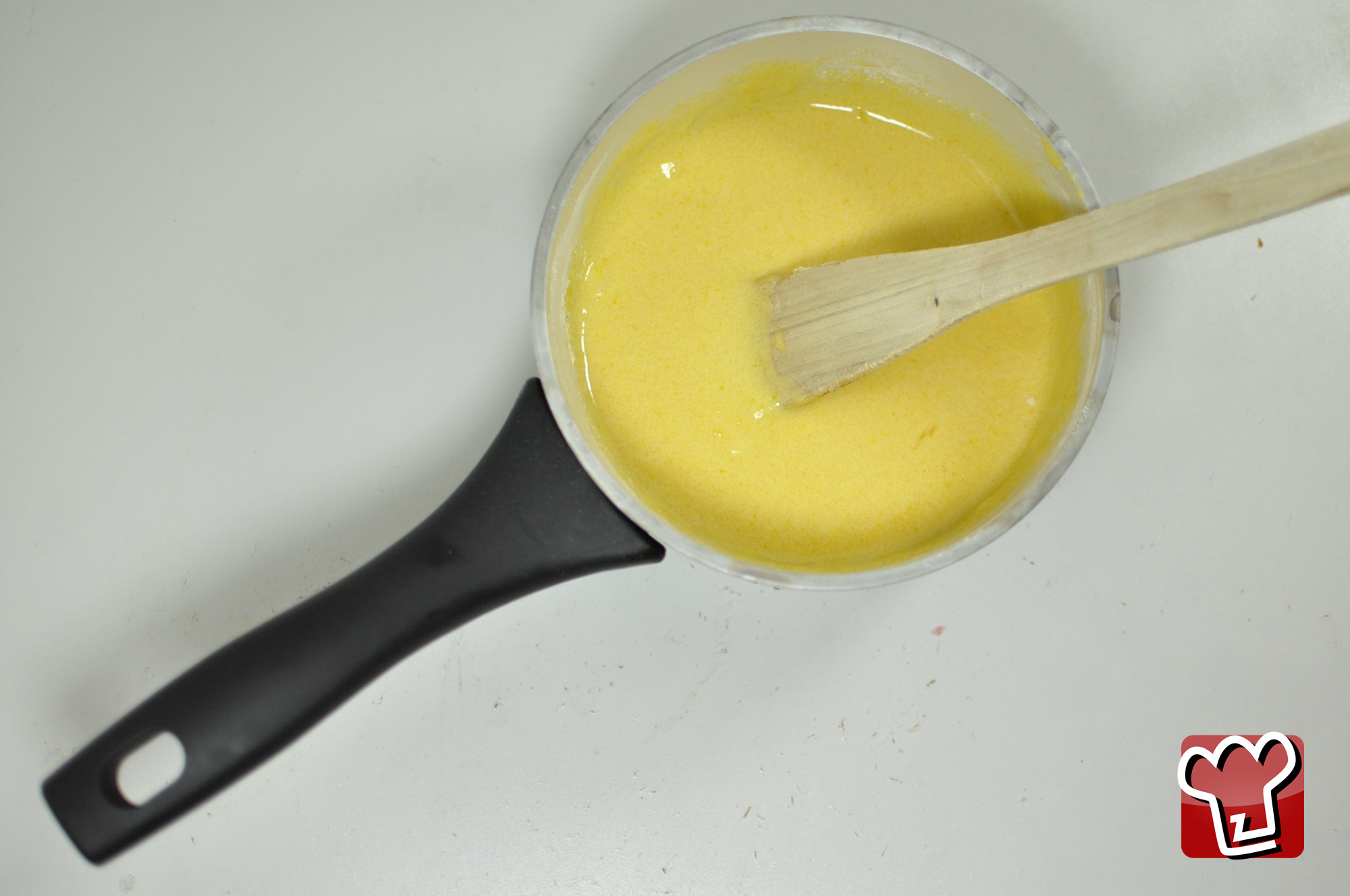
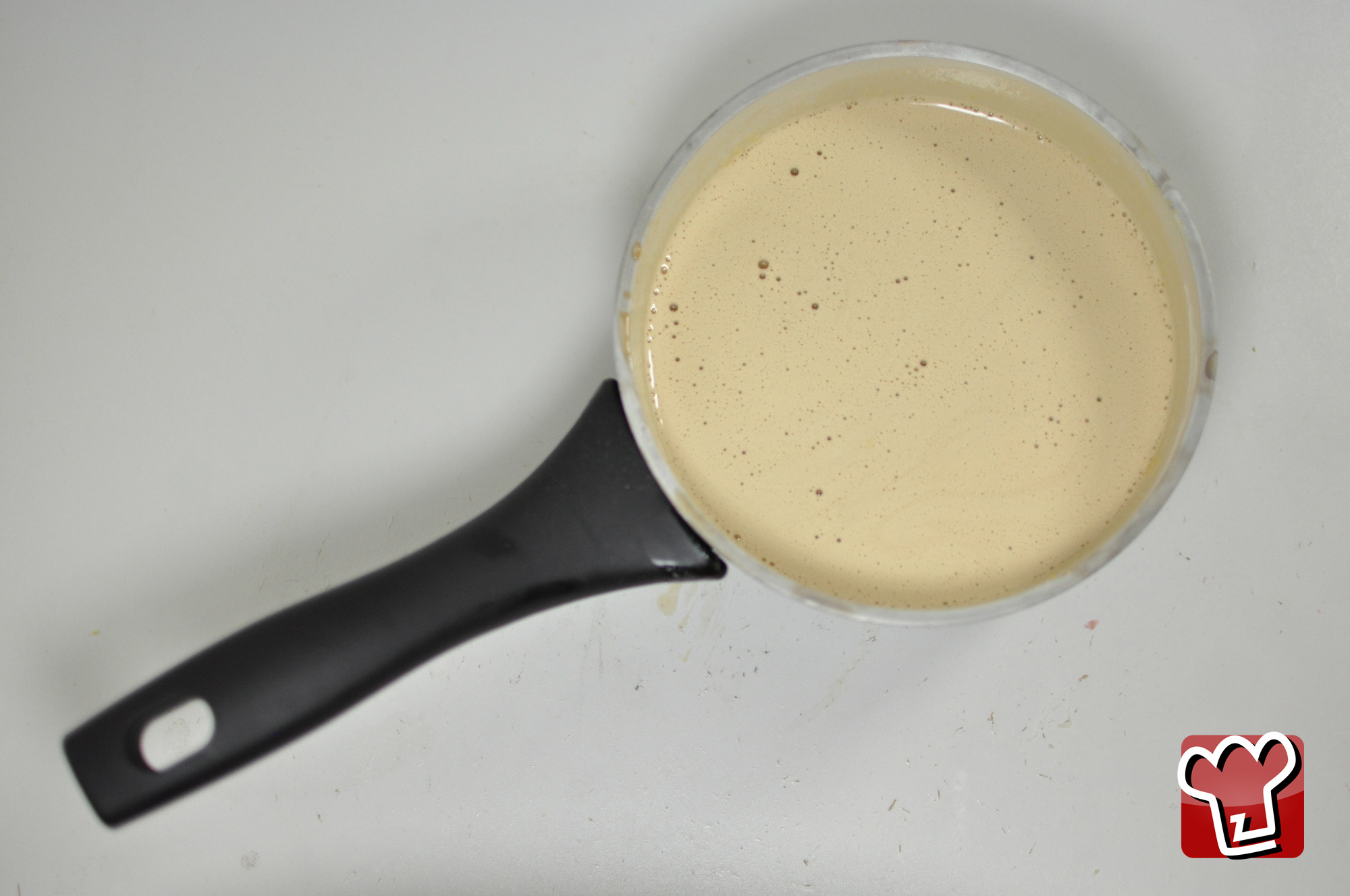
Mix slowly whilst pouring in the liqueur. You must obtain a homogeneous mixture without lumps, so cook slowly, stirring constantly, until the cream thickens.
|
|
View the step by step
|
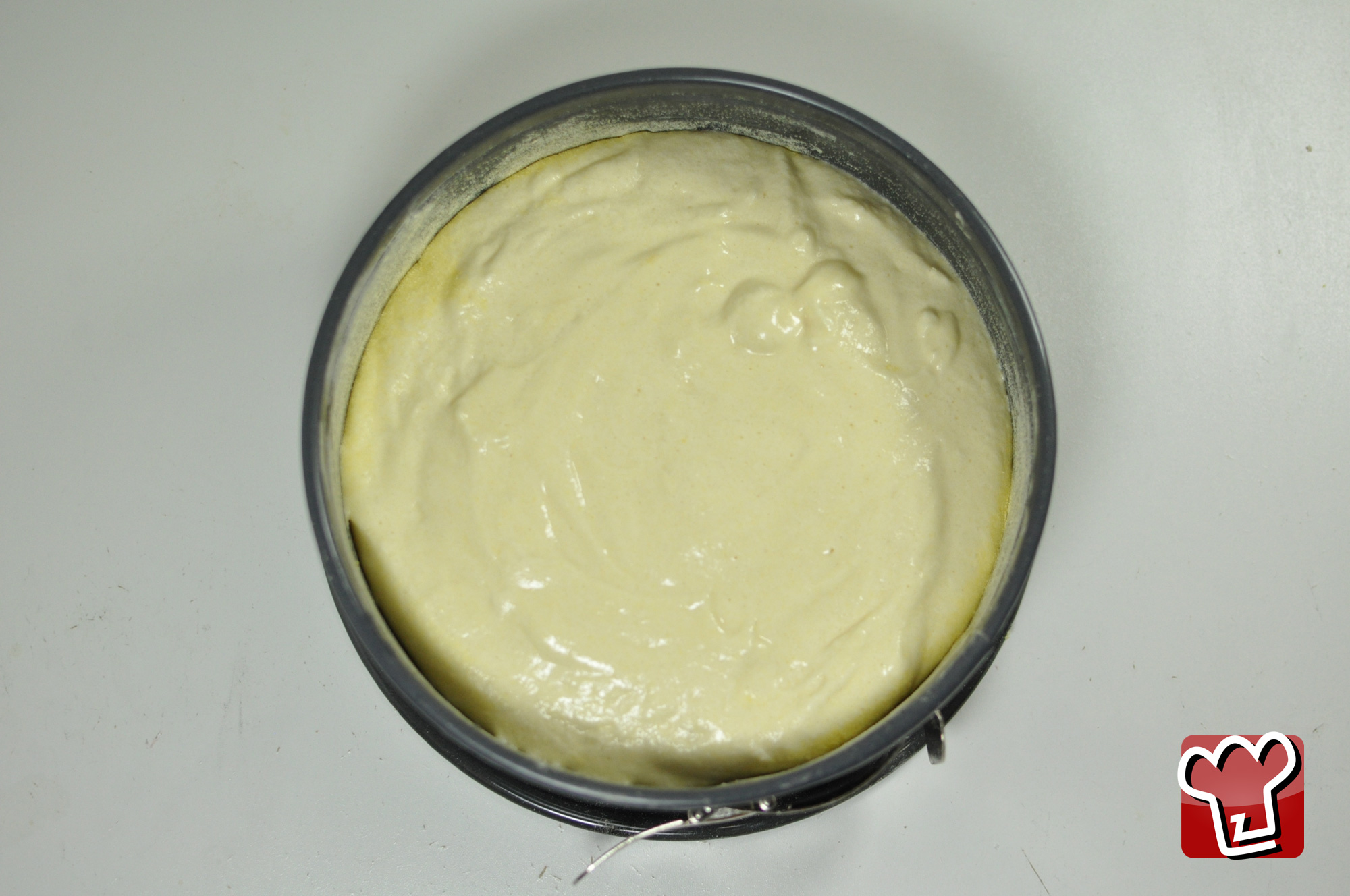
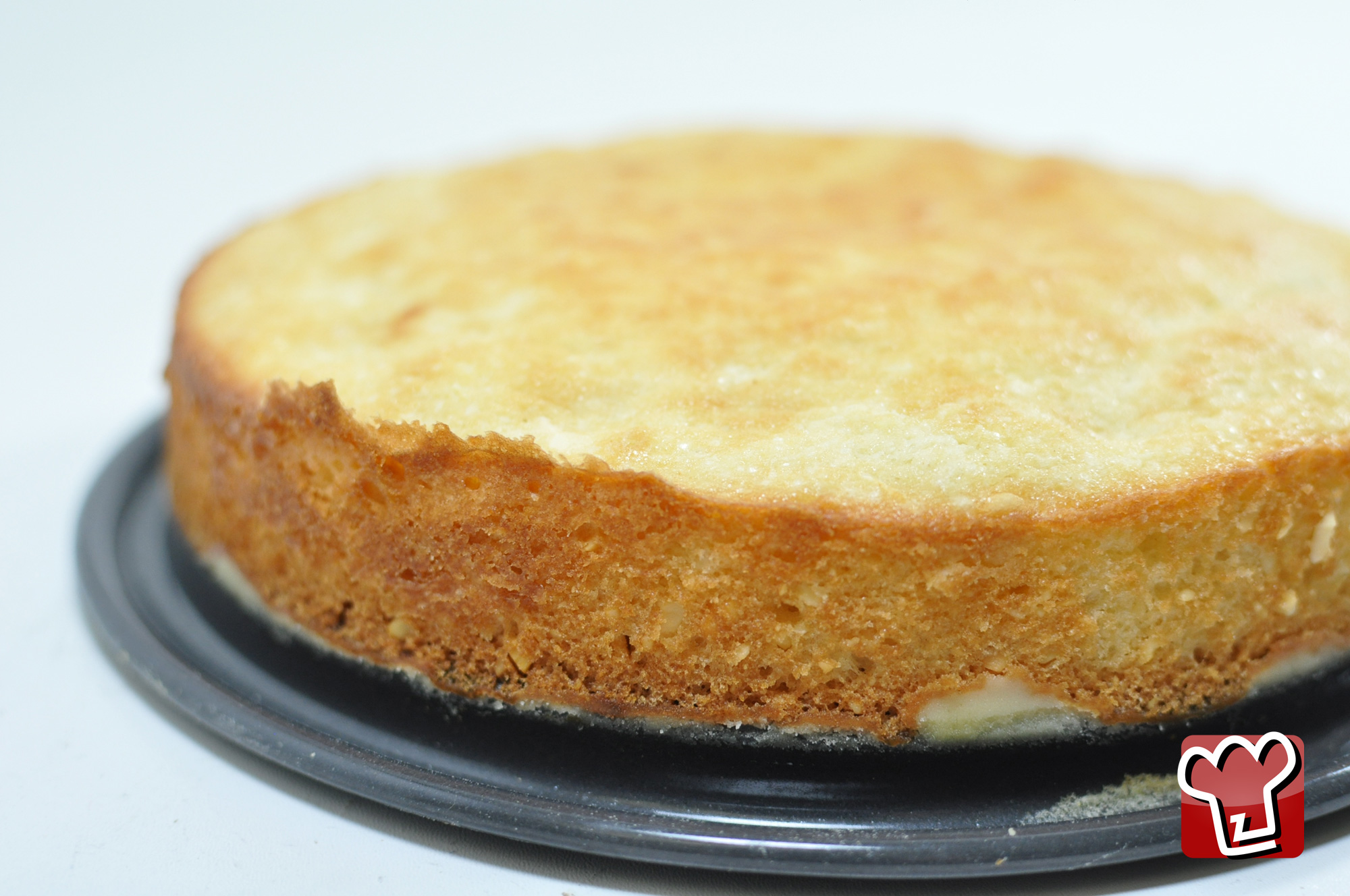
Butter and flour a 22cm springform cake tin and pour in the cake mixture. Cook in a pre-heated oven at 180°C for about 30 minutes.
|
|
View the step by step
|
Remove from the oven and cool
|
|
View the step by step
|
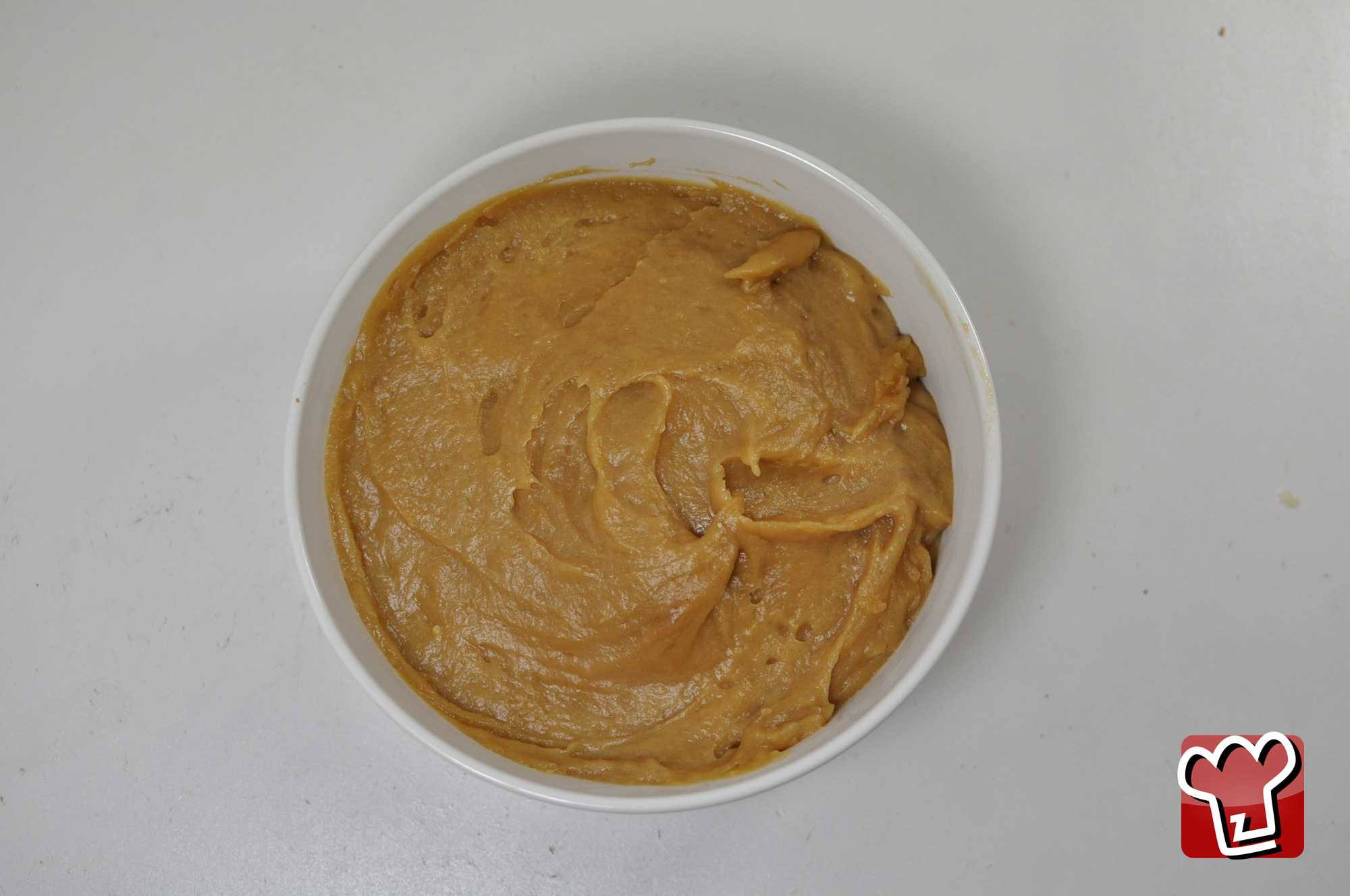
Transfer the ‘crema’ to a basin and let it cool
|
|
View the step by step
|
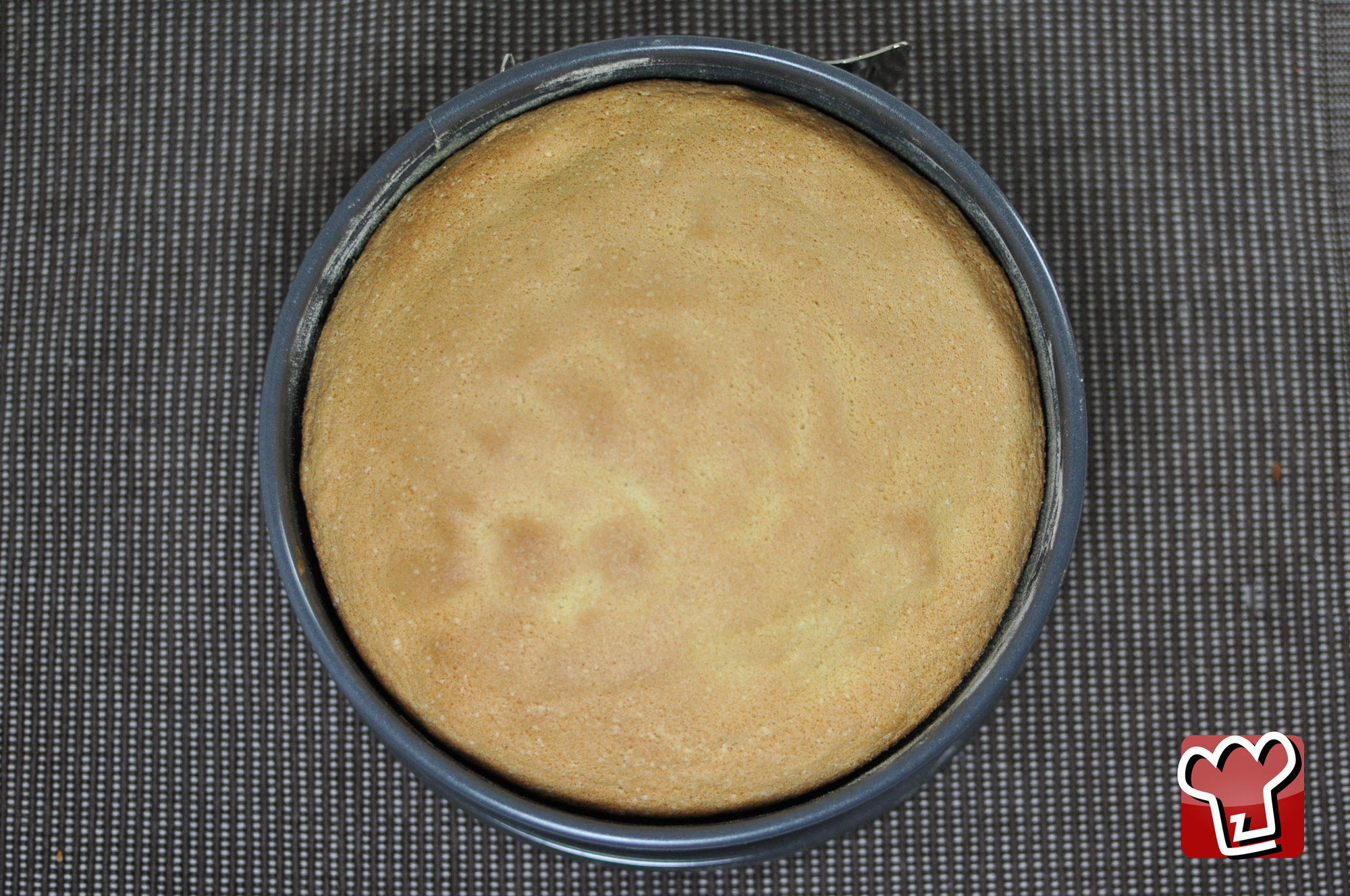
Let it cool and remove from the tin. Cut into 3 thin slices, you will need only one
|
|
View the step by step
|
Now assemble the cake
|
|
View the step by step
|
Serve the cake after having left it to stand for a few hours
|
Additional information
Pazientina with Dark Chocolate and Almonds
A delicious variation of the classic Pazientina includes the addition of dark chocolate and almonds, which give the dessert a richness of flavors and an even more interesting texture. To prepare it, simply melt the dark chocolate and incorporate it into the mixture of eggs and flours, along with chopped almonds. This version is particularly suitable for those who love desserts with an intense and decisive taste. Dark chocolate, in addition to making the dessert more indulgent, offers an aromatic profile that pairs perfectly with the sweetness of the original preparation. Don't forget to decorate the surface with chocolate shavings and a few whole almonds for a touch of elegance.
Pazientina from Veneto with Alchermes
For those who wish to savor tradition, the Pazientina from Veneto with Alchermes is an excellent choice. This liqueur, typical of the Veneto region, gives the dessert a unique and unmistakable flavor. To prepare it, simply add a bit of Alchermes to the batter, which will not only provide a particular aroma but also a beautiful red color. This variant is perfect for parties and celebrations, thanks to its vibrant presentation and its unmistakable taste. The Pazientina from Veneto is a dessert that tells the story of local culinary tradition and captivates anyone who tastes it, making it ideal for concluding a meal in a refined way.
Light Pazientina without Butter and Refined Sugar
For those who are mindful of their figure, the Light Pazientina is a valid alternative. In this version, butter is replaced with Greek yogurt and refined sugar with natural sweeteners like honey or coconut sugar. These adjustments help maintain the softness of the dessert while reducing calories and making the preparation lighter. Furthermore, using whole grain flours instead of refined flours contributes to a higher fiber intake. This dessert thus becomes a healthier option, perfect for those who want to indulge in a moment of sweetness without guilt. The Light Pazientina is also ideal for those following specific diets or for anyone who simply wishes to eat more consciously.
Pazientina: Benefits of Eggs and Approximate Calories
Eggs, the main ingredient of Pazientina, provide numerous benefits to our body. Rich in high-quality proteins, vitamins, and minerals, eggs are a nutritious food that supports muscle health and promotes satiety. Additionally, they contain choline, which is essential for brain and nervous system health. A serving of Pazientina (about 100g) provides approximately 300 calories, depending on the ingredients used. It is important to consider that calories may vary if lighter variants or different ingredients are chosen. Consuming it in moderation allows you to enjoy a traditional dessert without compromising a balanced diet.
Can Pazientina be Frozen?
Pazientina can be frozen, but it is advisable to follow some simple precautions to preserve its freshness and texture. Before freezing, make sure it is completely cooled. Once cool, you can wrap it in plastic wrap or place it in an airtight container to protect it from freezer burn. Pazientina can be stored in the freezer for up to 2-3 months. When you decide to consume it, simply let it thaw in the refrigerator for a few hours or at room temperature. Keep in mind that the texture may undergo slight changes, but the flavor will still be delicious.