Sagne all'arrabbiata with spicy pescatorino
Here is a first course full of energy, color and character, perfect for lovers of strong and decisive flavors. It is a first course of cannulated sagne - a typical Salento pasta format - seasoned with a rich sauce prepared with rustic passata and spicy pescatorino. An intriguing and delicious combination, capable of giving emotions to fish lovers as well as to lovers of the "angry" versions of the great classics.
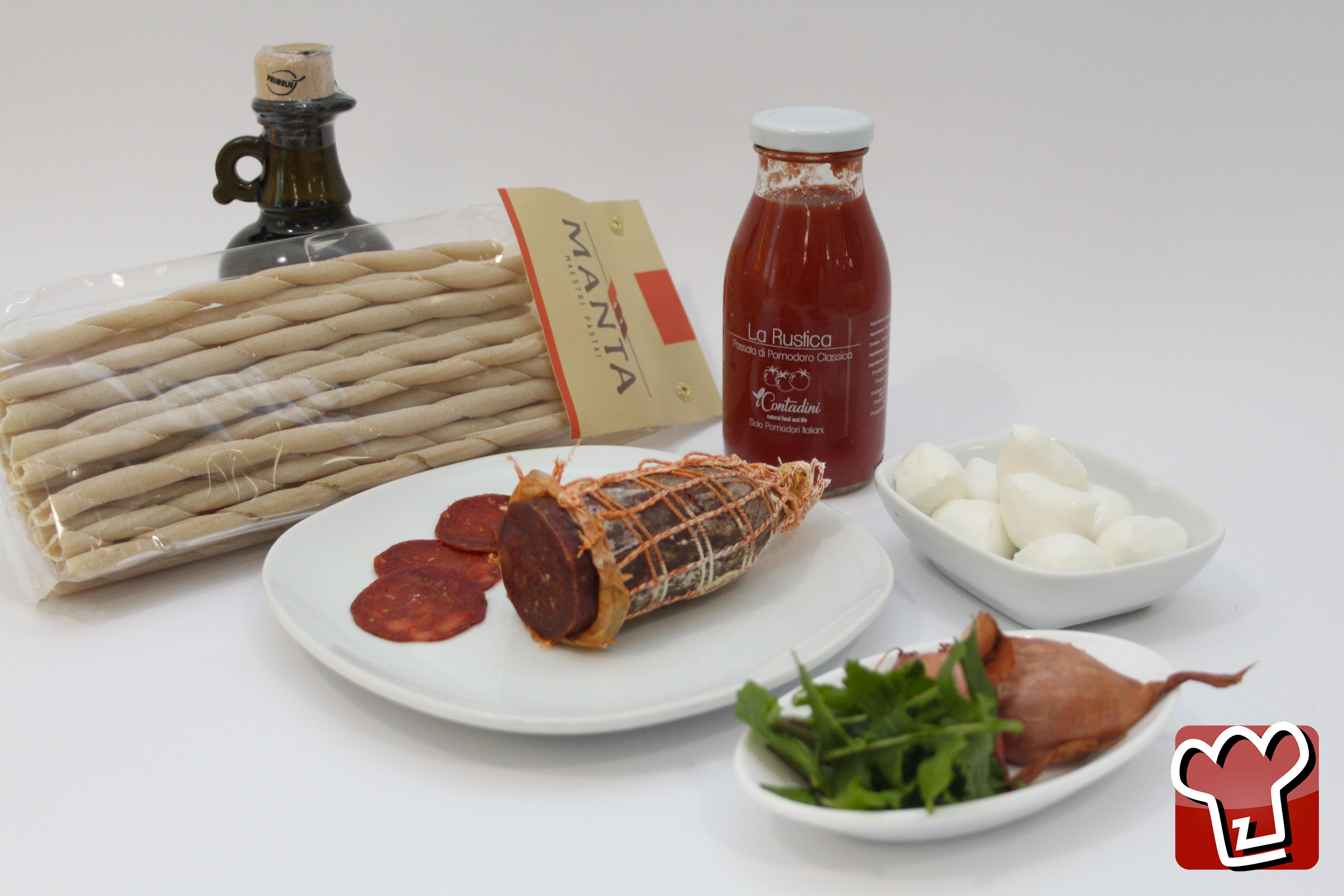
Ingredients
Sagne all'arrabbiata with Spicy Pescatorino
The dense and flavorful tomato purée from Puglia adds depth to this traditional dish. The sagne pair beautifully with the spicy pescatorino, creating a balance of flavors that awakens the senses. A simple yet characterful dish that embodies the authenticity of Puglian cuisine.
* approximate values per serving
Preparation
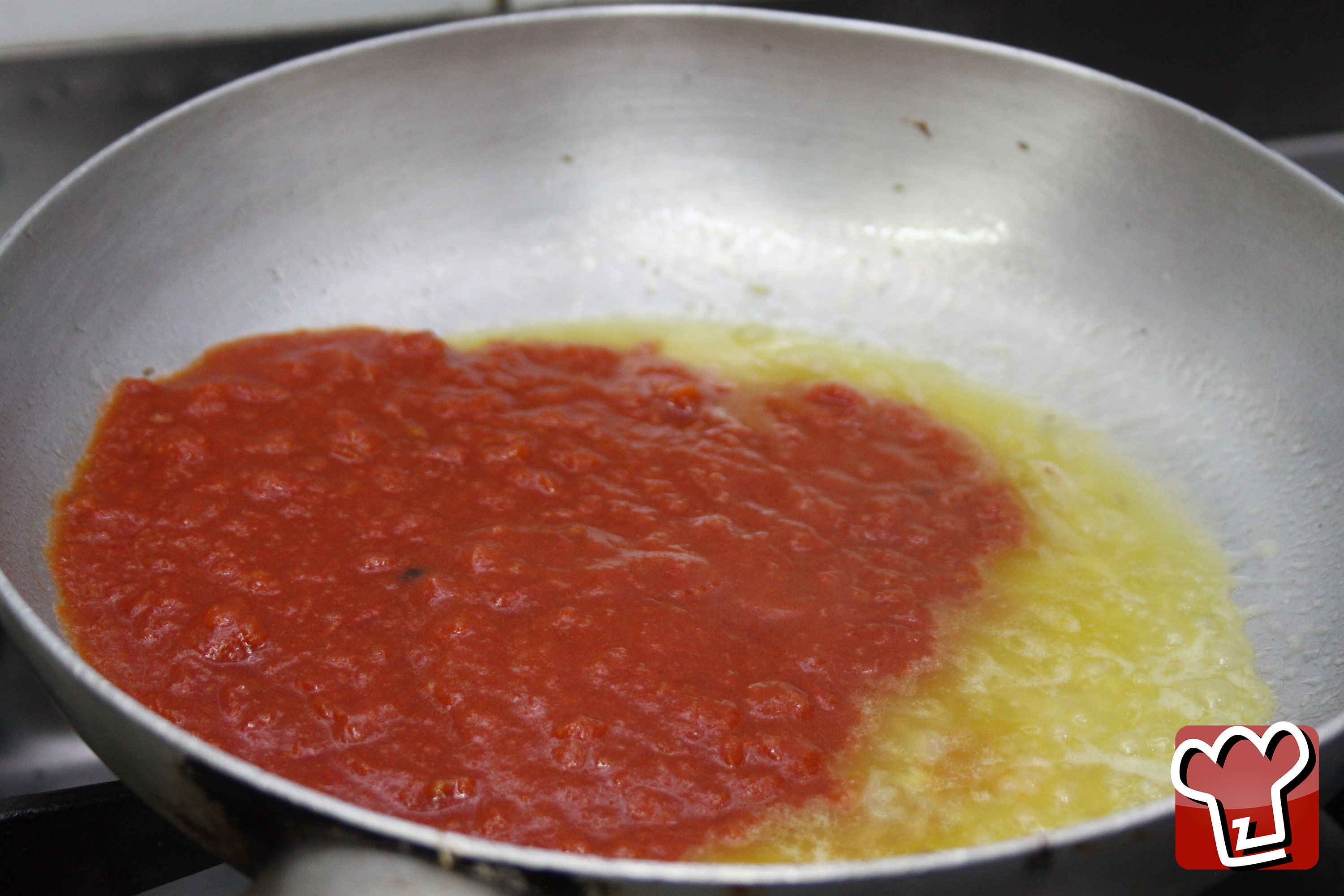
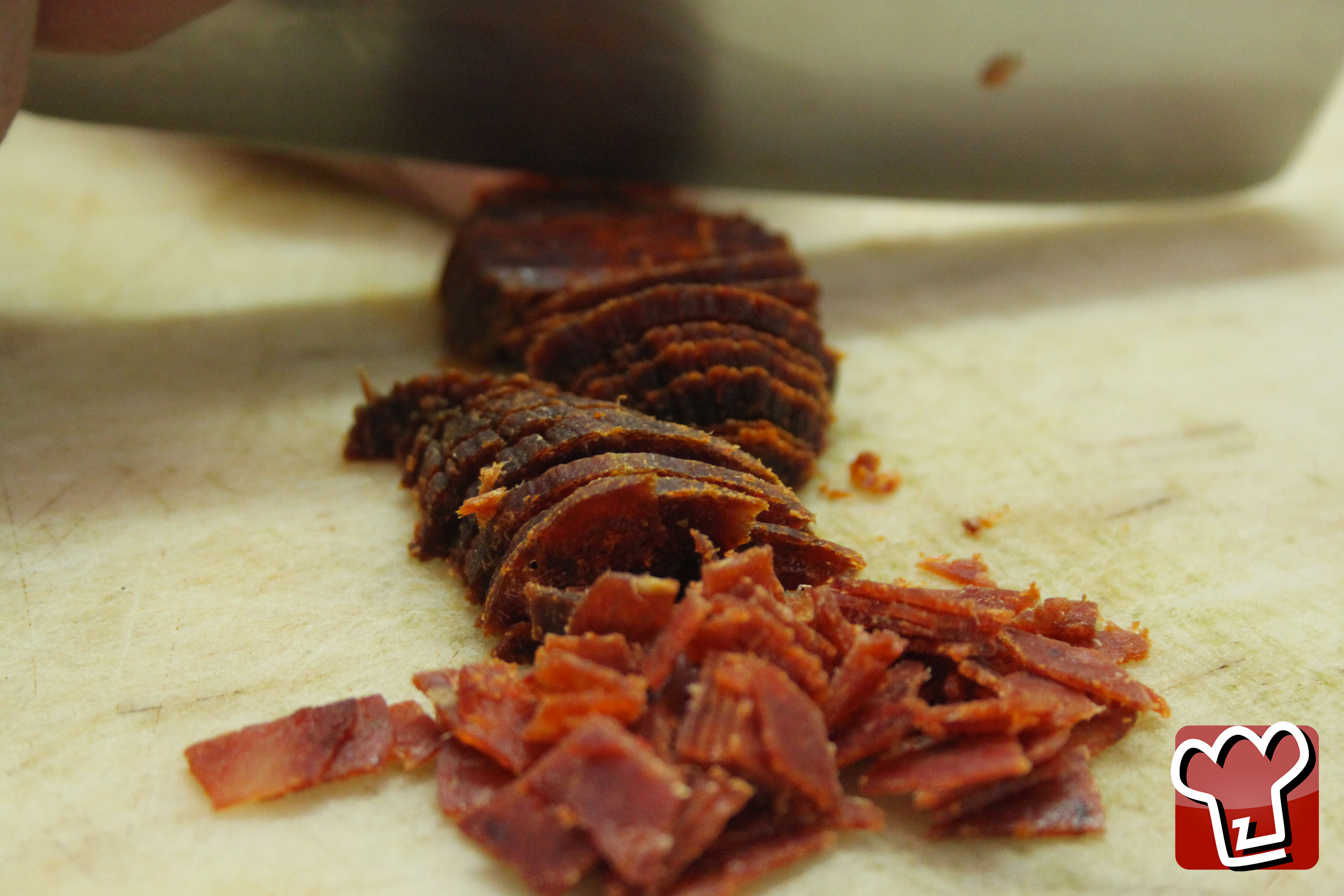
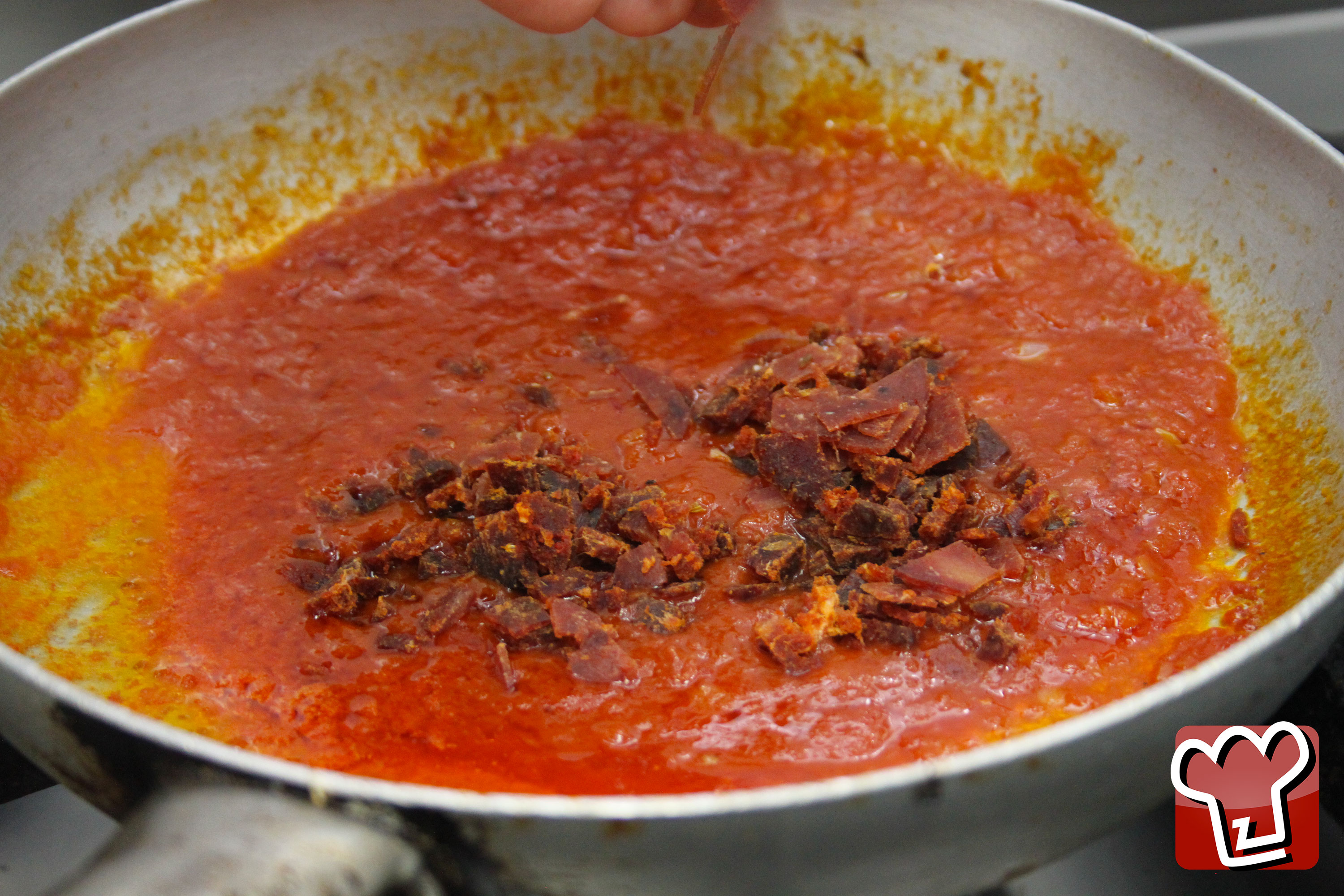
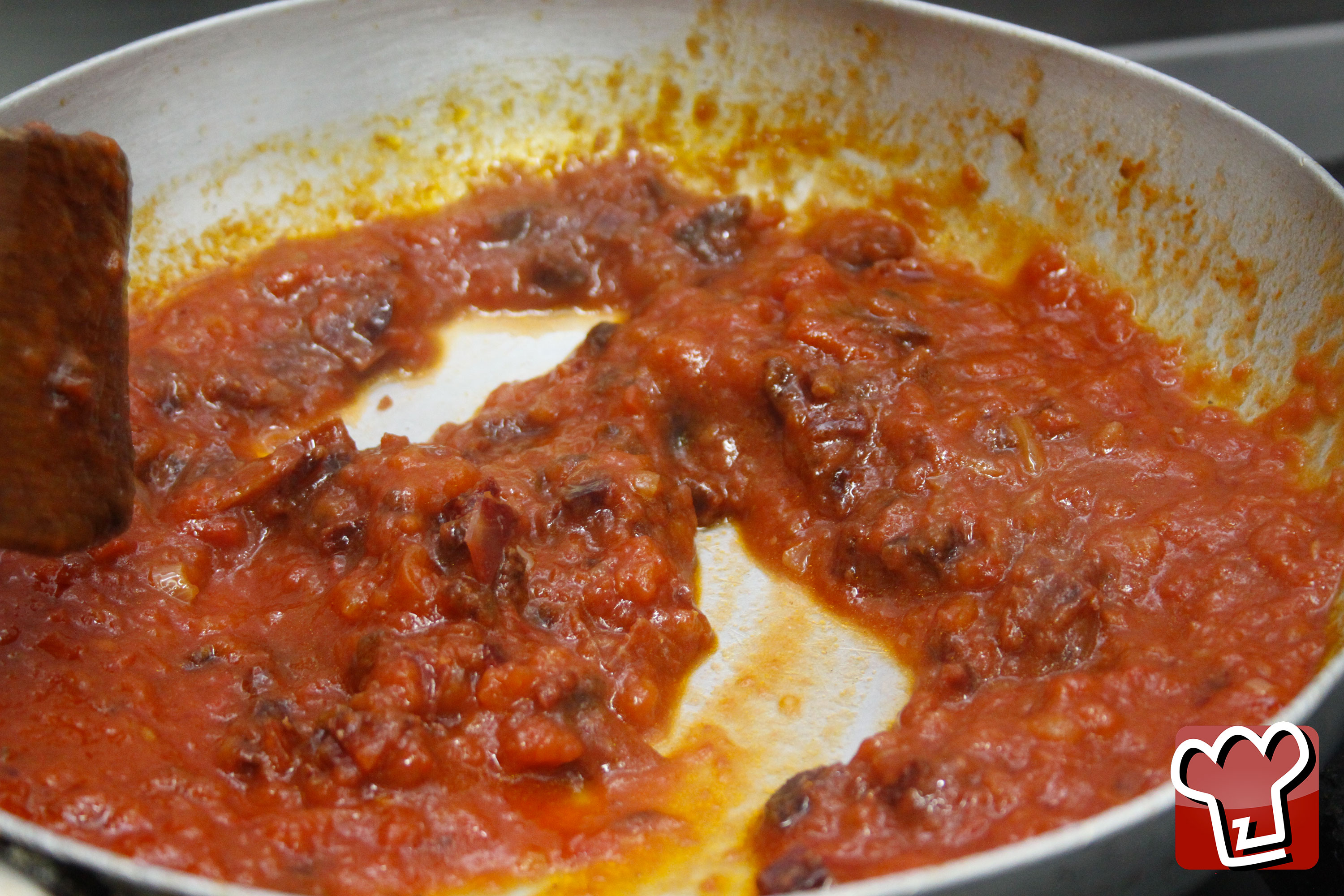
Put the sagne to cook in boiling salted water. Finely chop a shallot and fry it in a little oil, taking care not to burn it. Add the pass. Finely chop the pescatorino and add it to the sauce. Cook until the sauce has thickened properly. Drain the pasta, toss in the prepared sauce, and serve adding some mozzarella and a few rocket leaves.
Step by step
|
View the step by step
|
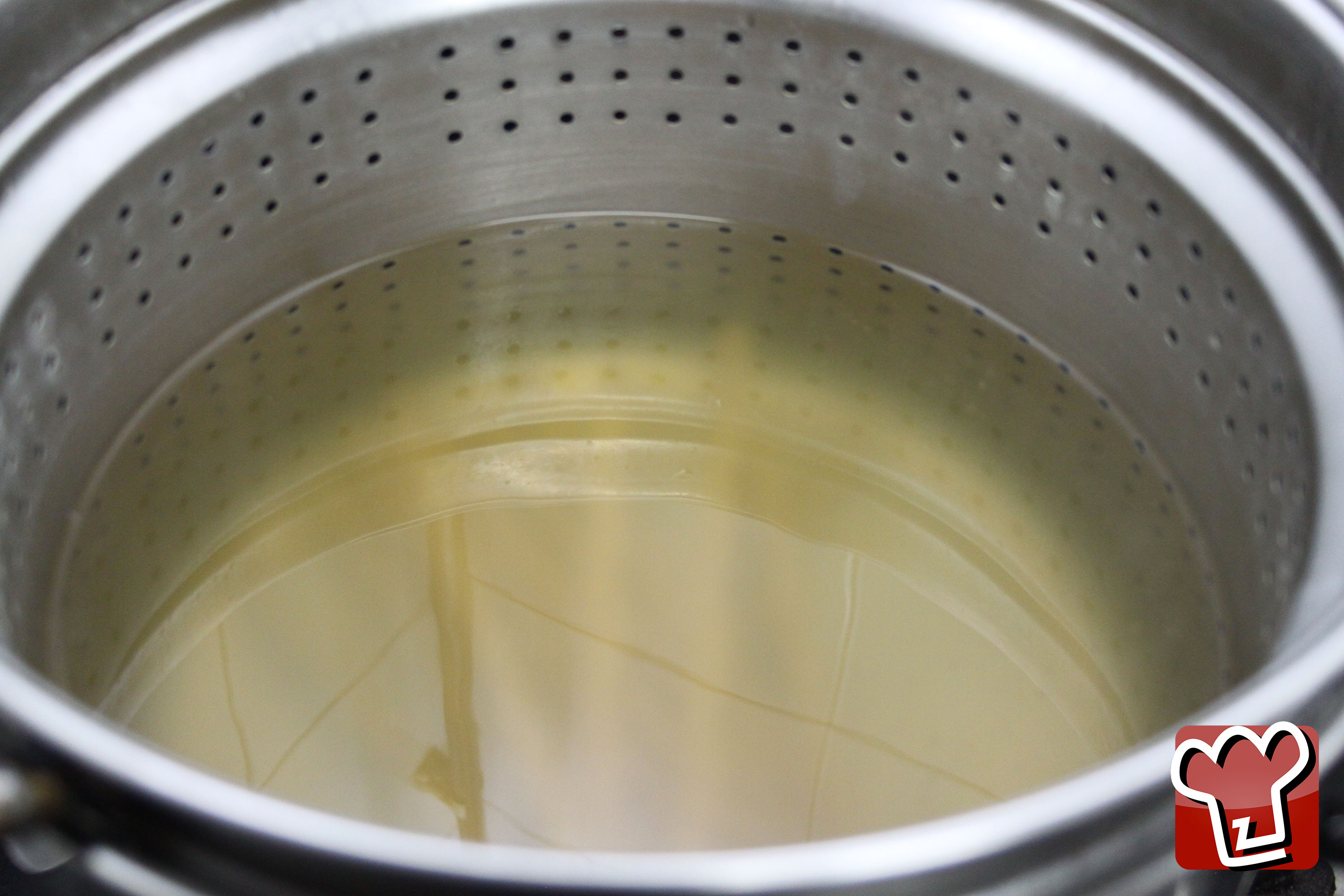
Cook the sagne in boiling salted water
|
|
View the step by step
|
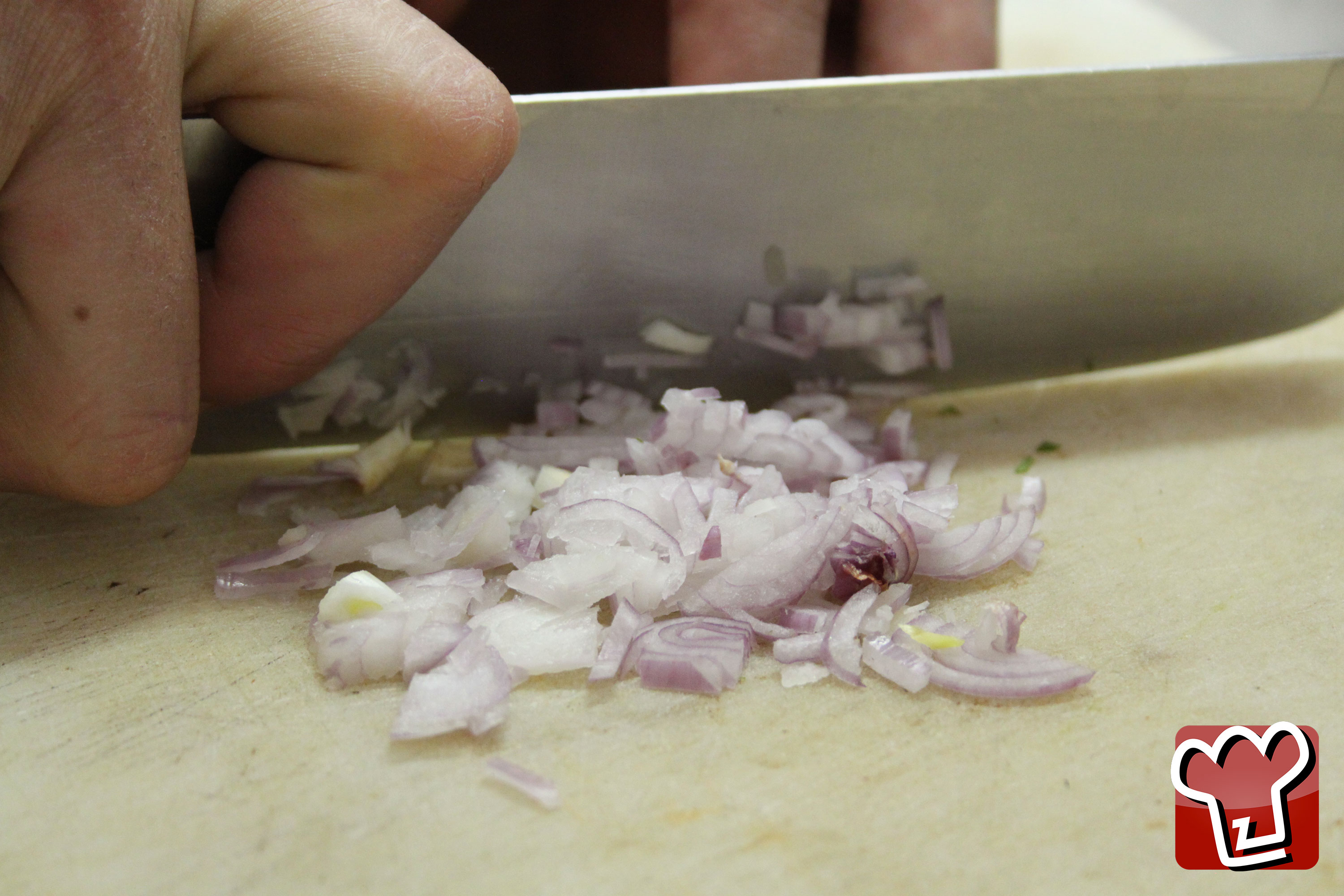
Chop the shallot
|
|
View the step by step
|
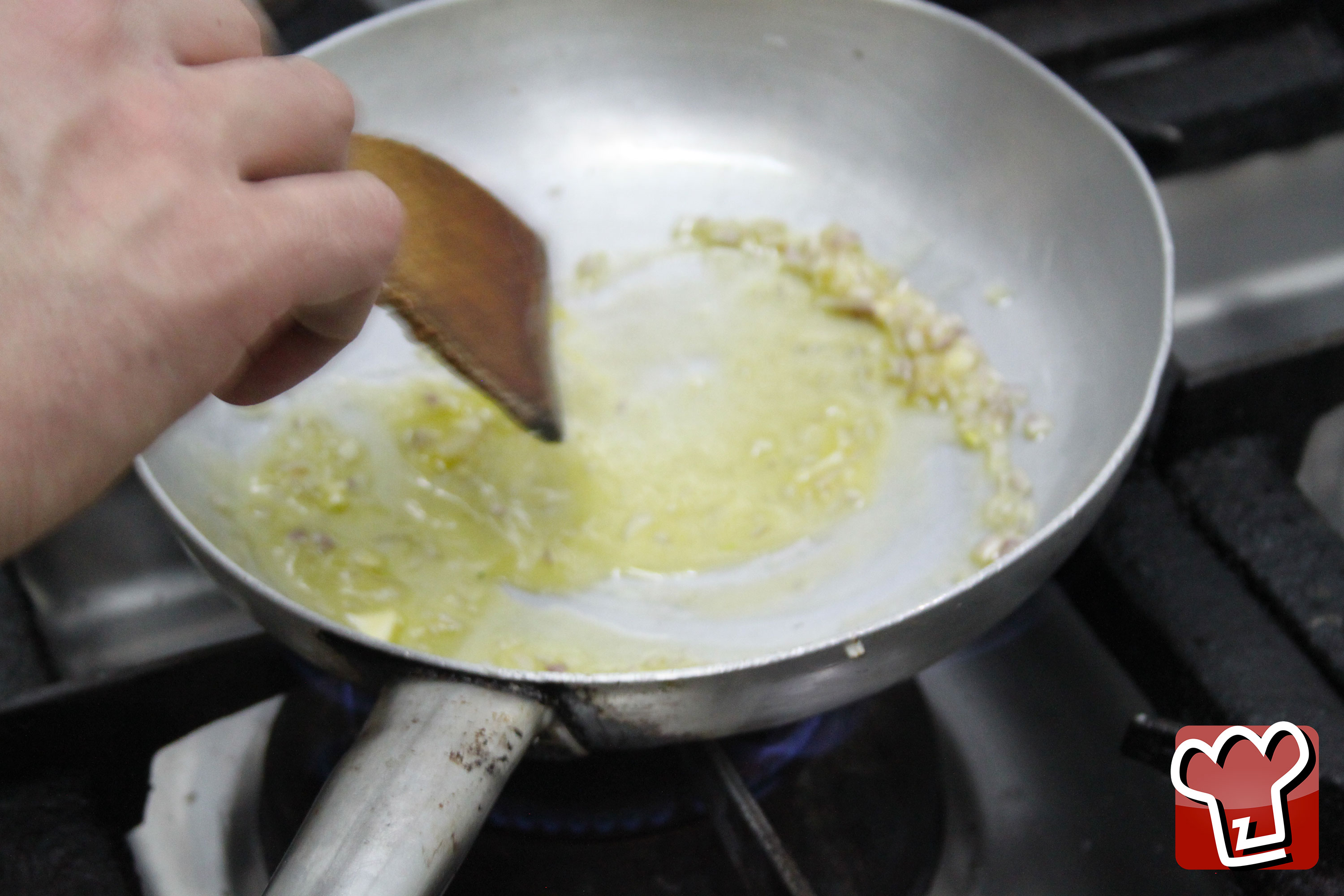
Brown the shallot in a little extra virgin olive oil
|
|
View the step by step
|
Add the pass
|
|
View the step by step
|
Chop the pescatorino
|
|
View the step by step
|
Add the pescatorino to the passata
|
|
View the step by step
|
Cook and thicken
|
|
View the step by step
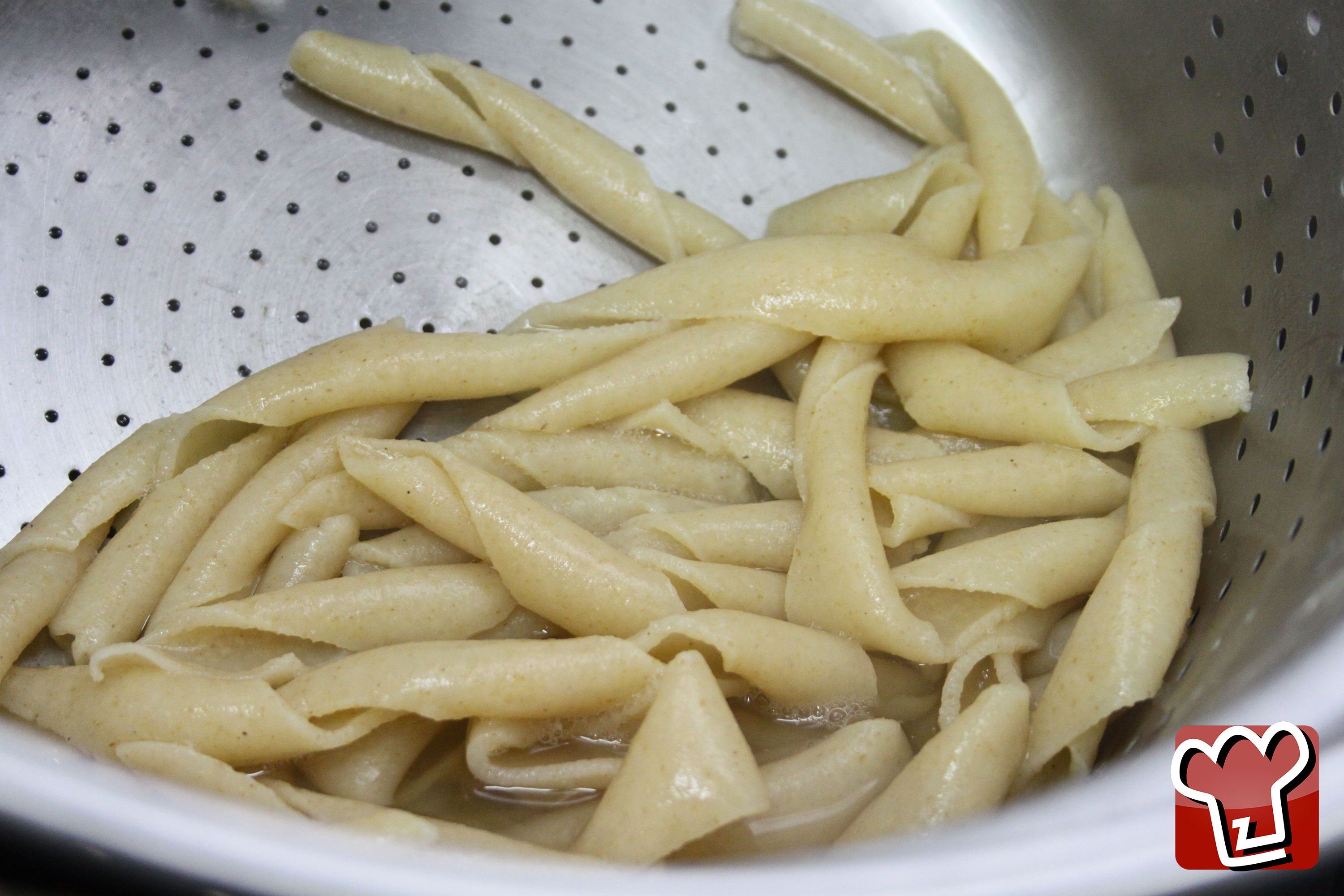
|
Drain the sagne
|
|
View the step by step
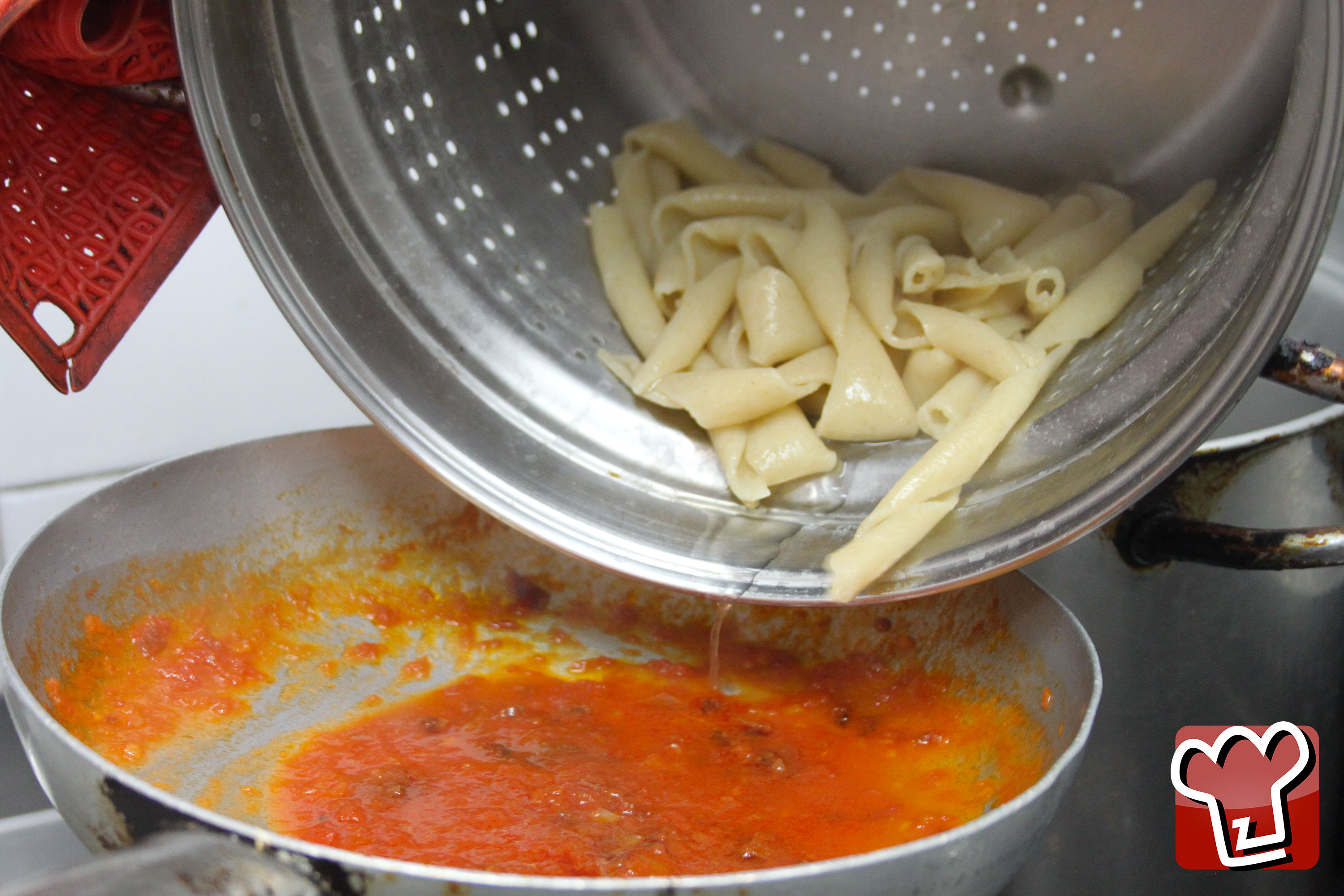
|
Season with the prepared sauce
|
|
View the step by step
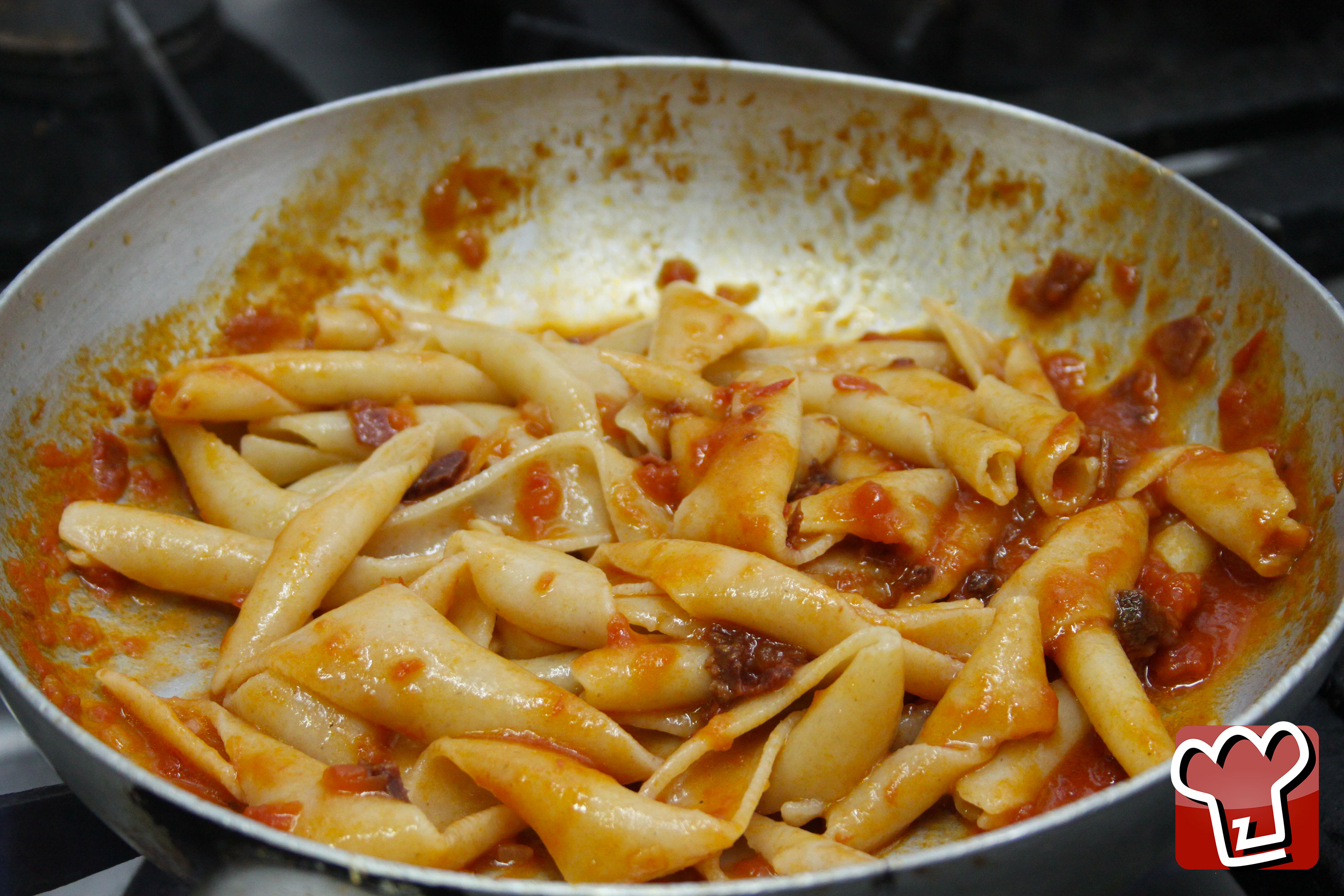
|
Sauté everything well in the pan
|
|
View the step by step
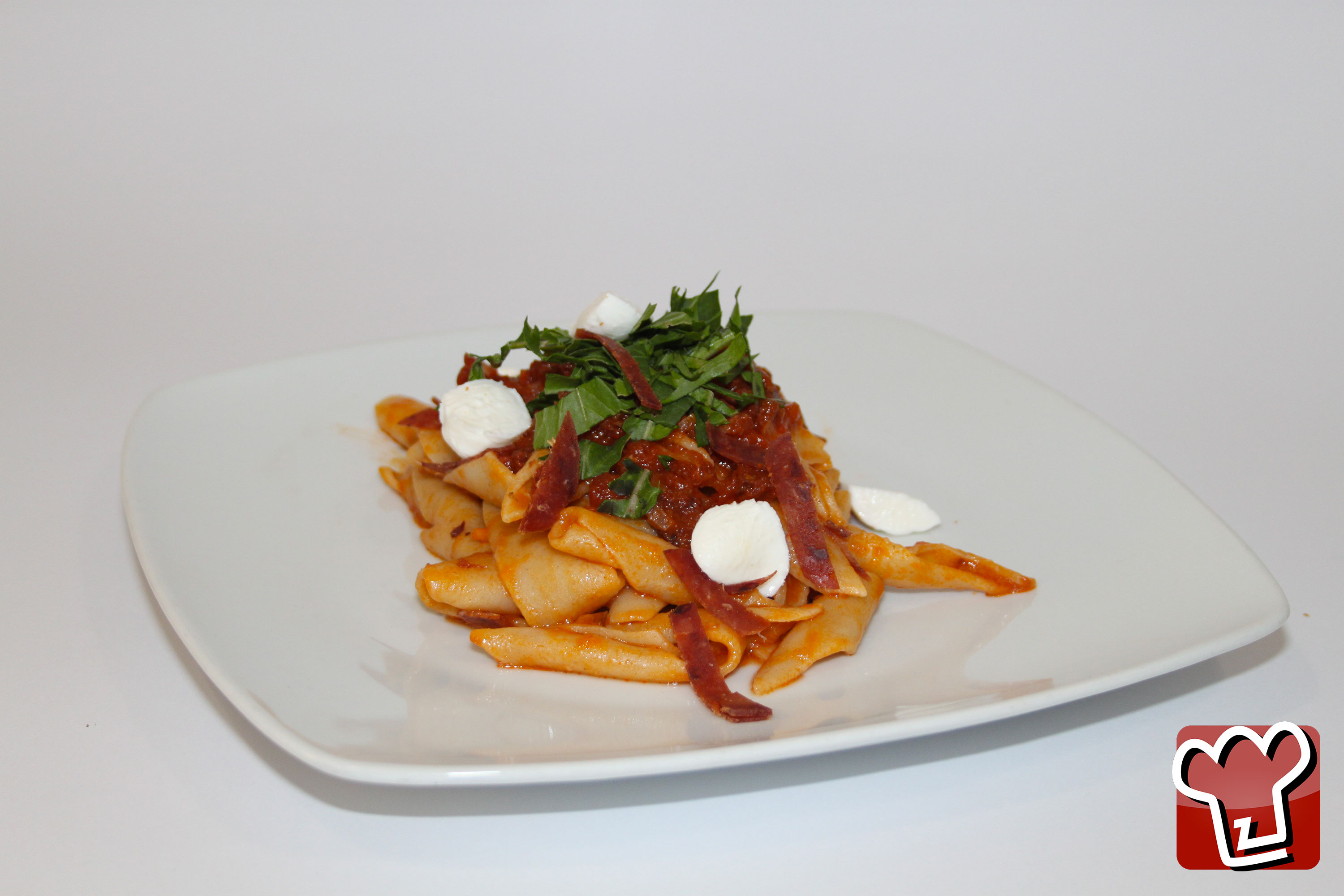
|
Serve with some mozzarella and a little rocket
|
Additional information
Sagne all'arrabbiata with spicy pescatorino and potatoes
A tasty variant of sagne all'arrabbiata with spicy pescatorino includes the addition of potatoes. To prepare this version, simply boil the potatoes and cut them into cubes before adding them to the tomato sauce and pescatorino. The sweetness of the potatoes perfectly complements the spiciness of the pescatorino, creating a truly interesting balance of flavors. This preparation is ideal for a hearty lunch, to be served with a sprinkle of fresh parsley for a touch of freshness. Additionally, the potatoes make the dish creamier and more substantial, perfect for those looking for a recipe that satisfies even the hungriest palates.
Sagne all'arrabbiata with spicy pescatorino in the Apulian style
This recipe for sagne all'arrabbiata with spicy pescatorino is a classic of Apulian tradition. The preparation involves the use of fresh, high-quality ingredients, such as extra virgin olive oil and tomato puree, which are essential for achieving a rich and flavorful sauce. In Apulia, it is common to use pescatorino, a fish salami with an intense flavor, which helps to give character to the dish. By cooking the sagne al dente and mixing them with the sauce, you obtain a first course that encapsulates the aromas and flavors of the sea and the Apulian land, making it perfect for a family lunch or with friends.
Sagne all'arrabbiata with light spicy pescatorino
For those who want a lighter version of sagne all'arrabbiata with spicy pescatorino, it is possible to prepare a light dish by substituting mozzarella with light ricotta and limiting the use of oil. In this variant, one can opt for a tomato puree without added sugars or preservatives, to keep the dish healthier. Additionally, it is advisable to use a smaller amount of pescatorino, to reduce calories without compromising flavor. This preparation is ideal for those following a diet or for anyone who simply wants to enjoy a dish rich in flavor without feeling weighed down.
Nutritional benefits of sagne all'arrabbiata with spicy pescatorino
Sagne all'arrabbiata with spicy pescatorino offers several nutritional benefits thanks to the fresh and genuine ingredients. The tomato puree is rich in lycopene, an antioxidant that helps protect cells from damage caused by free radicals. Pescatorino, being a fish salami, provides high-quality proteins and omega-3 fatty acids, essential for cardiovascular health. Additionally, arugula not only adds freshness to the dish but is also an excellent source of vitamins A and C. In terms of calories, a serving of sagne all'arrabbiata with spicy pescatorino is around 500-600 calories, depending on the portions and ingredients used.
Can sagne all'arrabbiata with spicy pescatorino be stored?
Sagne all'arrabbiata with spicy pescatorino can be stored in the refrigerator for up to 2-3 days. It is advisable to place them in an airtight container to prevent them from absorbing foreign odors. Before consuming them again, they can be reheated in a pan with a drizzle of oil or in the microwave, adding a bit of water if necessary to prevent them from drying out. However, it is important to note that the quality of the dish may decrease with storage, so it is always best to enjoy it fresh right after preparation to fully appreciate its flavors and aromas.