Vegetable Bolognese sauce
Every year there comes a time when the summer temperatures soar into the 30s and stay there for weeks; from that moment you’ll want to eat light meals, although ones which are still satisfying to the palate! And there is a dish, hot or not, which throughout Italy everyone loves to eat: pasta with Bolognese sauce. Here we suggest a fresh, light and tasty alternative to the usual Bolognese: a vegetarian version, a sauce which is delicious at any time of the year, and very colourful. It is prepared with a myriad of fresh, crisp, diced vegetables. It starts with the classic chopped celery, carrot and onion, and then you add a variety of seasonal vegetables, such as courgettes, peppers and aubergines to give a truly vegetarian Bolognese. In addition, to give a really fresh and fragrant touch, you can add some lovely, fresh, aromatic herbs (maybe straight from your balcony or garden), such as parsley or basil.
Ingredients
Vegetable Ragù from Puglia on the Table
The vegetable ragù reveals its freshness, thanks to the use of eggplants and zucchini, which are the stars of the Puglian fields. These vegetables, cultivated with care, give the dish an authentic and genuine flavor, ideal for enhancing home cooking.
* approximate values per serving
Preparation
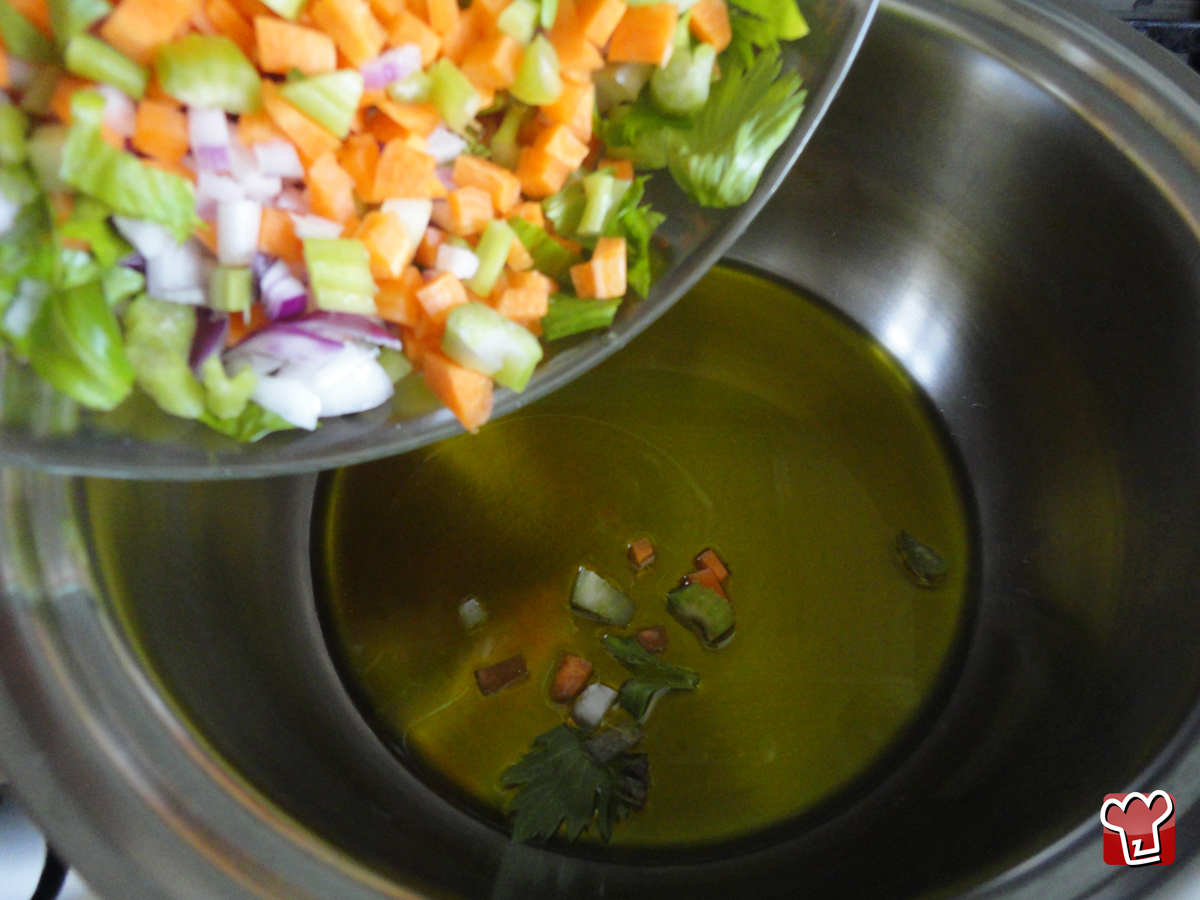
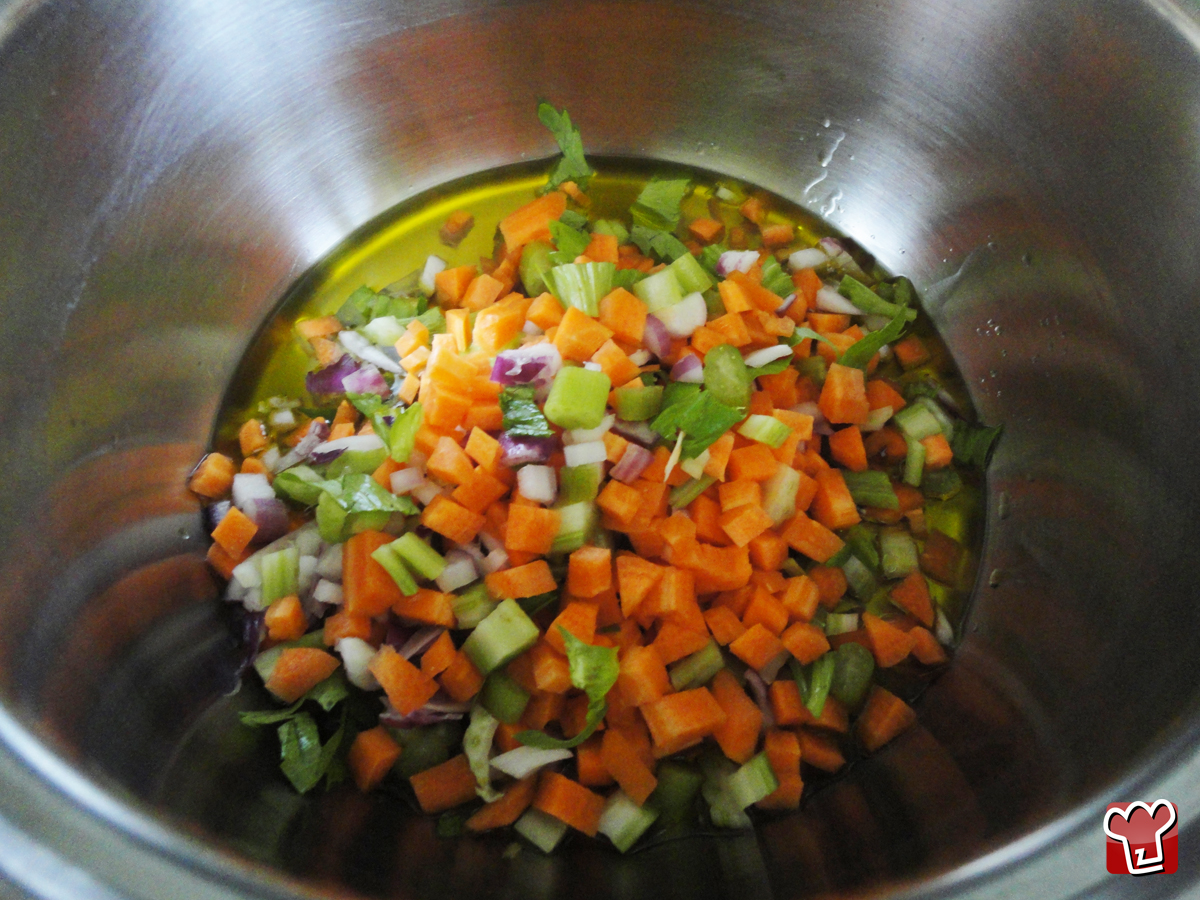
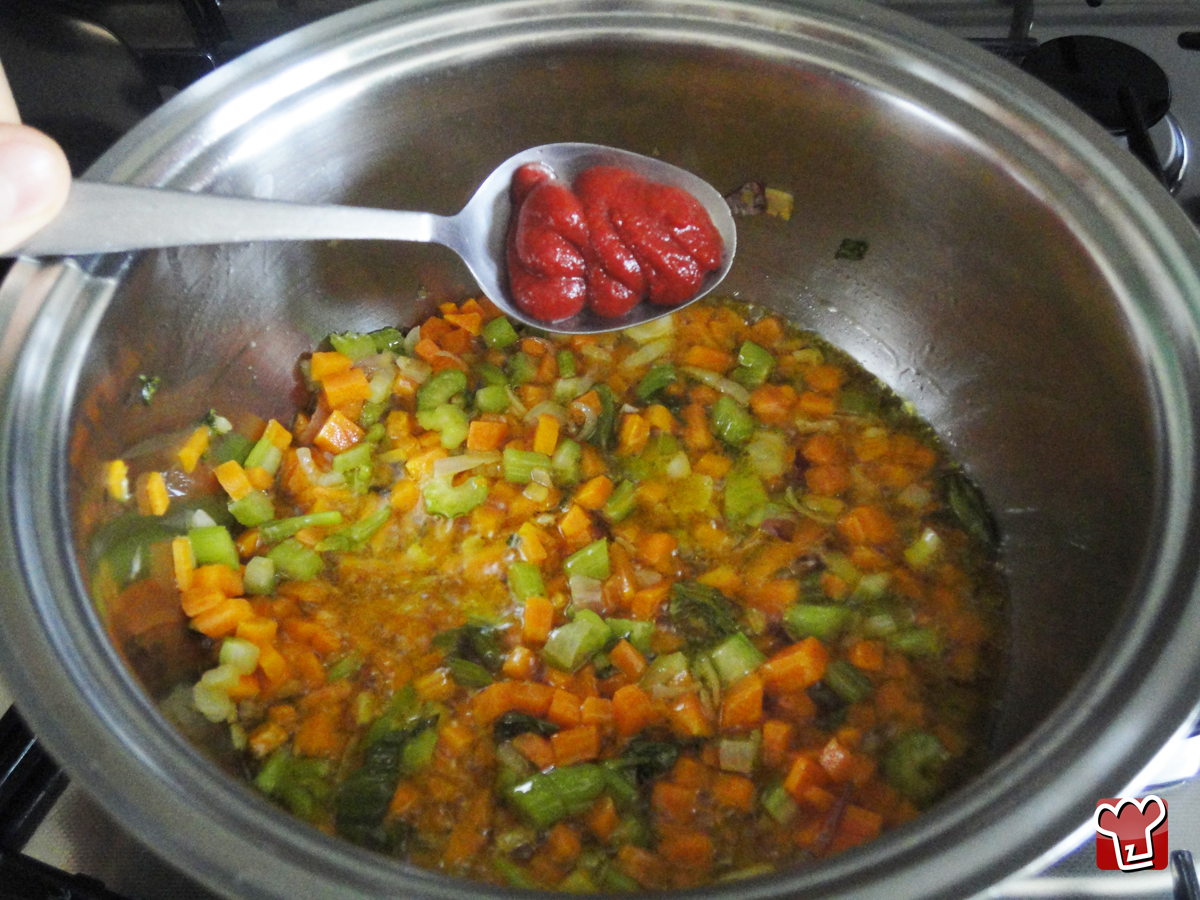
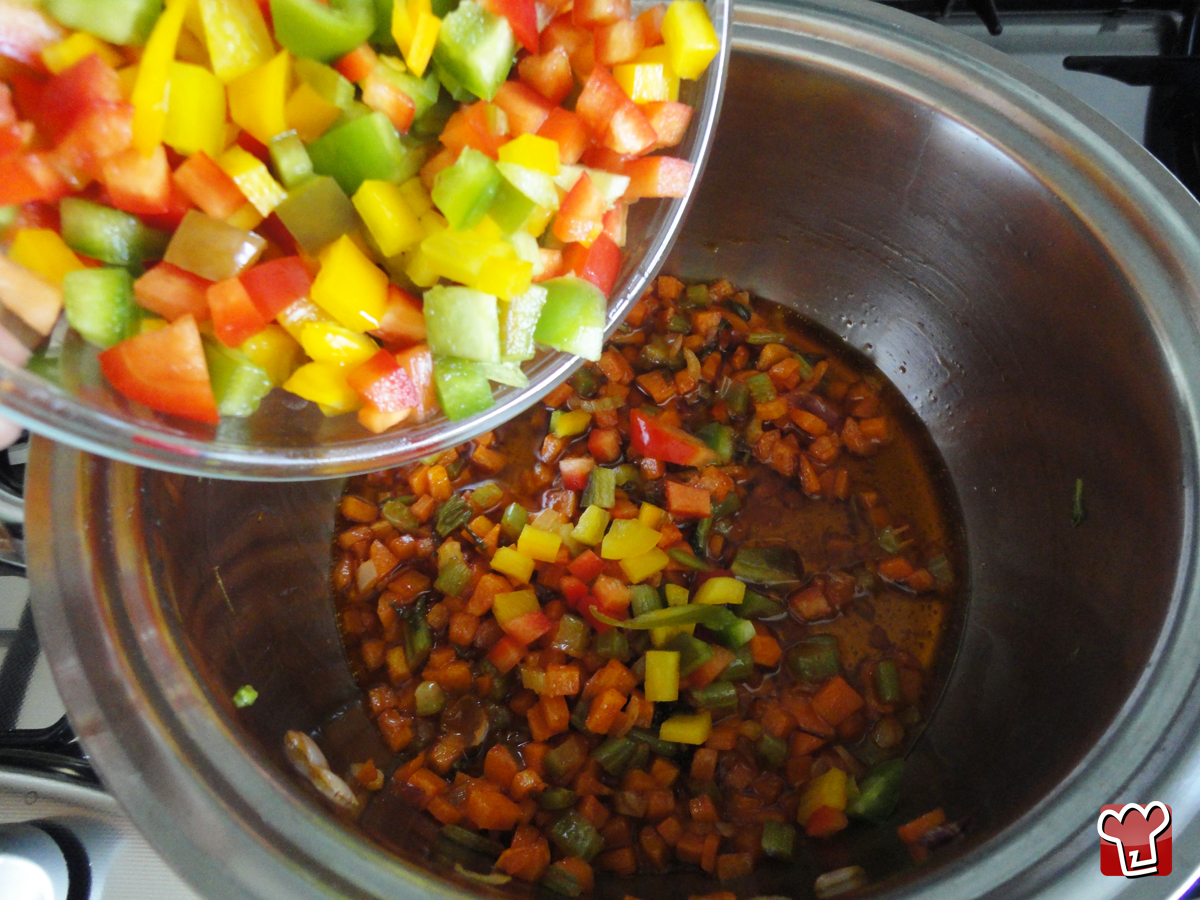
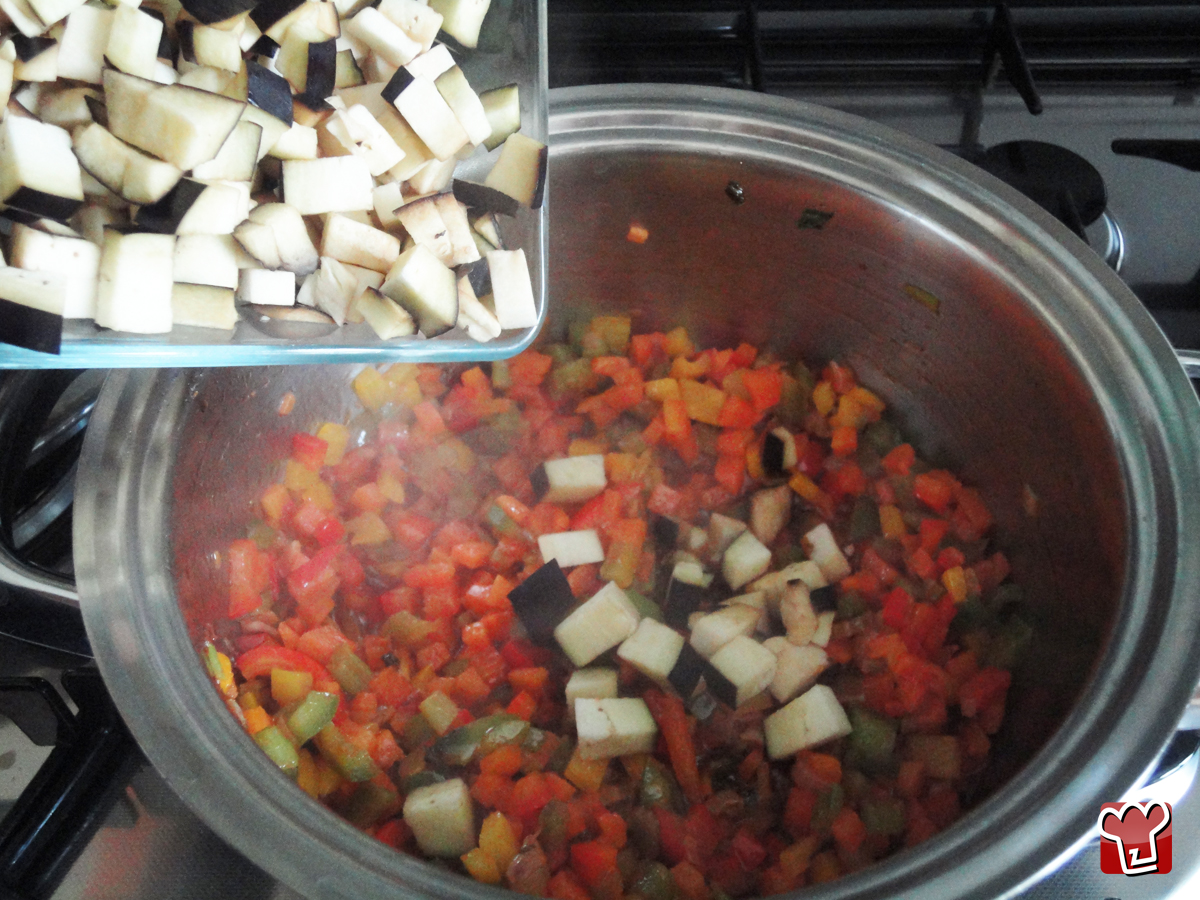
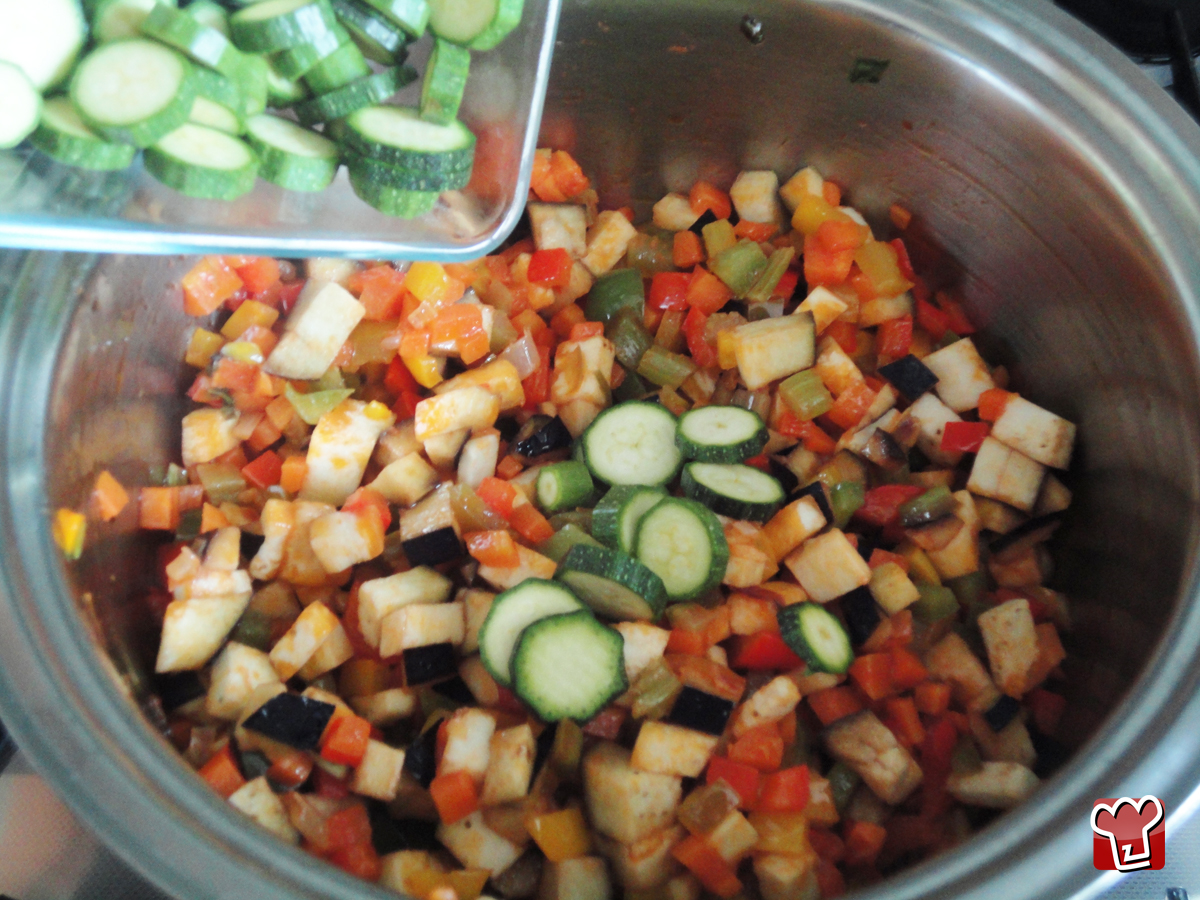
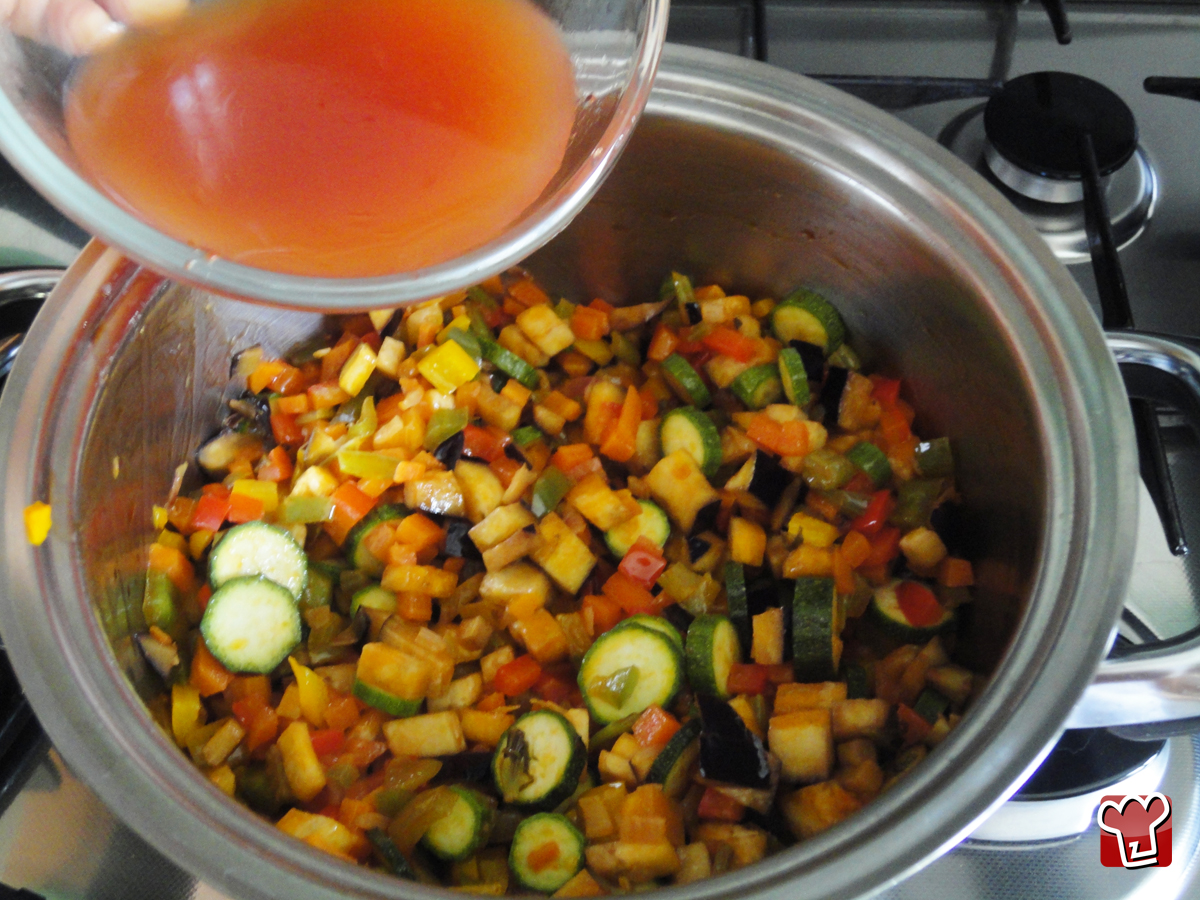
Wash and clean the vegetables, dice them and set aside. Make the sauce by putting the chopped celery, carrot and onion in a pan with some oil. Fry for a few minutes over high heat, then add the first spoon of tomato paste. Cook for a few minutes and add the peppers. Mix well with a wooden spoon, cook for about 10 minutes and add the aubergine and courgette. Stir again and in the meantime dissolve the other tablespoon of concentrate in hot water. Then add this liquid to the sauce, adjust for salt and continue cooking for another 10 minutes.
Step by step
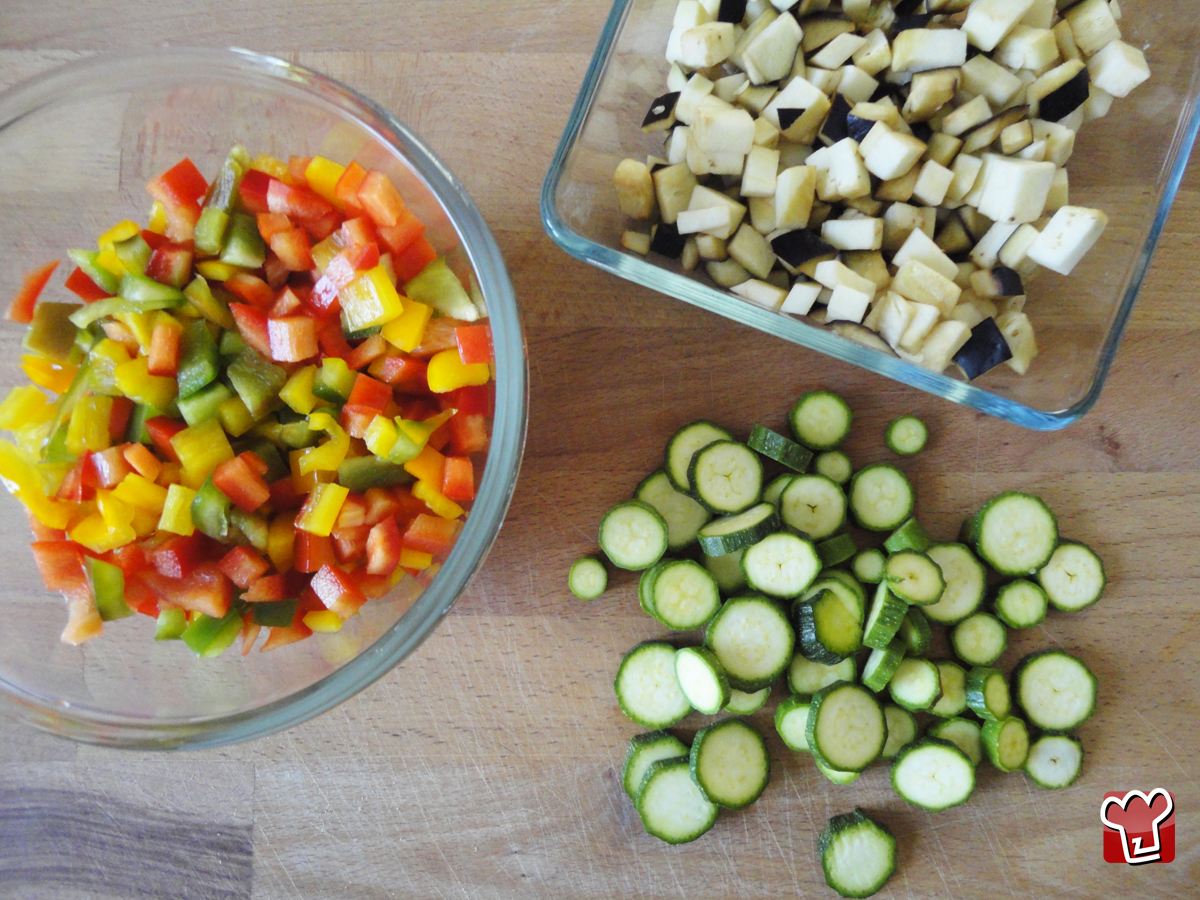
|
View the step by step
|
Chop up the carrot, celery and onion together and fry
|
|
View the step by step
|
Cook for a few moments
|
|
View the step by step
|
Add the tomato paste
|
|
View the step by step
|
Add the sweet peppers
|
|
View the step by step
|
Add the aubergines
|
|
View the step by step
|
Add the courgettes
|
|
View the step by step
|
Add the tomato paste dissolved in water
|
|
View the step by step
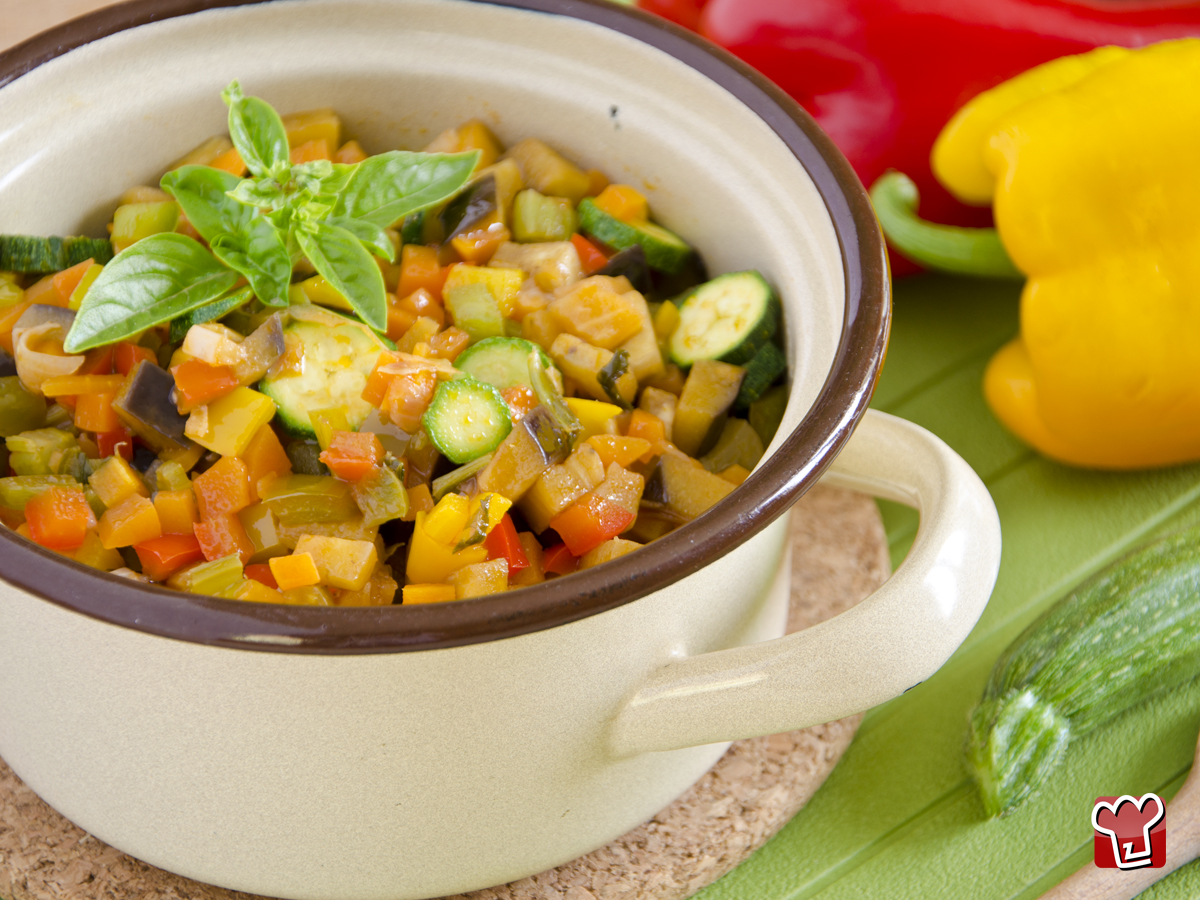
|
Here is your vegetarian Bolognese sauce which you can add to pasta
|
Additional information
Vegetable Ragù with Eggplant and Zucchini
One of the tastiest variations of vegetable ragù is the one that includes eggplant and zucchini. These ingredients give the dish a creamy texture and a rich flavor. To prepare this version, start by washing and cutting the eggplant and zucchini into cubes. After preparing the sauté with celery, carrots, and onions, add the bell peppers first and, only after a few minutes, combine the eggplant and zucchini. This step is essential to ensure that each vegetable cooks evenly and releases its juices, further enriching the ragù. Serve your vegetable ragù with eggplant and zucchini alongside pasta or rice for a complete and flavorful dish.
Napoletana-Style Vegetable Ragù
The vegetable ragù can also be prepared in a version typical of Neapolitan tradition. In this version, fresh and seasonal ingredients are used to enhance local flavors. The sauté of celery, carrots, and onions remains a basic element, but it is enriched with the addition of fresh cherry tomatoes and basil. These ingredients give the ragù an unmistakable aroma and flavor. To prepare it, after sautéing the chopped vegetables, add the chopped cherry tomatoes and let it simmer, stirring occasionally. The result will be a thick and fragrant ragù, perfect for dressing fresh pasta or gnocchi, representing a symbolic dish of Neapolitan cuisine.
Light Vegetable Ragù without Oil
For those seeking a lighter version of vegetable ragù, it can be prepared without oil while still maintaining a rich flavor. In this light variant, the sauté can be made using a bit of water to brown the vegetables, thus avoiding the use of fats. Start by cooking the celery, carrots, and onions in a non-stick pot, adding a little water to prevent them from sticking. After a few minutes, add the bell peppers, eggplant, and zucchini, continuing to stir. This cooking method helps retain the nutrients of the vegetables, making the dish ideal for those following a healthy and balanced diet. Serve the light ragù with whole grains for a complete and nutritious meal.
Nutritional Benefits of Vegetable Ragù and Calories
Vegetable ragù is a dish rich in nutritional benefits thanks to the variety of vegetables used. Bell peppers, eggplant, zucchini, and carrots are all ingredients rich in vitamins, antioxidants, and fiber, contributing to a balanced diet. For example, bell peppers are an excellent source of vitamin C, while eggplants contain nutrients that support heart health. On average, a serving of vegetable ragù can contain about 150-200 calories, depending on the ingredients and preparation. This makes it a great choice for those looking to maintain a controlled caloric intake without sacrificing flavor.
Can Vegetable Ragù be Frozen?
The answer is yes, vegetable ragù can be frozen without any problems. This dish is well-suited for freezer storage, keeping its flavors and nutrients intact. To freeze it, make sure to let it cool completely after cooking. Then, transfer the ragù to airtight containers or food bags, being careful to remove excess air to avoid freezer burn. When you want to consume it, you can simply thaw it in the refrigerator for a few hours or use the microwave. This way, you will always have a delicious vegetable ragù ready to be served with your favorite pasta.