Seafood Paella
The most famous paella is that from Valencia. It is a paella made of meat and fish, a perfect combination of the raw materials from that region. In the Valencian paella, chicken and rabbit are typical inexpensive meats; rice, due to the nearby paddy fields; and fish, of course, because of the proximity of the sea. Paella is traditionally made in a paella pan, a very low, wide frying pan that you will certainly come across during any trip to Spain. The version we suggest you make today is based entirely on fish, as the name suggests... You are in Spain, doing a tapas ‘crawl’ with friends, including having a ‘chupito’ and a ‘sangria’. Walking along the Ramblas, a wonderful aroma of saffron and seafood wafts out from a restaurant! Oh, the hunger! Go inside and order a lovely seafood paella and plenty of ‘tinto de verano’ wine. A great way to start a night out in Spain!
Ingredients
The Red Wave of Puglian Tomato Sauce
In this seafood paella, the Puglian tomato sauce, bursting with sunshine and flavor, plays a crucial role. Its freshness pairs beautifully with the seafood, crafting a dish that evokes the sea breeze and the culinary tradition of a generous land.
* approximate values per serving
Preparation
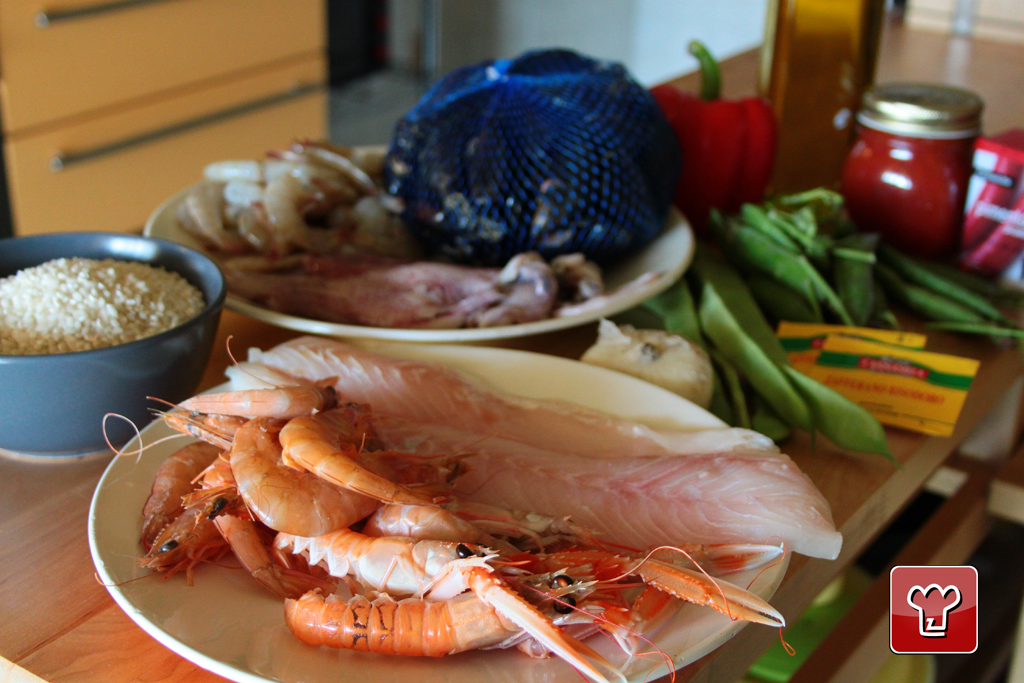
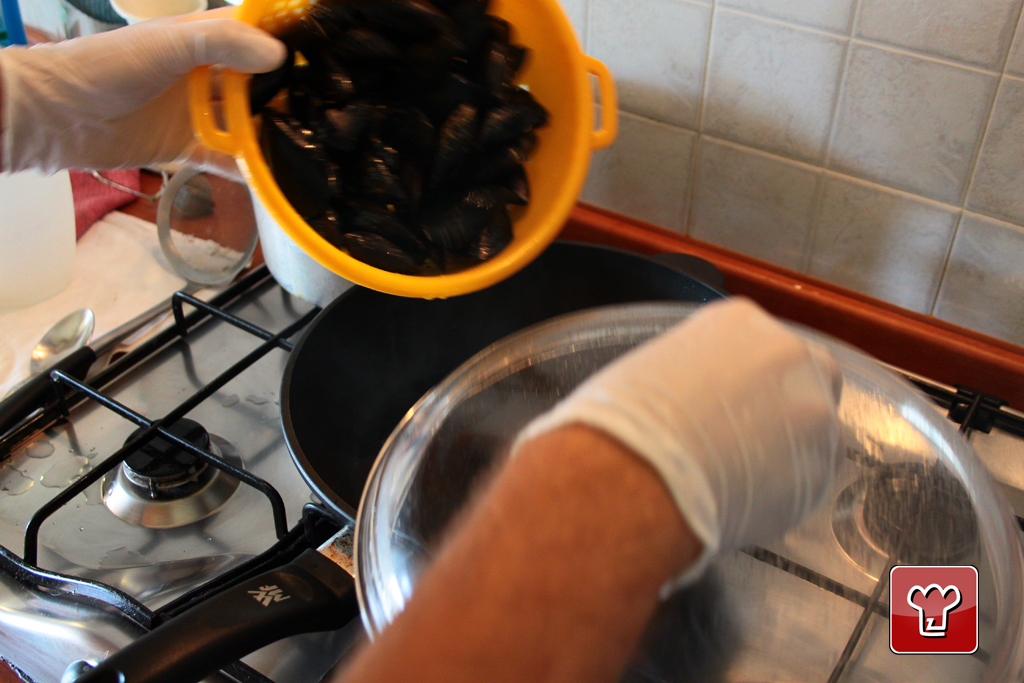
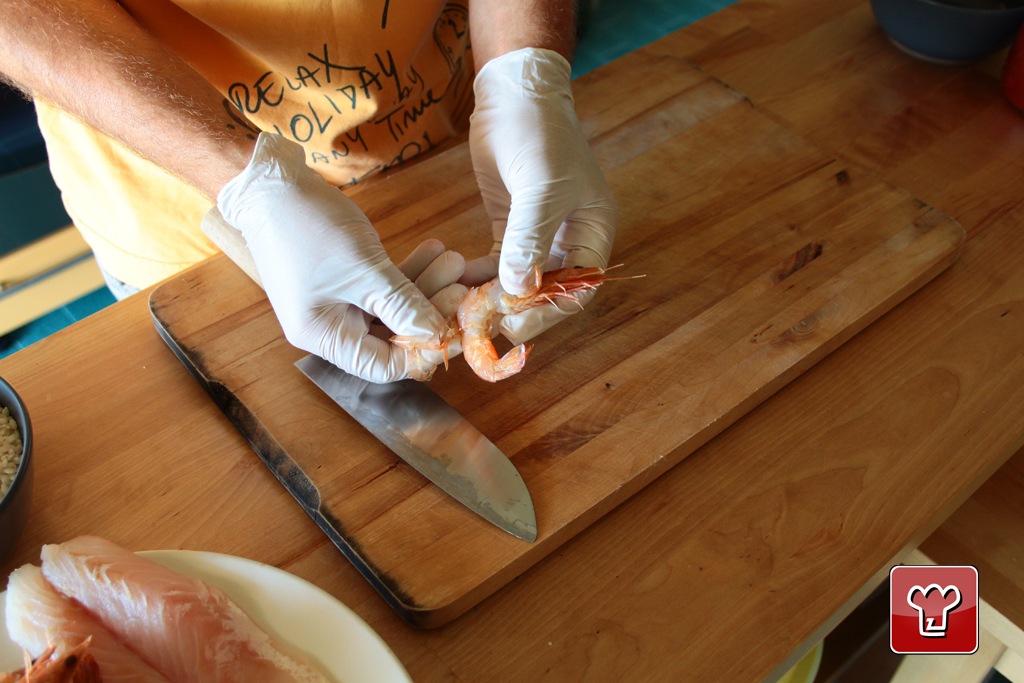
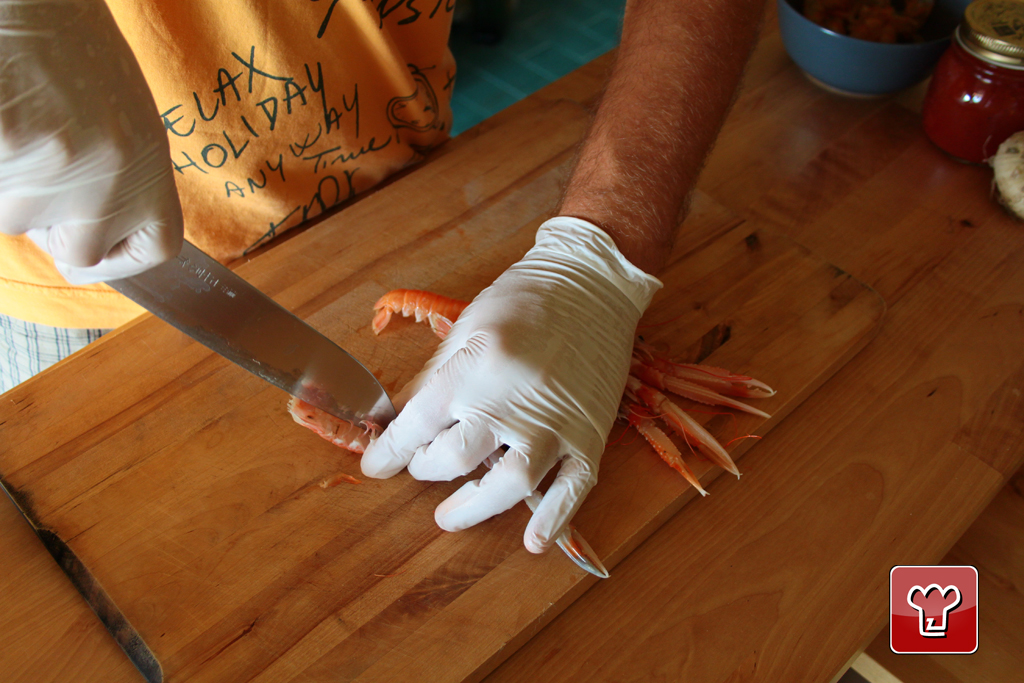
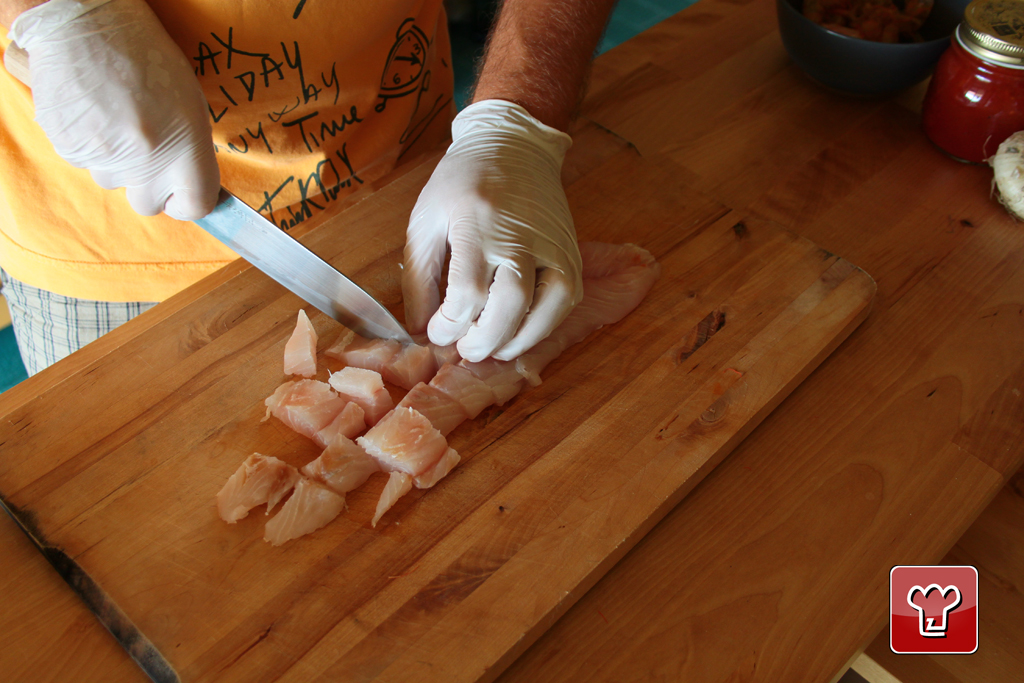
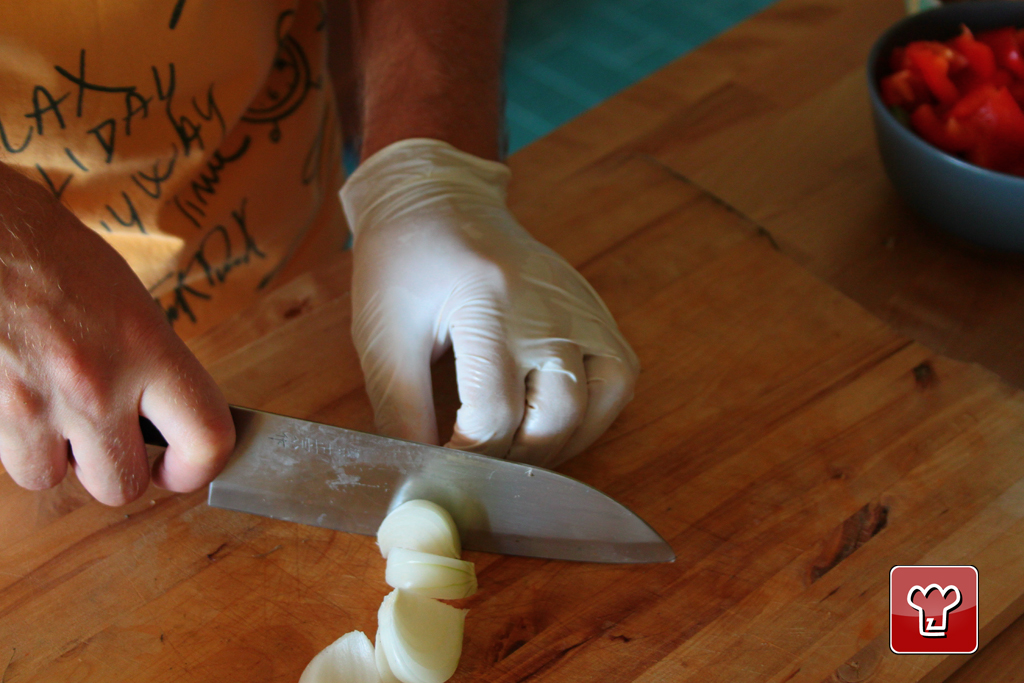
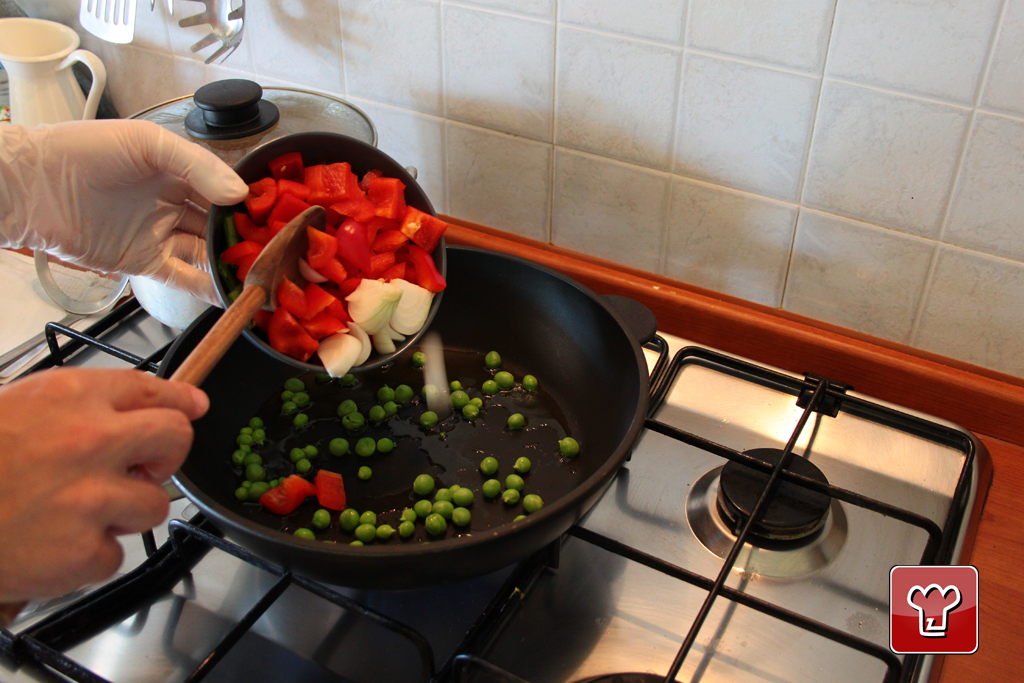
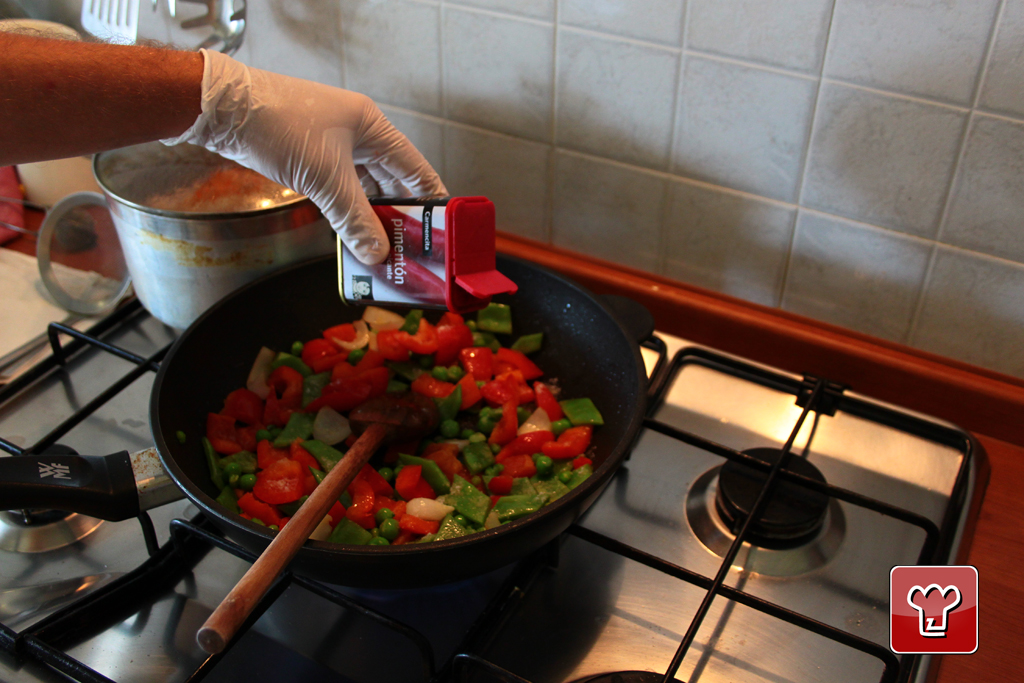
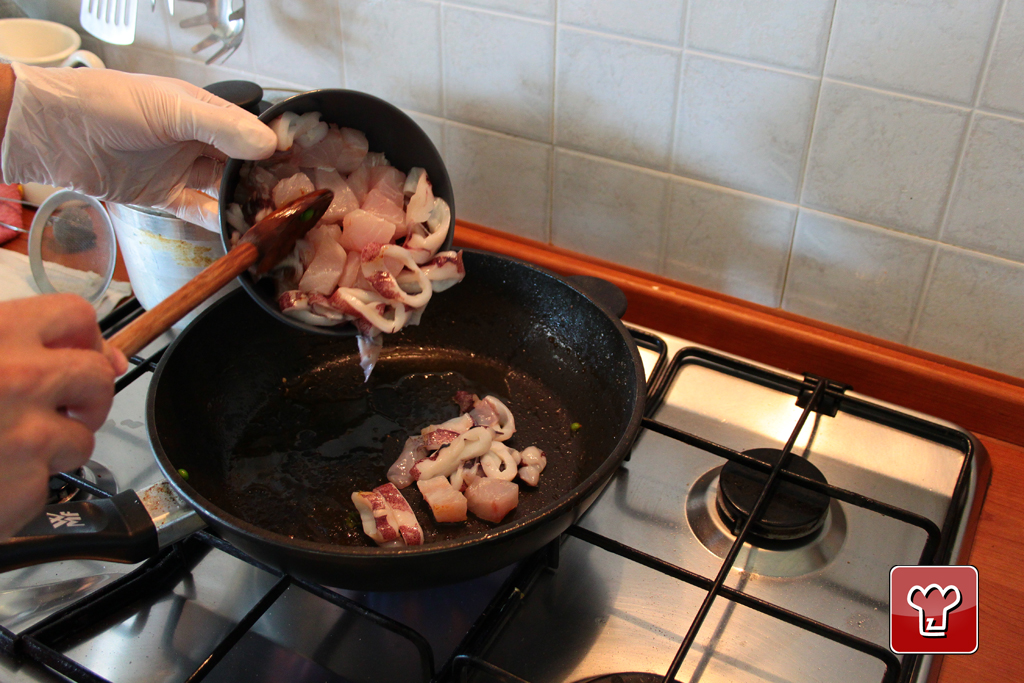
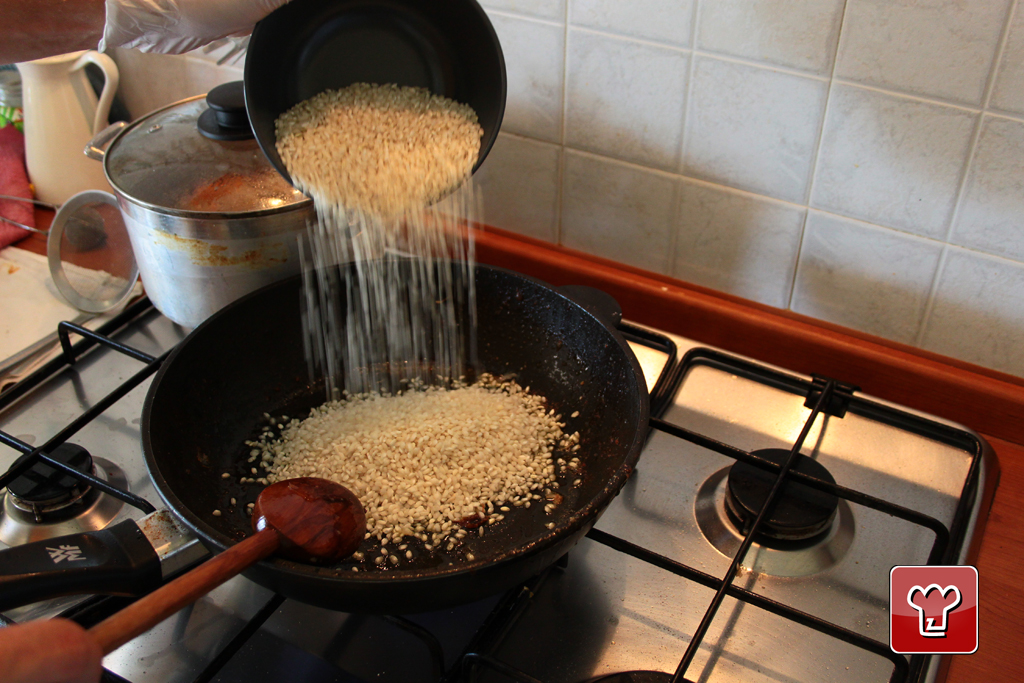
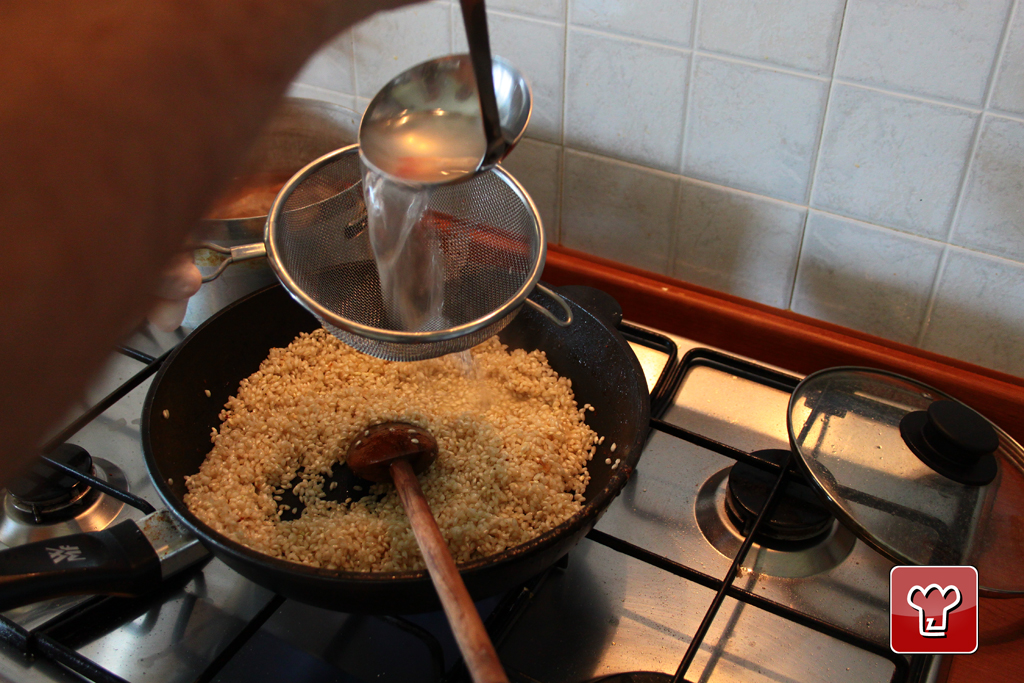
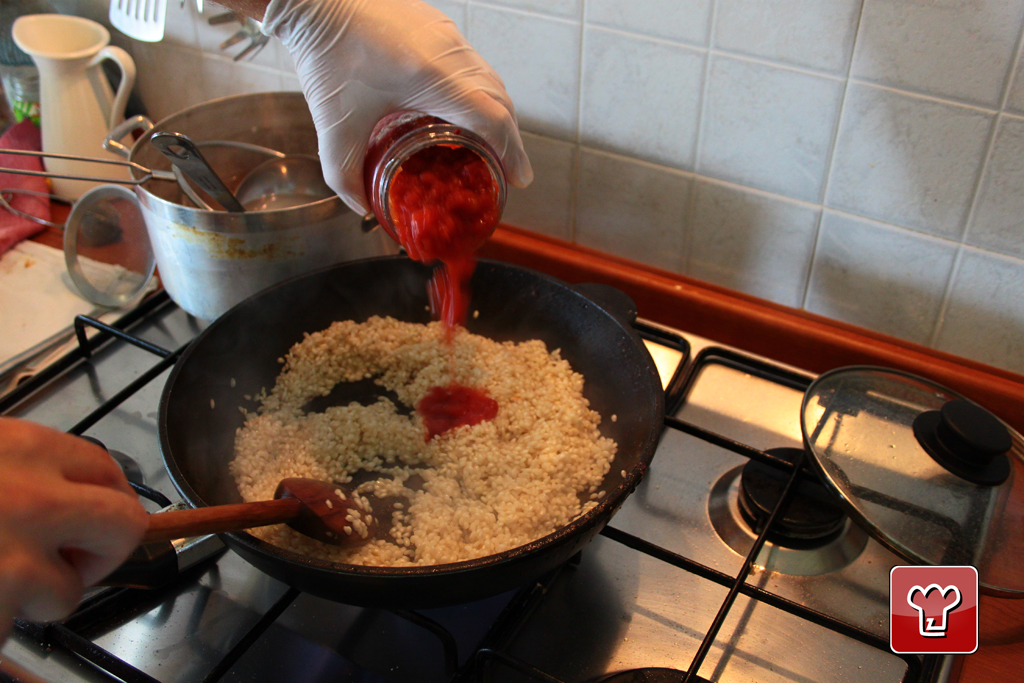
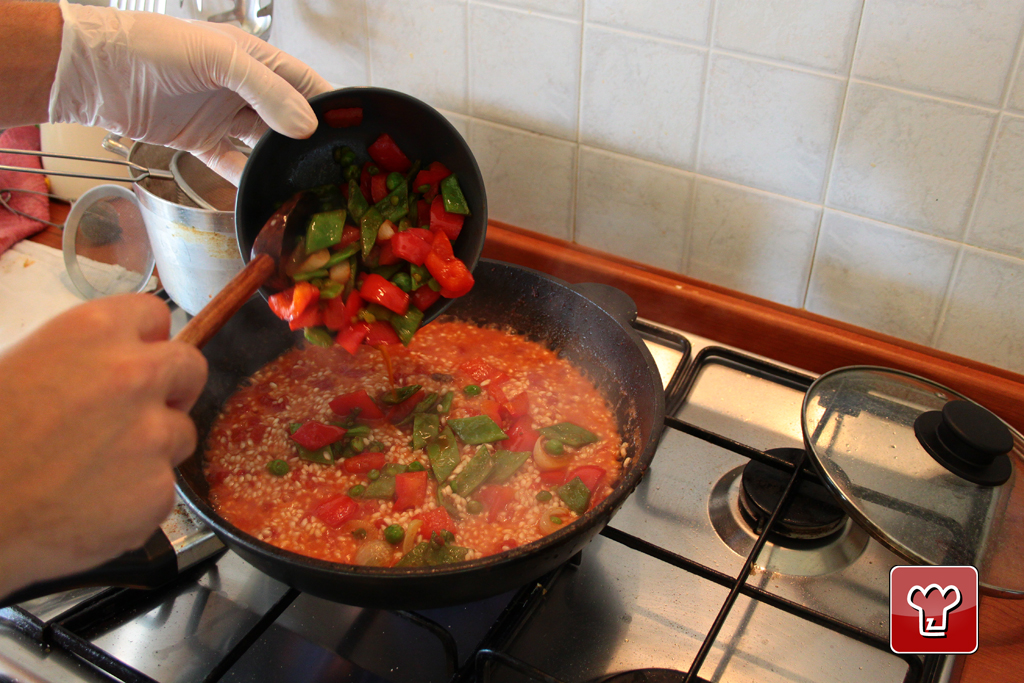
For this recipe we have to make a lot of smaller recipes separately and then combine them. First we start by cleaning all the fish, filleting and preparing them for cooking. You should clean the squid, wash thoroughly and cut them into rings. Slice and cut the perch into large cubes. Clean and wash the mussels and allow their impurities to drain away in salt water. Remove the shell from the prawns but don’t throw them away because you’ll need them to make the fish stock. Same with the larger king prawns. Take the scampi/langoustines and with a knife make an incision along their "belly", so that when you cook them they can be opened with ease. Now cut and prepare the vegetables. Wash the peppers and cut them into large cubes. Cut the onion into large pieces. Remove the peas from the pods and place in a bowl together with the peppers and onion pieces. Wash and cut into 2cm diamonds the green beans, and cook for 2 minutes in boiling water, then add them to the rest of the vegetables. Heat a pan with hot oil and sauté the vegetables over high heat; when they become golden and crispy, seasoned with salt, sugar and paprika. Then remove the vegetables from the pan and set aside. In the same pan, whilst still hot, fry the perch and squid for a few minutes, then remove from the pan and set aside. Still using the same pan with hot oil, fry the prawns tails, salt and set aside. Now prepare the mussels: keep aside 8 lovely, large ones which will remain raw. Make the remainder using the same process as for mussels in a tomato sauce, only this time with a base just of oil; once opened, remove them from their shells and set aside separately the cooking liquid and the mussels. Now that you have given everything a very brief cooking, and have also prepared a half litre of fish stock made with fish scraps, we can put everything together. In the usual paella dish - I don’t use the original paella dish (a large, low, very thin dish, specifically for paella from which the dish is named) but plan to buy one this summer - fry the rice with a dash of oil. Add a ladle of fish stock and tomato sauce. Cook for 6-7 minutes more, stirring and adding more stock. Add the vegetables and stir, and continue to add stock. Season with salt, paprika and saffron. Continue cooking for a little while then add the perch and squid. Now taste and check the extent of further cooking required for the rice; when you think you need only another 3 minutes or so, add the mussels and prawn tails. Now, after mixing well, you should flatten the rice in the pan "artistically" and add the raw scampi and mussels which you set aside. Add the last ladle of stock and cover with a lid for about 3-4 minutes. When you reopen, the stock should have been absorbed, the fish cooked and the mussels opened, forming a very attractive top layer. The seafood paella is ready!
Step by step
|
View the step by step
|
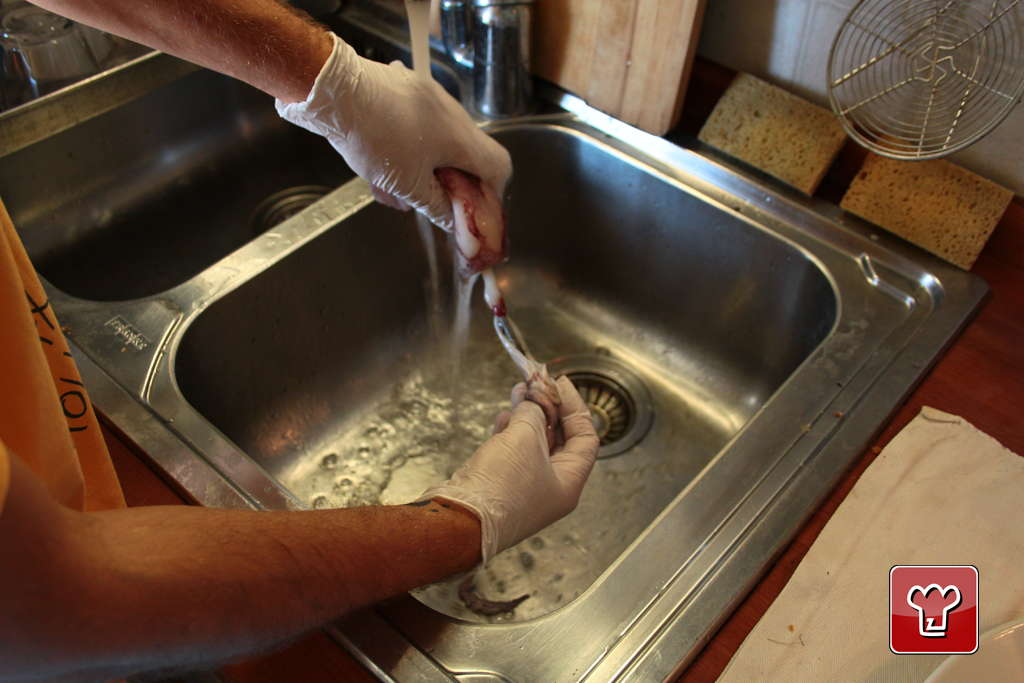
Clean, gut and descale the fish
|
|
View the step by step
|
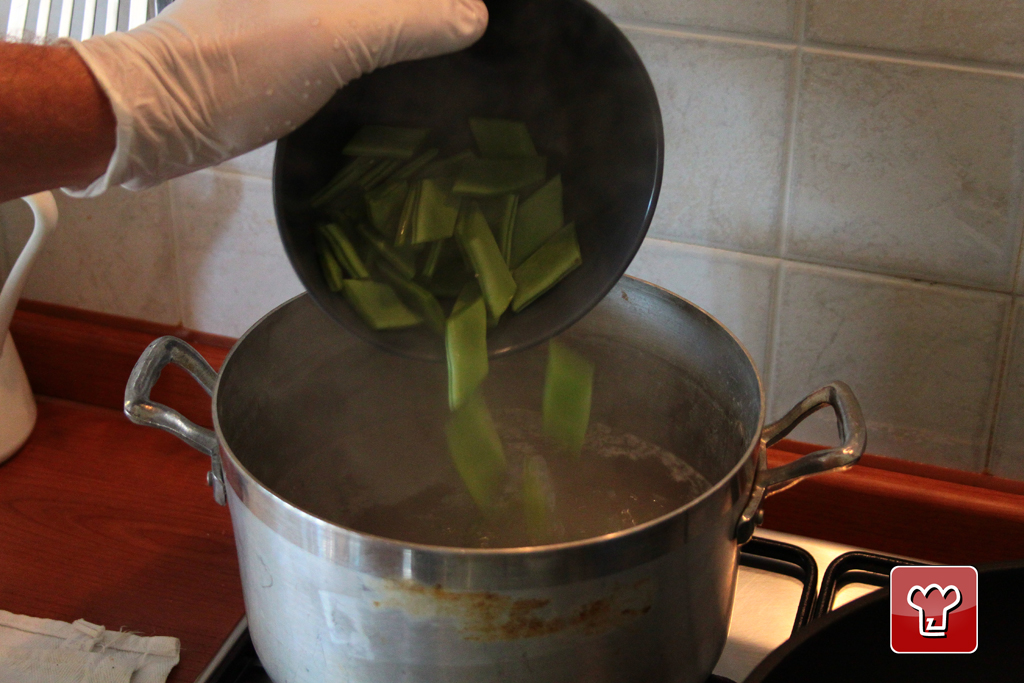
Cut the runner beans into diamond shapes and blanch in salted water
|
|
View the step by step
|
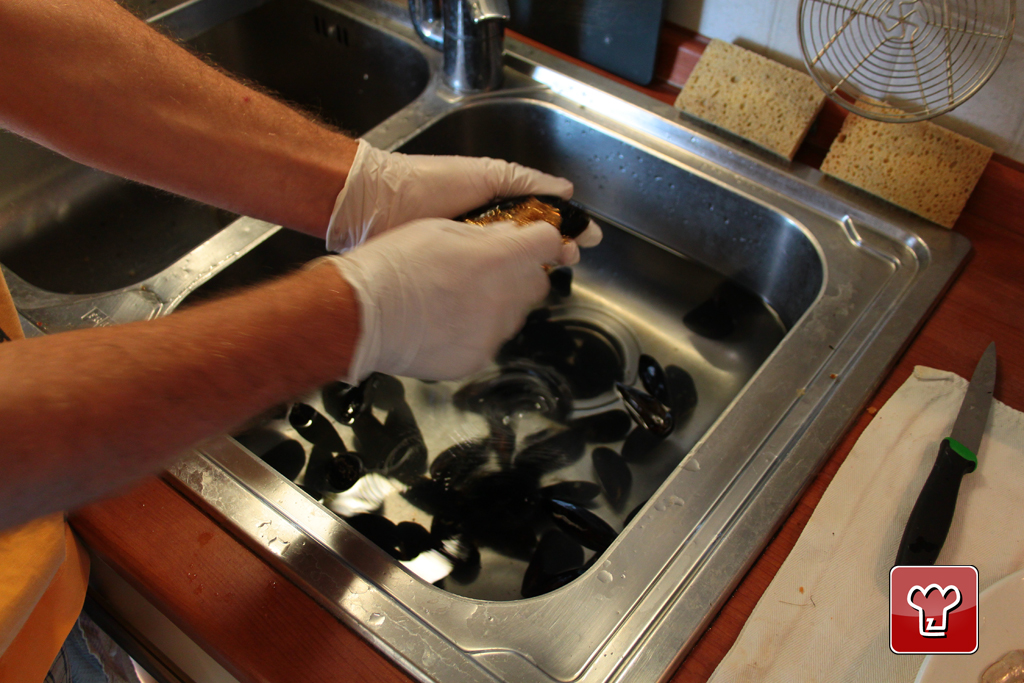
Wash, clean and purge the mussels in salted water
|
|
View the step by step
|
Cook the mussels until they open in a pan with some oil
|
|
View the step by step
|
Shell the prawns leaving the head and the tail
|
|
View the step by step
|
Make a cut through the belly of each langoustines, so that when they are cooked one can eat them easily
|
|
View the step by step
|
Cut the perch into chunks
|
|
View the step by step
|
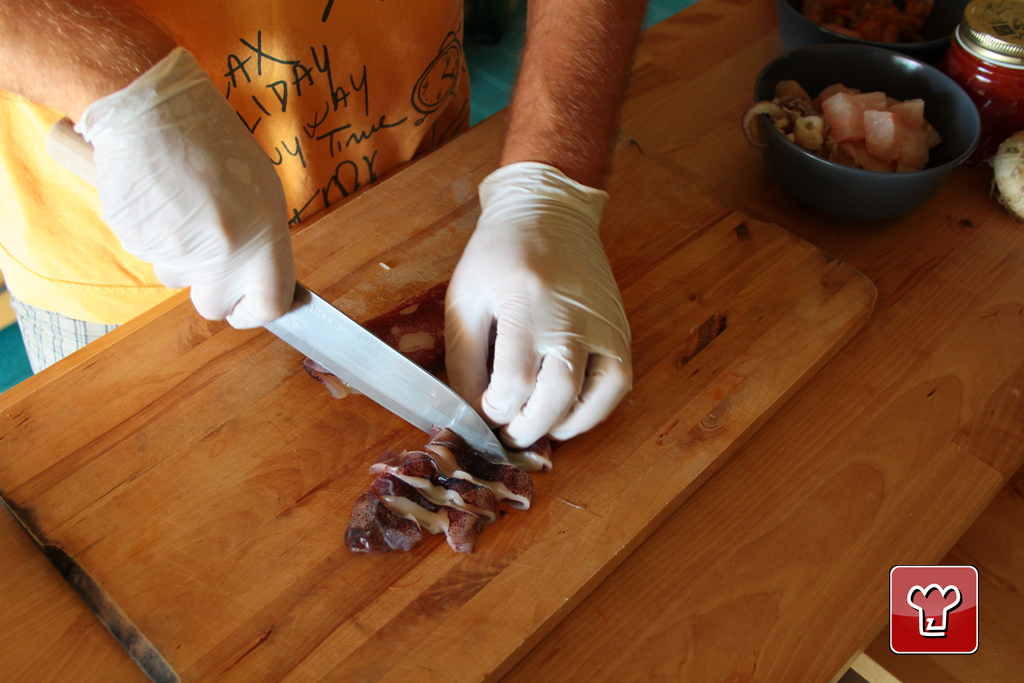
Cut the squid into rings
|
|
View the step by step
|
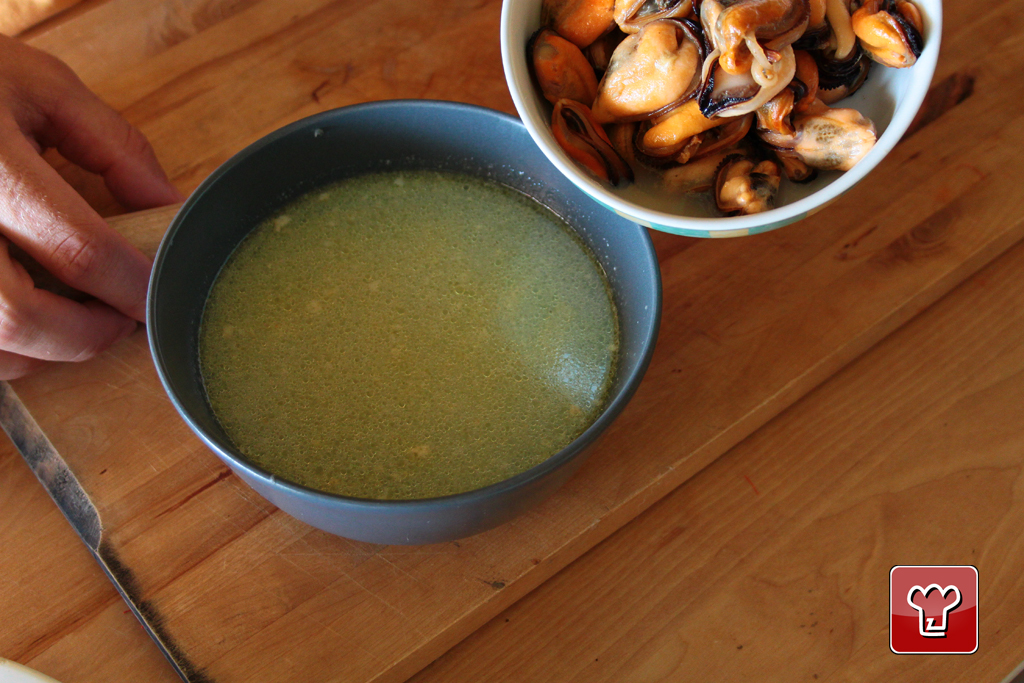
Shell the mussels and set aside the cooking liquid
|
|
View the step by step
|
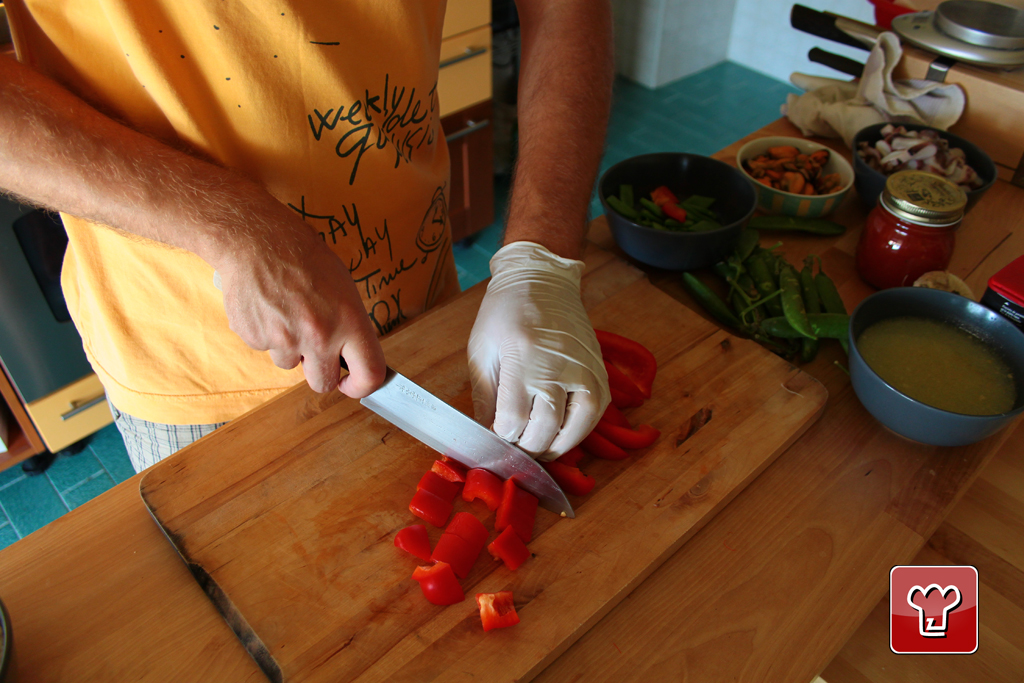
Cut the peppers into chunks
|
|
View the step by step
|
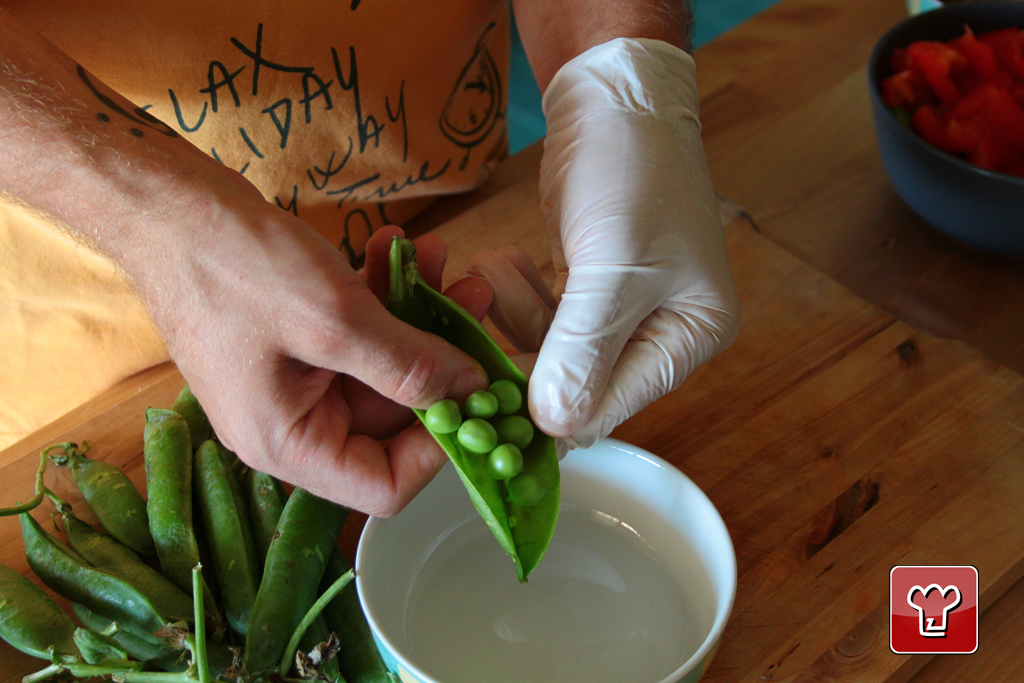
Remove the peas from their pods (if fresh)
|
|
View the step by step
|
Cut the onion into thick slices
|
|
View the step by step
|
First fry the veg in a frying pan with plenty of oil
|
|
View the step by step
|
Flavour with a little paprika
|
|
View the step by step
|
Fry the fish in the frying pan in order, starting with those that take longer and finishing with the those that need less
|
|
View the step by step
|
Pour the rice into the pan
|
|
View the step by step
|
Add plenty of fish stock
|
|
View the step by step
|
Add the tomato passata
|
|
View the step by step
|
Add the veg
|
|
View the step by step
|
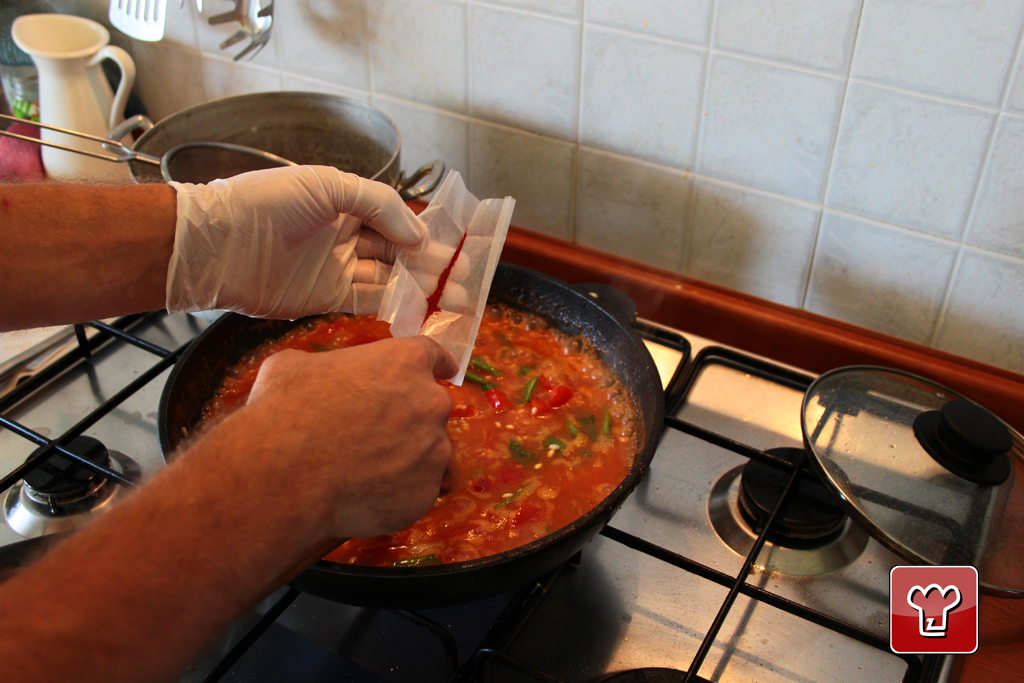
Flavour with a sachet of saffron
|
|
View the step by step
|
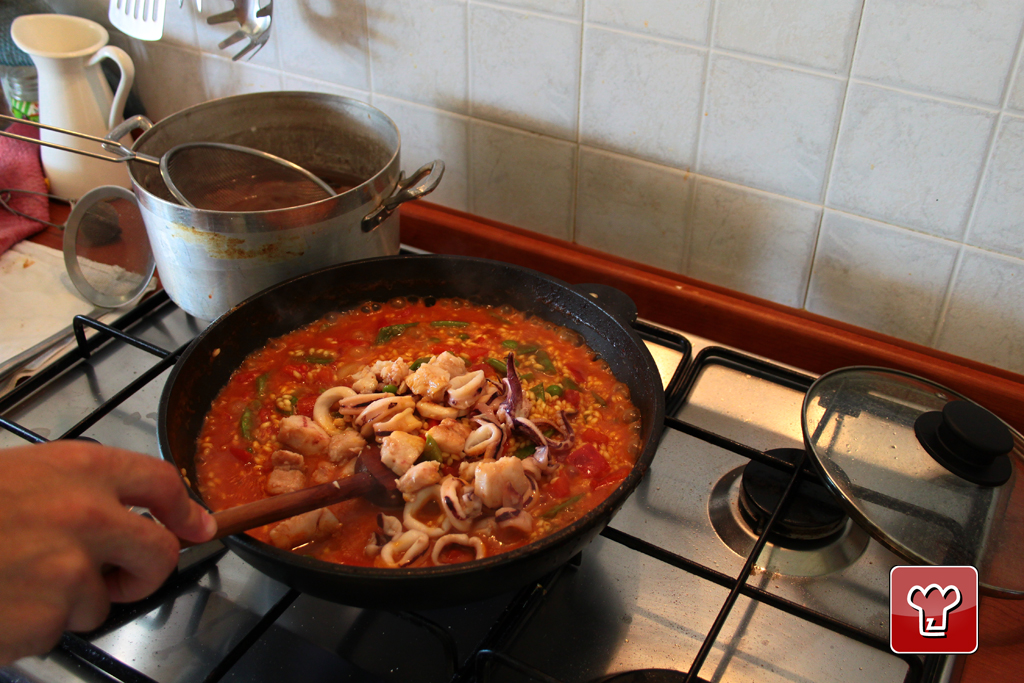
Towards the end of the cooking, add the fish
|
|
View the step by step
|
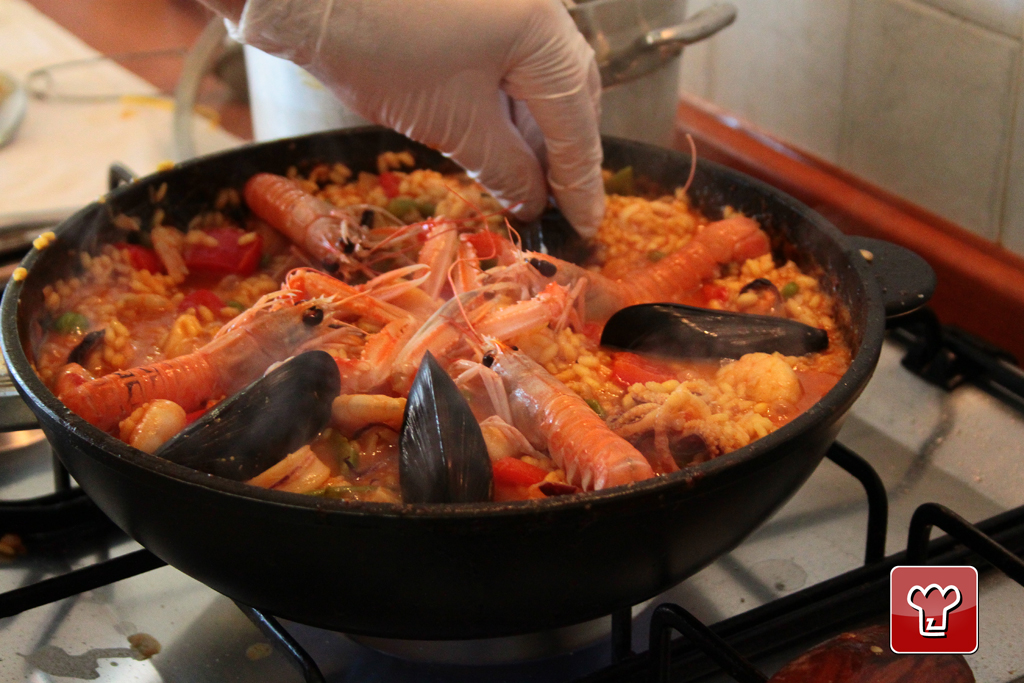
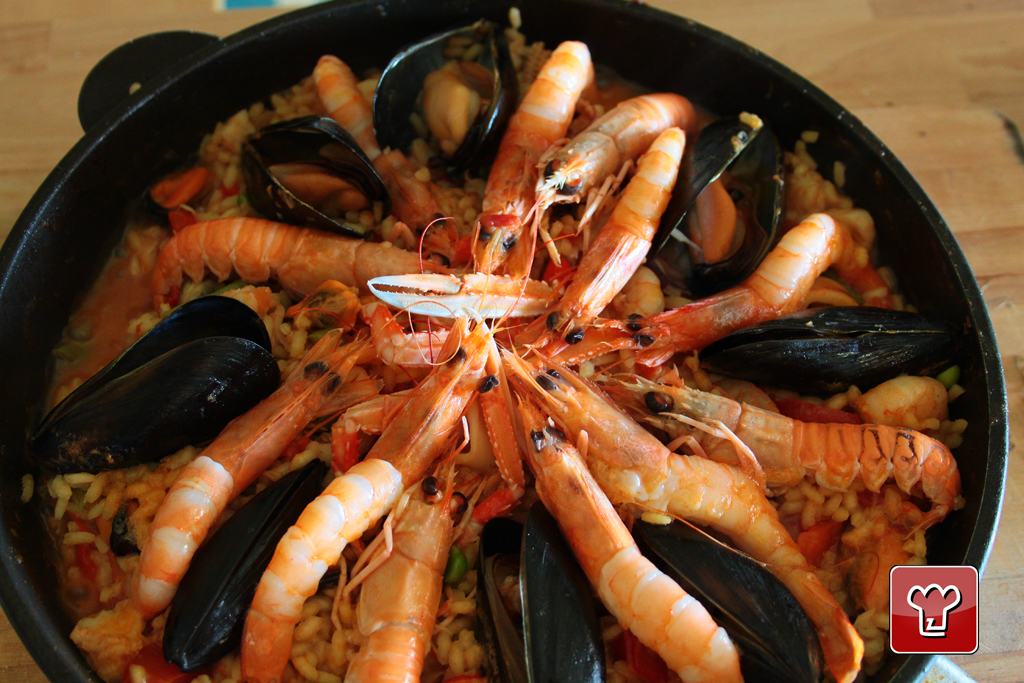
For the last few minutes, arrange attractively the whole king prawns, the langoustines and some mussels on the top of the paella and turn up the heat
|
|
View the step by step
|
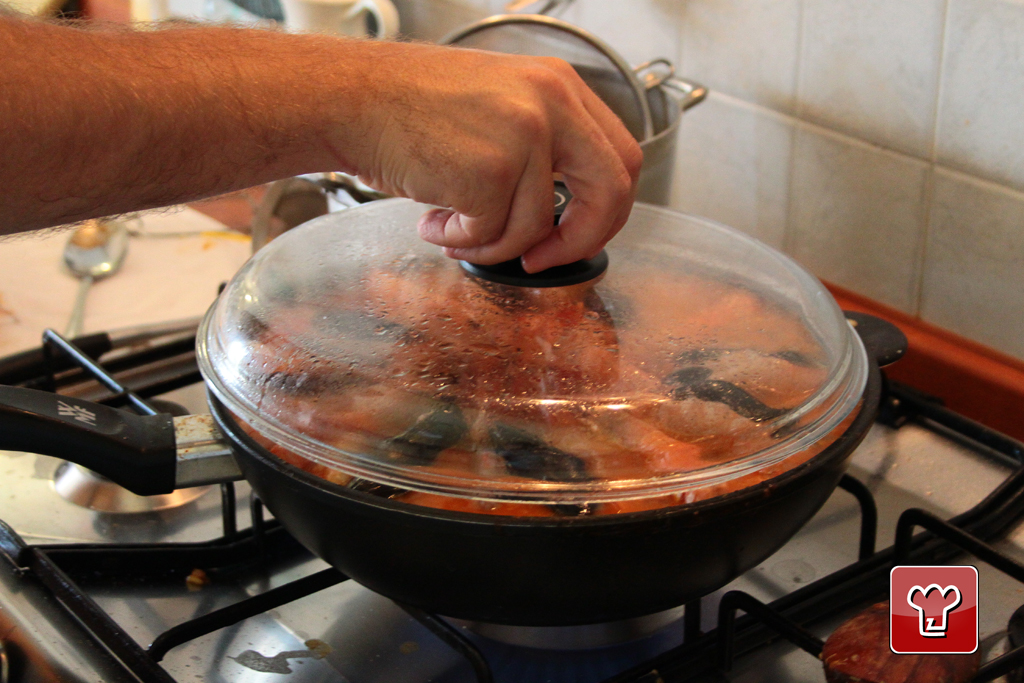
Cover with a lid so that the decorative seafood are steam cooked, and raise the heat so that the base of the paella burns slightly
|
|
View the step by step
|
Here is your seafood paella, a classic Spanish specialty!
|
Additional information
Seafood Paella with scampi and prawns
The Seafood Paella can be prepared in various ways, and one of the most delicious is certainly the one with scampi and prawns. In this version, the shellfish enrich the dish with intense flavors and a delicate texture. To make it, simply follow the basic recipe, adding generous portions of scampi and prawns during cooking. These ingredients not only add a touch of elegance to the preparation but also pair perfectly with the rice and spices. Remember to pay attention to the cooking of the shellfish to keep their juiciness intact. Serve the Seafood Paella with a squeeze of lemon to further enhance the flavors of the sea.
Spanish-style Seafood Paella with peppers and peas
The Spanish-style Seafood Paella is a preparation that reflects the culinary tradition of Spain. In this version, the addition of red peppers and pod peas gives the dish a vibrant color and a fresh flavor. The peppers, diced, blend well with the rice and fish, while the peas add a sweet and crunchy note. To prepare this variant, start by sautéing the vegetables before adding the rice and fish broth. The combination of fresh ingredients and spices like paprika and saffron makes the Paella a dish rich in aromas and flavors typical of Spanish festivities, perfect for a dinner with friends.
Light Seafood Paella without rice
If you desire a lighter Seafood Paella, you can try the light version without rice. In this preparation, the rice is replaced with a mix of vegetables such as zucchini, carrots, and broccoli, which maintain the texture and flavor of the original dish but significantly reduce the calories. Even in this variant, you can use the same seafood ingredients, such as scampi and mussels, to not miss out on the taste. The cooking takes place in a pan with a bit of fish broth and spices to ensure that the vegetables absorb all the flavors. This alternative is ideal for those looking for a healthy and nutritious dish without compromising the pleasure of savoring the Paella.
Benefits of Seafood Paella: nutritional properties and calories
The Seafood Paella is a dish rich in healthy ingredients. The fish and shellfish used, such as scampi, prawns, and mussels, are excellent sources of lean protein, omega-3 fatty acids, and minerals like zinc and iron. These nutrients contribute to heart health and support the immune system. Additionally, vegetables like peppers and peas provide essential vitamins and antioxidants. A serving of Seafood Paella contains approximately 400-500 calories, depending on the ingredients and portions used. This makes it a nutritious and balanced option for a complete meal, ideal for those who wish to maintain a healthy lifestyle without sacrificing flavor.
Can Seafood Paella be frozen?
Seafood Paella can be frozen, but there are some important considerations to keep in mind. It is advisable to freeze the Paella only if it has been prepared without fresh ingredients, such as fish, which could alter the texture and flavor once thawed. If you decide to freeze the preparation, make sure to do so in an airtight container and consume it within 2-3 months. At the time of consumption, it is best to thaw the Paella in the refrigerator for several hours before reheating it. This way, the risk of alterations in taste and quality of the dish is reduced. Remember that the freshness of the ingredients is crucial for a good Paella, so always consider the possibility of preparing it fresh when possible.