Rösti
Rösti are a potato-based Swiss specialty: those of you who live there or who have visited on a skiing holiday, will certainly have had the opportunity to try them. You can find them simply and plainly made, or with the addition of cheese or bacon. Rösti can be enjoyed as appetizers; as a side dish for a main meat course; or as a main course in its own right; it can also be combined with other vegetables like courgettes and carrots. Children love them! Recipes for rösti involve the use of grated, boiled potatoes combined with, for example, salamis, eggs, cheeses and vegetables which contribute flavour to the potato and onion mixture fried in a pan, and shaped into balls or a patty – the choice is yours. Let's see what our chef has come up with and together follow his interpretation of this classic recipe!
Ingredients
* approximate values per serving
Preparation
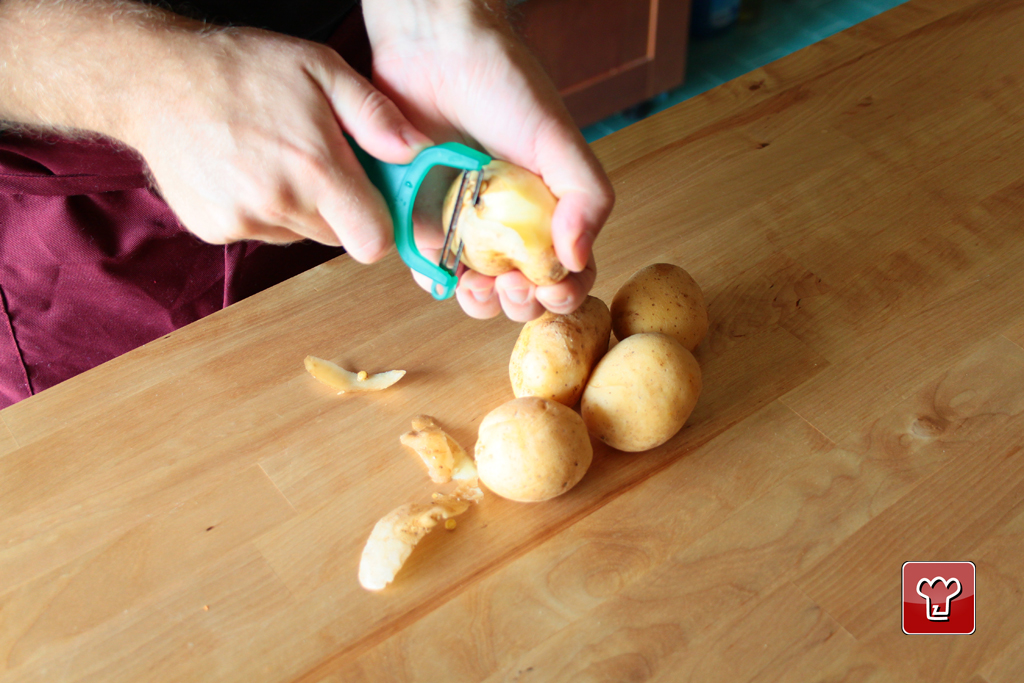
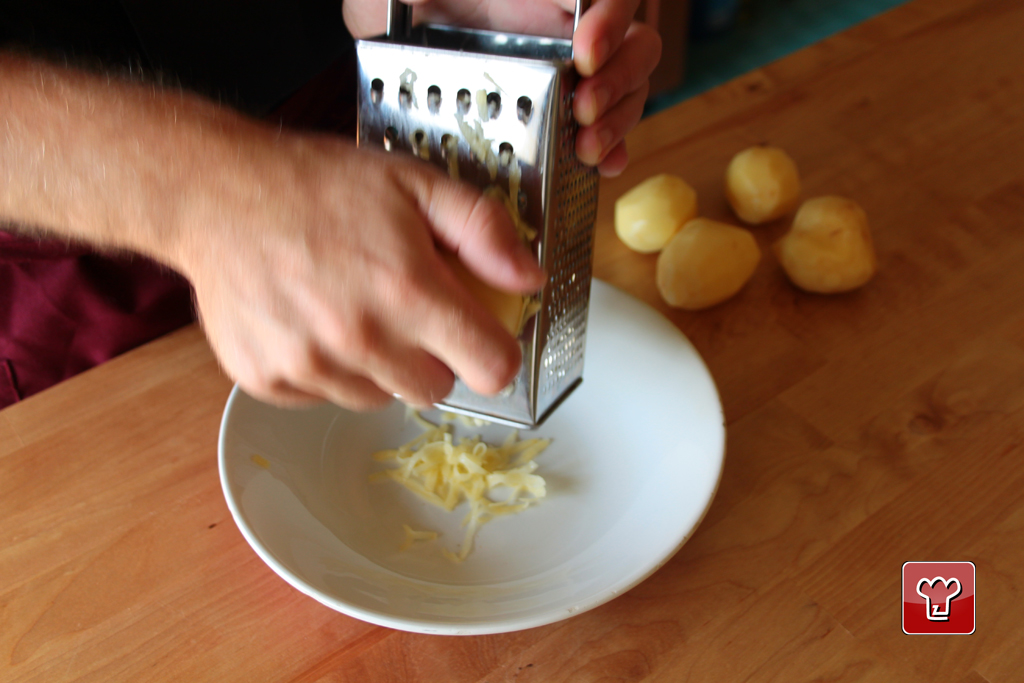
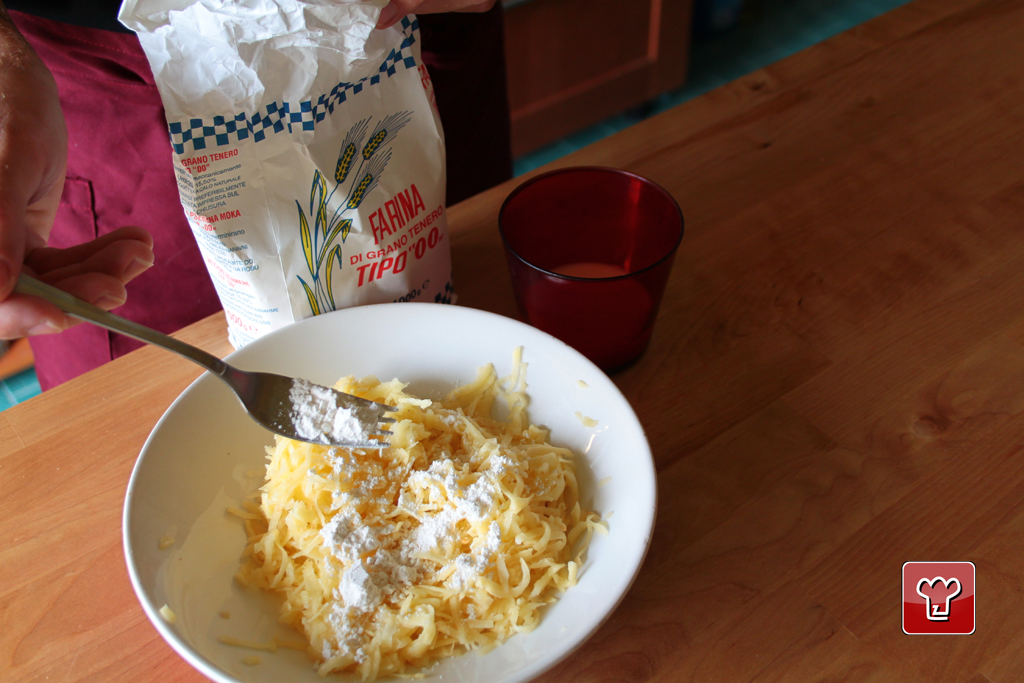
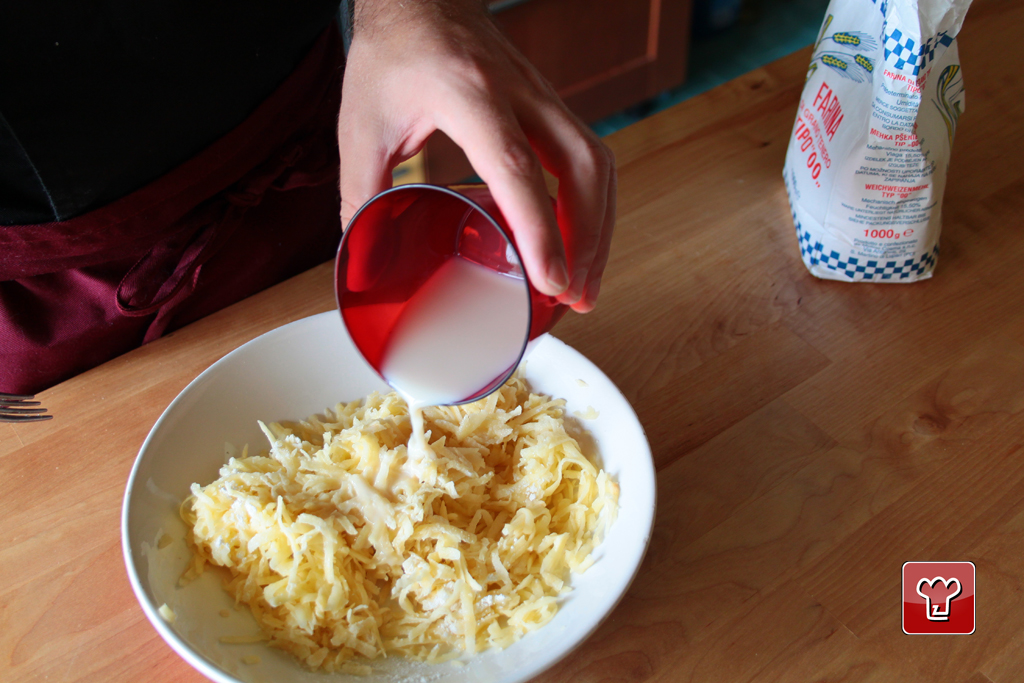
Grate the potatoes with a grater with large holes. Add the milk and salt, stir, then add the flour. Mix well so that there are no flour lumps, then let it rest for 15 minutes so that the potatoes lose a little of their water and bind well with the flour. Heat a large frying pan with half an inch of oil, then, with a spoon, take a tablespoon of the potato mixture and place it in the hot oil, pressing it down a little to widen and flatten it. Do this with the rest of the dough, frying the rösti on both sides until they are nicely browned. Drain the oil and pat dry with some kitchen paper. Serve hot with a sprinkling of pepper as a side dish for a meat main course.
Step by step
|
View the step by step
|
Grate the potatoes with a grater with large holes
|
|
View the step by step
|
Add the flour to the grated potato
|
|
View the step by step
|
Add a little milk to the potato and flour mixture
|
|
View the step by step
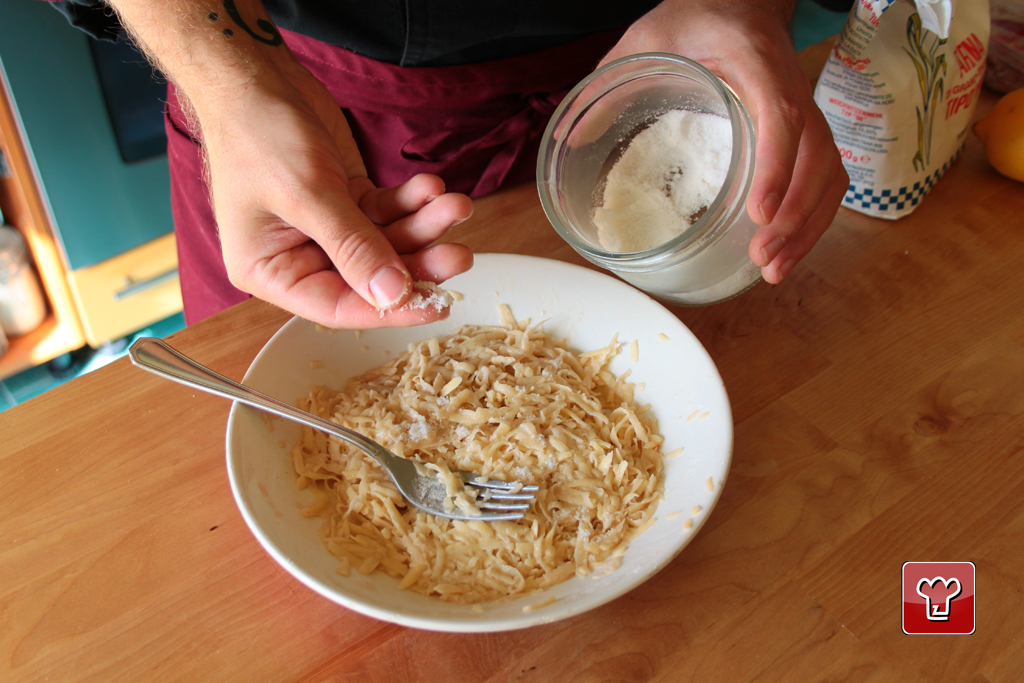
|
Add salt to the mixture and leave to rest for a while
|
|
View the step by step
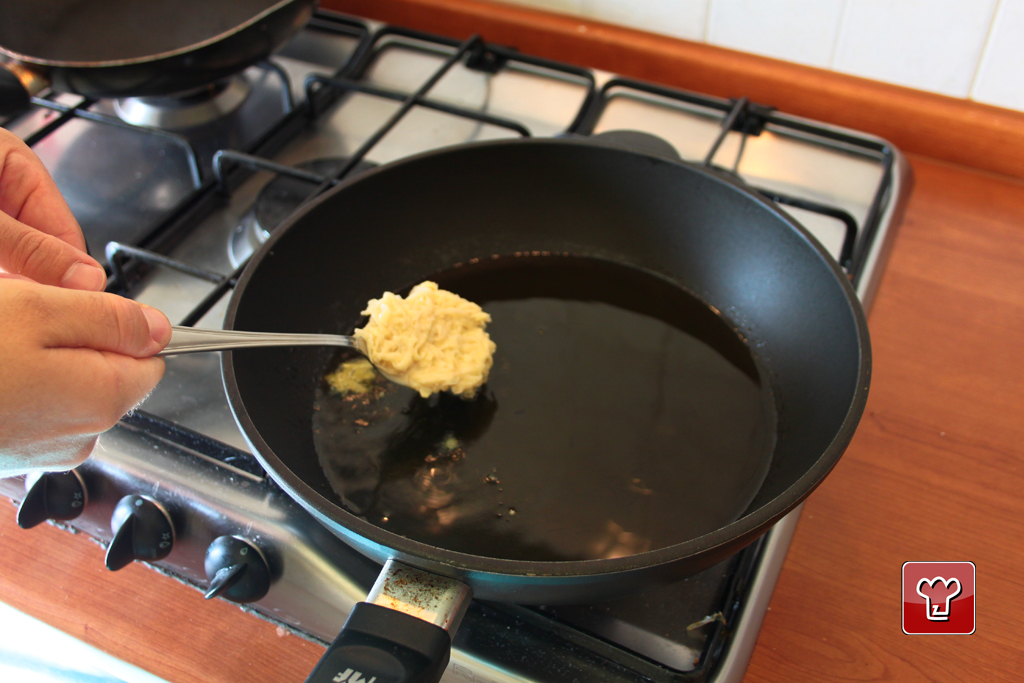
|
With a tablespoon, shape the mixture into little balls and put them in a frying pan with half an inch of hot oil
|
|
View the step by step
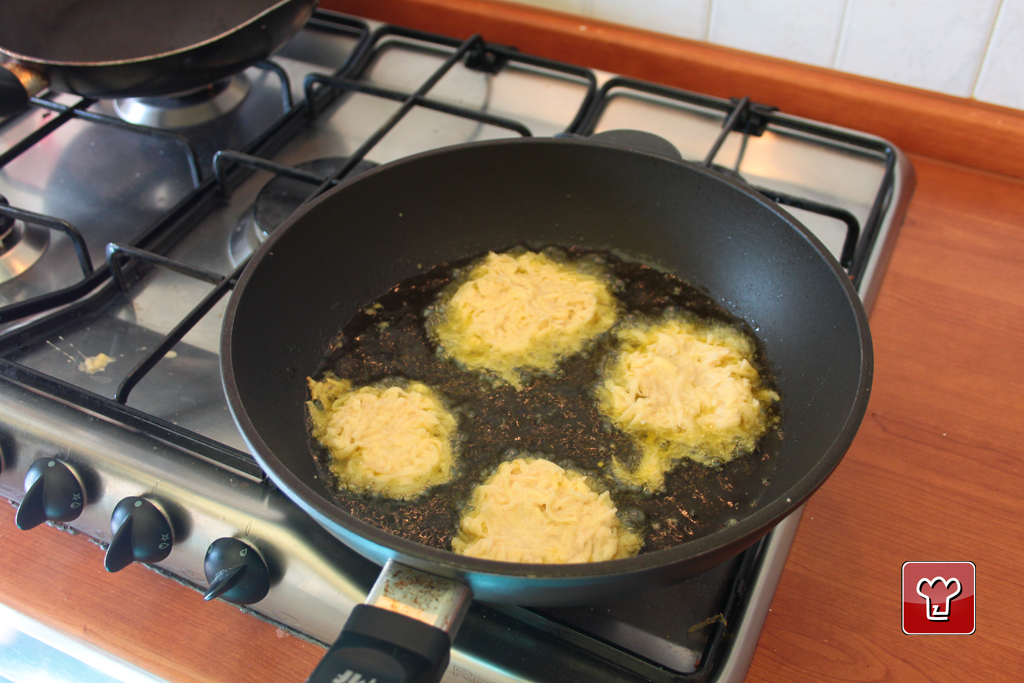
|
Fry the potato balls until they are golden on both sides
|
|
View the step by step
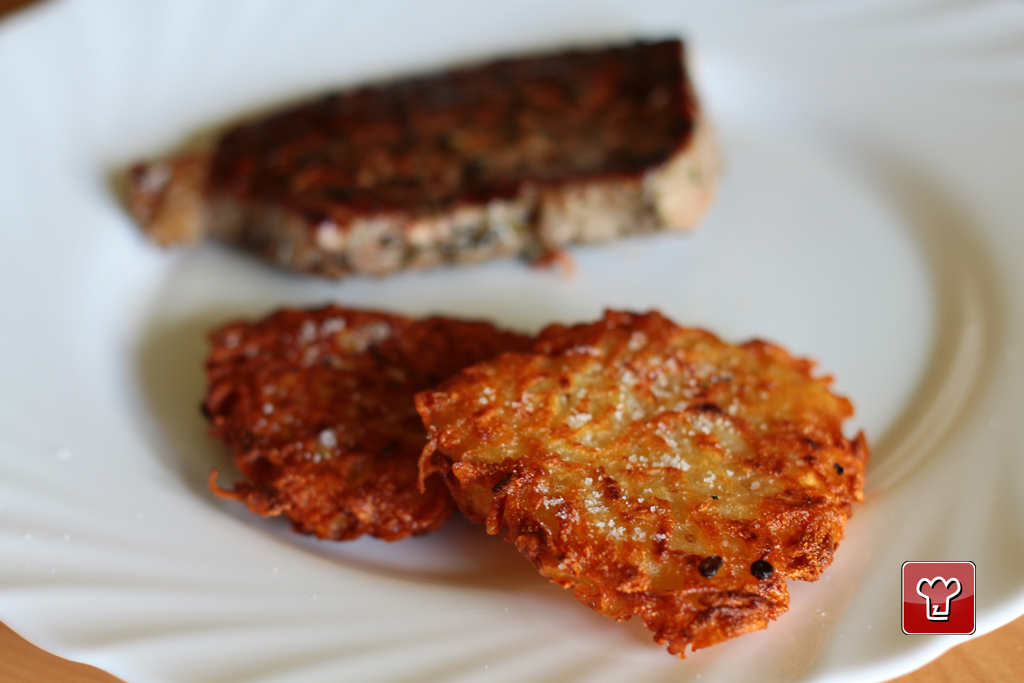
|
The rösti are ready, crispy and tasty!
|
Additional information
Roosti with potatoes and milk
The Roosti can be easily customized with the addition of specific ingredients. One of the most appreciated variations is that with potatoes and milk, which gives the dish a creamy texture and a richer flavor. To prepare this version, the potatoes must be finely grated and mixed with the milk to obtain a soft dough. Flour is then added to bind everything together, creating a perfect base for frying. Once cooked, the Roosti is golden and crispy on the outside, while maintaining a soft and flavorful heart. Served as a side dish or main course, it is an excellent choice for those looking for a hearty and tasty meal.
Swiss Roosti
In Swiss culinary tradition, Roosti is a typical dish that stands out for its simplicity and enveloping flavor. Mainly prepared with grated potatoes, these golden discs are often associated with the cuisine of mountainous regions. The preparation involves frying in a pan, which allows for a crispy crust, while the inside remains tender. Roosti is often served as a side to meats, but can also be enjoyed on its own, perhaps with a side of vegetables. This regional variant is perfect for those who want to savor a piece of Switzerland at the table, bringing a touch of the mountains in every bite.
Light Roosti without flour
For those who desire a lighter version of Roosti, it is possible to make them without flour, using only potatoes and milk. This light preparation is ideal for those following a low-carb diet or for those who are gluten intolerant. The potatoes, grated and mixed with the milk, create a dough that can be cooked in a pan without the addition of flour. The final result is a lighter Roosti, but still flavorful and satisfying. This variant allows you to enjoy a traditional dish in a healthier way, without giving up the taste and goodness that characterize the original Roosti.
Nutritional benefits of potatoes in Roosti
Potatoes, the main ingredient in Roosti, are an important source of nutrients and offer several health benefits. Rich in potassium, vitamin C, and fiber, potatoes contribute to the well-being of the cardiovascular system and promote good digestion. Additionally, they provide energy thanks to the complex carbohydrates they contain. A serving of Roosti made with potatoes and milk provides about 200-250 calories, making them a nutritious and filling option for a meal. Incorporating potatoes into the diet is a simple way to enrich meals with essential nutrients, without sacrificing flavor.
Can Roosti be frozen?
The question of whether Roosti can be frozen is common among those who love to prepare dishes in advance. The answer is yes, Roosti can be successfully frozen. It is advisable to let them cool completely after cooking and then store them in an airtight container or in food bags, separating them with parchment paper to prevent sticking. Once frozen, they can be kept for up to 2-3 months. To enjoy them again, simply thaw them in the refrigerator and reheat them in a pan or oven, maintaining their crispiness and delicious flavor. This practice is ideal for always having a quick and tasty meal on hand.