Saint Joseph doughnuts
The doughnuts of St. Joseph are a typical, traditional Italian dessert: some argue that these delicacies celebrate the life of St. Joseph, and that that is why we make them for Father's Day on March 19. Other hypotheses suggest they were invented in Naples, and in fact the first written recipe dates back to 1837 in the discussion of Neapolitan cuisine by Ippolito Cavalcanti. In Neapolitan tradition there are two variants: fried and baked. In both cases, the doughnuts have a circular base of choux pastry (i.e. the dough used for cream puffs) with a central hole, are garnished with a pastry ‘custard’ and decorated with some tasty amarena cherry jam and sprinkled with powdered sugar. You must give this recipe a go on Father's Day - and also at other times of the year: the doughnuts will surprise you with their deliciousness and attractiveness as long as you make them carefully.
Ingredients
Dough
Stuffing
Decoration
* approximate values per serving
Preparation
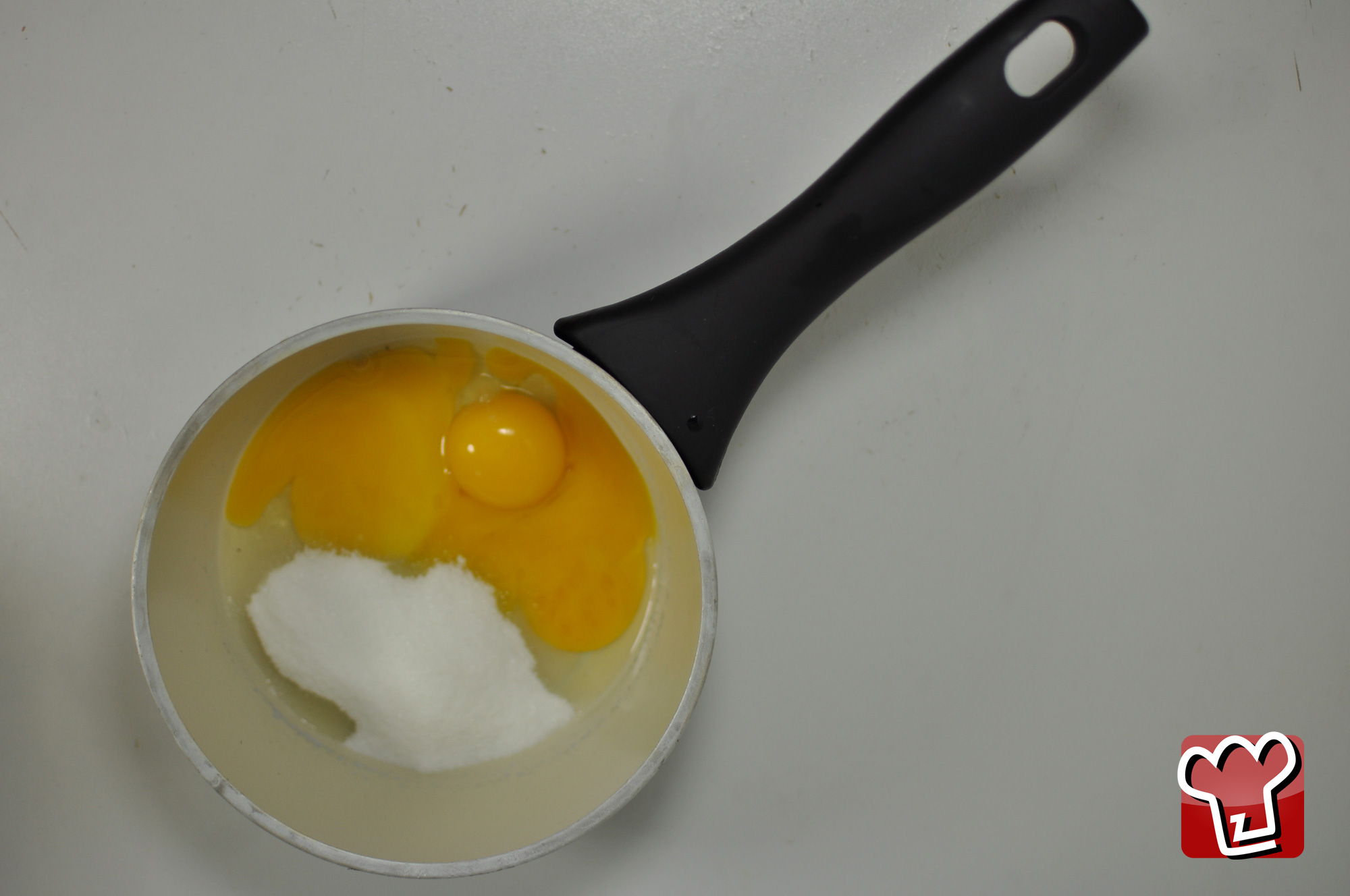
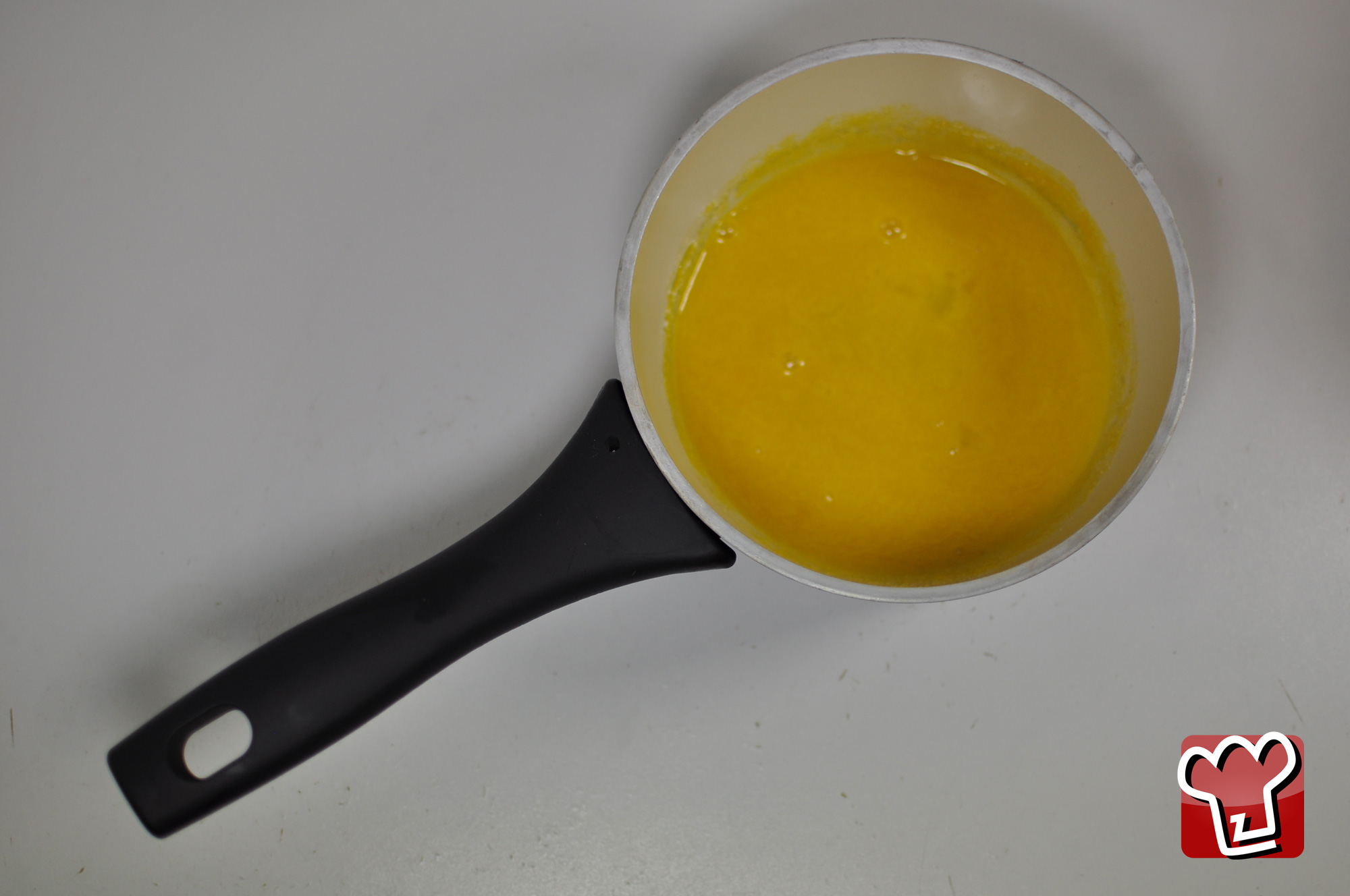
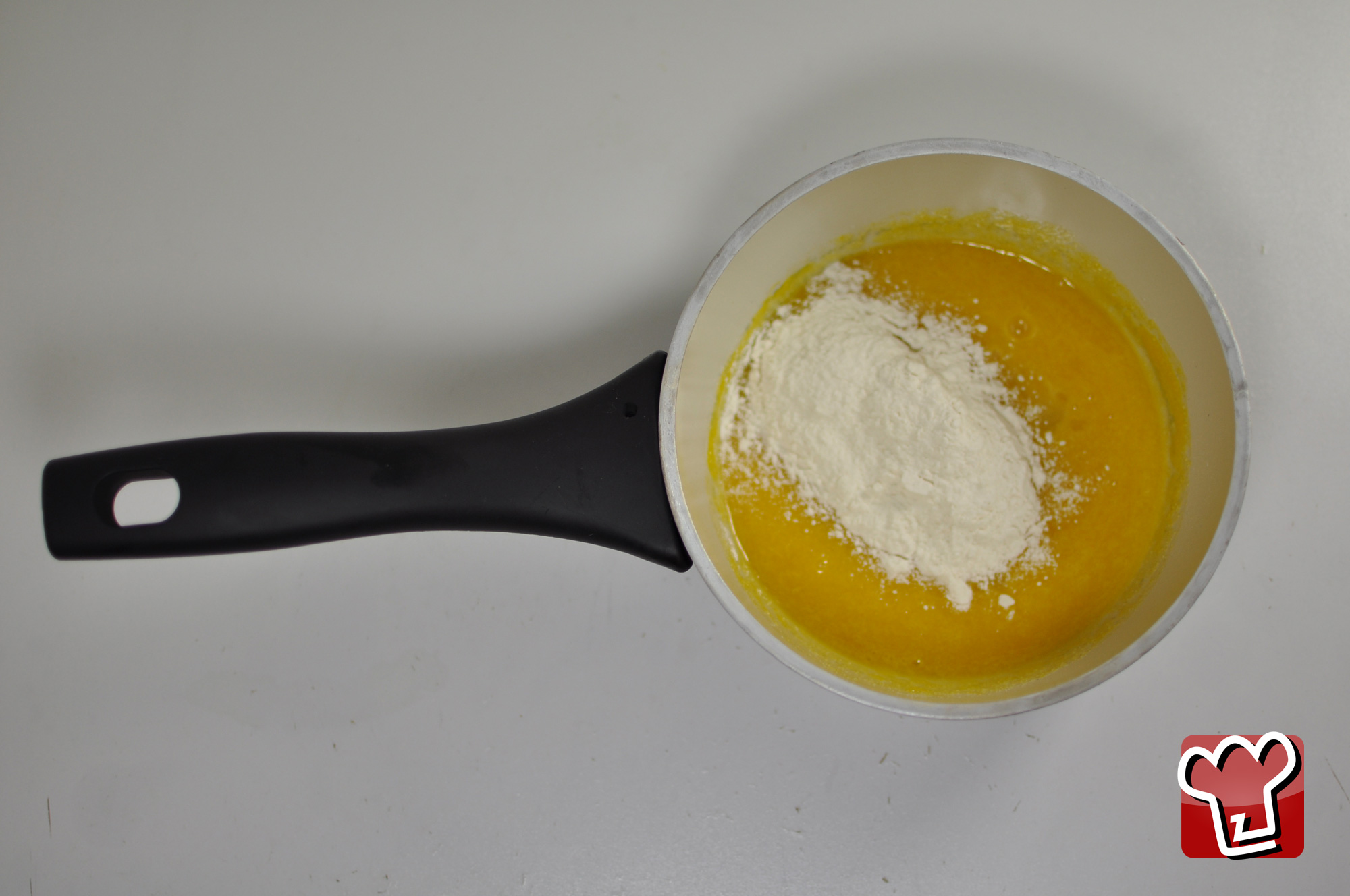
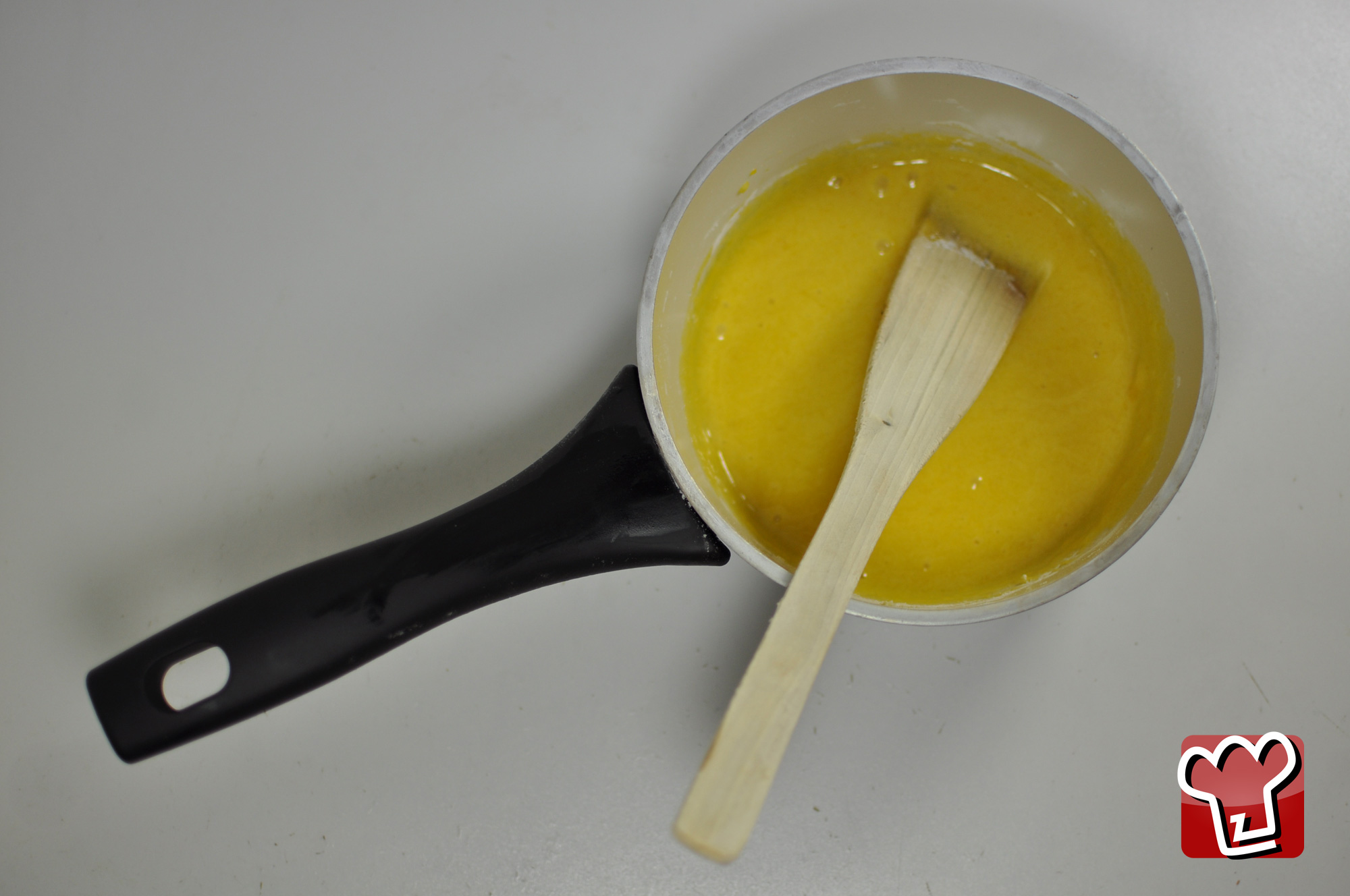
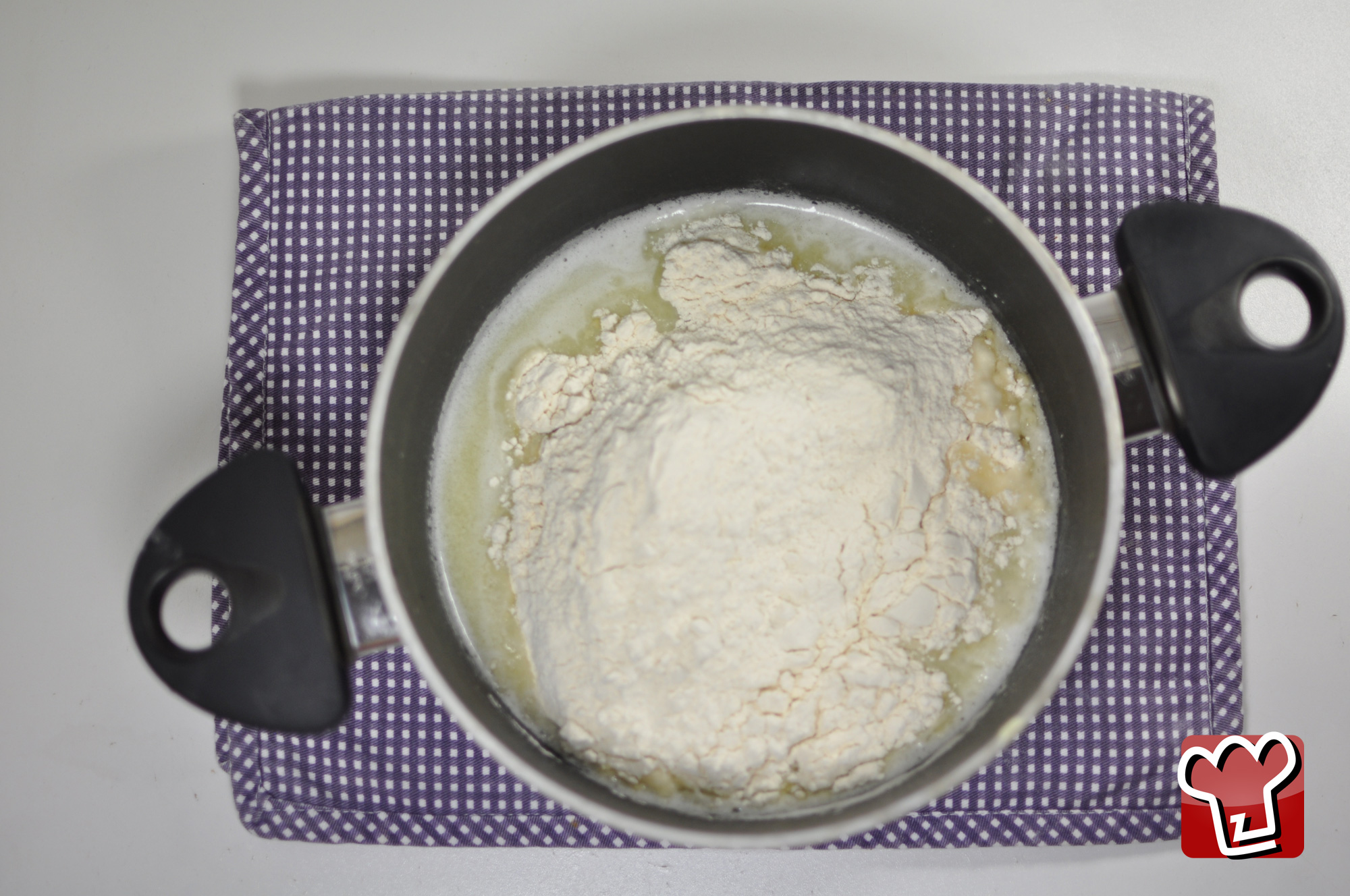
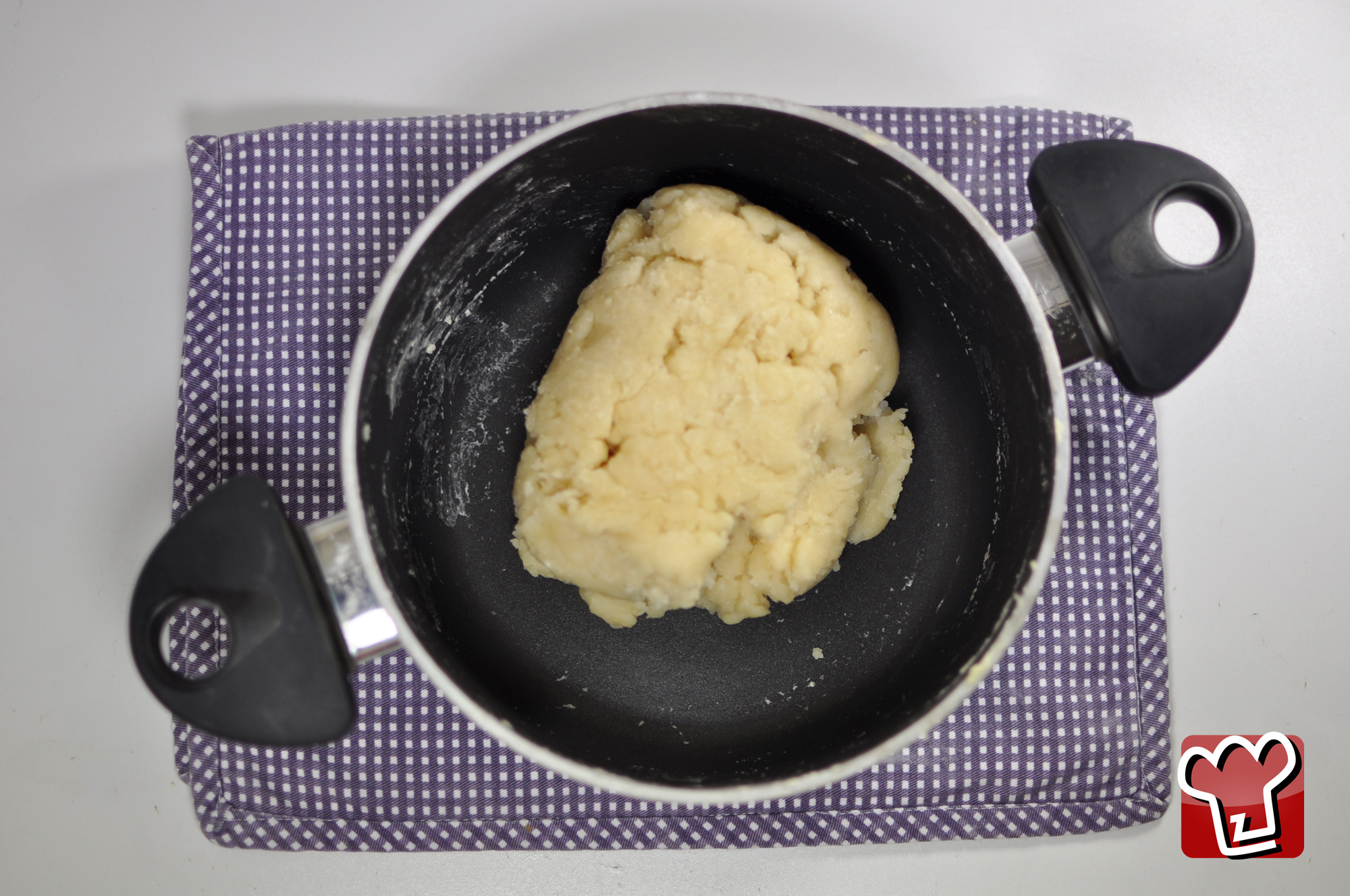
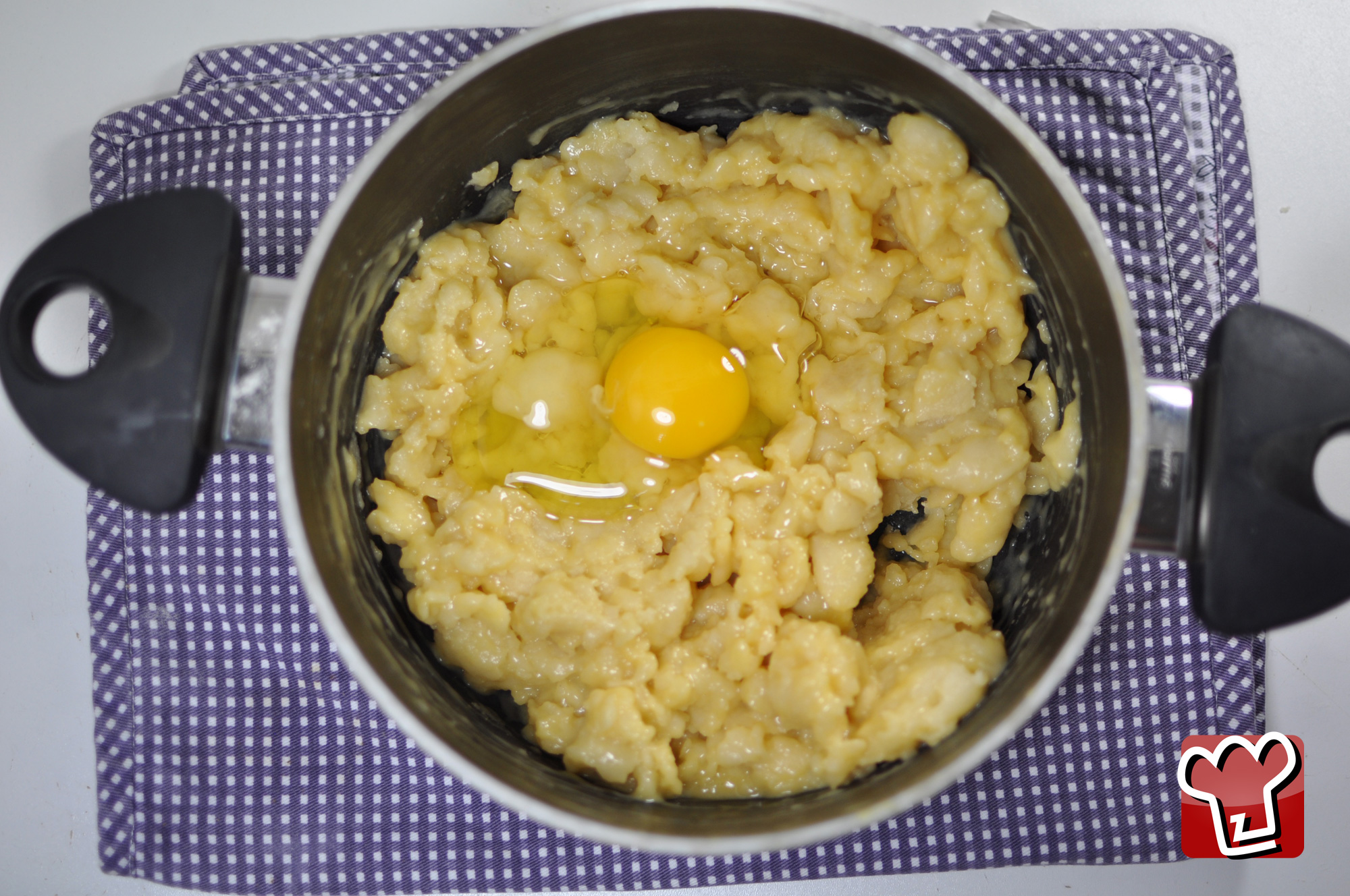
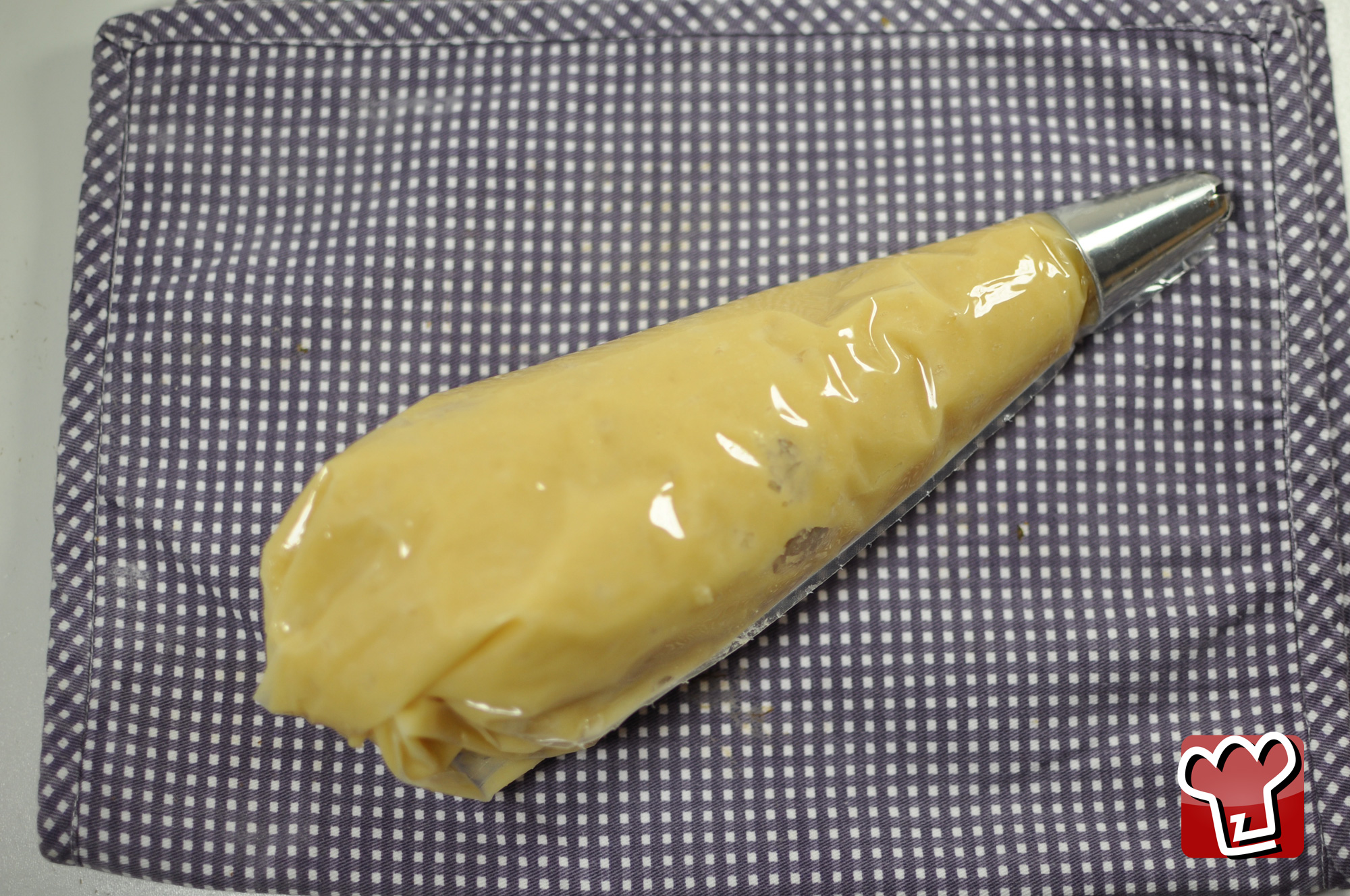
Prepare the ‘crema’: get all the ingredients together: 3 eggs (only the yolks), 3 tablespoons sugar, 3 tablespoons of cornflour, 500 grams of milk. Mix the egg yolks and sugar together well in a bowl until smooth. Add the sifted cornflour and blend in well to obtain a smooth mixture. Pour in the milk little by little, stirring constantly. Bring to a boil, stirring constantly. Turn off the heat and allow it to cool, preferably in a glass bowl covered in cling film to avoid the development of a skin. Preparation of the doughnuts (choux pastry): 400 g of flour, 500 g of water, salt, 7-8 eggs (depending on size), 50 g of butter; add the water, a pinch of salt and butter to a saucepan. Heat until the butter melts completely, during which time the water should come to the boil. Remove from the heat and add the flour in one go. Mix thoroughly. Put back on the heat and stir until the mixture forms a ball that comes off the sides. Cool the mixture and add one egg at a time. After adding each egg mix strongly: the mixture will tend to fall apart as you see in the picture, but once absorbed each egg it will reform and eventually look like a type of thick custard. Transfer the mixture into a pastry bag, fitted with a star nozzle. Line a baking tray with parchment paper and squeeze the dough from the pastry bag to get the doughnuts, making a circle for each one. Give the doughnuts plenty of space because they will tend to grow during cooking. Bake in oven for at least 20 minutes at 190 °C. Once cooled garnish with the custard. Serve your doughnuts decorated with sour cherry and a dusting of powdered sugar.
Step by step
|
View the step by step
|
Blend well to form a smooth consistency
|
|
View the step by step
|
Add the sifted cornflour
|
|
View the step by step
|
Mix very carefully to obtain a blend free of lumps
|
|
View the step by step
|
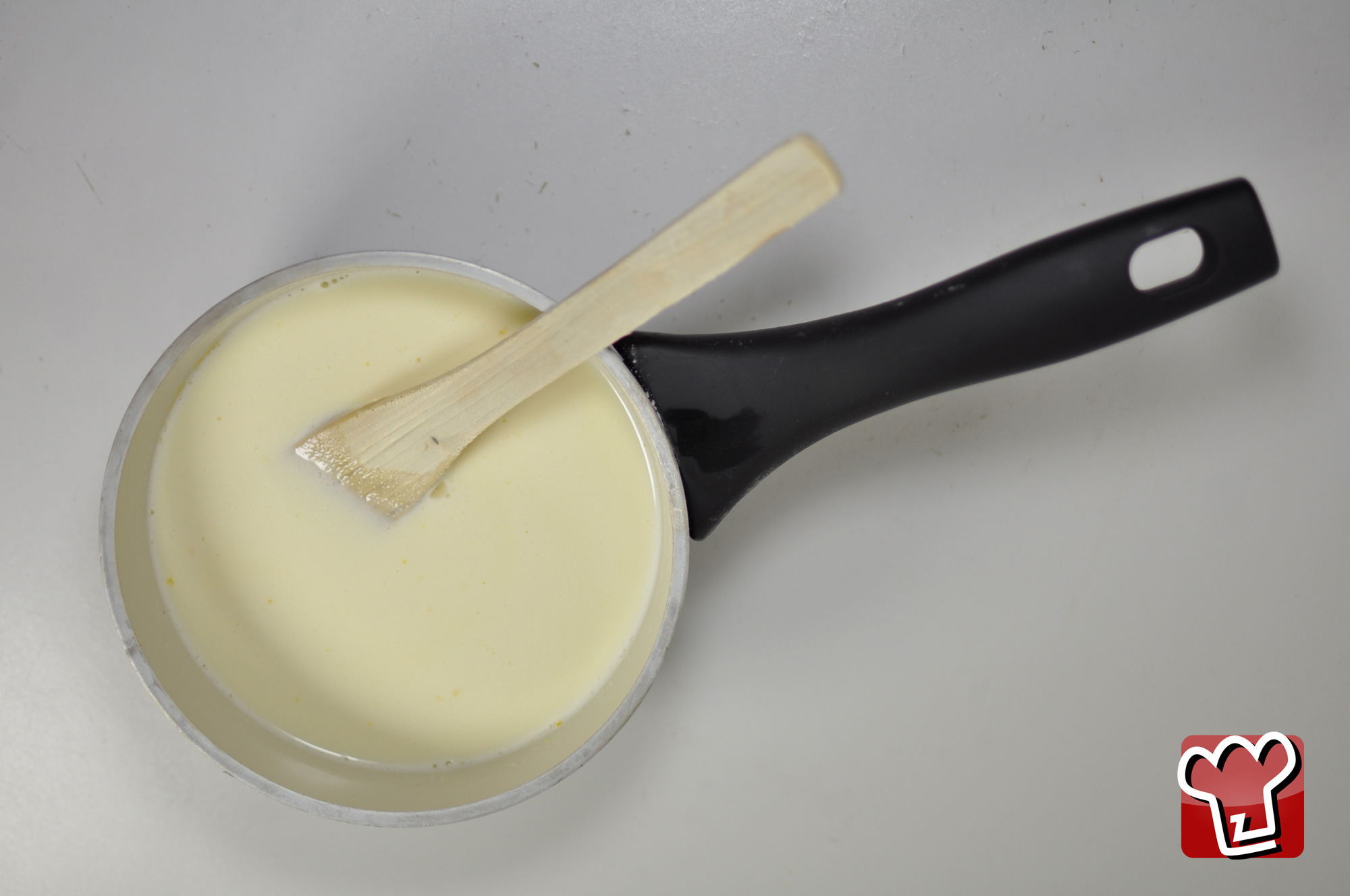
Slowly pour in the milk stirring continually
|
|
View the step by step
|
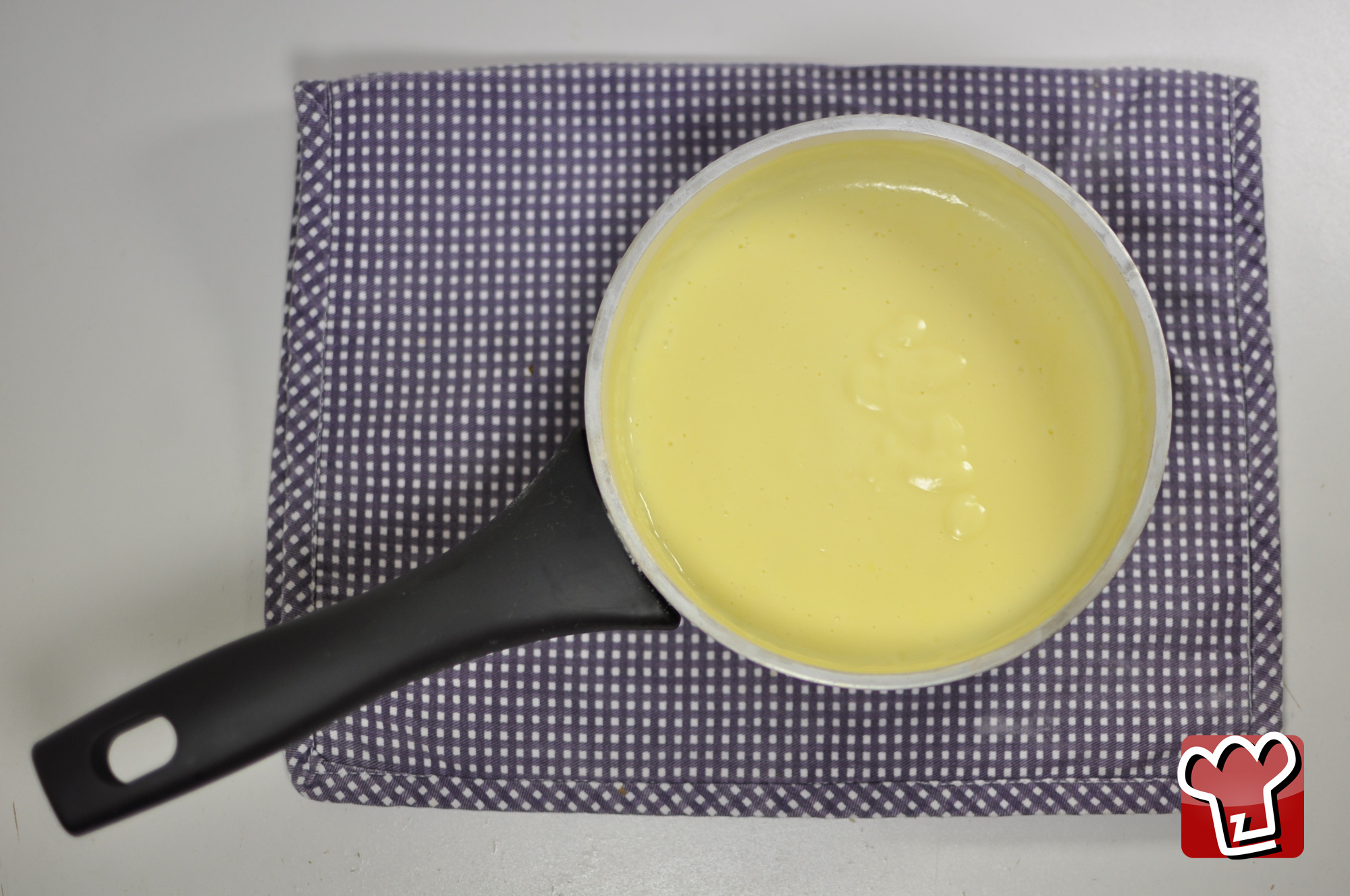
Bring to the boil, stirring continually. Take of the heat and leave to cool, preferably in a glass bowl covered with cling film to avoid the formation of skin
|
|
View the step by step
|
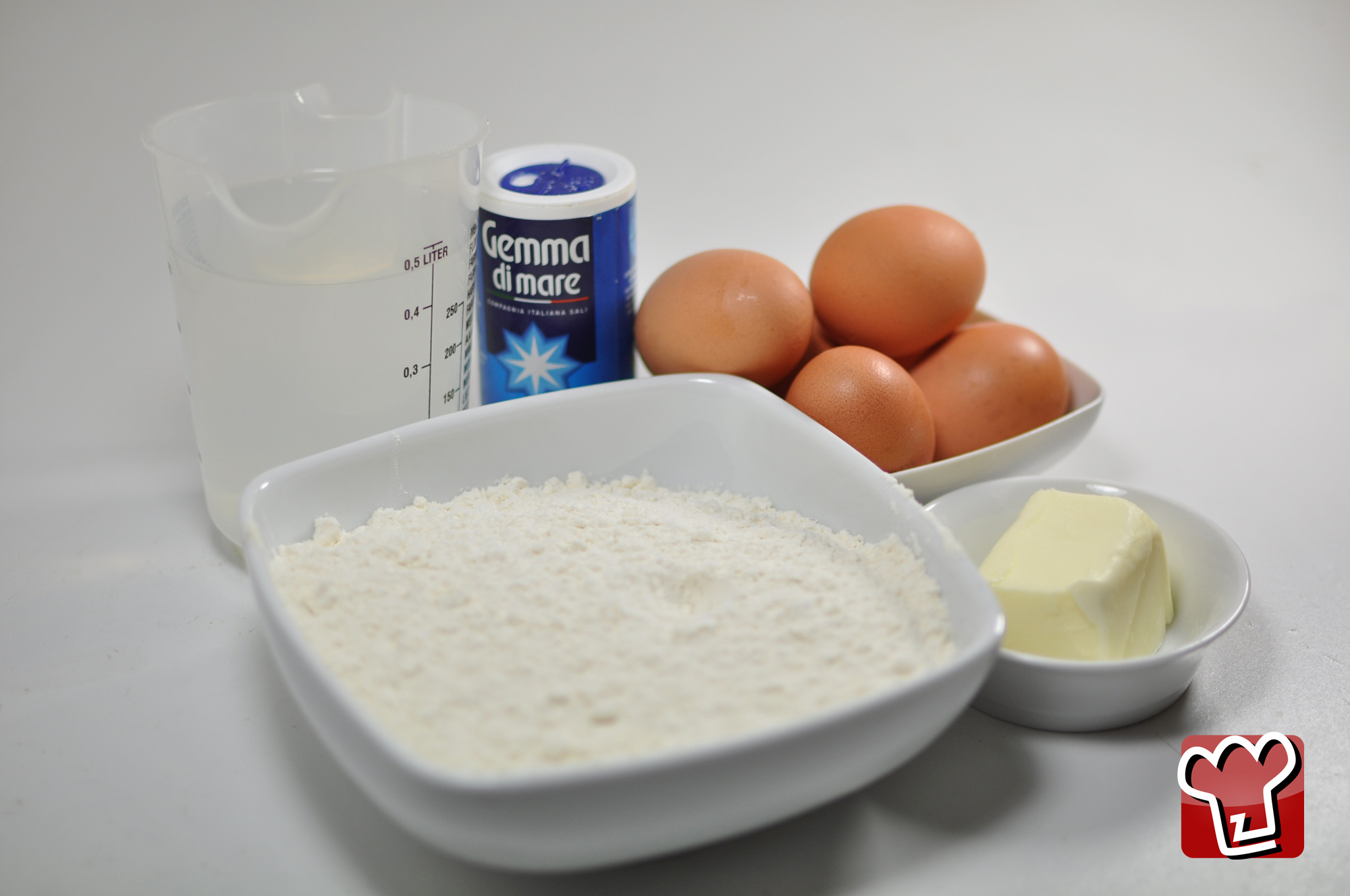
Prepare all the ingredients: 400g flour, 500g of water, fine salt, 7-8 eggs (depending on their size), 50g butter
|
|
View the step by step
|
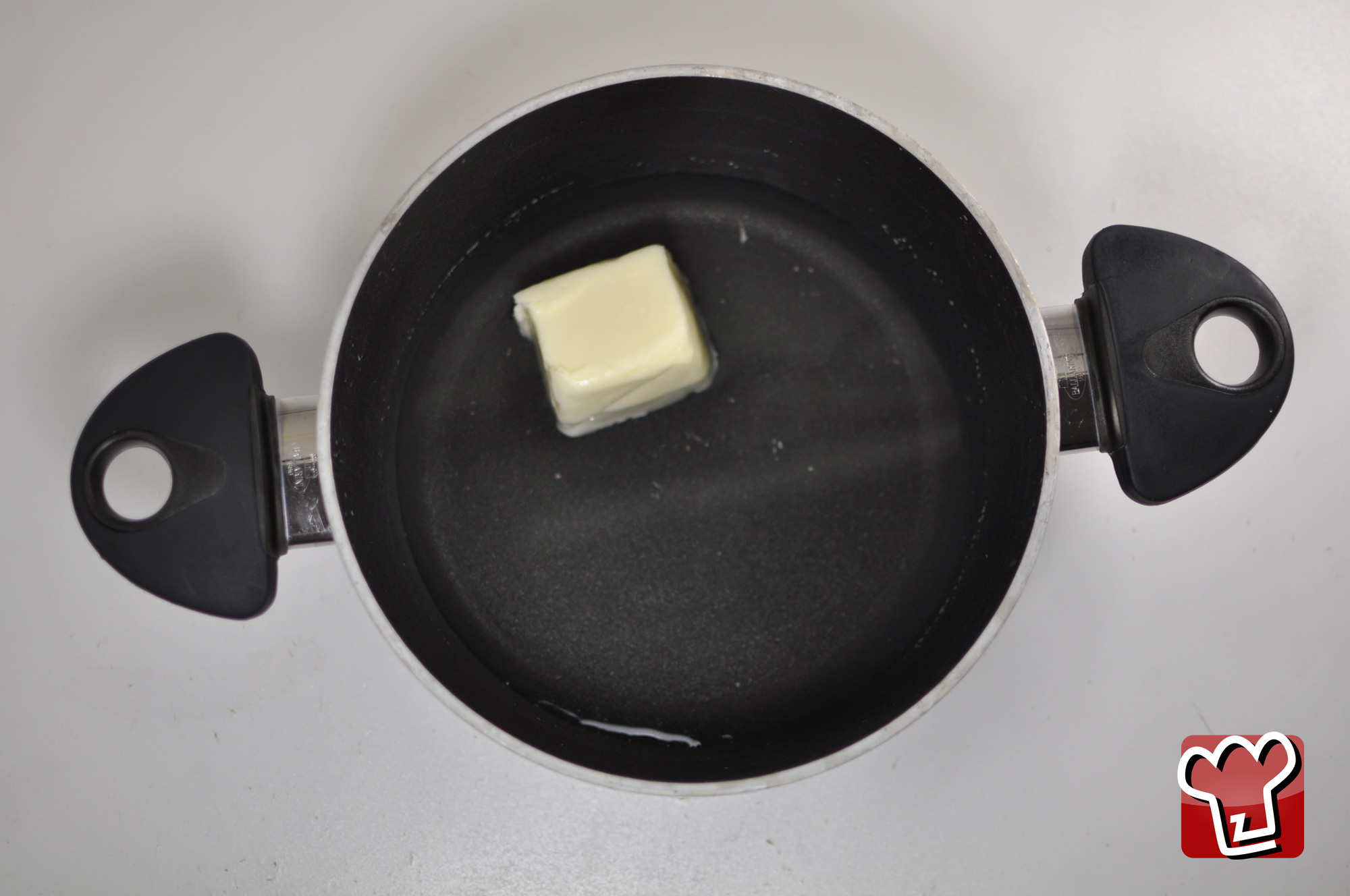
Put the water, a pinch of salt and the butter. Heat until the butter melts completely, during which time the water should come to the boil.
|
|
View the step by step
|
Take off the heat and then add all the flour in one go. Mix vigorously
|
|
View the step by step
|
Put back over a moderate heat and mix until the dough comes away from the sides of the pan
|
|
View the step by step
|
Cool the mixture and add one egg at a time. After adding each egg mix strongly: the mixture will tend to fall apart as you see in the picture, but once absorbed each egg it will reform and eventually look like a type of custard.
|
|
View the step by step
|
Transfer the mixture into a pastry bag, fitted with a star nozzle.
|
|
View the step by step
|
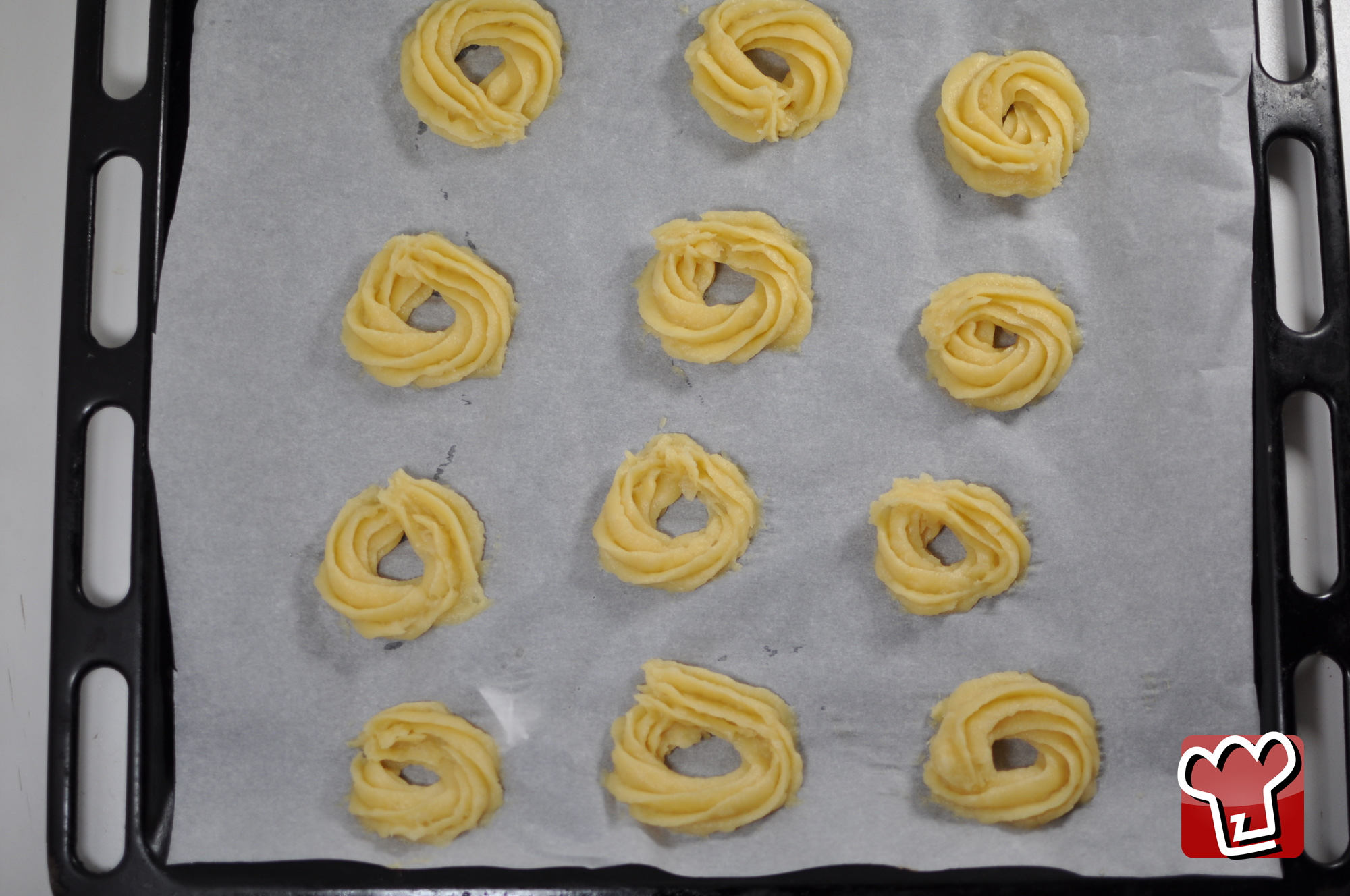
Line a baking tray with parchment paper and squeeze the dough from the pastry bag to get the doughnuts, making a circle for each one. Give the doughnuts plenty of space because they will tend to grow during cooking.
|
|
View the step by step
|
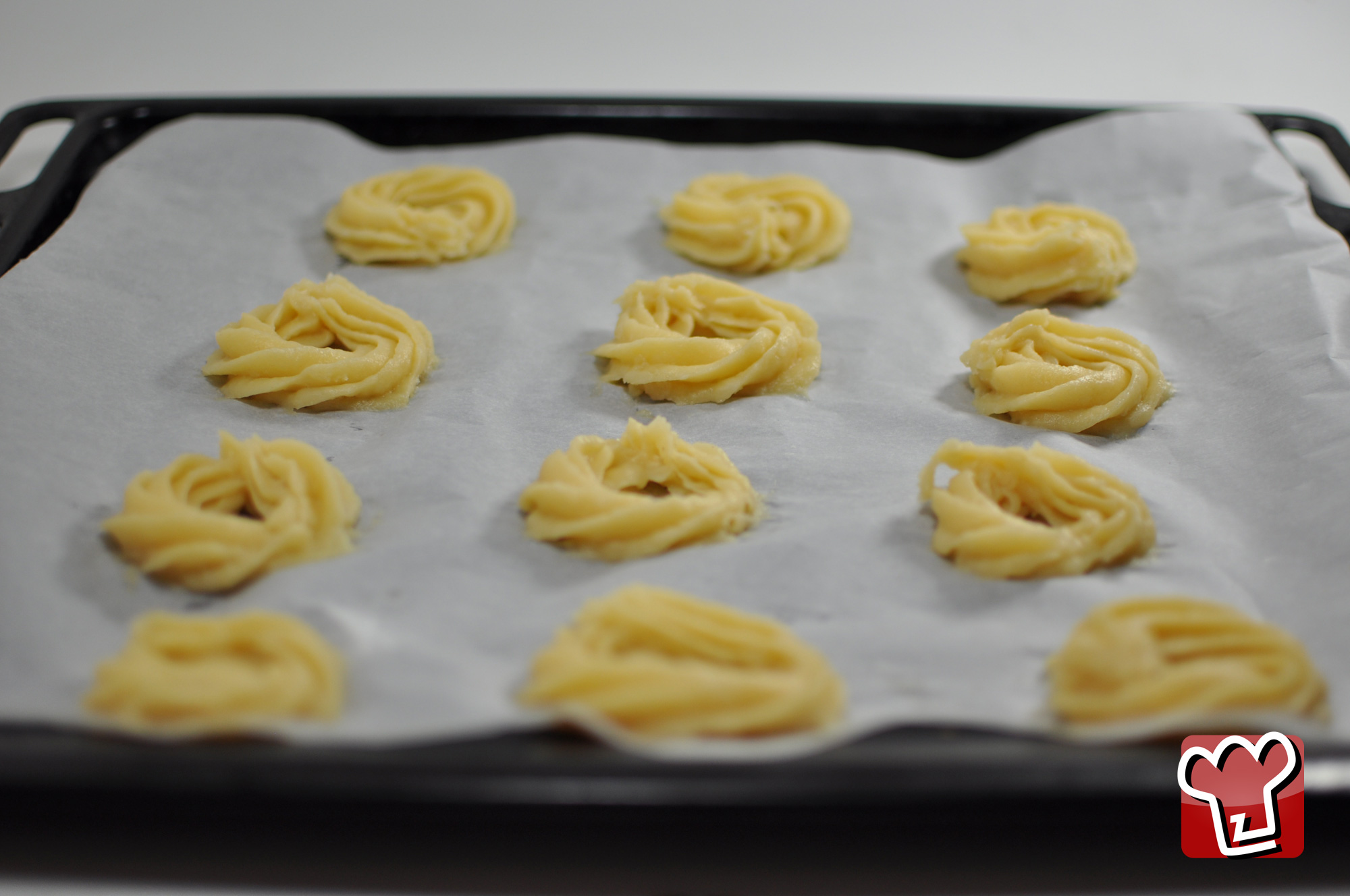
Bake in the oven at 190°C for at least 20 minutes
|
|
View the step by step
|
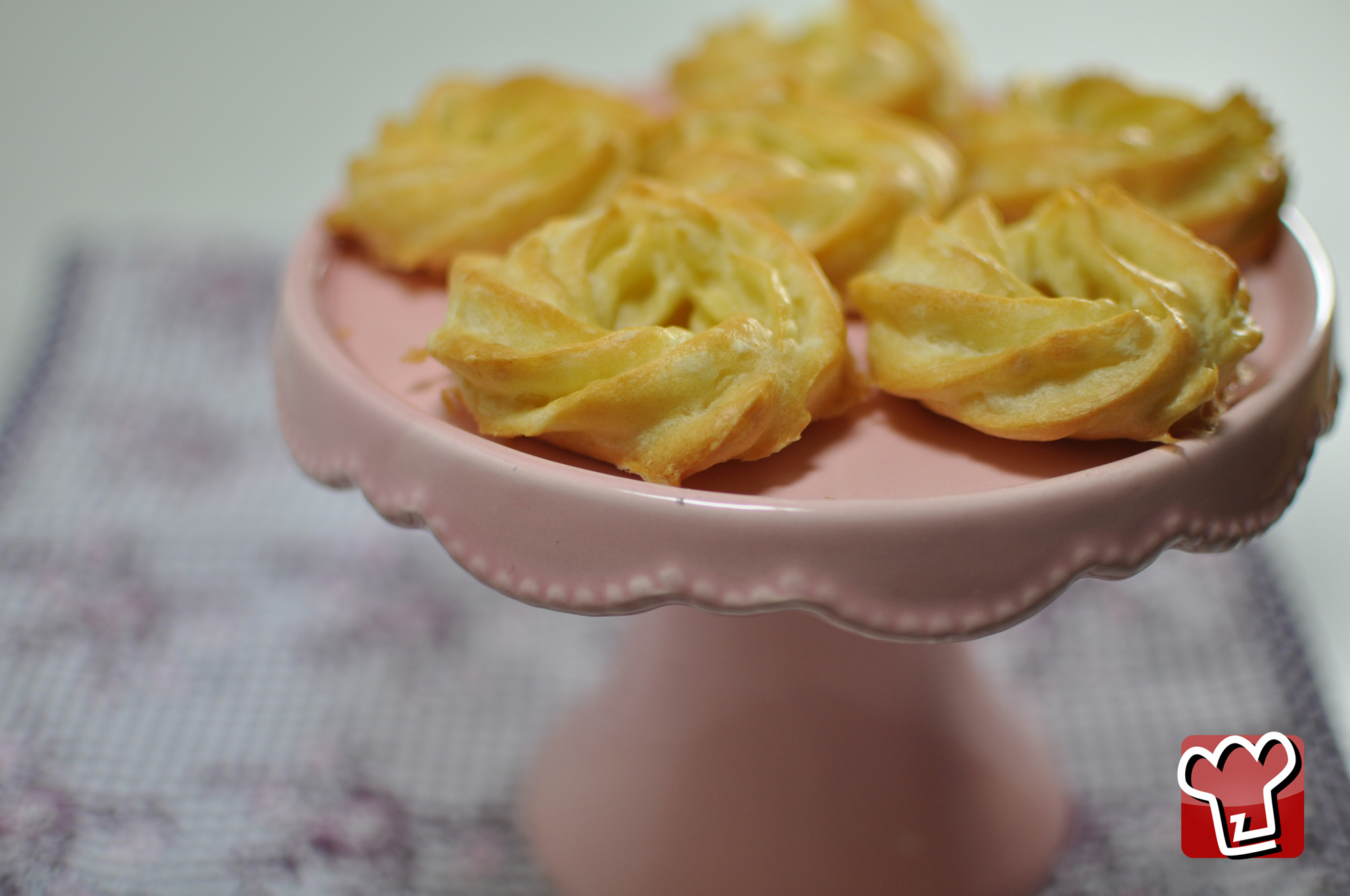
The doughnuts are cooked: leave to cool
|
|
View the step by step
|
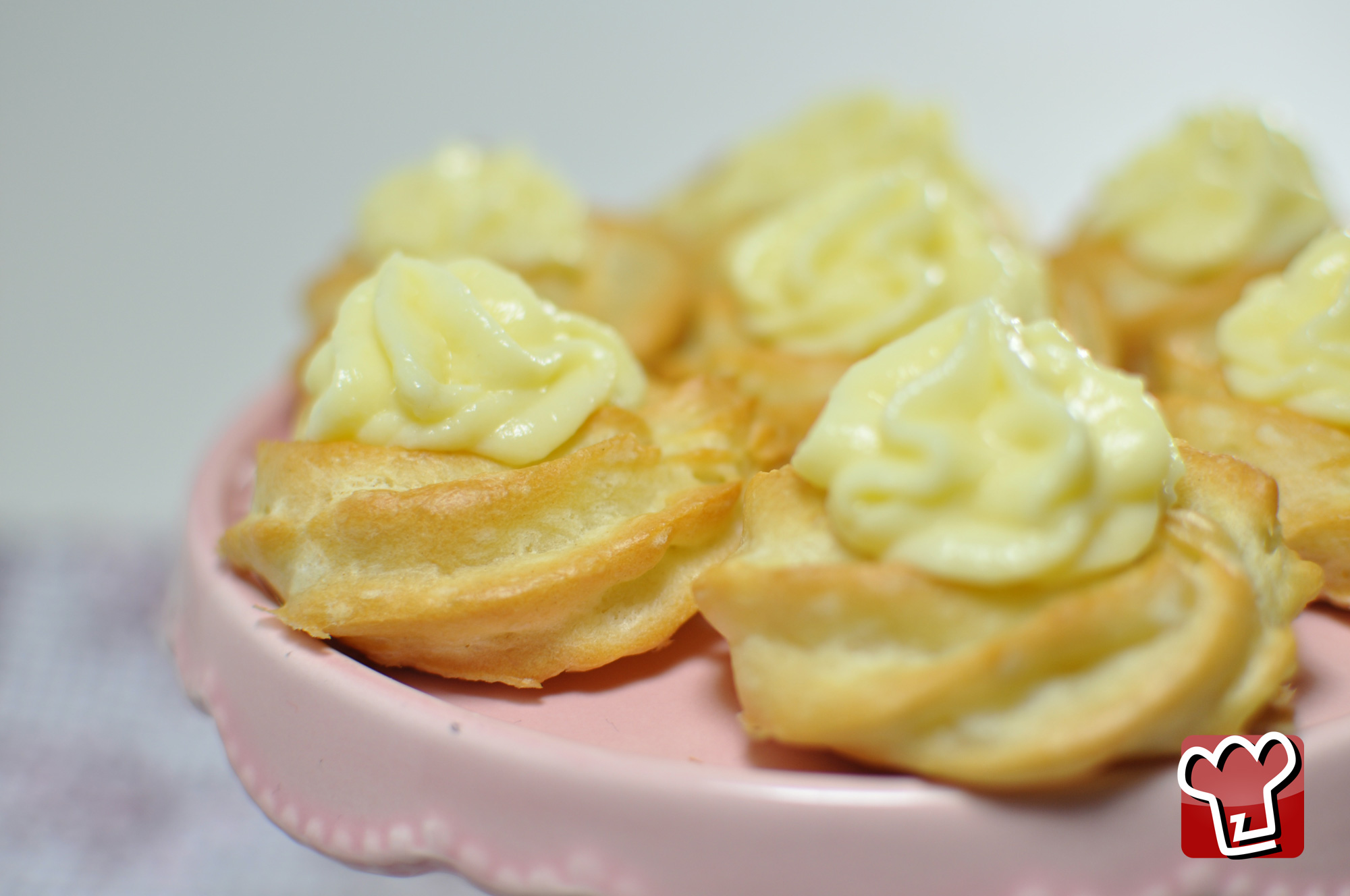
Once cooled, garnish with the custard
|
|
View the step by step
|
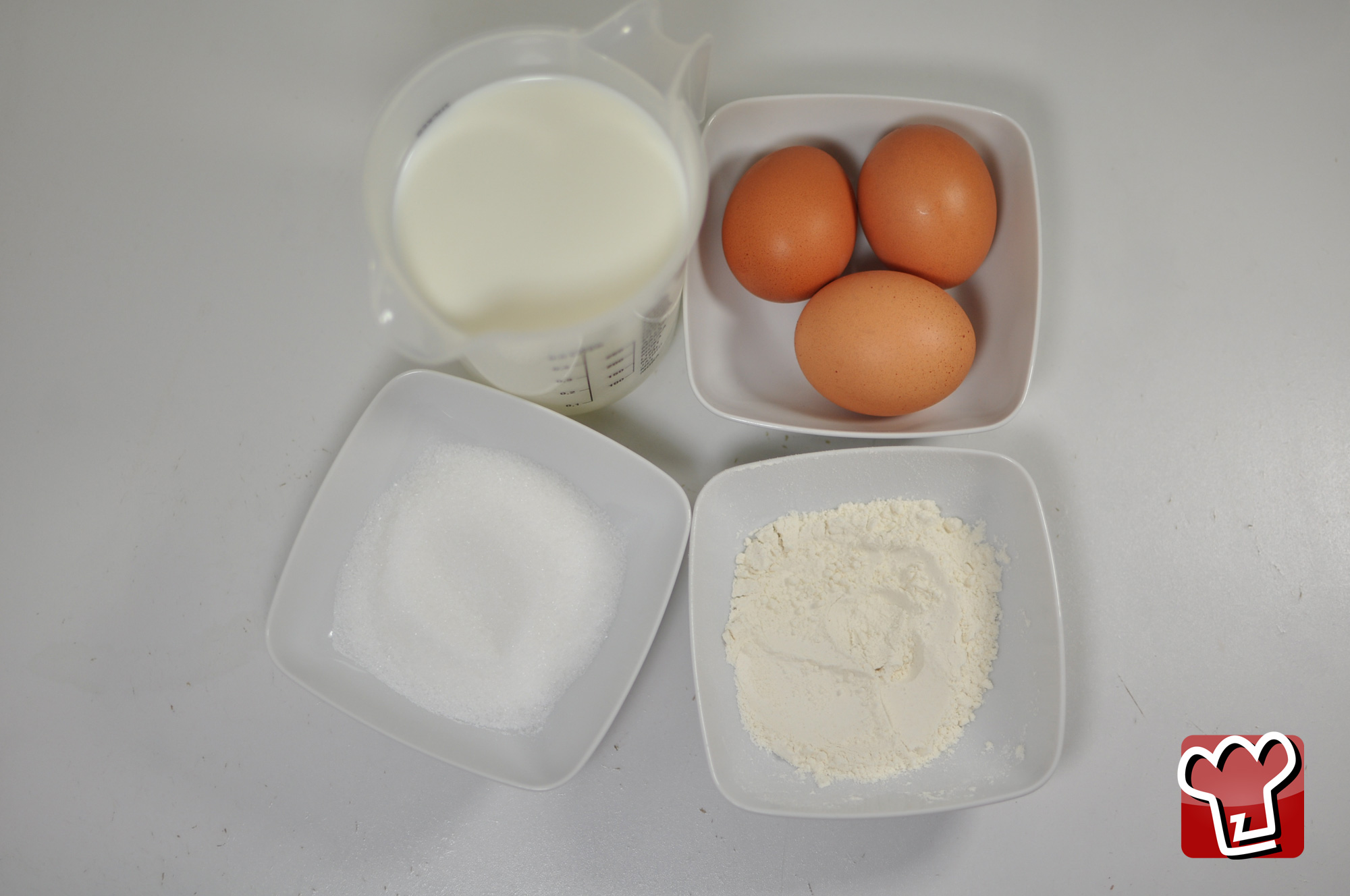
Prepare all the ingredients: 3 eggs (we will use only the yolks), 3 level tablespoons sugar, 3 tablespoons of cornflour, 500g of milk
|
|
View the step by step
|
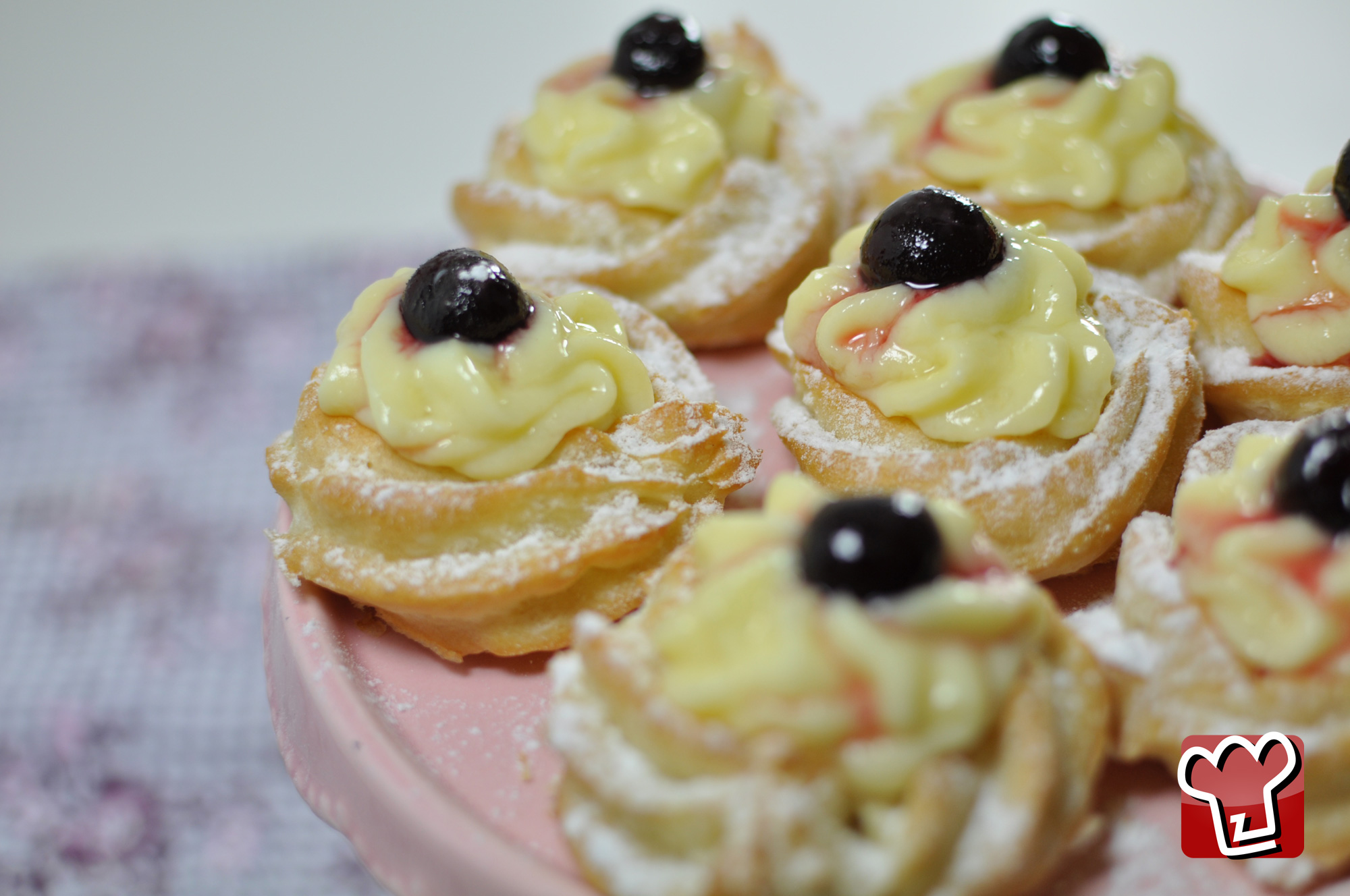
Serve your doughnuts decorated with sour cherries and a sprinkling of icing sugar
|
Additional information
Saint Joseph's Zeppole with Sour Cherries
Saint Joseph's zeppole with sour cherries are a delicious variation of this classic Italian dessert. In this version, the syrupy sour cherries are used as a topping, adding a touch of acidity that perfectly balances the sweetness of the cream. To prepare them, follow the traditional zeppole recipe, but before baking, add a teaspoon of sour cherries to the center of each zeppola. This not only enriches the flavor but also makes the dessert visually appealing. The sour cherries can be replaced with other fruits or jams, but the combination with pastry cream remains one of the most appreciated. Served warm and dusted with powdered sugar, these zeppole represent a true indulgence.
Neapolitan Saint Joseph's Zeppole
The preparation of Neapolitan Saint Joseph's zeppole is a true symbol of Campania's culinary tradition. This dessert is particularly popular during the feast of Saint Joseph on March 19. Unlike other variations, Neapolitan zeppole are fried and then filled with a generous amount of pastry cream and topped with sour cherries. The frying gives this dessert an unmistakable crunch, while the soft cream and syrupy fruit offer a contrast of textures and flavors. For those seeking a lighter alternative, there are baked variations, but the traditional version remains the most loved and sought after. Each bite tells a story of tradition and gastronomic passion.
Light Saint Joseph's Zeppole without Butter
Light Saint Joseph's zeppole without butter are a delicious alternative for those looking to maintain a balanced diet without sacrificing flavor. In this version, butter is replaced with seed oil or margarine, thus reducing the saturated fat content. The preparation remains essentially the same, but with the added benefit of having a lighter and more easily digestible dessert. It is also possible to use a light pastry cream, made with skim milk and brown sugar, to make the dessert even healthier. Light zeppole are perfect for those who want to indulge in a dessert without guilt, while keeping the tradition and flavor of this iconic sweet intact.
Benefits of Saint Joseph's Zeppole: Calories and Nutrients
Saint Joseph's zeppole, while being a rich and caloric dessert, can offer some benefits thanks to the ingredients used. "00" flour provides carbohydrates, while eggs and milk contribute essential proteins and vitamins. The sour cherries, used as a topping, are rich in antioxidants and vitamins, contributing to better nutritional intake. On average, a Saint Joseph's zeppola contains about 300-350 calories, depending on the size and method of preparation. Although they are a dessert to be consumed in moderation, they can be part of a balanced diet if integrated mindfully, especially during the holidays.
Can I Store Saint Joseph's Zeppole and How?
Saint Joseph's zeppole can be stored, but it is important to follow some guidelines to maintain their freshness and goodness. If prepared in advance, it is advisable to keep them in an airtight container in the refrigerator for up to 2-3 days. Before serving, they can be lightly warmed in the oven to restore their crunchiness. If you wish to freeze them, it is better to do so before adding the pastry cream and sour cherries, in order to preserve the quality of the ingredients. This way, the zeppole can be stored for a month. When you want to enjoy them, simply thaw them at room temperature and fill them at the moment for a fresh and delicious dessert.