Romagnola Italian flatbread
Italian flatbreads have ancient origins: it was a substitute for bread for land workers, because compared to ordinary bread, flatbread was more filling and kept better. From the dining tables of the peasants of old, these flatbreads have now arrived on our supermarket shelves, where today it is rightly considered a specialty of the Romagna region. Today we are going to teach you how to make them. To explain how to make the basic dough for these flatbreads we have called on Mrs. Lella to be our chef, a genuine citizen of Romagna - then you can fill and eat them in any way you wish. Please note that the flatbread is excellent filled both with sweet and savoury ingredients, or alternatively you simply eat it instead of bread, perhaps combining it with a lovely, fresh summer salad. Are you ready to add a touch of joy to your dining table, especially when you have guests with healthy appetites who love good, wholesome food?
Ingredients
* approximate values per serving
Preparation
Combine all the ingredients (except the sparkling water) in a bowl. Mix well until the dough firms up. Now add the water and continue to knead until the dough is smooth. Remove the dough from the bowl and knead vigorously for 10 minutes until the surface is very smooth to the touch. Let it stand for 15 minutes, then work it again into the shape of a salami. Divide the dough into 12 balls of equal weight. Leave the balls to rest, covered with a clean cloth, for 30 min. Now roll out the flatbread: you can do this to a lesser degree and leave it about 1cm thick in traditional Emilia Romagna style, or make them thinner and wider. Now it’s time to cook them: Italian flatbreads, according to tradition, should be cooked on a large clay hotplate supported on a cooker or stove. There are now metal hotplates readily available, which also very suitable for cooking flatbreads. Cook the flatbread for about 5 minutes per side if you want to eat it right away (be careful that the flame is not set too high); if you want to prepare them in advance and then keep them in the freezer, cook them until just done, let them cool and then freeze them. This allows you to finish off the cooking when the flatbreads are defrosted, simply by warming them in a frying pan. These flatbreads are great with meat or mature cheeses!
Step by step
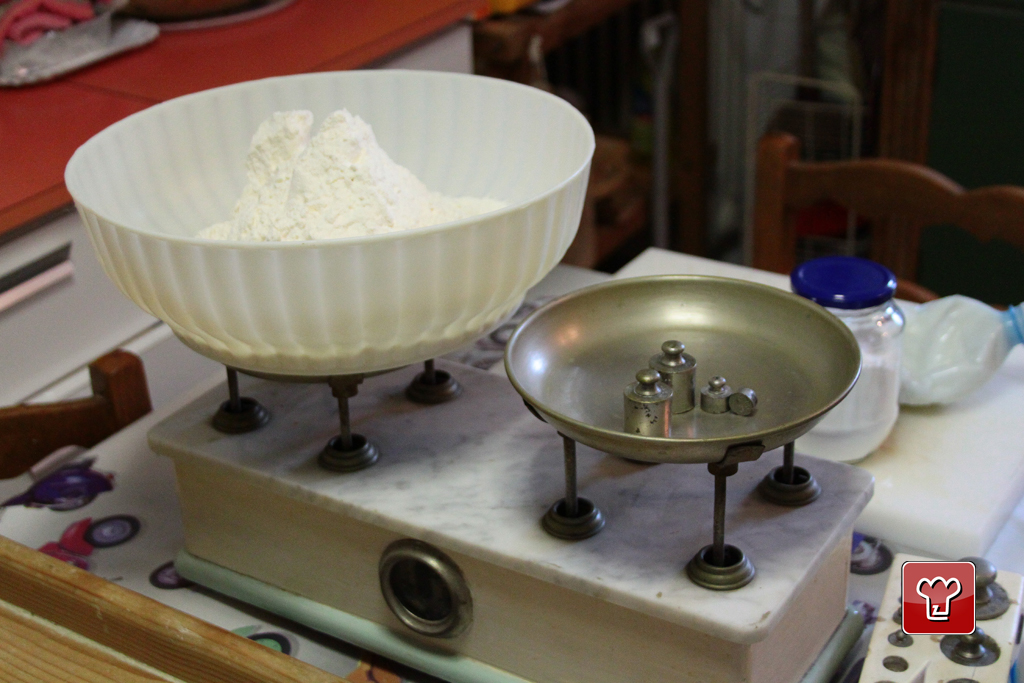
|
View the step by step
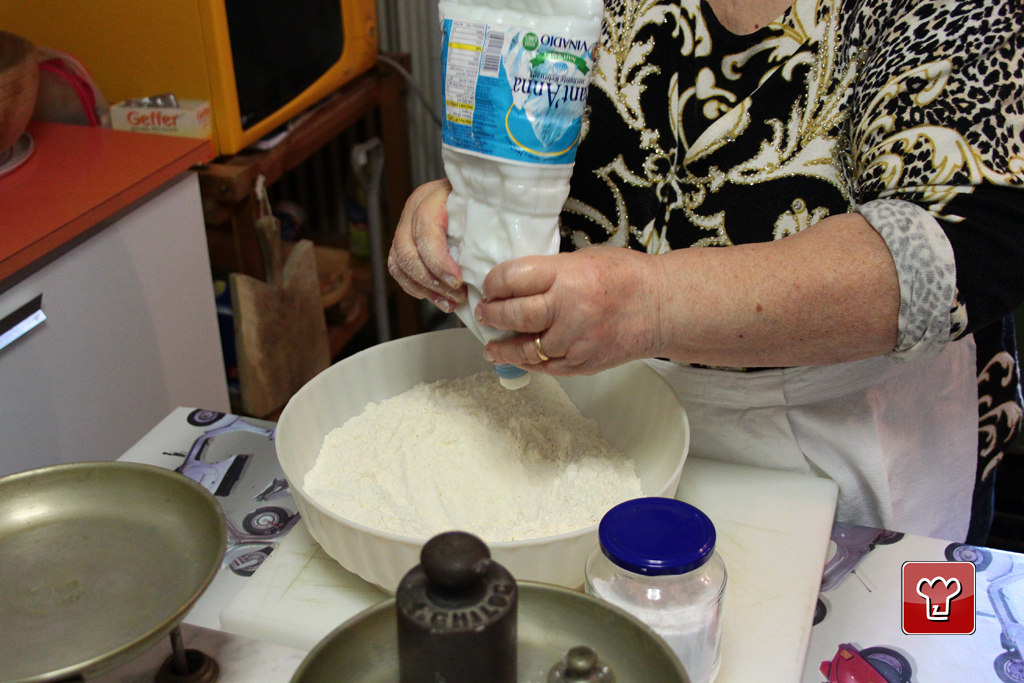
|
Add the lard to the flour
|
|
View the step by step
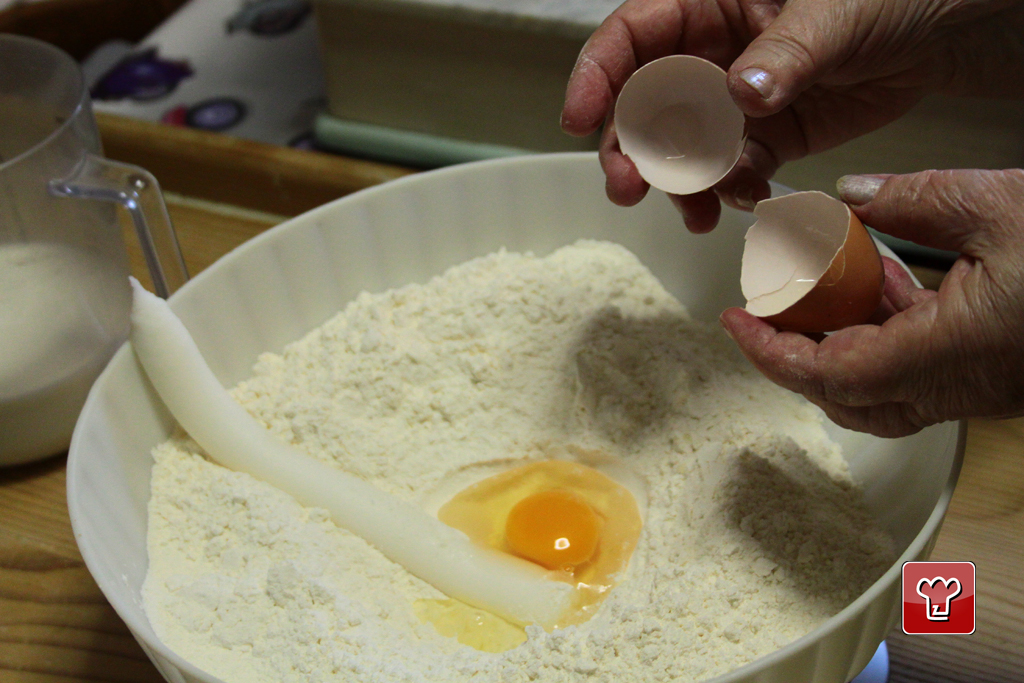
|
Add an egg to the bowl with the lard and flour
|
|
View the step by step
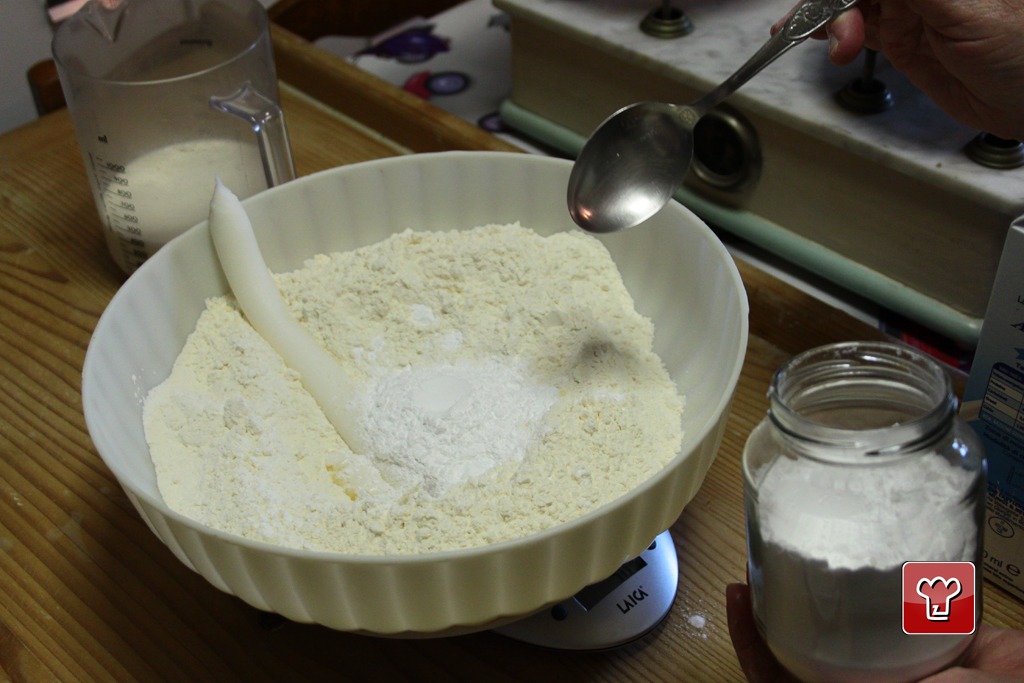
|
Add the baking powder
|
|
View the step by step
|
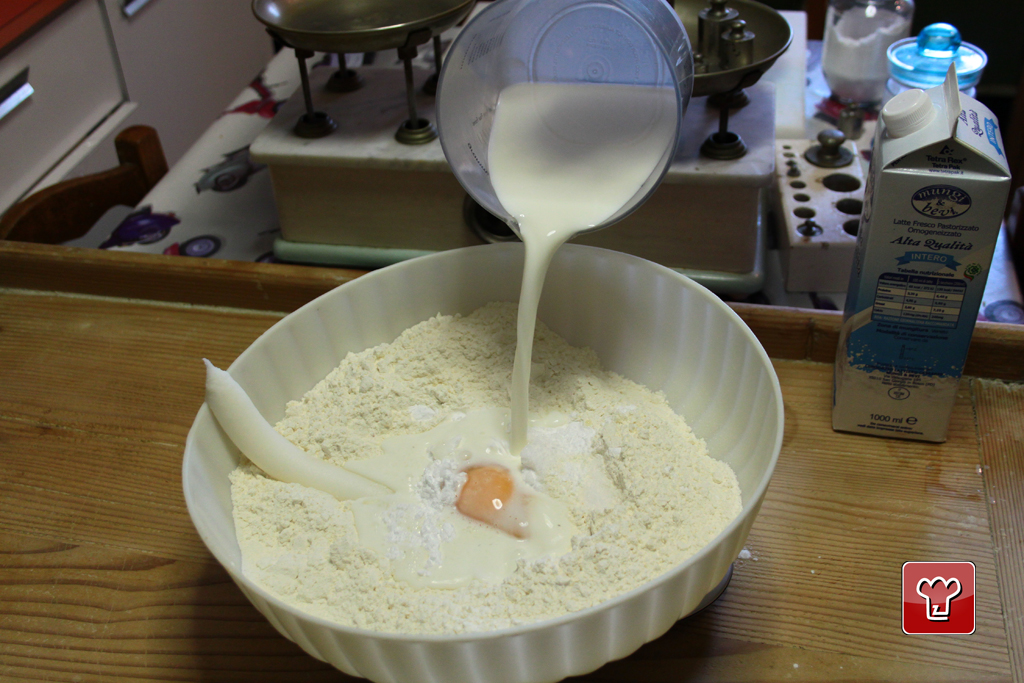
Add the fresh milk to the mixture
|
|
View the step by step
|
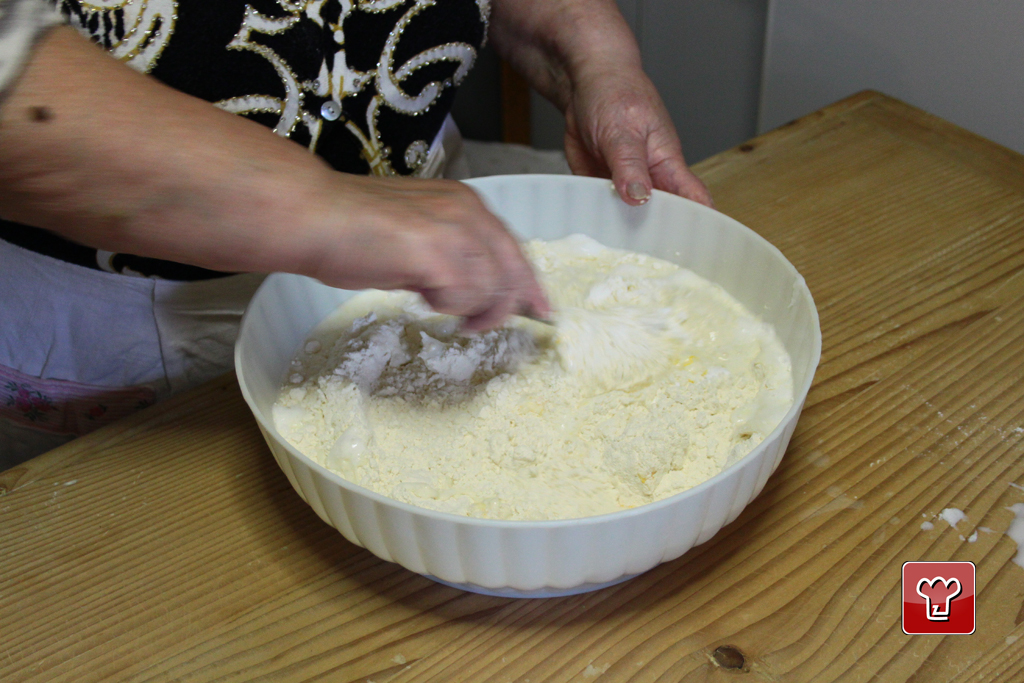
Mix until you obtain a well amalgamated dough
|
|
View the step by step
|
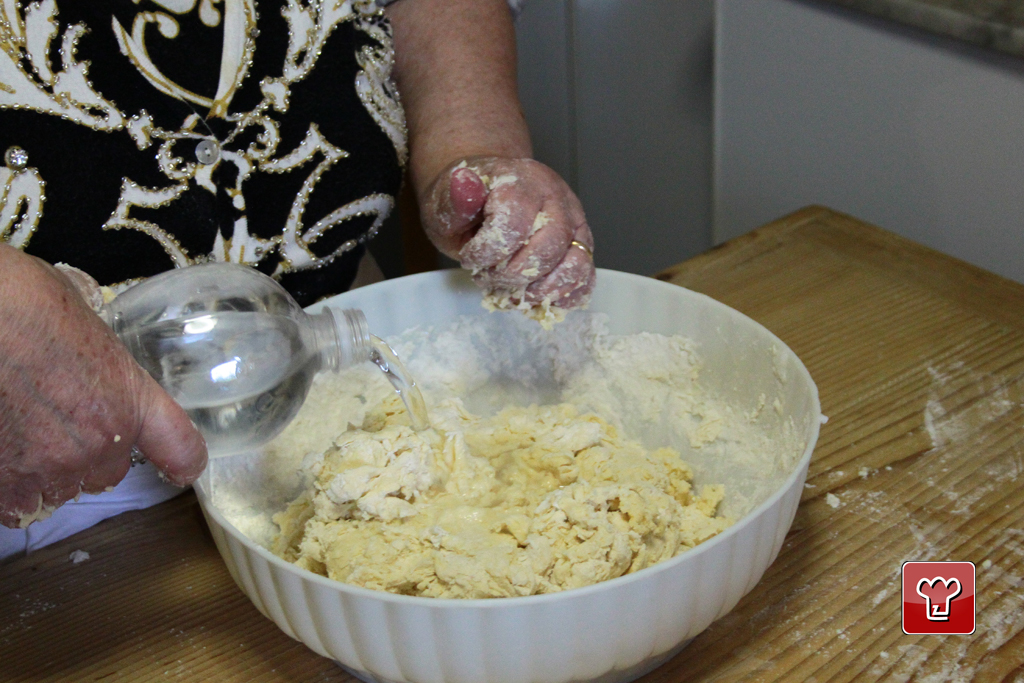
Add a few drops of fizzy water and mix until you obtain a smooth ball
|
|
View the step by step
|
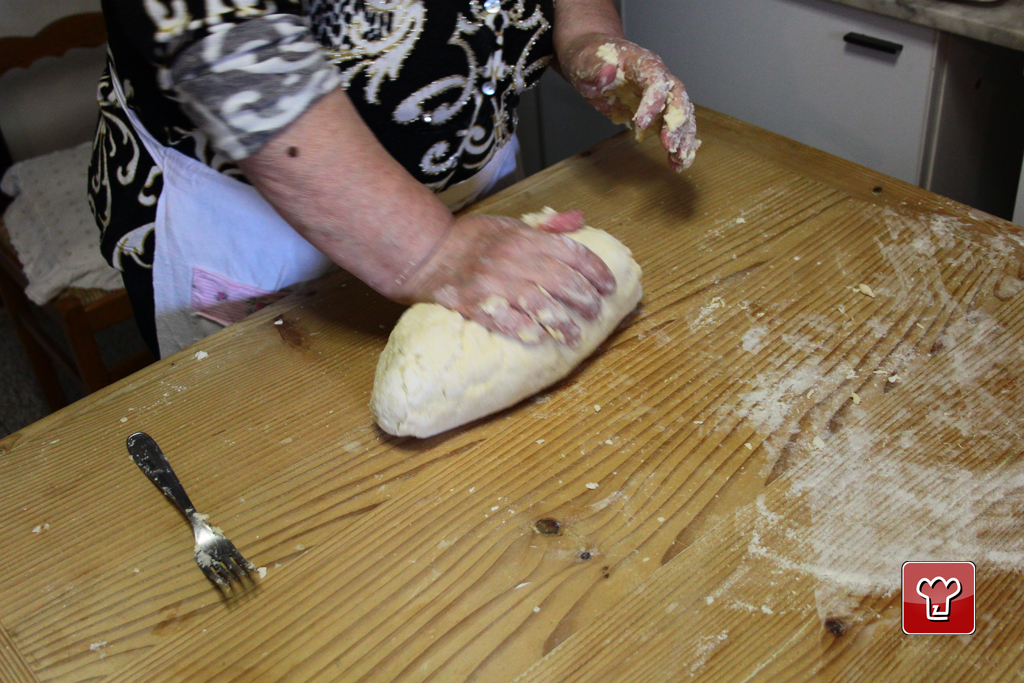
Knead vigorously until the ingredients are well combined
|
|
View the step by step
|
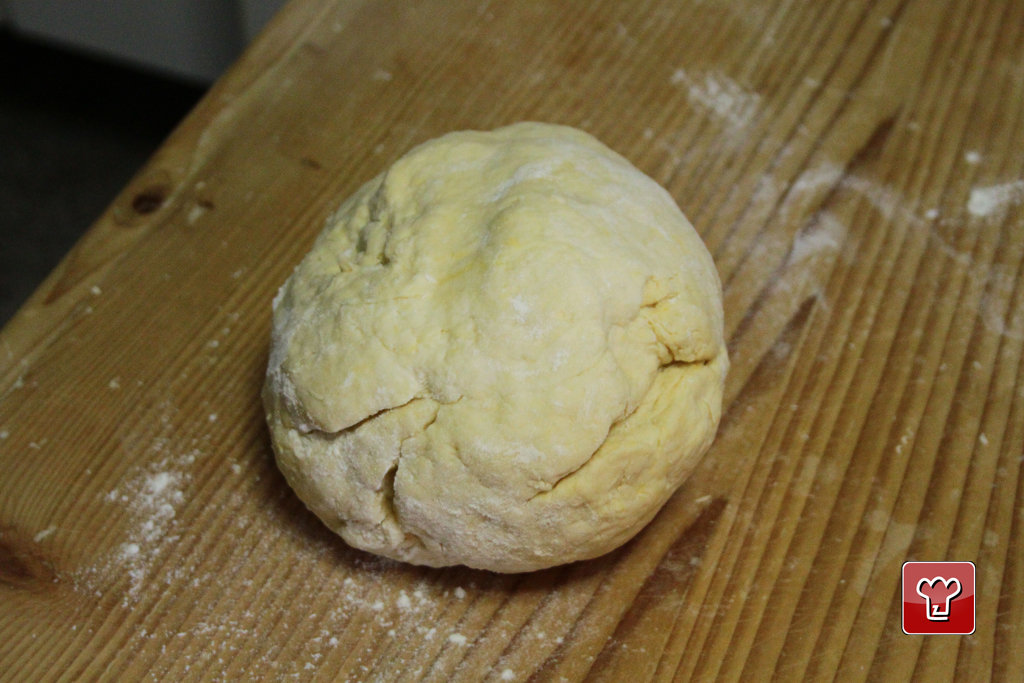
Here is the flatbread dough
|
|
View the step by step
|
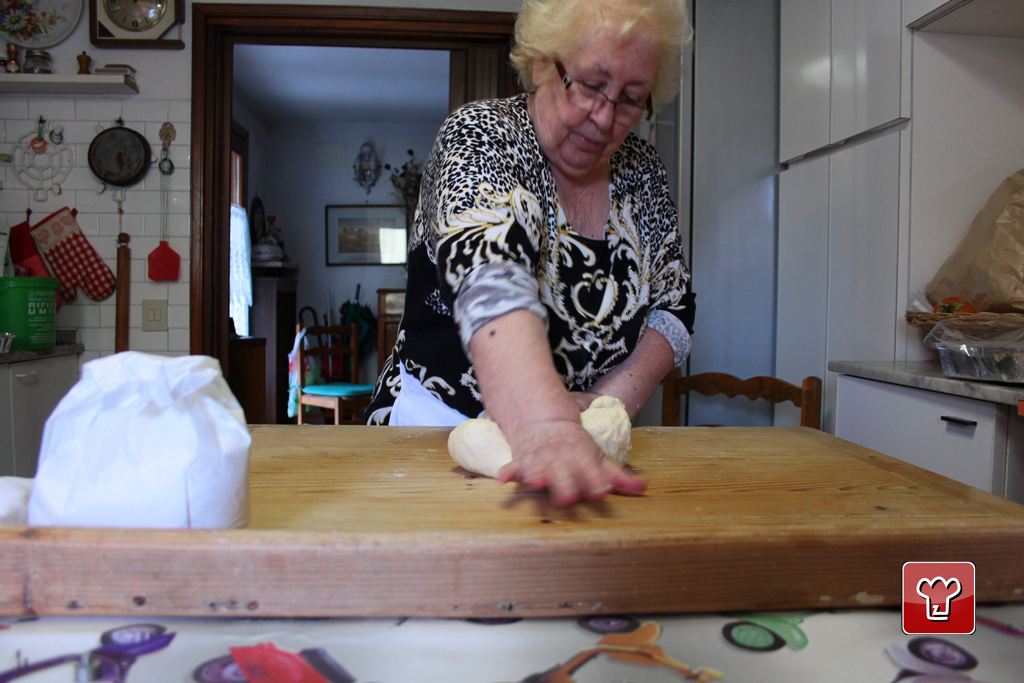
Knead again vigorously
|
|
View the step by step
|
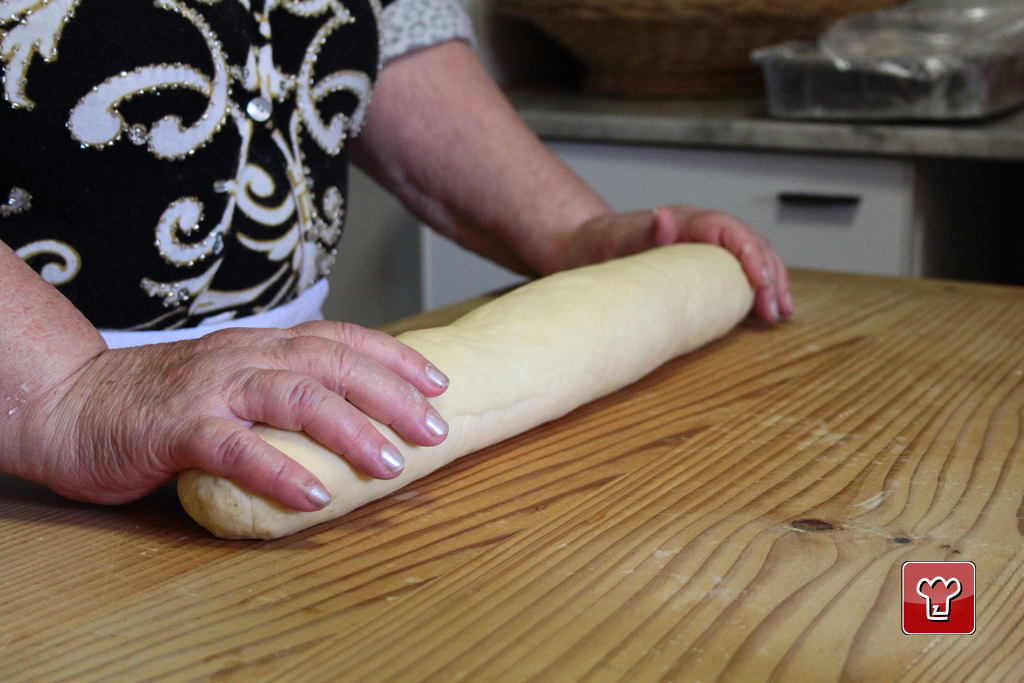
Knead and elongate the dough until it is in the shape of a cylinder
|
|
View the step by step
|
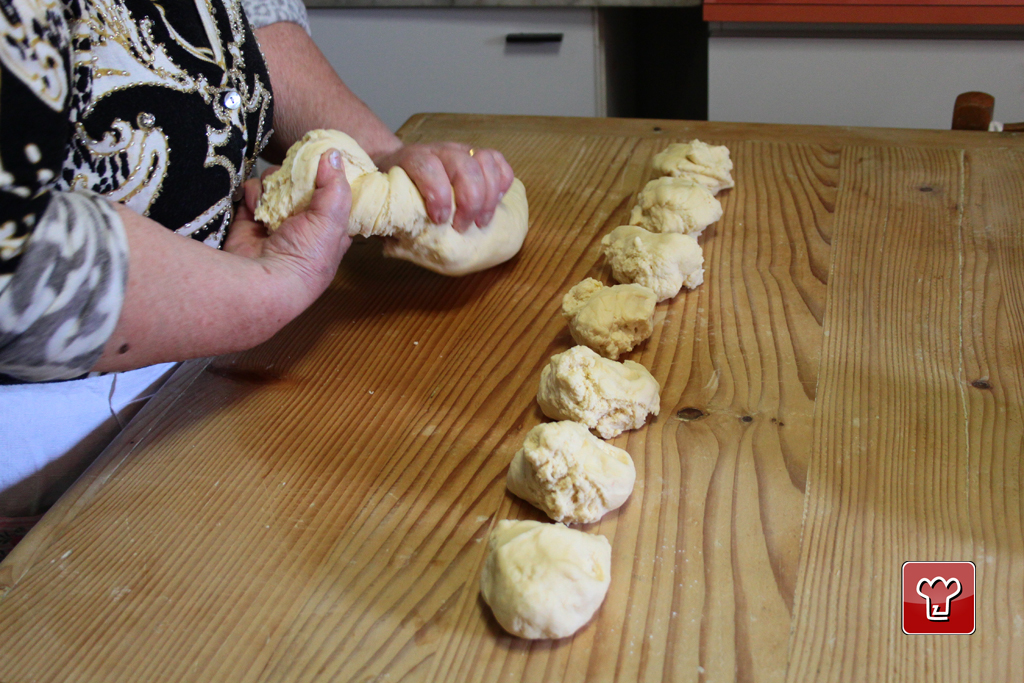
Divide the dough into a number of smaller balls
|
|
View the step by step
|
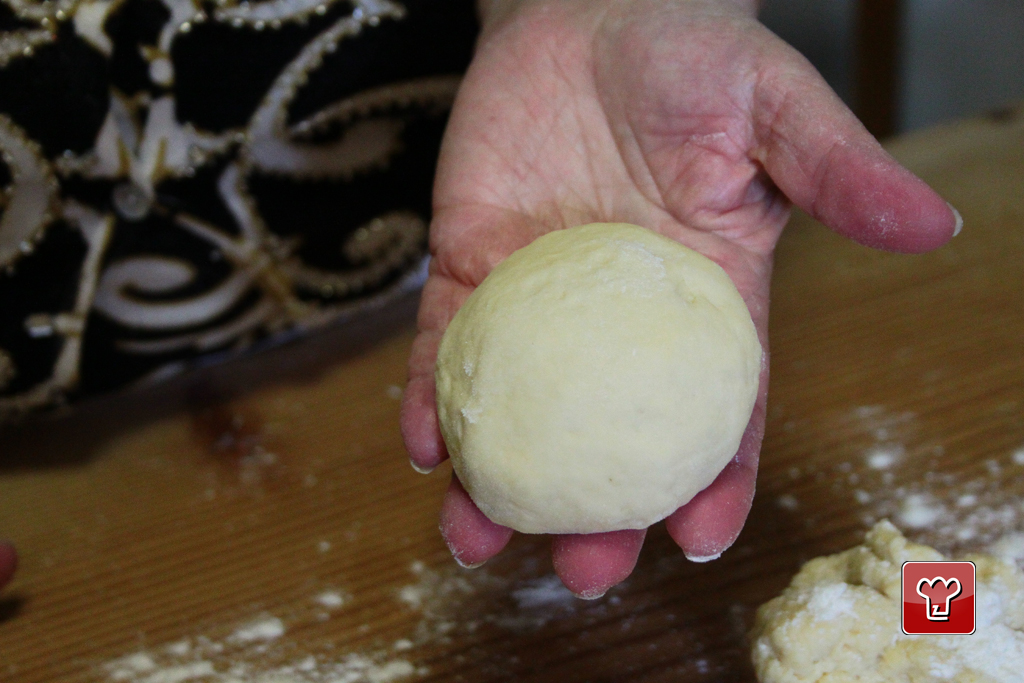
Knead the balls once again until they are smooth and round
|
|
View the step by step
|
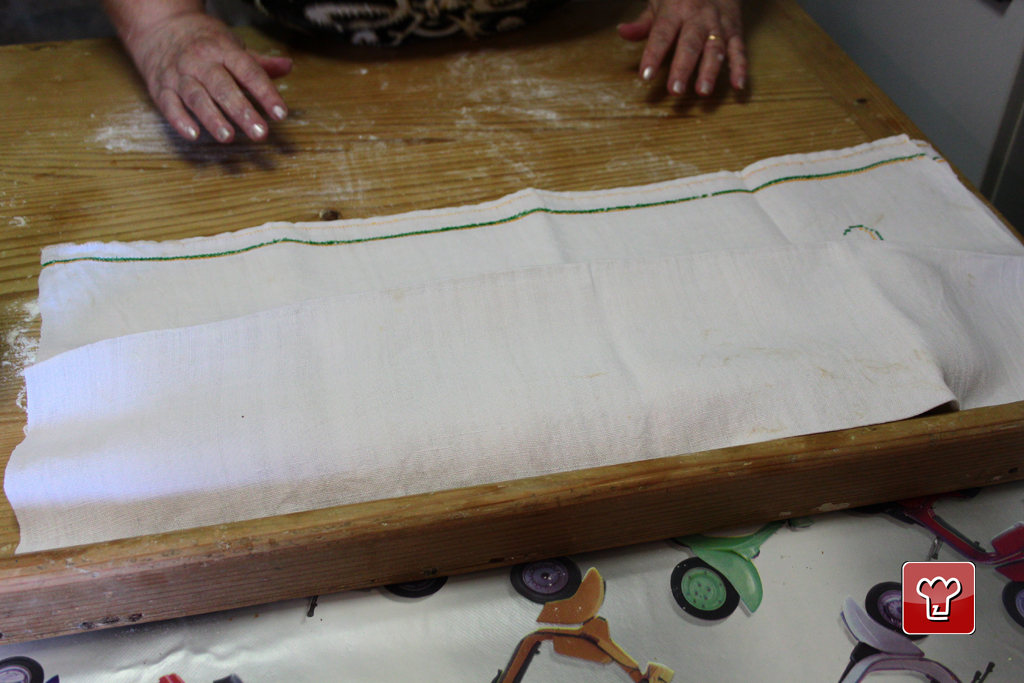
Leave the balls to rest under a clean cloth for 30 minutes
|
|
View the step by step
|
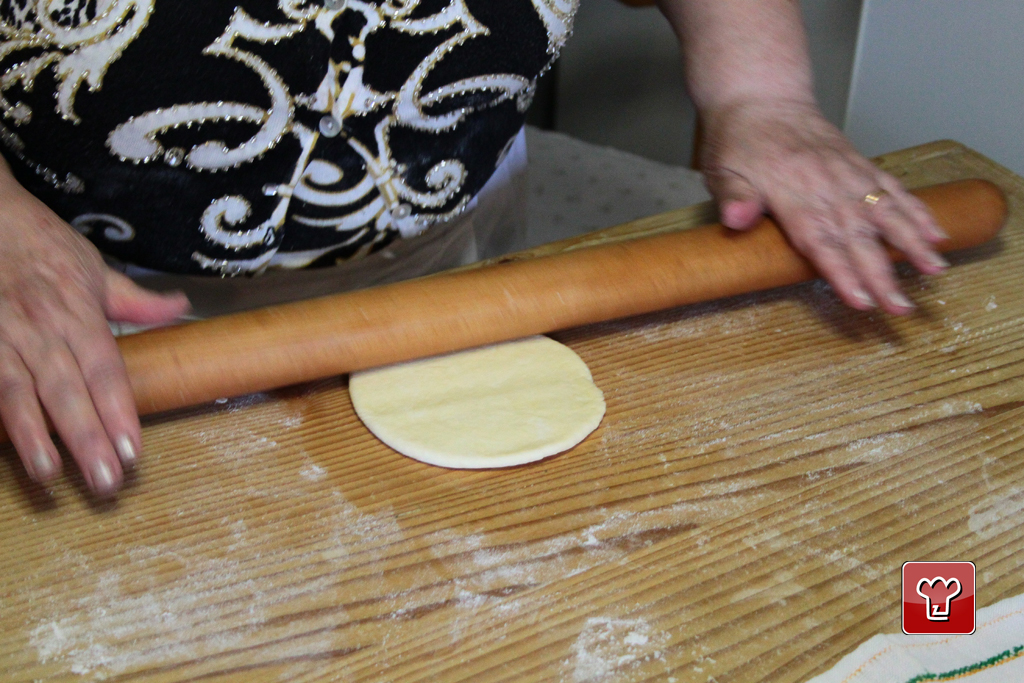
Roll out the balls of dough until they form the shape of a flatbread
|
|
View the step by step
|
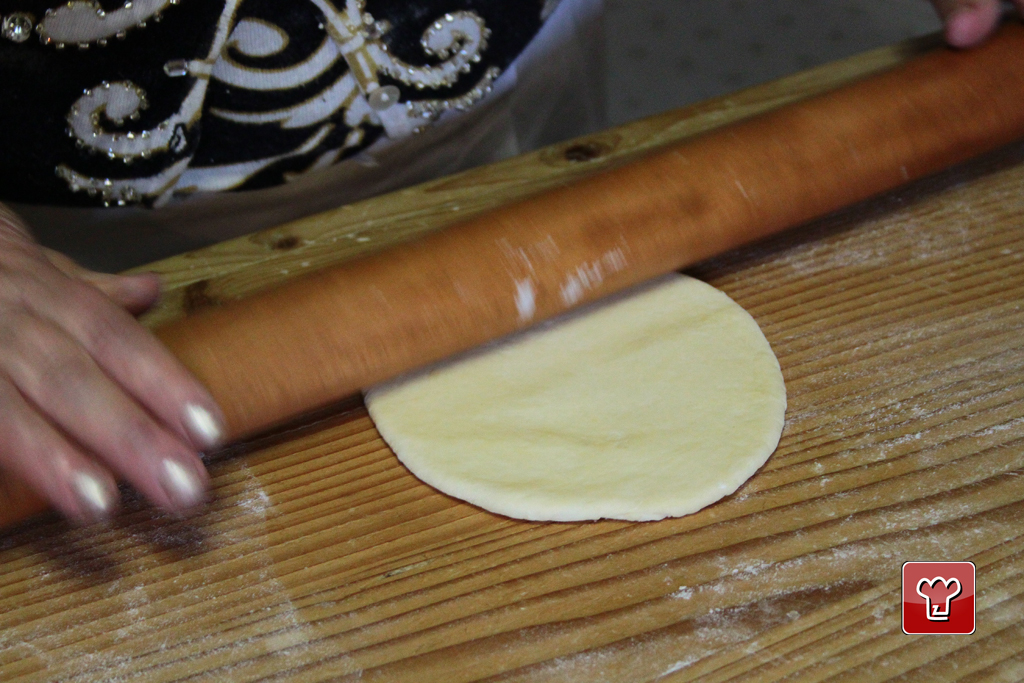
Here is the flatbread almost completely rolled out
|
|
View the step by step
|
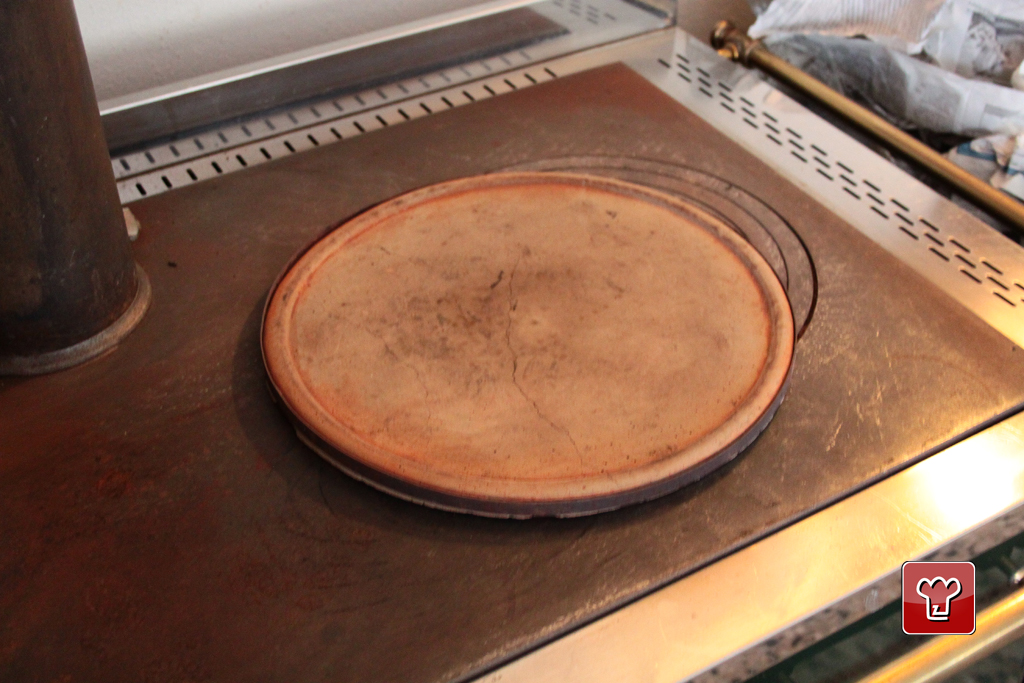
This is a terracotta hotplate, just right to cook the flatbreads in the traditional style
|
|
View the step by step
|
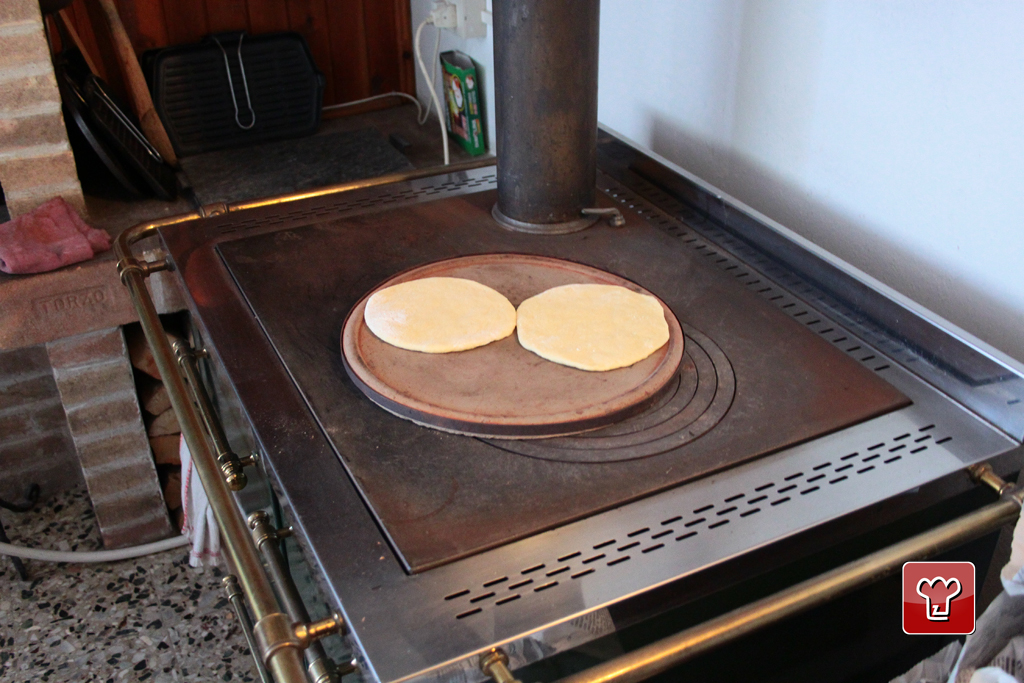
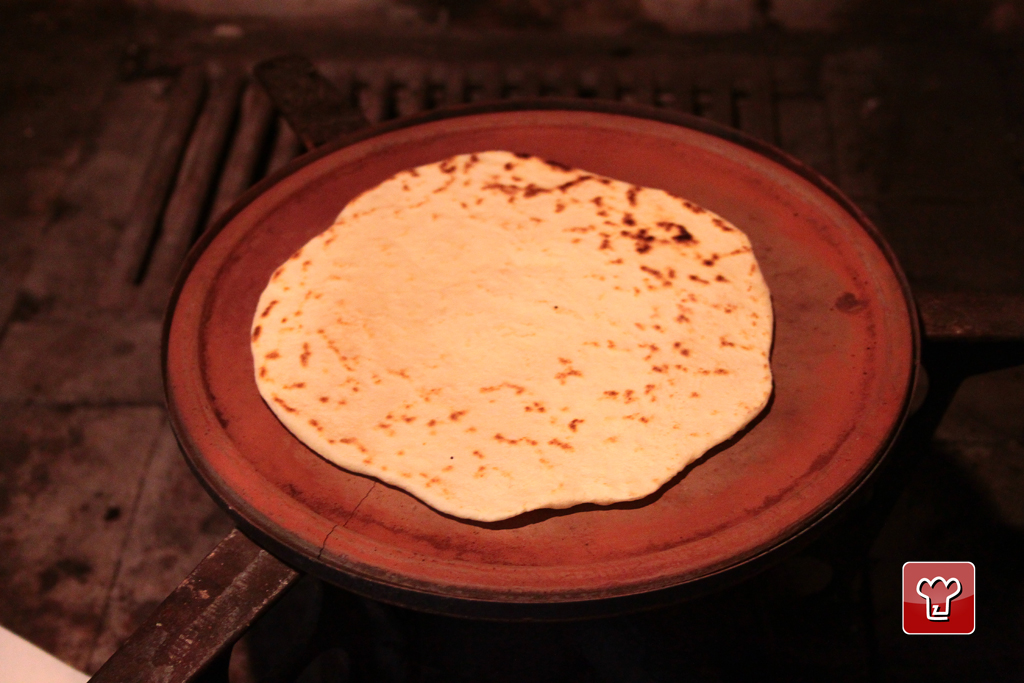
Heat the hotplate well over a heat source and then cook the flatbreads until they are browned on both sides
|
|
View the step by step
|
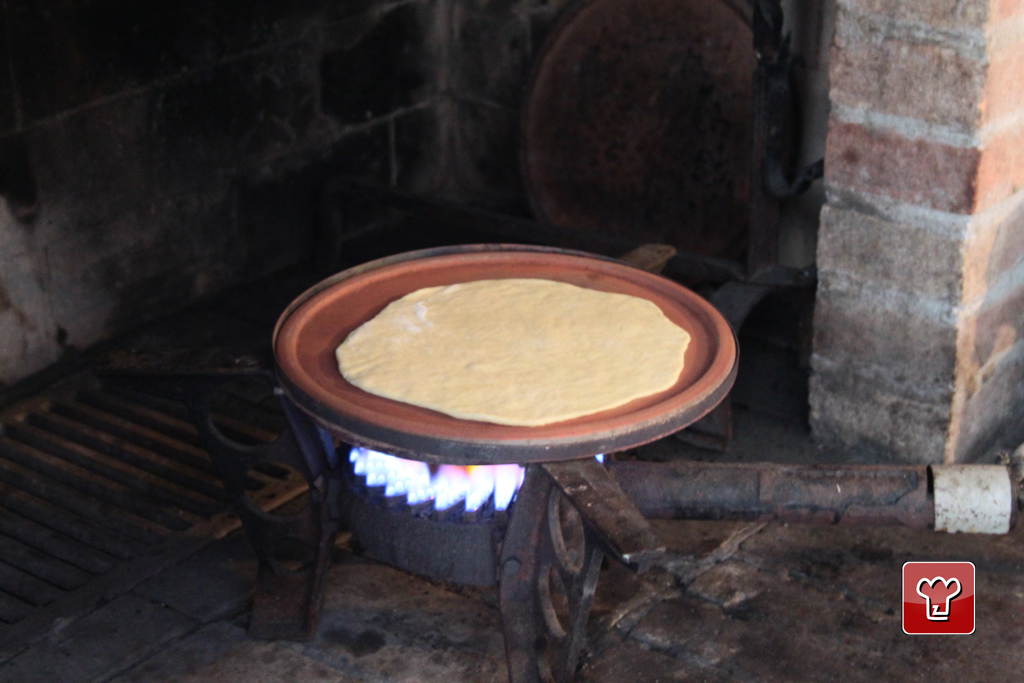
This flatbread has been rolled out a bit more, making it thinner and wider
|
|
View the step by step
|
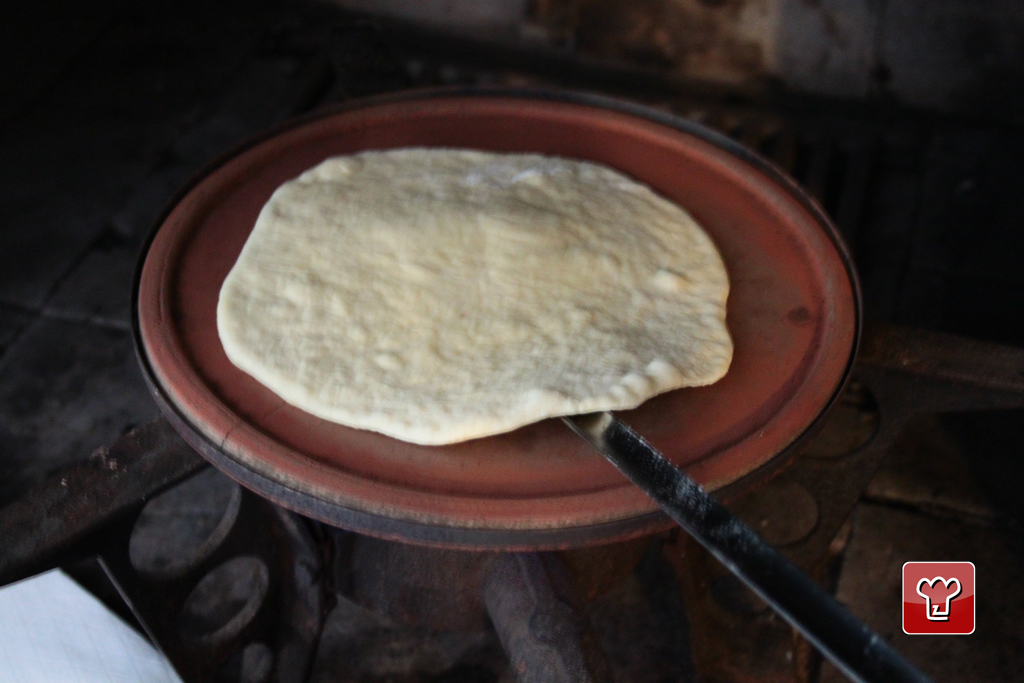
When the flatbread starts to form bubbles, it’s time to turn it over and cook the other side
|
|
View the step by step
|
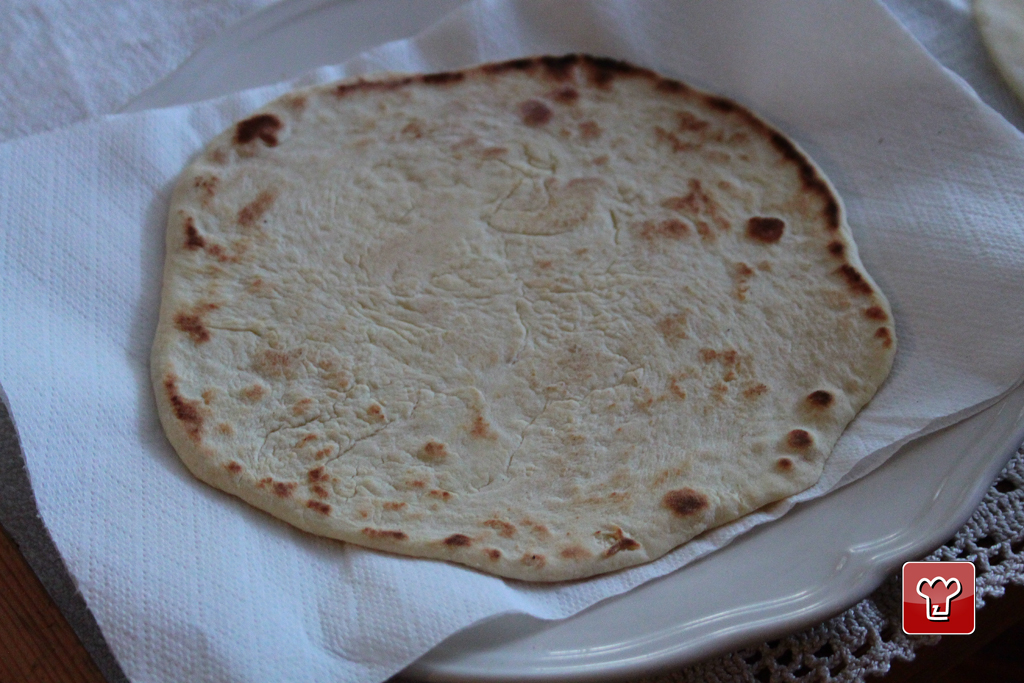
Here is how a well cooked flatbread should look
|
|
View the step by step
|
The romagnola flatbread is ready, in the traditional style. You can eat it with various types of salami or cheese!
|
Additional information
Romagna Flatbread with prosciutto and squacquerone
One of the most beloved variations of Romagna Flatbread is certainly the one filled with prosciutto crudo and squacquerone, a fresh cheese typical of the area. This preparation enhances the traditional flavors of Emilia Romagna, with the prosciutto offering a salty taste and the squacquerone providing creaminess and sweetness. To prepare this variation, after cooking the flatbread, simply fill it with slices of prosciutto and a generous amount of squacquerone, perhaps adding some arugula for a touch of freshness. The combination of these ingredients makes the flatbread not only a street food dish but also an excellent choice for a quick and tasty lunch, perfect for any occasion.
Romagna Flatbread in the Romagna style with arugula and cherry tomatoes
Romagna Flatbread can be prepared in various regional variations; one of the most characteristic is certainly the Romagna style version, filled with arugula and fresh cherry tomatoes. This preparation preserves tradition but adds a touch of freshness and lightness. After cooking the flatbread, you can add crunchy arugula and halved cherry tomatoes, creating a perfect contrast between the flavor of the warm flatbread and the fresh ingredients. This dish is ideal for those looking for a quick, healthy lunch rich in flavors, perfect to enjoy in any season, but particularly appreciated during the summer months.
Light Romagna Flatbread with yogurt and without lard
For those who desire a lighter version of the classic Romagna Flatbread, it can be prepared using yogurt instead of lard. This light preparation maintains the traditional flavor while reducing calories. Simply replace the lard with an equivalent amount of Greek yogurt, which makes the dough softer and lighter. Additionally, whole grain flours can be used to increase the fiber content. The flatbread prepared this way is ideal for those following a balanced diet without giving up the pleasure of enjoying a good flatbread. Filled with grilled vegetables or lean cheeses, it becomes a complete and healthy dish, perfect for a light lunch or dinner.
Benefits of Romagna Flatbread: calories and nutritional properties
Romagna Flatbread, made with simple ingredients like flour, milk, eggs, and yeast, offers several nutritional benefits. The flour provides complex carbohydrates, useful for energy, while the milk and eggs contribute high-quality proteins. Moreover, if you opt for variations with fresh ingredients like vegetables, you can further increase the nutritional value of the dish. In terms of calories, a simple flatbread contains about 300-400 calories, depending on the filling and ingredients used. It is a versatile dish that can be adapted to different dietary needs, making it a popular choice on many occasions.
Can Romagna Flatbread be frozen?
Yes, it is possible to freeze Romagna Flatbread. To do this, it is advisable to prepare the flatbreads and let them cool completely before placing them in a food bag or an airtight container. It is important to separate them with parchment paper to prevent them from sticking together. Once frozen, they can be stored for up to 2-3 months. When you wish to consume them, simply take them out of the freezer and heat them in a pan or microwave. This method allows you to always have a ready-to-use flatbread available, perfect for a quick and tasty meal at any time.