Sweet Easter pizza
Religious holidays are always a fixture for a leisurely lunch or a special dinner with your family, and for this reason we have decided to offer one of the most typical recipes of Central Italy to enjoy at Easter. So, here is the step-by-step recipe for ‘sweet Easter pizza’, a great leavened cake ‘cousin’ to the Italian Easter panettone ‘Colomba’. To make it you will need only many simple and natural ingredients, such as flour, eggs, yeast, and sugar, but also citrus zest for fragrance, almonds and pine nuts to give crunchiness and a touch of liqueur to give character. The outcome will be very enjoyable, sweet and soft ‘Easter pizza’. Try it!
Ingredients
* approximate values per serving
Preparation
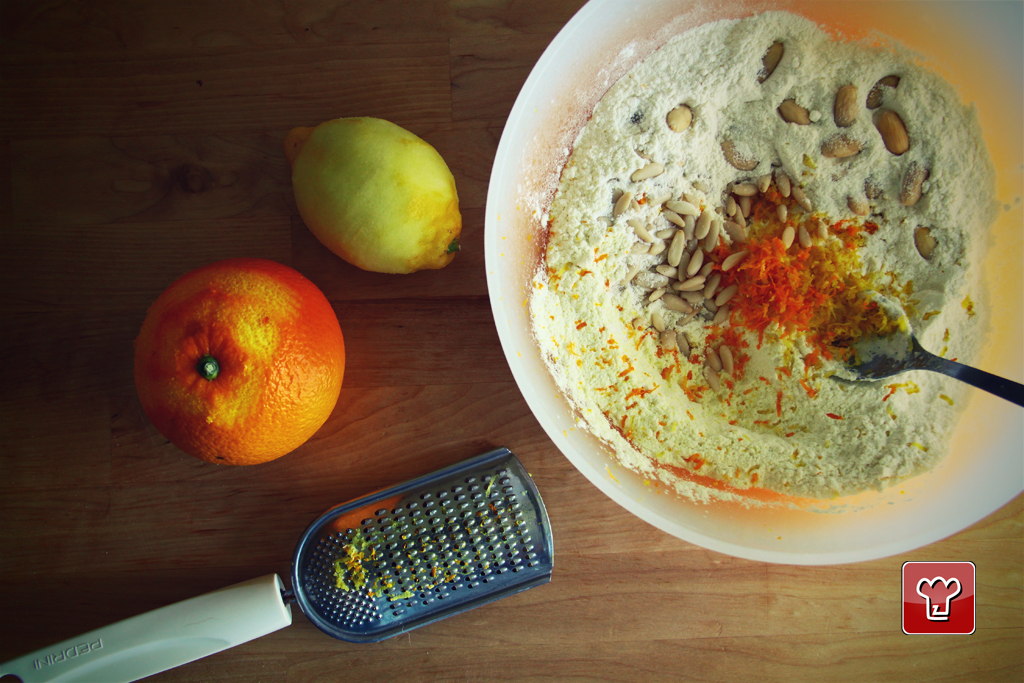
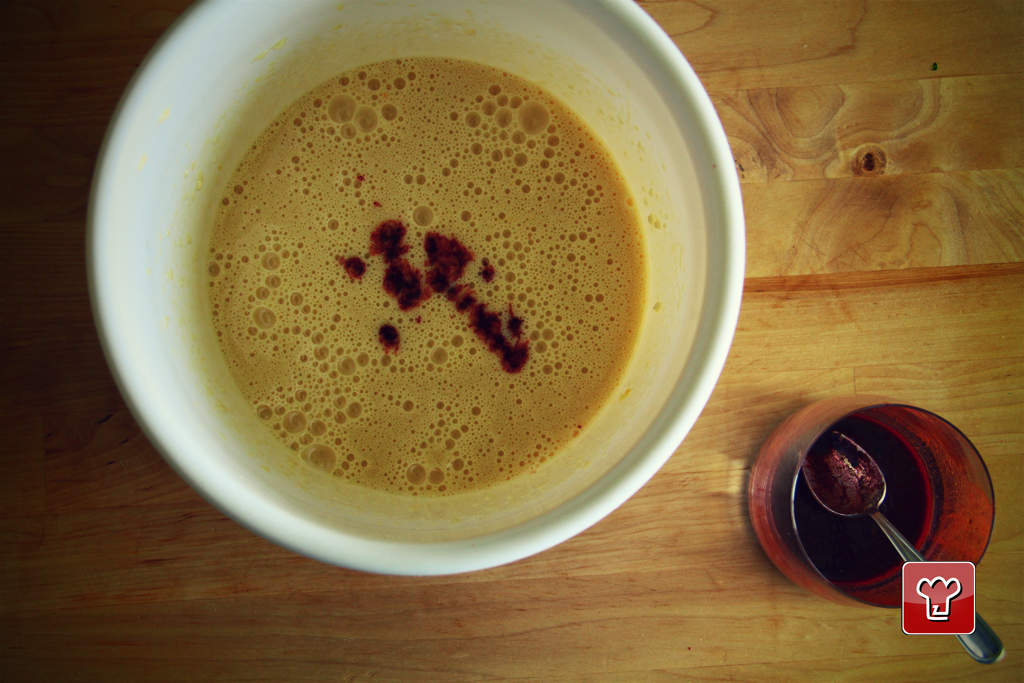
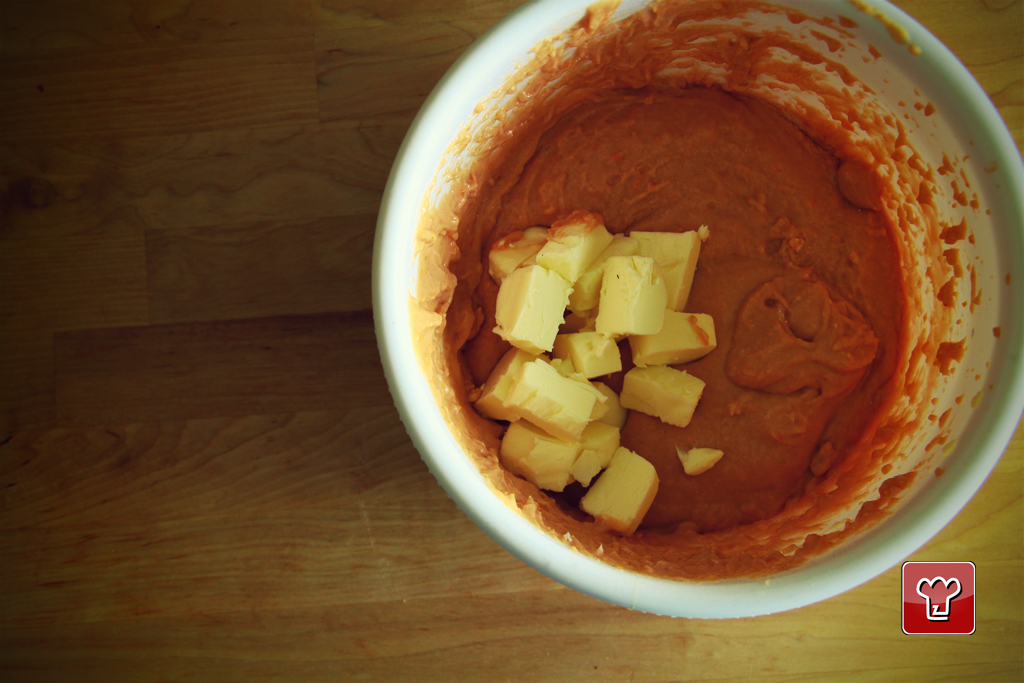
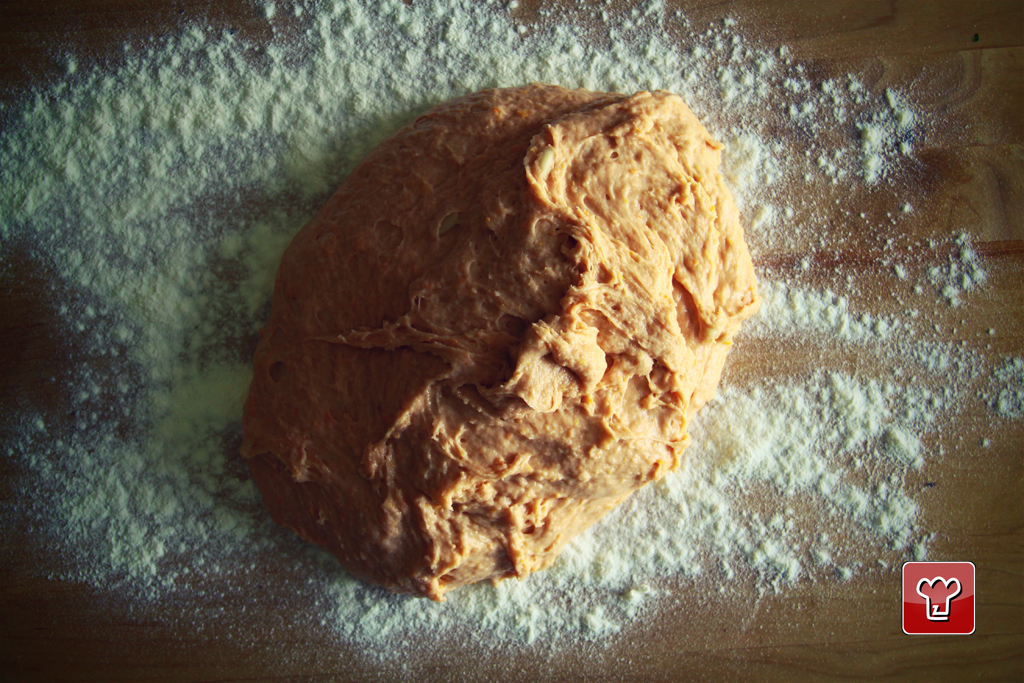
Stir the various aromatics into the liqueur and allow to infuse for half an hour. Dissolve the yeast in 100ml of warm water with a teaspoon of sugar and leave to ferment for 5 minutes. Mix 100g of flour with water and yeast to form a small ball. Let it rise for half an hour in a warm place under a cloth. Beat the eggs with sugar and vanilla, then incorporate them to the ball of fermented flour. Grate the zest of the citrus fruits into some flour and mix in the pine nuts and almonds. Blend the aromatic liqueur into the dough, then slowly incorporate the flour with the citrus fruits zest. Finally incorporate the softened butter and let rise for half an hour. Knead the dough on a work surface for a few minutes. Transfer to a round, high-sided cake tin and wait for the dough to grow to the edge of the tin. Then put in the oven at 180 °C for 45 minutes. Also place in the oven a pan of water so that the steam allows a more gentle baking, preventing the surface from drying out.
Step by step
|
View the step by step

|
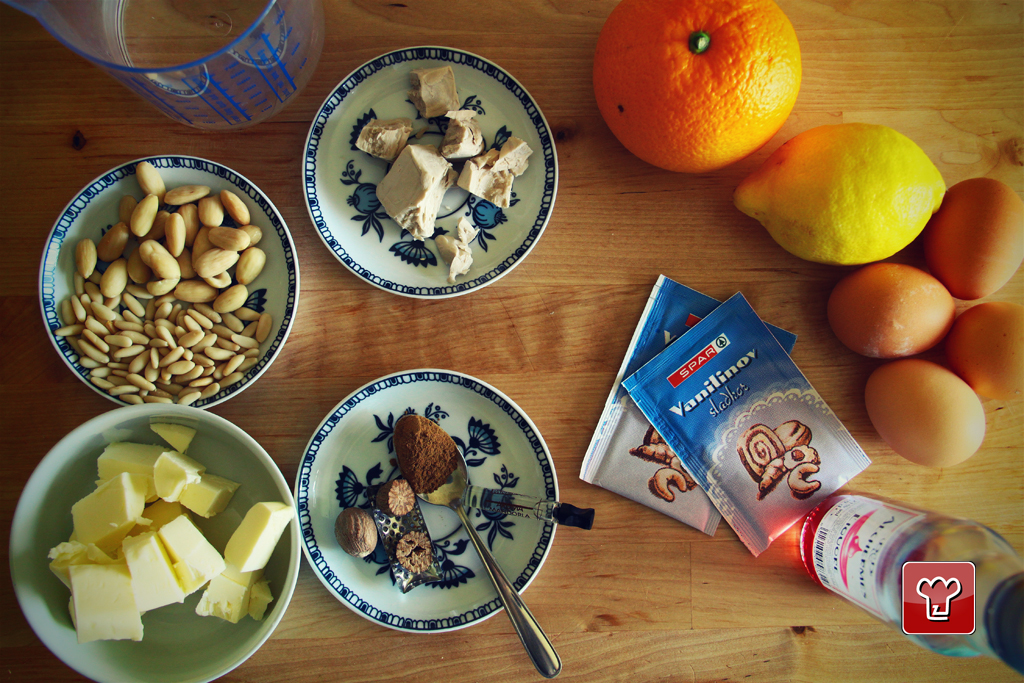
Mix into the liqueur the aromatics and leave to infuse for half an hour
|
|
View the step by step
|
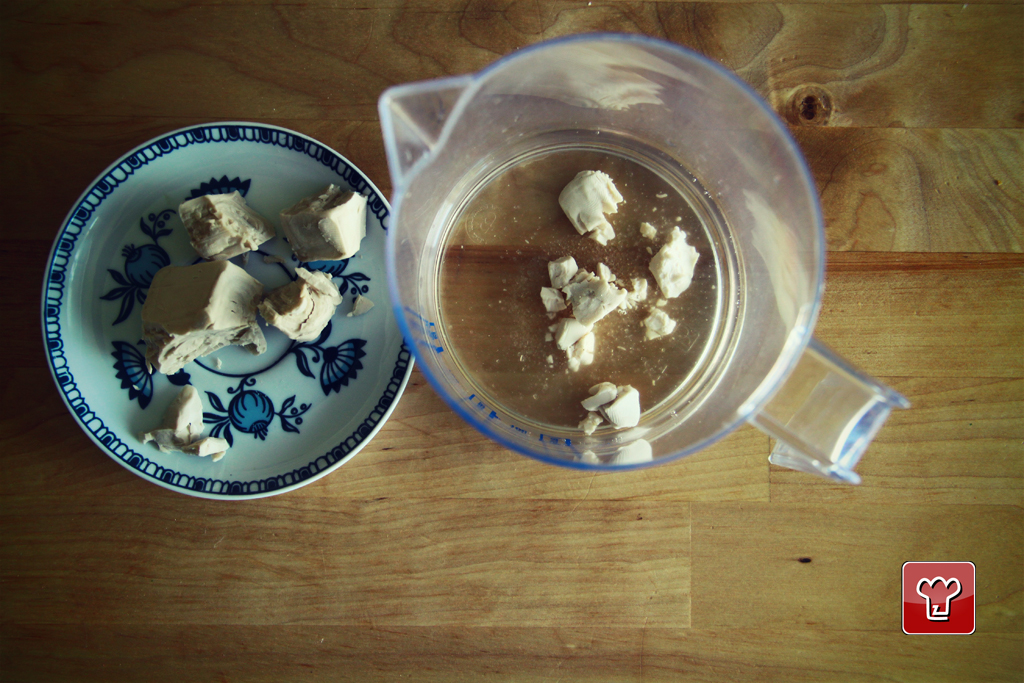
Dissolve the yeast in 100ml of tepid water with a teaspoon of sugar and leave to ferment for 5 minutes
|
|
View the step by step
|
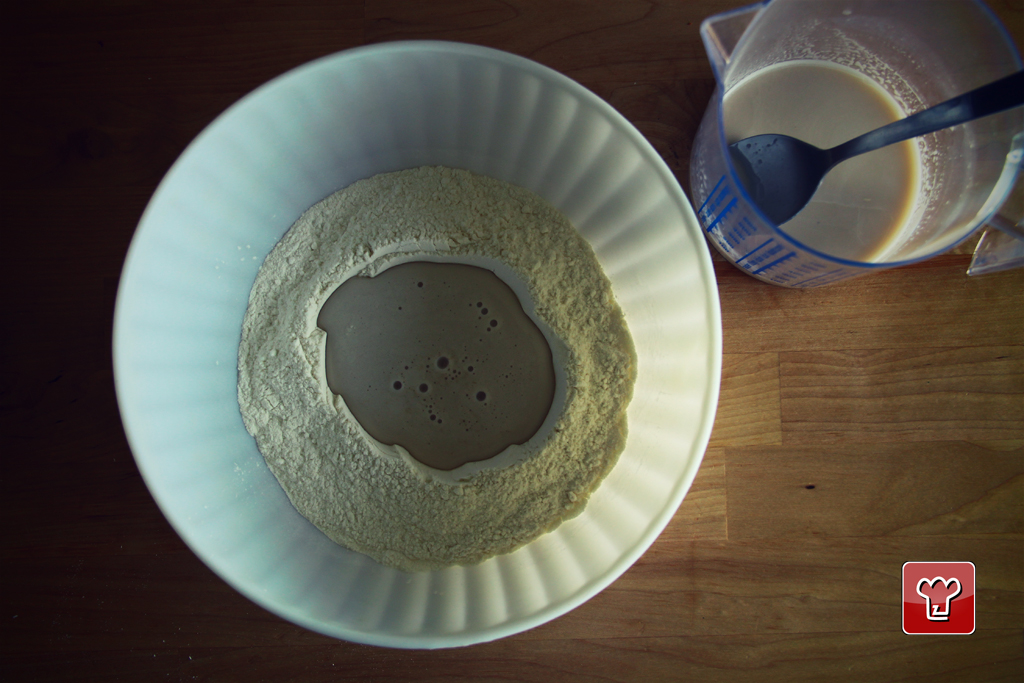
Mix 100g of flour with the water and yeast and shape into a little ball. Leave to raise for half an hour in a warm place under a cloth
|
|
View the step by step
|
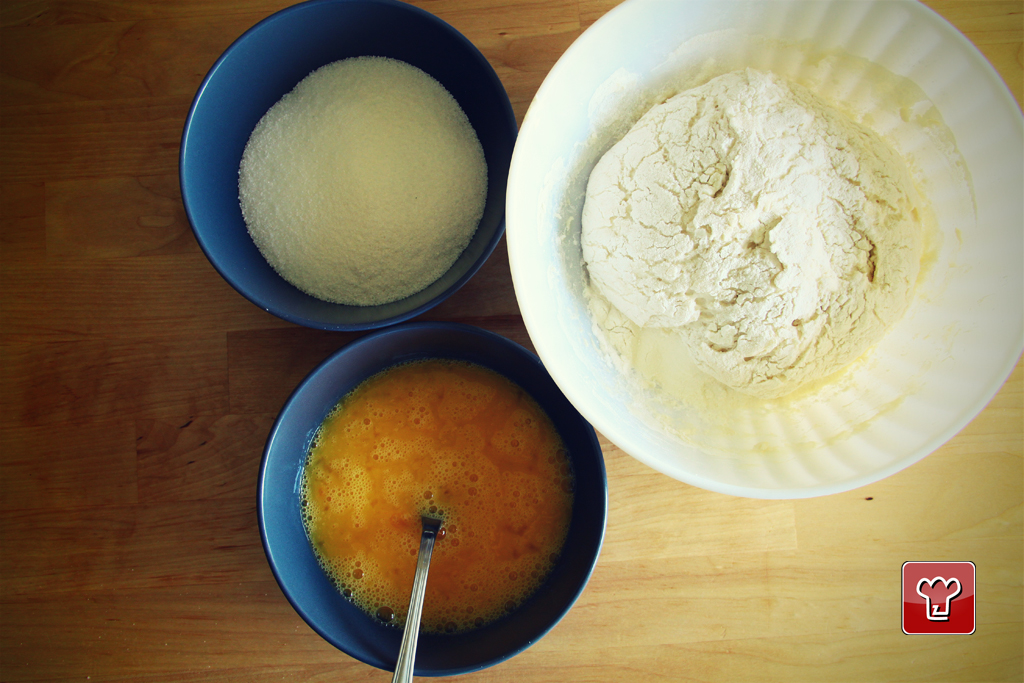
Beat the eggs with sugar and vanilla, and then incorporate into the dough
|
|
View the step by step
|
Grate the citrus zest into some flour and mix in the pine nuts and almonds
|
|
View the step by step
|
Incorporate the liqueur with aromatics into the dough, then slowly incorporate the flour with the citrus zest
|
|
View the step by step
|
Finally incorporate the softened butter and leave to rise for half an hour
|
|
View the step by step
|
Knead the dough on a work surface for a few minutes. Transfer to a high-sided cake tin and wait for the dough to grow to the edge of the tin. Then put in the oven at 180 °C for 45 minutes. Also place in the oven a pan of water so that the steam allows a more gentle baking, preventing the surface from drying out.
|
|
View the step by step
|
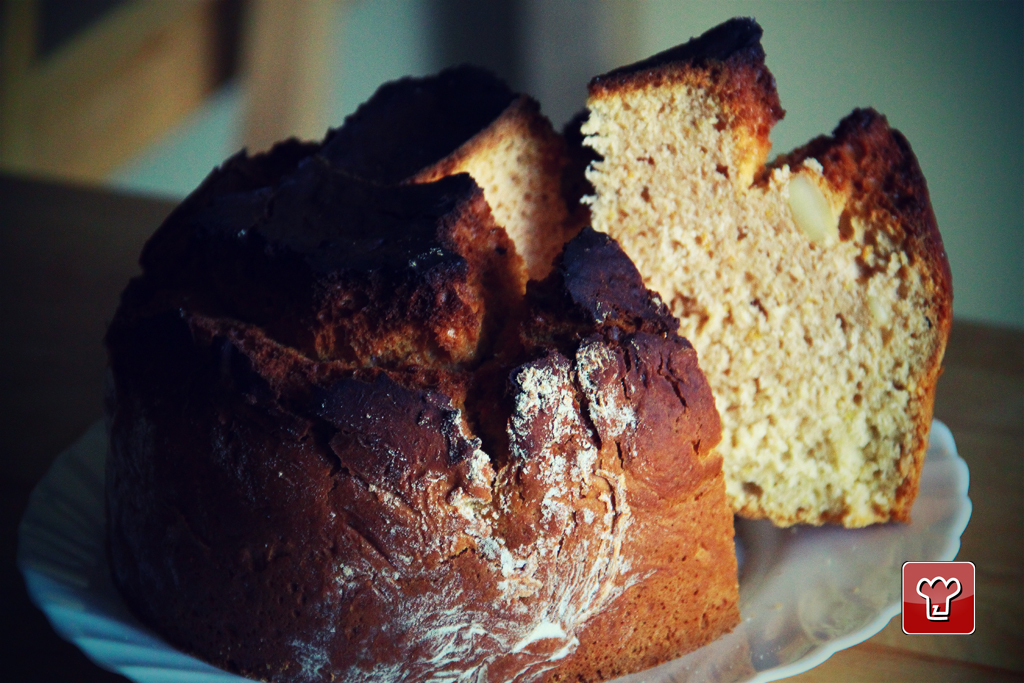
The ‘sweet Easter pizza’ is ready!
|
Additional information
Sweet Easter Pizza from Umbria, Terni, Marche, Rome, Abruzzo
A showcase of the best Italian leavened Easter sweets
Have you ever heard of sweet Easter pizza? Well, it is a very simple preparation and very widespread throughout central Italy. Among the sweet Easter recipes, you will surely think of the famous Colomba, the Crescia dolce, and the inevitable Easter eggs. And among the savory preparations? Certainly sweet Easter pizza. According to legend, this dessert has its origins in the Middle Ages and was invented by the nuns of the convent of Santa Maria Maddalena, located in the province of Ancona in the locality of Serra dè Conti. Imagine that the traditional recipe called for sweet pizza to contain as many as 40 eggs, a symbolic number that recalled the days of Lent. Sweet Easter pizza was prepared and then blessed during the Easter vigil mass. Those who tasted it or still taste it today should make the sign of the cross before trying it.
But putting aside history and legend, you should know that today there are many variants of sweet Easter pizza: they are regional variants that differ from one another by an ingredient or even a minimal detail, which nonetheless becomes characteristic. Thus, there will be sweet Easter pizza from Terni, Umbria, Marche, Abruzzo, Rome, and so on.
Very well-known in Calabria is the Squta, a dessert that features hard-boiled eggs in the center and, according to tradition, also provided an opportunity to hide a sort of coded message for the recipient. In Campania, the Casatiello is a must, which seems to have its roots even in the 1600s. The Casatiello is not sweet, but savory, and contains cheeses, diced cured meats, and, on the surface, hard-boiled eggs held in place by a cross of dough, in a clear religious symbolism. In Tortano, also from Campania, we find crumbled hard-boiled eggs inside the dough, while the sweet is twisted upon itself, symbolizing the crown of thorns of Jesus.
In Lazio, we find sweet Easter pizza in the Civitavecchia version, with wine, anise, and sheep ricotta, sometimes with the addition of dark chocolate. It is prepared for Palm Sunday and then enjoyed on Easter morning with coratella, artichokes, and hard-boiled eggs. Still in Lazio, we find Roman Cresciuta Pizza, also sweet but not too much, with anise and other ingredients. It is consumed on Easter morning in Rome.
In Abruzzo, two types of Easter pizzas are prepared, the Easter pizza and the Pizzacola. The Teramo Easter Pizza contains anise, raisins, candied fruit, and chocolate. Not everyone prepares it the same way: each family has its traditional recipe. It is a dessert very similar to Christmas panettone, both in flavor and shape. On Easter morning in Abruzzo, typical Abruzzese products such as wines, cured meats, and cheeses are enjoyed: a tradition known as Sdijuno.
If the Teramo Easter pizza is very loved by adults, the pizzacola is instead prepared for children: a small Easter pizza with an egg inside. Not by chance does the egg always take center stage: because it is a symbol of rebirth.
The Marche Easter pizza is called Crescia. You can find it in Marche but also in Umbria, Abruzzo, Lazio, and Molise. It is not a sweet pizza, but rather savory. In Marche, it is enjoyed with ciauscolo, while in other regions, it is also taken on outings during Pasquetta, along with cured meats and hard-boiled eggs.
Now let’s mention the Pigna di Pasqua from Molise, which is once again prepared with anise, boiled potatoes, and a sugar glaze on top. You can often find it in Marche, Umbria, and Abruzzo, and here too the variants abound: you might find the Pigna di Pasqua with candied fruit or without, for example.
In Tuscany, we will find the Sweet Schiacciata and the sweet pizza from Tuscia. The latter has a round shape reminiscent of a mushroom and is yellow in color: it contains local liqueurs, cinnamon, and citrus fruits. In Tuscia, it seems that this sweet pizza once contained pecorino, to further flavor the dough! The sweet schiacciata is not at all flattened, but is a bundt cake made with fresh eggs that is still generously dipped in vin Santo, as is done with cantucci.
In Emilia Romagna, sweet Easter pizza is called Pagnotta dolce: the sweet pizza from Sarsina is very famous, celebrated during the Sagra della Pagnotta which takes place every year during the two Sundays preceding Easter in the area of Cesena and Forlì. It is a tasty dessert, not too sweet, made with lard and raisins.
As for the sweet pizza from Trieste, we mention the famous Pinza Triestina and the Presnitz: the former is round, while the latter is crown-shaped, symbolizing the crown of Christ.
There are also 3 types of unleavened Easter Pizzas in Italy. Until now, we have mentioned all the leavened variants. Among the unleavened ones, we certainly mention the famous torta Pasqualina, typically from Liguria but widely prepared even outside the region. It is made with puff pastry, herbs, and eggs. We also mention the scarcella from Puglia, a type of cookie decorated on the surface, with an egg in the center, and the Cuddura, very similar to the Scarcella, but of Sicilian origins.