Swiss chard pesto with almonds
When you think about pesto it is usually about the fabulous ‘classic’ pesto sauce made with fresh basil, indispensable as a pasta sauce during the summer lunches. Here we want to offer you a rather different, but equally good, pesto that you can make in winter when your fridge is full of vegetables like swiss chard and cauliflower. They are good for your health but can, in the end, perhaps become a little boring as we run out of different ways to cook them. This recipe allows us to combine swiss chard, cauliflower and almonds in a very tasty and original way, to get a wonderful pesto for spreading on bruschetta or as a pasta sauce.
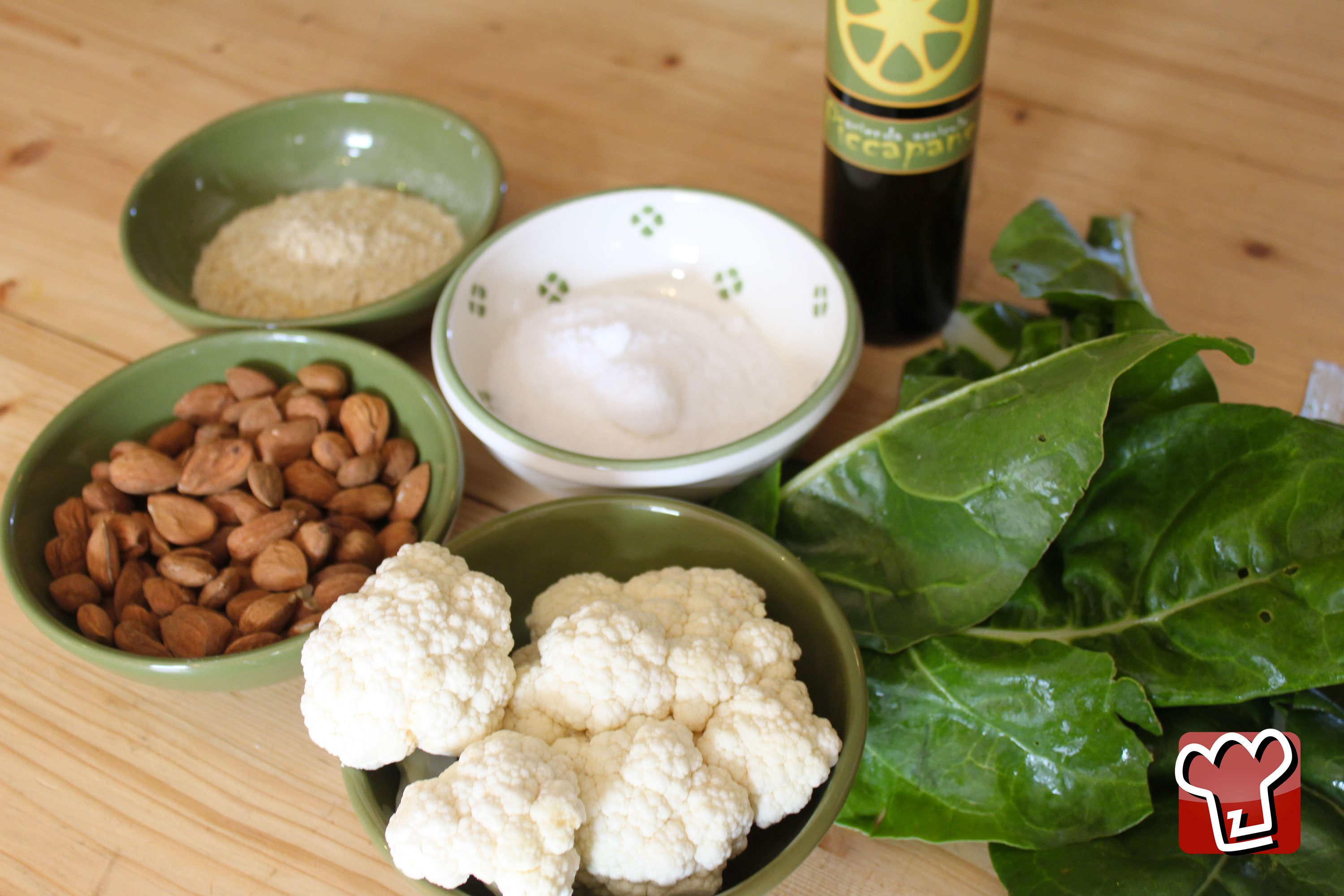
Ingredients
Green Puglia: Swiss Chard and Almond Pesto
A fresh and surprising condiment, Swiss chard and almond pesto highlights the sweetness of local chard, while the Puglian almonds add a delightful crunch. A drizzle of intensely fragrant extra virgin olive oil completes this dish, embodying the essence of Puglia's culinary tradition.
* approximate values per serving
Preparation
Boil the swiss chard and let it cool. Meanwhile, toast the almonds for 5 minutes and cut up the cauliflower. Chop or use a food processor to blend the almonds, cauliflower and chard leaves, adding oil, salt and garlic (although not listed in the ingredients). Blend until you have reached the right consistency. Let it rest in refrigerator for at least an hour or so. Serve as a sauce for pasta.
Step by step
|
View the step by step
|
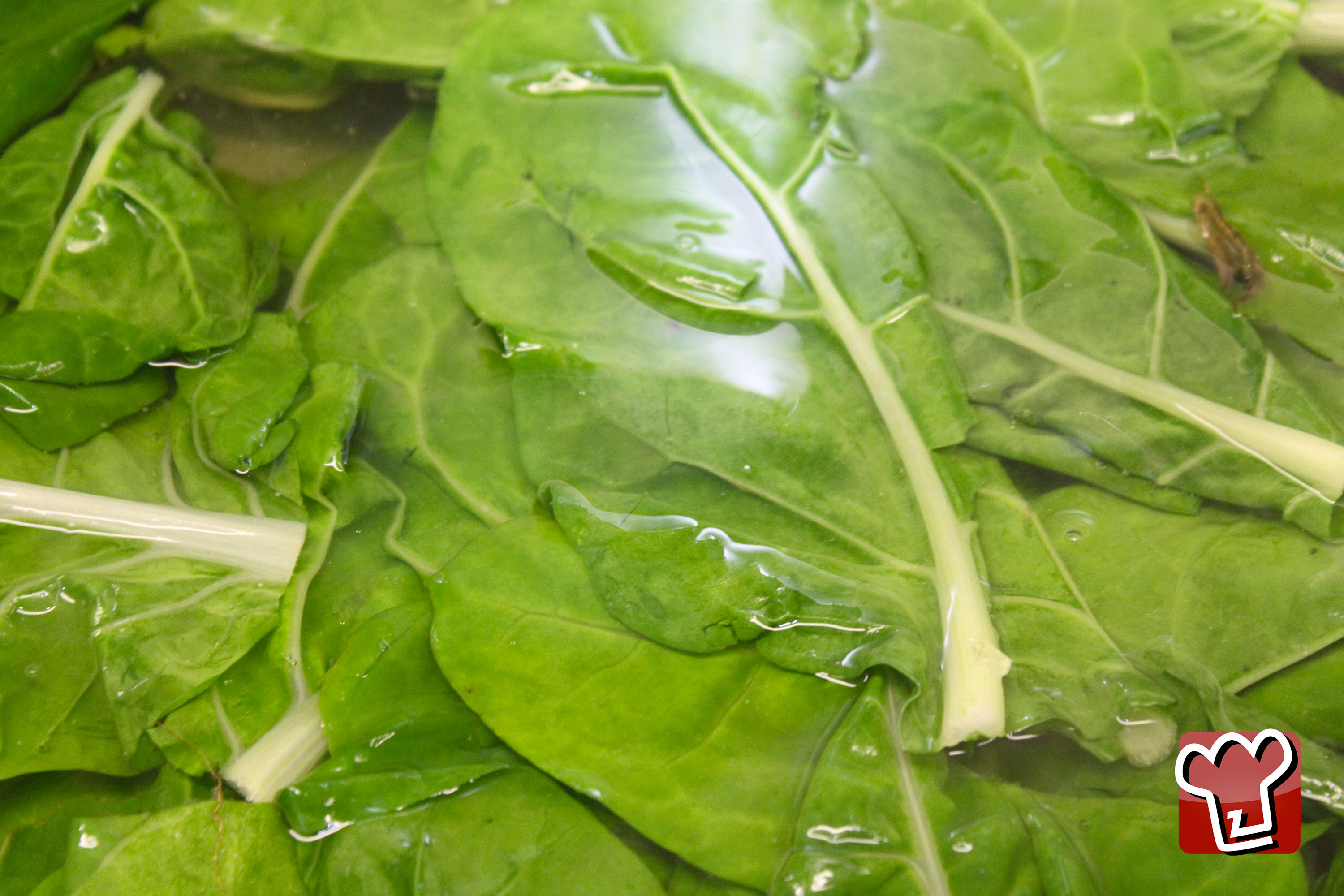
Wash the swiss chard
|
|
View the step by step
|
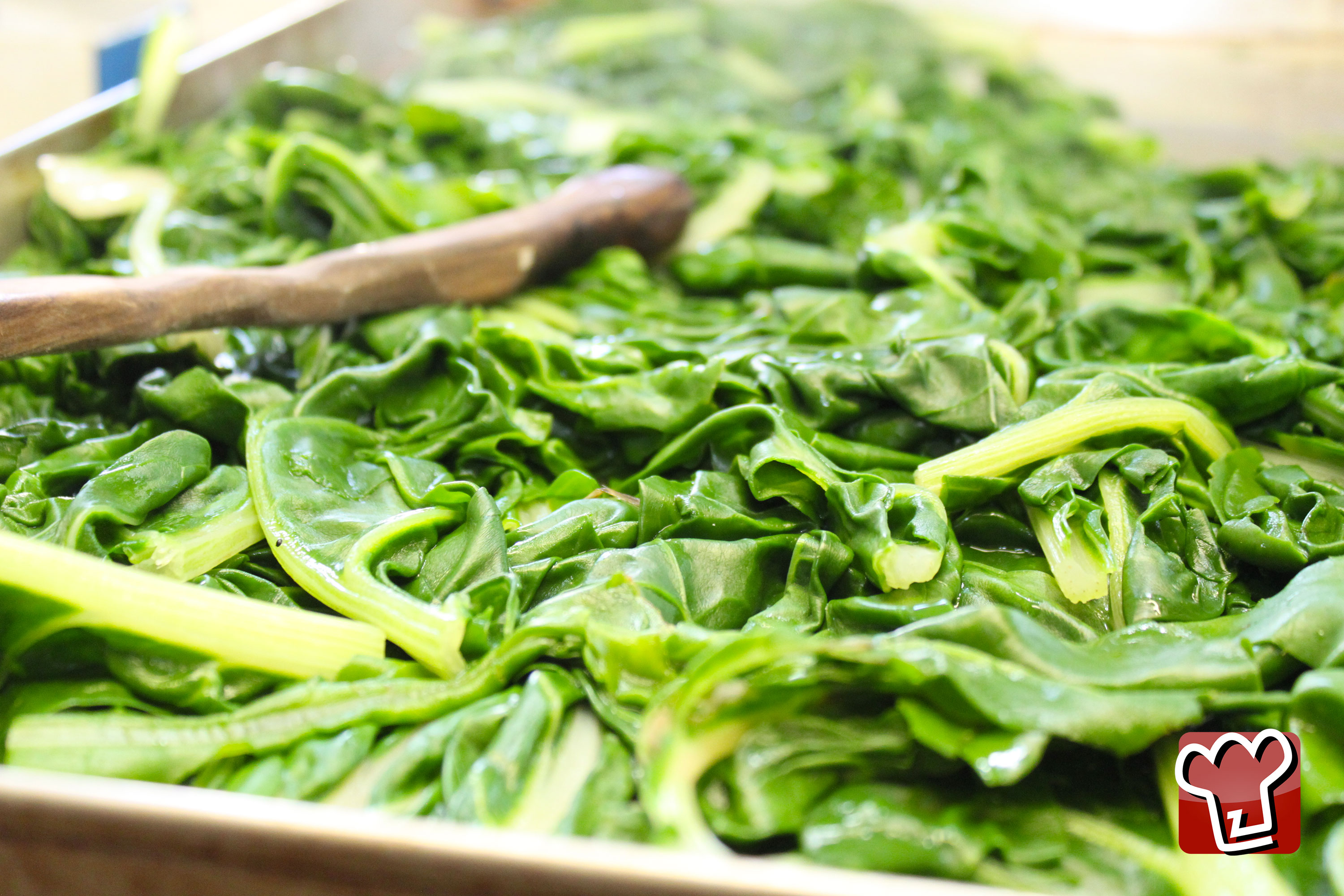
Boil the swiss chard
|
|
View the step by step
|
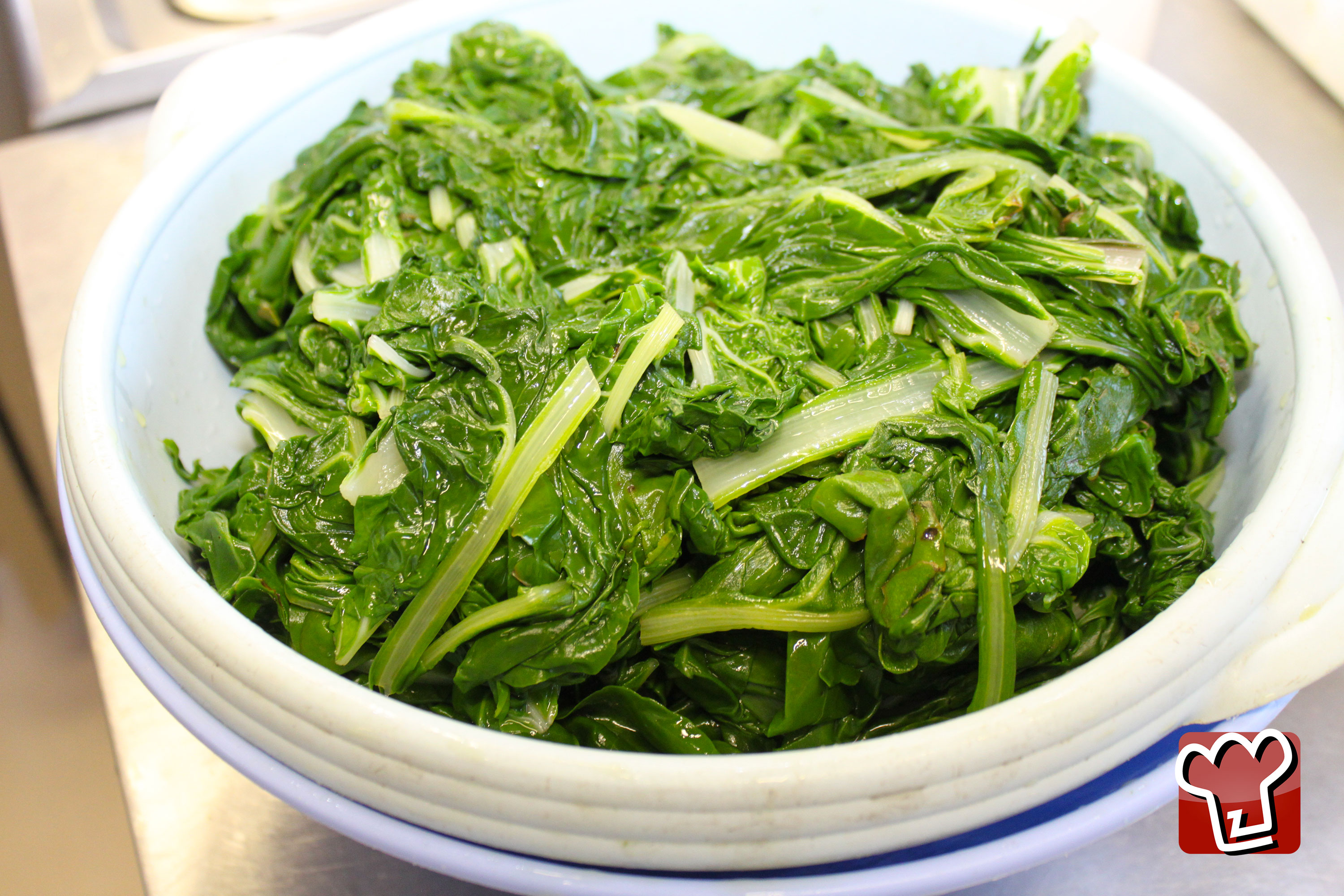
Drain the swiss chard well
|
|
View the step by step
|
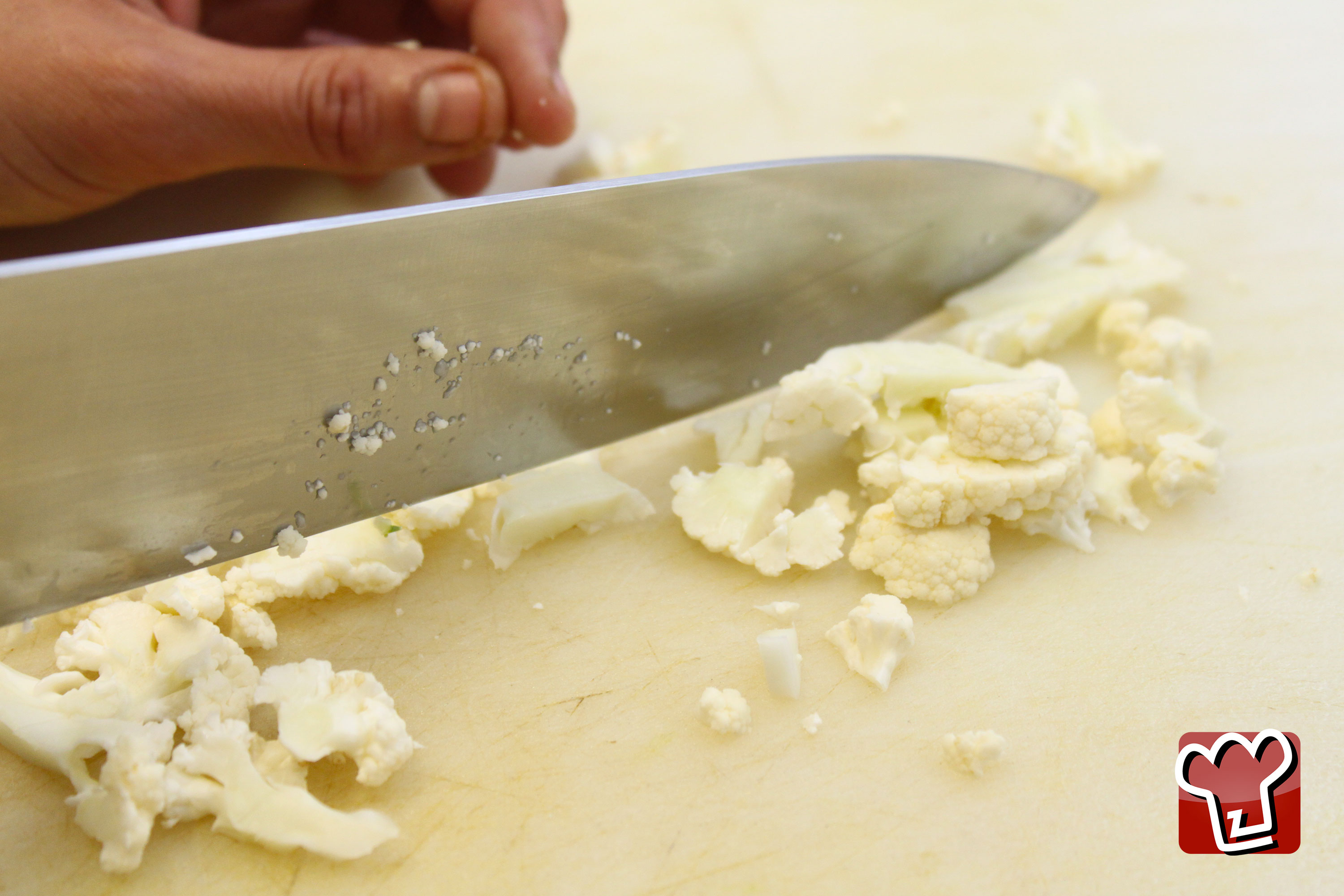
Cut up the cauliflower
|
|
View the step by step
|
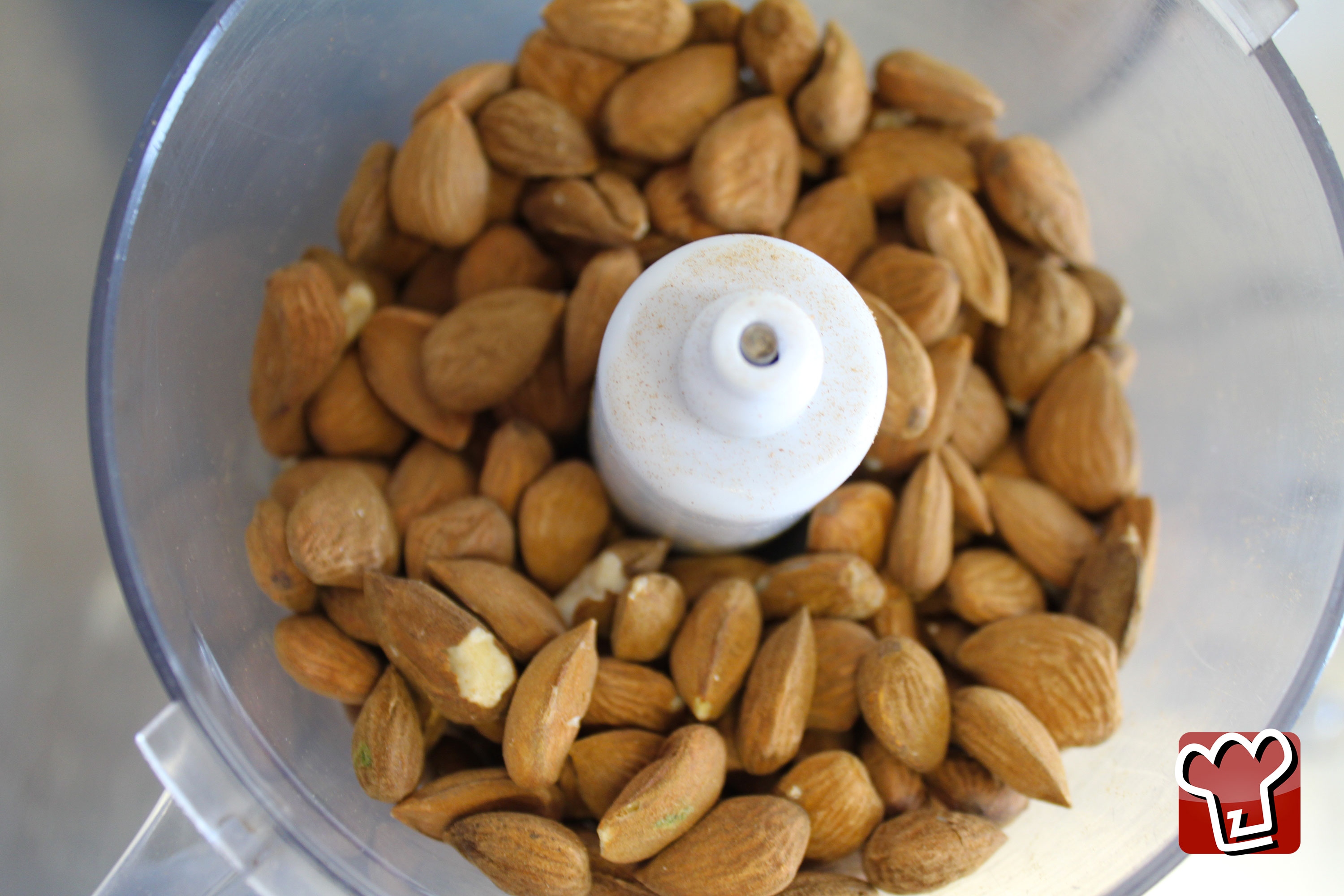
Put the almonds in the blender
|
|
View the step by step
|
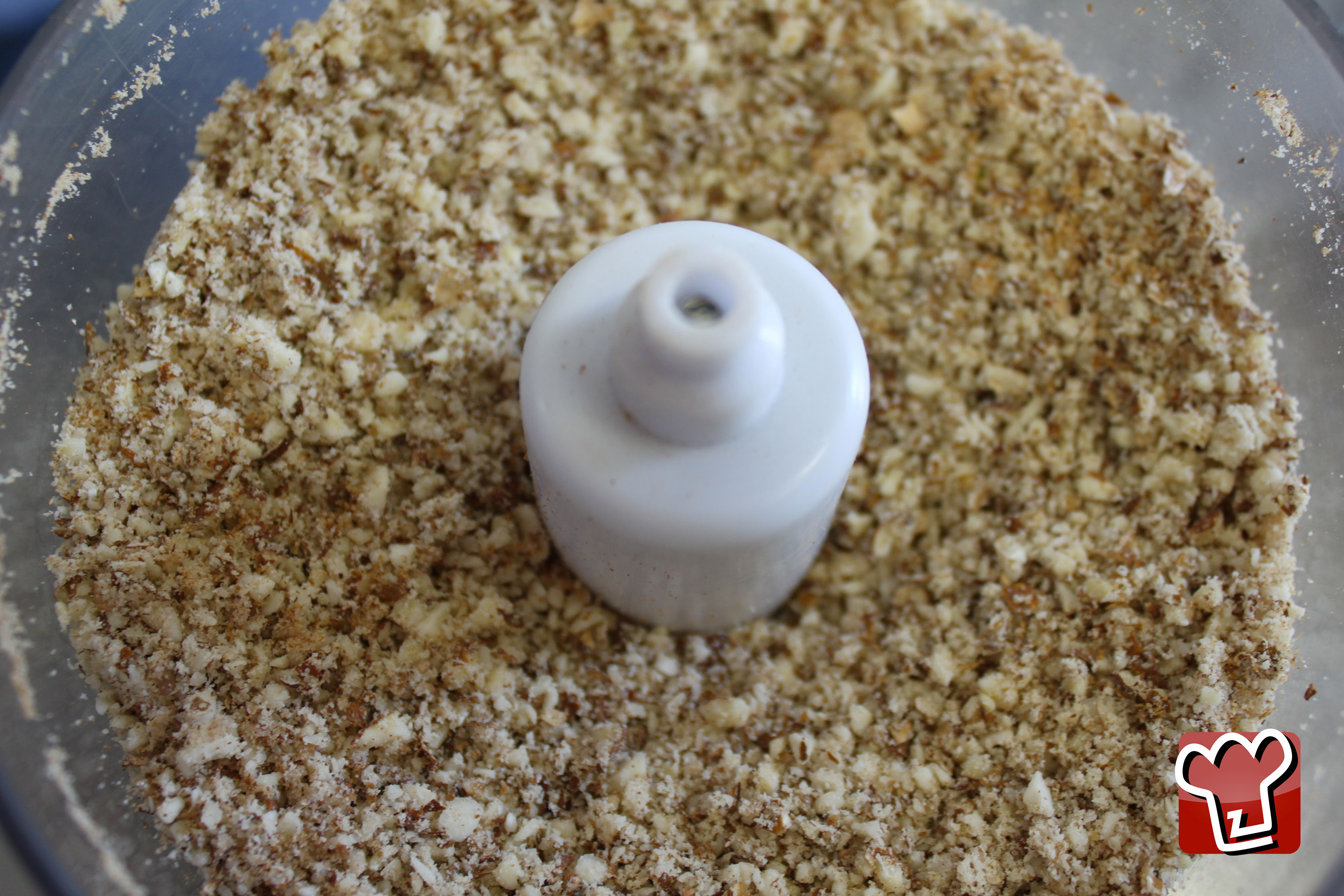
Chop the almonds
|
|
View the step by step
|
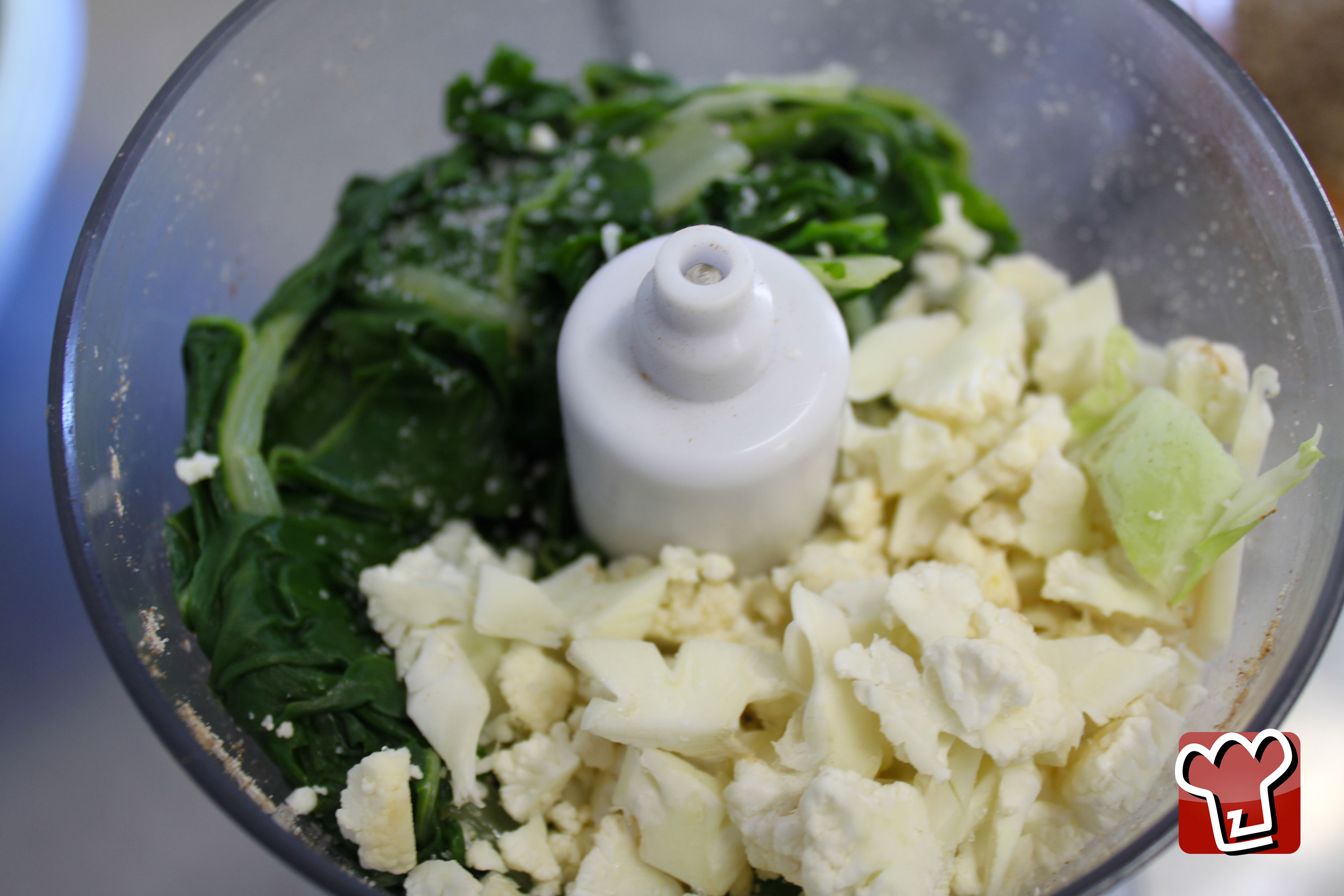
Add the cauliflower and swiss chard to the blender
|
|
View the step by step
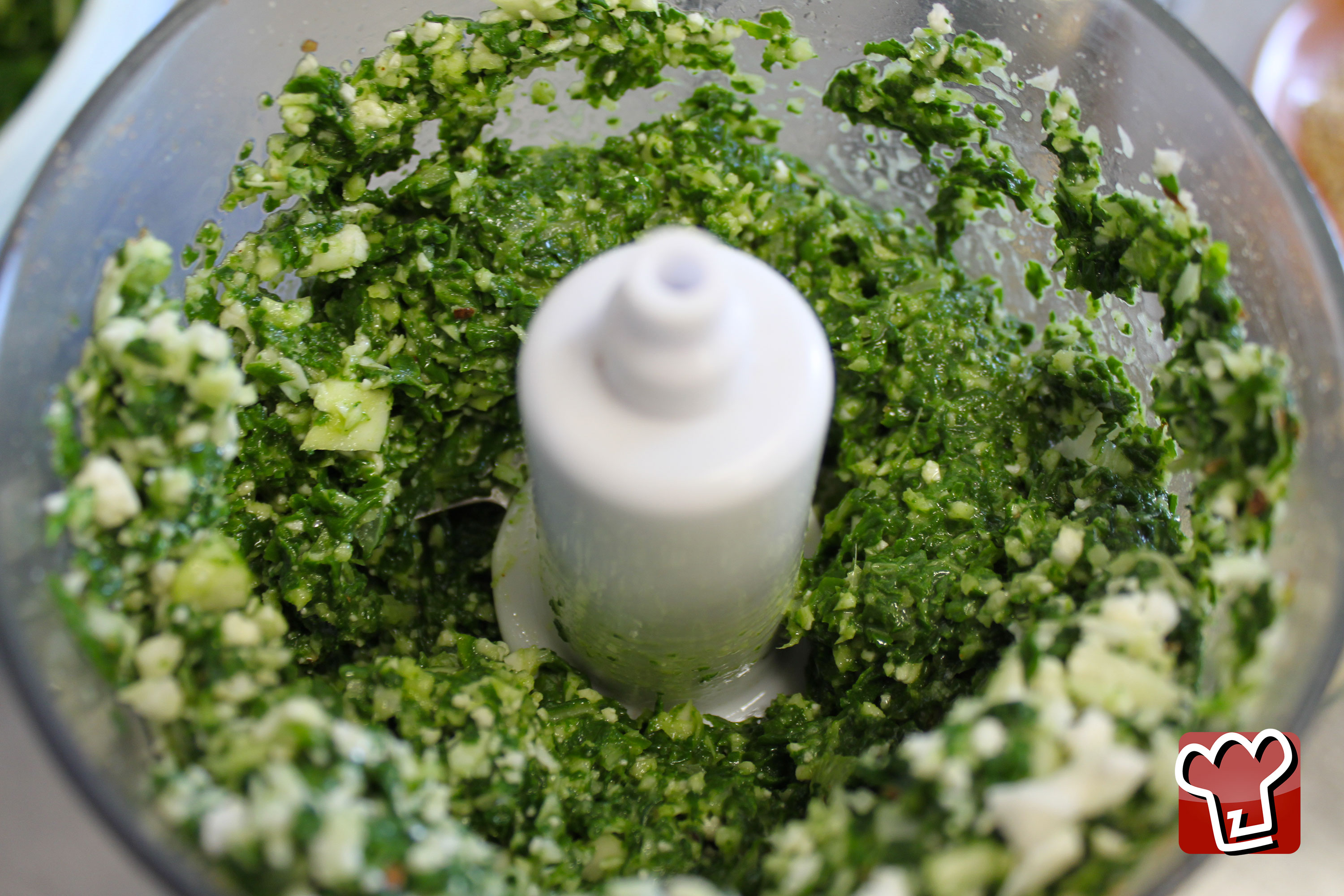
|
Blend together well
|
|
View the step by step
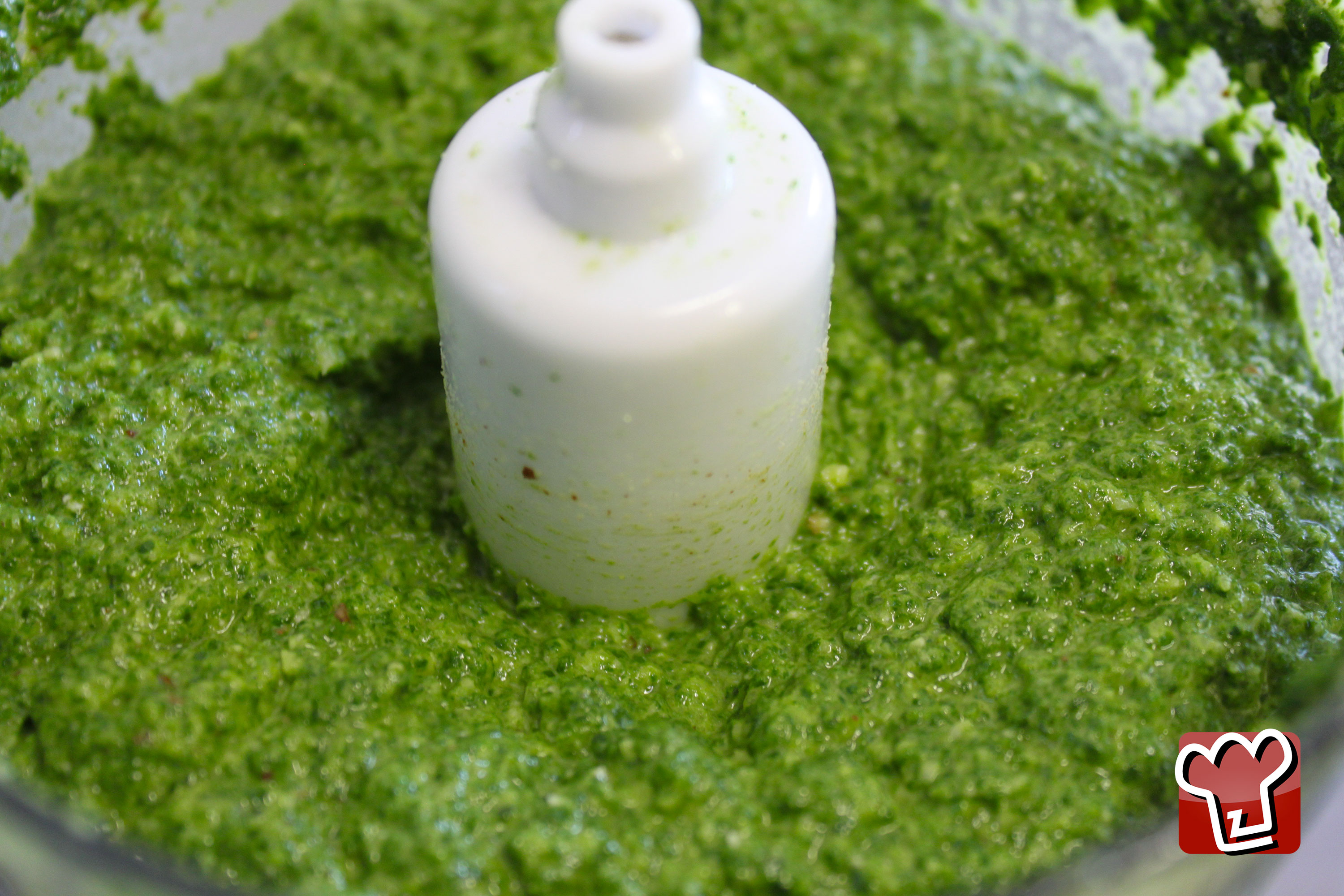
|
Add the olive oil and salt. If you wish, add a little garlic too
|
|
View the step by step
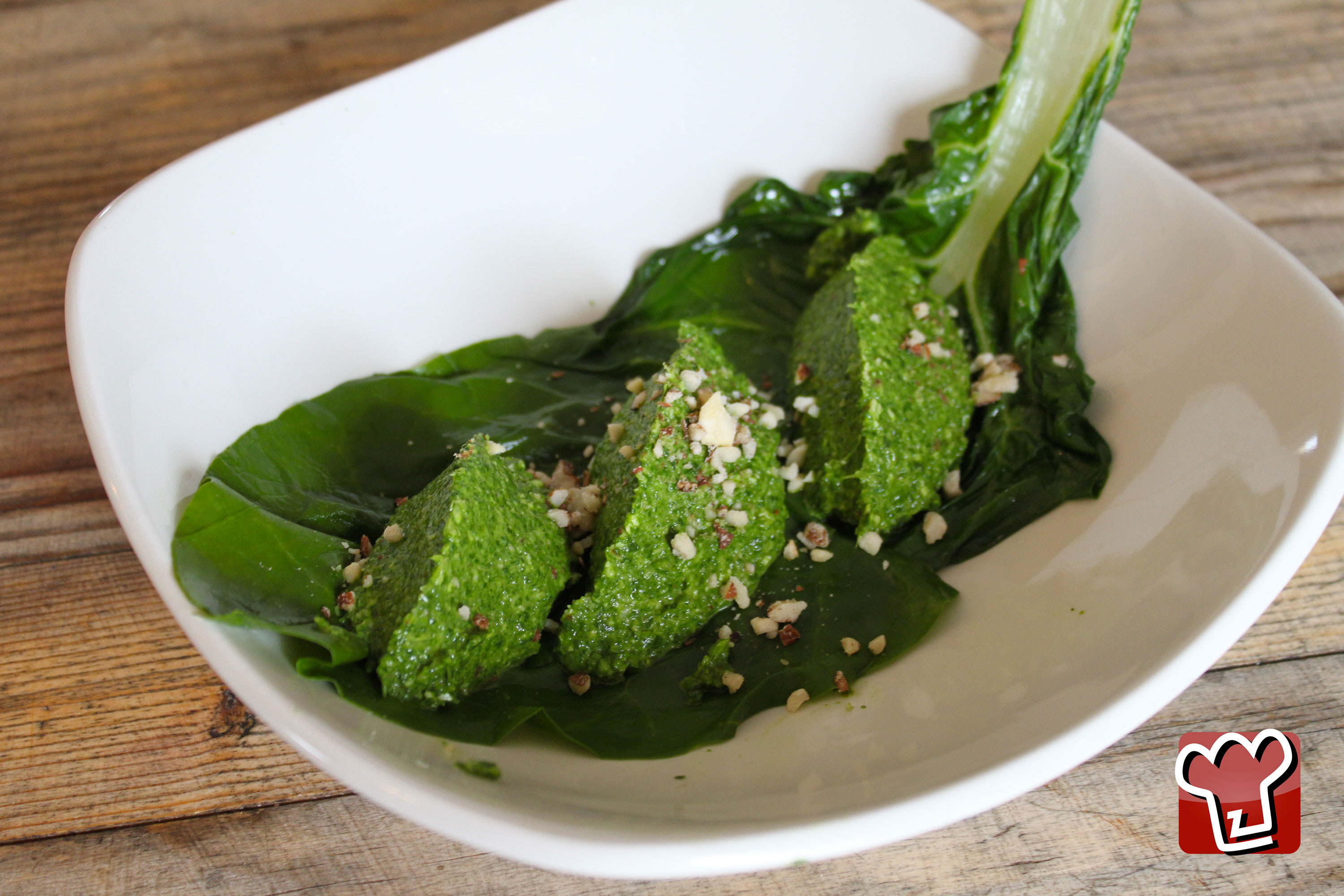
|
Serve on crostini or as a pasta sauce
|
Additional information
Swiss Chard and Almond Pesto with Cauliflower
One of the most interesting variations of Swiss chard and almond pesto is definitely the addition of cauliflower. This preparation not only enriches the pesto with flavors but also contributes to a creamier consistency. To make it, you start by boiling the Swiss chard, letting it cool while toasting the cauliflower. The almonds, which add crunch and a touch of sweetness, are chopped together with the Swiss chard and cauliflower. Finally, extra virgin olive oil, sea salt, and, if desired, a pinch of garlic are added. The result is a perfect dressing for pasta, but it can also be used on bruschetta or as an accompaniment to main dishes. This pesto keeps well in the refrigerator and becomes even more flavorful after a couple of hours of resting.
Apulian Style Swiss Chard and Almond Pesto
The Apulian style Swiss chard and almond pesto is a variation that brings the authentic flavors of the culinary tradition of Apulia to the table. In this preparation, the emphasis is on using local Swiss chard, which gives freshness and liveliness to the dish. The recipe calls for the Swiss chard to be boiled and then blended with toasted almonds, which are typical of the region. The addition of Apulian extra virgin olive oil further enhances the flavor, while sea salt adds a touch of rusticity. This pesto is perfect to pair with trofie or orecchiette, creating a perfect combination of pasta and dressing. Thanks to its versatility, it can also be used to flavor salads or as a base for summer bruschetta.
Light Swiss Chard and Almond Pesto
For those looking for a lighter version of Swiss chard and almond pesto, it is possible to reduce the extra virgin olive oil and partially replace it with the cooking water of the Swiss chard. This alternative maintains the rich flavor of the pesto but with a reduced caloric intake. Additionally, unroasted almonds can be used for an even lighter version. This preparation is ideal for those following a low-calorie diet or for those who want to keep an eye on their weight without sacrificing taste. The light Swiss chard and almond pesto is perfect for dressing whole grain pasta, making the dish healthy and nutritious. Don't forget to store it in the refrigerator for a couple of hours before serving, so that the flavors can blend better.
Nutritional Benefits of Swiss Chard and Almond Pesto
Swiss chard and almond pesto is a condiment rich in nutrients and health benefits. Swiss chard is, in fact, a valuable source of vitamins A, C, and K, as well as minerals like magnesium and iron. Almonds provide healthy fats, protein, and fiber, contributing to a balanced diet. This pesto is ideal for those looking to increase their intake of vegetables and nutrients in their diet. The calories per serving of Swiss chard and almond pesto are around 150-200 kcal, depending on the amount of oil used. Thanks to the presence of fresh and nutritious ingredients, it is a condiment that not only enriches dishes but also supports a healthy and balanced diet.
Can Swiss Chard and Almond Pesto be Frozen?
The answer is yes, Swiss chard and almond pesto can be frozen! This makes it a great option for those who want to prepare meals in advance. To freeze it properly, it is recommended to pour the pesto into airtight containers or food bags, making sure to remove excess air. This way, the flavors and freshness of the ingredients are best preserved. When you want to use it, simply thaw it in the refrigerator for a few hours or leave it at room temperature. However, it is advisable to consume it within 3 months to ensure maximum quality. Remember that once thawed, the pesto may lose some of its original consistency, but the taste will still be delicious.