Amatriciana Spaghetti
Amongst the more spirited and enjoyable of Italian regional cuisines one must definitely include that of Lazio, so rich in various flavours and aromas which when combined create dishes full of good humour, especially when you are in the company of friends. The desire to sing , to toast one’s life, to enjoy every moment, and simply to have fun – these are the most common images we have of this region. That is why today we are travelling to discover the small town of Amatrice, located in the province of Rieti, whence originates a pasta dish that is mouth-watering to all - the famous spaghetti all’amatriciana. Our recipe is one that fully embraces the spirit of the dish, although in the original version one would use pork jowl meat instead of pancetta: follow our step-by-step guide and get ready to party!
Ingredients
* approximate values per serving
Preparation
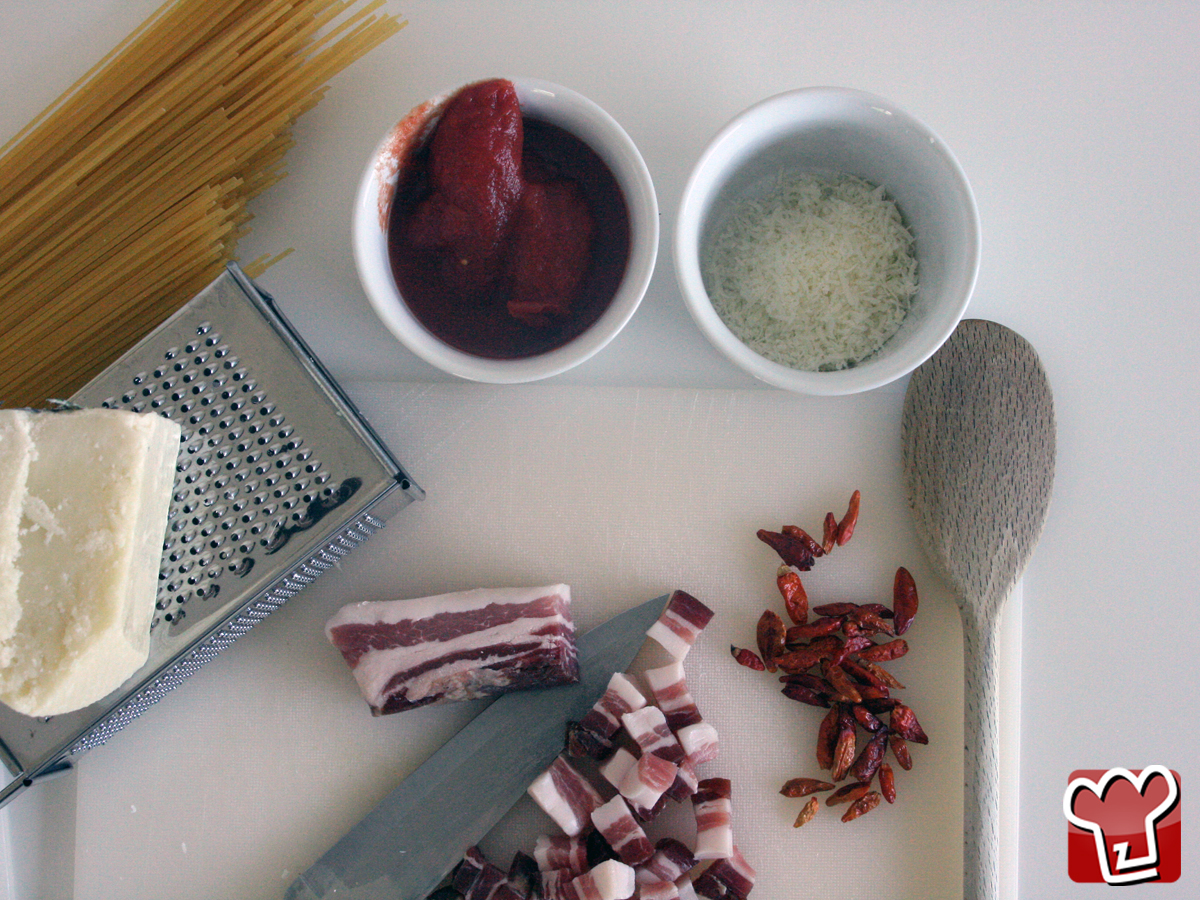
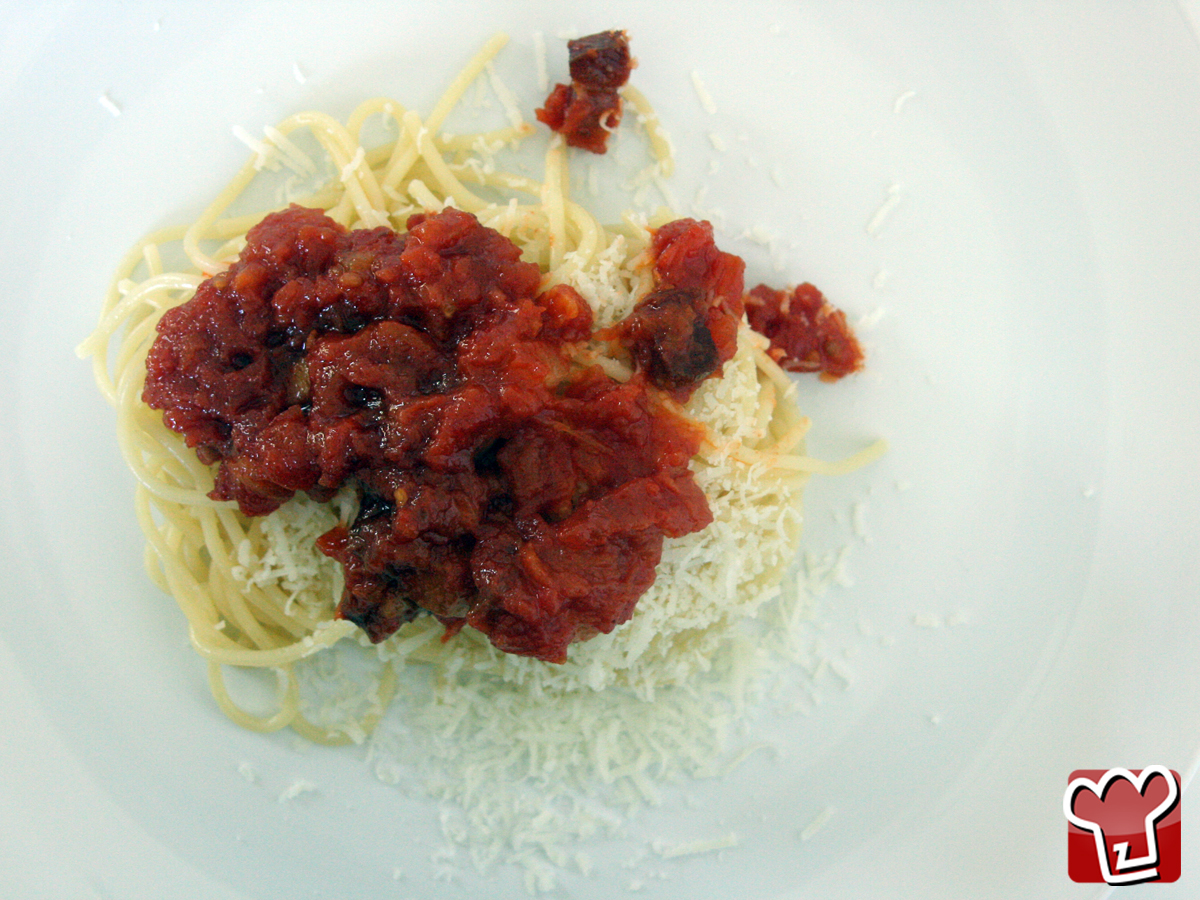
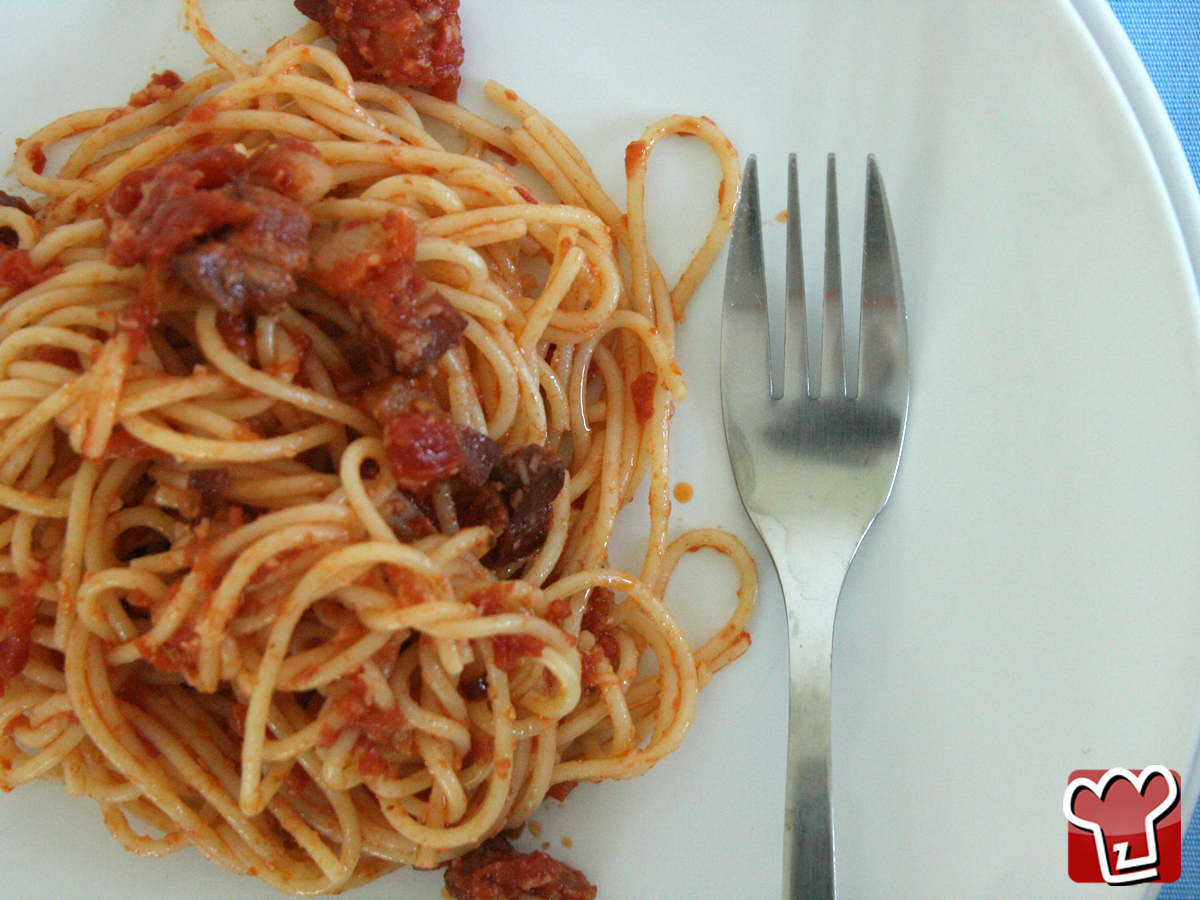
Bring some water to the boil for the spaghetti while preparing the sauce. Cut the bacon into cubes and fry in a pan with a little oil and chilli (according to taste). When the bacon starts to darken, add the white wine and let it reduce; meanwhile cut the tomatoes into small pieces, then remove the pancetta from the pan keeping it to one side, and cook the tomatoes over a low heat. Meanwhile, cook the spaghetti in boiling salted water. When the tomato is cooked, return the bacon to the pan with the tomatoes and cook for a few minutes. Drain the spaghetti when cooked ‘al dente’. Sprinkle with plenty of grated pecorino cheese, add the sauce, mix well and serve.
Step by step
|
View the step by step
|
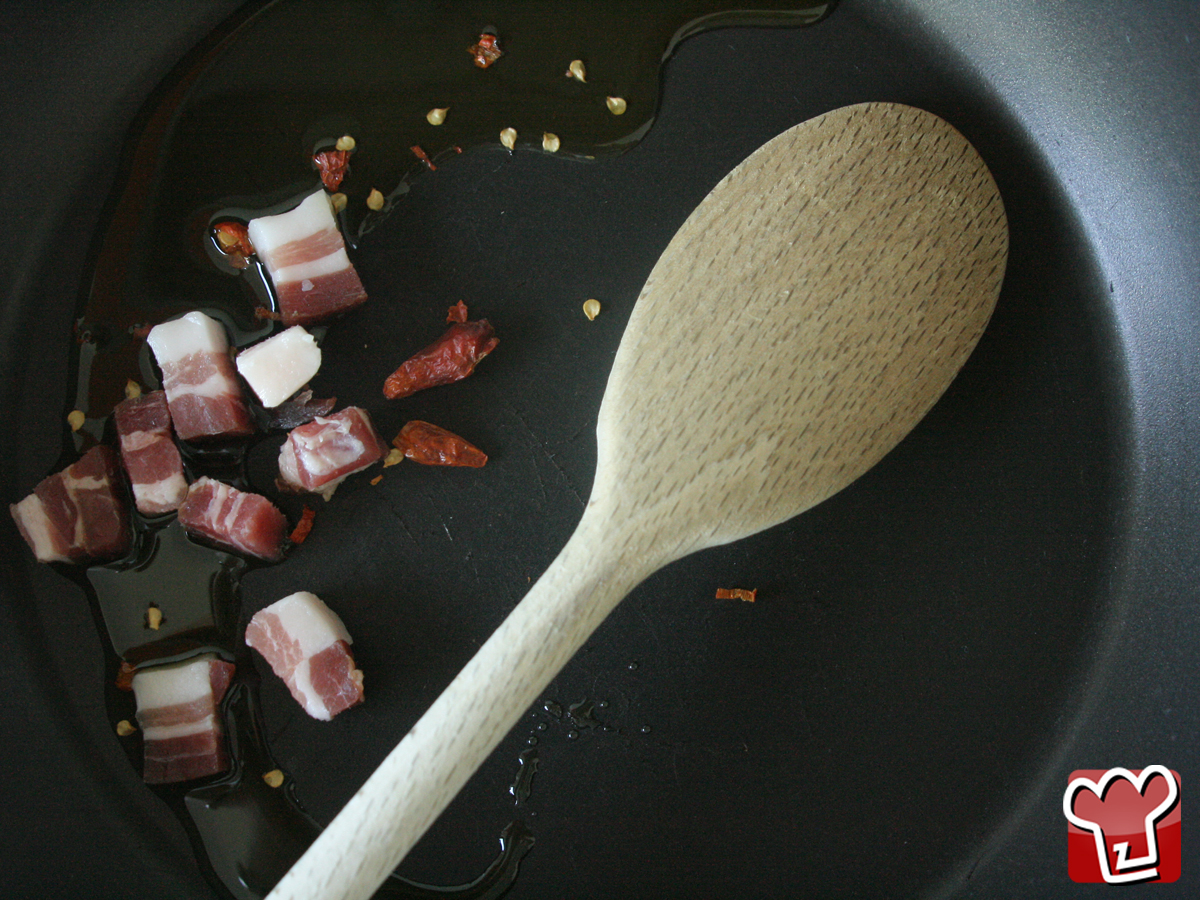
Brown the pancetta with some oil and chilli
|
|
View the step by step
|
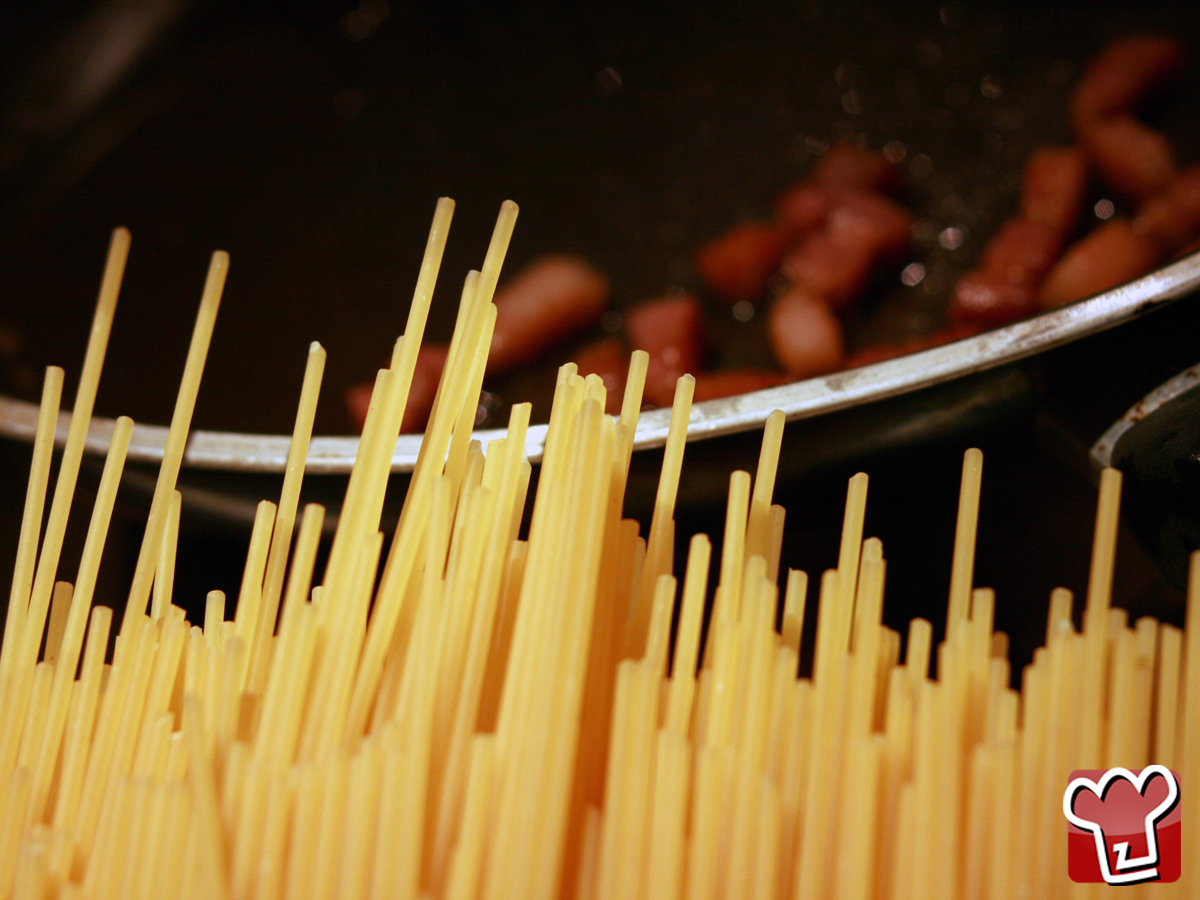
Add some white wine and reduce; in the meantime prepare the spaghetti
|
|
View the step by step
|
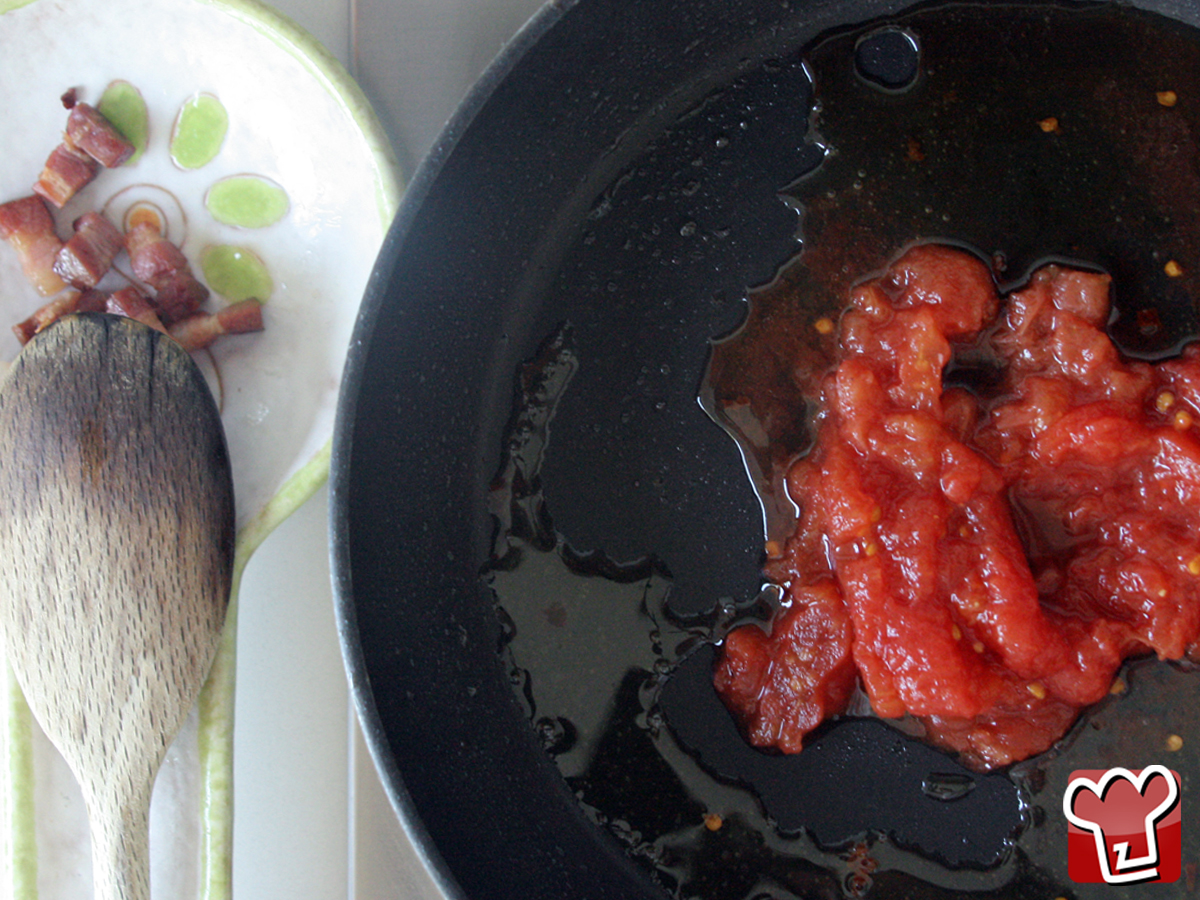
Remove the pancetta from the pan and cook the tomatoes in the oil and chilli
|
|
View the step by step
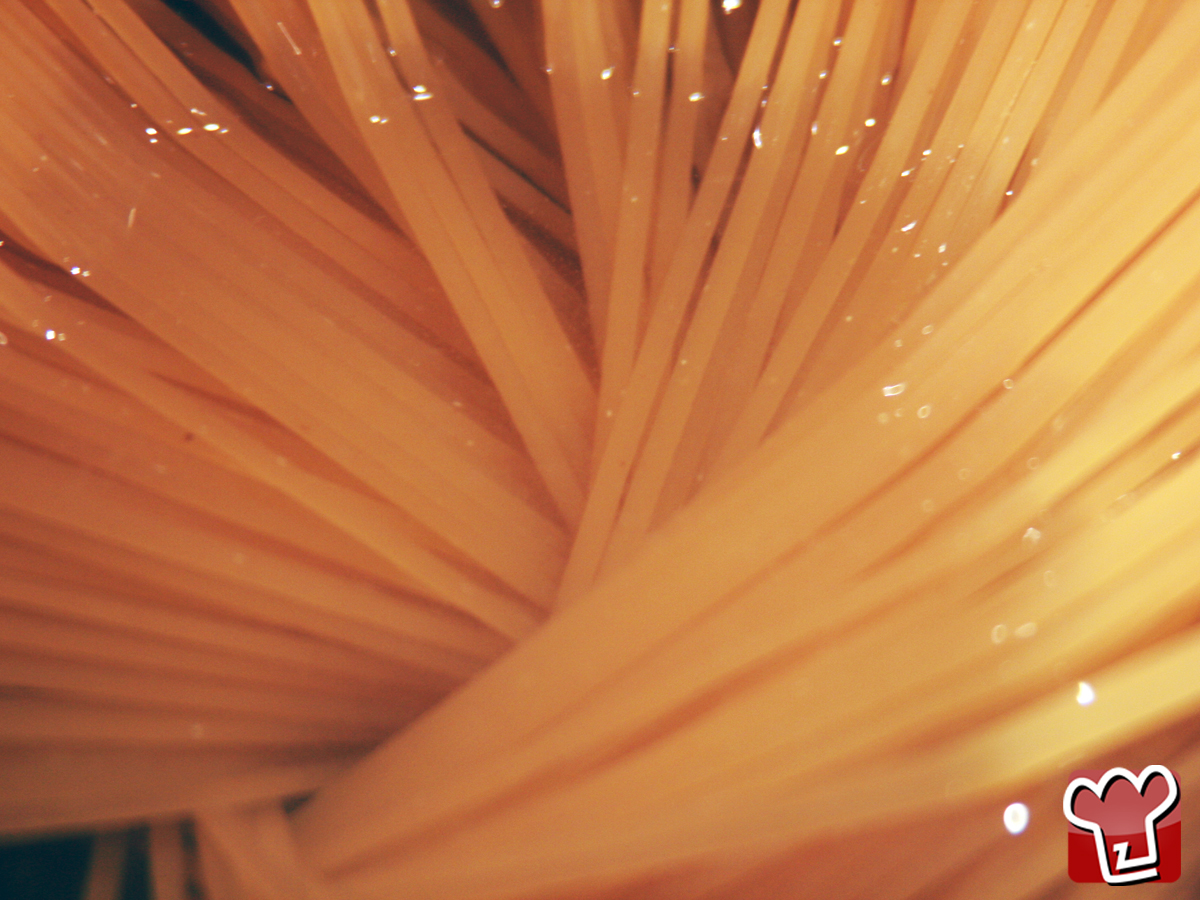
|
Cook the spaghetti in plenty of salted water
|
|
View the step by step
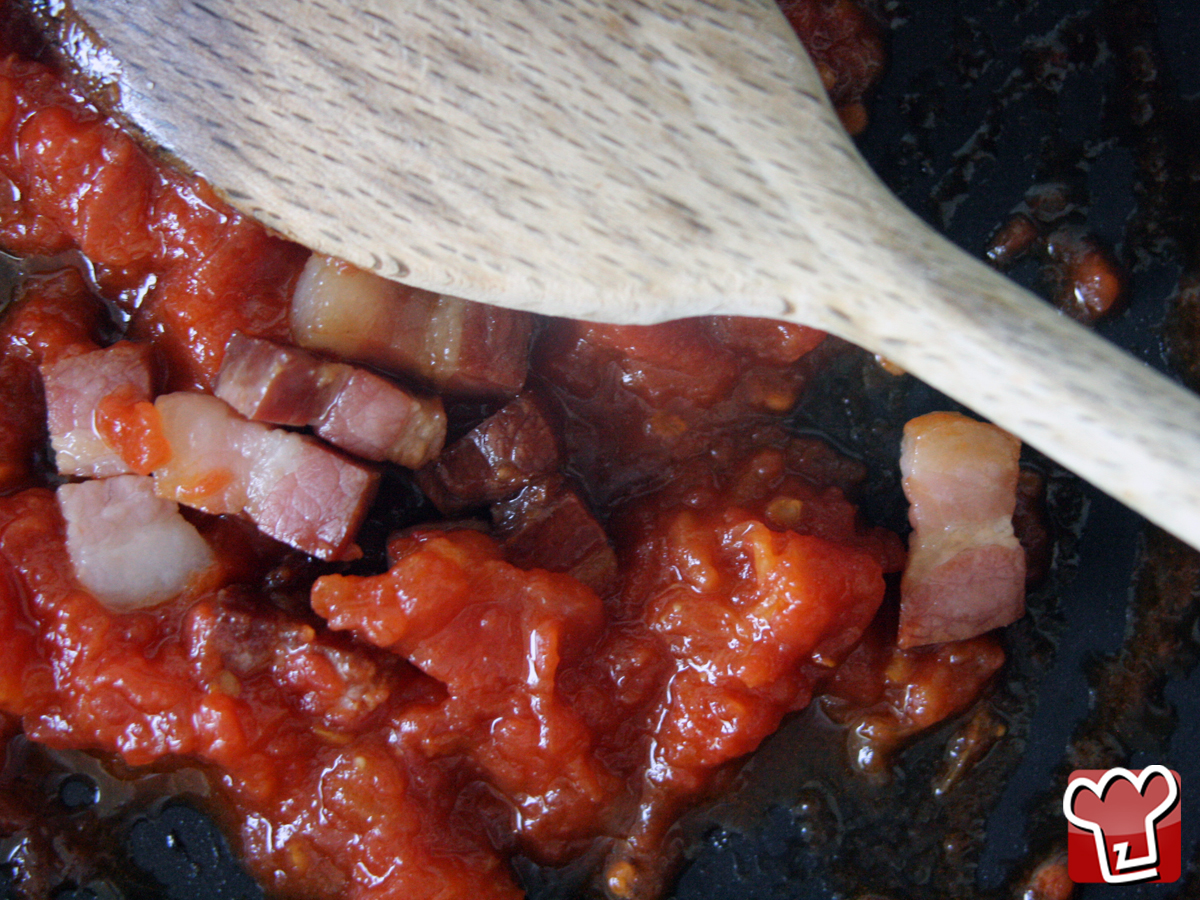
|
Return the browned pancetta to the pan with the tomatoes and cook for another minute
|
|
View the step by step
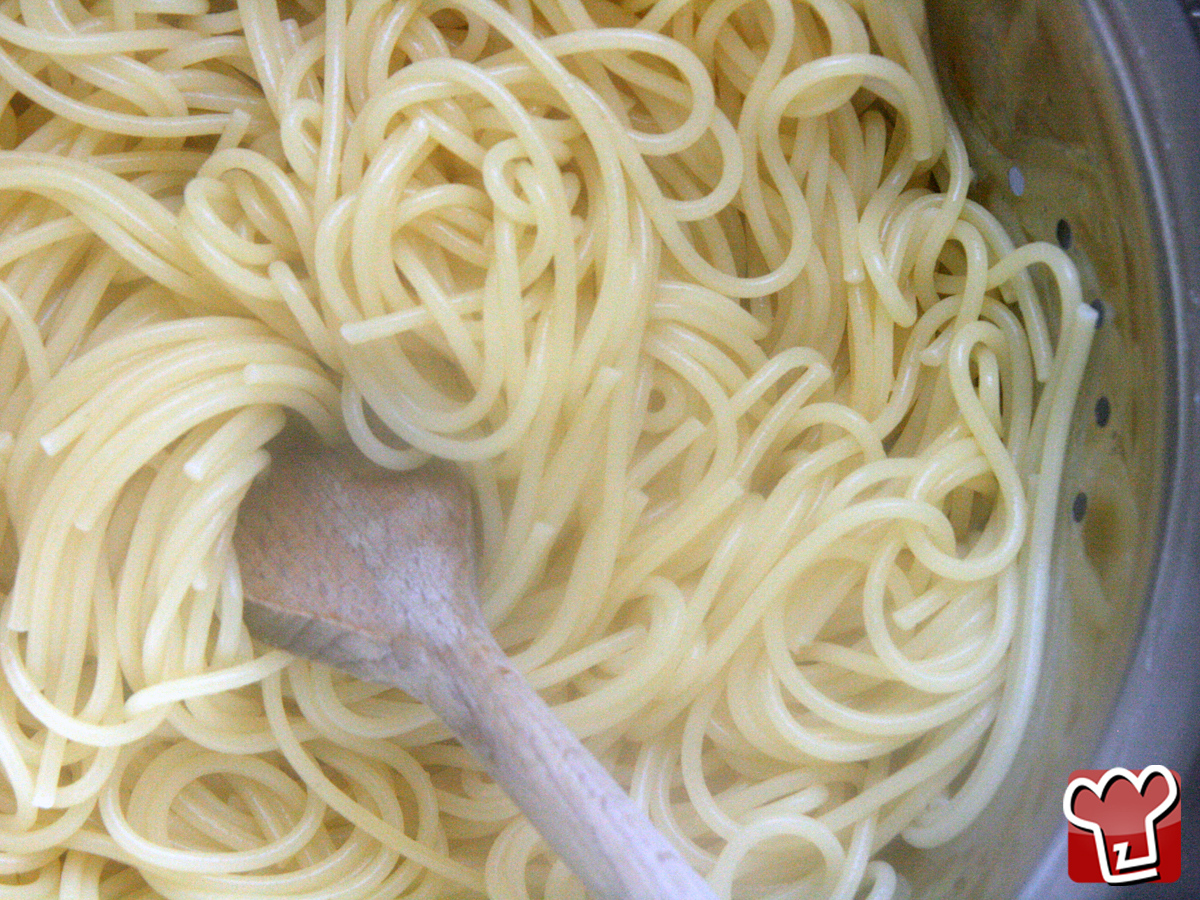
|
Drain the pasta when cooked ‘al dente’
|
|
View the step by step
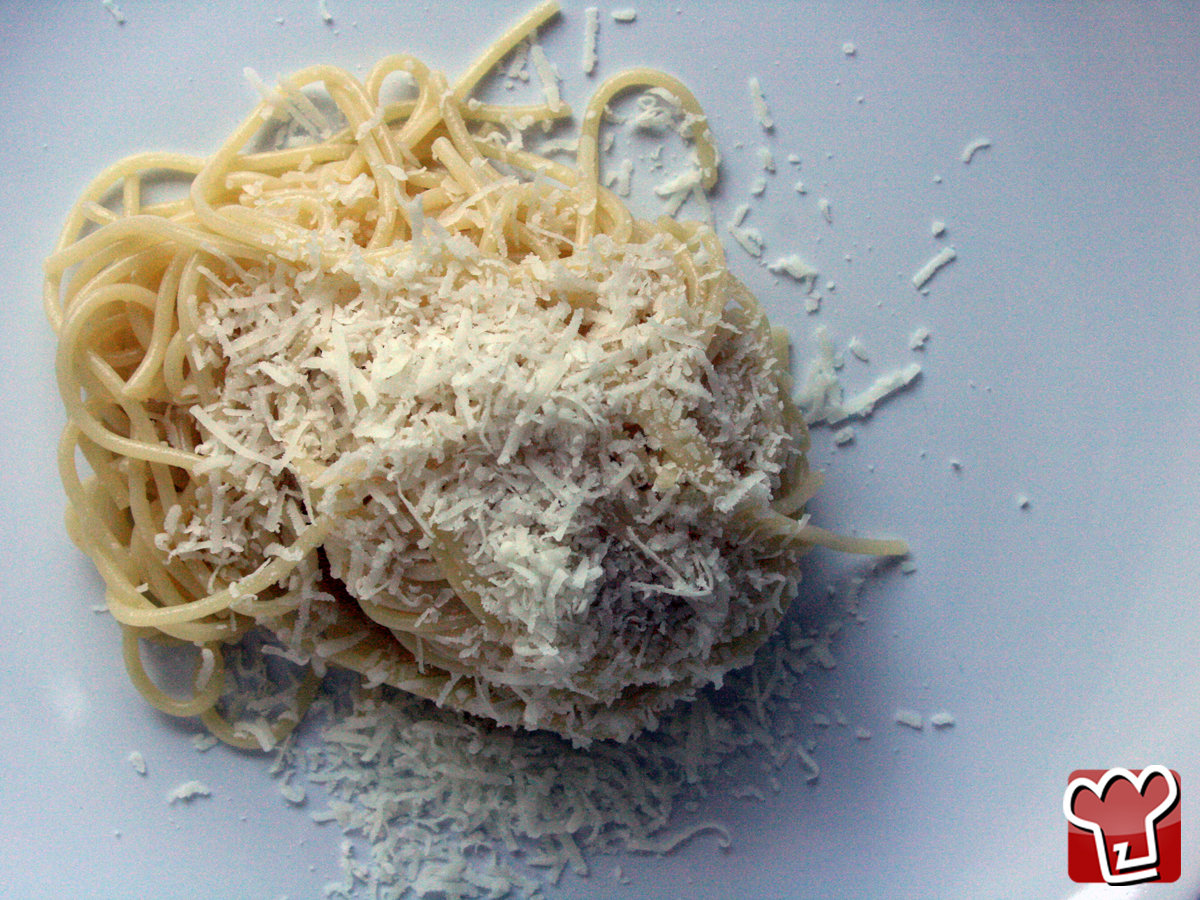
|
Sprinkle the pecorino cheese over the spaghetti
|
|
View the step by step
|
Mix the sauce with the spaghetti and pecorino
|
|
View the step by step
|
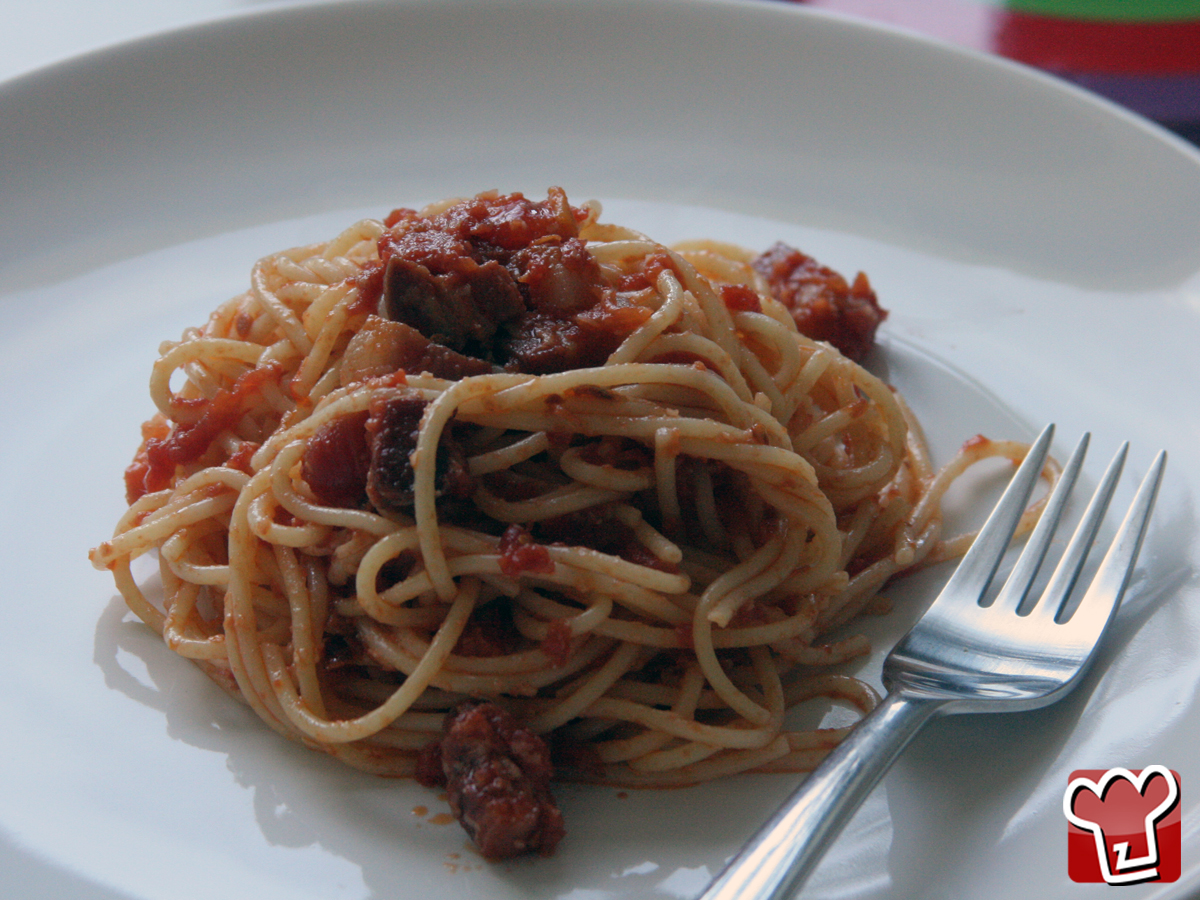
Combine well and serve
|
|
View the step by step
|
Enjoy your amatriciana sauce very hot!
|
Additional information
Spaghetti all'amatriciana with zucchini
One of the most appreciated variations of spaghetti all'amatriciana is the one with the addition of zucchini. This dish retains the flavor of guanciale and tomato, but the zucchini adds freshness and a touch of lightness. To prepare this variant, simply slice the zucchini into rounds and sauté them with the guanciale. The result is a dish that manages to combine tradition with a touch of novelty, perfect for those who want a meal richer in vegetables. Serve the spaghetti all'amatriciana with zucchini with a sprinkle of pecorino romano to further enhance the flavors. This preparation is also ideal for summer lunches, when a dish that is not too heavy is preferred.
Spaghetti all'amatriciana alla romana
The traditional version of spaghetti all'amatriciana, also known as "alla romana," is characterized by the use of high-quality guanciale and grated pecorino romano. In this preparation, the guanciale is cooked until crispy, while the tomato is added only after the fat has melted, creating a rich and flavorful sauce. Unlike other variations, white wine is not used in the original recipe, to maintain the purity of the flavors. The spaghetti should be al dente, so they can best absorb the sauce. This recipe is a true symbol of Lazio cuisine and represents the culinary tradition of Amatrice, from which it takes its name.
Light spaghetti all'amatriciana without guanciale
For those seeking a lighter version of spaghetti all'amatriciana, it is possible to prepare a variant without guanciale, replacing it with a mix of mushrooms and smoked tofu. This preparation maintains the rich flavor and character of the original dish but significantly reduces the caloric and fat content. Using fresh tomatoes and a drizzle of extra virgin olive oil, a tasty and light sauce is obtained. This recipe is ideal for those following a vegetarian or vegan diet, without sacrificing flavor. Additionally, whole wheat spaghetti can be used for a greater intake of fiber and nutrients. A dish that demonstrates how it is possible to reinterpret culinary tradition in a modern and healthy way.
Nutritional benefits of spaghetti all'amatriciana
Spaghetti all'amatriciana, while being a rich dish, can offer some nutritional benefits thanks to its main ingredients. Guanciale provides protein and unsaturated fats, while pecorino romano is a good source of calcium and phosphorus. Tomatoes, on the other hand, provide lycopene, a powerful antioxidant, and vitamins A and C. On average, a serving of spaghetti all'amatriciana contains about 600-700 calories, depending on the amounts of guanciale and pecorino used. It is important to pay attention to portion sizes to maintain nutritional balance. For those who want a complete meal, serving the spaghetti with a portion of seasonal vegetables is an excellent choice to enrich the dish with fiber and vitamins.
How to store spaghetti all'amatriciana?
One of the most frequently asked questions concerns the storage of spaghetti all'amatriciana. Leftover pasta can be stored in the refrigerator, in an airtight container, for a maximum of 2-3 days. It is important to separate the spaghetti from the sauce to prevent them from becoming too soft. When you want to consume them again, simply reheat them in a pan with a drizzle of oil or in the microwave. If you wish to freeze the dish, it is advisable to do so without the pecorino, to better preserve the texture and flavor. This way, when thawed, fresh cheese can be added to achieve a dish as tasty as freshly made. However, it is always better to consume fresh pasta to fully appreciate its flavor and quality.