Focaccia bread
Focaccia bread , originally from Genoa, is now one of the most popular and widespread breads in the world. And yet, despite its long history, it never goes out of fashion: many Italians remember their childhood when some focaccia would be taken to school in their backpack, wrapped in a simple sheet of paper, and how they couldn’t wait for the break between lessons to eat it. Many others will remember eating it with their grandmother, or mother, or on Sunday with the family, or at a picnic on the beach. Soft, fragrant focaccia, simply brushed with oil and sprinkled with salt, it is still the undisputed princess of Italian gastronomy. It is often modified in recipes, stuffed and seasoned in various ways: the one that we enjoy and offer in this recipe is simple, one that, when cooking in the oven, would evoke wonderful childhood memories to many Italians
Ingredients
* approximate values per serving
Preparation
Mix the flour with the baking powder, salt and enough water and then knead until you have a standard bread dough. Let it rise for at least three hours covered by a towel; then spread it out in a rectangular baking tray, greased with a little oil, and then squeeze the surface of the dough with your fingers to form small dimples. Prepare an emulsion with coarse salt, a little water, olive oil, and fennel seeds to taste and brush the cake. Bake in a hot oven (200 °C) for about twenty minutes.
Step by step
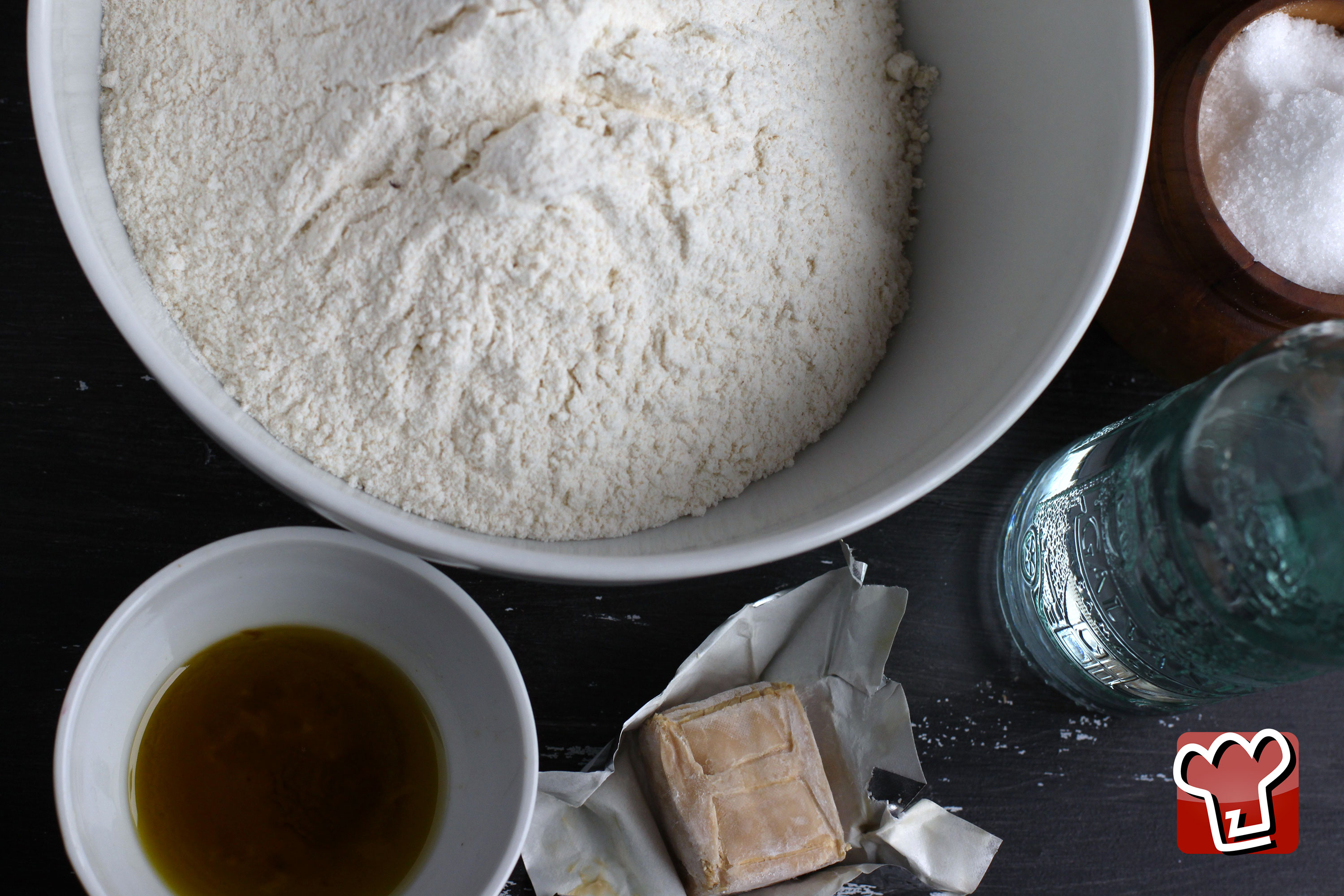
|
View the step by step
|
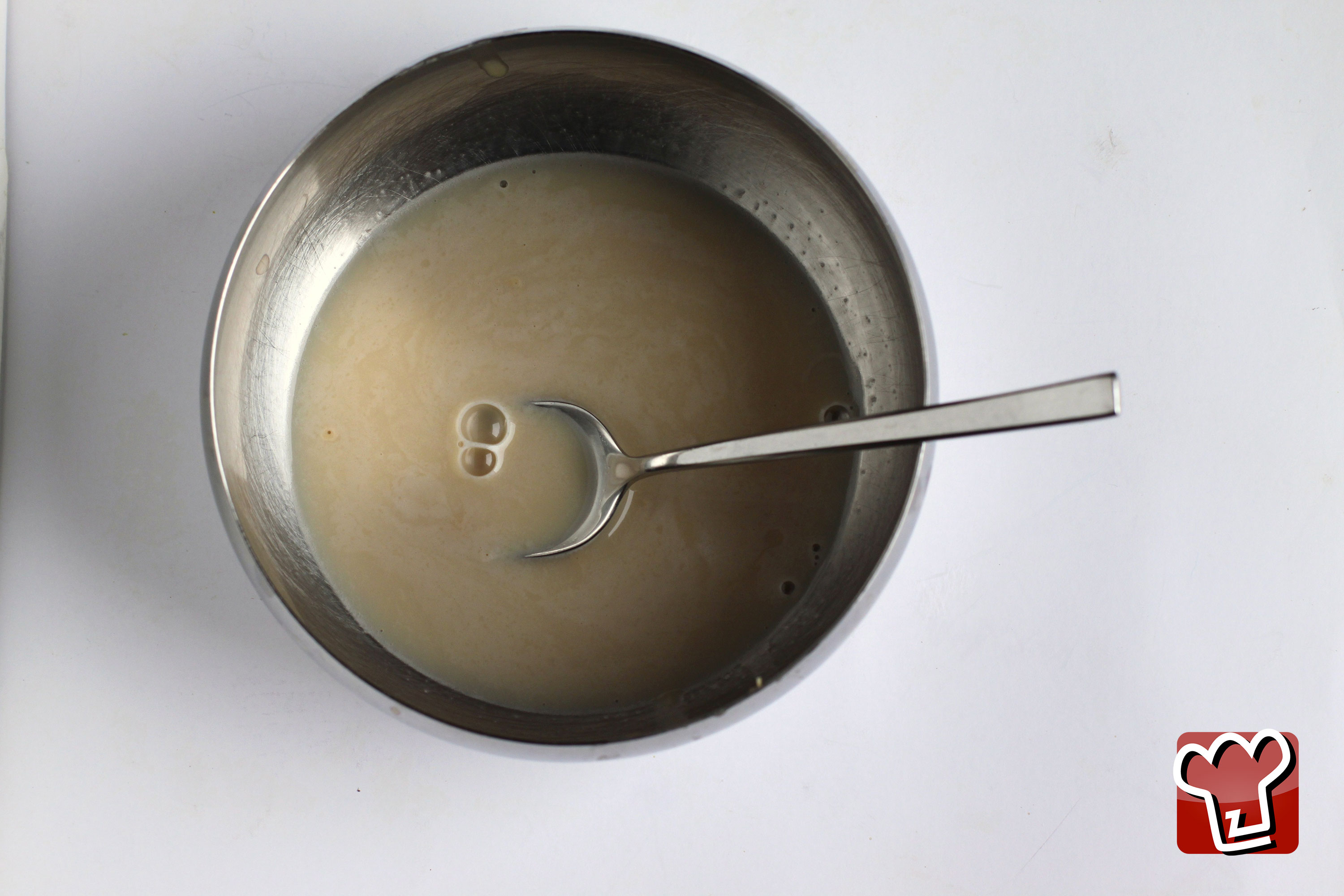
Soak the yeast in some tepid water
|
|
View the step by step

|
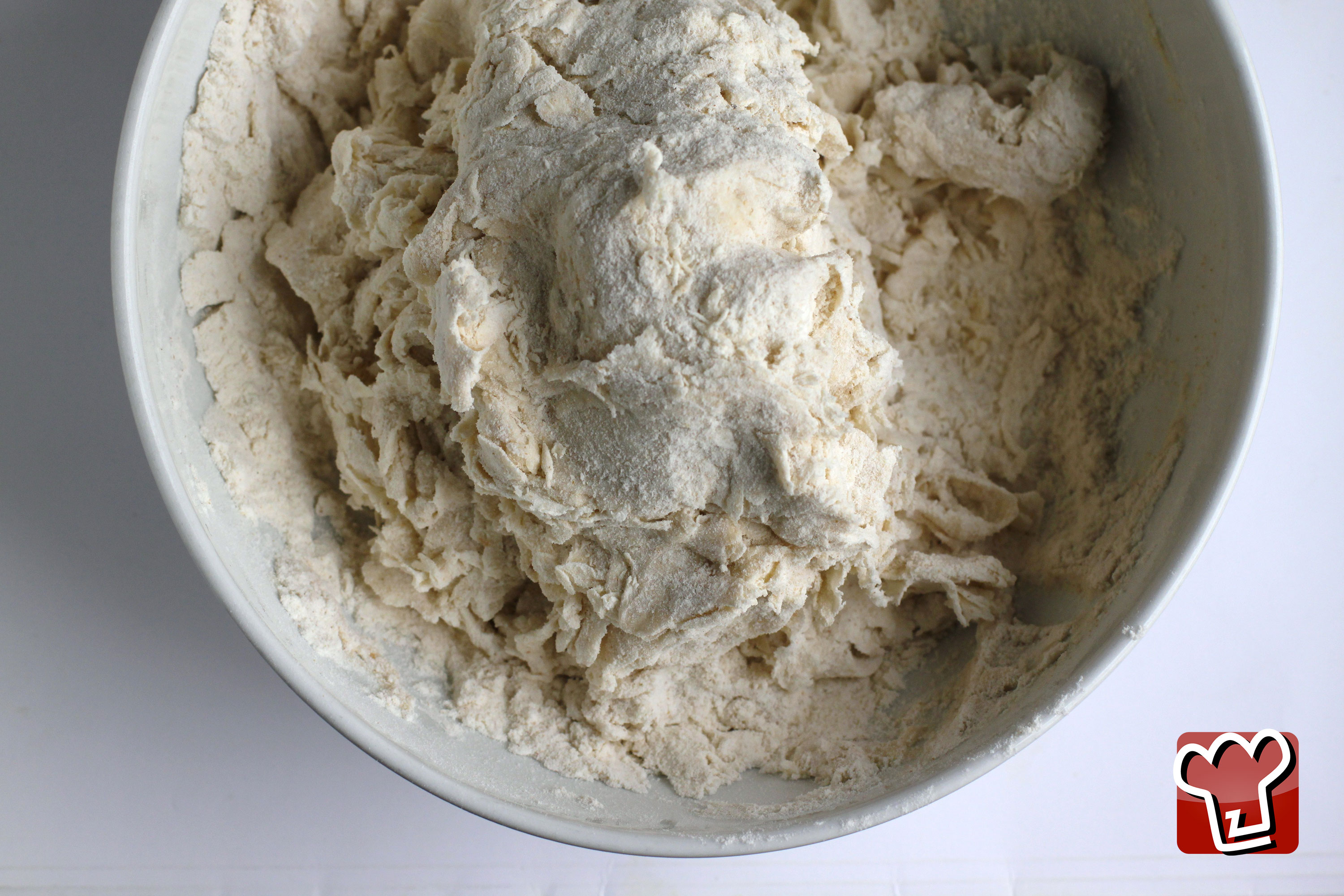
Mix the soaked yeast with the flour
|
|
View the step by step
|
Knead well
|
|
View the step by step
|
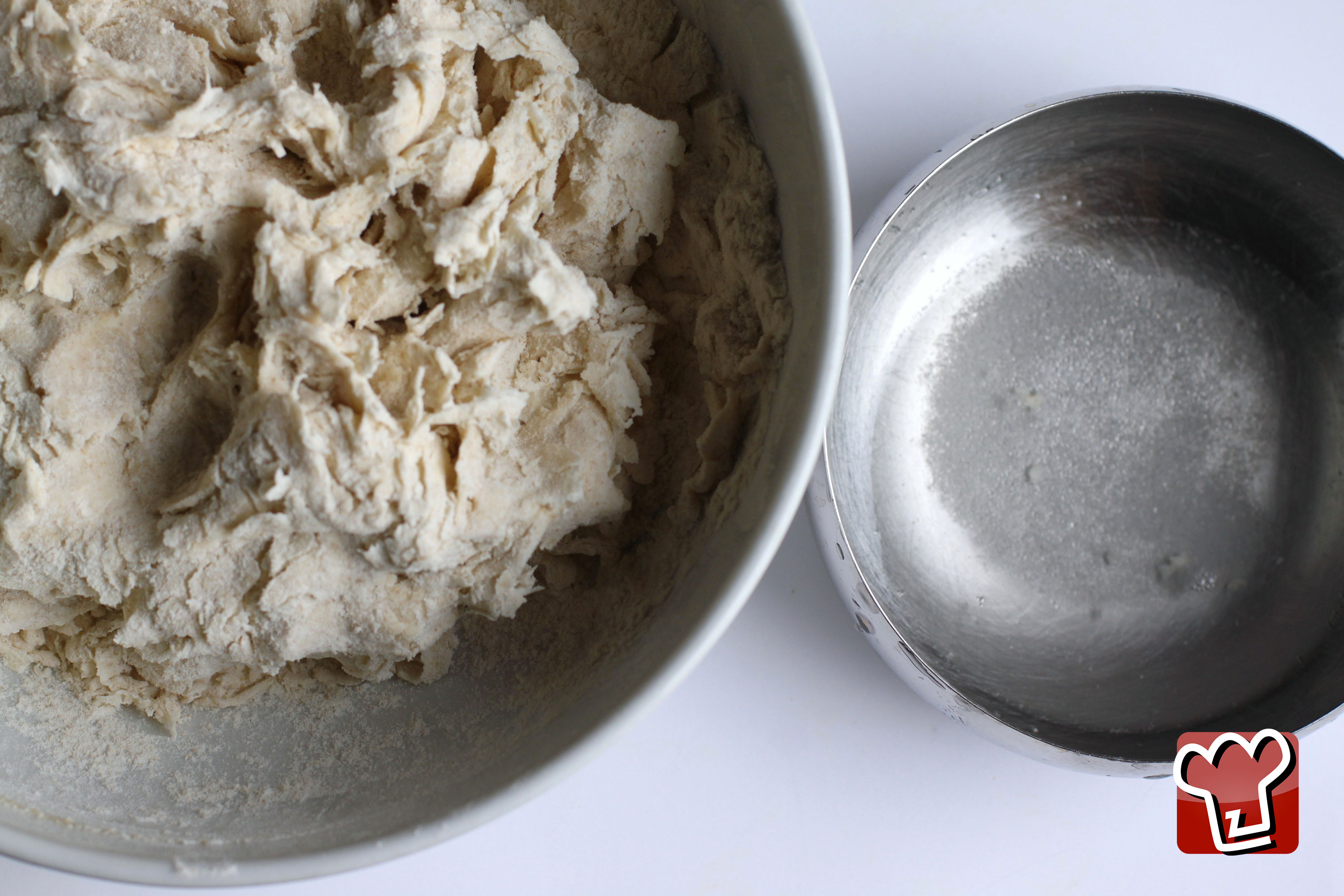
Add the water and salt
|
|
View the step by step
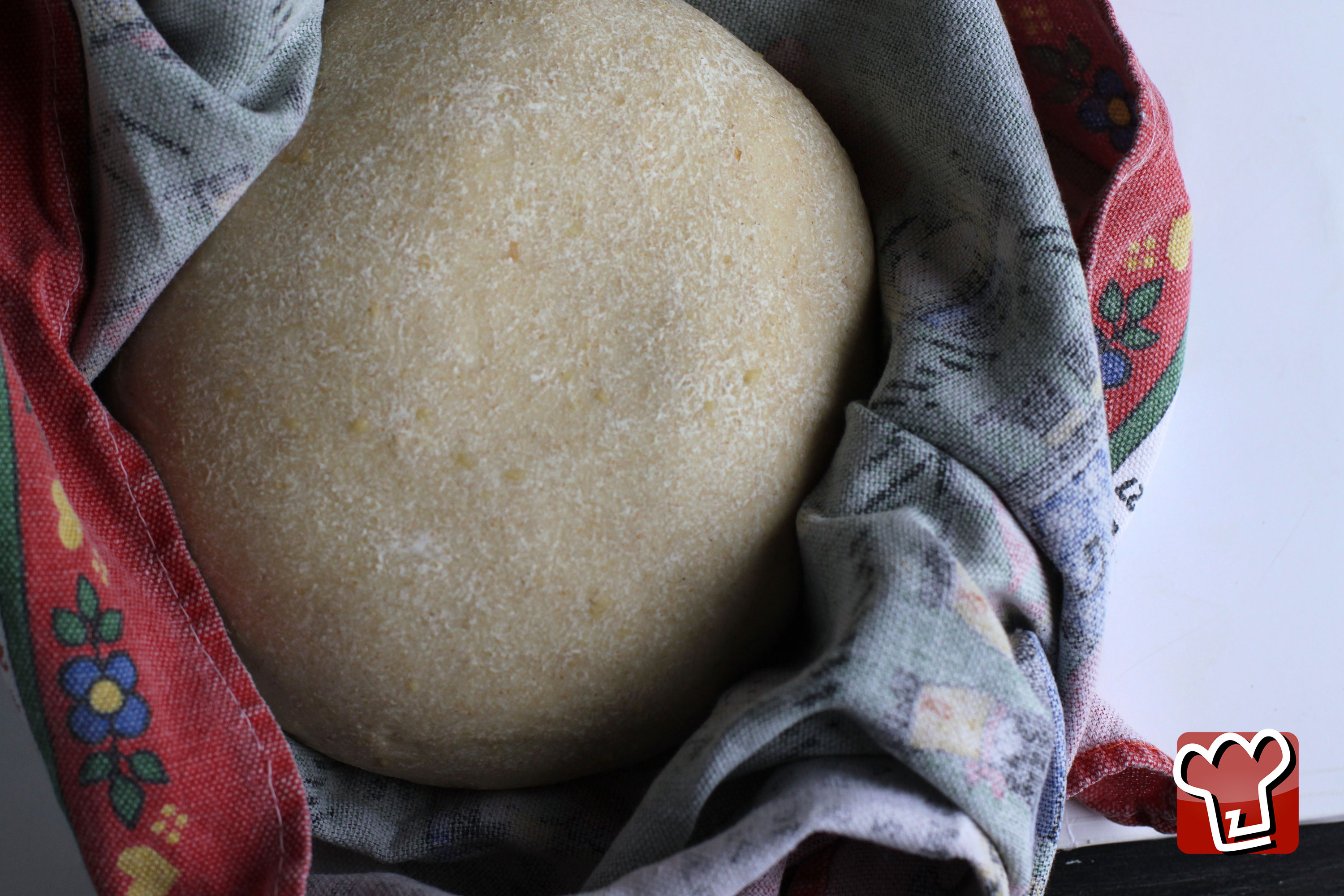
|
Knead once again, form the dough into a ball and leave to rise
|
|
View the step by step
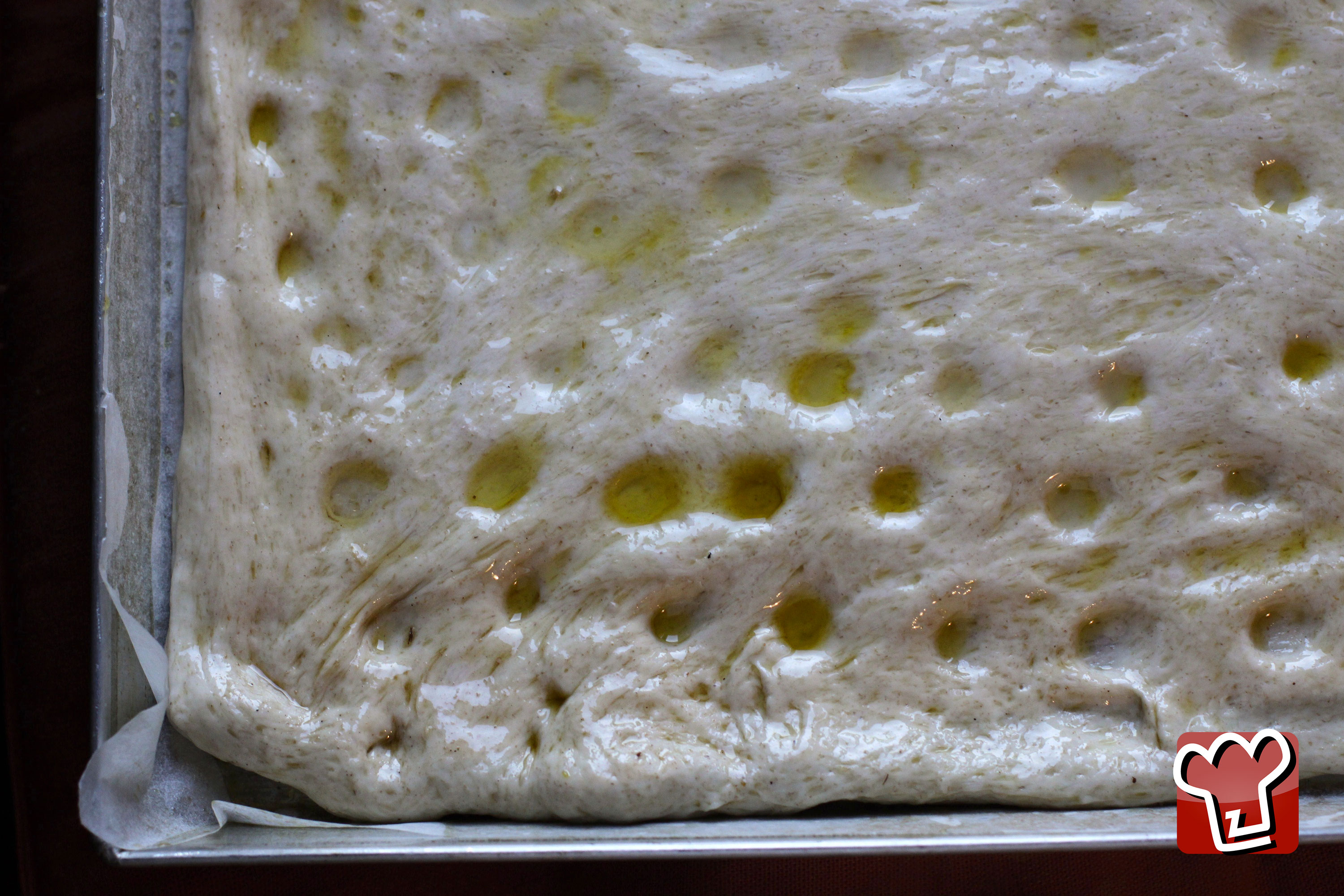
|
Roll out the dough, make the dimples and sprinkle with salt
|
|
View the step by step
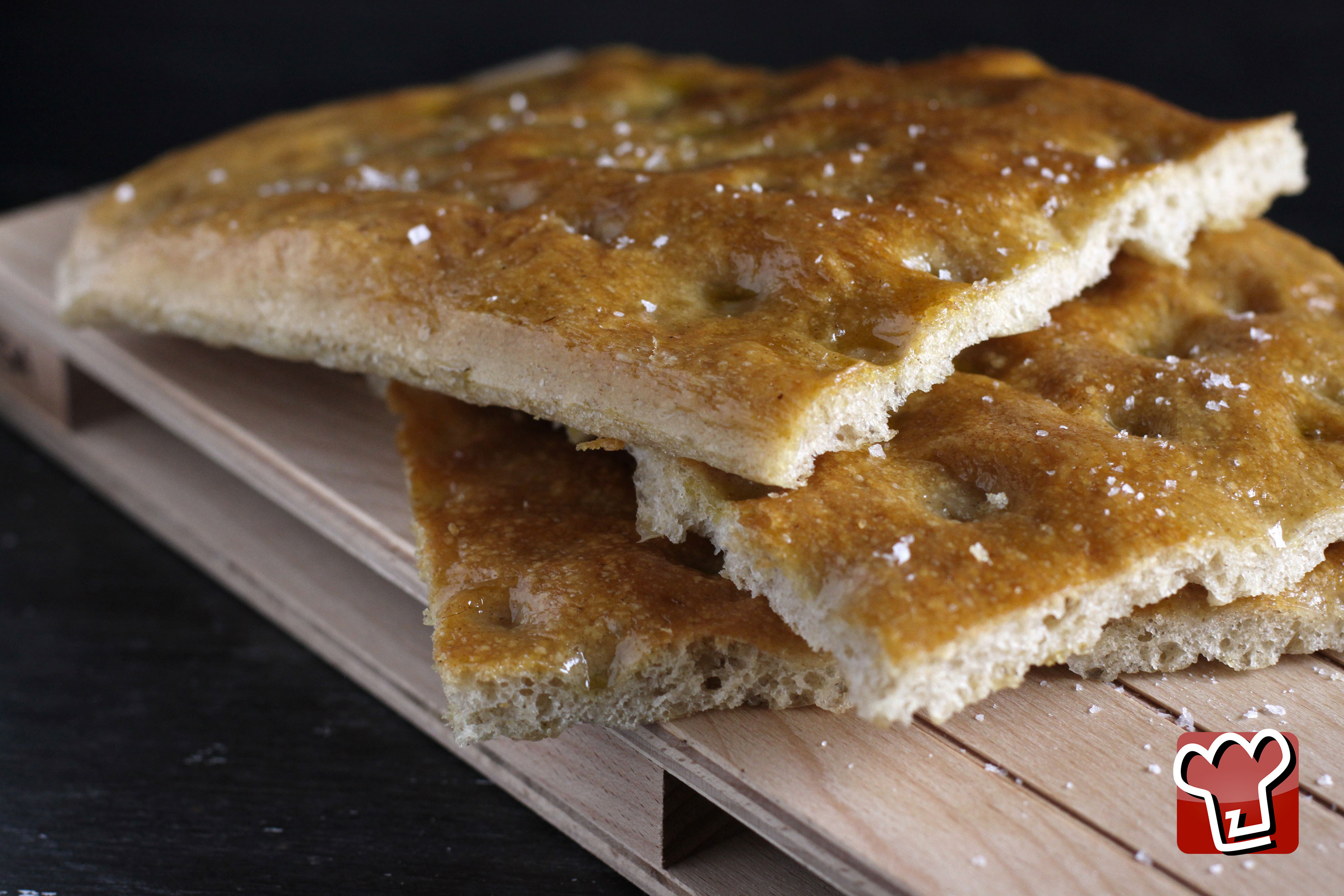
|
Bake at 200°C for 20 minutes, then serve
|
Additional information
Focaccia with Fennel Seeds
One of the most appreciated variations of focaccia is certainly the one with fennel seeds. This preparation involves adding fennel seeds to the emulsion that is brushed on the surface before baking. The fennel seeds give a particular aroma and a fresh, aromatic flavor that perfectly complements the softness of the dough. To make this variation, simply mix the fennel seeds with extra virgin olive oil and coarse salt, creating an emulsion that will flavor the focaccia. The final result is a fragrant leavened bread, ideal to enjoy on its own or accompanied by cured meats and cheeses. Additionally, this variation is perfect for enhancing an appetizer or for being served as a snack during an informal lunch.
Ligurian Focaccia with Rosemary
Ligurian focaccia is a typical preparation of the culinary tradition of Liguria. This variation includes the addition of fresh rosemary, which is placed on the surface before baking. The intense aroma of rosemary pairs perfectly with the soft and well-leavened dough, creating a dish that evokes the scent of the Ligurian fields. The preparation is similar to that of classic focaccia, but the rosemary adds an extra touch, making it ideal to accompany fish dishes or to be served with simple extra virgin olive oil. Ligurian focaccia is also perfect for a picnic or to take to the beach, thanks to its soft texture and enveloping flavor.
Light Focaccia without Oil
For those who desire a lighter preparation, there is light focaccia without oil. This variation uses water to hydrate the dough, completely eliminating extra virgin olive oil. Although the texture may be slightly different from the traditional version, the final result is still a soft and tasty product. Additionally, it is possible to enrich the light focaccia with spices or aromatic herbs to add a touch of flavor without adding calories. This version is perfect for those following a controlled diet, without giving up the pleasure of enjoying good leavened bread, ideal for accompanying salads or light dishes.
Benefits of Focaccia: A Bread Rich in Carbohydrates
Focaccia is a food rich in carbohydrates, essential for providing energy to our body. The "00" flour used in the preparation is a source of quick energy, while the yeast promotes leavening and the digestibility of the final product. Furthermore, focaccia can be personalized with healthy ingredients, such as aromatic herbs or seeds, increasing its nutritional value. A portion of focaccia of about 100 grams provides an average of 250-300 calories, depending on the ingredients used. It is advisable to consume it in moderation, pairing it with fresh side dishes or protein dishes for a balanced meal.
Can Focaccia be Frozen?
Yes, focaccia can be frozen without any problems. It is advisable to let it cool completely before storing it in a food bag or an airtight container. This way, it preserves better and maintains its softness at the time of consumption. To enjoy it, simply thaw it at room temperature or warm it in the oven for a few minutes. By freezing focaccia, you will always have fresh and fragrant bread available to serve on any occasion, avoiding waste and allowing you to enjoy this delicious product even days after preparation.