Tomato Purée
Tomato purée represents an essential element of Italian cuisine, a condiment that lends itself to endless preparations and best expresses the freshness and sweetness of ripe tomatoes. This dish, simple yet rich in flavor, is obtained through a cooking technique that enhances the organoleptic properties of the tomatoes, making them creamy and aromatic. During cooking, the combination of tomatoes, onion, and basil releases an enveloping aroma, typical of our grandmothers' kitchens, who know how to transform simple ingredients into a sauce with extraordinary taste. The purée is an excellent base for sauces, soups, and stews, but it can also be used to flavor dishes like pizza or pasta with tomato, making every meal a special moment. Although not associated with a specific region, tomato purée is a symbol of Italian culinary tradition, with variations found in every corner of the country. For example, in some areas, carrots or celery are added for a more complex flavor, while other versions may include spices like oregano or chili pepper. This preparation is perfect for winter when fresh tomatoes are in season, allowing us to preserve the taste of summer even in the colder months. Preparing tomato purée is a ritual that brings the family together in the kitchen, a moment of sharing that anticipates Sunday lunch, when the smell of tomato fills the air, inviting everyone to sit at the table. With a good crunchy bread and a drizzle of extra virgin olive oil, tomato purée becomes a taste experience that celebrates the simplicity and richness of our gastronomic tradition.
Ingredients
To go with this recipe, from the La Terra di Puglia shop
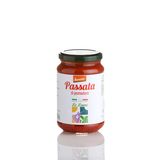
 Sponsor · la terra di Puglia
* approximate values per serving
Preparation
We wash the tomatoes well and cut them in half. We place them in a pot along with the onion cut into large wedges and the basil leaves. We turn on the heat and let it boil for half an hour, stirring often so that the tomatoes do not stick to the bottom. After half an hour, we take a food mill and pass everything through it well. We pour the resulting purée back into the pot and let it boil for another 5 minutes. We bottle it while still hot in sterilized glass bottles, sealing them immediately, and then we place them in a corner of our kitchen covered with heavy towels or cloths to let them cool very slowly.
Additional information
Tomato Sauce with Onion and Fresh Basil
One of the most appreciated variations of tomato sauce is certainly the one with onion and fresh basil. This preparation not only enriches the flavor of the sauce but also adds an unmistakable aroma. To make this version, simply follow the traditional recipe and add some coarsely chopped onions during cooking. The sweetness of the onions blends perfectly with the acidity of the tomatoes, creating an ideal condiment for pasta, pizza, or simply to enhance other recipes. Don't forget to use fresh basil for an intense aroma and vibrant color. This sauce keeps well in sterilized glass bottles and can be used in many preparations throughout the year.
Neapolitan Tomato Sauce
Neapolitan tomato sauce is a variation that best expresses the flavors of Campanian culinary tradition. This preparation involves the use of San Marzano tomatoes, known for their sweetness and low acidity, which give the sauce an extraordinary taste. To make it, follow the same steps as the basic recipe, but with the addition of a pinch of salt and, if desired, a drizzle of extra virgin olive oil during cooking. Neapolitan tomato sauce is perfect for dressing pasta, preparing pizza, or as a base for more complex sauces. Its versatility makes it a must in the kitchen of every Italian gastronomy lover.
Light Tomato Sauce without Preservatives
For those who want a lighter version of classic tomato sauce, it is possible to opt for a light preparation without preservatives. This variant is ideal for those following a healthy and natural diet, as it does not require the addition of sugars or other chemical additives. By using only fresh tomatoes, onion, and basil, you obtain a sauce rich in flavor and genuineness. It is important to choose seasonal tomatoes, which ensure better taste and a higher amount of nutrients. This light sauce can be used to dress light dishes, such as pasta salads or as a base for soups. Additionally, being free of preservatives, it is advisable to consume it within a few days of preparation or to sterilize it for longer storage.
Benefits of Tomato Sauce and Nutritional Values
Tomato sauce is a food rich in health benefits. Tomatoes contain lycopene, a powerful antioxidant that helps protect the body from free radicals. Additionally, they are an excellent source of vitamin C, vitamin K, and potassium. Due to their composition, tomatoes can help improve heart health and reduce the risk of certain chronic diseases. A serving of tomato sauce (about 100 grams) contains approximately 30 calories, making it a light and nutritious option for those looking to maintain a balanced diet. Let’s not forget that the sauce is also a great base for enriching other dishes, providing flavor and nutrients without weighing down the meal.
Can Tomato Sauce be Frozen?
Yes, it is possible to freeze tomato sauce to preserve it for a longer time. This practice is very common and allows you to enjoy the taste of tomatoes even in the winter months. To freeze the sauce, it is advisable to let it cool completely first and then pour it into airtight containers or food bags, leaving a little space for expansion during freezing. It is important to label the containers with the freezing date to keep track of freshness. When you want to use the frozen sauce, simply thaw it in the refrigerator or at room temperature and use it as you would with fresh sauce. This way, you can always have a tasty homemade condiment on hand.