Bolognese lasagne
Here is a classic of the Italian culinary tradition: learn how to achieve the perfect result with us, following the photo gallery and video with our chef! The dish we are talking about is, of course, lasagna, a recipe that characterizes the classic Italian Sunday family lunch. To make the meat sauce, you will have to prepare a good quality Bolognese, and then add components such as the béchamel and the homemade pasta. Although the recipe has its origins in the Emilia region of Italy, this dish is now known worldwide as a genuine symbol of Italian cuisine. Of course, to make a really full-flavoured dish, you'll have to buy the best ingredients, including some top quality minced pork: get it from a trusted butcher! Once you’ve got the best ingredients there is nothing left but to get to work in the kitchen making your delicious Bolognese lasagna.
Ingredients
Lasagna with Pugliese Ragù
Lasagna takes on a Pugliese twist with a rich ragù made from selected meats and fresh tomatoes grown in sun-drenched fields. Each layer of pasta melds with the authentic flavors of artisanal ingredients, resulting in a dish that embodies the simplicity and quality of the raw materials from our land.
* approximate values per serving
Preparation
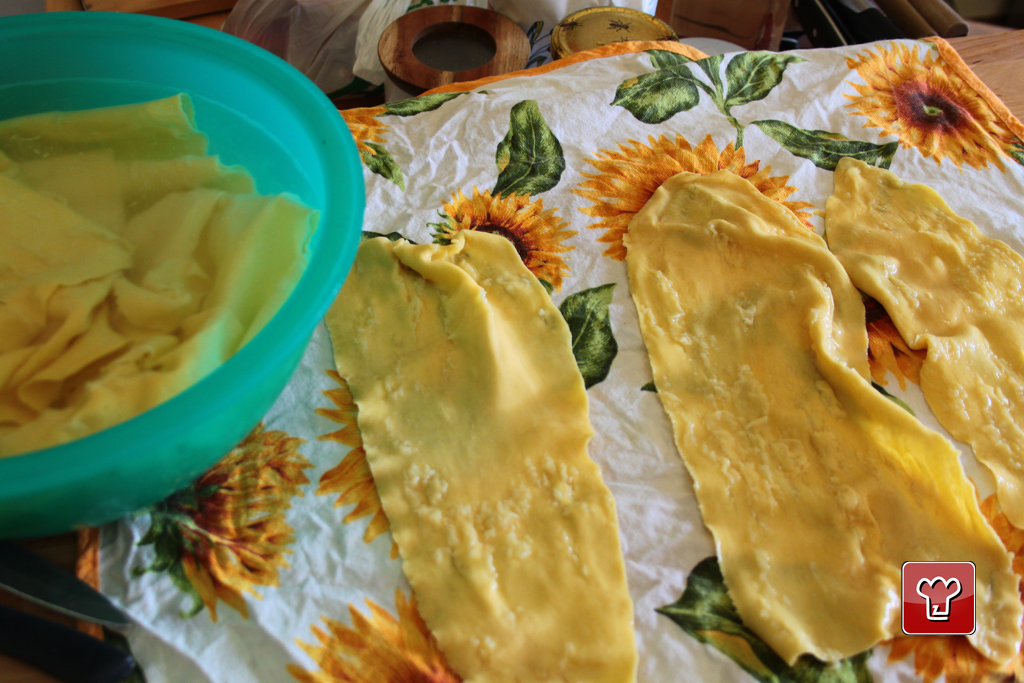
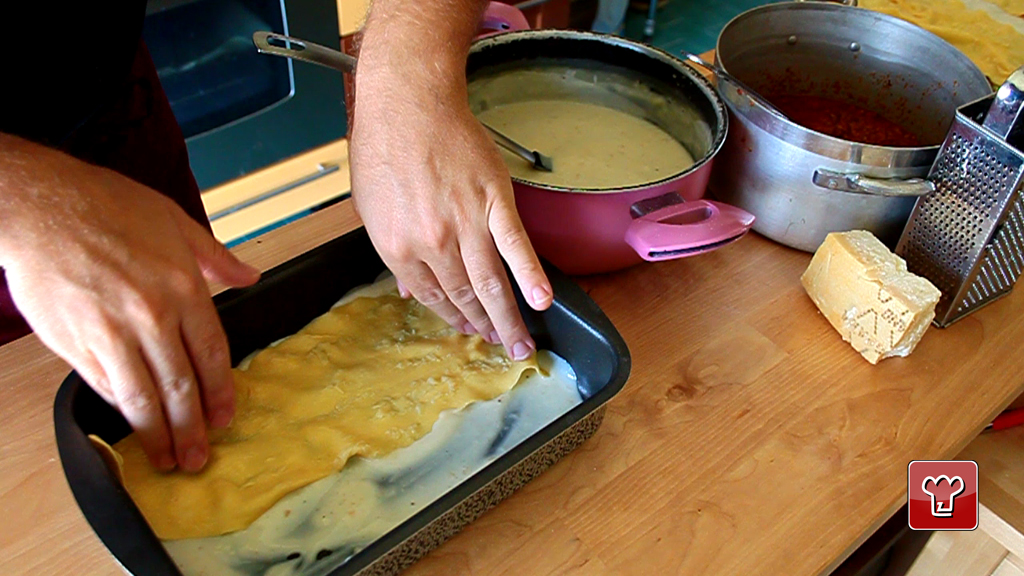
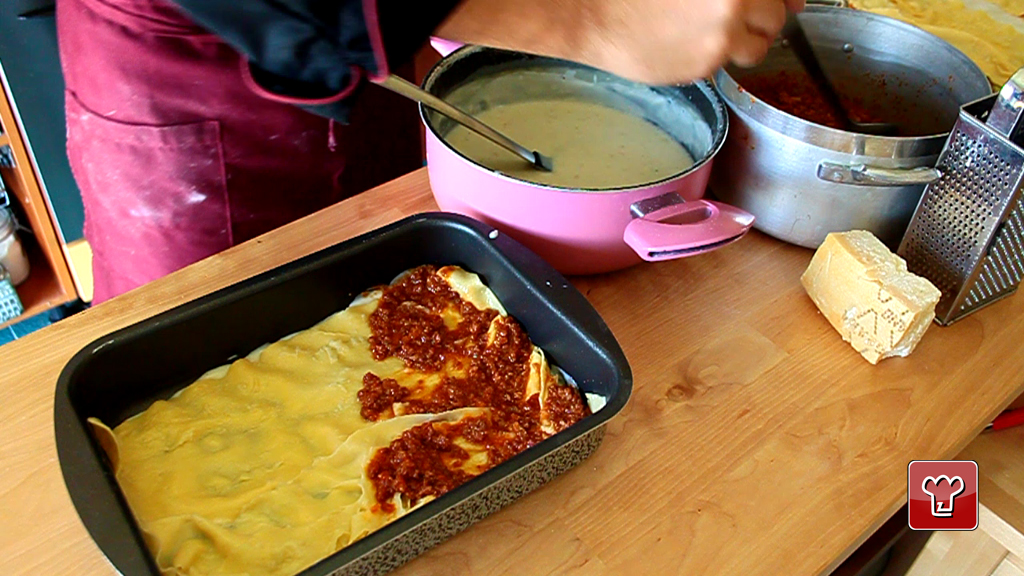
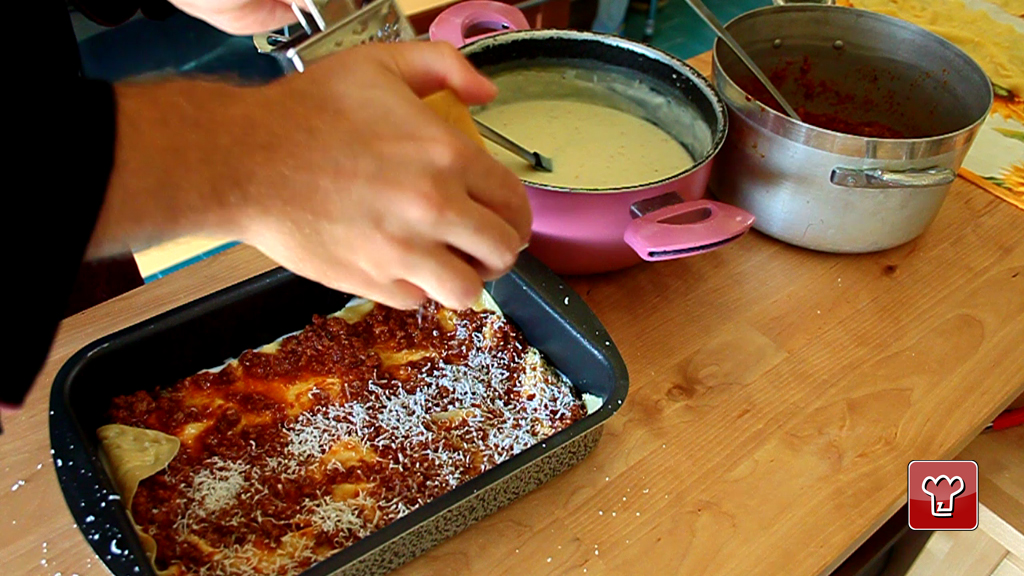
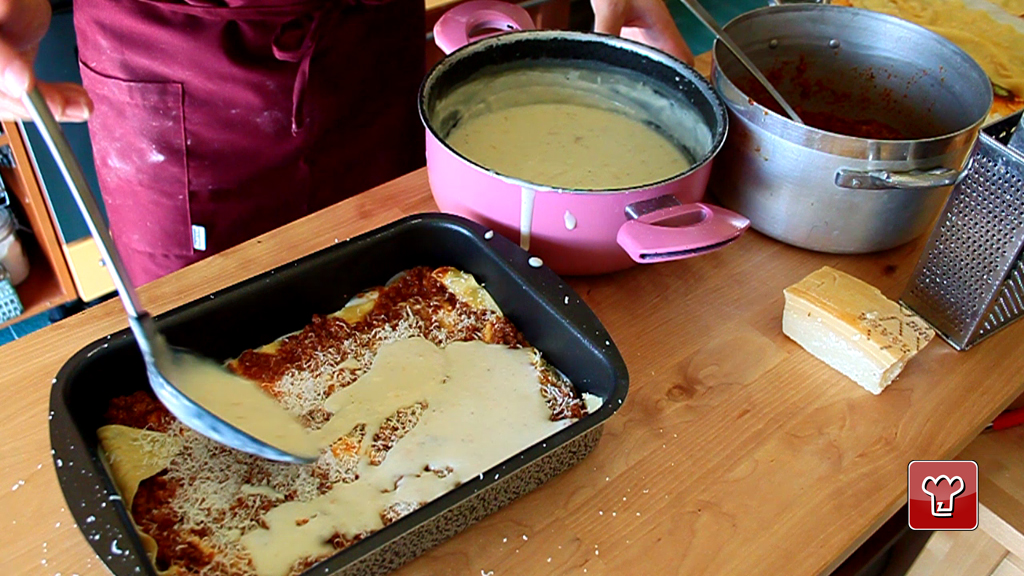
Prepare the Bolognese sauce by following our recipe elsewhere on this site. Prepare the béchamel sauce and the pasta dough following our basic recipes. Now, make the pasta by pulling through the sheets of dough with a pasta maker onto a floured work surface. Boil a pan of salted water and blanch these pasta sheets for about half a minute. With a suitable utensil, remove them from the pan and place them in a basin of cold water so that they don’t stick and stop cooking. With your lasagna sheets ready, you should compose the dish. Coat the bottom of a baking dish with béchamel and then add a layer of pasta. Spread a layer of Bolognese sauce over the pasta (not too much, use light pressure), sprinkle over plenty of grated parmesan, then add another layer of béchamel sauce (again, don’t overdo it). Continue like this, making 4 or 5 layers. The last layer should be made of lasagna, a drizzle of béchamel and a good sprinkling of parmesan to ensure you have a nice gratin finish in the oven. Then bake at 180°C for about 15 to 30 minutes. Before serving, wait for 2 hours and then re-heat for a few minutes in the oven.
Step by step
|
View the step by step
|
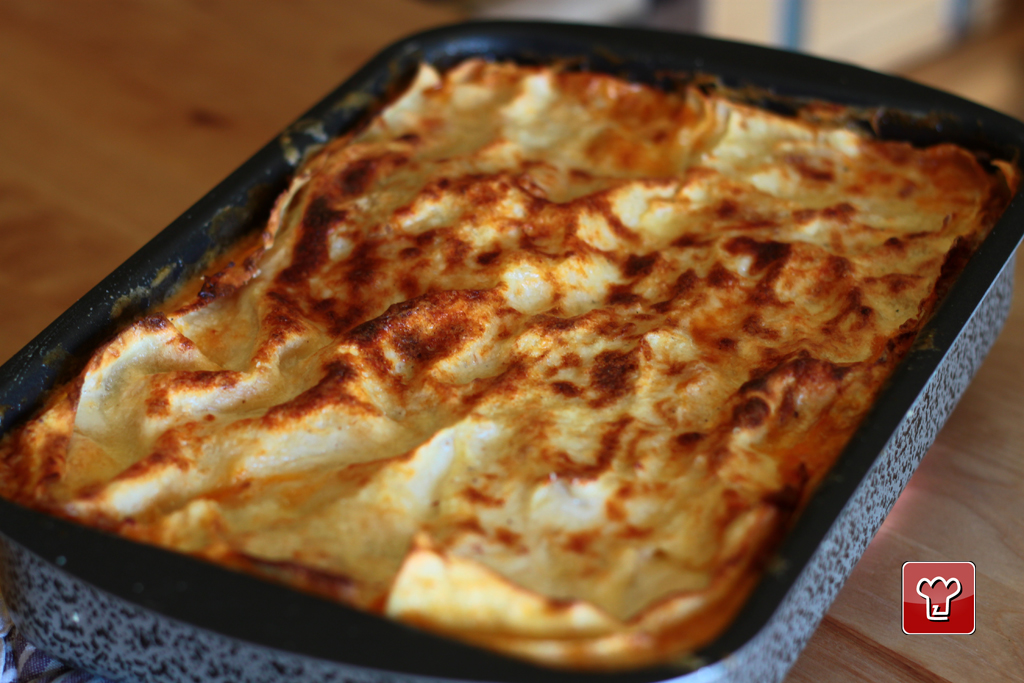
Here is this unmissable classic of Italian cuisine
|
|
View the step by step
|
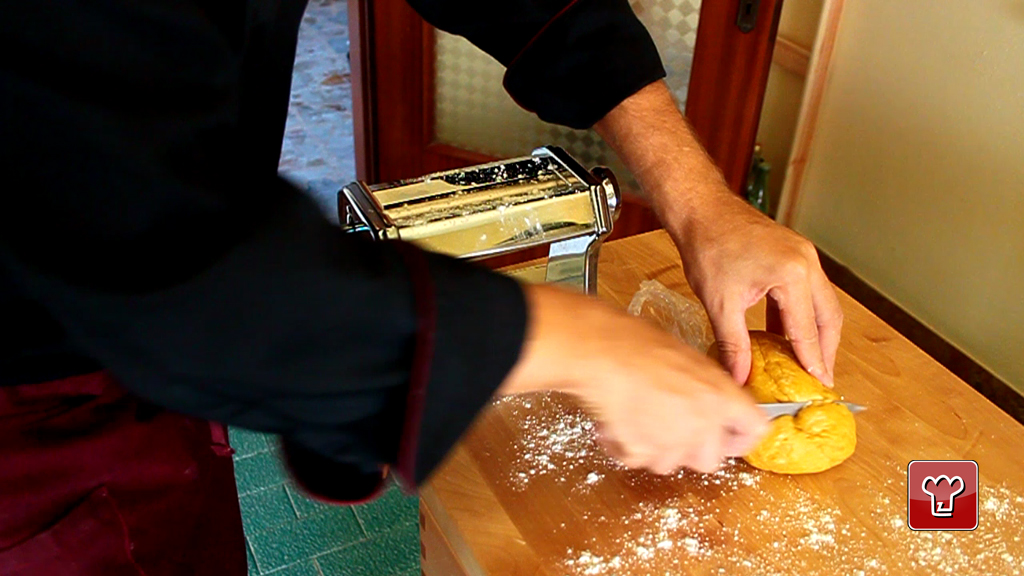
Make the homemade egg pasta
|
|
View the step by step
|
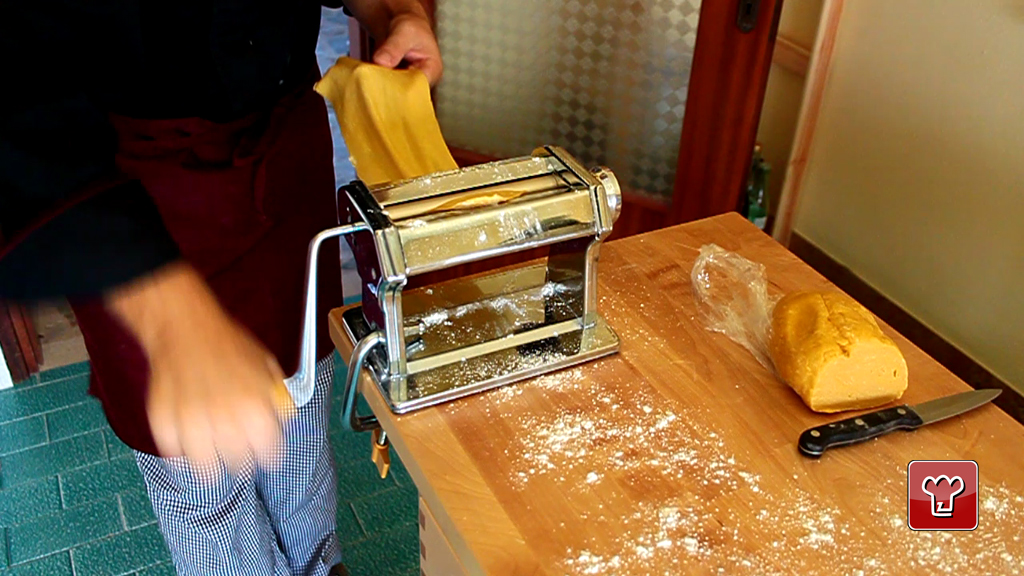
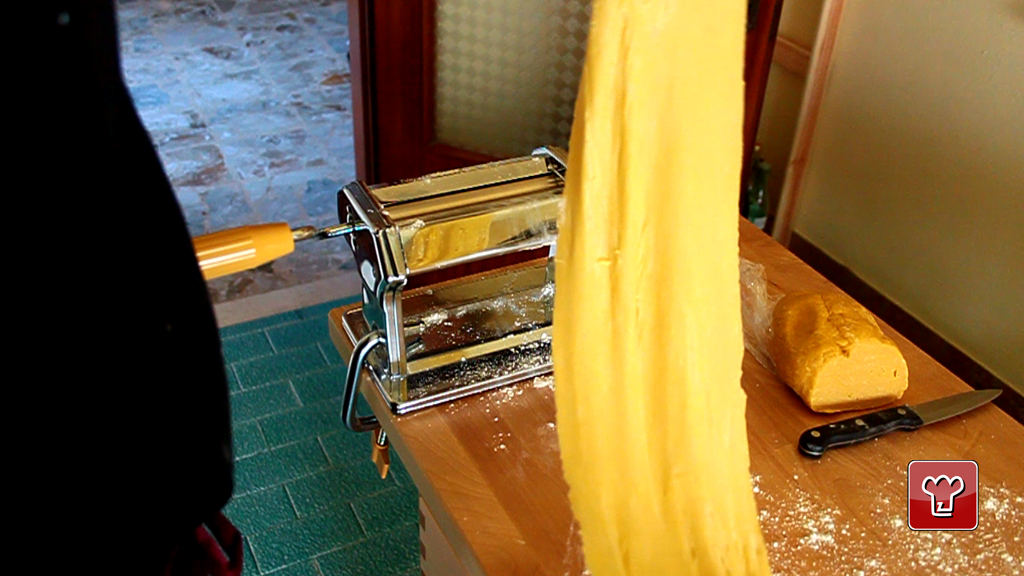
Pull the dough through the pasta maker to make the sheets
|
|
View the step by step
|
Once the sheets are pulled through nice and thinly, cut them in half
|
|
View the step by step
|
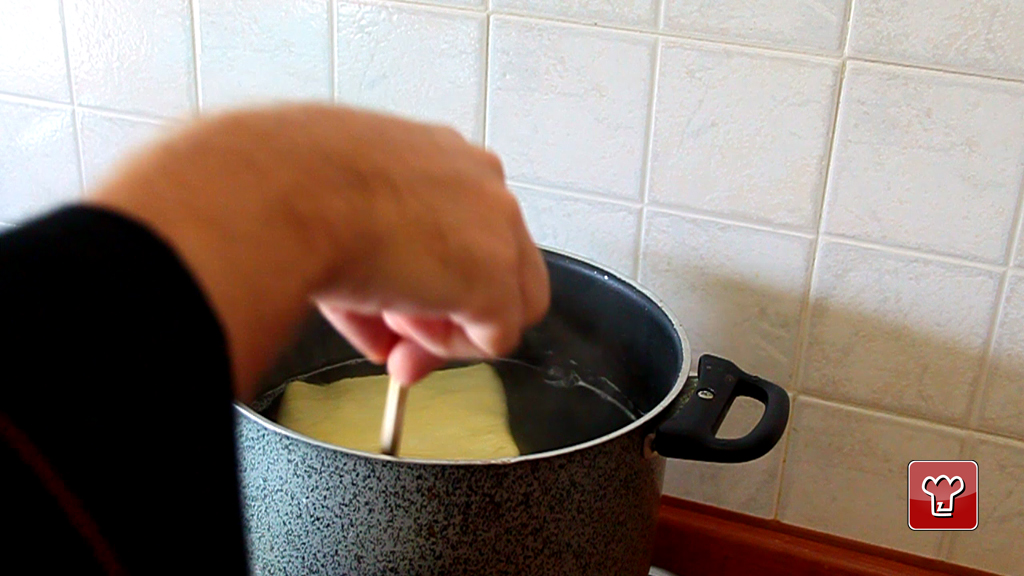
Blanch the lasagne sheets in boiling salted water and then straightaway submerge them in cold water
|
|
View the step by step
|
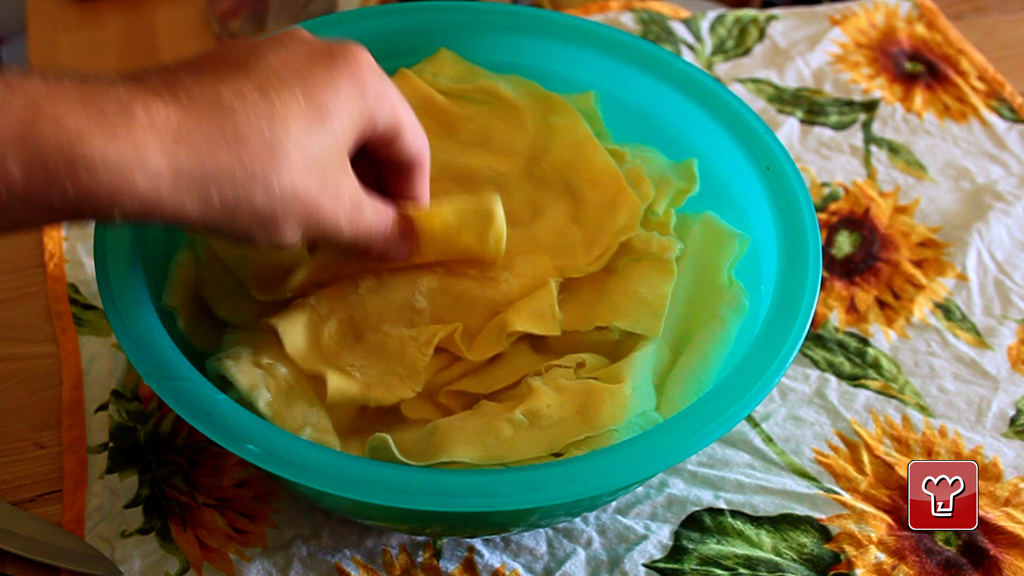
Put the lasagne in cold water to stop them cooking
|
|
View the step by step
|
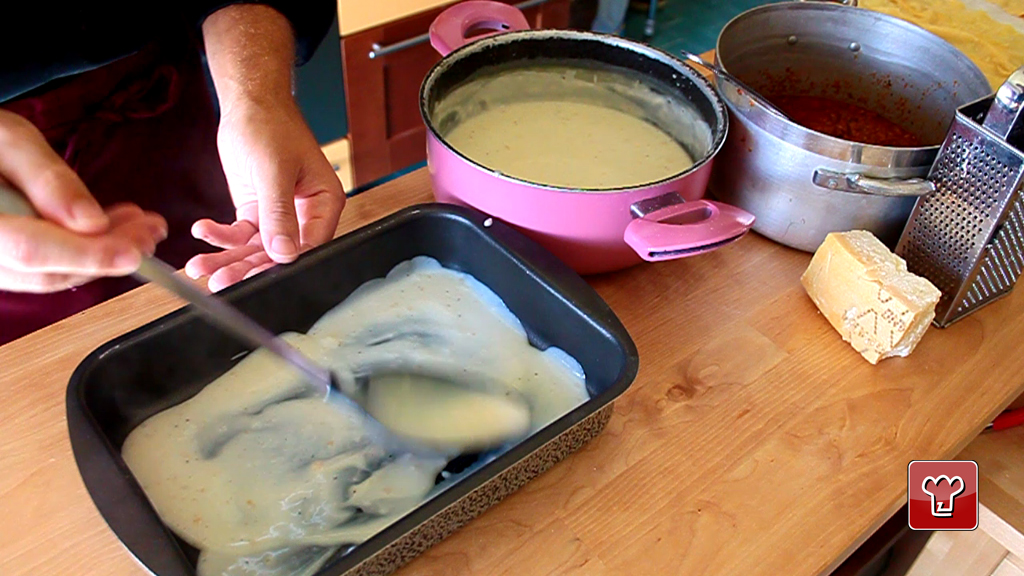
Prepare the béchamel and coat the bottom of an oven dish
|
|
View the step by step
|
Add a layer of lasagne on the béchamel
|
|
View the step by step
|
Prepare a Bolognese sauce and smear a layer on top of the lasagne sheets
|
|
View the step by step
|
Grate plenty of parmesan cheese on the Bolognese sauce
|
|
View the step by step
|
Layer another coating of béchamel on the Bolognese and parmesan
|
|
View the step by step
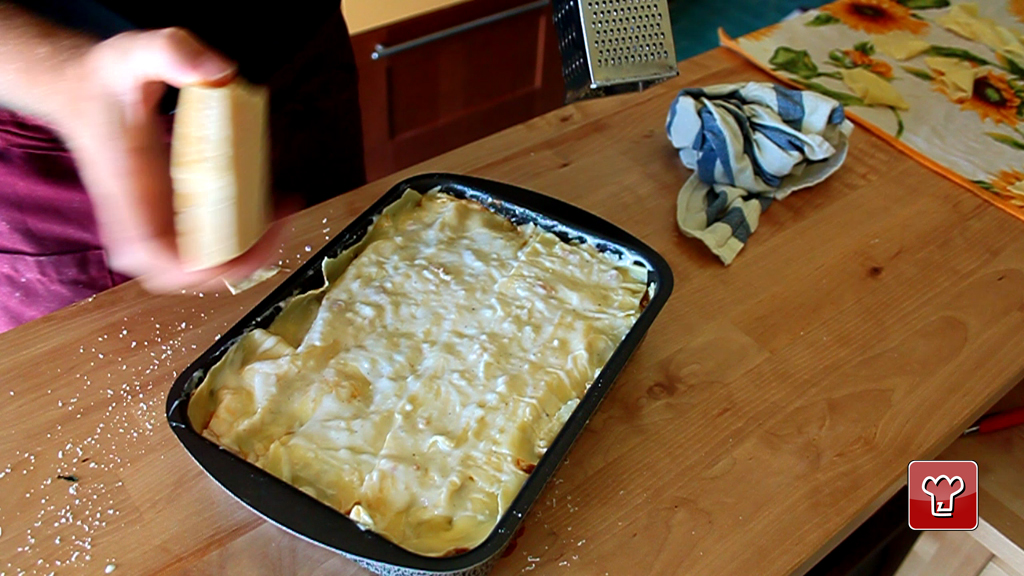
|
Continue the layering so that you have 4 identical layers
|
|
View the step by step
|
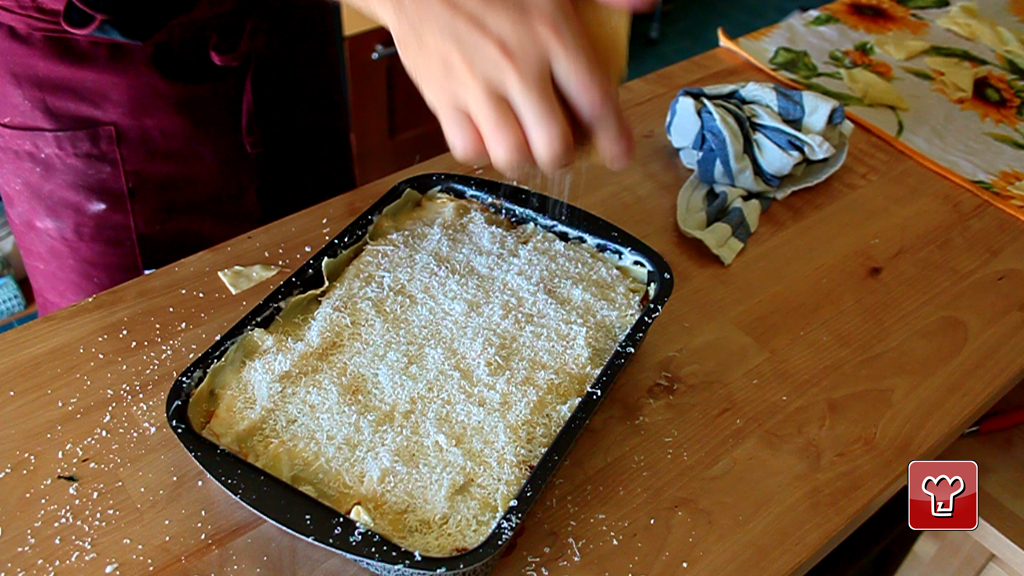
Conclude the layering by grating plenty of parmesan on the last layer of lasagna, and then bake for 20 minutes at 180°C
|
Additional information
Bolognese Lasagna with Traditional Ragù
One of the most appreciated variations of Bolognese Lasagna is the one prepared with a traditional ragù, rich in flavors and aromas. To achieve an optimal result, it is essential to use quality ground meat, along with peeled tomatoes, onion, carrot, and celery. These ingredients, cooked slowly, allow for the development of an intense and enveloping flavor. The béchamel, made with butter, flour, and milk, will complete the dish, adding creaminess. Finally, do not forget to sprinkle each layer of lasagna with abundant grated Parmigiano for an extra touch of flavor. This variation is perfect for a Sunday family lunch or a dinner with friends, capable of satisfying even the most discerning palates.
Bolognese Lasagna Emilia Style
Bolognese Lasagna Emilia Style is a true symbol of the culinary tradition of Emilia Romagna. This preparation stands out for the use of homemade egg pasta, which gives a unique texture to the dish. The traditional recipe calls for a ragù made from beef and pork, cooked for hours over low heat, along with a sauté of onion, carrot, and celery. The carefully prepared béchamel is essential to balance the flavors of the ragù and the pasta. Served hot, this lasagna represents perfect comfort food for special occasions and family lunches, bringing a piece of Italian gastronomic history to the table.
Light Bolognese Lasagna without Béchamel
For those who wish to enjoy Bolognese Lasagna in a lighter version, it can be prepared without béchamel. This light variation is based on sheets of egg pasta, a ragù made from lean meat, and to add creaminess, one can opt for Greek yogurt or light ricotta to spread between the layers. Using chicken or turkey significantly reduces the calorie content of the dish while keeping the flavor intact. Additionally, the lasagna can be enriched with grilled vegetables such as zucchini or eggplant for a touch of freshness and color. This version is ideal for those following a balanced diet without giving up the pleasure of a good Italian dish.
Benefits of Bolognese Lasagna: Nutritional Values and Calories
Bolognese Lasagna, while being a rich and substantial dish, can also offer some nutritional benefits. The egg pasta is a good source of complex carbohydrates, providing long-term energy. The ragù, made from meat, provides essential proteins for our body, while the béchamel, if used in moderation, adds calcium and vitamins. However, it is important to keep in mind that a portion of Bolognese Lasagna can contain about 400-500 calories, depending on the ingredients used and the portions. Consumed in moderation and paired with a side of vegetables, they can be part of a balanced diet.
Can Bolognese Lasagna be Frozen?
Yes, Bolognese Lasagna can be frozen without any problems. Before freezing, it is advisable to prepare and assemble them, but not cook them. Once ready, cover them with plastic wrap or aluminum foil and place them in the freezer. When you wish to enjoy them, simply thaw them in the refrigerator for a few hours and then bake them in the oven as usual. This way, you will have a ready-to-use dish, ideal for days when you don't have time to cook. It is worth noting that lasagna can be stored in the freezer for a maximum of 2-3 months, keeping flavors and quality intact.