Coleslaw
Coleslaw is a particularly common salad in the United States of America where it is widely eaten and has adopted many different flavours and varieties, although it’s also very common in the UK. It is a salad of carrots and cabbage topped with a dressing made from mayonnaise, yogurt and vinegar or mustard. With this delicious sauce you can add other vegetables according to your preference, thereby allowing you to invent your own personal coleslaw! For example, try adding cucumbers, spring onions, or potatoes, or you can use this sauce for seasoning simple boiled potatoes. Alternatively, to make your coleslaw particularly attractive to look at and even more exotic you could add fruit, such as pieces of apple or pineapple.
Ingredients
* approximate values per serving
Preparation
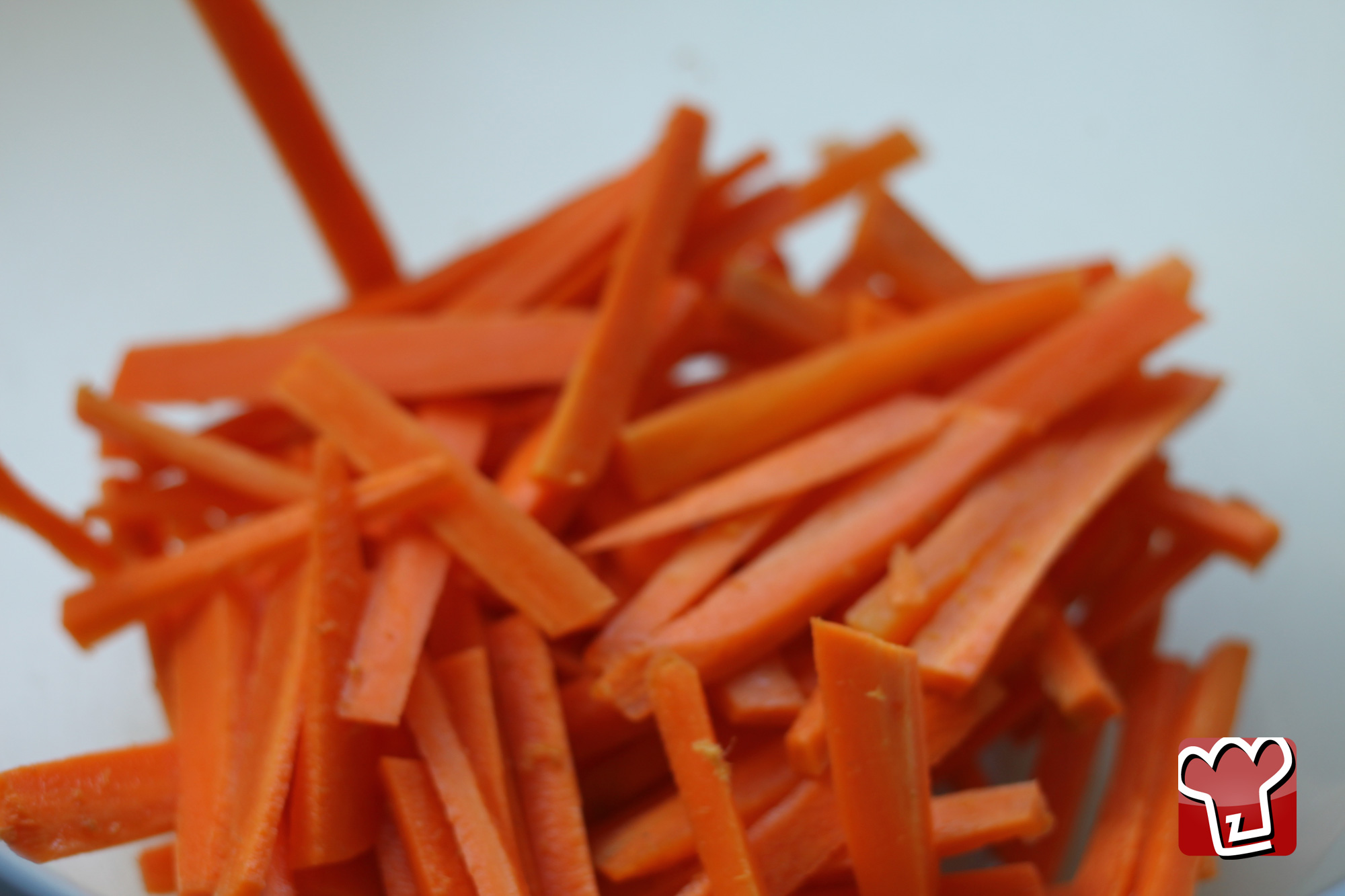
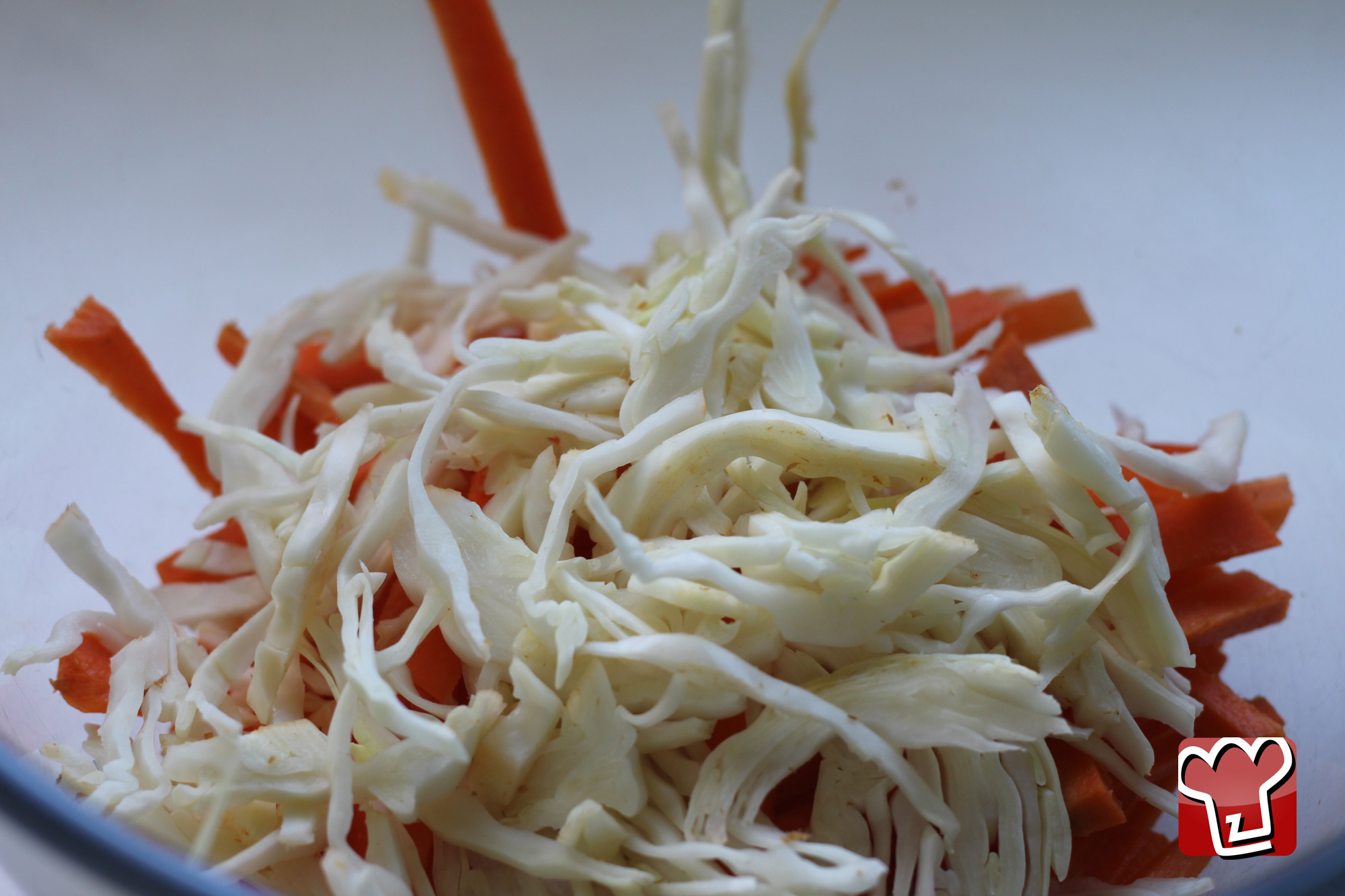
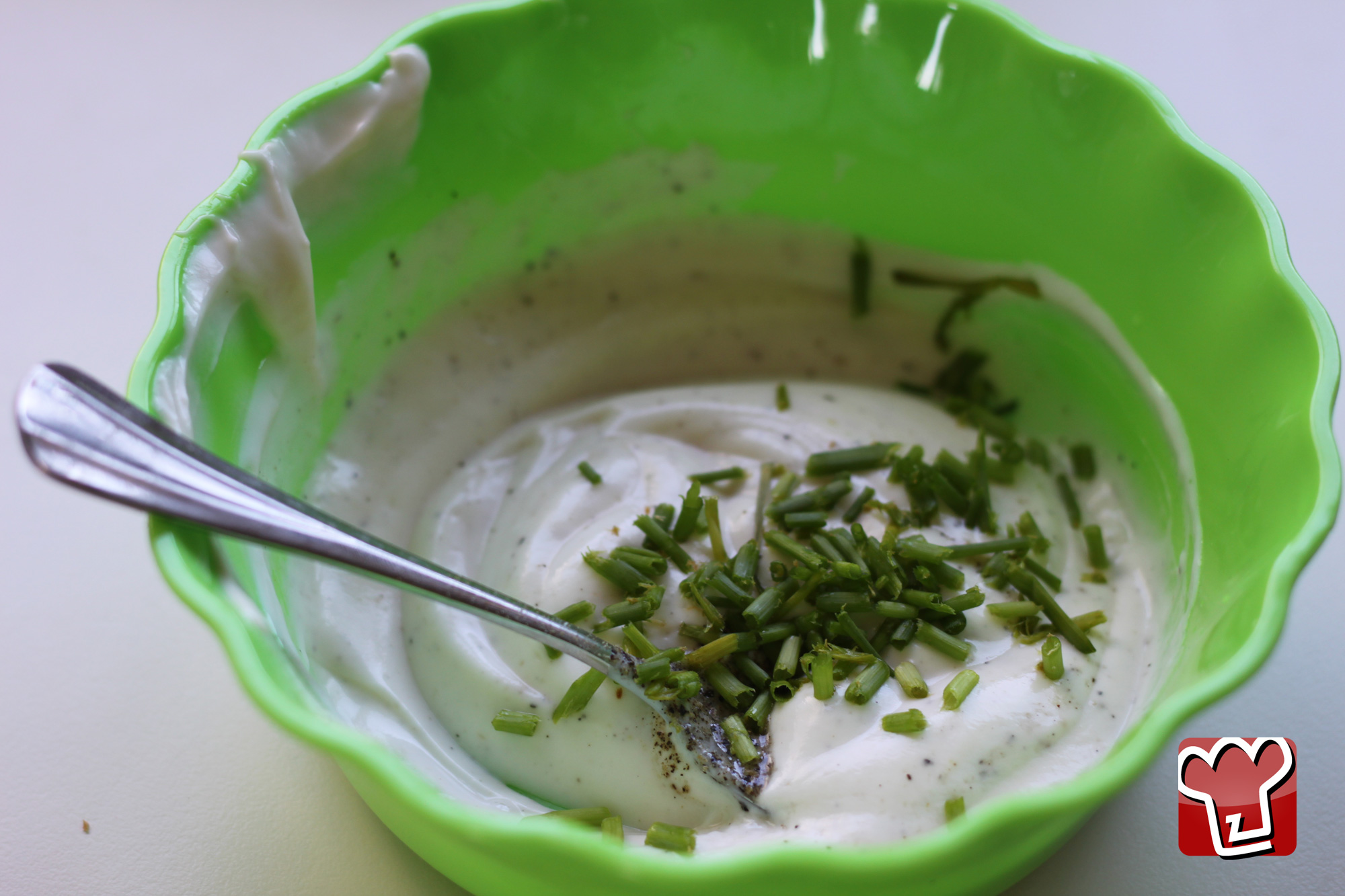
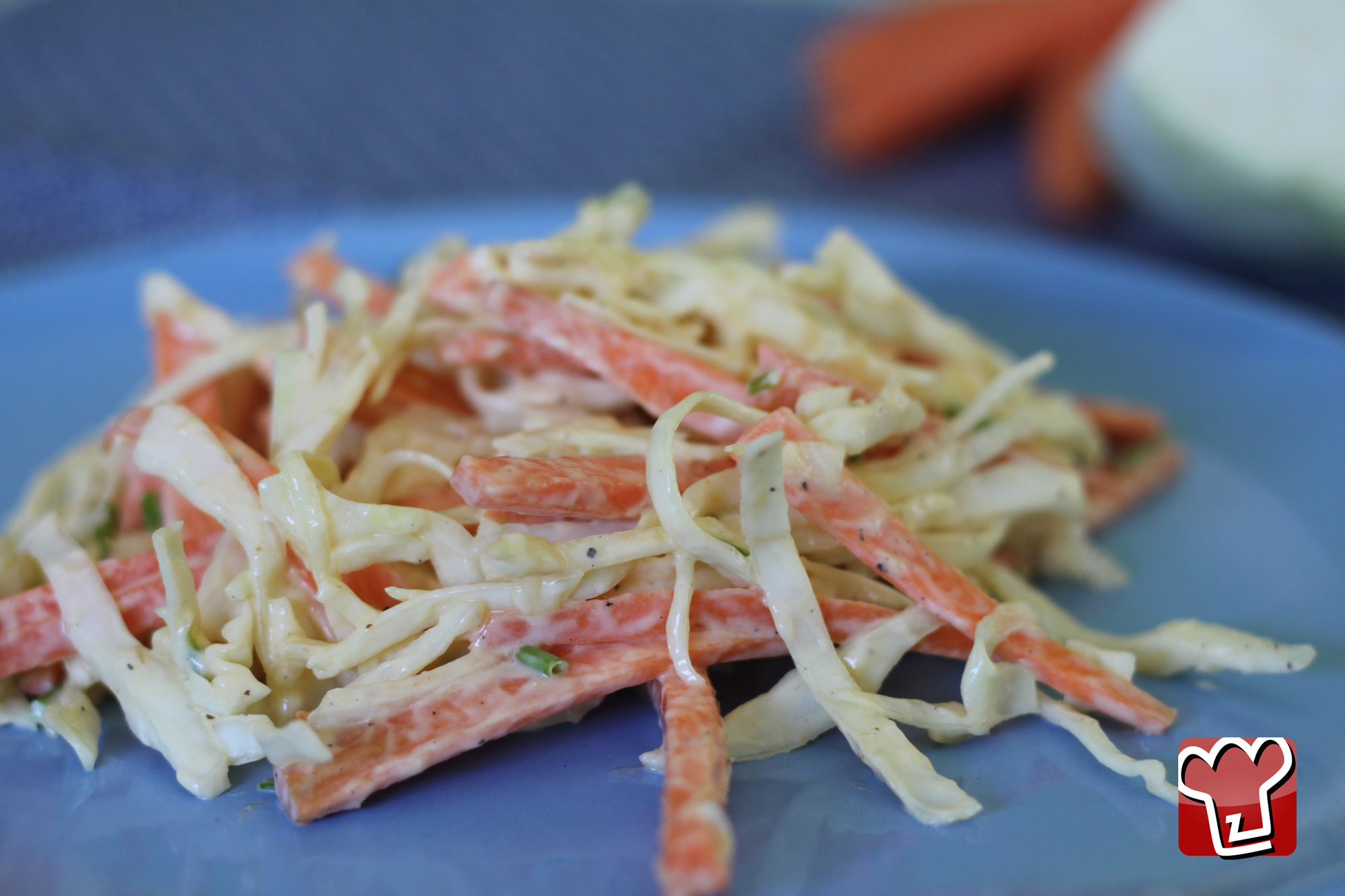
Peel the carrots and cut into julienne strips; remove the outer leaves of the cabbage and likewise cut into julienne strips. Mix the two together. In a separate bowl, make a sauce by mixing together mayonnaise and yogurt to which you add salt, pepper and chopped chives. Season the sauce with a teaspoon of mustard or, if you prefer, with a teaspoon of vinegar. Combine the sauce with the salad of carrots and cabbage, adjusting the flavours according to your taste, adding more chives, mustard or other ingredients.
Step by step
|
View the step by step
|
Cut the cabbage into julienne strips
|
|
View the step by step
|
Prepare a sauce of mustard, mayonnaise and chives
|
|
View the step by step
|
Dress and serve
|
Additional information
Coleslaw with Carrots and Cabbage
One of the tastiest variations of coleslaw is the one made with carrots and cabbage. This dish is characterized by a unique freshness, thanks to the combination of crunchy vegetables and a creamy dressing. To make it, start by cleaning the carrots and cutting them into julienne, while the cabbage should be stripped of its outer leaves and also cut into julienne. Mix the two vegetables in a large bowl. For the dressing, combine mayonnaise and yogurt, adjusting salt and pepper to your taste. If you want to add an extra touch of flavor, you can add a teaspoon of mustard or, alternatively, a bit of vinegar. This variation is perfect for accompanying meat dishes or served as an appetizer at a buffet.
American Coleslaw with Mayonnaise and Yogurt
Coleslaw has American origins and is distinguished by its freshness and crunchiness. In the traditional preparation, carrots and cabbage are mixed with a mayonnaise-based dressing, which gives creaminess to the dish. For a lighter version, part of the mayonnaise can be replaced with yogurt, thus maintaining the rich flavor while reducing calories. This salad is often served as a side dish during barbecues or as an accompaniment to meat dishes, making it a classic of American cuisine. Coleslaw is also perfect for enhancing sandwiches and hamburgers, offering a combination of flavors and textures that makes every bite delicious.
Light Coleslaw without Mayonnaise
For those looking for a lighter version of coleslaw, it is possible to prepare a recipe without mayonnaise. In this variation, replace the mayonnaise with Greek yogurt, achieving a creamy dressing but with less fat. The carrots and cabbage remain the main ingredients, but you can also enrich the salad with other vegetables like celery or bell peppers, to add a touch of color and crunch. This light version is ideal for those following a low-calorie diet, while still maintaining a good flavor profile. Additionally, it is an excellent option for those who want a fresh and nutritious side dish, perfect for accompanying meat or fish dishes.
Nutritional Benefits of Coleslaw: Carrots and Cabbage
Coleslaw, made with carrots and cabbage, is a dish rich in vitamins and nutrients. Carrots are an excellent source of vitamin A, important for eye health and the immune system. Cabbage, on the other hand, is rich in vitamin C and antioxidants, which help combat inflammation and keep the skin healthy. The dish has a relatively low caloric content, especially if yogurt is used instead of mayonnaise. On average, a serving of traditionally prepared coleslaw can contain about 150-200 calories, but opting for the light version further reduces the calorie count. This makes it an excellent choice for those looking to maintain a balanced diet without sacrificing flavor.
Can Coleslaw be Stored in the Refrigerator?
One of the most common questions concerns the storage of coleslaw. Yes, you can store coleslaw in the refrigerator, but it is important to follow some guidelines. After preparation, place the salad in an airtight container and store it in the refrigerator. It is advisable to consume it within 2-3 days to ensure the freshness and crunchiness of the vegetables. However, if you use fresh, quality ingredients, coleslaw can retain its flavor and texture for a few days longer. Remember that the mayonnaise or yogurt-based dressing may cause the vegetables to soften over time, so it is preferable to consume it fresh to fully appreciate its taste and crunchiness.