Genoa pandolce cake
When holiday season arrives, it is always useful to have a new recipe to add some cheer to the festivities, perhaps a specialty from a far off land to enjoy in the company of family and friends, but not forgetting the typical local specialties of one’s own region. So in today’s culinary adventure we bring you a recipe for a cake whose origins are in the Arab world - more specifically, in ancient Egypt where there was a tradition of making similar doughs. It is called Genoa cake or ‘pandolce’, a sweet which according to some would have been introduced to the town’s citizens via its maritime trade. The recipe may at first appear a little complicated, but in reality it isn’t at all: once you have carefully prepared your ingredients, by following the step-by-step guide you will be able to produce a quite irresistible cake.
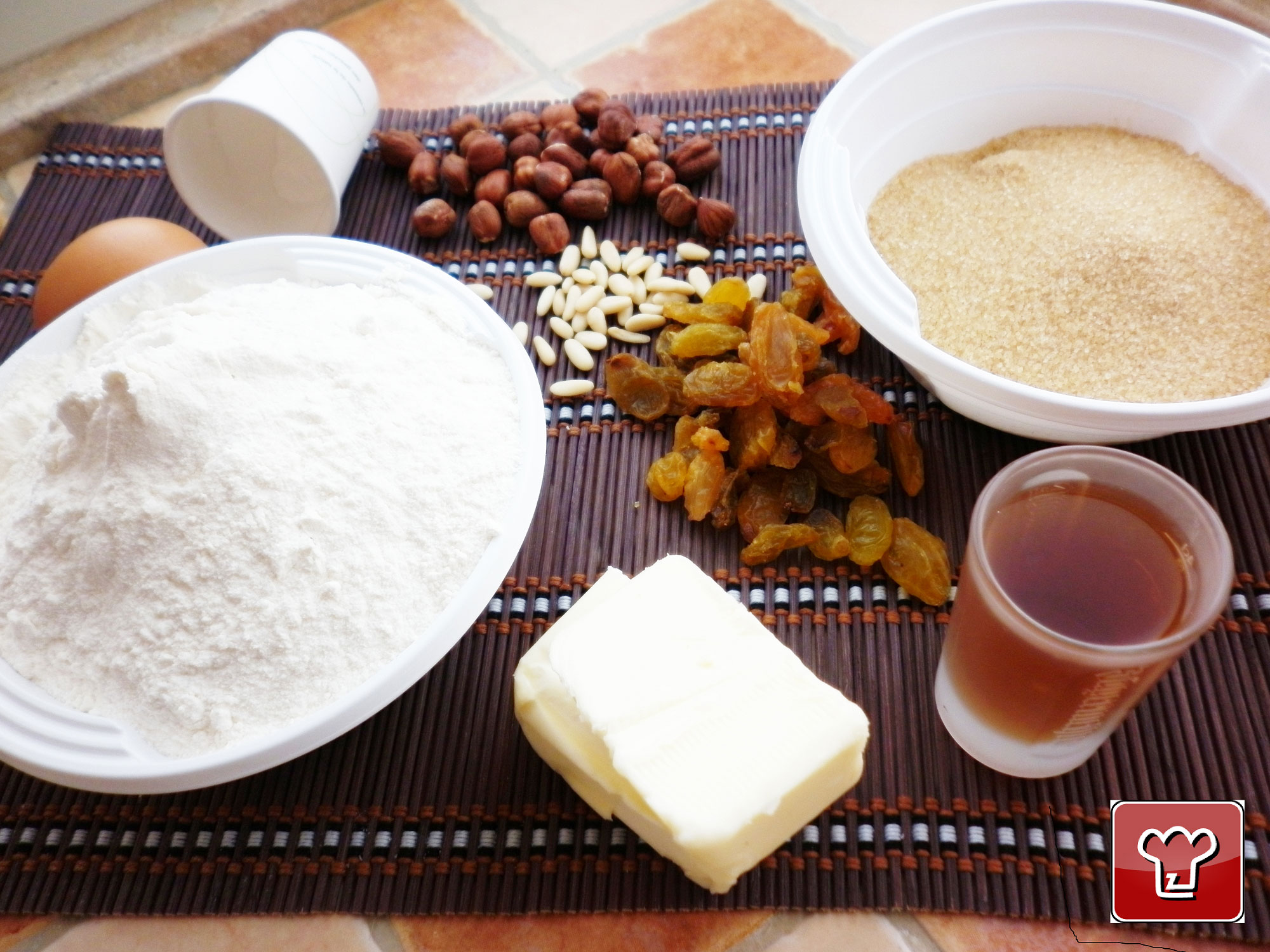
Ingredients
* approximate values per serving
Preparation
Start by arranging the flour with a well in the middle. Add the egg to the well and start to beat with a fork. Then add the sugar and mix into the egg mixture. Add the butter in little chunks and start to knead the mixture, adding marsala. Chop the nuts and soak the raisins for 10 minutes in cold water. Mix in the dried fruit and nut mixture, making sure it penetrates the dough well. When everything is well blended add the baking powder (if the dough is a bit dry, add water at this stage but this won’t always be necessary), put the dough in a cool place to rest for 10 minutes. After this time is up, deflate the dough and cut some long lines across its surface. Place the cake on some baking parchment and bake for 45 minutes at 180°C. Remove from the oven and let it cool. Enjoy it with a glass of malvasia.
Step by step
|
View the step by step
|
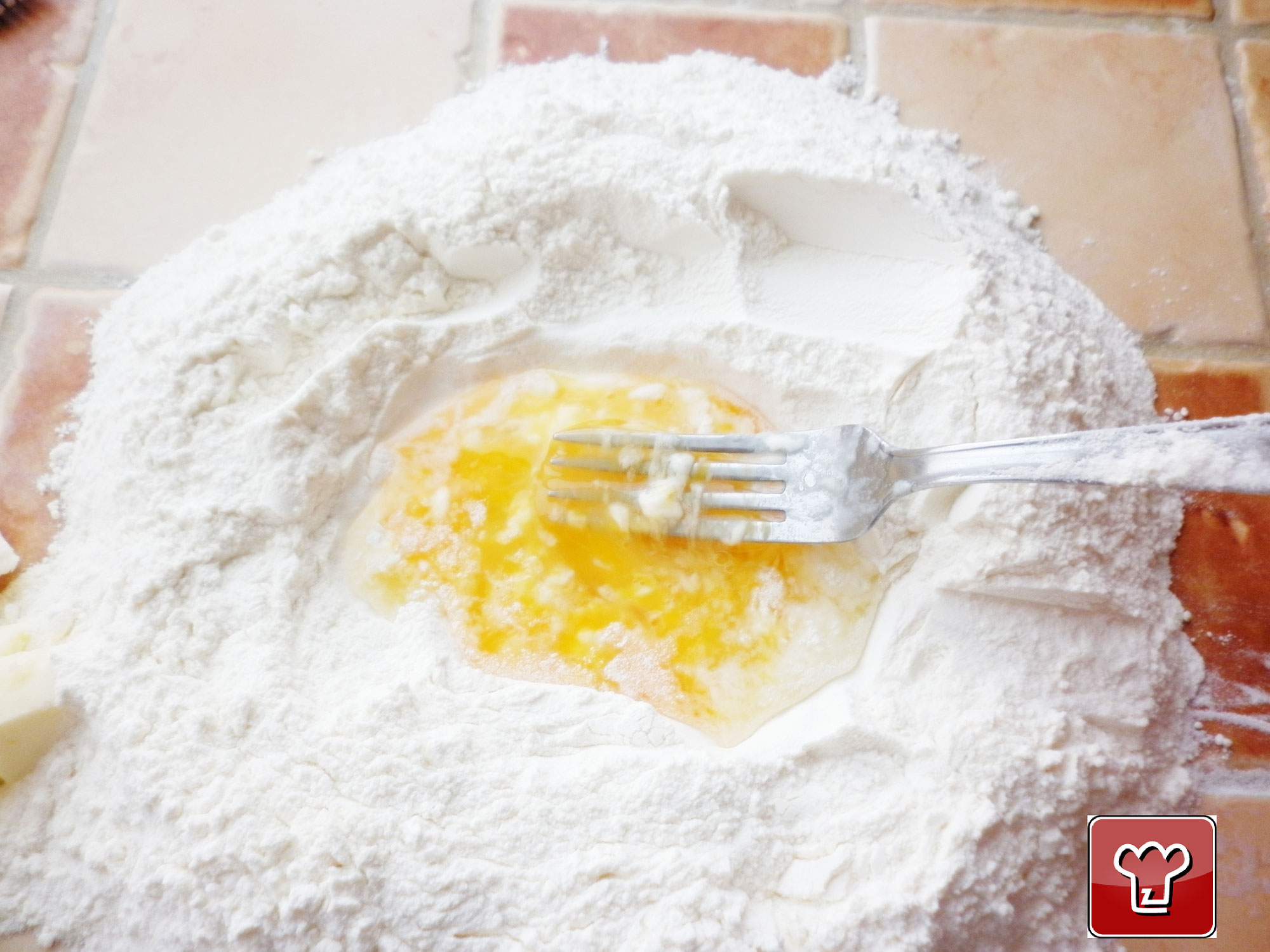
Begin by placing the eggs in a well in the centre of the flour, and beating lightly with a fork, then add the sugar.
|
|
View the step by step
|
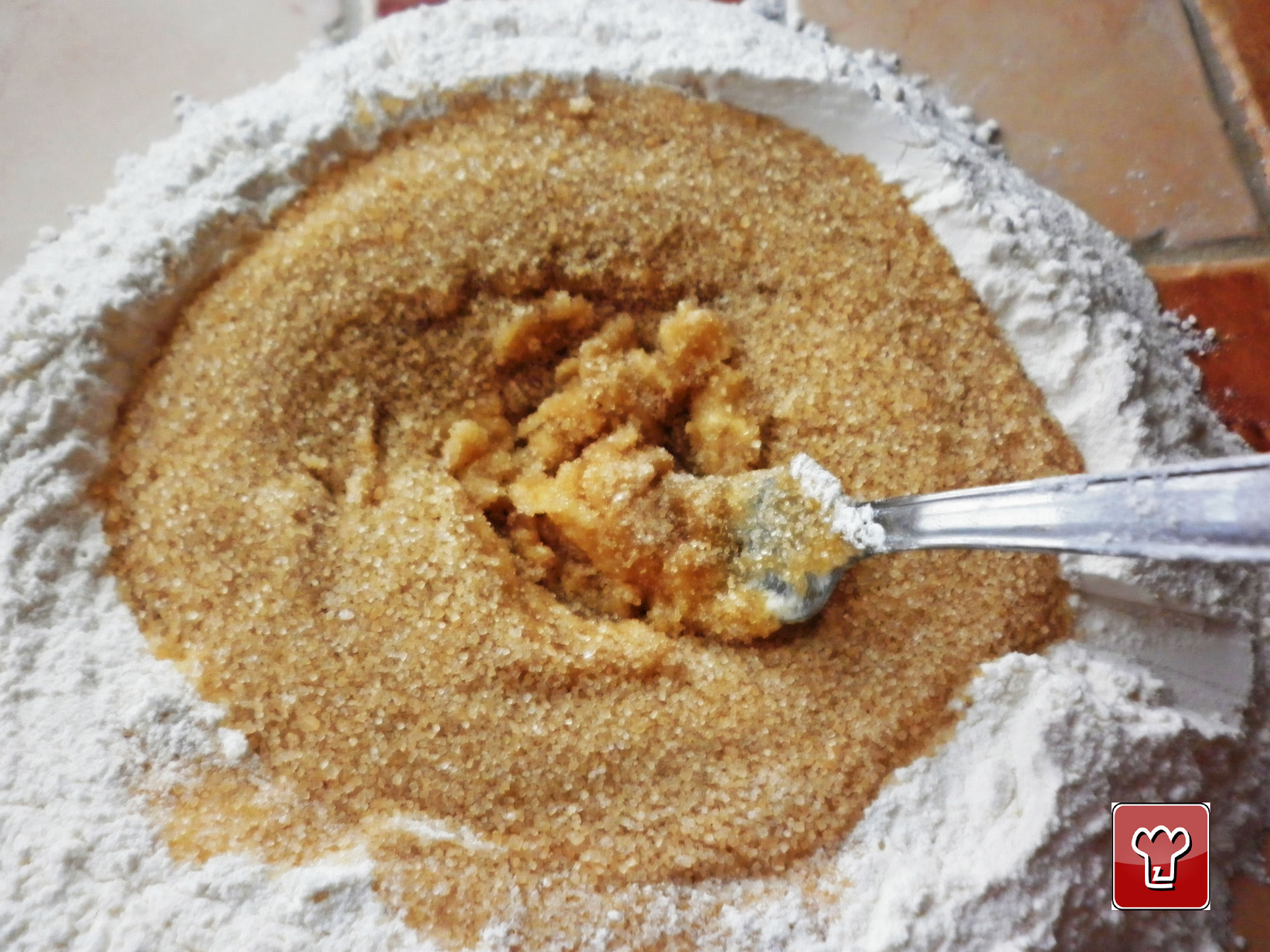
Try to mix in the flour little by little, moving the flour gradually into the centre.
|
|
View the step by step
|
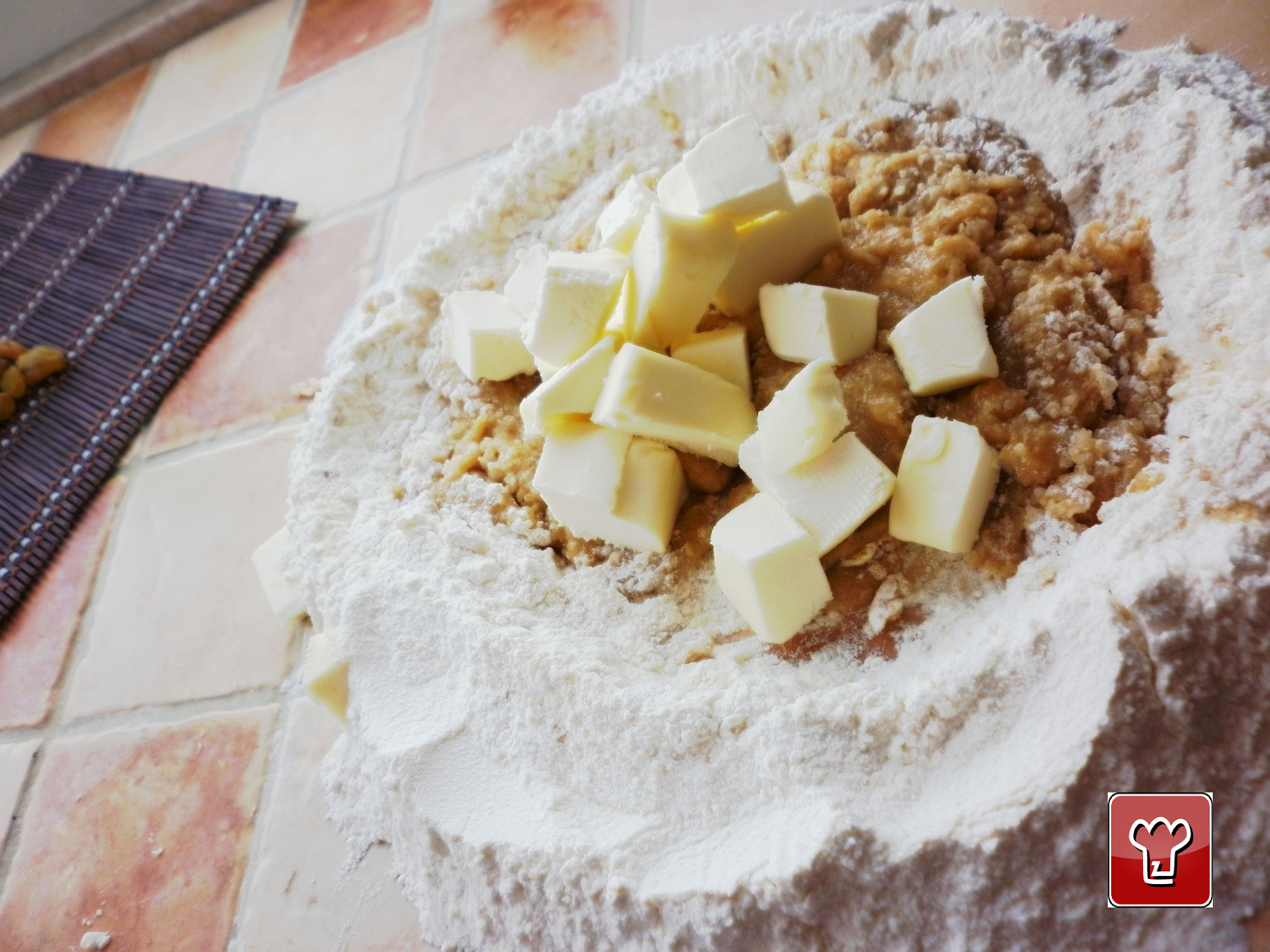
Add the butter and work the dough again.
|
|
View the step by step
|
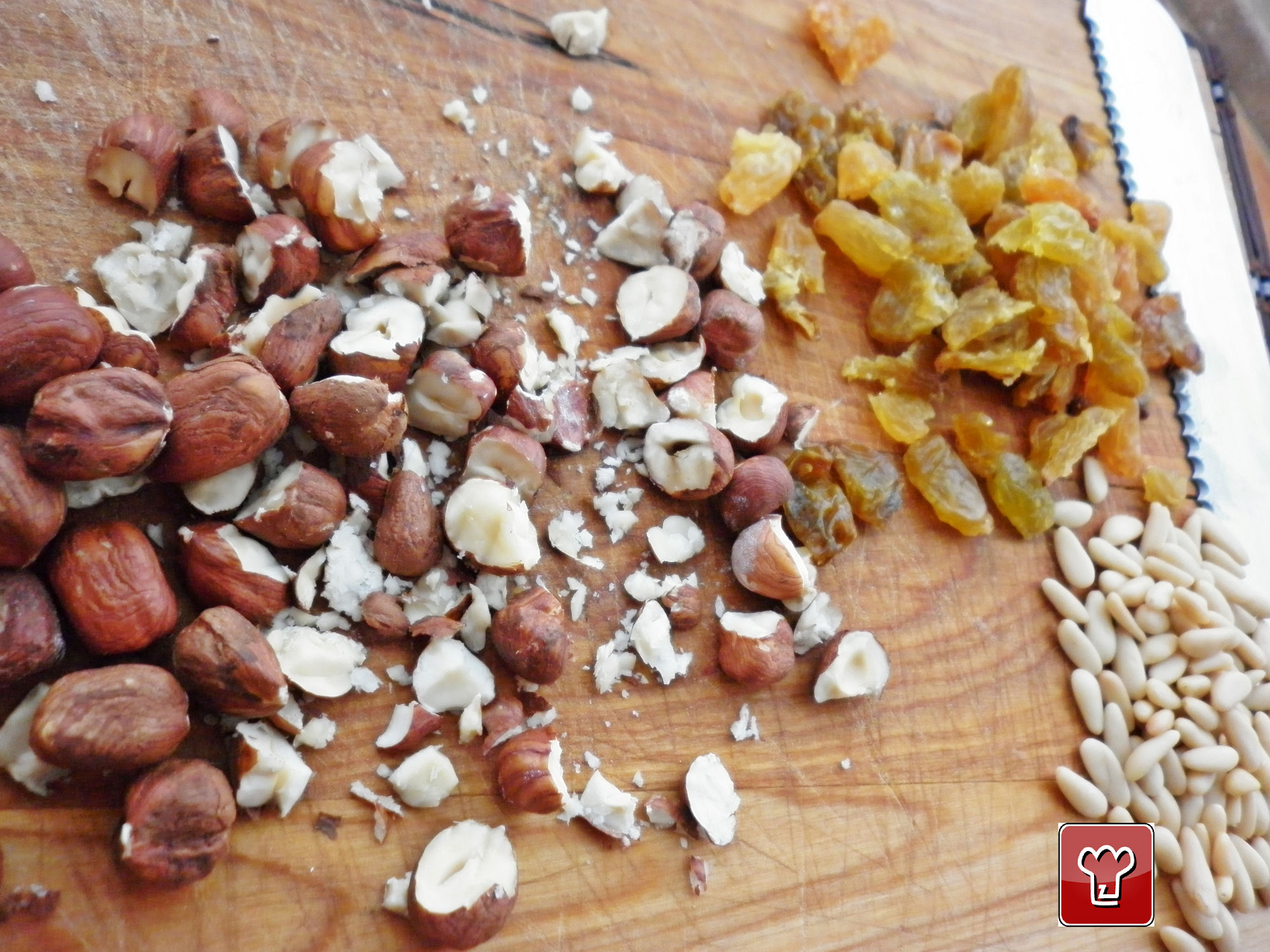
Chop up the nuts well
|
|
View the step by step
|
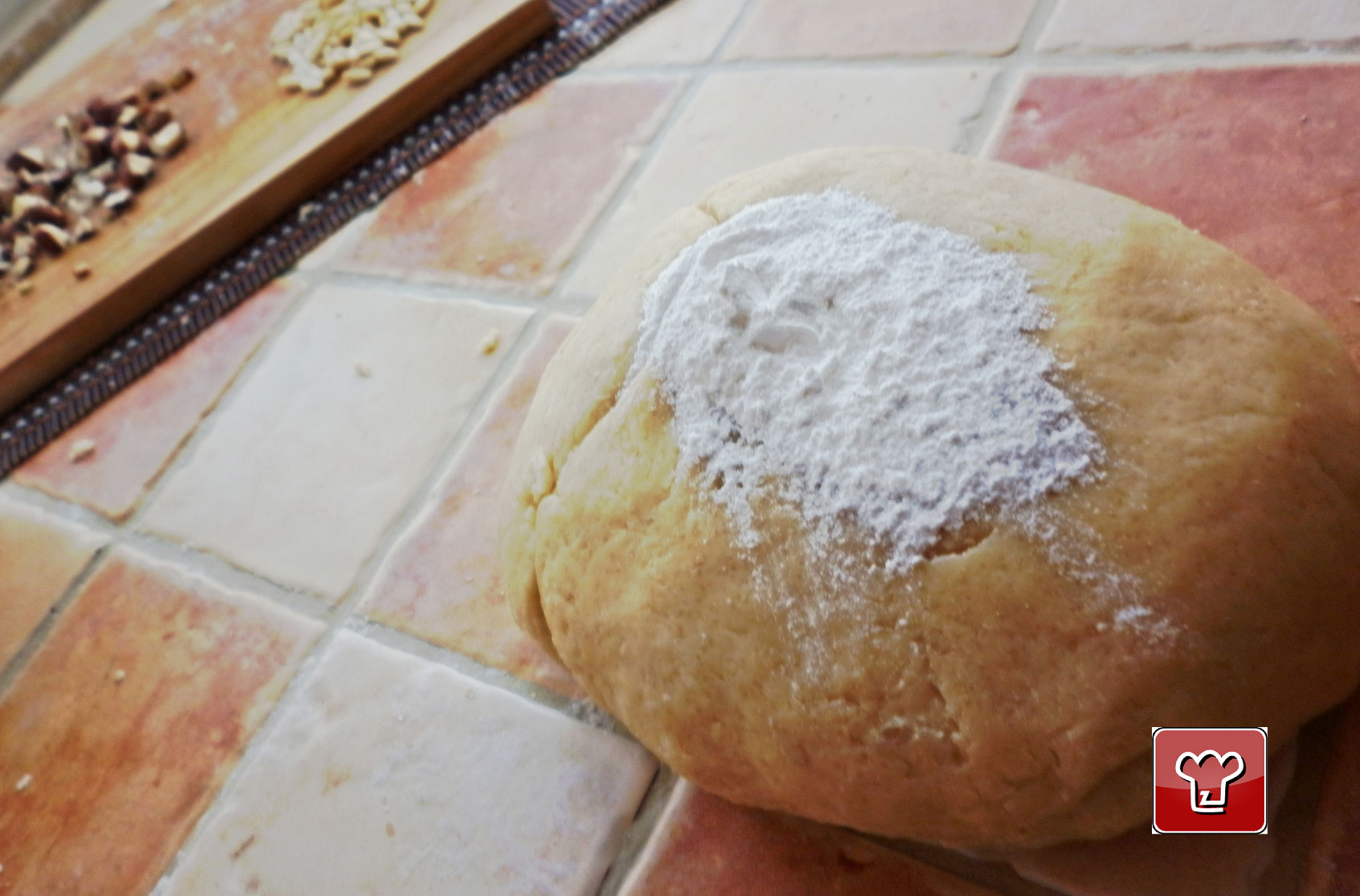
Add the marsala, mixing well until the mixture is like a pastry dough, adding the yeast last of all
|
|
View the step by step
|
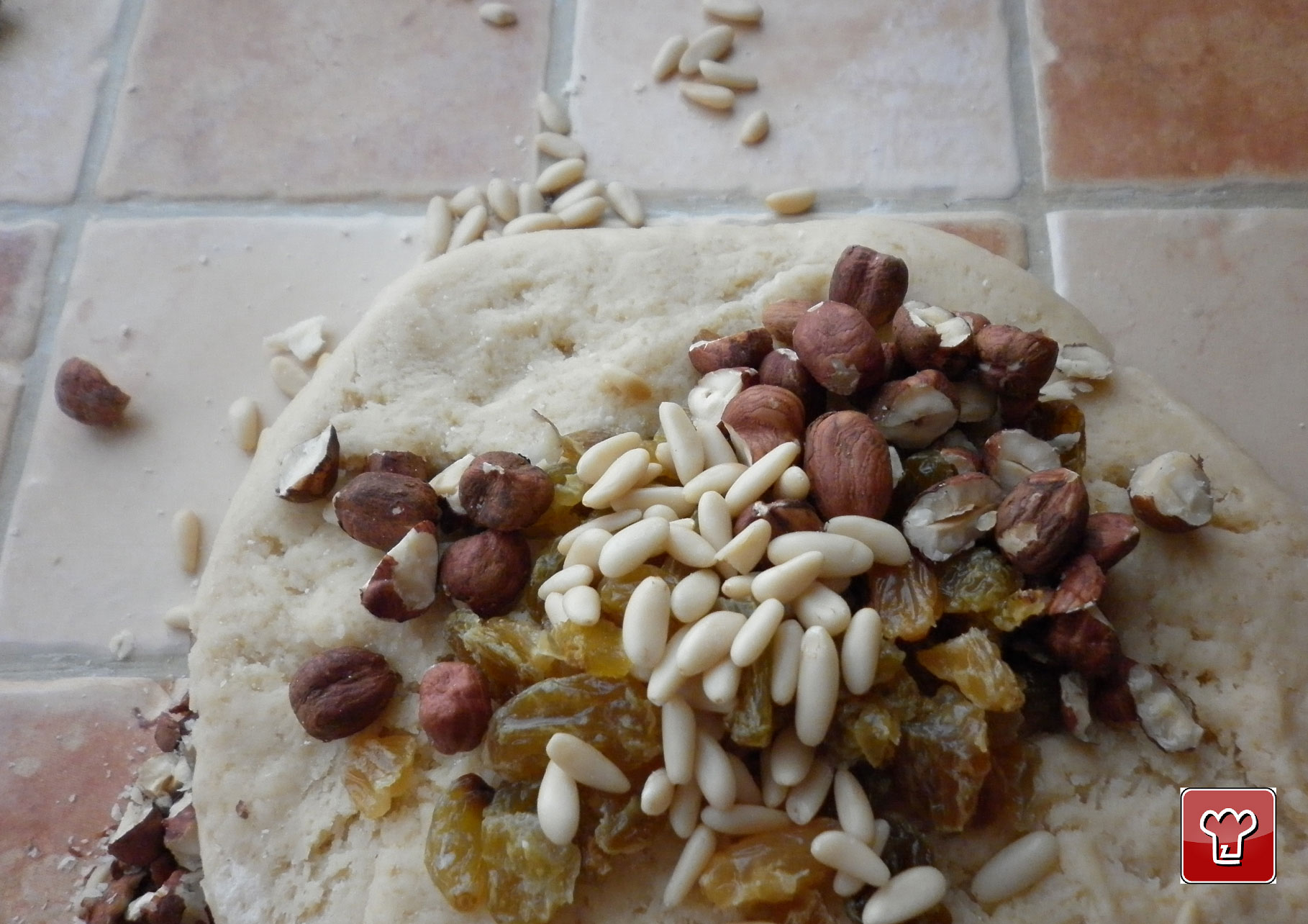
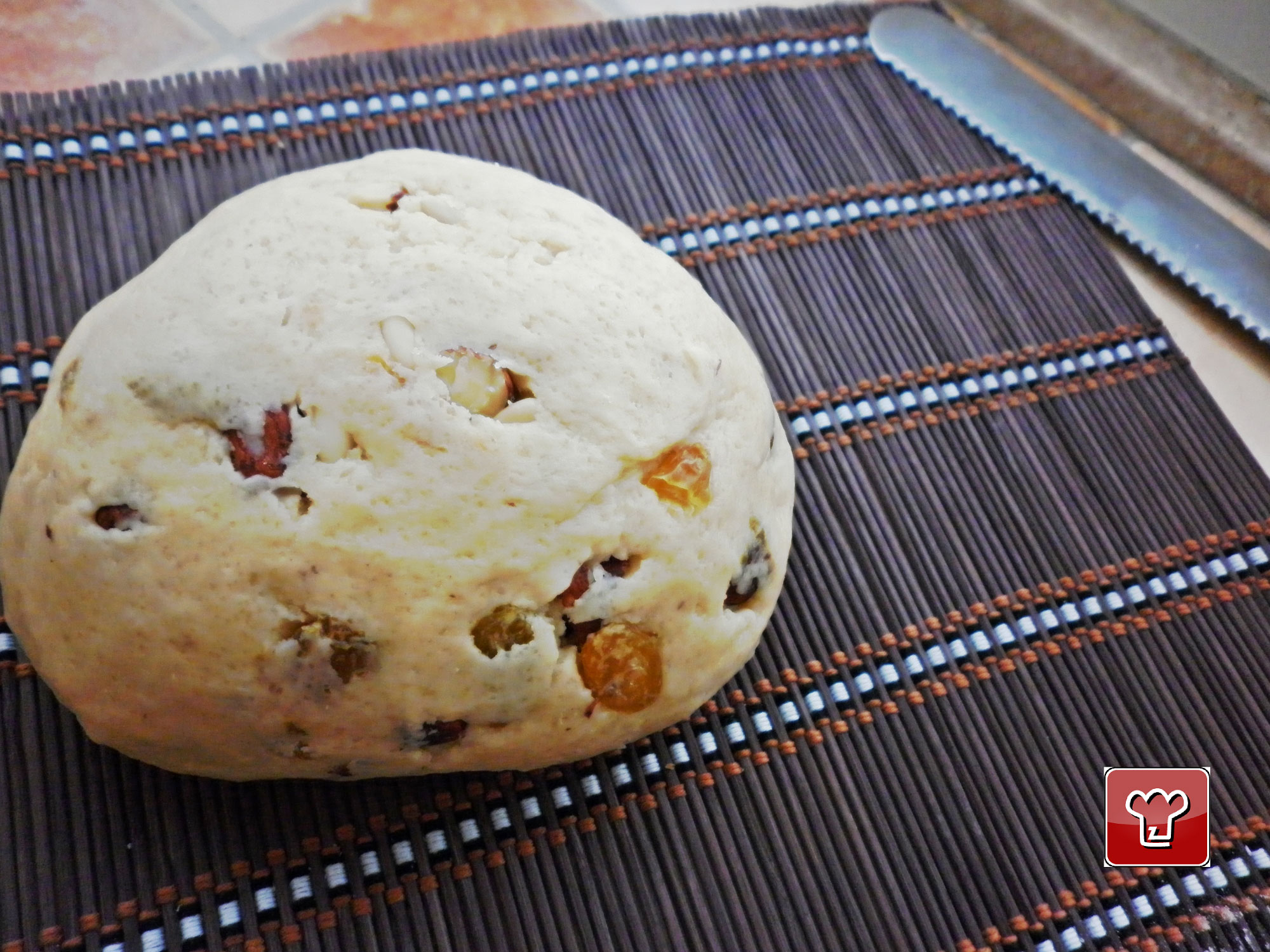
After that, mix in the pine nuts, hazelnuts and raisins (previously soaked in cold water) and knead the dough, trying to keep all the ingredients inside the mixture.
|
|
View the step by step
|
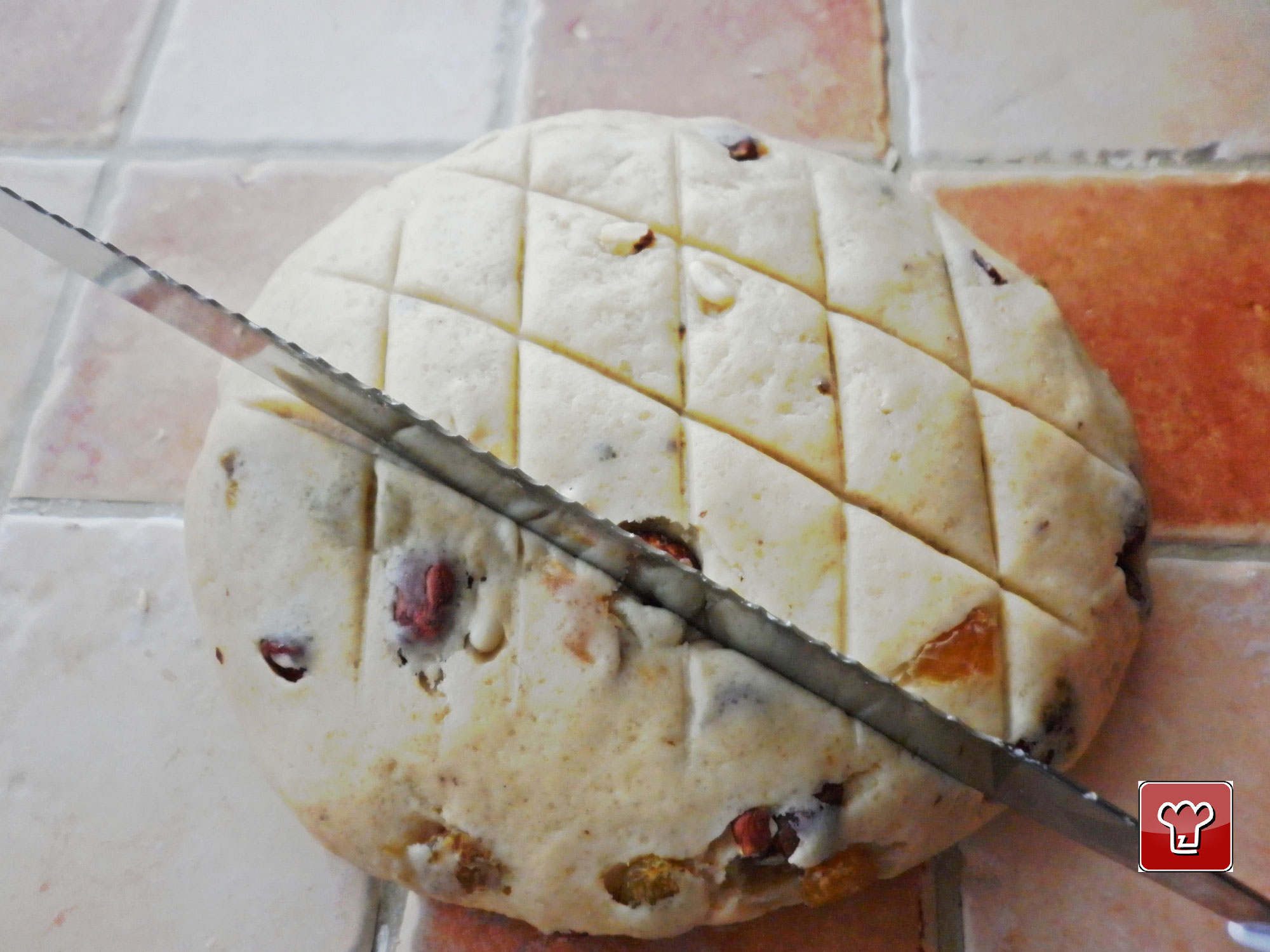
Lightly press the dough, making cuts with a knife on the surface where the dough will rise.
|
|
View the step by step
|
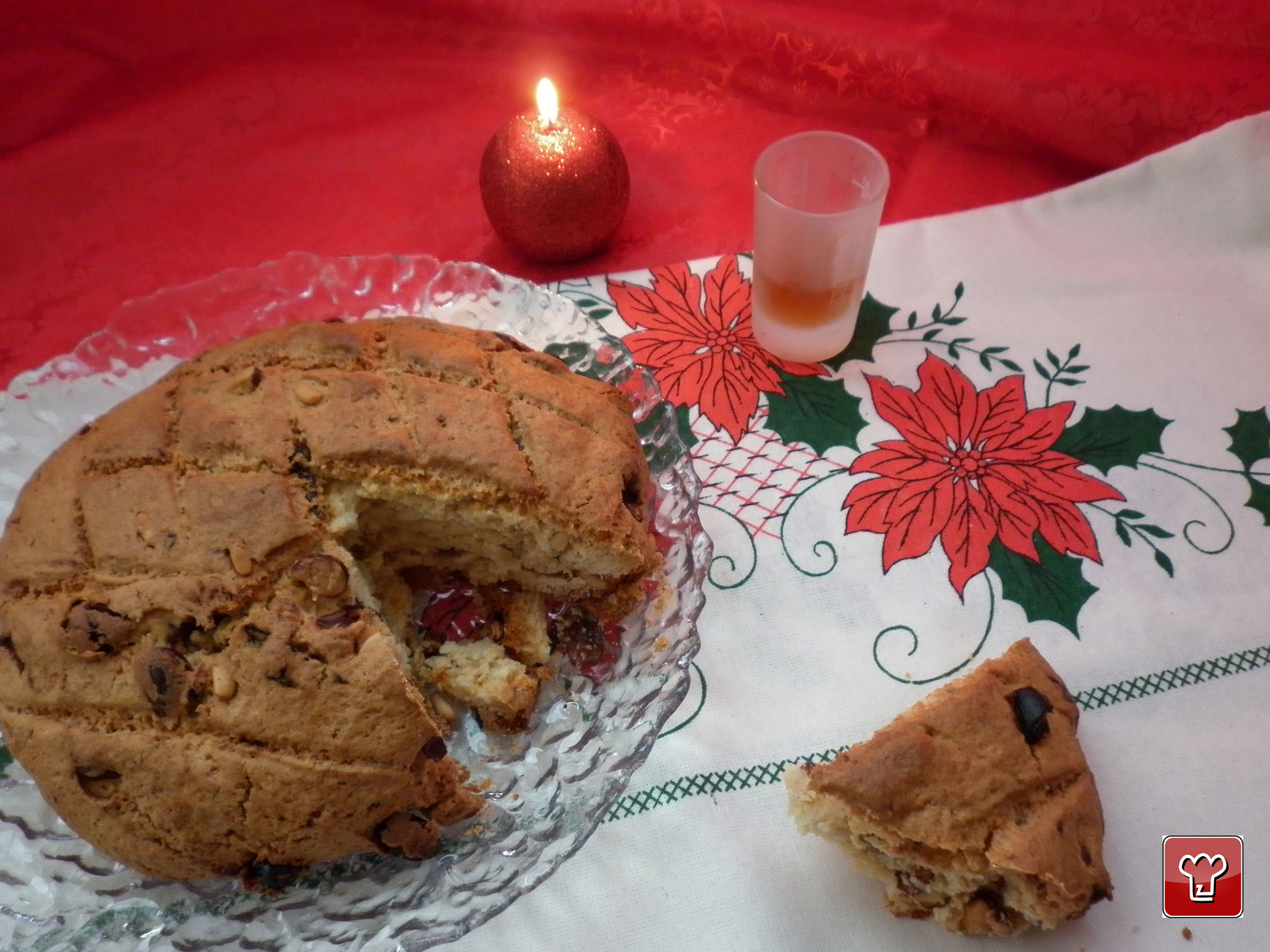
Place the cake on some baking parchment and bake at 180°C for 40-45 minutes; when the time is up, test with a toothpick to make sure it is cooked inside. Let it cool well before serving - indeed, the next day the cake will be even better.
|
|
View the step by step
|
Serve the cake with a nice glass of marsala
|
Additional information
Genoese Pandolce with Dried Fruit and Raisins
One of the tastiest variations of Genoese Pandolce is the one enriched with dried fruit and raisins, which gives the dessert a pleasant sweetness and a unique texture. To prepare this delicious Pandolce, start by mixing flour, sugar, and diced butter. Then add the eggs and Marsala to give it an intense flavor. The dried fruit, such as pine nuts and hazelnuts, should be chopped and mixed into the dough, while the raisins, previously soaked, will add moisture and sweetness. The final result will be a soft and fragrant dessert, perfect for the holidays or as a snack. This preparation is also well-suited to be served with a glass of sweet wine, creating a perfect pairing for those who love traditional flavors.
Sicilian Genoese Pandolce
The Sicilian Genoese Pandolce is a dessert that stands out for its use of ingredients typical of Sicilian tradition. This variation includes the addition of citrus fruits, such as oranges or lemons, which provide freshness and an unmistakable aroma. To prepare it, start as in the traditional recipe, but incorporate grated citrus peels into the dough. This touch of Sicily makes the Pandolce not only more aromatic but also visually appealing. Served during the holidays, this dessert represents a perfect blend of tradition and creativity, allowing those who taste it to discover the flavors of the island. Ideal to enjoy with tea or coffee, the Sicilian Pandolce is a dessert that suits various occasions.
Light Genoese Pandolce without Butter
For those seeking a lighter alternative, the Light Genoese Pandolce without butter is an ideal choice. This version substitutes butter with Greek yogurt or seed oil, thus reducing the caloric content without compromising flavor. The preparation remains fundamentally the same: mix flour, sugar, and eggs, to which yogurt and Marsala are added. The dried fruit and raisins remain present, providing flavor and texture. This light Pandolce is perfect for those following a balanced diet but still wishing to indulge in a dessert. Although lighter, the final result will be a soft and tasty dessert, suitable for any occasion.
Benefits and Nutritional Values of Genoese Pandolce
The Genoese Pandolce, thanks to the presence of dried fruit and raisins, offers numerous nutritional benefits. Dried fruit is rich in healthy fats, fiber, and antioxidants, contributing to a balanced diet. Hazelnuts and pine nuts, in particular, are known for their heart-healthy properties. Raisins, on the other hand, are an excellent source of natural energy and contain essential vitamins and minerals. In terms of calories, a serving of Genoese Pandolce (about 100 grams) can contain between 300 and 400 calories, depending on the ingredients used. Consuming this dessert in moderation can thus be part of a healthy lifestyle, especially when paired with fresh fruit or green tea.
Can Genoese Pandolce be Frozen?
The answer to the question of whether Genoese Pandolce can be frozen is affirmative. This dessert freezes well and can be stored in the freezer for up to three months. To freeze it properly, it is advisable to wrap it in plastic wrap or place it in a food bag to protect it from moisture and freezer odors. Before serving, simply let it thaw at room temperature for a few hours. Alternatively, it can be slightly warmed in the oven to restore its softness. Freezing the Pandolce is an excellent solution to always have a homemade dessert available, ready for any occasion.