My Amatriciana sauce
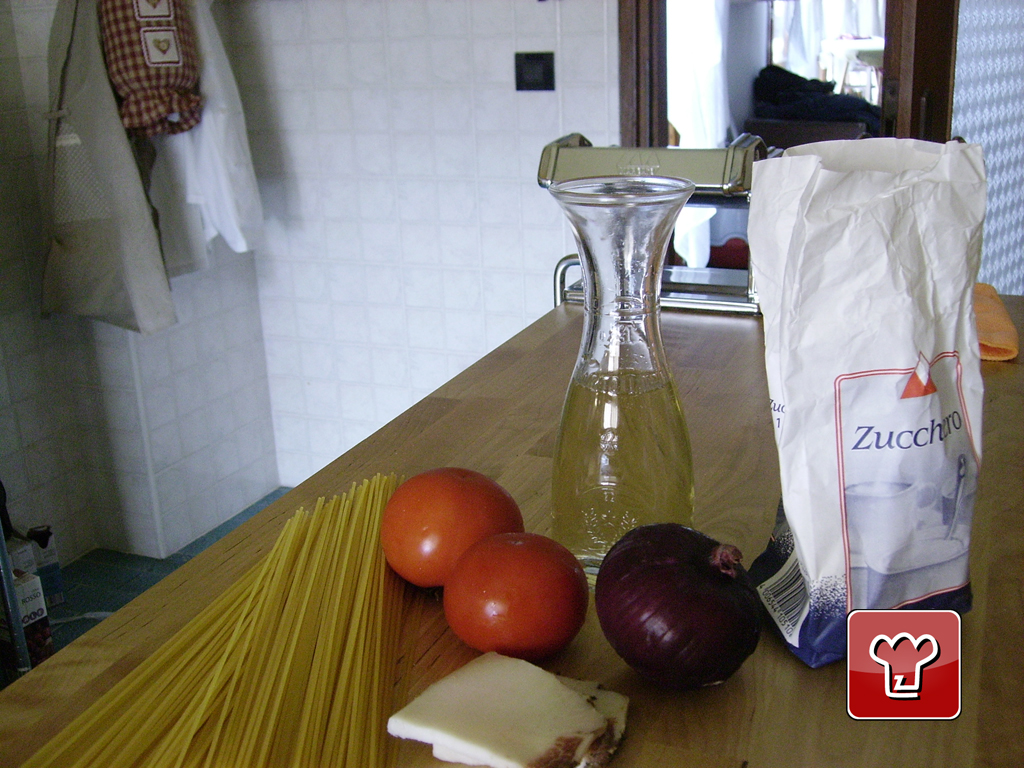
Here is a dish famous not only in Italy but also far outside our borders. This is the famous ‘bucatini amatriciana’, a pasta dish from the village of Amatrice Rieti, now made all around the world thanks to its unusual, unmistakeable and, let's face it, irresistible flavour. The main ingredients of this dish are pancetta, tomato and cheese. Today our chef wanted to have fun and to propose a new version of this classic and famous amatriciana, with caramelised tomatoes which he made instead of the more usual sauce, some excellent pancetta, Provencal herbs and a hint of chilli. If you will, the result is a sort of cross between the amatriciana and ‘gricia’ sauce, perhaps less famous but equally good!
Ingredients
* approximate values per serving
Preparation
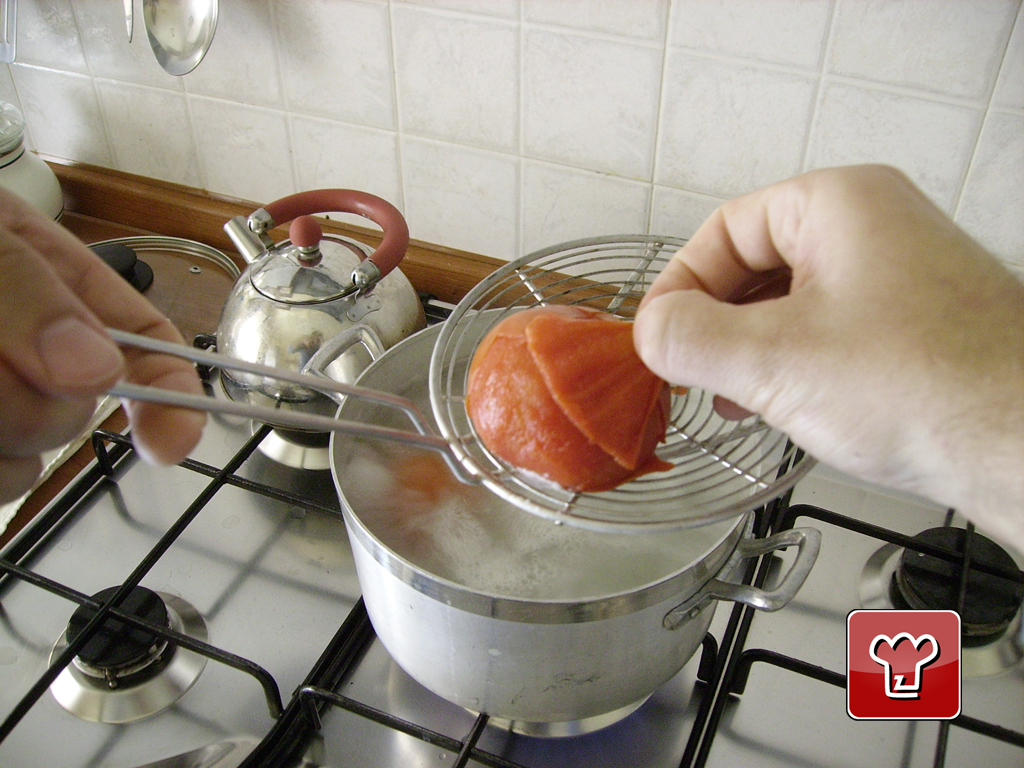
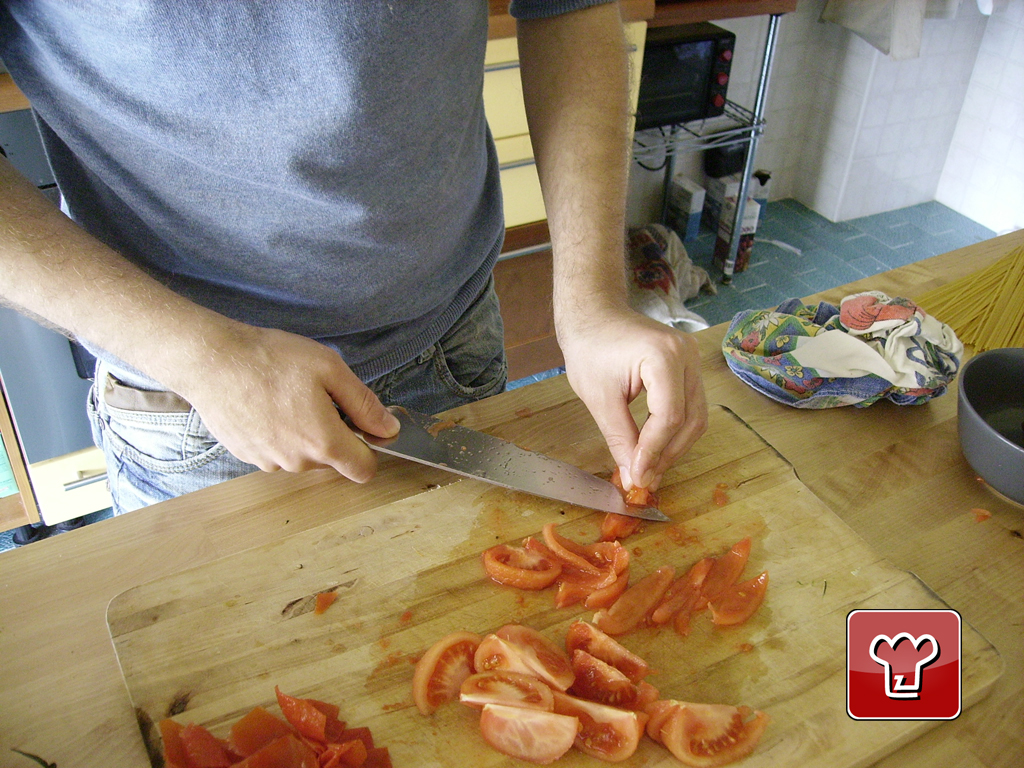
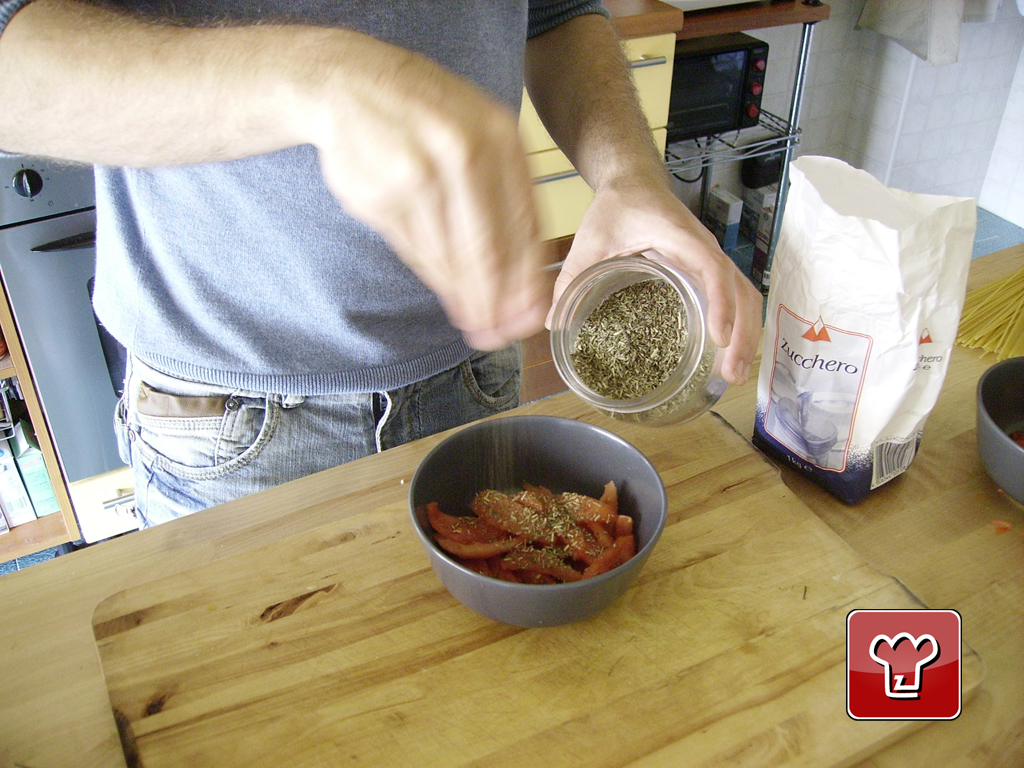
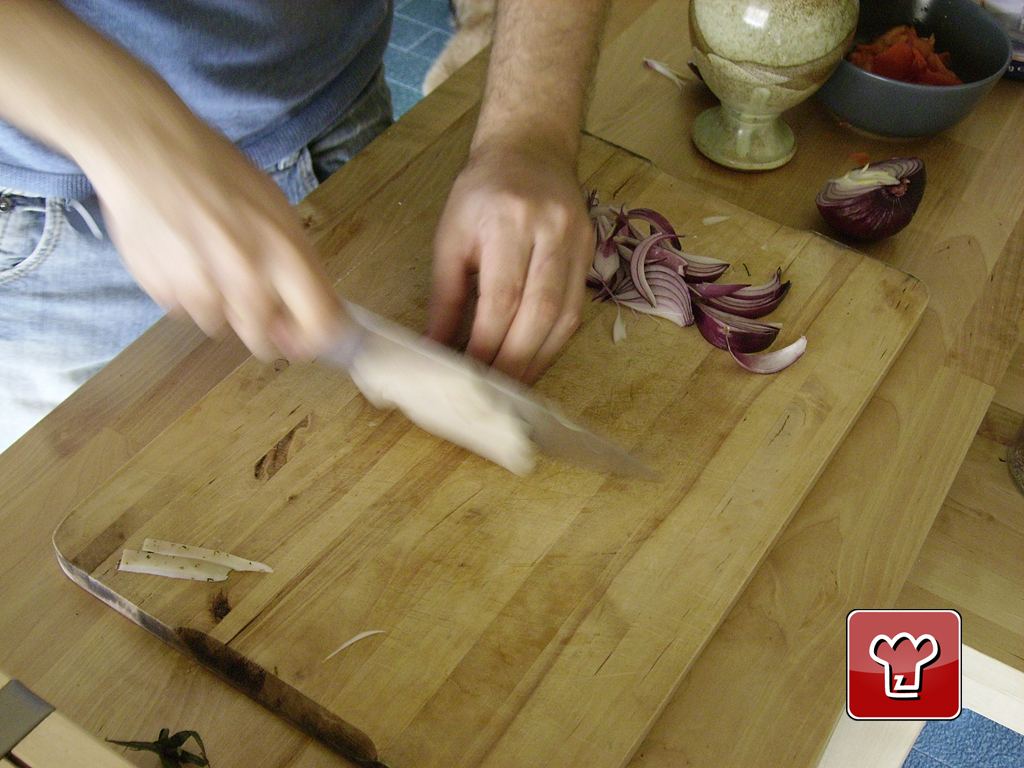
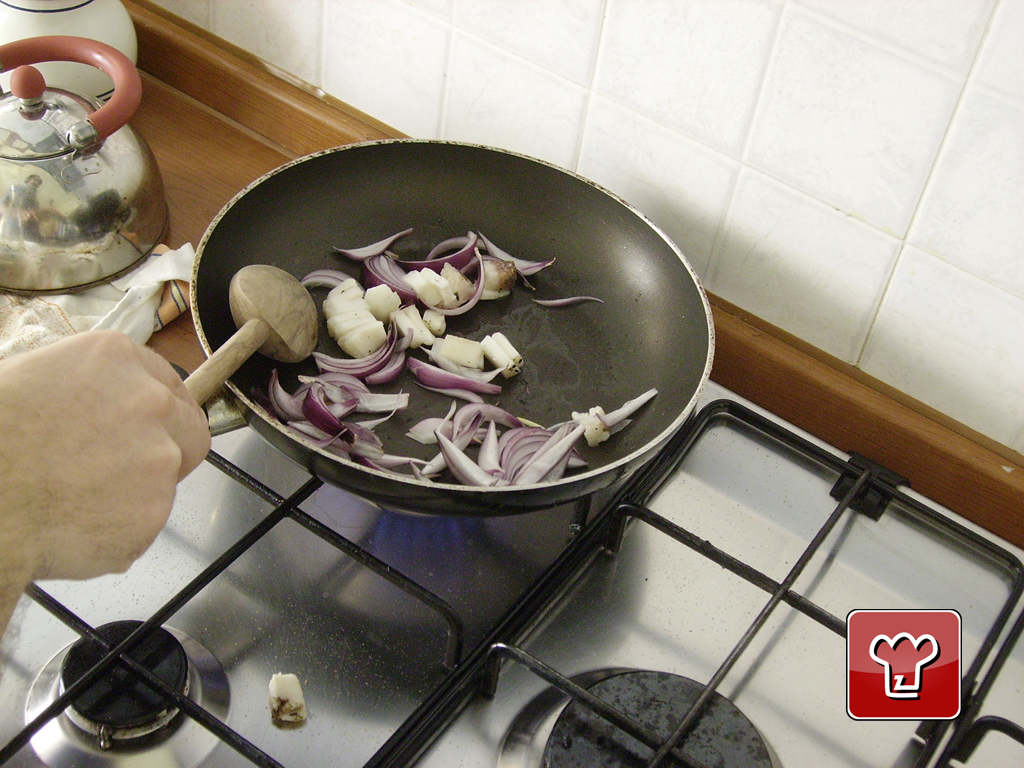
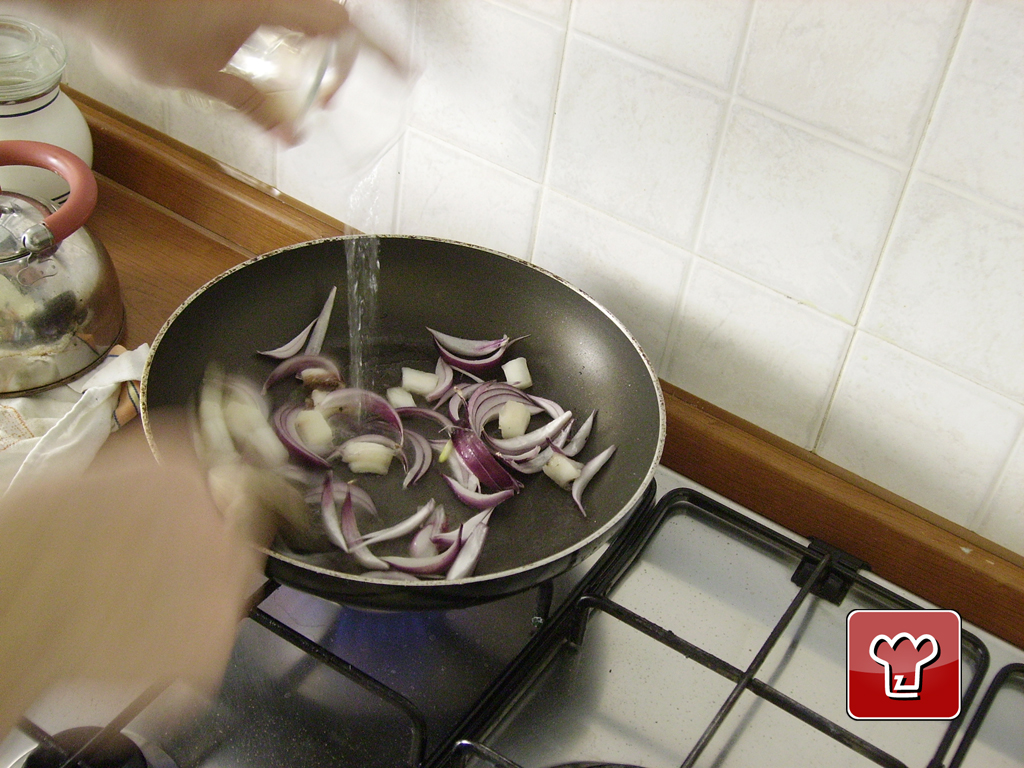
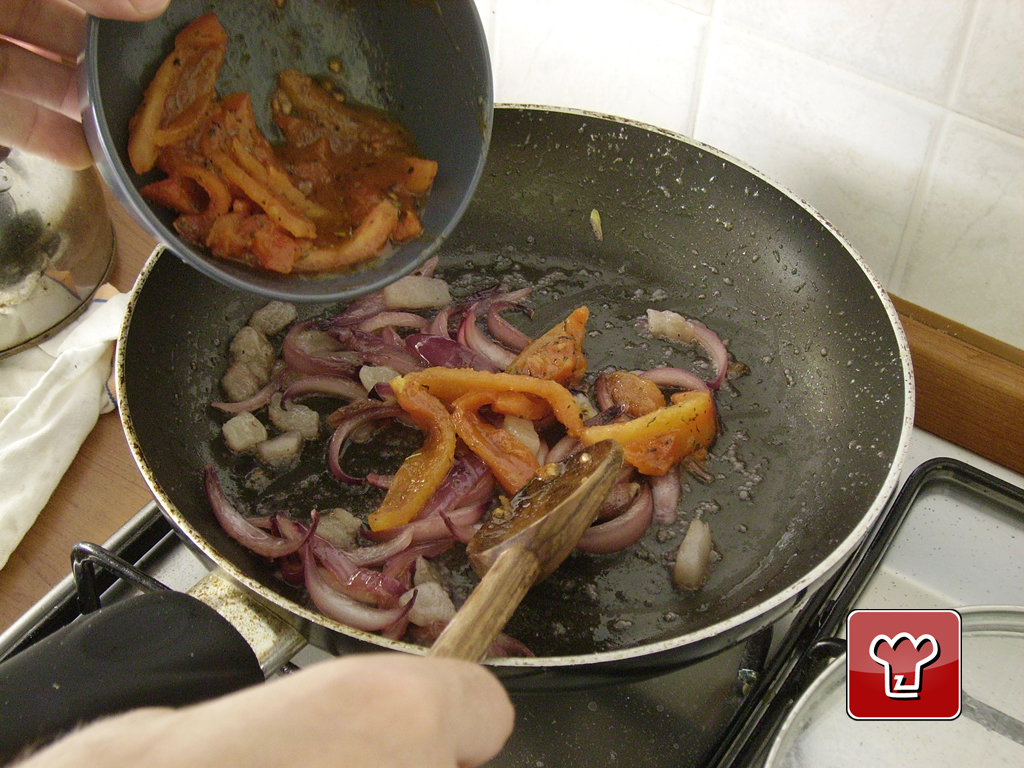
In this recipe we make two types of tomato sauce: ‘caramelised’ tomatoes, and normal amatriciana sauce which has the onion and pancetta and tomatoes made separately. For the caramelised tomatoes: wash the tomatoes and cut a cross in the skin on the opposite side to the stem. Boil a pot of water (which you will use to cook the pasta). When it reaches the boil, throw in the tomatoes and leave for 1 minute. Remove them from the water and you will be able to easily peel the tomatoes. Cut them into slices and remove the watery part, so you get only the pulp; transfer them all in to small bowl and flavour with olive oil, sugar and herbs. Heat a pan and then caramelise the tomatoes, browning them really well; then set aside. For the amatriciana sauce : cut the onion into large wedges, cut the pancetta into chunks of 2½cm, chop half a red chilli, then sauté everything in a pan with a little oil. As soon as everything starts to fry, pour in a little white wine in order to lower the temperature; you now need to continue to add wine and then water until the onion and pancetta is softened. Once the pancetta and onion are nicely done, add the caramelised tomatoes and if the spaghetti is ready, add it to the sauce in the pan for half a minute. Here's the amatriciana, which will have a sweet and slightly spicy flavour.
Step by step
|
View the step by step
|
Blanch the tomatoes, after having cut a cross in their base in such a sway that their skin will easily come off
|
|
View the step by step
|
Cut the tomatoes into segments and remove the seeds
|
|
View the step by step
|
Flavour the Provençal herbs, salt, oil, and sugar
|
|
View the step by step
|
Cut the onion and pancetta into slices
|
|
View the step by step
|
Fry the pancetta and the onion in a frying pan
|
|
View the step by step
|
Add a little white wine and reduce
|
|
View the step by step
|
Finally cook the flavoured tomatoes
|
|
View the step by step
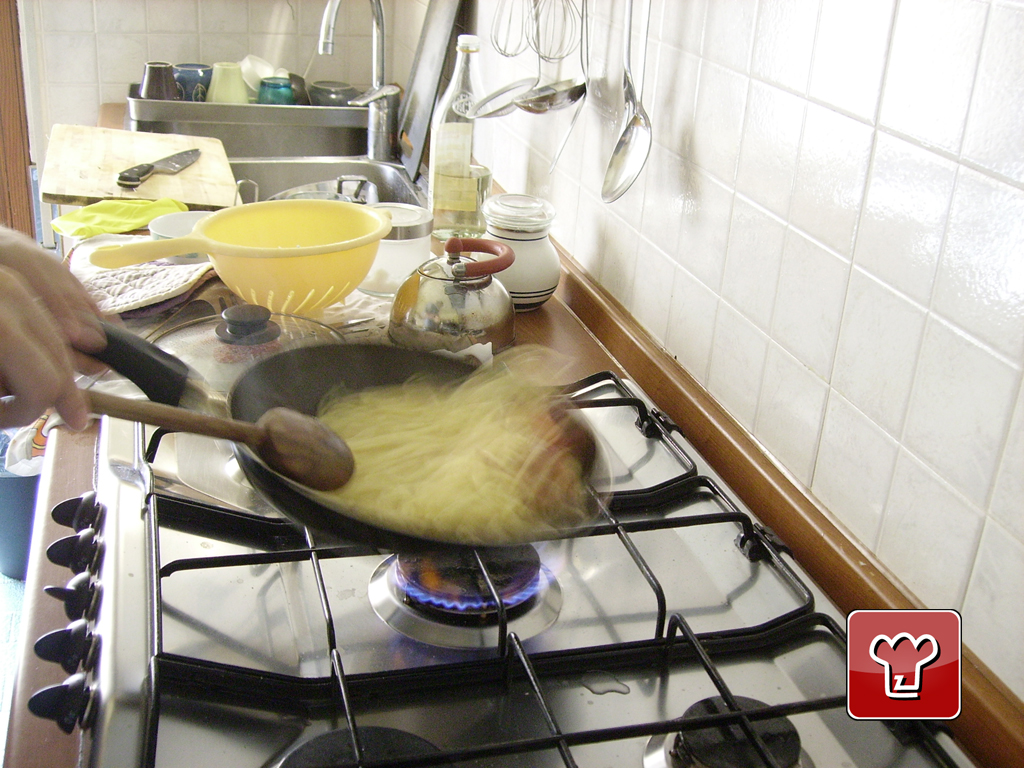
|
Once coked, add the pasta to the pan together with the sauce
|
|
View the step by step
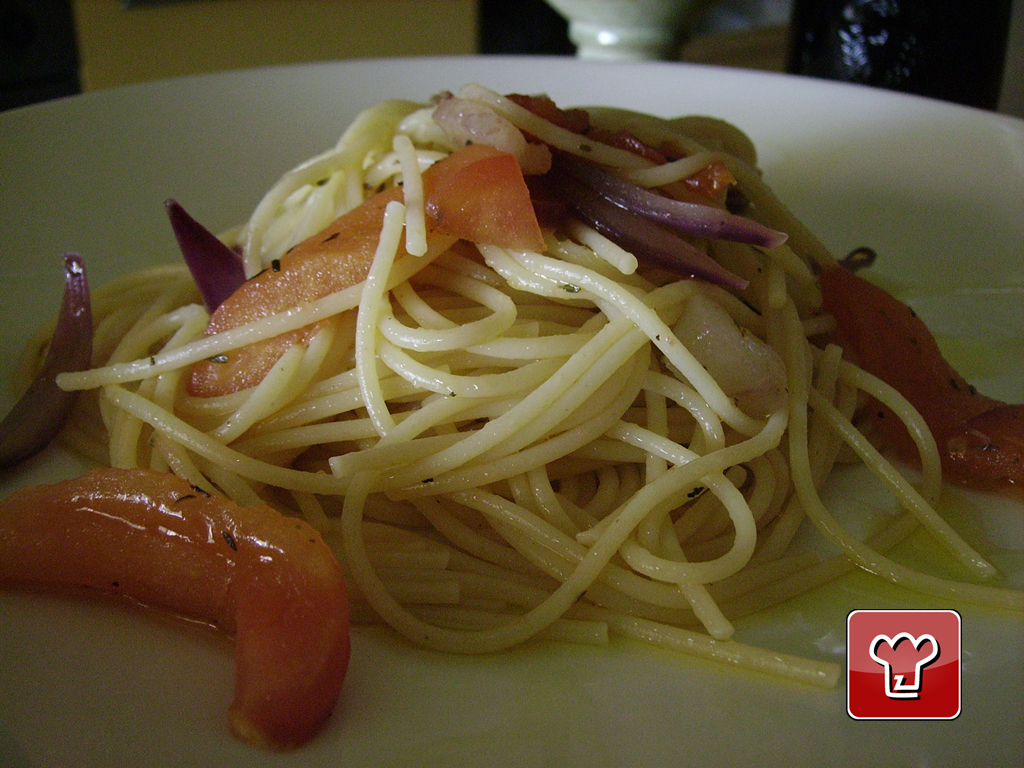
|
Here the amatriciana, courtesy of our chef
|
Additional information
Amatriciana with Candied Tomatoes
One of the most interesting variations of the traditional Amatriciana is the one that uses candied tomatoes. This preparation enriches the dish with an unexpected sweetness, creating a perfect contrast with the strong flavor of Colonnata lard and the spiciness of chili pepper. To make this version, it is essential to choose high-quality beefsteak tomatoes, which, after being candied, release an intense aroma and a soft texture. The tomatoes should first be blanched and then carefully peeled, before being sliced and added to the sauce during cooking. The result is an Amatriciana that surprises and captivates at first taste, perfect for those who love to experiment in the kitchen and give a unique touch to classic dishes.
Lazio-style Amatriciana with Colonnata Lard
The original recipe for Amatriciana comes from Lazio, specifically from the municipality of Amatrice. This version is characterized by the use of Colonnata lard, which gives the sauce a creaminess and unmistakable flavor. The preparation begins with sautéing the onion in extra virgin olive oil, to which diced lard is added. Once the lard has melted, fresh tomatoes are added, and it is left to cook until a thick and flavorful sauce is obtained. The choice of spaghetti as the accompanying pasta is traditional, but for those who prefer, bucatini can also be a valid alternative. This Amatriciana is a dish that encapsulates the gastronomic tradition of Lazio, perfect for a family dinner or with friends.
Light Amatriciana without Lard
For those who want to enjoy Amatriciana while keeping an eye on health, the light version without lard is an ideal choice. In this preparation, lard is replaced with a drizzle of extra virgin olive oil, which allows for maintaining the flavor without weighing down the dish. One can opt for a sauté of onion and add spices like chili pepper for a touch of spiciness. Using fresh tomatoes and sugar to balance the acidity, the sauce remains rich and tasty. This variant is perfect for those following a balanced diet but who do not want to give up the pleasure of a good plate of pasta. Additionally, it can be prepared quickly, making it suitable for fast lunches during the week.
Nutritional Benefits of Amatriciana with Fresh Tomatoes
Amatriciana, made with fresh ingredients like beefsteak tomatoes, offers numerous nutritional benefits. Tomatoes are rich in lycopene, a natural antioxidant that helps protect cells from oxidative damage and can contribute to heart health. Additionally, they are an important source of vitamins, such as vitamin C and vitamin K, and provide essential minerals like potassium. A plate of traditional Amatriciana provides about 500 calories per serving, but with the light variant, it is possible to significantly reduce the calories while keeping the nutrients intact. This dish is not only tasty but can also be part of a balanced diet, especially if attention is paid to portions and the ingredients used.
Can Amatriciana be Frozen?
A common question among cooking enthusiasts is whether Amatriciana can be frozen. The answer is yes, but with some precautions. It is advisable to freeze only the sauce, avoiding freezing the already cooked pasta, as the texture of the pasta may deteriorate once thawed. To freeze the sauce, make sure to let it cool completely, then transfer it to an airtight container suitable for freezing. It can be stored in the freezer for up to 2-3 months. When you want to enjoy it, simply thaw it in the refrigerator overnight and reheat it in a pan. This way, you can have a plate of Amatriciana ready in just a few minutes, preserving the flavors and quality of the ingredients.