Tabbouleh
Tabbouleh is a well-known middle-eastern recipe even in Italy, where it is made especially during hot weather or for a standing buffet or picnic with friends. It is an ethnic recipe which you might say has some similarities to Italy’s rice salad. If you happen to travel to Lebanon, Jordan or Syria you will undoubtedly get the chance to try tabbouleh. However, while you are waiting to go to the middle east, , you can make your own personal tabbouleh following our recipe. Today bulgur wheat - the main ingredient of tabbouleh - is found in almost all supermarkets; it is a product derived from the wheat grain, similar to cous cous (which is Turkish), but coarser. If you can’t find bulgur wheat in your local supermarket, try it with couscous or even with rice. The outcome will be equally enjoyable!
Ingredients
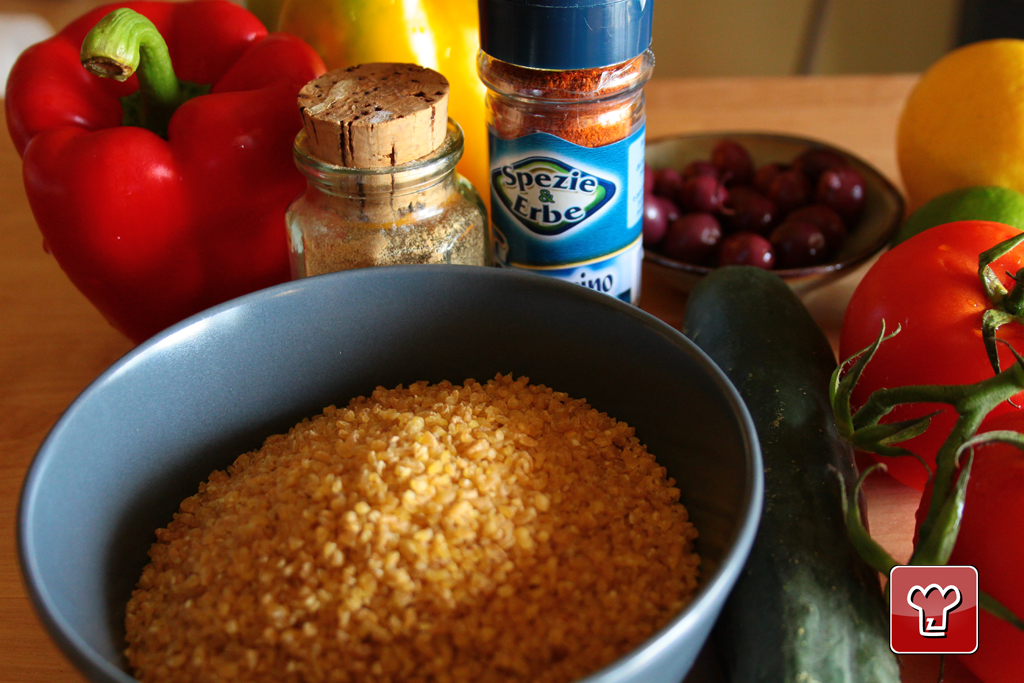
Tabbouleh with Puglian Black Olives
Tabbouleh, fresh and aromatic, finds a special dimension thanks to Puglian black olives, rich in flavor and with a bold character. These little treasures of the land enhance the dish, adding a touch of authenticity that pairs beautifully with bulgur and fresh vegetables.
* approximate values per serving
Preparation
Put the bulgur wheat on to cook in salted water for the time suggested on the packet (usually 10 minutes). While you are cooking, make the sauce: cut all the vegetables into small cubes (remove the seeds from the tomatoes) and mix with the black olives, parsley and chopped mint. Add the cumin, salt, sugar, lime and lemon juice, and extra virgin olive oil. Once the bulgur is ready, cool it under cold running water. Mix everything together and you’ll have a fabulously fresh and tasty tabbouleh!
Step by step
|
View the step by step
|
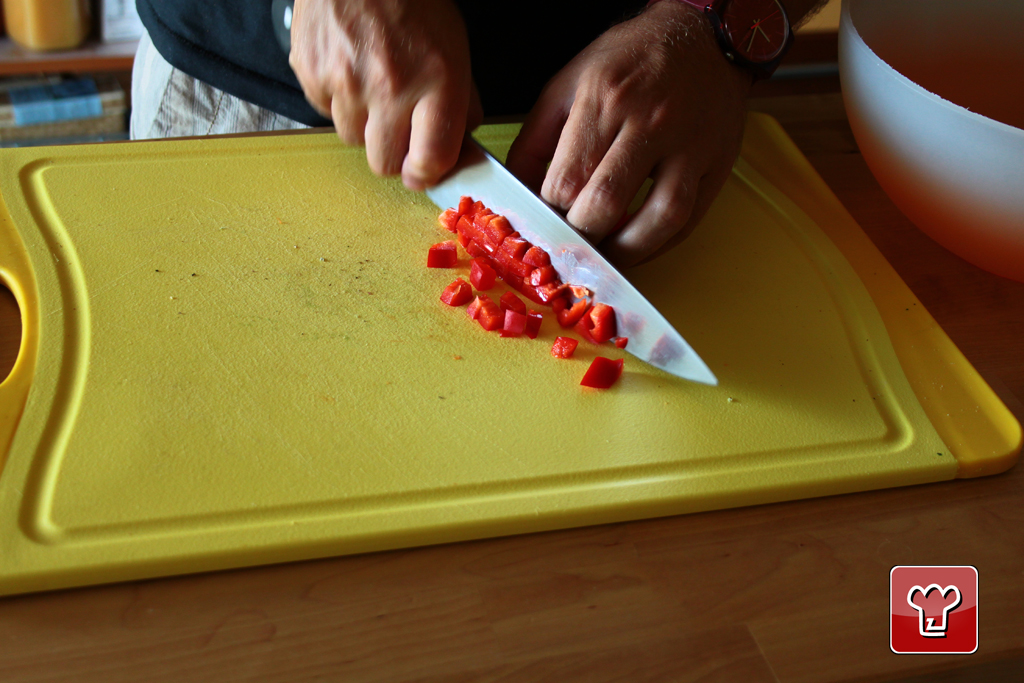
Cut the peppers into cubes
|
|
View the step by step
|
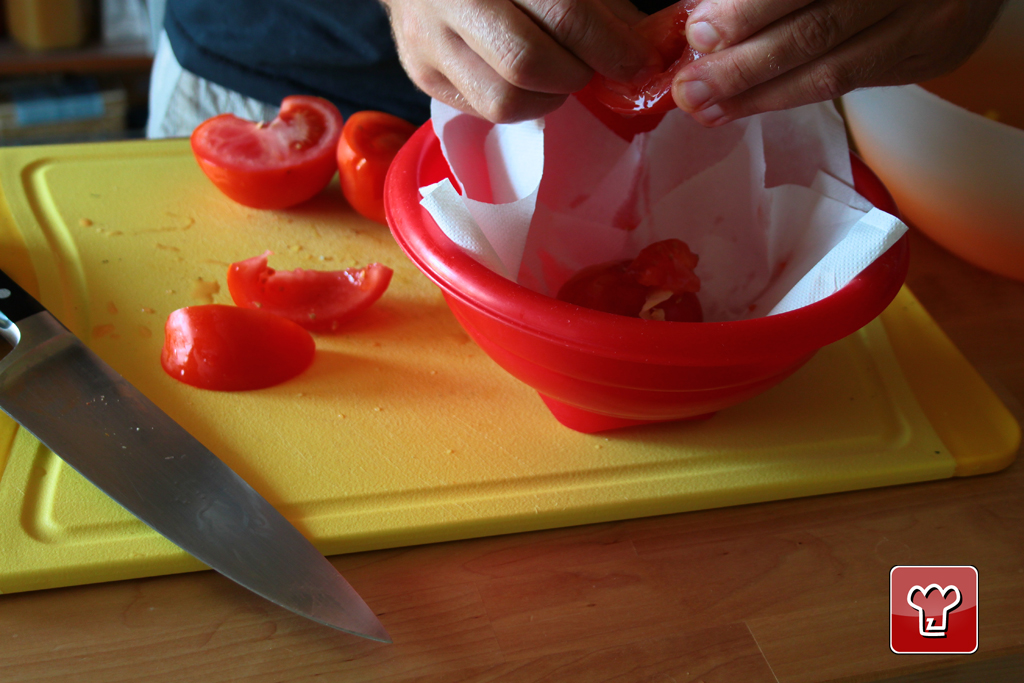
Remove the seeds from the tomatoes and cut into cubes
|
|
View the step by step
|
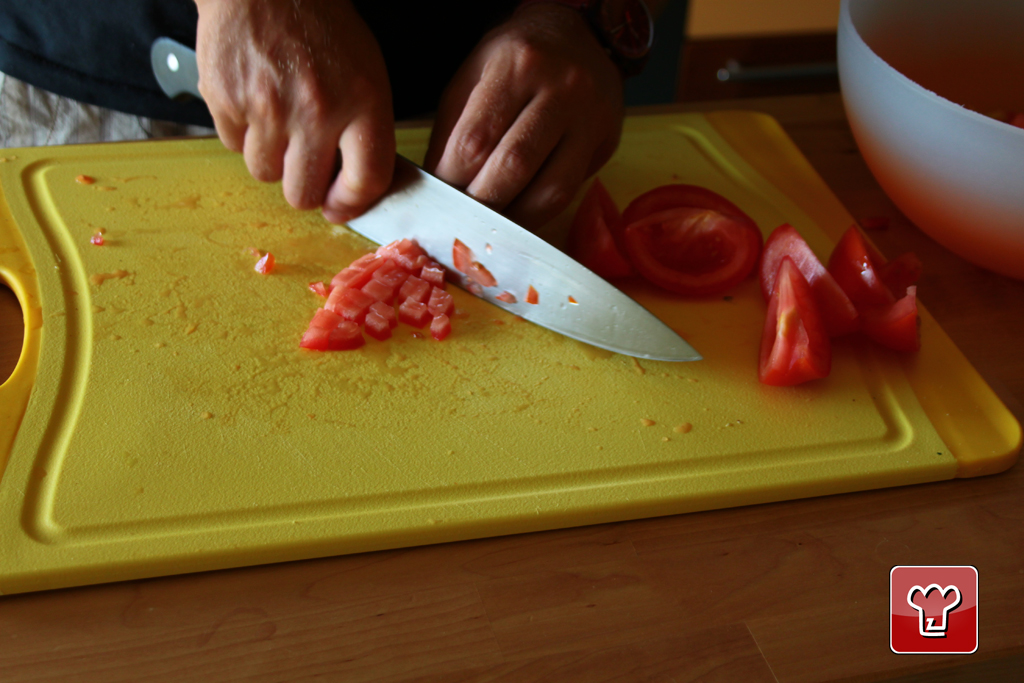
Cut the tomato into cubes
|
|
View the step by step
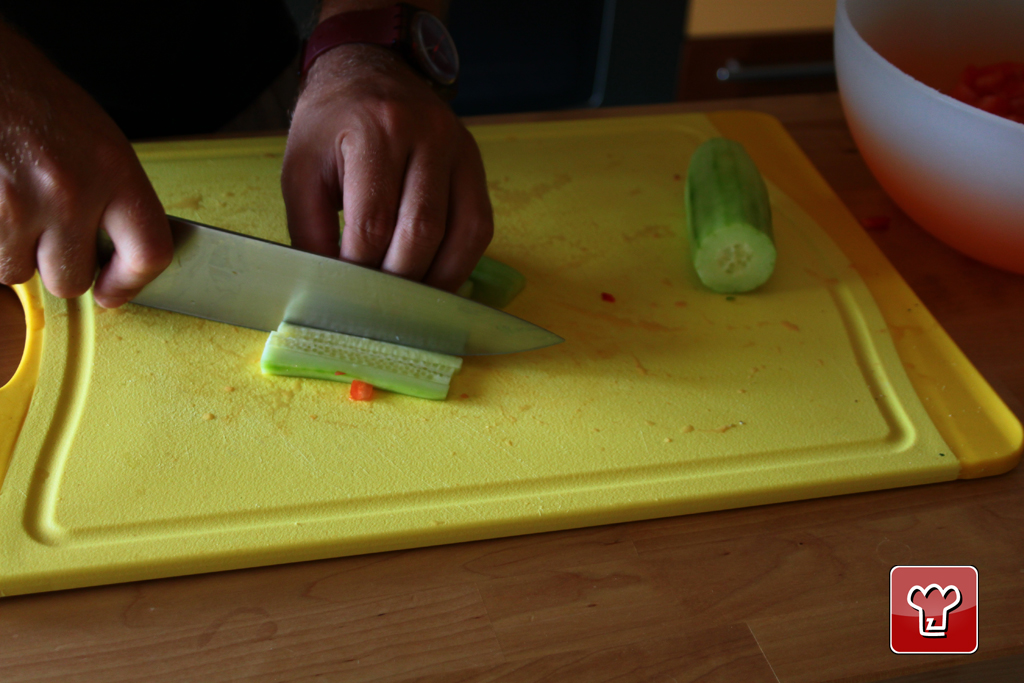
|
Peel the cucumber, then cut into julienne strips and then little squares
|
|
View the step by step
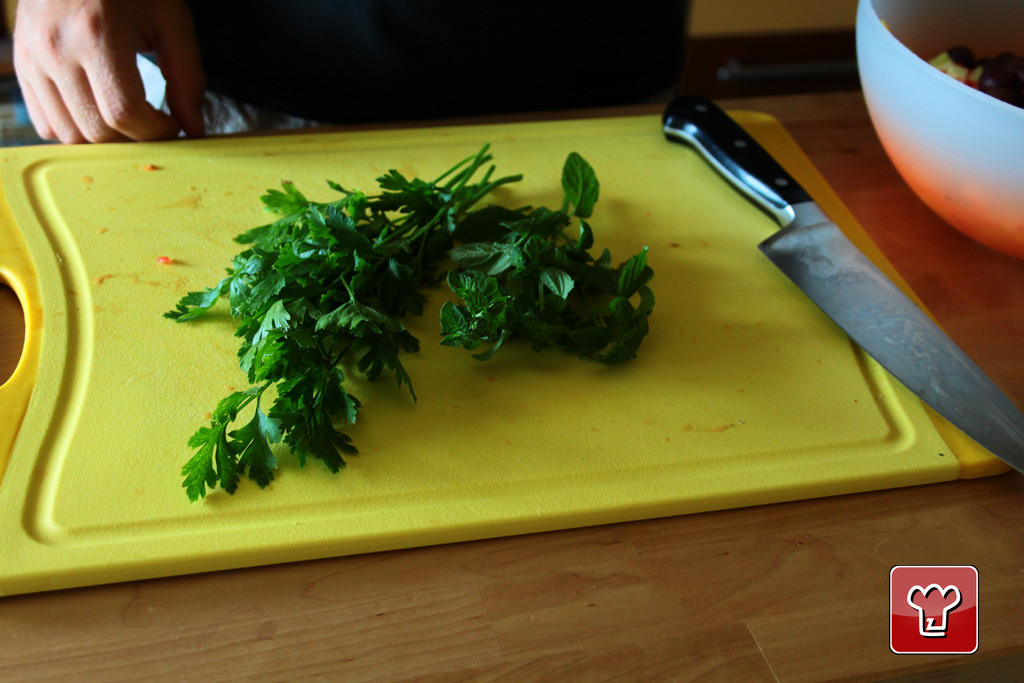
|
Finely chop a small bunch of parsley and mix with the cucumber, tomatoes, and sweet peppers
|
|
View the step by step
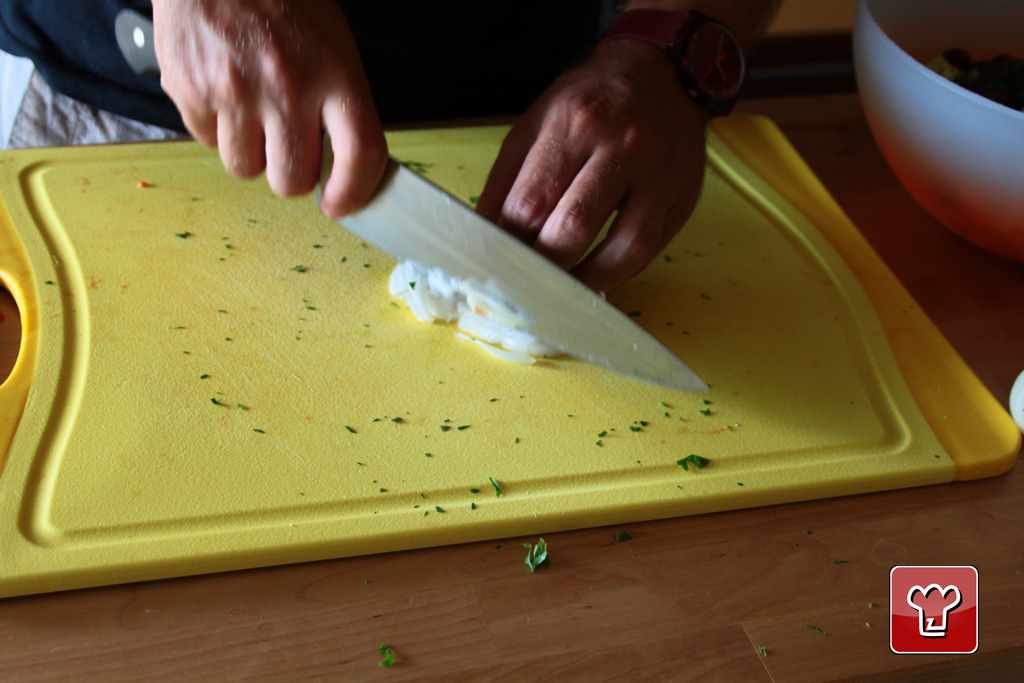
|
Dice the onion and mix with the rest of the vegetables
|
|
View the step by step
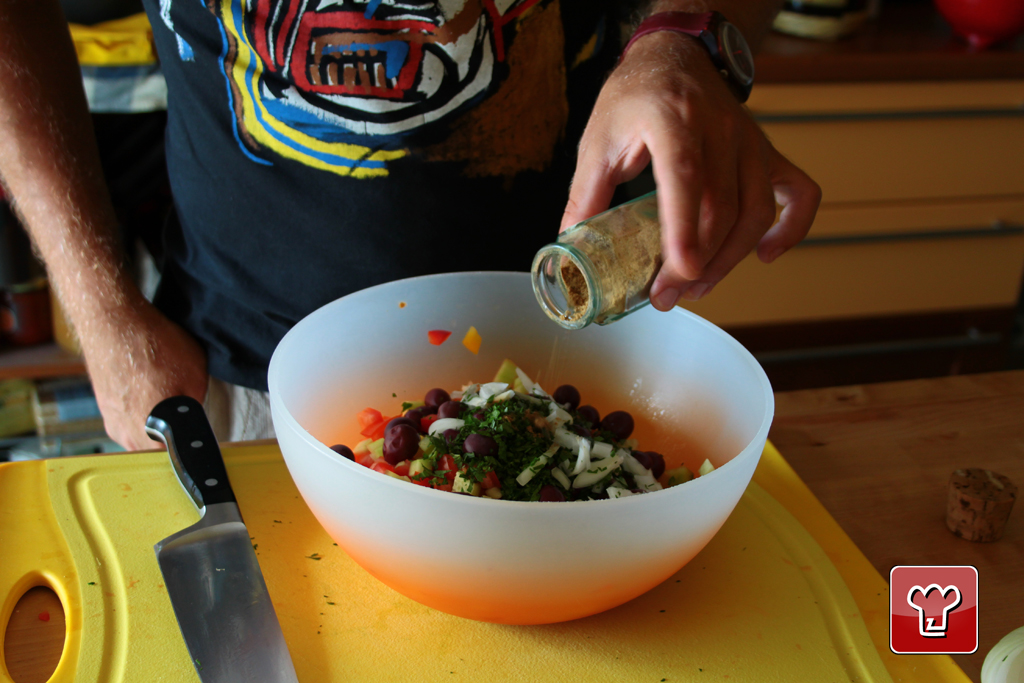
|
Season the salad with a little ground cumin
|
|
View the step by step
|
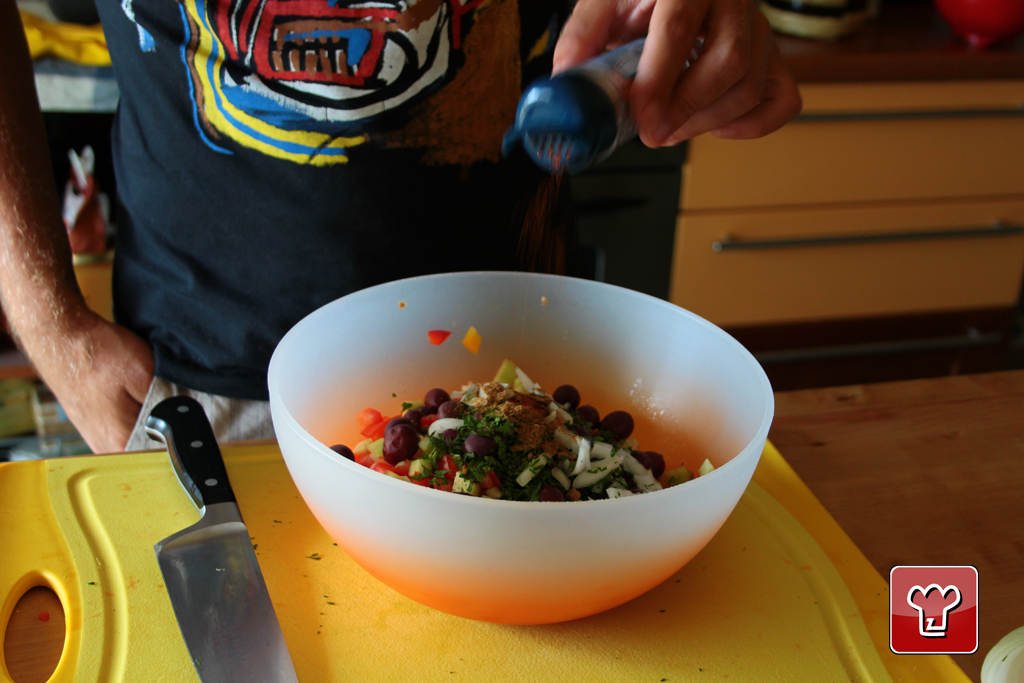
Season the salad with a little chilli
|
|
View the step by step
|
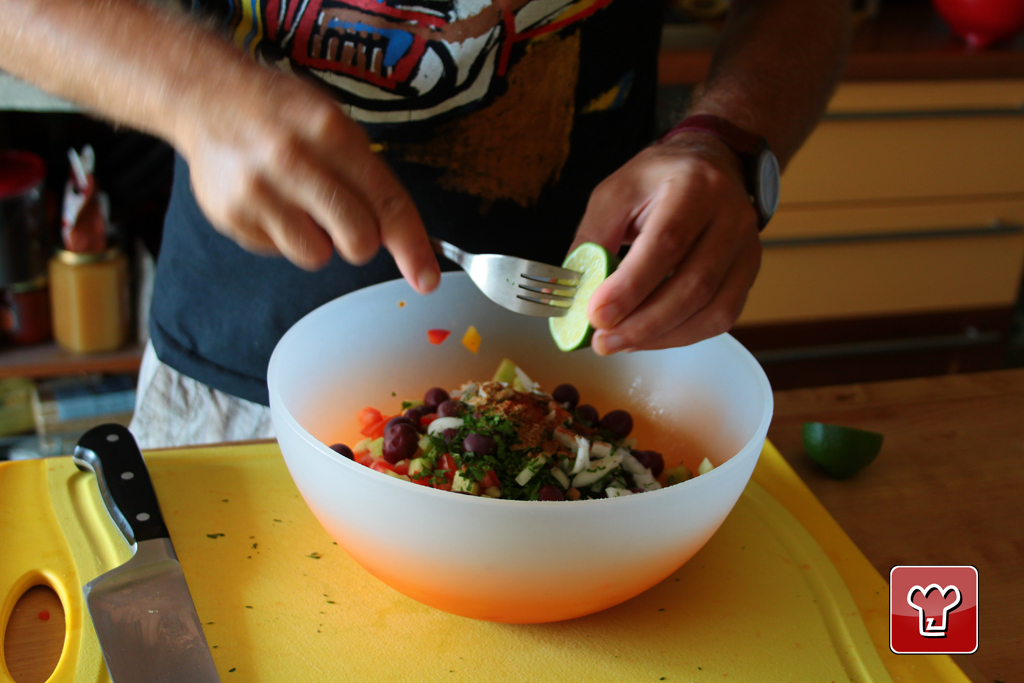
Add the juice of 1 freshly squeezed lime
|
|
View the step by step
|
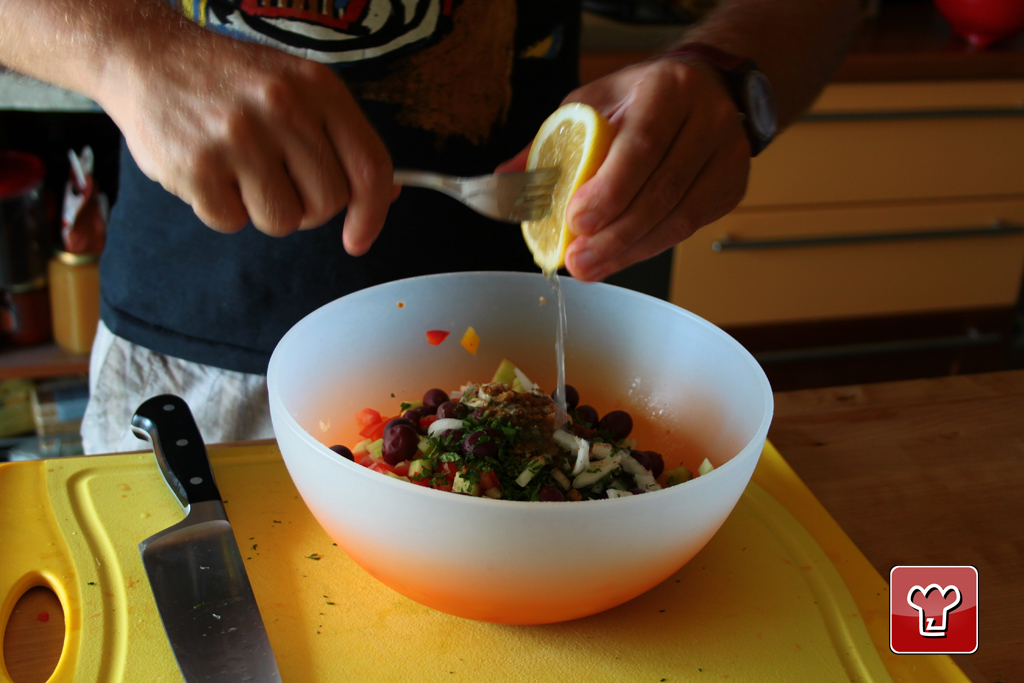
Add a dash of freshly squeezed lemon
|
|
View the step by step
|
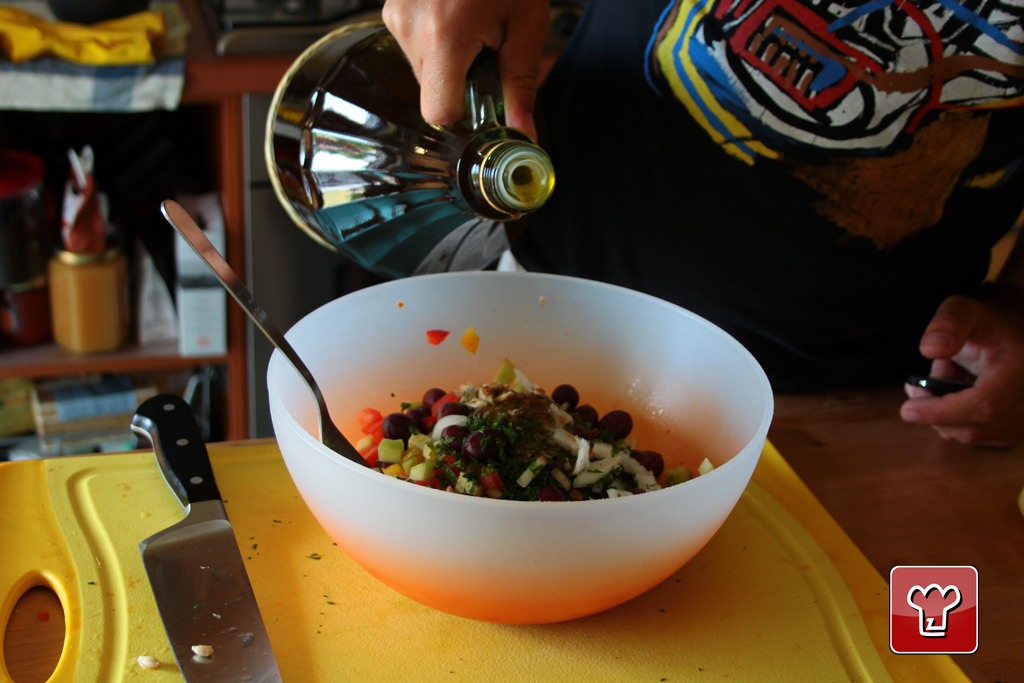
Drizzle over plenty over extra virgin olive oil
|
|
View the step by step
|
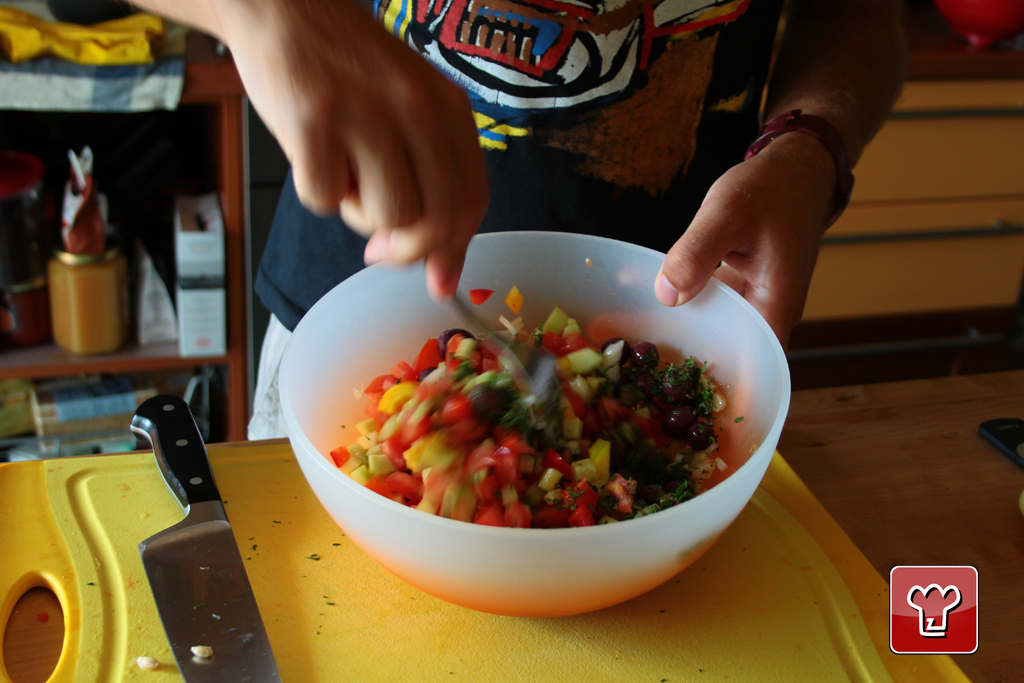
Once the bulgur wheat is cooked, drain and cool it under running cold water, then mix in with the salad vegetables
|
|
View the step by step
|
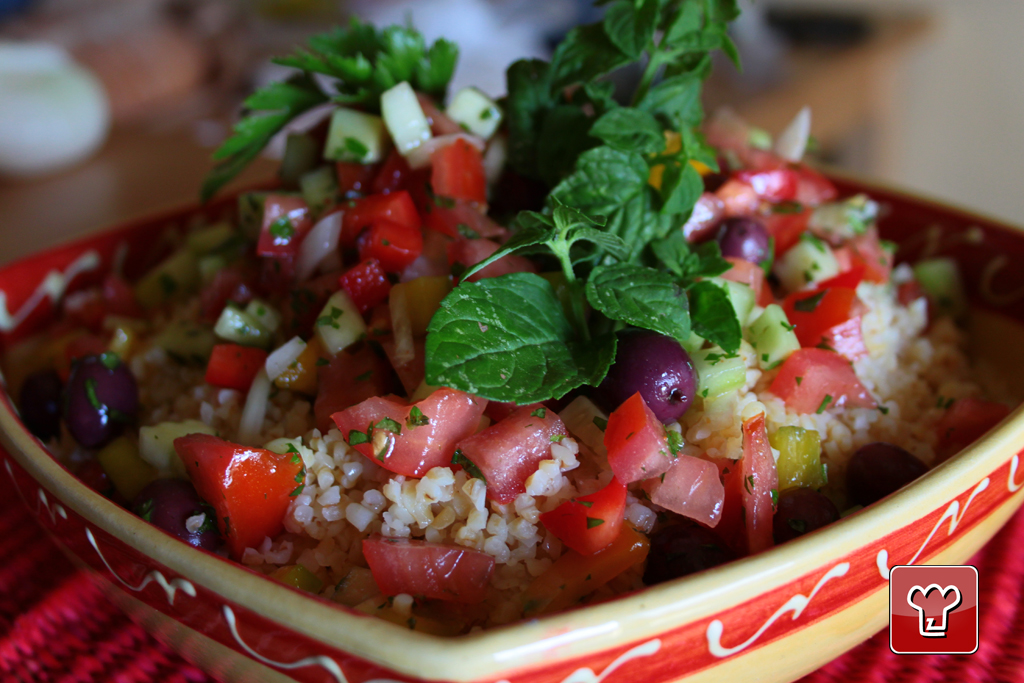
The tabbouleh is ready, exceptionally fresh and aromatic!!
|
Additional information
Tabbouleh with cucumbers and fresh tomatoes
One of the most appreciated variations of tabbouleh is certainly the one with cucumbers and fresh tomatoes. In this preparation, the cucumbers bring a note of freshness and crunchiness, while the ripe tomatoes provide juiciness and flavor. To prepare this tabbouleh, it is important to choose high-quality ingredients, as the simplicity of the recipe highlights the natural flavors. The cucumbers should be diced small and mixed with the cooked and cooled bulgur, along with the seedless tomatoes. The dressing made with lime and extra virgin olive oil further enhances the dish, making it perfect for a light lunch or as an appetizer at a summer dinner. This variation is ideal for those who love fresh and colorful dishes, perfect for the warm season.
Lebanese tabbouleh with aromatic spices
Tabbouleh is a typical dish of Lebanese cuisine, and its traditional preparation involves the use of aromatic spices and fresh ingredients. In this version, the bulgur is mixed with a generous amount of fresh parsley, mint, and spices like cumin, which give a warm and characteristic aroma. The preparation requires attention in cutting the vegetables into regular cubes to ensure a mix of textures and flavors. Lebanese tabbouleh is a versatile dish that can be served as a side or main dish, accompanied by falafel or grilled meat. The freshness of the ingredients and the combination of herbs make this variation a true homage to the culinary tradition of Lebanon, perfect for those who wish to discover the authentic flavors of this cuisine.
Light tabbouleh with reduced oil usage
For those looking for a lighter version of tabbouleh, it is possible to reduce the amount of extra virgin olive oil used in the preparation. This light variation retains the fresh flavors of the vegetables and herbs but with a lower caloric intake. Additionally, part of the dressing can be replaced with fresh lime or lemon juice, which adds a touch of acidity without weighing down the dish. By using fresh and natural ingredients, such as cucumbers and tomatoes, a nutritious and light tabbouleh is obtained, ideal for those following a balanced diet. This version is perfect for a summer lunch or as a salad to take to the office, ensuring a healthy and refreshing meal without sacrificing taste.
Nutritional benefits of tabbouleh and approximate calories
Tabbouleh is a dish rich in nutritional benefits, thanks to the use of fresh and nutrient-rich ingredients. Bulgur, the main base of the recipe, is a whole grain that provides fiber, B vitamins, and minerals such as magnesium. Fresh vegetables, like cucumbers and tomatoes, provide antioxidants and vitamins, essential for overall well-being. Furthermore, the use of aromatic herbs like parsley and mint not only enriches the flavor but also contributes to nutrient intake. In terms of calories, a serving of tabbouleh can vary from 200 to 250 calories, depending on the ingredients used and the amount of oil. This makes it an ideal option for those who wish to maintain a healthy and balanced diet without giving up taste.
Can tabbouleh be stored in the refrigerator?
Storing tabbouleh is possible and, in fact, recommended to allow the flavors to meld further. After preparing the dish, it is important to place it in an airtight container and store it in the refrigerator. This way, the tabbouleh stays fresh for 2-3 days. It is advisable to mix it well before serving, as the ingredients tend to separate during storage. If you want a dish that is always fresh, you might consider adding the aromatic herbs only at the time of serving to preserve their aroma and flavor. However, freezing tabbouleh is not recommended, as the texture of the bulgur and vegetables may change once thawed.