Pasta with beans
‘Pasta with beans’ is one of the most famous dishes of the Italian tradition; in fact, it is so widespread across the peninsula that each region has their own version. The region of origin is uncertain, although it seems likely to have been either Tuscany, Lazio, Lombardy or Veneto. Today one could say that it is the typical dish of the Veneto and Tuscany, whilst in the past it was a dish of the common people served in ancient Roman taverns, cheap and nutritious. Later it became a dish of the peasantry, easy to prepare from the produce of their gardens. Remaining a part of the peasant tradition it was a particularly popular dish during autumn in the Veneto, since this coincides with the time when you slaughtered your pig, whose bones and skin would then be used for flavouring.
Ingredients
* approximate values per serving
Preparation
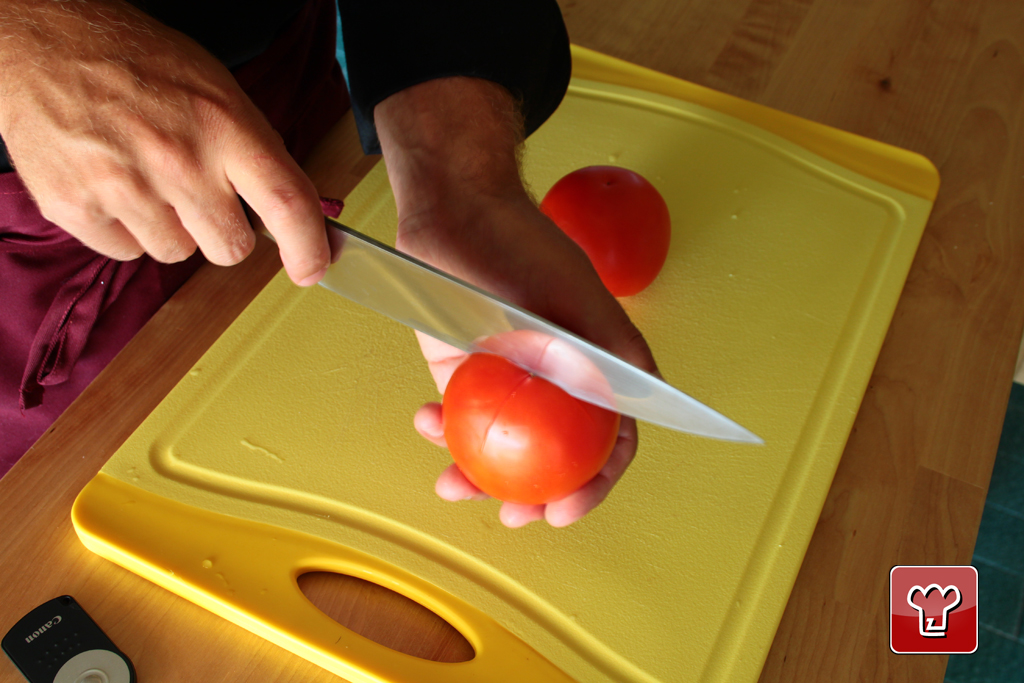
Soak the beans for 12 hours. Cook the beans in boiling water for 45 minutes: every 15 minutes change the cooking water; add salt for the last 15 minutes. In a large pan, fry some chopped celery, carrot, onion and lard, with a dash of white wine. Peel the tomatoes and cut into small cubes. Add some diced pancetta to another pan and fry with the tomato. Add half the beans and let them cook with the pancetta and tomato, then add them to the onion, celery and carrot mixture. Puree the other half of the beans with a little meat stock. Add this puree to the frying pan mixture and cook for another 15 minutes. Add salt, pepper and sugar. Add pasta to the pan with little hot water, and cook the pasta with the other ingredients until cooked. Serve with a drizzle of olive oil.
Step by step
|
View the step by step
|
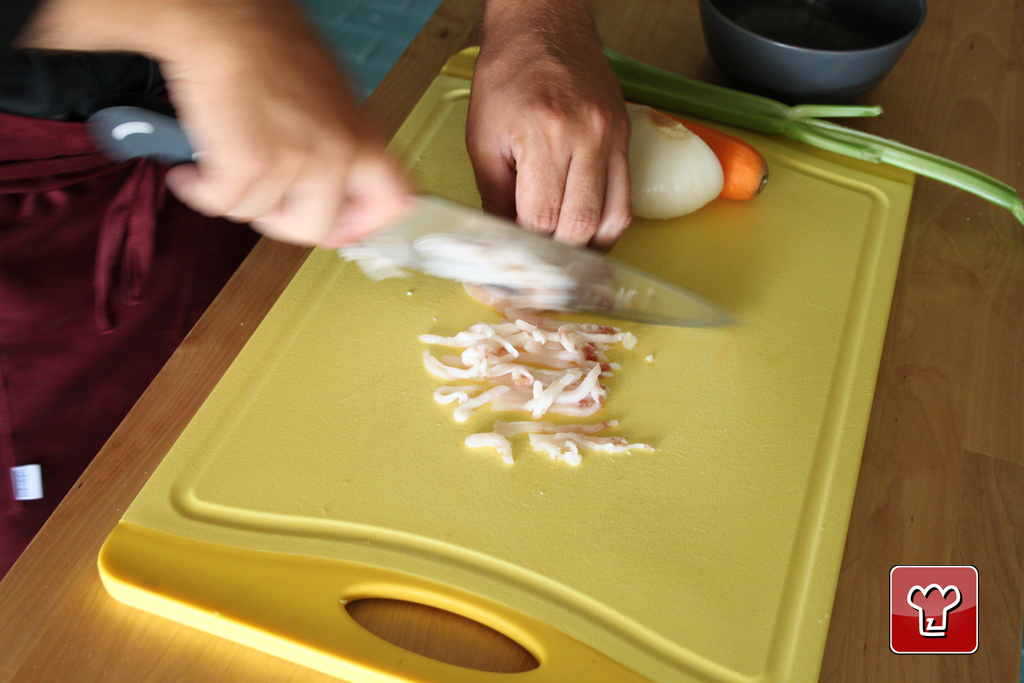
Cut the lard into thin strips
|
|
View the step by step
|
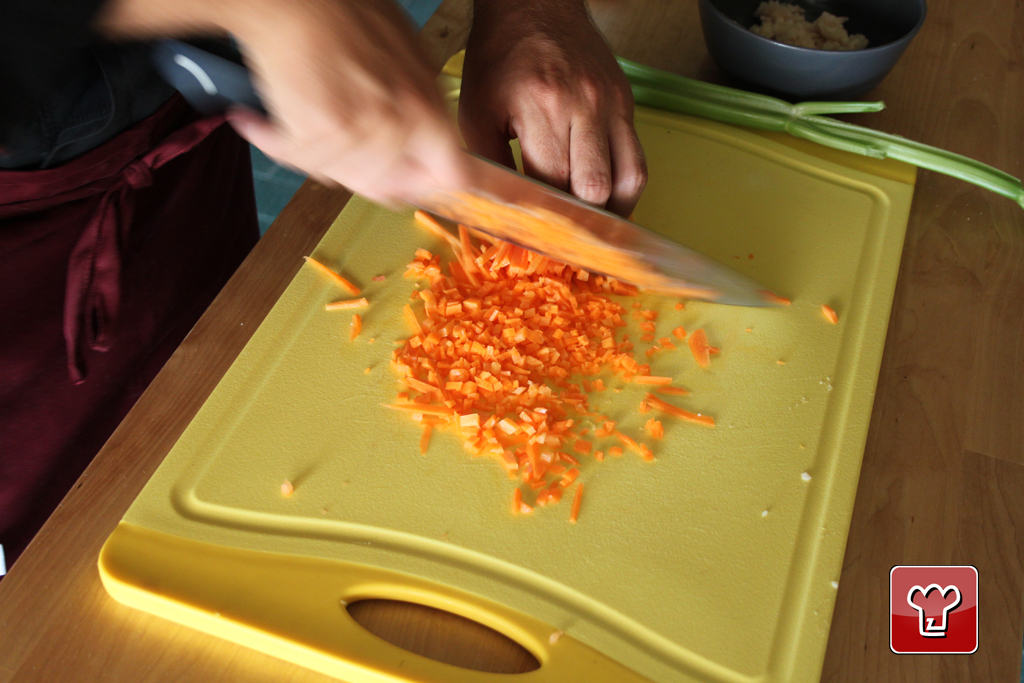
Slice the carrots finely
|
|
View the step by step
|
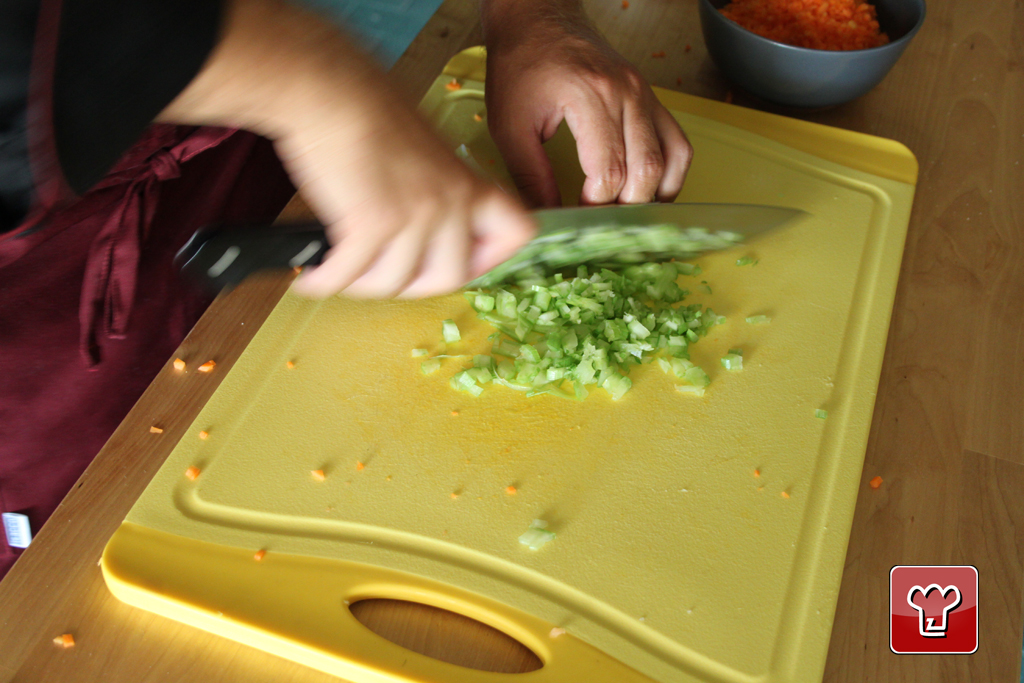
Slice the celery finely
|
|
View the step by step
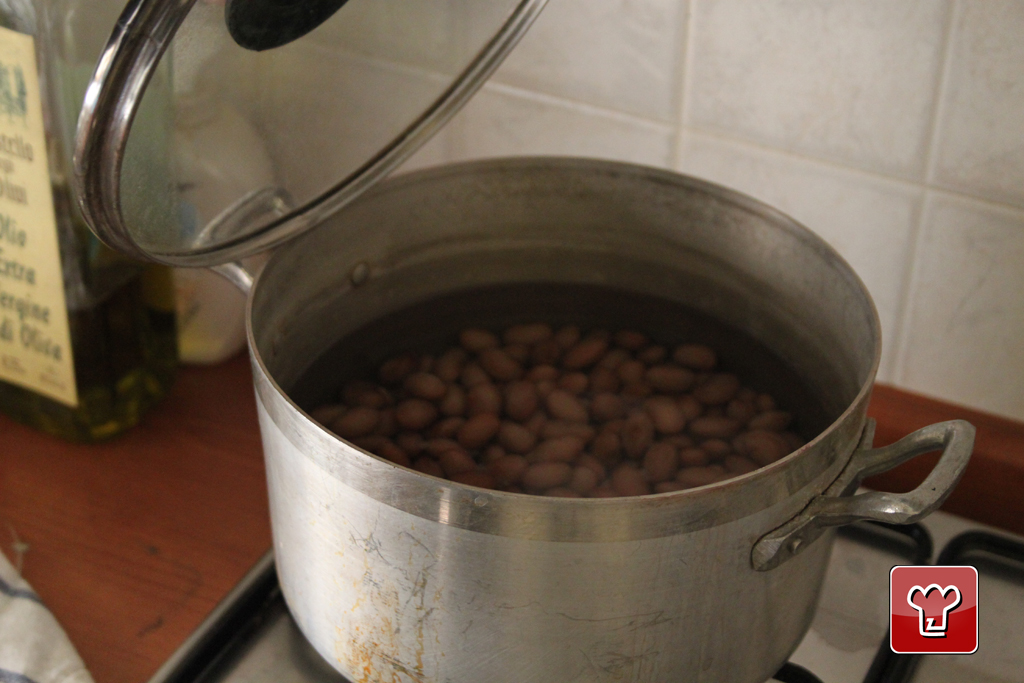
|
Cook the pre-soaked beans in three cycles of 15 minutes each. Add salt in the last cycle
|
|
View the step by step
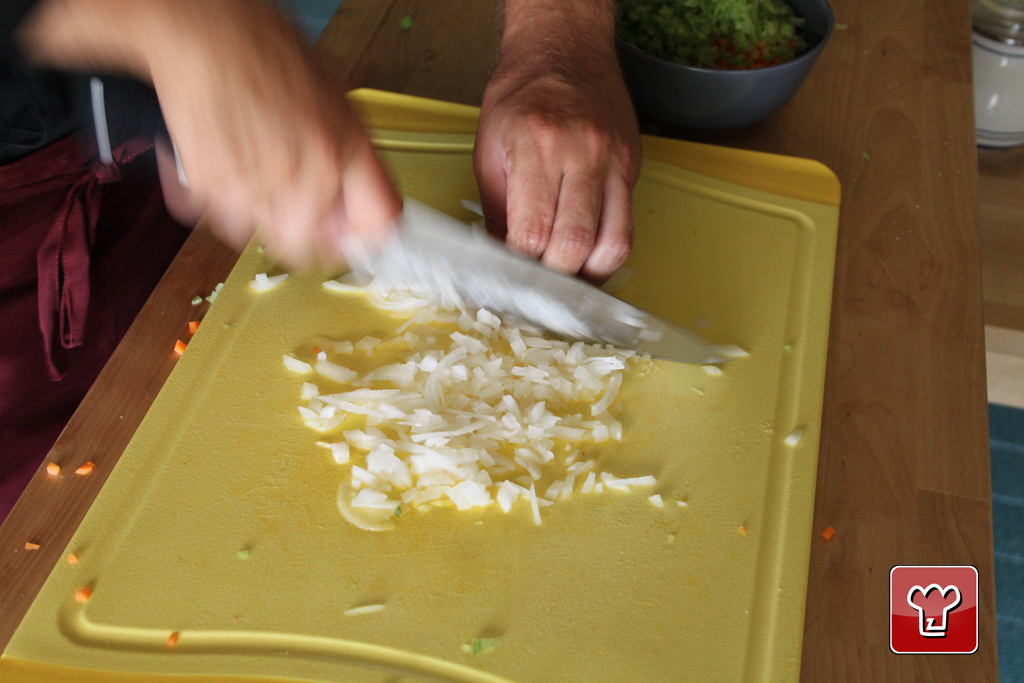
|
Slice the onion finely
|
|
View the step by step
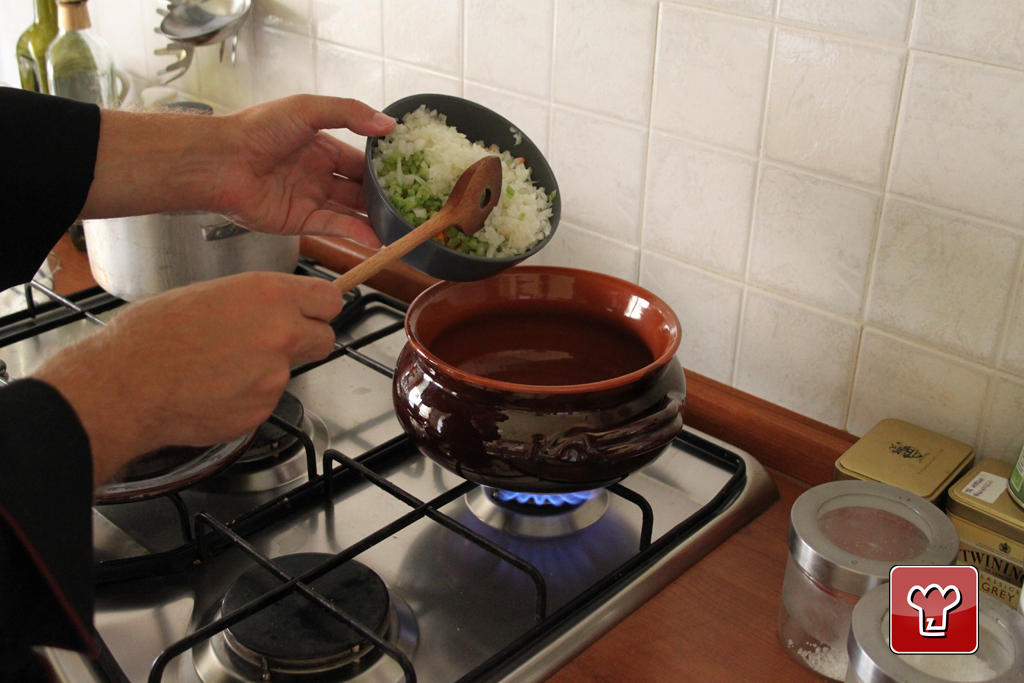
|
Fry the onion carrot and celery in a large, heavy frying pan
|
|
View the step by step
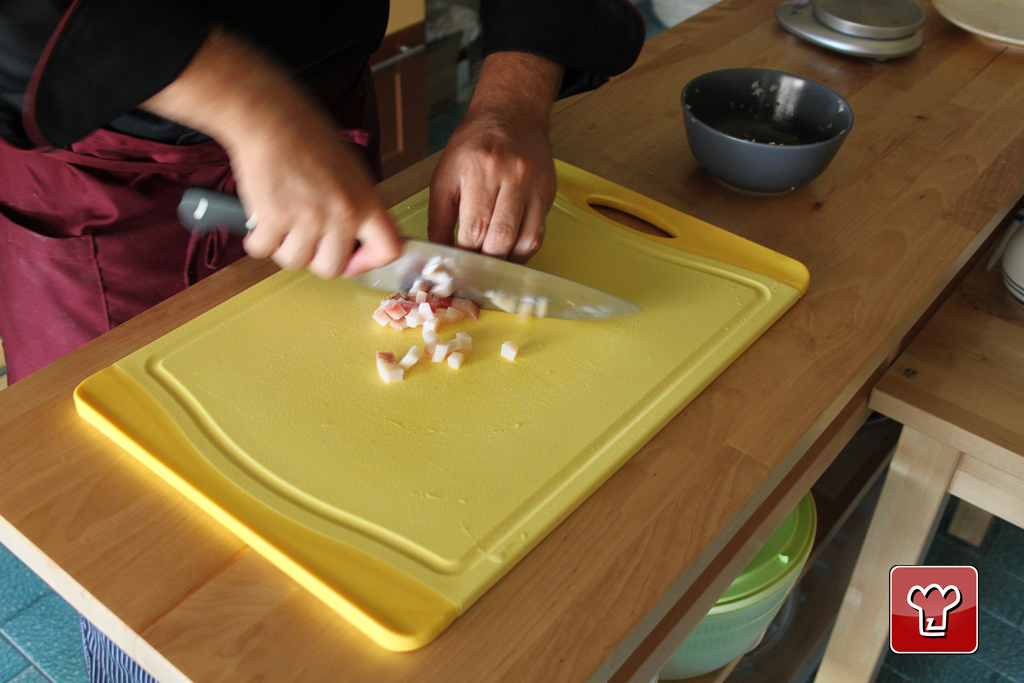
|
Cut the pancetta into little cubes
|
|
View the step by step
|
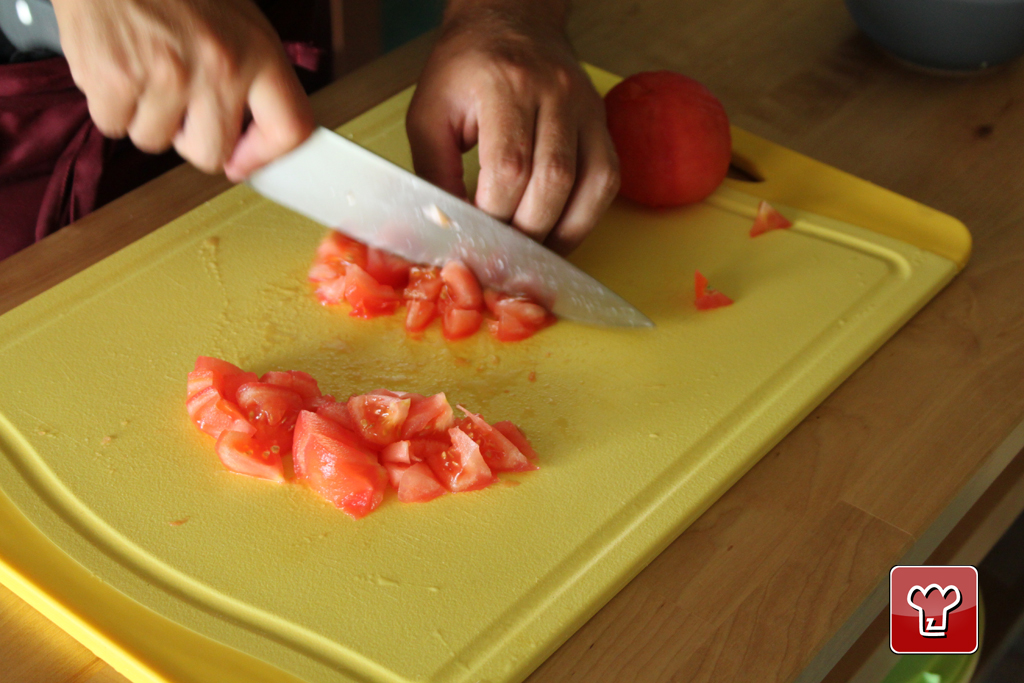
Cut the tomato into cubes
|
|
View the step by step
|
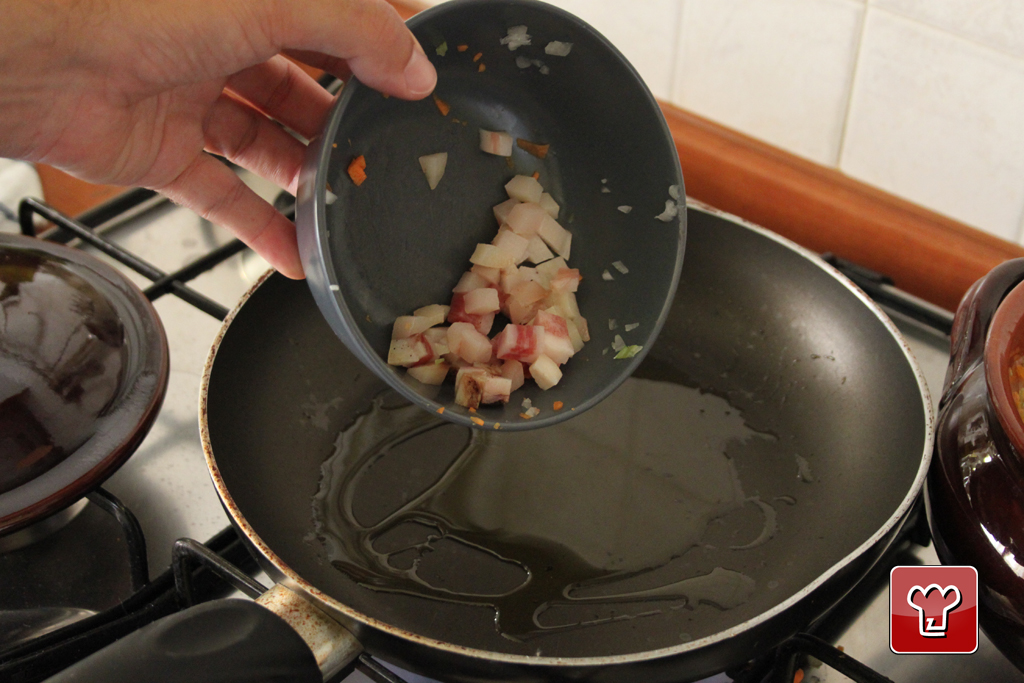
Fry the cubed pancetta
|
|
View the step by step
|
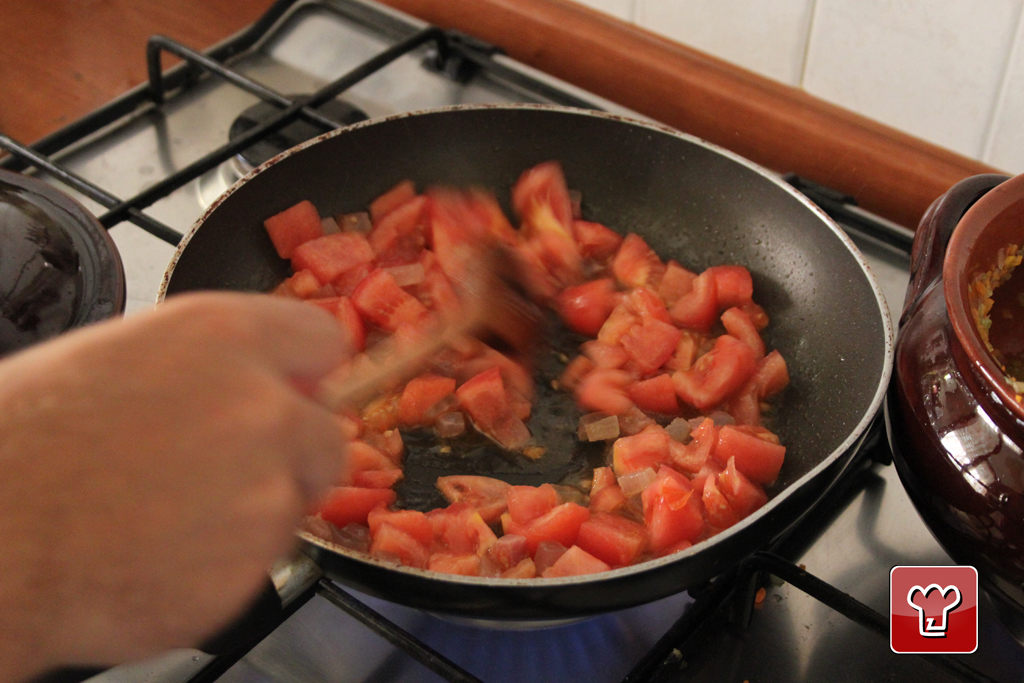
Fry the pancetta with the tomato in a separate pan
|
|
View the step by step
|
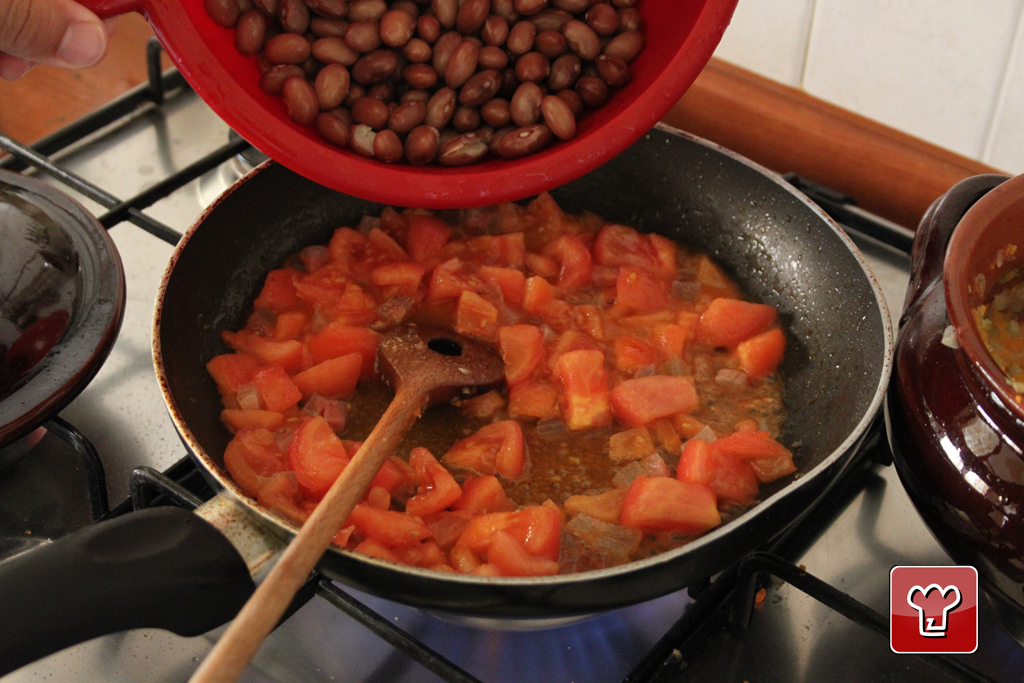
Add the beans to the tomato and cook together
|
|
View the step by step
|
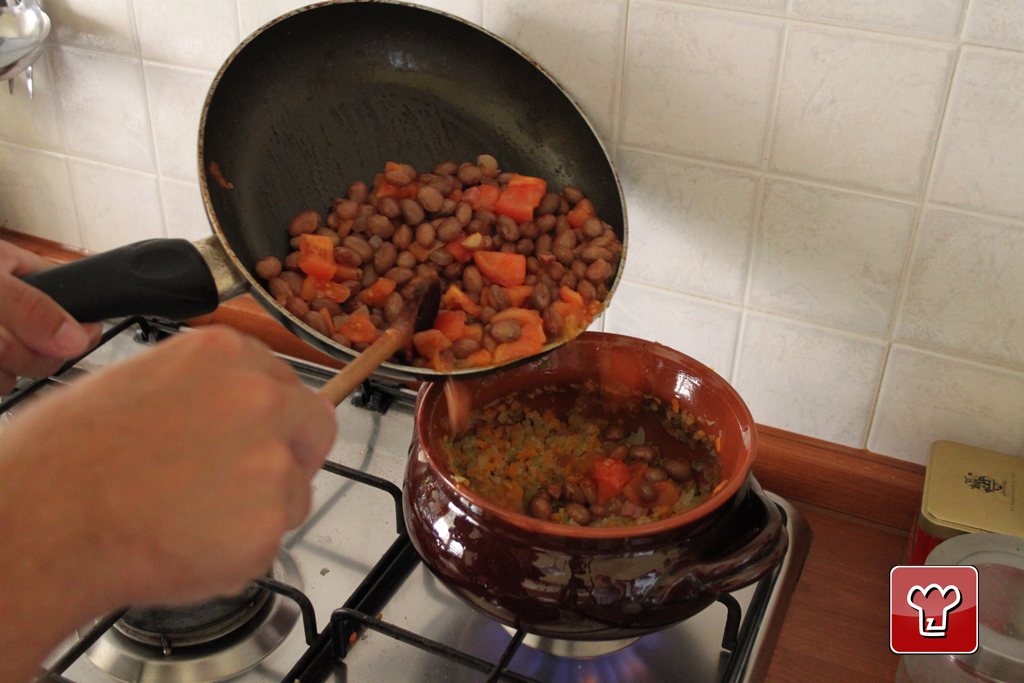
Add the tomato and beans to the onion and celery mixture, and continue cooking
|
|
View the step by step
|
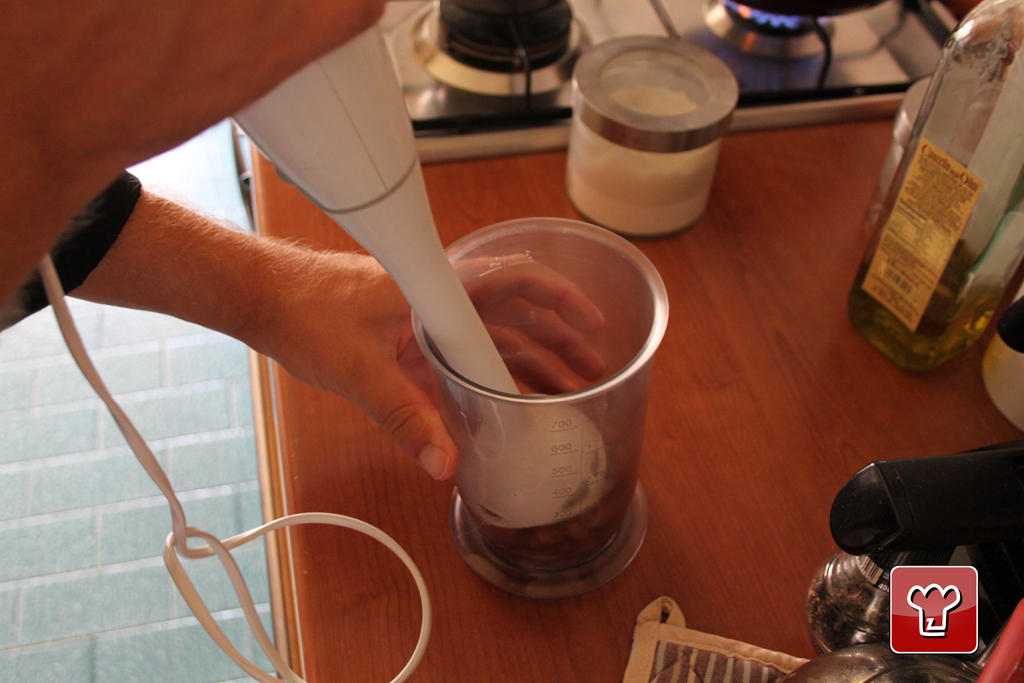
Puree some of the beans so as to make a sauce
|
|
View the step by step
|
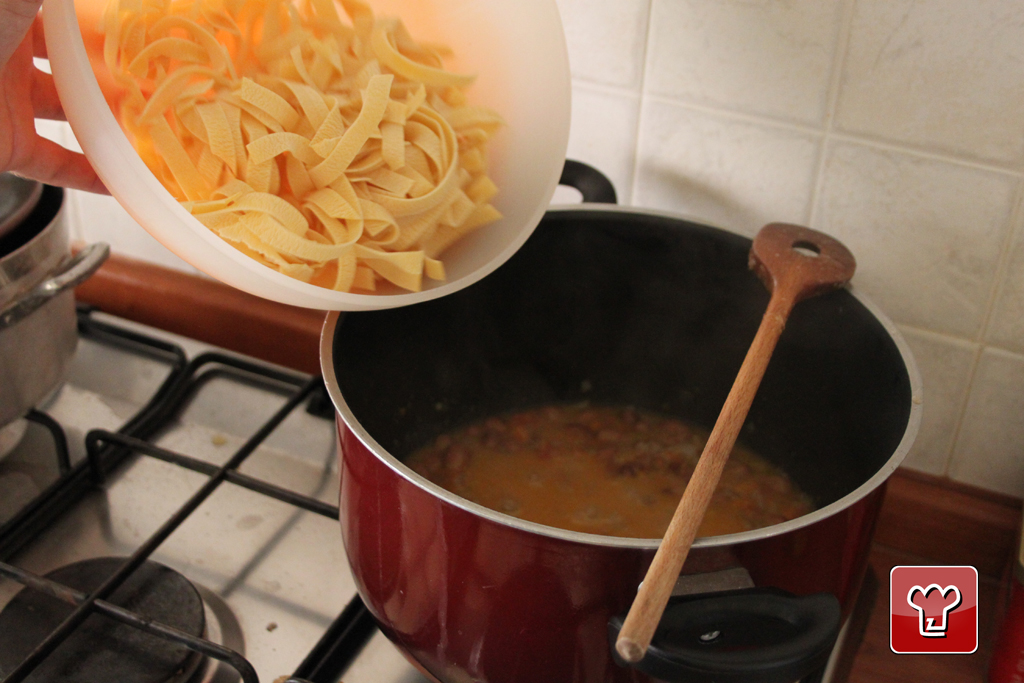
Add the egg pasta to the bean and vegetables and cook until the pasta is done
|
|
View the step by step
|
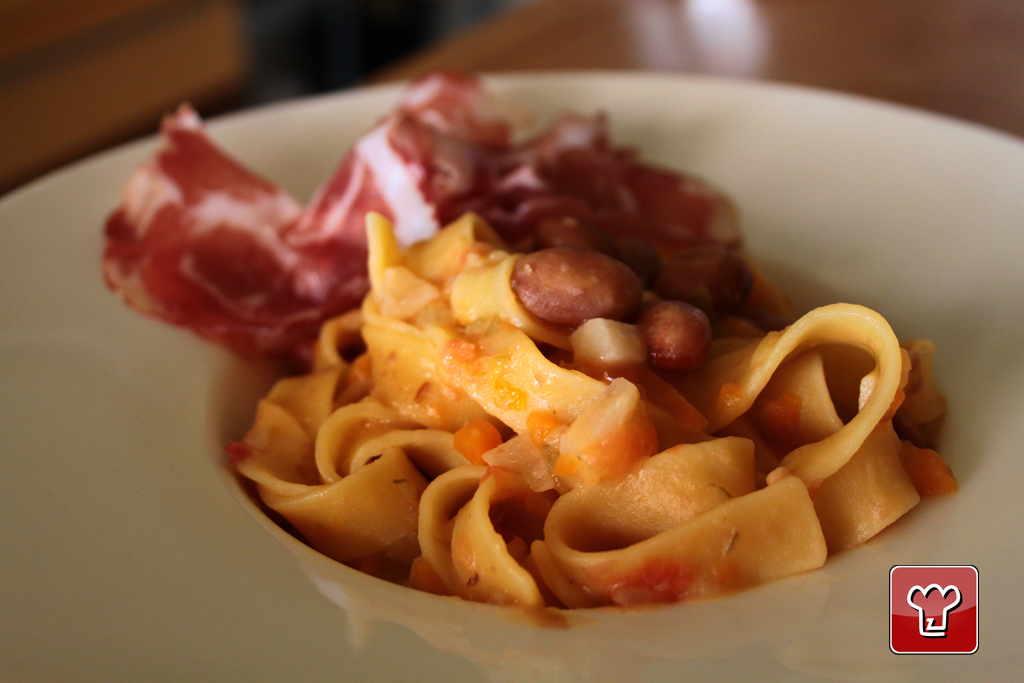
This eternal dish of the Italian tradition is ready
|
Additional information
Pasta and beans with pancetta and lardo di colonnata
One of the tastiest variations of traditional pasta and beans is certainly the one that includes the addition of pancetta and lardo di colonnata. This preparation enriches the dish with an intense and enveloping flavor, making it perfect for cold days. Start by preparing the beans as indicated in the basic recipe, but don't forget to sauté a generous amount of pancetta and lardo di colonnata along with the sautéed celery, carrot, and onion. The result will be a robust pasta and beans dish that will conquer even the most discerning palates. Serve hot, perhaps with a sprinkle of black pepper and a drizzle of extra virgin olive oil to further enhance the flavors.
Napoletana-style pasta and beans
Napoletana-style pasta and beans is a typical variant from Campania, where the recipe is prepared with fresh and genuine ingredients. In this version, the beans are cooked with a mix of vegetables and enriched with a flavorful meat broth. The pasta, usually short, is cooked directly in the broth, absorbing the flavors of the preparation. This technique allows for a creamy and fragrant dish that perfectly represents the Neapolitan culinary tradition. Don't forget to add a touch of pepper and a drizzle of raw oil before serving, for a final result that will delight all diners.
Light pasta and beans without pancetta
For those who desire a lighter version of pasta and beans, it is possible to omit the pancetta and lardo di colonnata while still maintaining a rich and enveloping flavor. Use only beans, fresh vegetables, and a good vegetable broth. You can also opt for whole grain or gluten-free pasta to make the dish even healthier. This light variant allows you to enjoy a traditional dish while keeping calories and fats under control. Serve with a drizzle of extra virgin olive oil and a sprinkle of pepper for a final touch that enhances the flavor without weighing it down.
Pasta and beans: benefits and nutritional information
Beans, the main ingredient of pasta and beans, are a valuable source of plant-based protein, fiber, and minerals such as iron and magnesium. Consuming beans can contribute to a balanced diet, promoting digestion and a sense of fullness. Additionally, they are low in fat and rich in antioxidants, which help combat cellular aging. A serving of pasta and beans provides about 350-400 calories, depending on the ingredients used, making it a nutritious and substantial dish, ideal for lunch or dinner. By choosing fresh and quality ingredients, you can enjoy a delicious and healthy meal.
Can pasta and beans be frozen?
Yes, pasta and beans can be frozen, but there are some precautions to keep in mind. It is advisable to freeze the dish without the pasta, as once thawed, the pasta tends to become mushy and lose its texture. You can freeze the base of beans and broth and add the fresh pasta only at the time of preparation. Make sure to store everything in airtight containers to prevent freezer burn. When you want to consume it, just thaw it in the refrigerator and heat it slowly in a pot, adding the pasta and a bit of broth if necessary.