Parsley Lasagna with clams
Parsley lasagna with clams is an original main course seafood dish, perfect for those who don’t like to go without their fix of fish for long, and which combines this healthy and attractive food to the irresistible delicacy of lasagna, a dish which always enthuses adults and children alike. The lasagne is made with sheets of homemade egg pasta - a real treasure of home cooking – and has been decorated with large parsley leaves which gave them a dramatic touch. At this point, we pull out of the hat the irresistible secret ingredient, namely, a lovely tomato and clam sauce: if necessary, you could also add some cod to the sauce, or even other fish, such as tuna or - for the gourmets among you - some swordfish.
Ingredients
Sea Lasagna with Puglian Tomatoes
The freshness of clams pairs beautifully with the rich, vibrant flavor of Puglian peeled tomatoes. The lasagna, sprinkled with a touch of fresh parsley, offers a delightful twist on the traditional land-based version, bringing the essence of the sea and the Puglian countryside to your table.
* approximate values per serving
Preparation
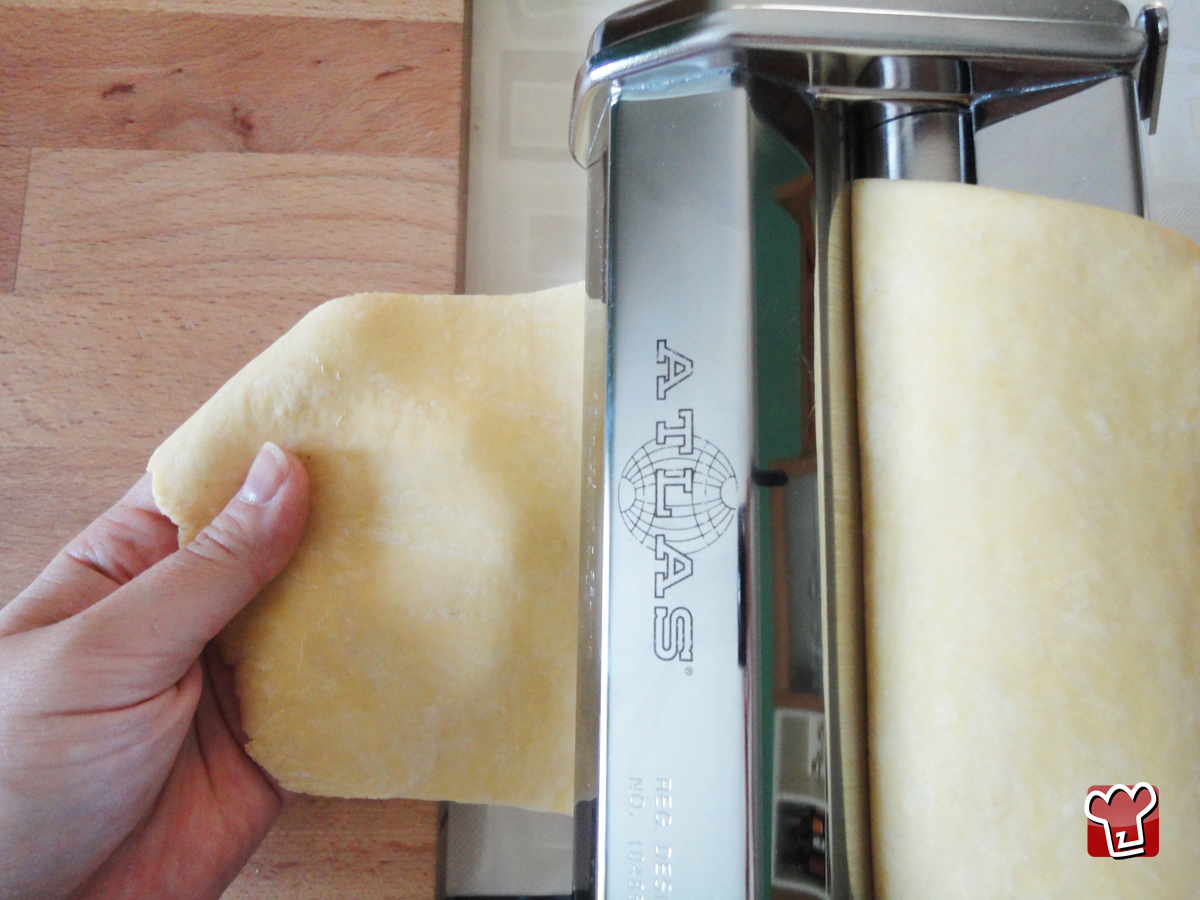
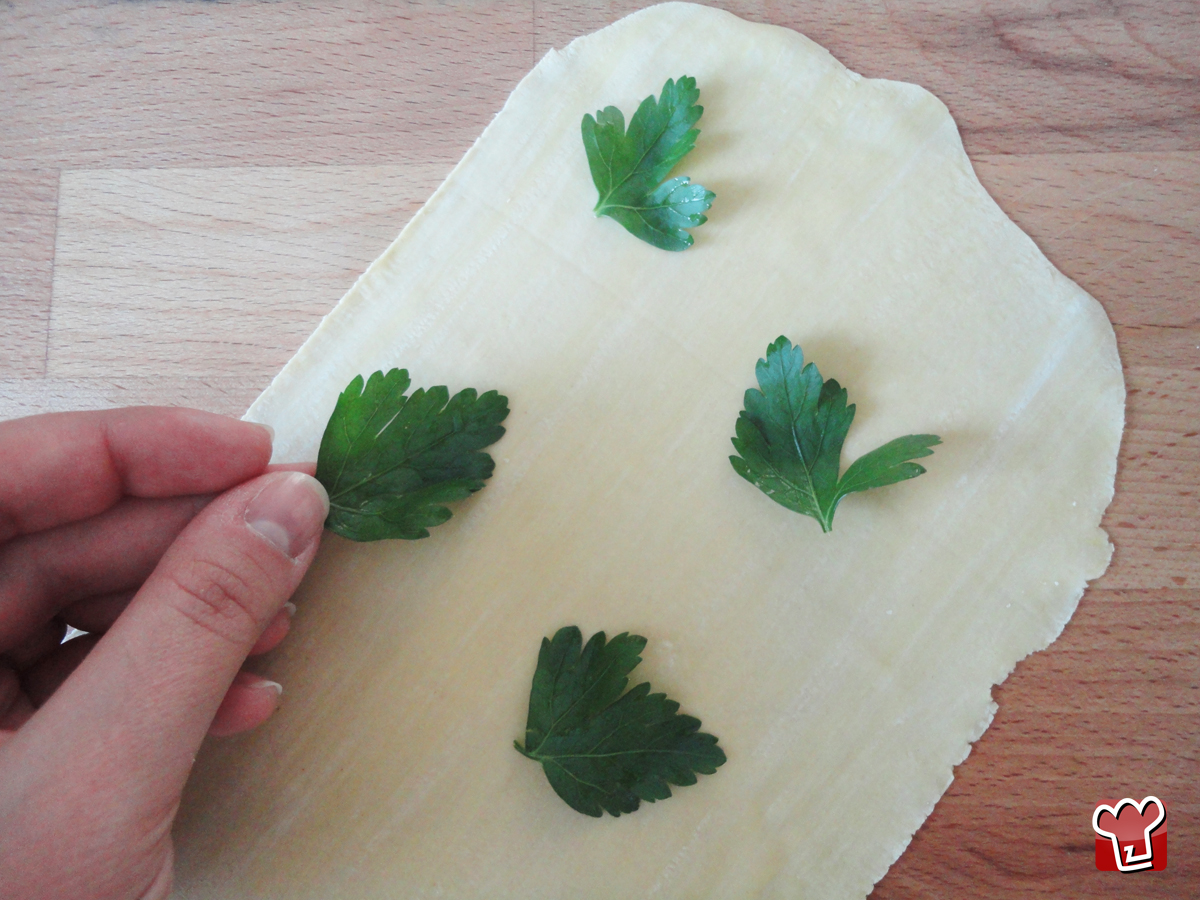
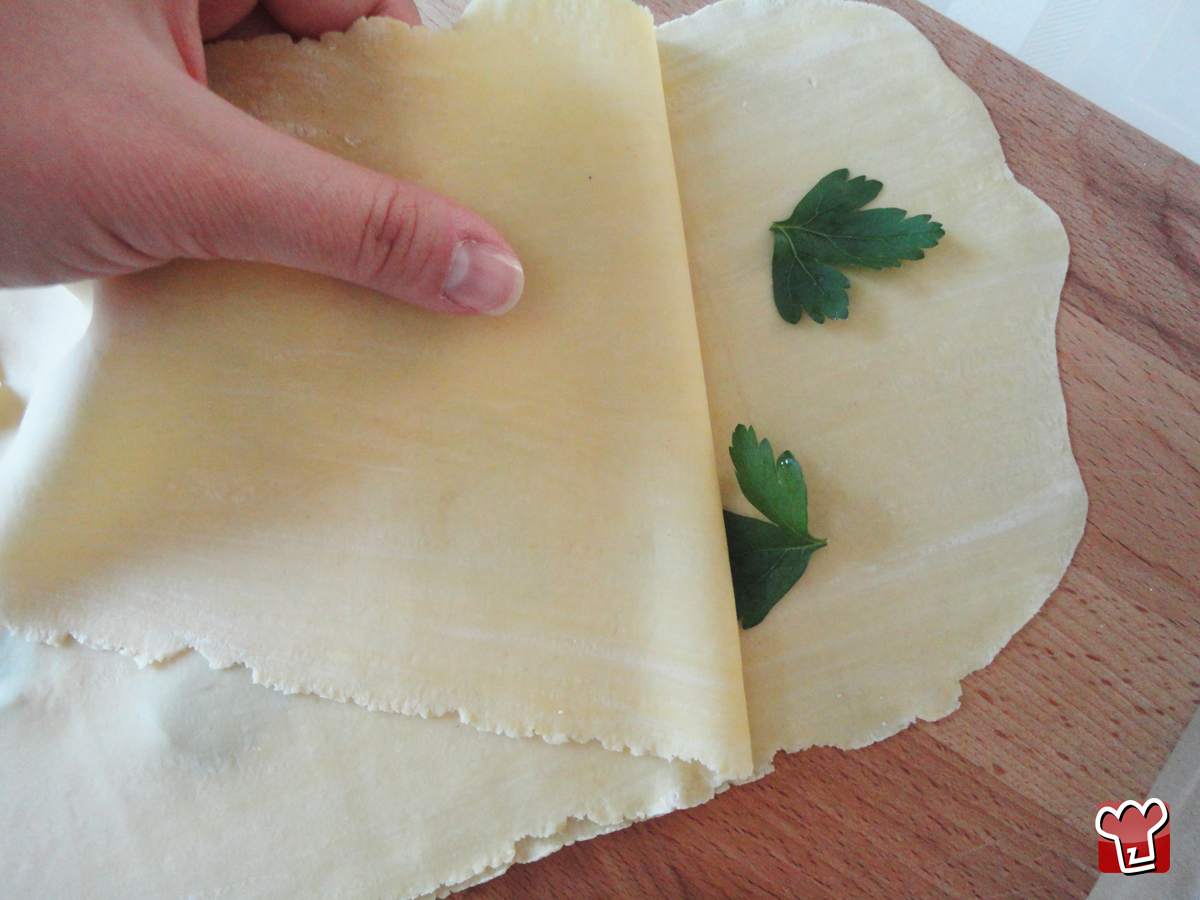
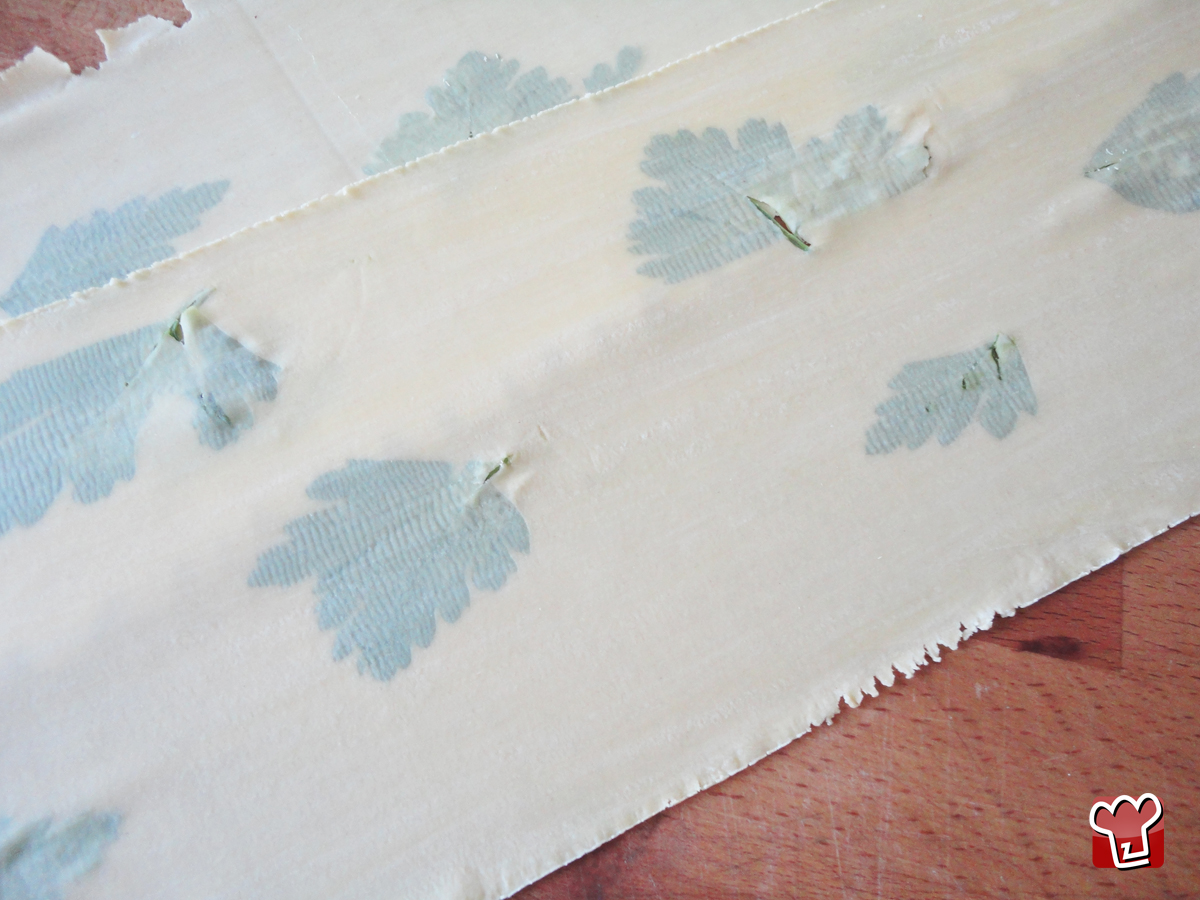
Prepare the parsley lasagne sheets: mix the flour with the eggs until you have a yellow, homogeneous dough. Let it rest for 30 minutes wrapped in cling film, then cut it into 3 equal pieces and roll it out into a number of sheets using a pasta-making machine. When you've got the very thin sheets, spread the washed but undried parsley leaves over half the pasta sheets. Cover with the other half of the pasta sheets, making them stick down well and then pass them through the pasta machine once again. Now cook the clams in a pan over a medium heat in a low casserole with a lid until they open. Remove them from their shells and set aside, along with the filtered cooking liquid. Boil the cod, cut it into smaller slices and set aside. Fry the garlic in a pan in oil, add the peeled tomatoes and, after about 10 minutes, add the clams with their cooking water. Add salt and cook for another 5 minutes to evaporate the liquid. Blanch the parsley sheets in boiling salted water for a minute at most, and drain them wooden work surface or on a clean cloth. Spread a spoonful of sauce with clams on the bottom of a roasting pan, add the first layer of pasta and continue alternating one of clam sauce and one of cod pieces. Continue until all ingredients are used, ending with a layer of clam sauce. Bake the lasagna at 180°C for about 35 minutes, covering with aluminium foil halfway through cooking if it gets too dry. Let it rest for a few minutes and then serve.
Step by step
|
View the step by step
|
Arrange the damp parsley on half the sheets
|
|
View the step by step
|
Cover the parsley pasta sheets with the remaining pasta sheets and stick them down well
|
|
View the step by step
|
Pass the combined sheets through the pasta machine once again
|
|
View the step by step
|
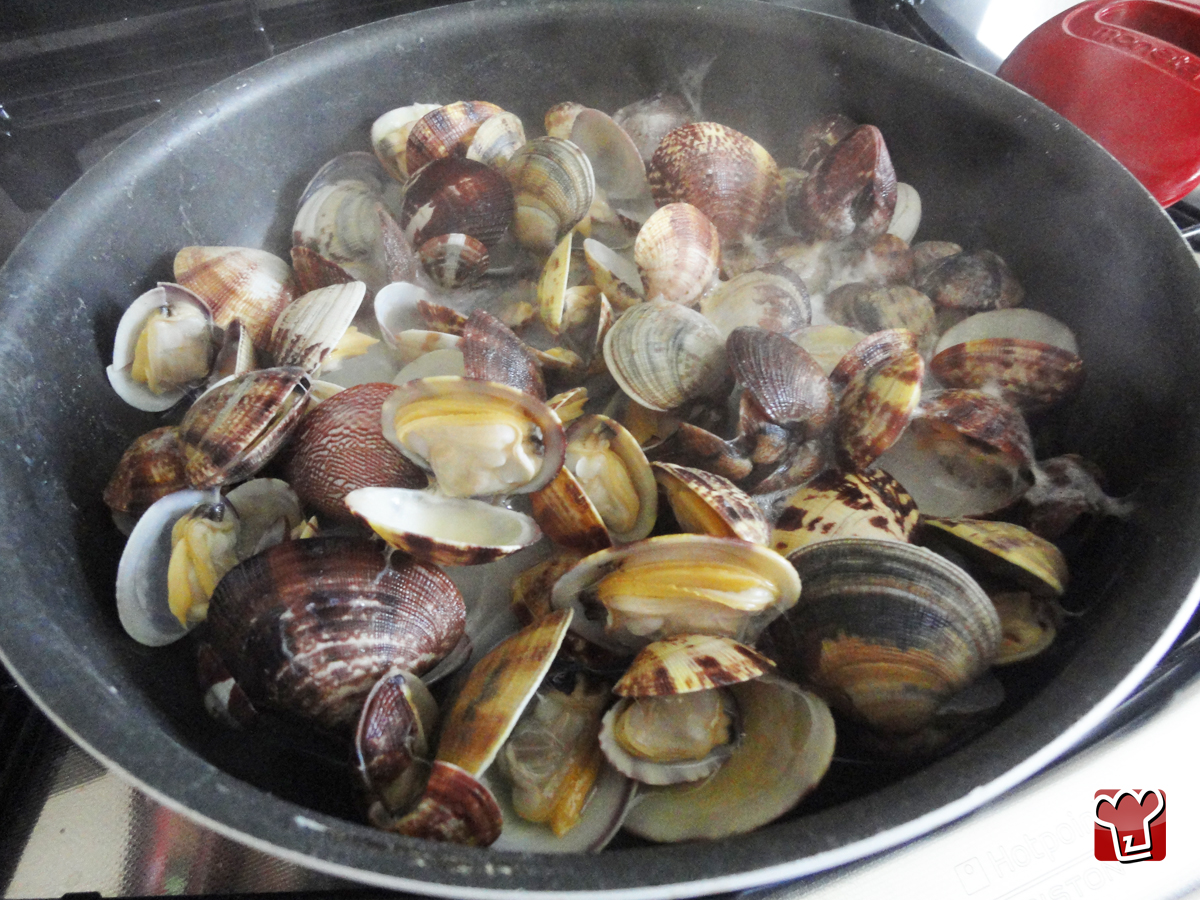
Cook the clams until they open then remove their shells
|
|
View the step by step
|
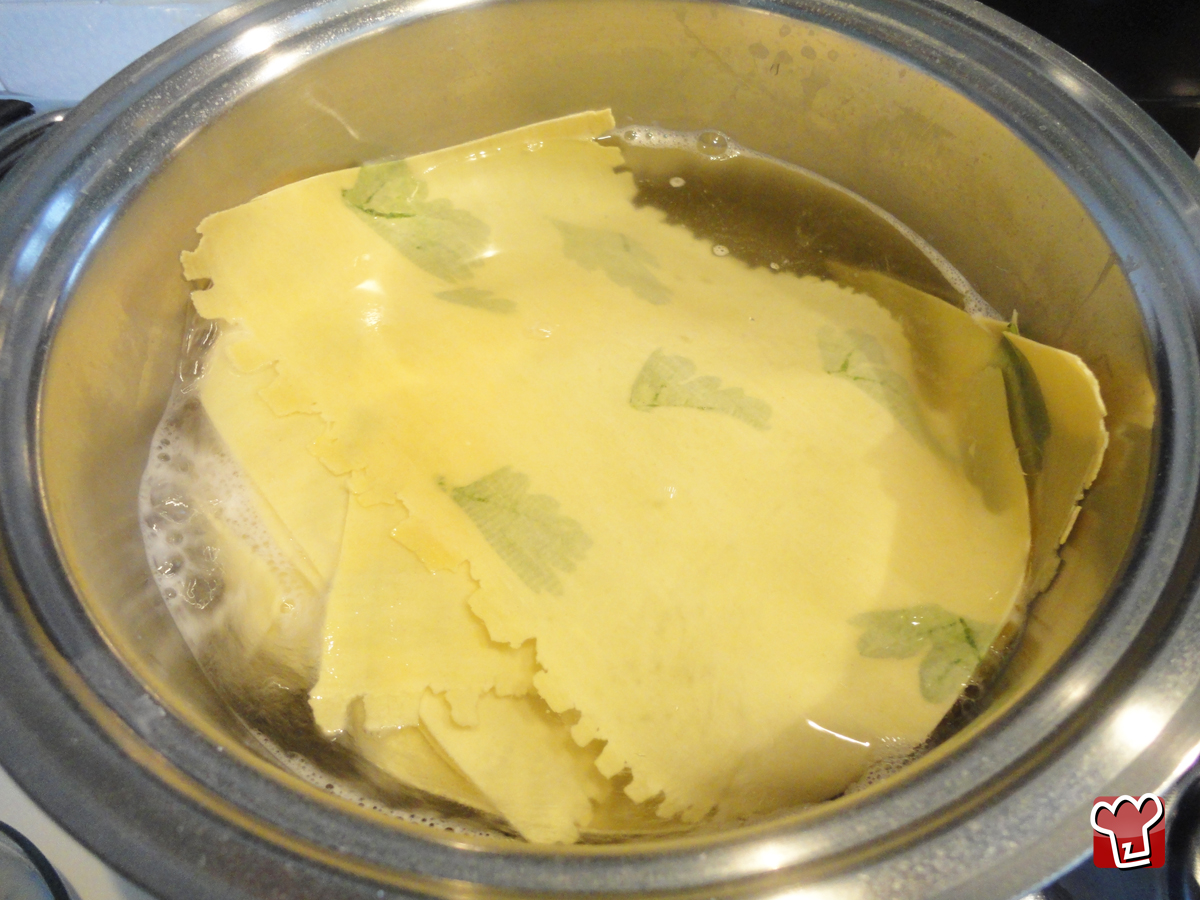
Blanch the pasta sheets in boiling water for 1 minute
|
|
View the step by step
|
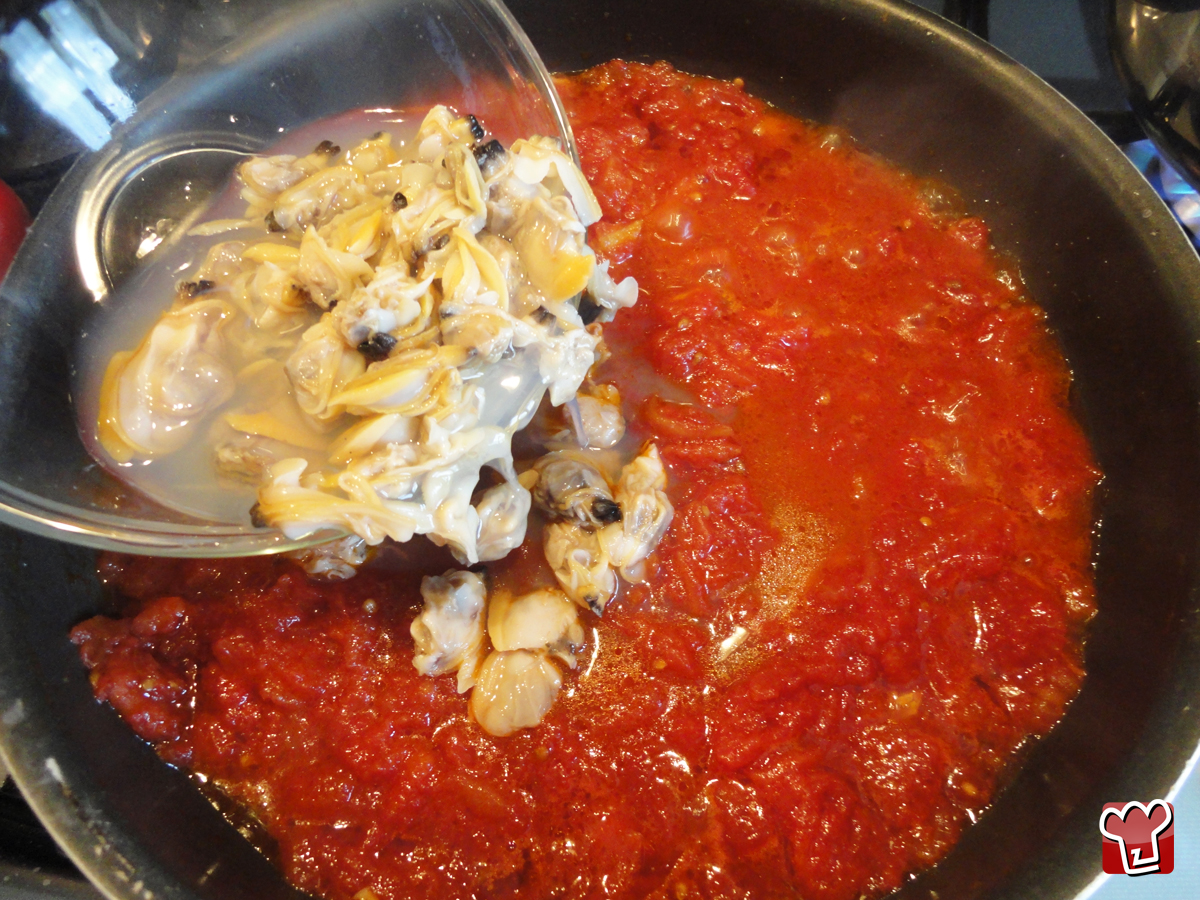
Make the clam sauce
|
|
View the step by step
|
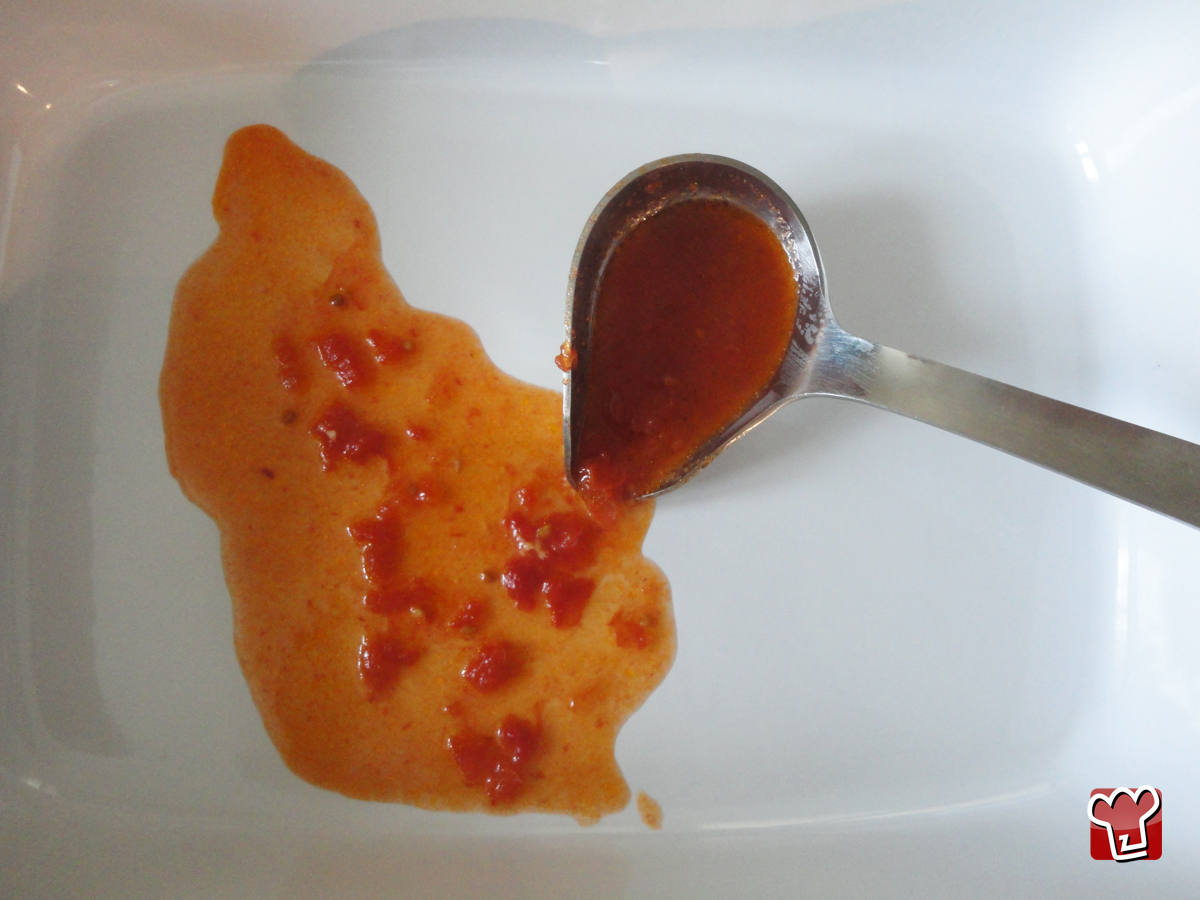
Smear some clam sauce on the bottom of a rectangular roasting pan
|
|
View the step by step
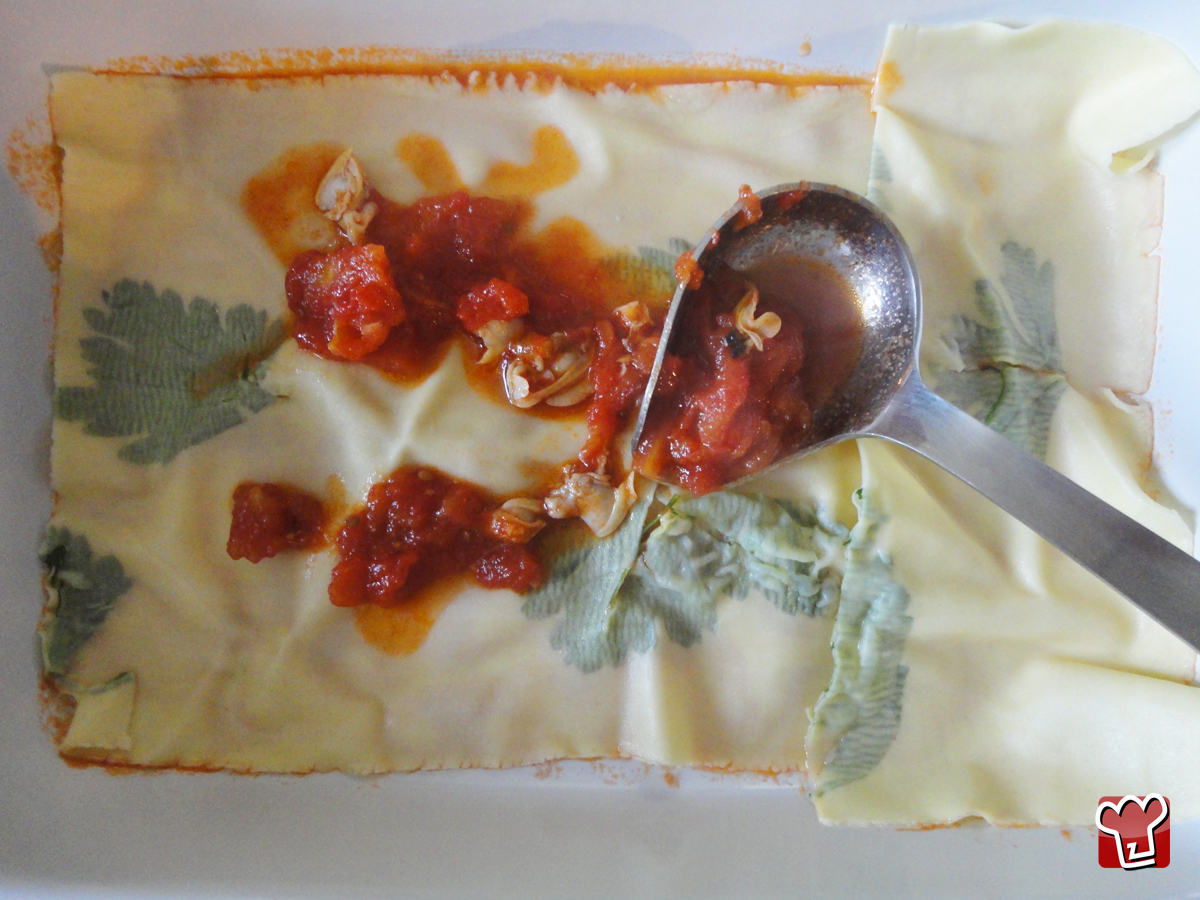
|
Make a layer of lasagne and cover with more sauce
|
|
View the step by step
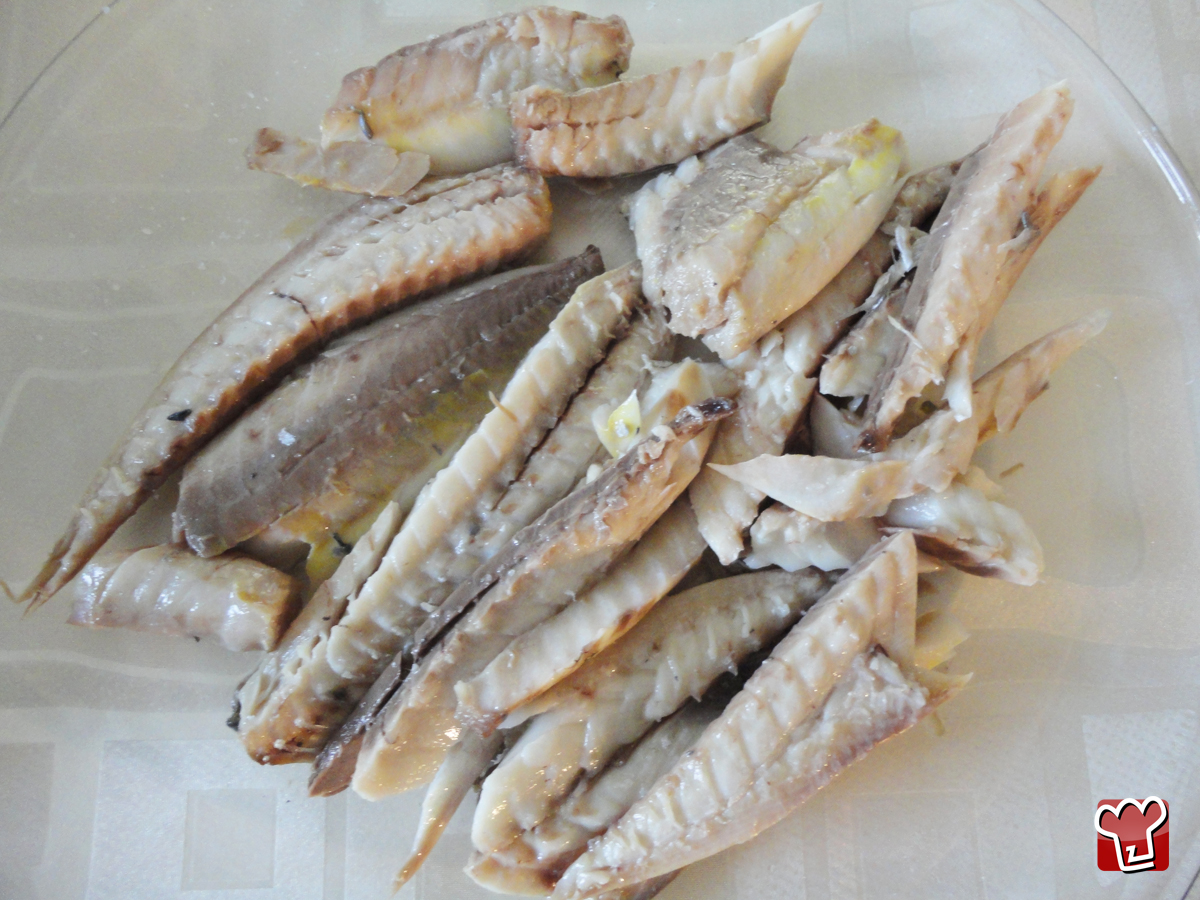
|
Fillet the cod
|
|
View the step by step
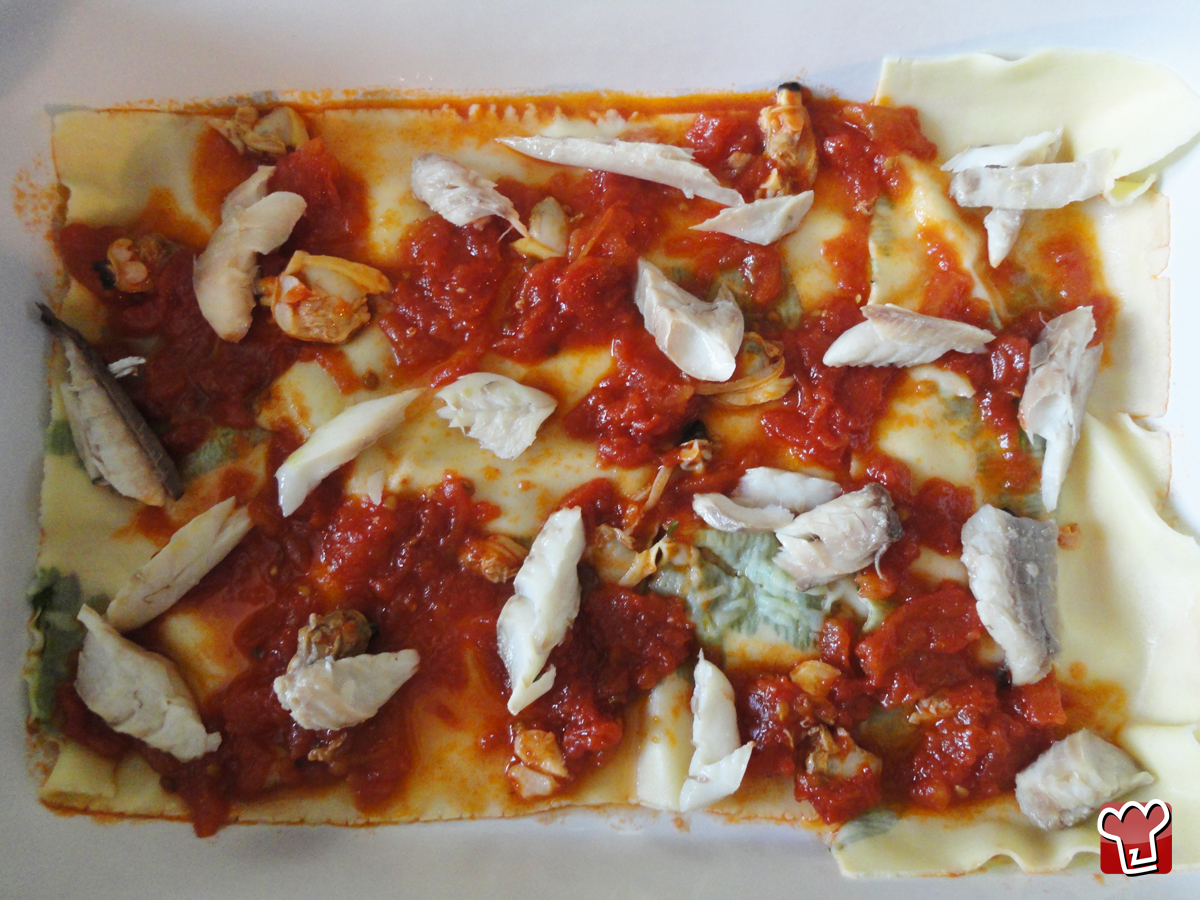
|
Add the cod to the lasagne
|
|
View the step by step
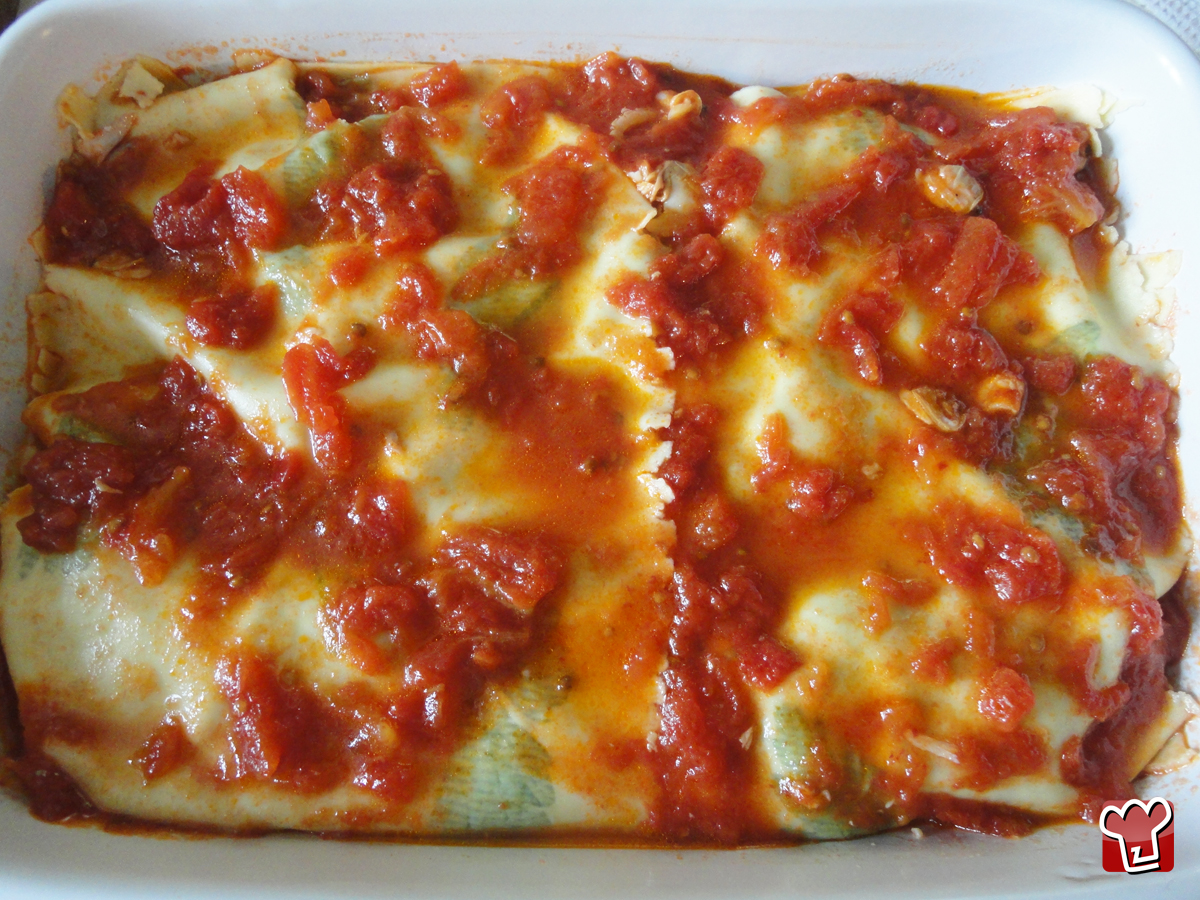
|
Finish with a layer of clam sauce
|
Additional information
Parsley Lasagna with Clams and Cod
A tasty variant of the classic parsley lasagna with clams includes the addition of cod, a white fish with a delicate flavor. To prepare this dish, one starts with the preparation of the parsley dough, to which a filling of fresh clams and cod is added. The fish is cooked in a pan with garlic and oil, to enhance its flavor and make it perfect for lasagna. This combination of ingredients offers an interesting balance of flavors, where the freshness of the clams and the delicacy of the cod blend into a rich and satisfying dish. The lasagna can be baked in the oven until a golden crust forms, making it an ideal dish for special occasions or family lunches.
Parsley Lasagna with Clams Abruzzese Style
In Abruzzo, parsley lasagna with clams is prepared with a traditional recipe that enhances the fresh ingredients of the region. The parsley dough is a distinctive element of this preparation, which pairs perfectly with the clams, a typical product of the Abruzzese coast. This regional variant calls for the use of peeled tomatoes to enrich the filling, creating a sauce that binds all the flavors together. Baking gives the dish a creamy consistency and an inviting aroma. Preparing lasagna this way is a way to bring a piece of Abruzzese tradition to the table, allowing everyone to savor the freshness of the sea and the genuineness of local ingredients.
Light Parsley Lasagna with Clams without Cod
For those seeking a lighter version of parsley lasagna with clams, it is possible to omit the cod and reduce the use of oil. In this light recipe, fresh clams can be cooked with garlic and a drizzle of extra virgin olive oil, keeping the dish flavorful but lower in calories. Additionally, to make the dish even lighter, one can opt for a homemade fresh pasta dough using only flour and eggs, without adding fats. This variant is perfect for those who want to maintain a healthy diet without sacrificing flavor. The light lasagna can be baked for a shorter time, thus preserving the freshness of the ingredients.
Benefits of Parsley Lasagna with Clams and Nutritional Information
Parsley lasagna with clams offers numerous benefits thanks to its main ingredients. Clams are rich in protein and contain essential minerals such as iron and zinc, which contribute to the health of the immune system and the production of red blood cells. Parsley, on the other hand, is an aromatic herb with antioxidant and anti-inflammatory properties, rich in vitamins A, C, and K. A serving of parsley lasagna with clams provides about 400-500 calories, depending on the amount of seasoning and ingredients used. This preparation can represent a balanced meal when paired with fresh vegetable sides, making the dish not only tasty but also nutritious.
Can Parsley Lasagna with Clams be Frozen?
Yes, parsley lasagna with clams can be frozen, but it is advisable to do so before cooking. Preparing the dish, layering the lasagna in a baking dish, and covering it well with plastic wrap or aluminum foil helps preserve its freshness. Once ready, the lasagna can be stored in the freezer for up to three months. When you want to consume it, you can bake it directly from frozen, slightly increasing the cooking time. Alternatively, it can be thawed in the refrigerator for a few hours before baking. This method allows you to have a ready-to-use dish while keeping the flavors and texture of the original preparation intact.