Saint Joseph’s cream puffs
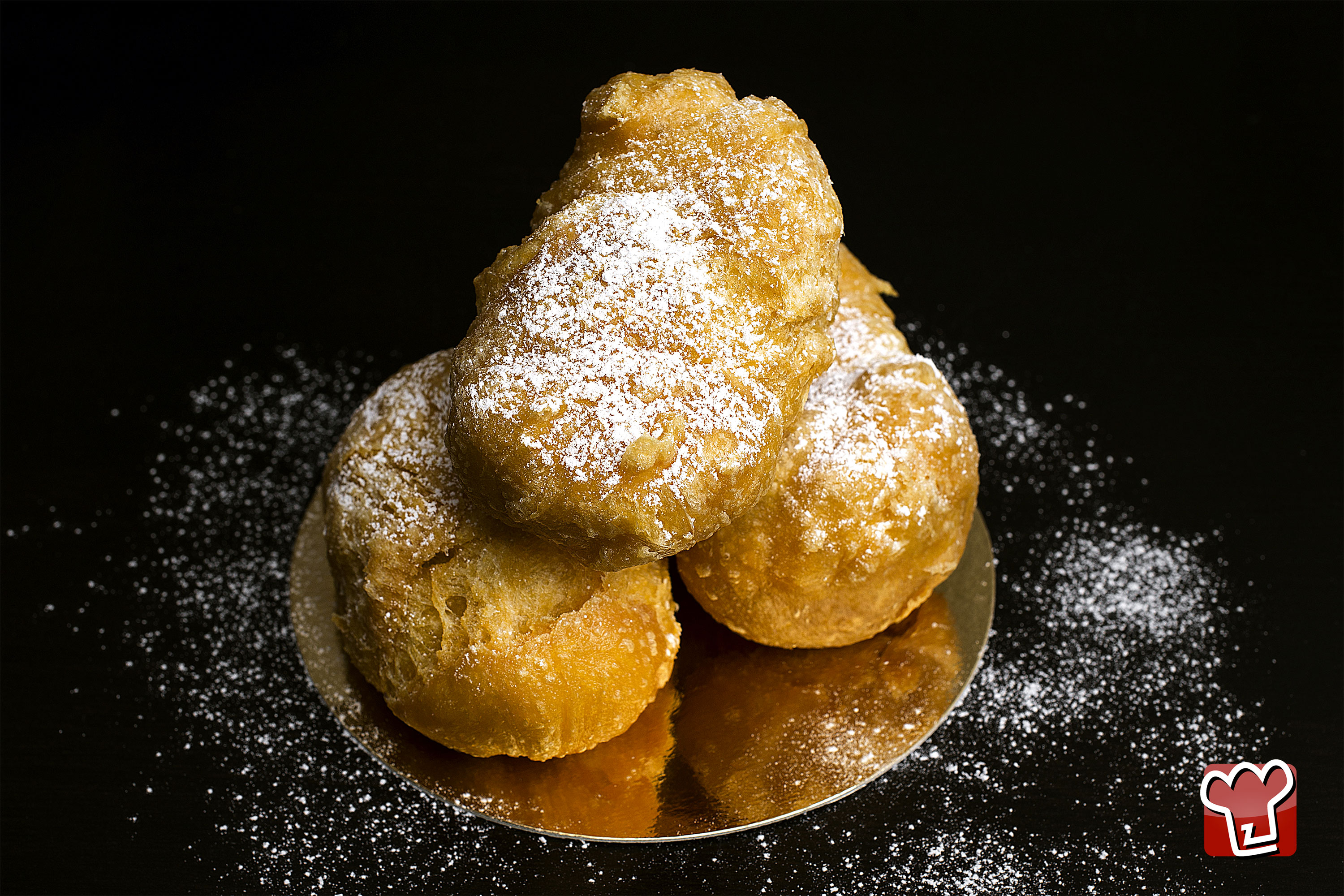
As with most festival days, even one dedicated to our father, it deserves to be celebrated with the appropriate dish. So, why not prepare for Father’s Day one of the most famous pastries in Italy? ‘St. Joseph puffs’ are a typical dessert of the Lazio region, and more specifically the city of Rome. These little pastries are distinguished by being fried, stuffed with a delicious custard and finally dusted by a cloud of powdered sugar. Your Dad will have the best possible treat on his special day! Now, there is nothing to stop you from getting going in the kitchen: following our guidelines your ‘puffs’ will be ready to be enjoyed in no time! Alternatively, we recommend preparing a different cake for Father's Day, the doughnuts of St. Joseph.
Ingredients
Stuffing
Decoration
* approximate values per serving
Preparation
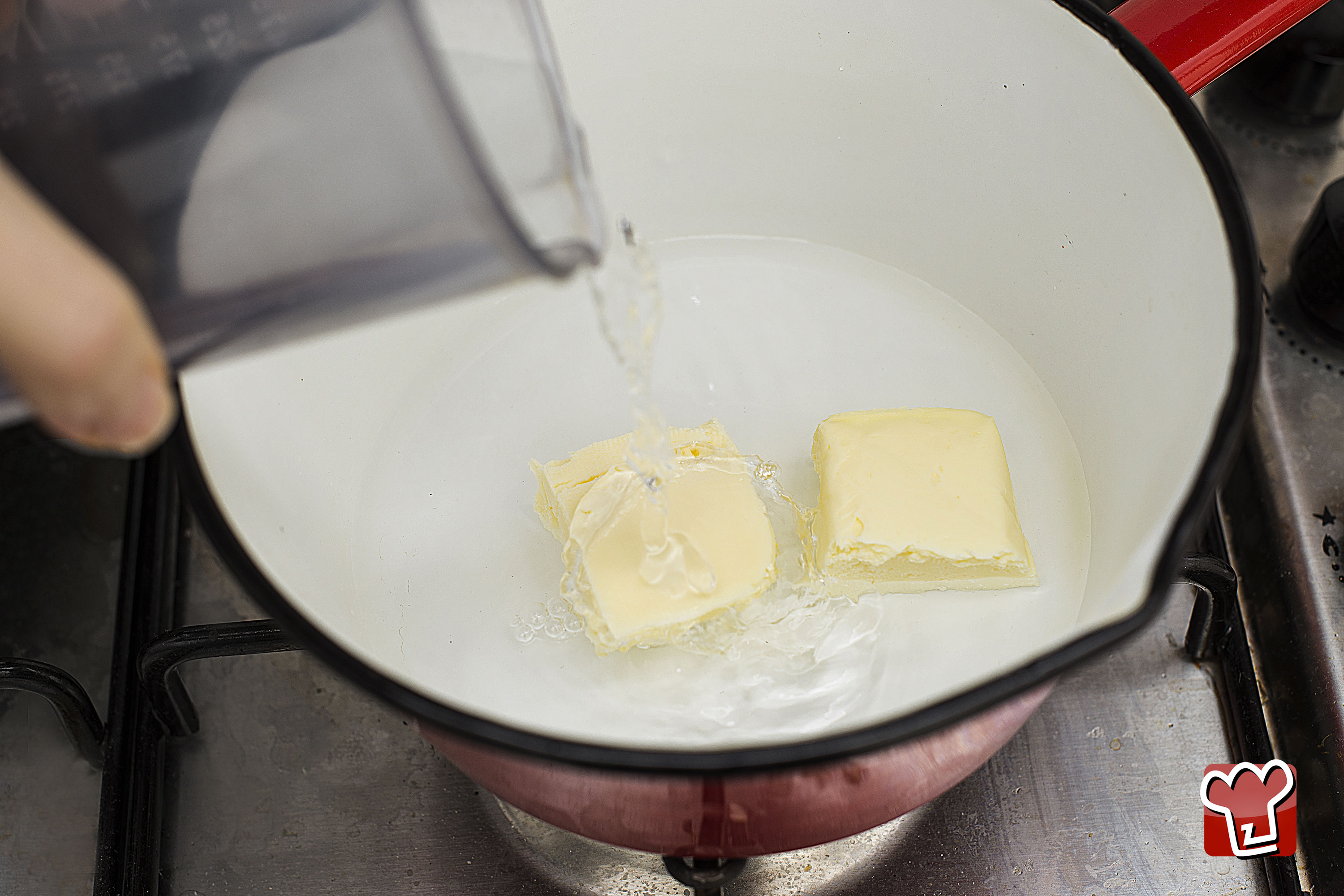
Put a little cold water, butter and salt in a pan, bring to the boil, remove from heat, and pour in the flour previously combined with baking powder, and blend it in well with a wooden spoon. Return the pan to the heat, and work the mixture until you have a ball that easily comes off the wooden spoon and from the sides of the pan. Stop working it when this mixture makes a slight frying noise. Remove from the heat and allow to cool, then incorporate one by one the eggs and egg yolk. The dough must be worked very well; each additional egg must be worked in well before adding to another. As soon as you see bubbles scattered in the dough, add half a teaspoon of sugar and the grated lemon zest. Continue to work the dough well to incorporate these last two ingredients then remove from pan, wrap it in a cloth and keep it in a cool place for a good half hour. When the puffs are ready to be made, warm some oil in a frying pan, then shape the dough into hazelnut sized pieces. Let them fry over a moderate heat without touching them, but simply shake the frying pan (the cream puffs will turn on their own). As the puffs swell, increase the heat; as soon they take on a lovely blond colour, drain them, let the fat cool a little and repeat the operation until the dough is all used up (for the process to work well, only fry a few at a time). Then, prepare a thick custard; using a pastry bag, fill the puffs with custard one by one. Arrange the puffs in a pyramid on a serving plate covered with a paper lace and spray them with vanilla sugar. Serve immediately.
Step by step
|
View the step by step
|
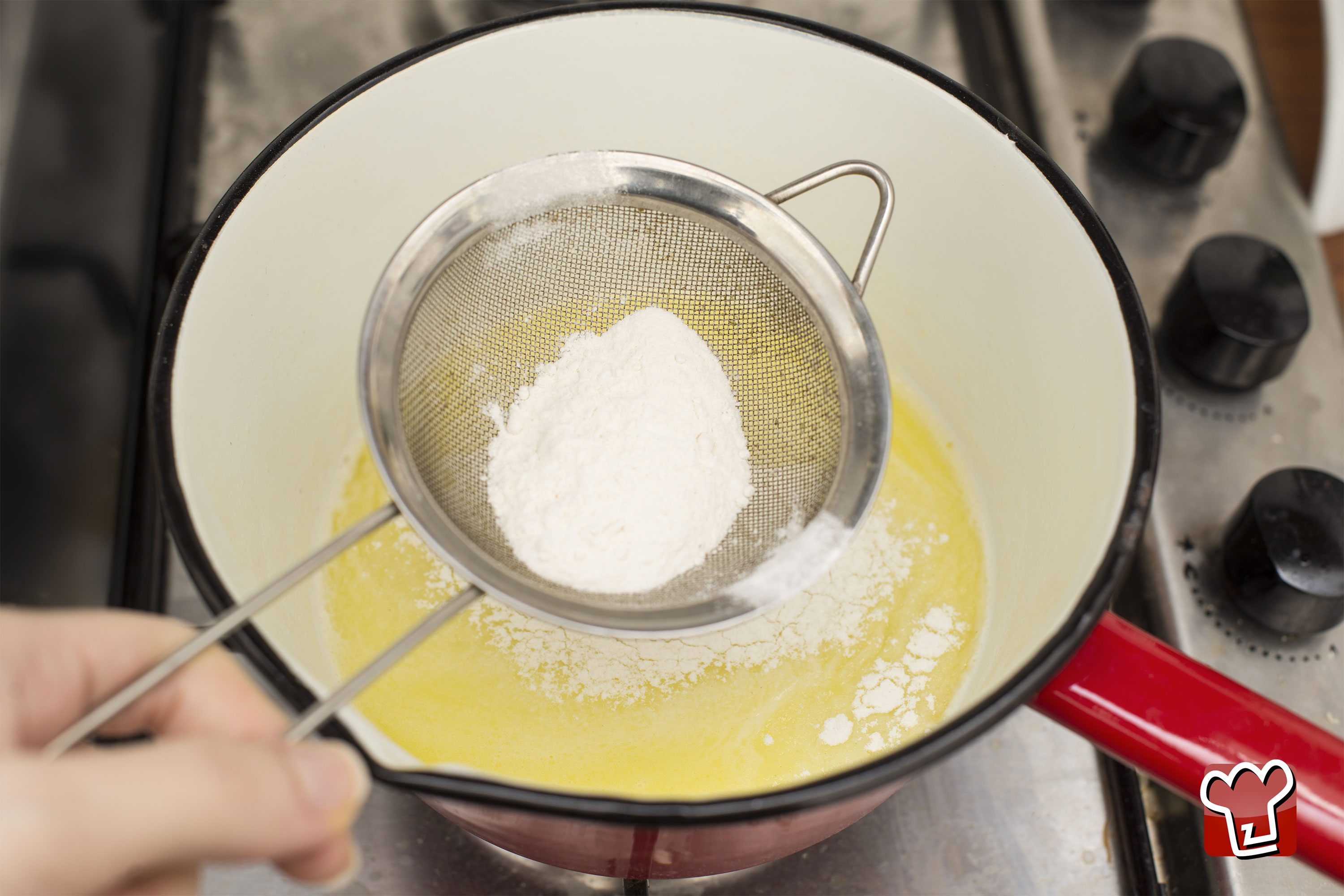
Remove from the heat and add the sifted flour, mixing in with a whisk
|
|
View the step by step
|
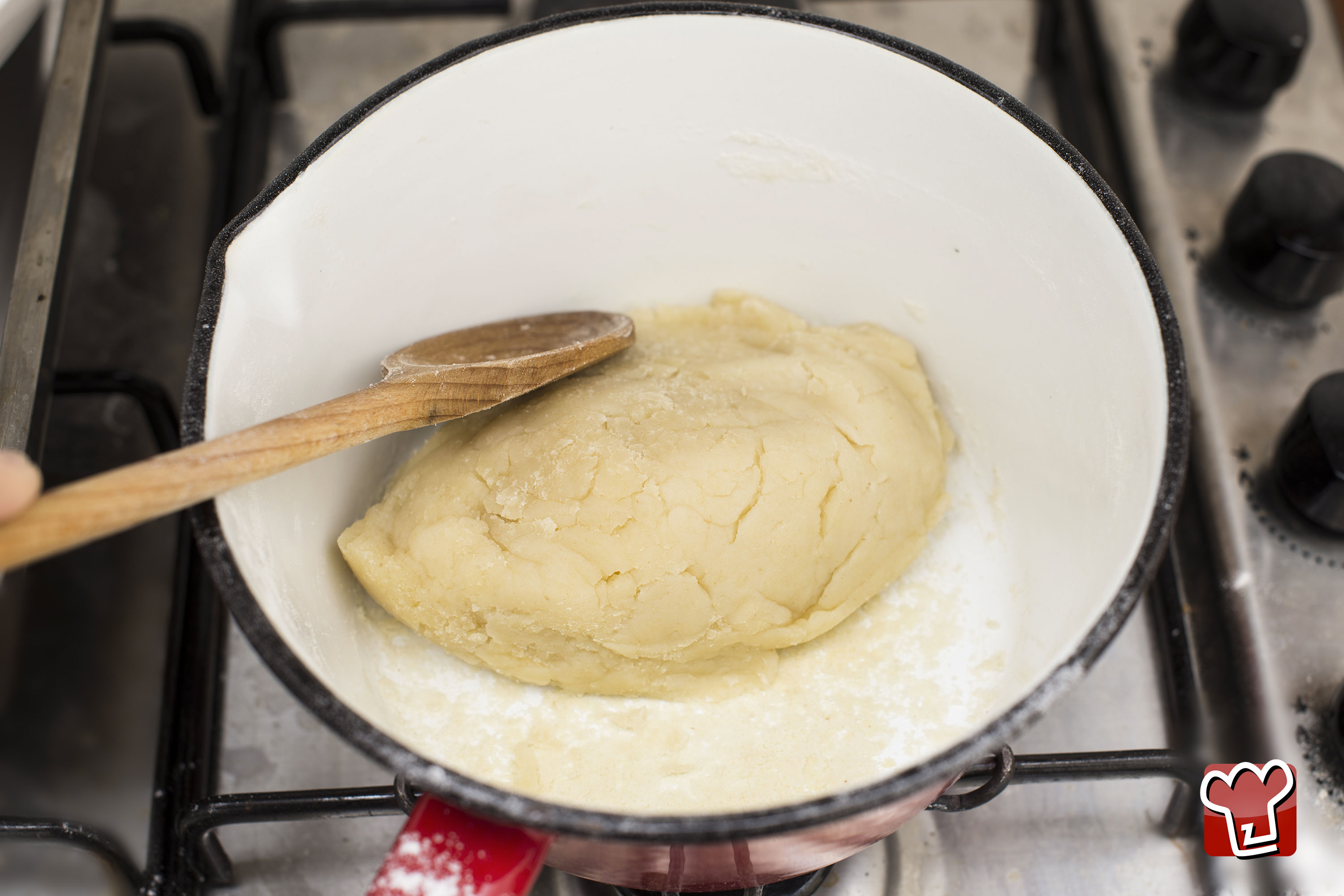
Return to the heat and mix vigorously with a wooden spoon until there is a sizzling noise as if frying
|
|
View the step by step
|
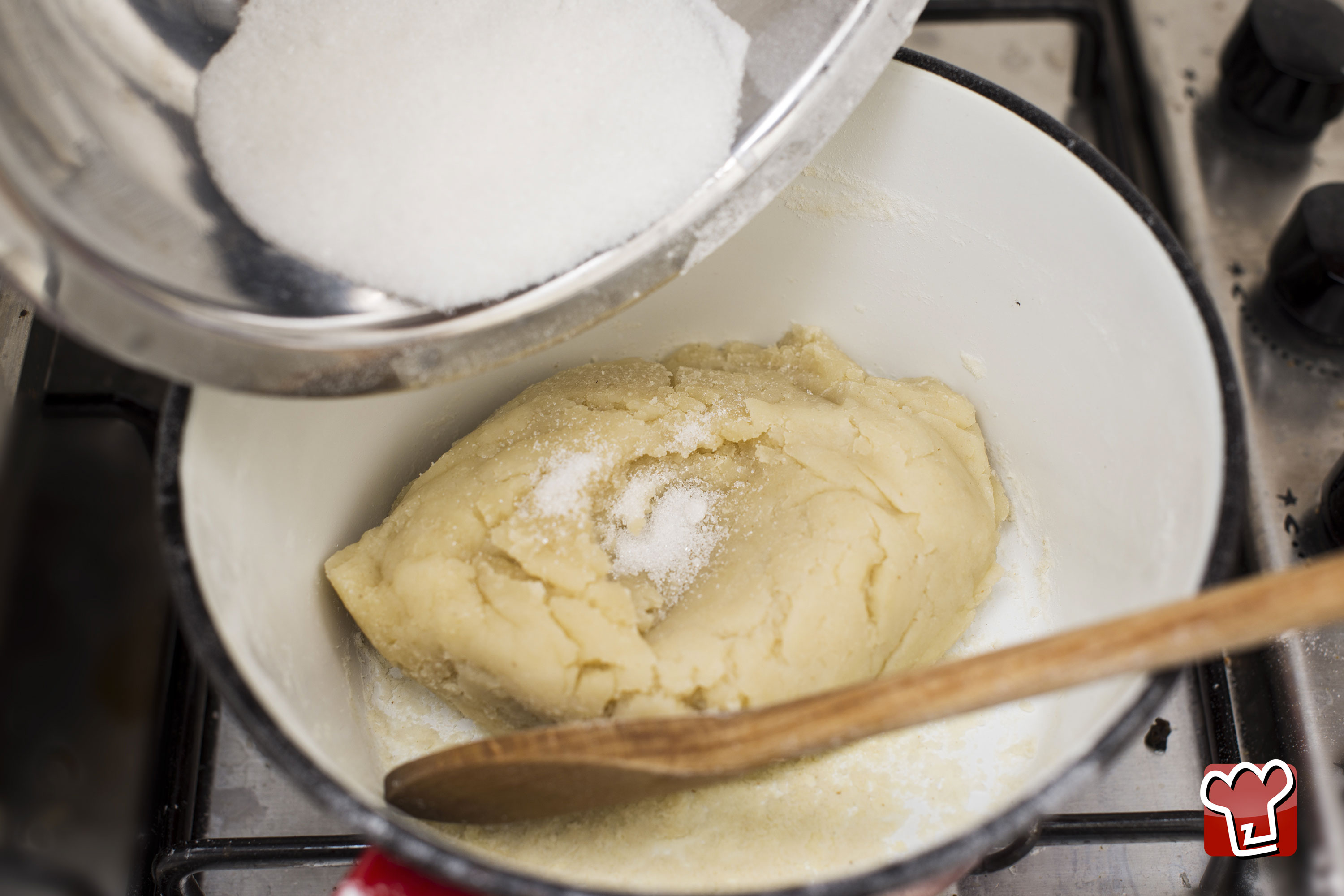
Remove from the heat and mix in the sugar and grated lemon zest, then leave the batter to cool
|
|
View the step by step
|
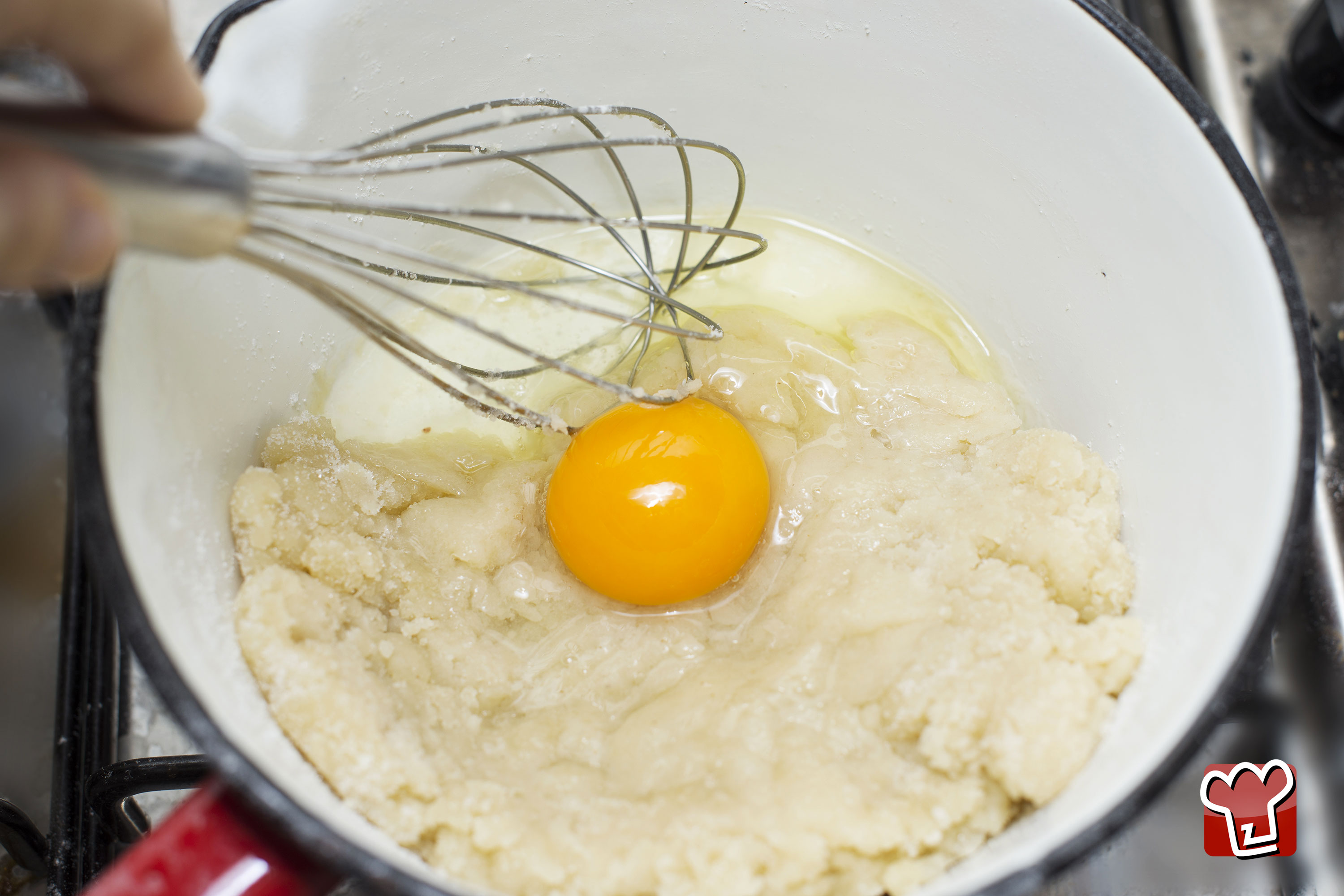
Mix in the eggs one by one until you have a smooth mixture
|
|
View the step by step
|
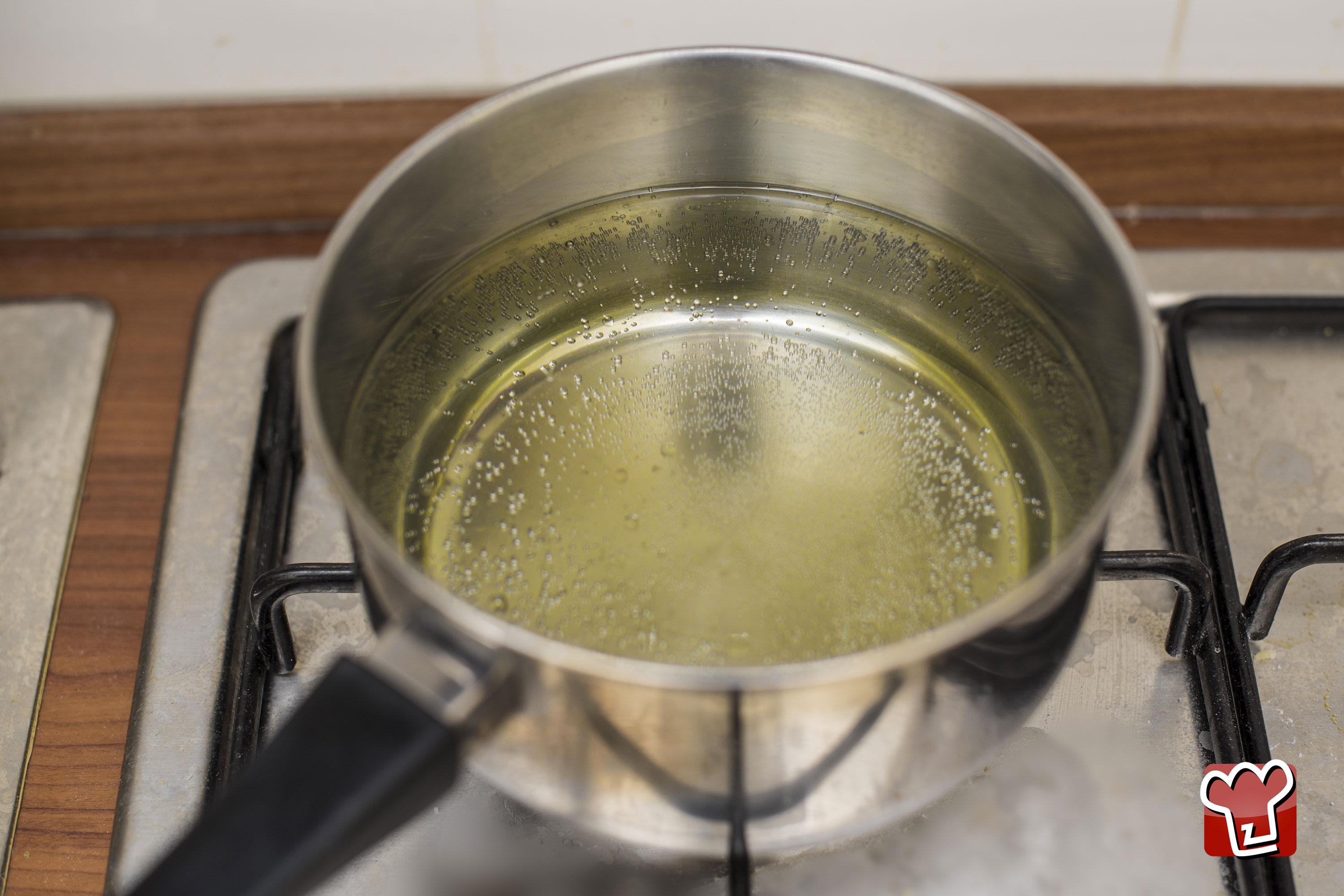
Heat the oil for frying in a saucepan until it is about 170°C
|
|
View the step by step
|
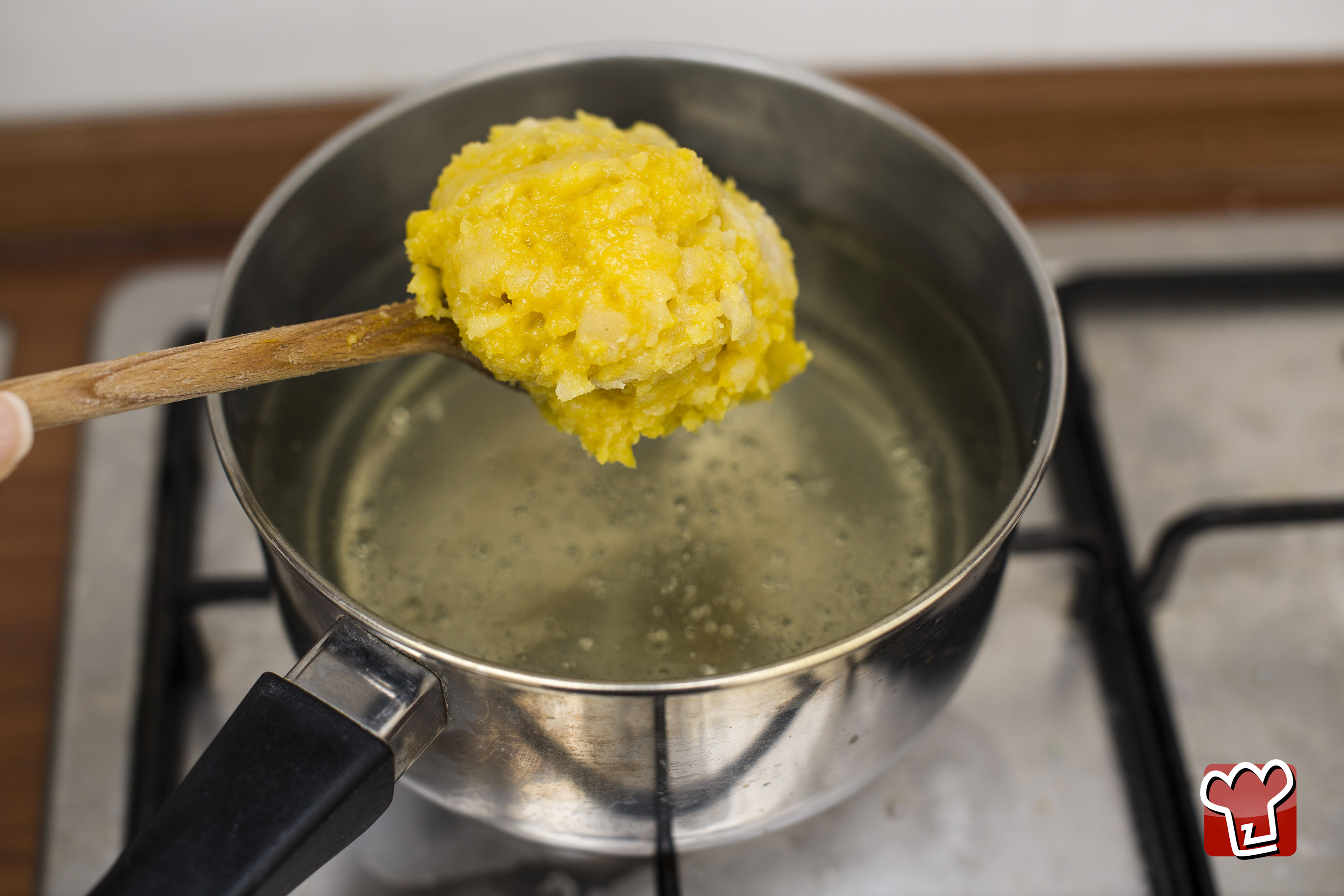
Add small fist-sized balls of the dough to the hot oil and fry, turning a few times until completely golden
|
|
View the step by step
|
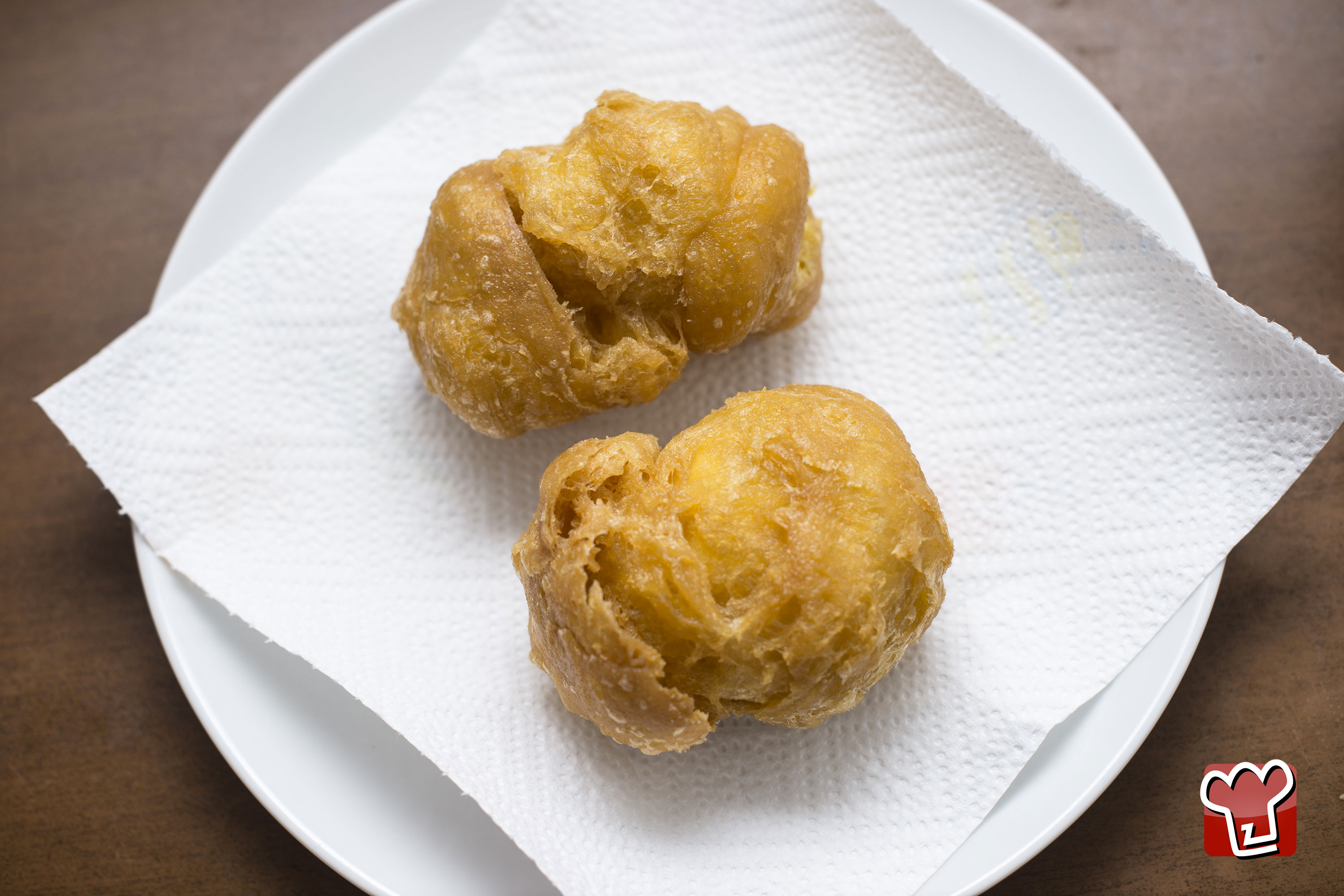
Drain and leave to cool on kitchen paper
|
|
View the step by step

|
Make a hole in each puff with a knife and fill with pastry cream using a pastry bag
|
|
View the step by step
|
Sprinkle with icing sugar and serve
|
Additional information
Saint Joseph's Cream Puffs with Pastry Cream
Saint Joseph's Cream Puffs, traditionally filled with pastry cream, represent an iconic dessert of Italian pastry. The preparation involves the use of a basic dough, which is then fried until achieving a light and puffy consistency. The pastry cream, made with eggs, sugar, milk, and vanilla, pairs perfectly with the fragrance of the puffs, creating a balance of flavors that makes this dessert irresistible. For those who desire an even richer version, lemon or orange zest can be added to flavor the cream. Served with a dusting of powdered sugar, these puffs are a true celebration of sweetness.
Roman-Style Saint Joseph's Cream Puffs
The recipe for Roman-Style Saint Joseph's Cream Puffs is a variant that celebrates the Lazio tradition. In this version, the puffs are prepared following the classic recipe, but are served with particular attention to aesthetics and presentation. Often, the puffs are decorated with a sugar glaze or a dusting of unsweetened cocoa, making them even more inviting. Their shape can vary, from small balls to more elaborate forms, to satisfy everyone's tastes. These puffs, besides being a typical dessert for Saint Joseph's Day, can be enjoyed on any occasion, bringing a touch of sweetness and tradition to the Roman table.
Light Saint Joseph's Cream Puffs without Sugar
For those who wish to enjoy Saint Joseph's Cream Puffs without compromising their figure, there is a light version of this dessert that completely eliminates sugar. By using natural sweeteners such as honey or maple syrup, it is possible to achieve a dough that is just as tasty but lighter. Additionally, one can opt for a pastry cream made with skim milk and eggs, further reducing the calories. This variant is perfect for those following a low-calorie diet or for those who need to limit their sugar intake. Light Saint Joseph's Cream Puffs can be served on special occasions, allowing everyone to enjoy a traditional dessert without guilt.
Nutritional Benefits of Saint Joseph's Cream Puffs and Calories
Saint Joseph's Cream Puffs, despite being a dessert, can offer some nutritional benefits thanks to the ingredients used. "00" flour provides carbohydrates, while eggs contribute high-quality proteins and vitamins. The pastry cream, made with milk, is a good source of calcium. However, it is important to note that the puffs are also high in calories, with a serving that can contain about 200-300 calories, depending on the size and filling. To enjoy them in a balanced way, it is advisable to consume them in moderation, perhaps on festive occasions or as a dessert for a special celebration.
Can Saint Joseph's Cream Puffs be Frozen?
The question of how to store Saint Joseph's Cream Puffs is very common, especially for those who wish to prepare them in advance. They can be frozen, but it is important to do so correctly. To freeze them, it is advisable to let them cool completely after frying, then place them in an airtight container or a food bag, separating them with parchment paper to prevent them from sticking together. Once frozen, they can be stored for a maximum of 2-3 months. When you wish to consume them, simply let them thaw at room temperature and fill them with fresh pastry cream before serving. This way, you can enjoy a delicious dessert even days after preparation.