Scarcella, the Easter sweet from Puglia
These snacks are a classic sweet treat of the Easter festival period and are made with simple ingredients such as shortcrust pastry. They come from Puglia originally, specifically from the province of Foggia, and are distinguished by the whole raw eggs which are usually attached to them before baking in the oven. You can design them in your own preferred shape and decorate them with granulated or coloured sugar. Among the shapes most commonly used to make this Puglian delicacy are doughnuts and breadbaskets, but you can also find them in the shape of birds or little dolls. So, if you want to try making these little snacks during Holy Week, follow our recipe, step-by-step, with the detailed picture gallery to help you!
Ingredients
Scarcella: Pugliese Easter Sweetness
The scarcella di Pasqua is a delightful treat that embodies Puglia's culinary heritage, made with a dough of durum wheat flour, fresh eggs, and sugar, often enhanced with toasted almonds. Its decoration varies, but the aroma of citrus, particularly the Puglian lemon, makes it all the more enticing.
* approximate values per serving
Preparation
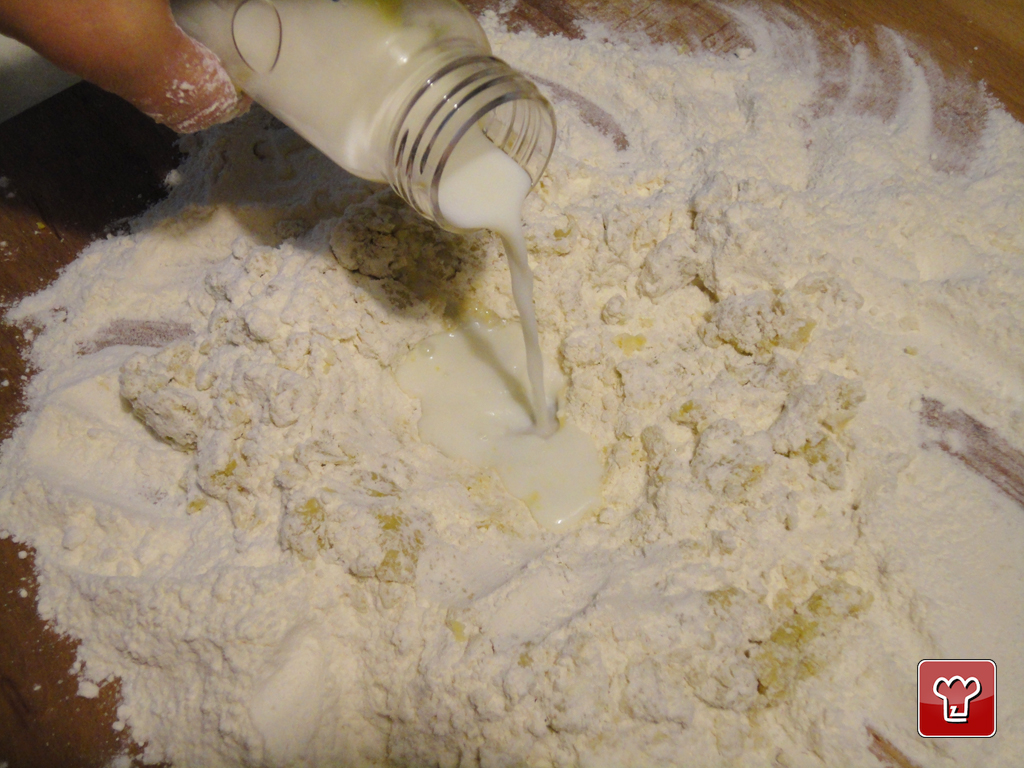
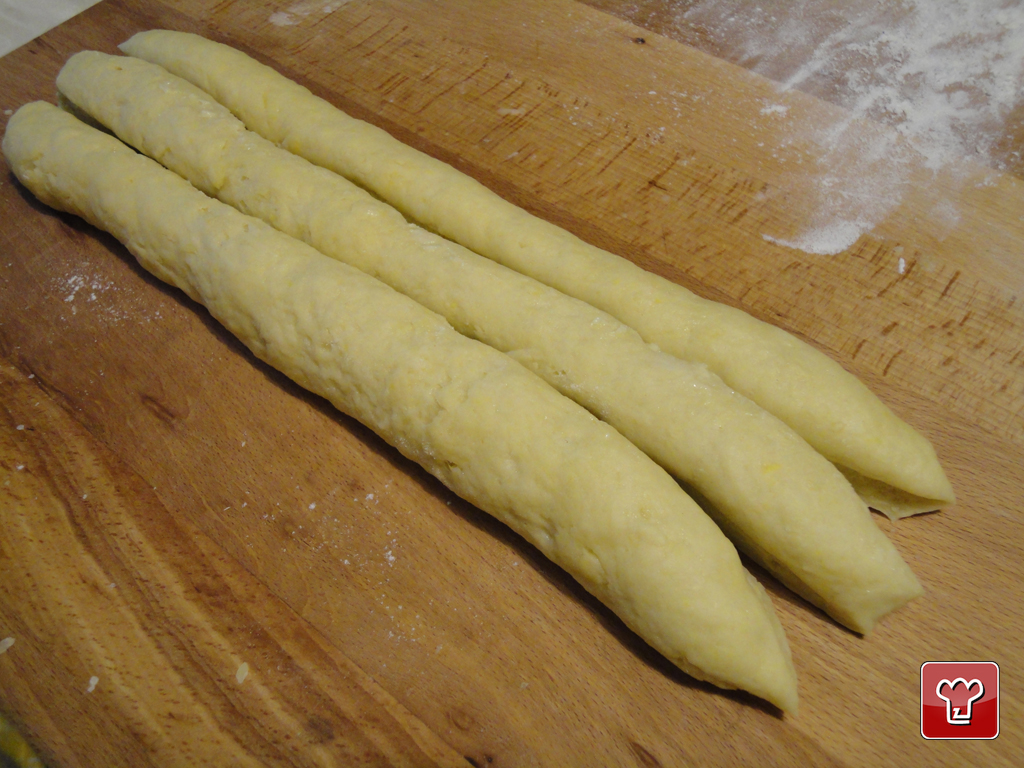
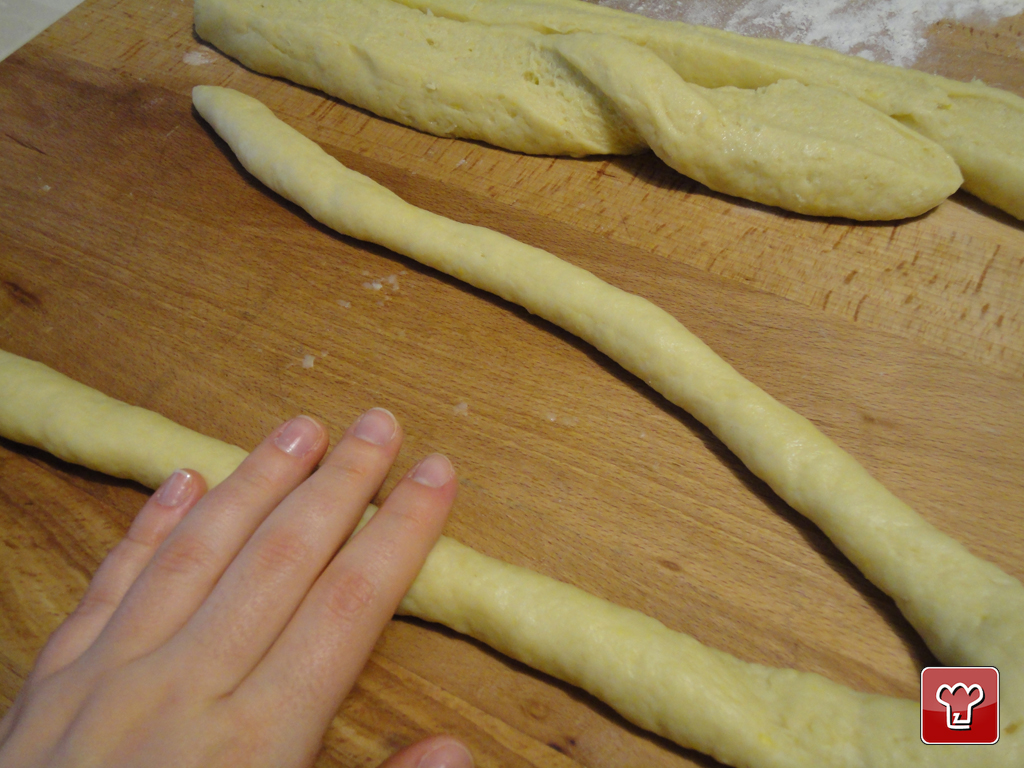
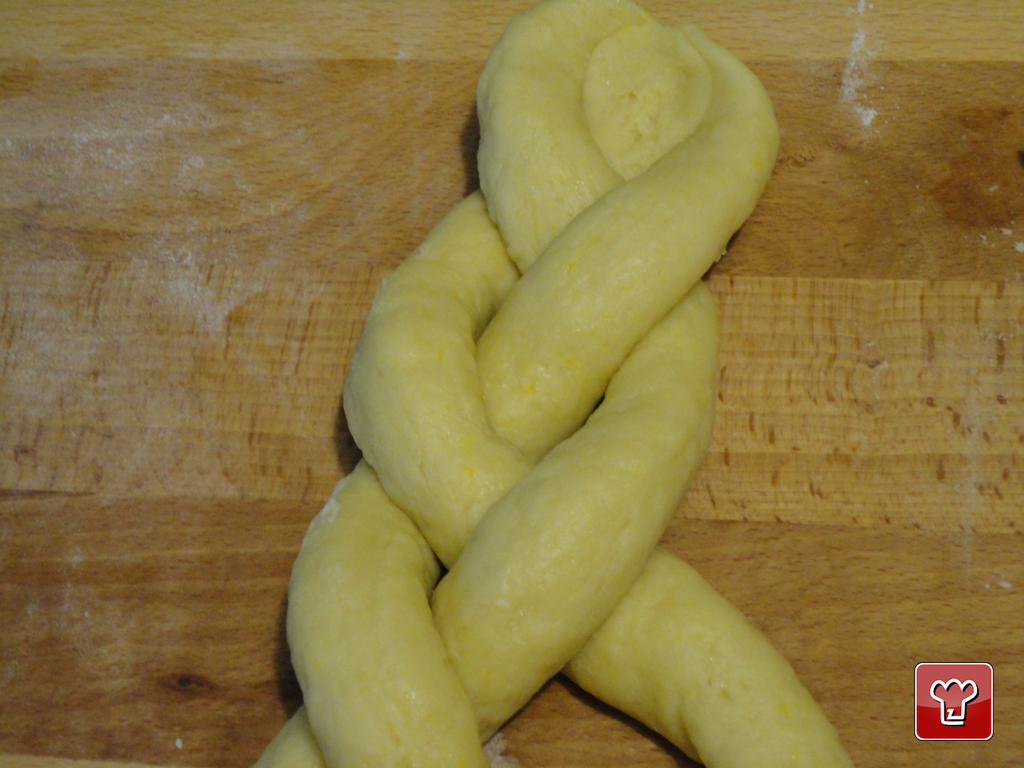
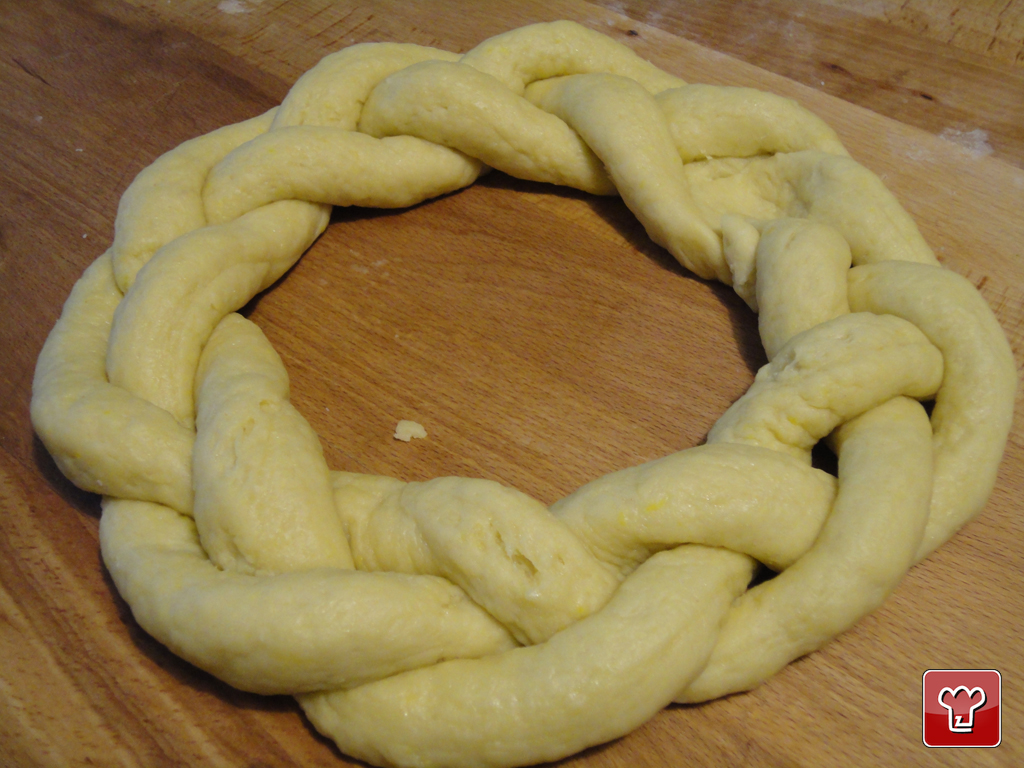
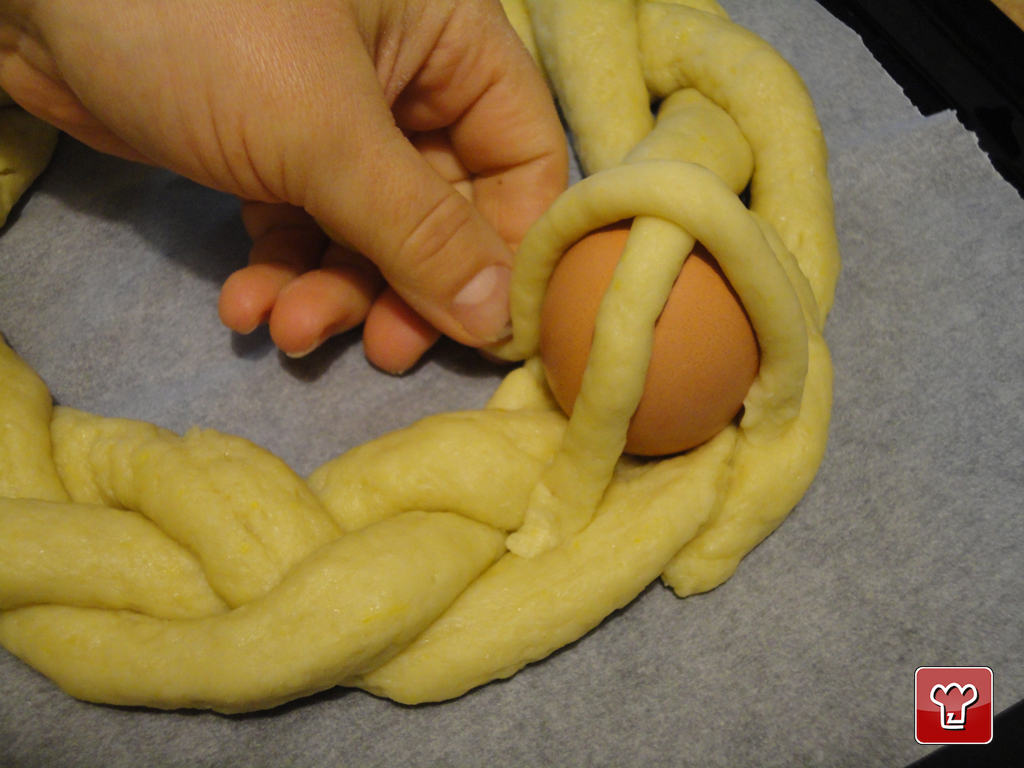
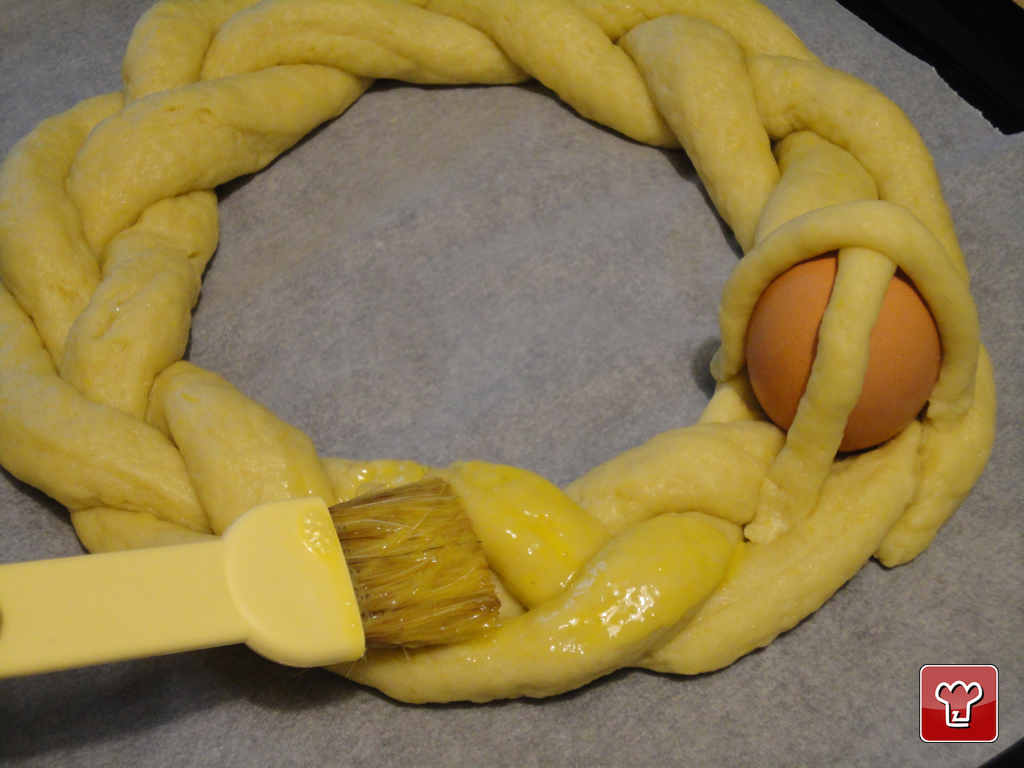
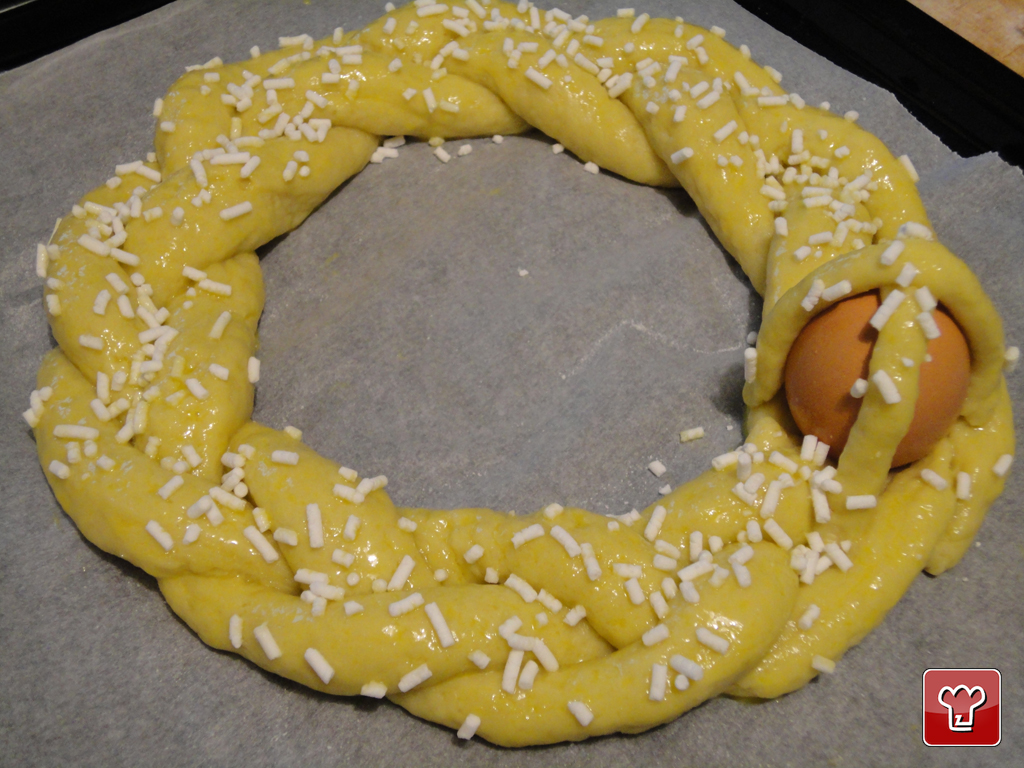
Place the flour on a pastry board in a mound with a well, having first combined it with the sugar, baking powder, salt and lemon zest. Pour in the oil bit by bit, stirring with a fork. Then add the warm milk little by little until the dough is smooth and uniform. Divide the dough into three equal parts (plus an extra small piece which you leave to one side) and form each into a long sausage at least 1.5 cm wide. Form a plait and shape it into a circle. Place a whole raw egg at the junction of the two ends of the plait and encase it with two strips of folded dough from the little piece you kept aside. Place the plaited dough on a baking tray lined with baking parchment, brush the surface with some beaten egg mixed with a little water. Sprinkle the granulated sugar over the dough and bake at 180°C for 30 minutes.
Step by step
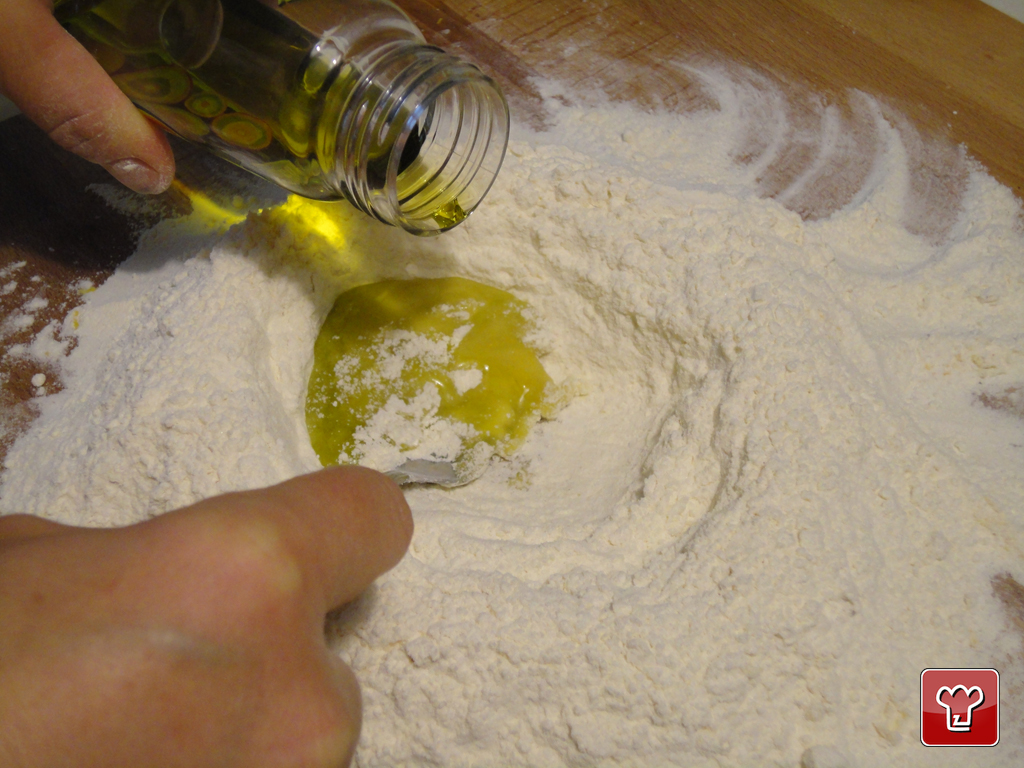
|
View the step by step
|
Add the milk at room temperature a little at a time
|
|
View the step by step
|
Divide the dough into three equal parts and shape them into long sausages
|
|
View the step by step
|
Make the sausage shapes thinner with the palms of your hand
|
|
View the step by step
|
Shape into a plait
|
|
View the step by step
|
Make a circular shape by joining the two ends of the plait together
|
|
View the step by step
|
Place the whole raw egg on the point where the two ends of the plait meet
|
|
View the step by step
|
Brush with the beaten egg
|
|
View the step by step
|
Sprinkle with granulated sugar and bake
|
|
View the step by step
|
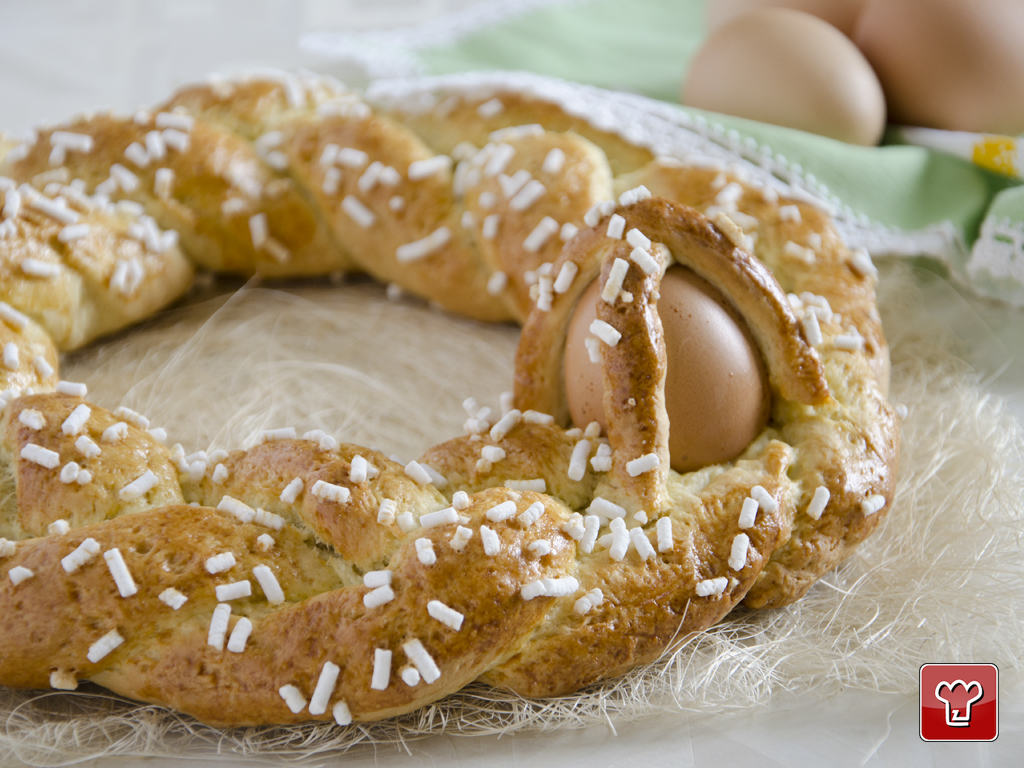
Serve
|
Additional information
Easter Scarcella with hard-boiled eggs
The Easter Scarcella with hard-boiled eggs represents a rich and colorful variant of this traditional Apulian sweet. In this preparation, in addition to the classic braided shortcrust pastry, hard-boiled eggs can be inserted, which add a touch of flavor and color to the dish. To make it, after creating the braid with the dough made of flour, sugar, and oil, the hard-boiled eggs can be placed in the center of the braid before baking. These eggs, once cooked, become an integral part of the Scarcella, making it not only more visually appealing but also more nutritious. The combination of the sweetness of the pastry and the strong flavor of the hard-boiled eggs creates a perfect balance, ideal for Easter festivities and special occasions.
Apulian Easter Scarcella with lemon
The Apulian Easter Scarcella is a sweet that has its roots in the culinary tradition of Puglia. This recipe involves the use of grated lemon zest, which gives a fresh and citrusy aroma to the dough. To prepare the Scarcella this way, it is essential to use organic lemons to avoid chemicals on the peel. The addition of lemon not only enriches the aromatic profile of the sweet but also helps to balance the sweetness of the sugar. This dish is perfect to serve during Easter festivities, but it can also be enjoyed on other occasions, as its delicate and fragrant flavor wins everyone over.
Light Easter Scarcella without sugar
For those who wish to enjoy the Easter Scarcella without sugar, here is a light version that does not sacrifice flavor. In this preparation, sugar is replaced with natural sweeteners such as honey or agave syrup, which make the dough lighter and suitable for those following a low-calorie diet. The recipe remains essentially the same: flour, yeast, oil, and milk are mixed, but special attention is paid to the choice of sweeteners. With this variant, the Easter Scarcella becomes a healthier sweet, perfect for those who want to indulge in a moment of sweetness without guilt, while still keeping the tradition alive.
Benefits of Easter Scarcella: ingredients and nutritional value
The Easter Scarcella, while being a sweet, contains ingredients that provide various nutritional benefits. "00" flour provides carbohydrates for energy, while eggs are a valuable source of protein and vitamins, particularly B and D vitamins. Extra virgin olive oil offers healthy fats, known for their anti-inflammatory and antioxidant properties. Additionally, lemon, with its rich presence of vitamin C, is beneficial for the immune system. On average, a serving of Easter Scarcella provides about 250-300 calories, depending on the ingredients used and the portions. It is important to enjoy it in moderation, especially on festive occasions.
Can Easter Scarcella be frozen?
One of the most frequently asked questions about Easter Scarcella is whether it can be frozen. The answer is yes! Easter Scarcella can be frozen both before and after baking. If you decide to freeze it before baking, make sure to wrap the dough tightly in plastic wrap and then place it in a food bag. This way, you can store it for up to three months. If you prefer to freeze it already baked, let it cool completely before placing it in an airtight container. When you want to enjoy it, simply let it thaw at room temperature, and it will be ready to serve. This practice will allow you to always have a traditional sweet on hand, even out of season.