Aubergine stew ‘caponata’
This dish is a fresh and tasty triumph of Mediterranean flavours: I learned how to make it a long time ago at one of the restaurants where I had the pleasure and good fortune to work. It’s an easy dish to make and is great to serve either as a starter or as a main course. If you want to turn it into a full meal, serve it with some fresh burrata: your guests will be delighted! If you make it at home, this is a dish that will keep very well into the next day, and in fact over time it acquires and develops new and amazing aromas and flavours. The only we would give you is not to skimp on the ingredients! The fresher they are, and the better the quality, the more the final outcome of this dish will pleasantly surprise you! Now, are you ready to win over your guests with a dish that offers all the flavours of Mediterranean cuisine on a single plate?
Ingredients
Pugliese Caponata: A Side Dish with Character
Eggplant caponata takes on a Pugliese soul with its intense-flavored eggplants and hand-picked black olives. These ingredients, crafted with care, create a side dish rich in nuances, perfect for complementing meat dishes or simply enjoyed on a slice of rustic bread.
* approximate values per serving
Preparation
Cut the aubergine into large cubes, place them in a colander with salt and let any liquid drain out. Toast some almonds and pine nuts in a clean pan. Cut the onion into thick slices and caramelize them gently with a spoonful of sugar. Meanwhile blanch some olives and celery cut into rings for a few minutes. Put the tomato sauce on the heat: after about 5 minutes, add the sugar, salt and vinegar, let it reduce a little and then remove from the heat. Dry the aubergine with a tea towel and fry in hot oil. Once all the ingredients are ready, take a pan, add a little oil, the almonds and pine nuts, and the drained olives and celery and turn the heat to low. Stir and cook. Then add the caramelized onions, aubergine and tomato chutney. Let the flavour develop on the heat for a few moments. Let it cool and then serve your caponata!
Step by step
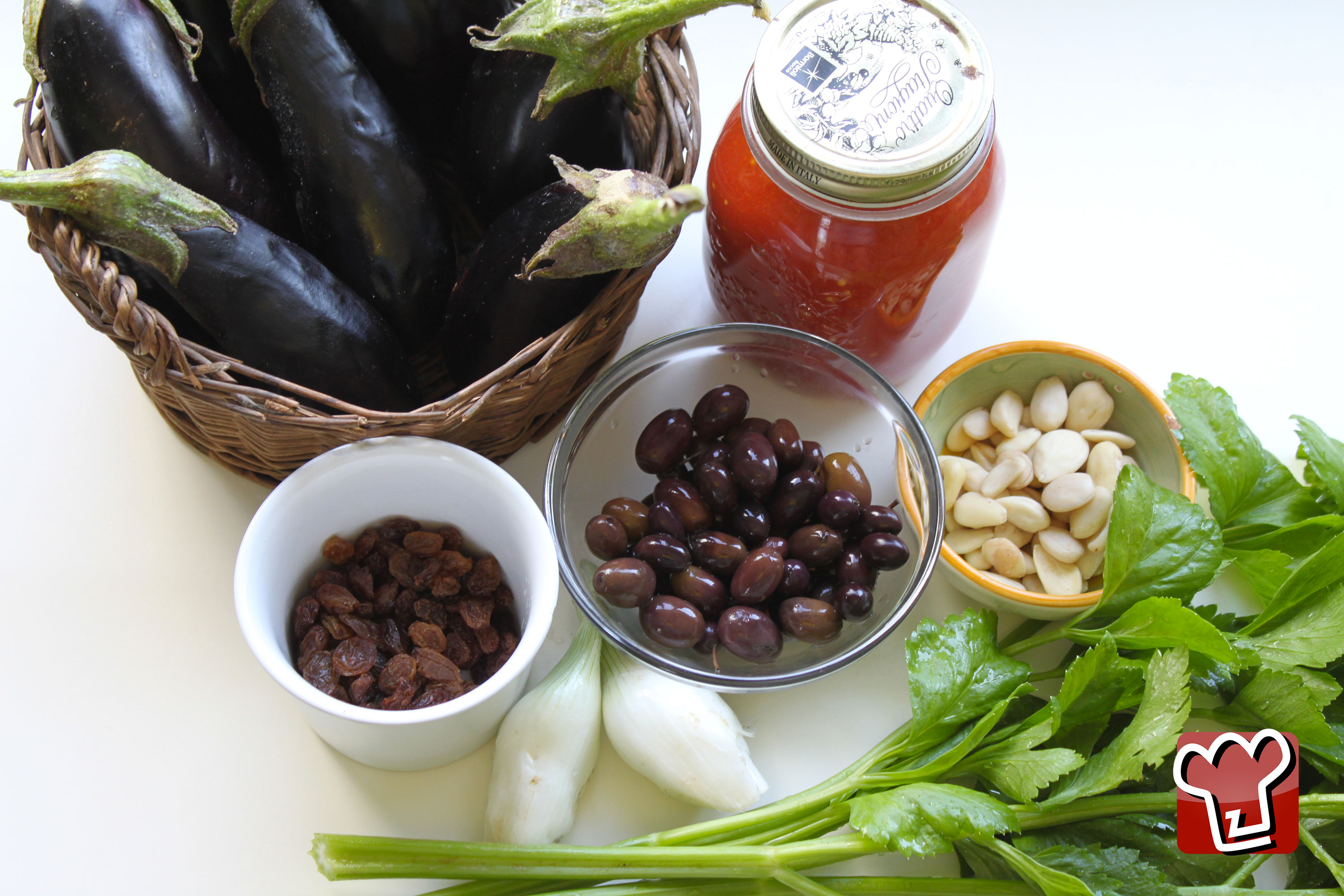
|
View the step by step
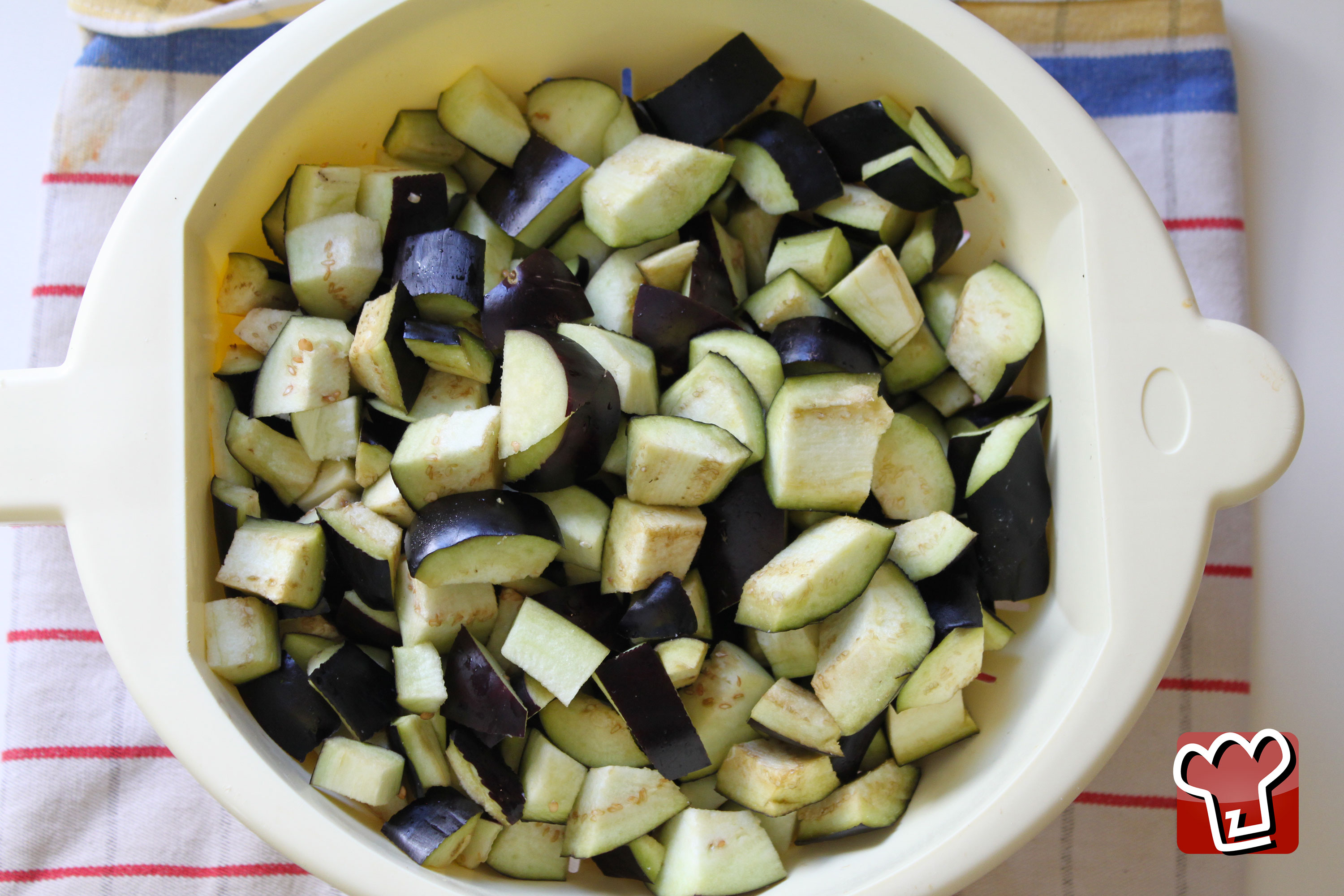
|
Dice the aubergine
|
|
View the step by step
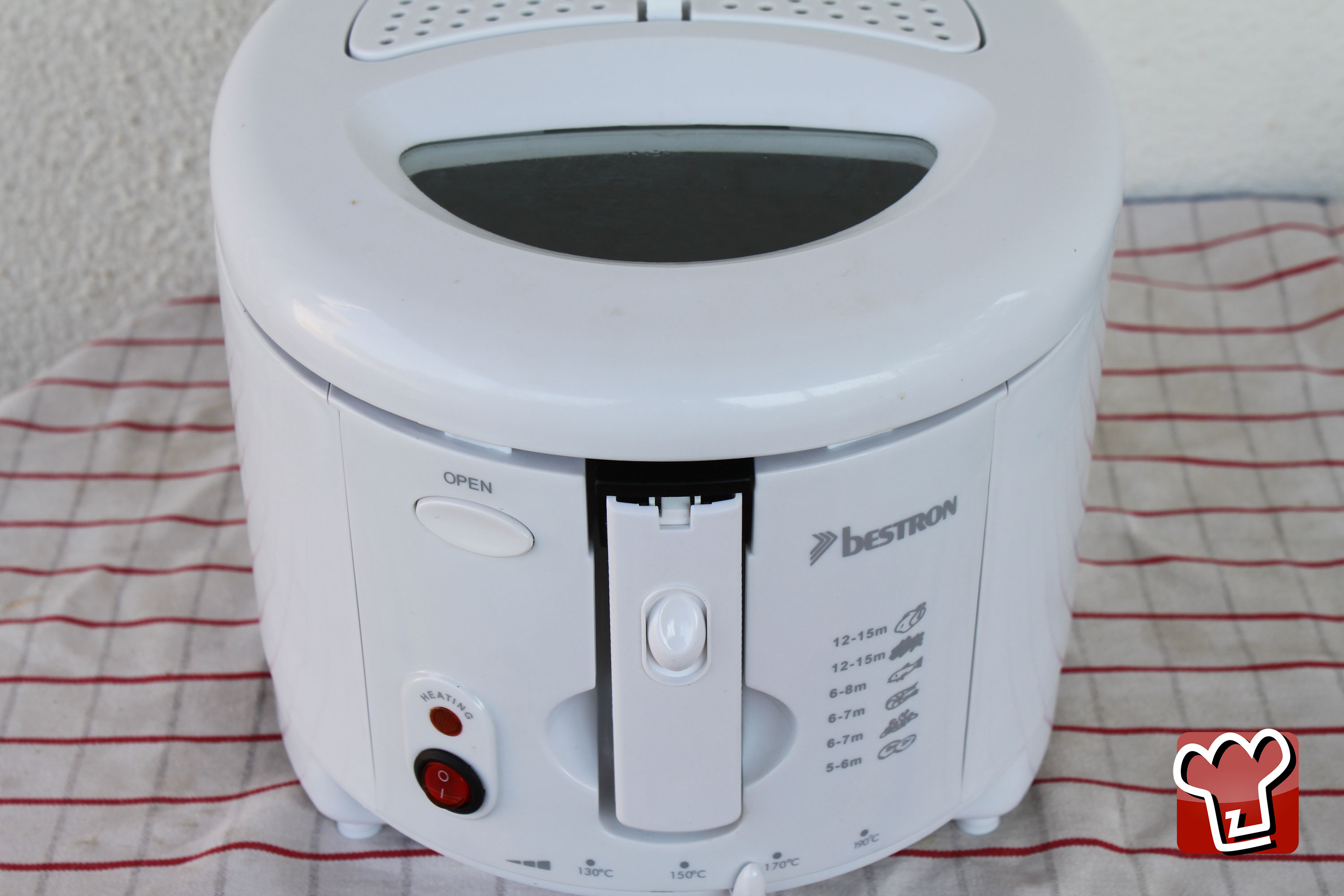
|
Prepare the frying
|
|
View the step by step
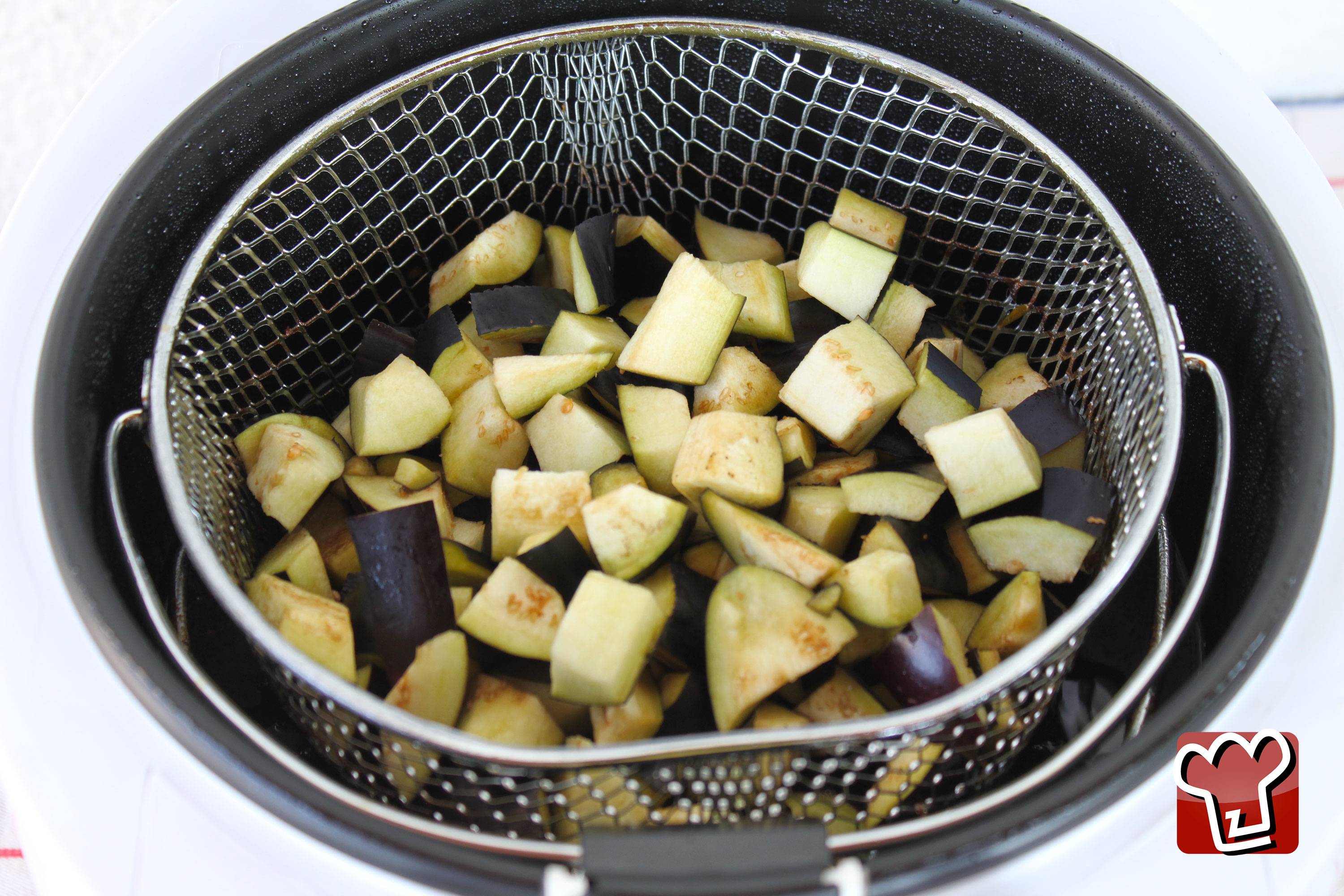
|
Fry the aubergine
|
|
View the step by step
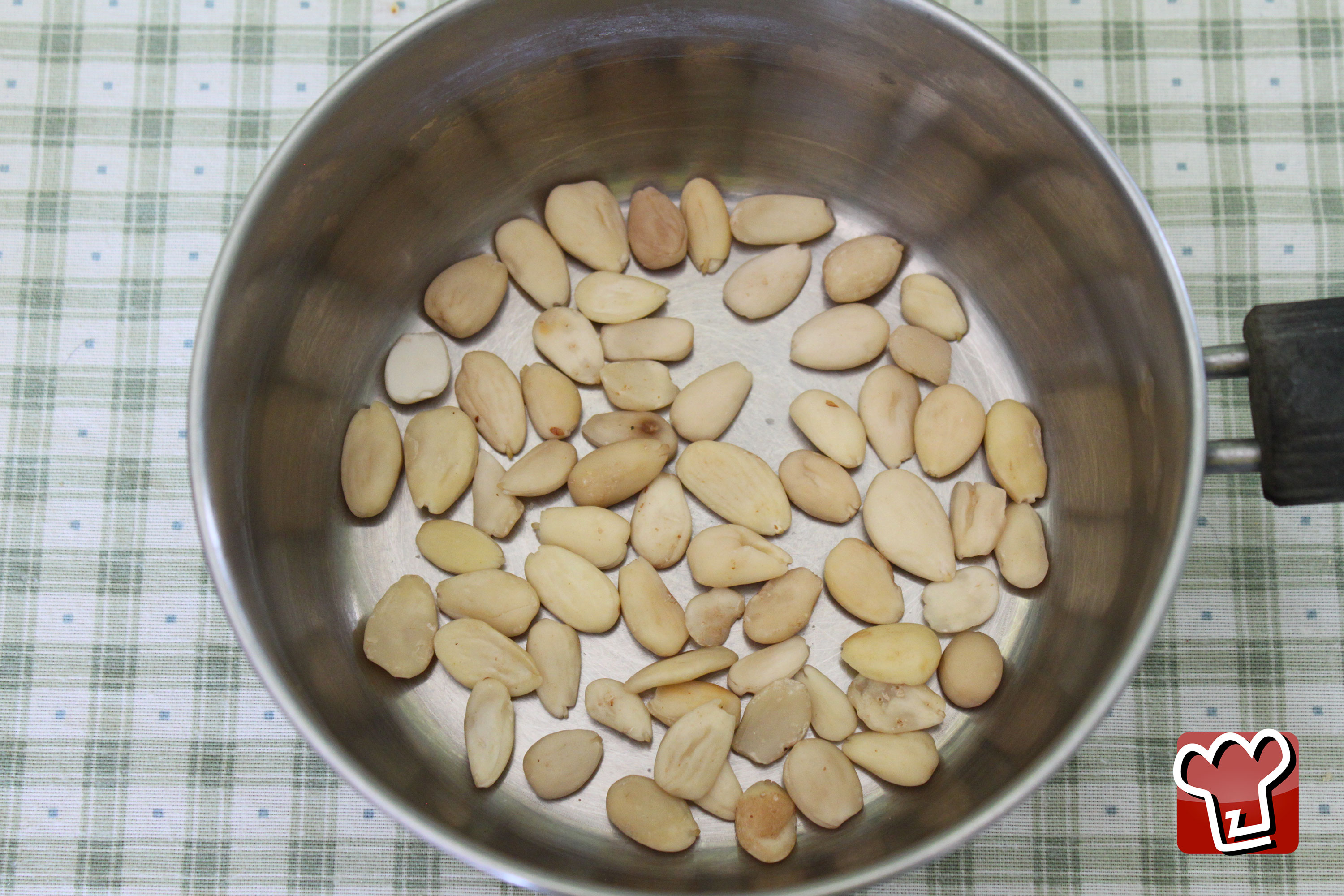
|
Toast the almonds
|
|
View the step by step
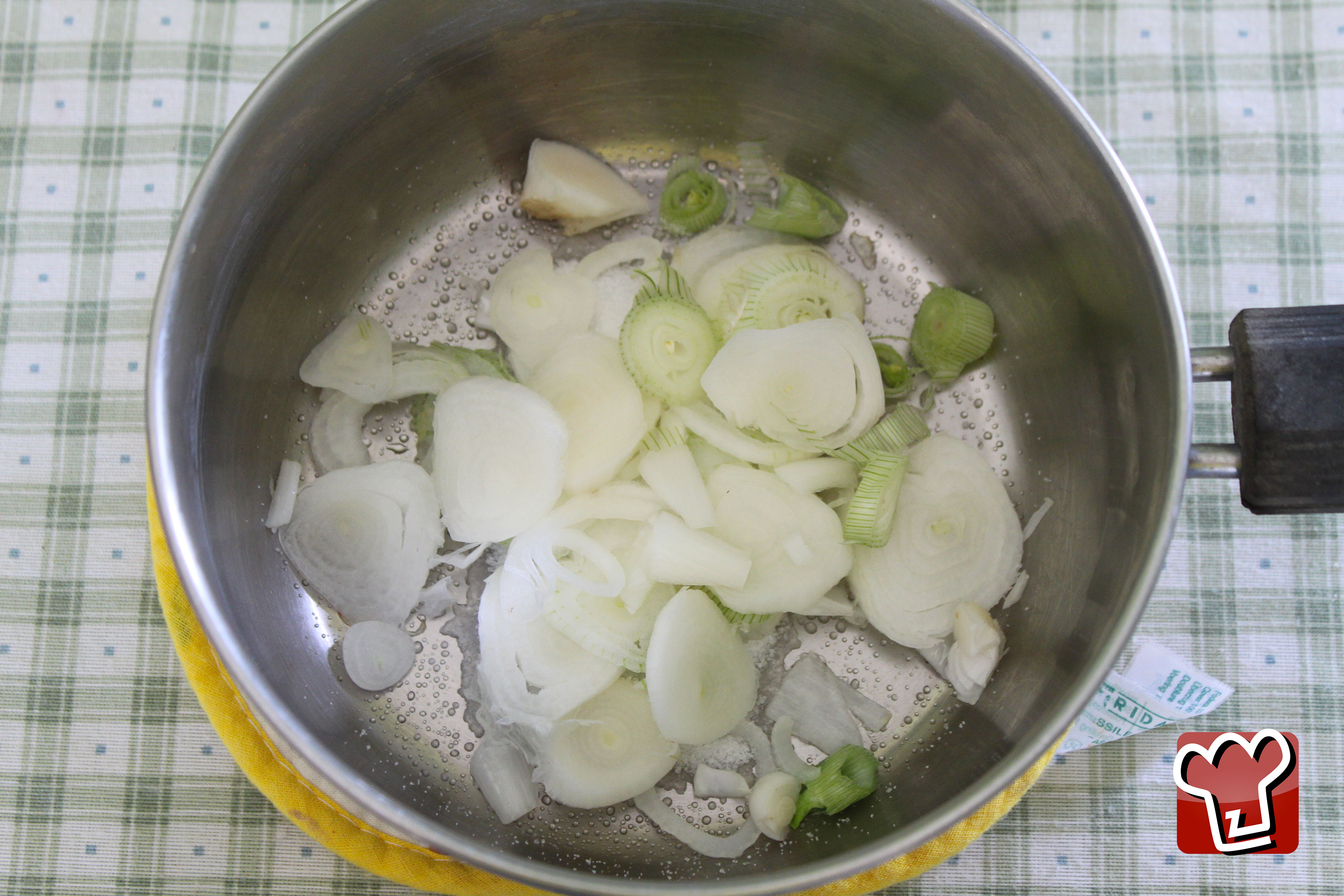
|
Caramelise the onion with a tablespoon of sugar over a low heat
|
|
View the step by step
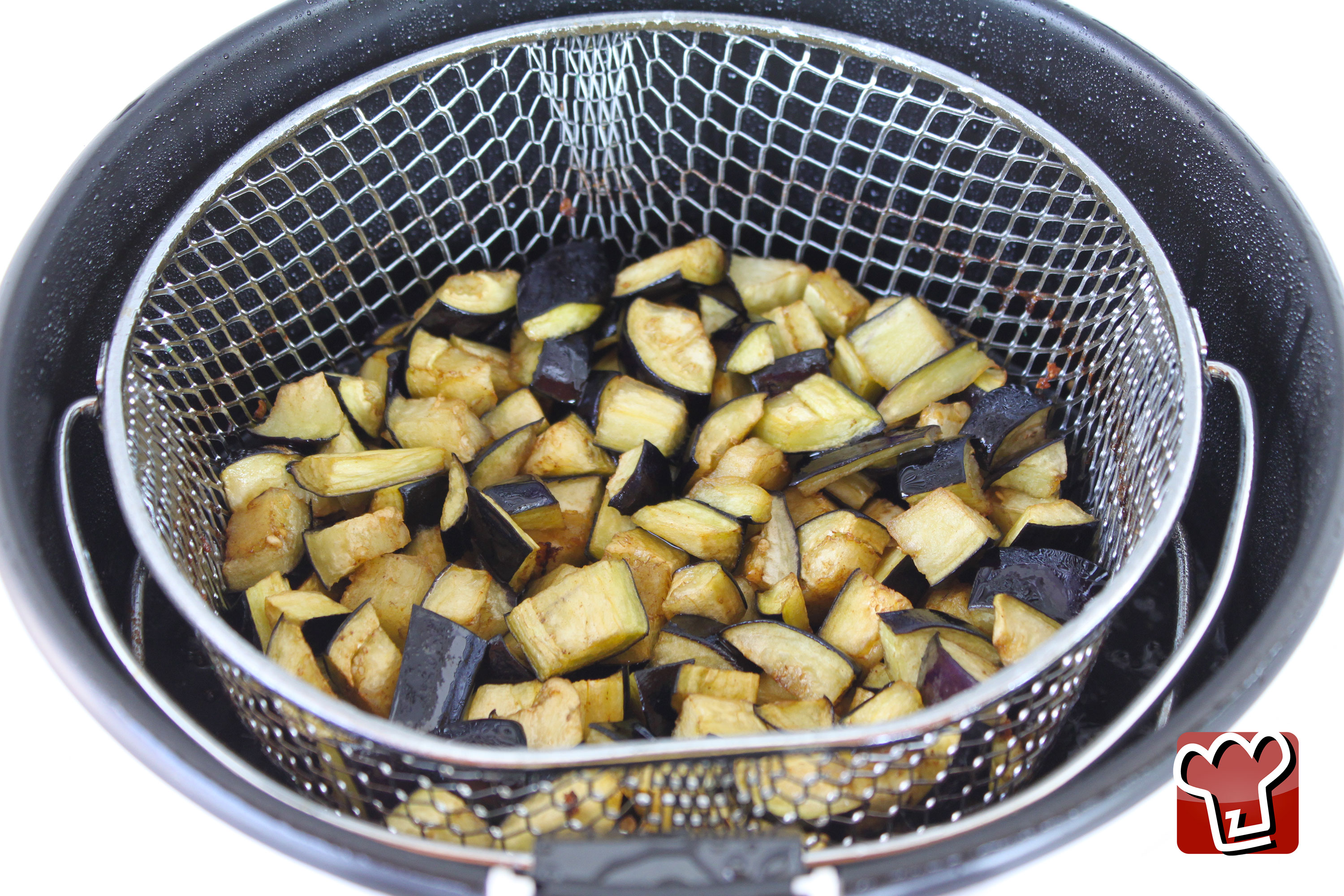
|
Once fried, drain the aubergine of its oil
|
|
View the step by step
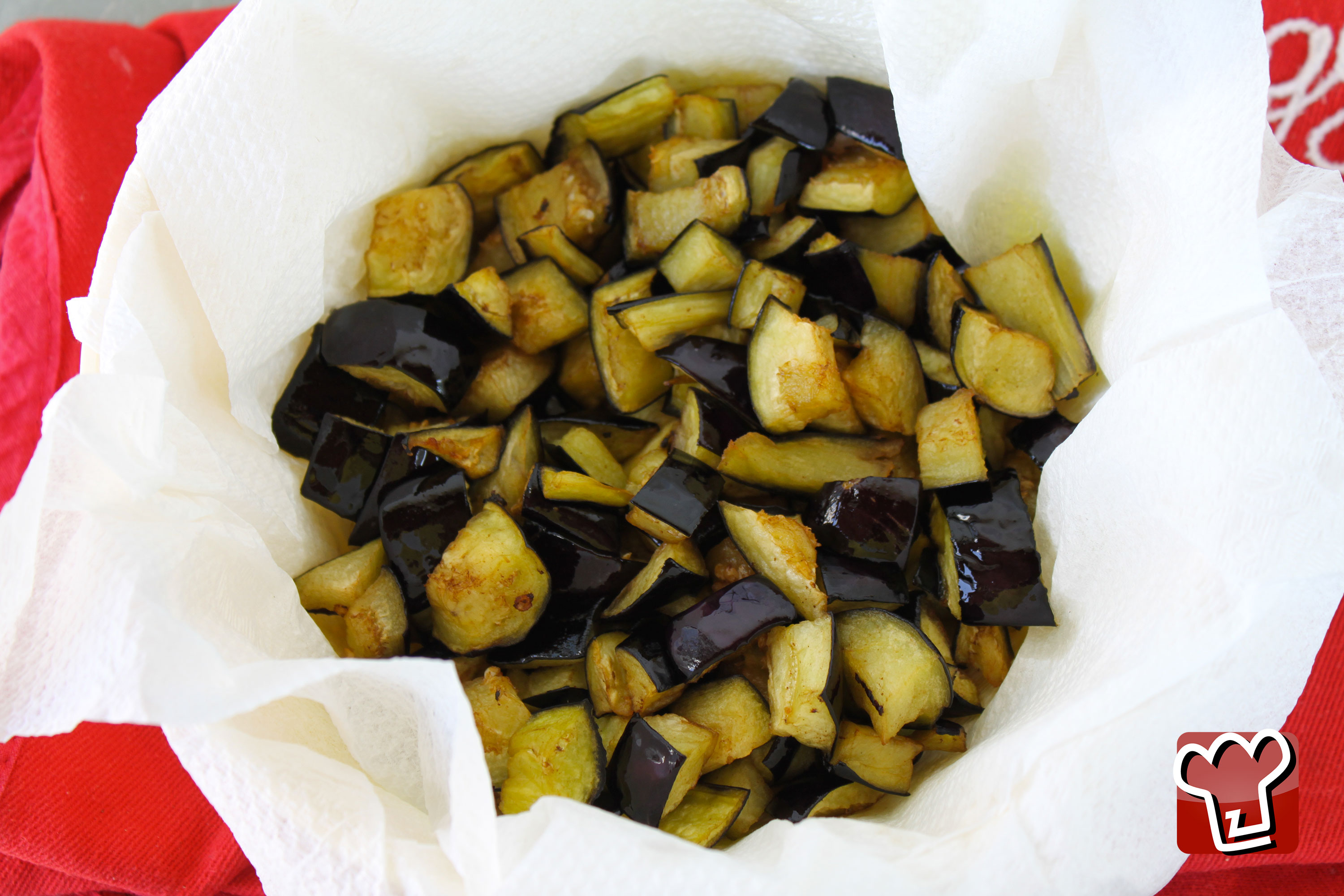
|
Place them on some kitchen paper
|
|
View the step by step
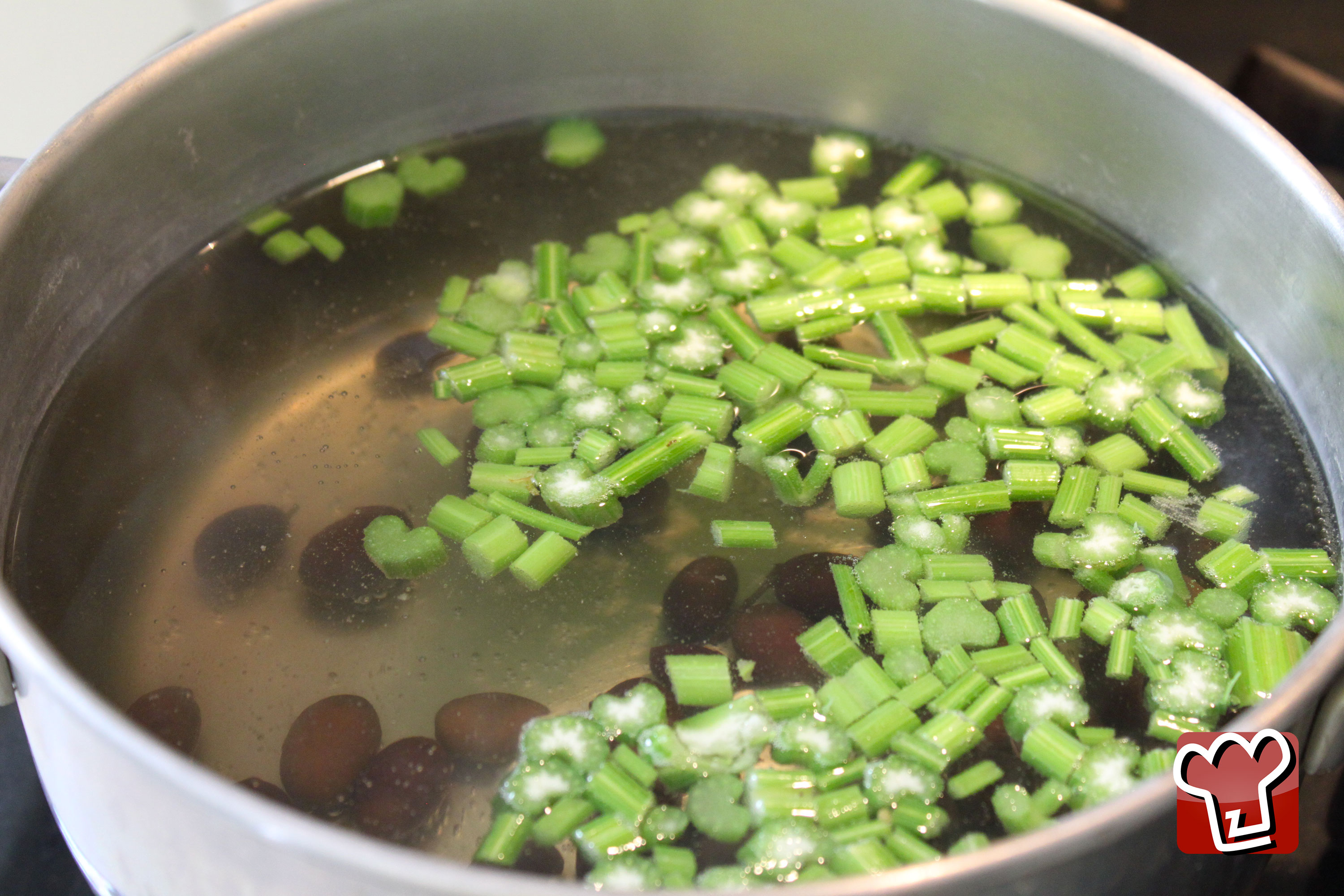
|
Blanch the olives and celery in boiling water
|
|
View the step by step
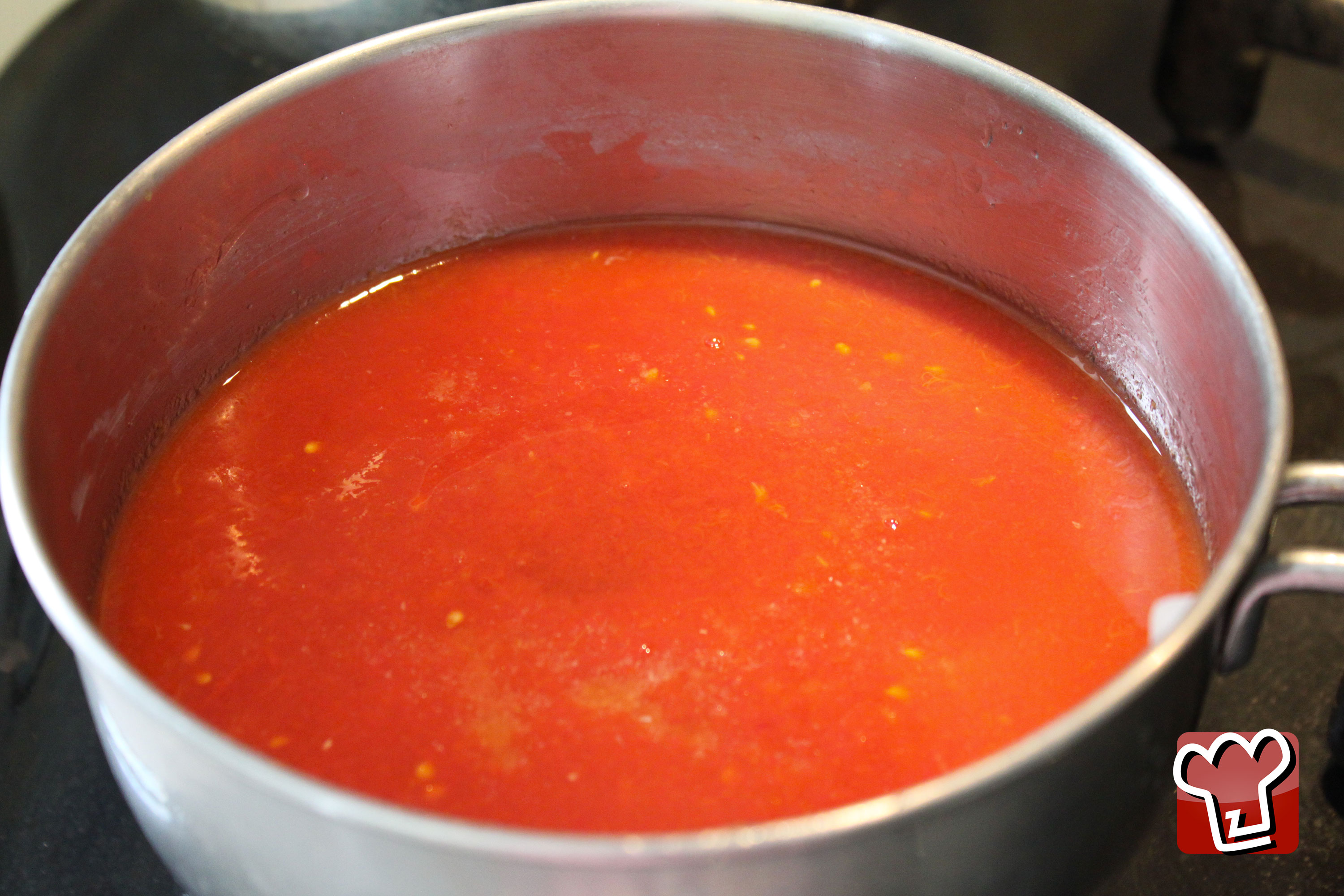
|
Prepare a tomato sauce with vinegar, salt and sugar
|
|
View the step by step
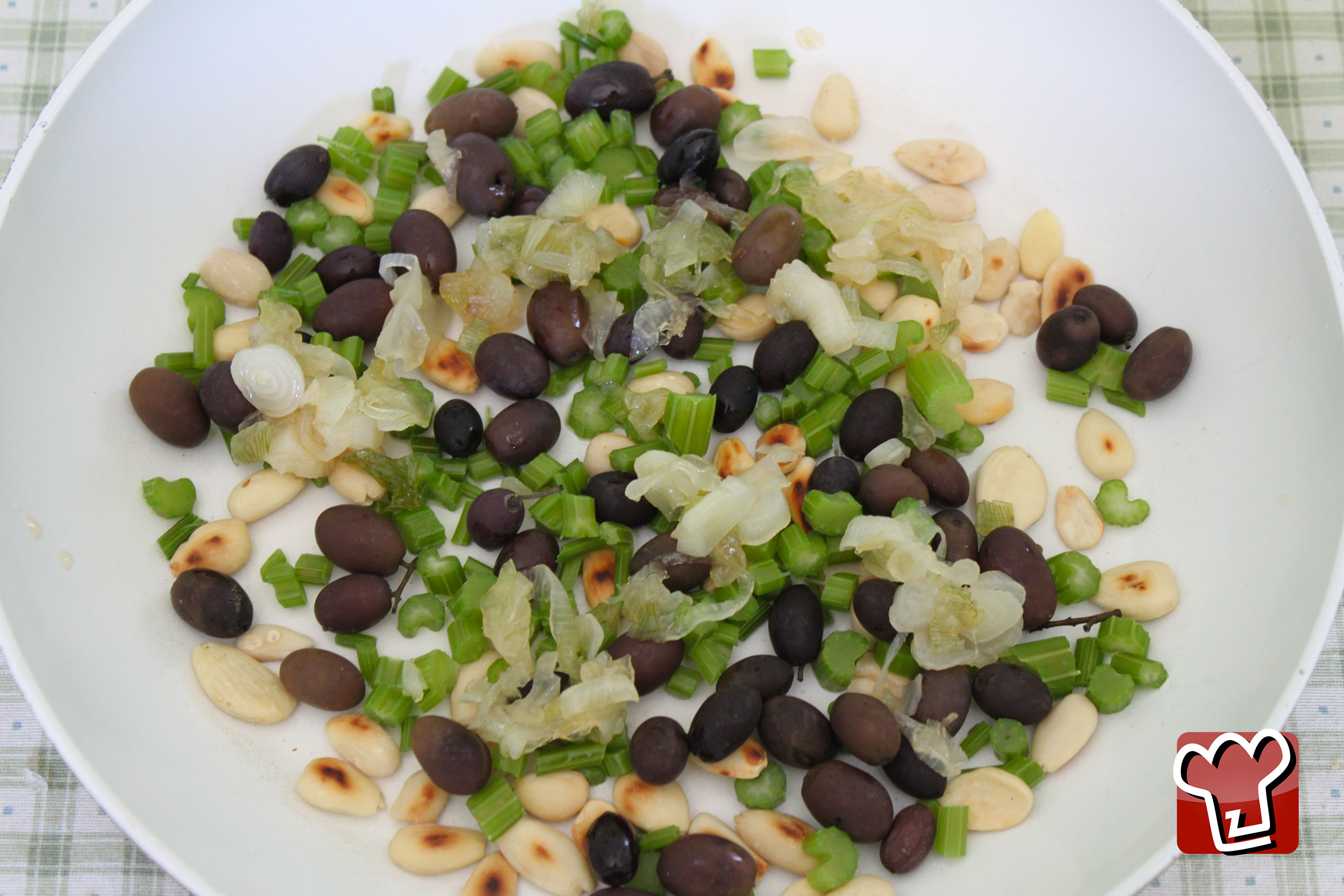
|
Prepare a frying pan with oil, olives, celery and almonds
|
|
View the step by step
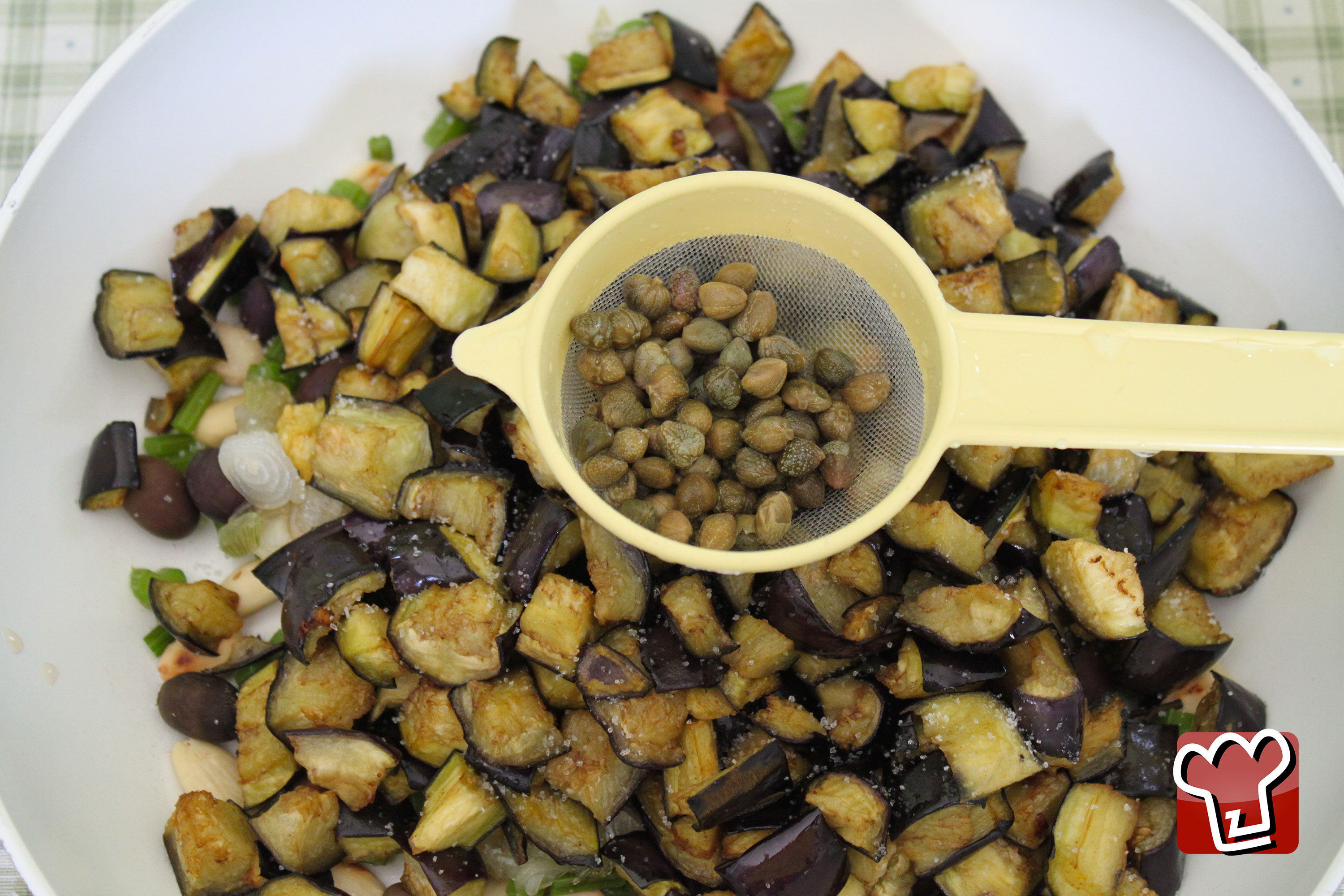
|
Add the aubergine and capers
|
|
View the step by step
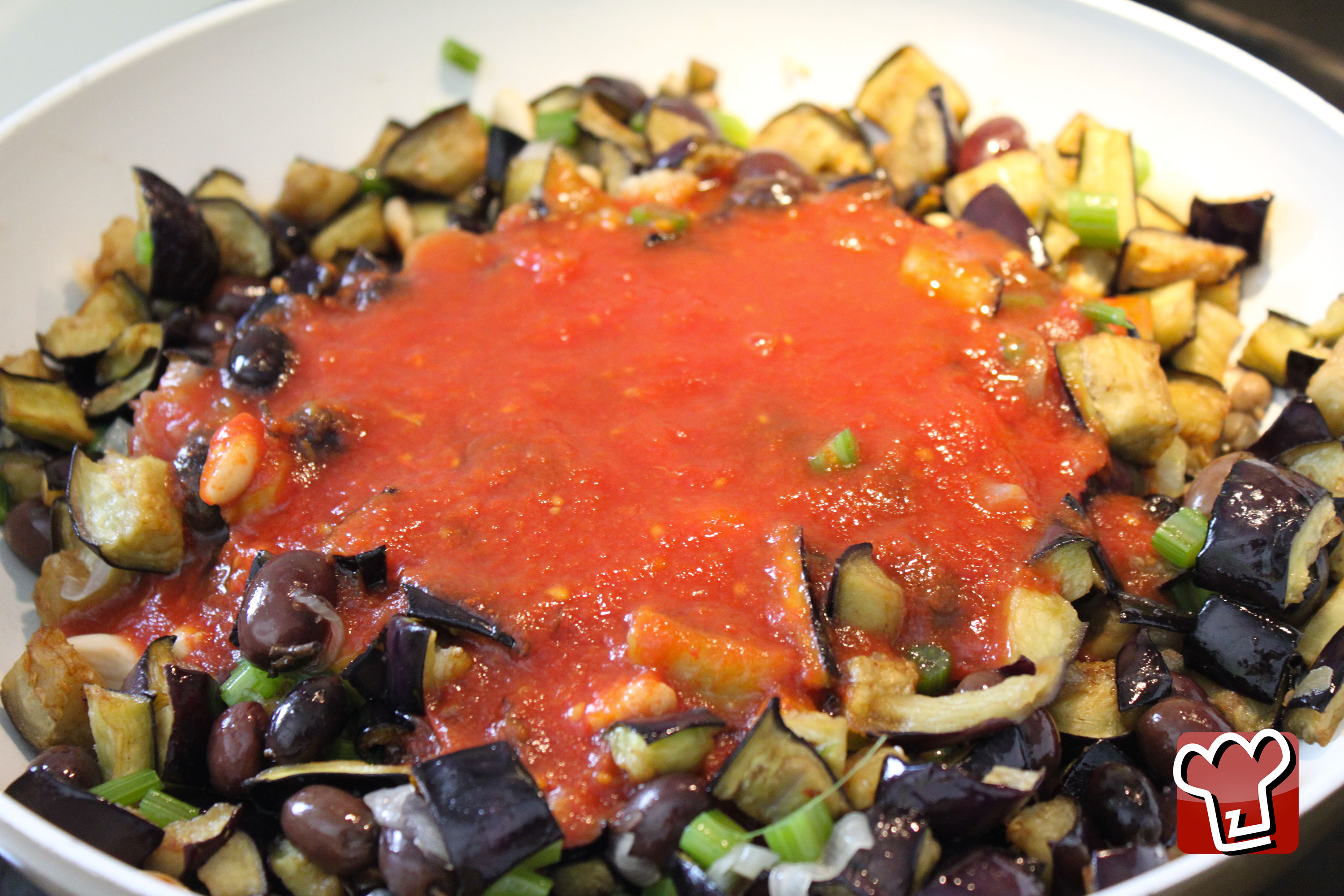
|
Add the sauce
|
|
View the step by step
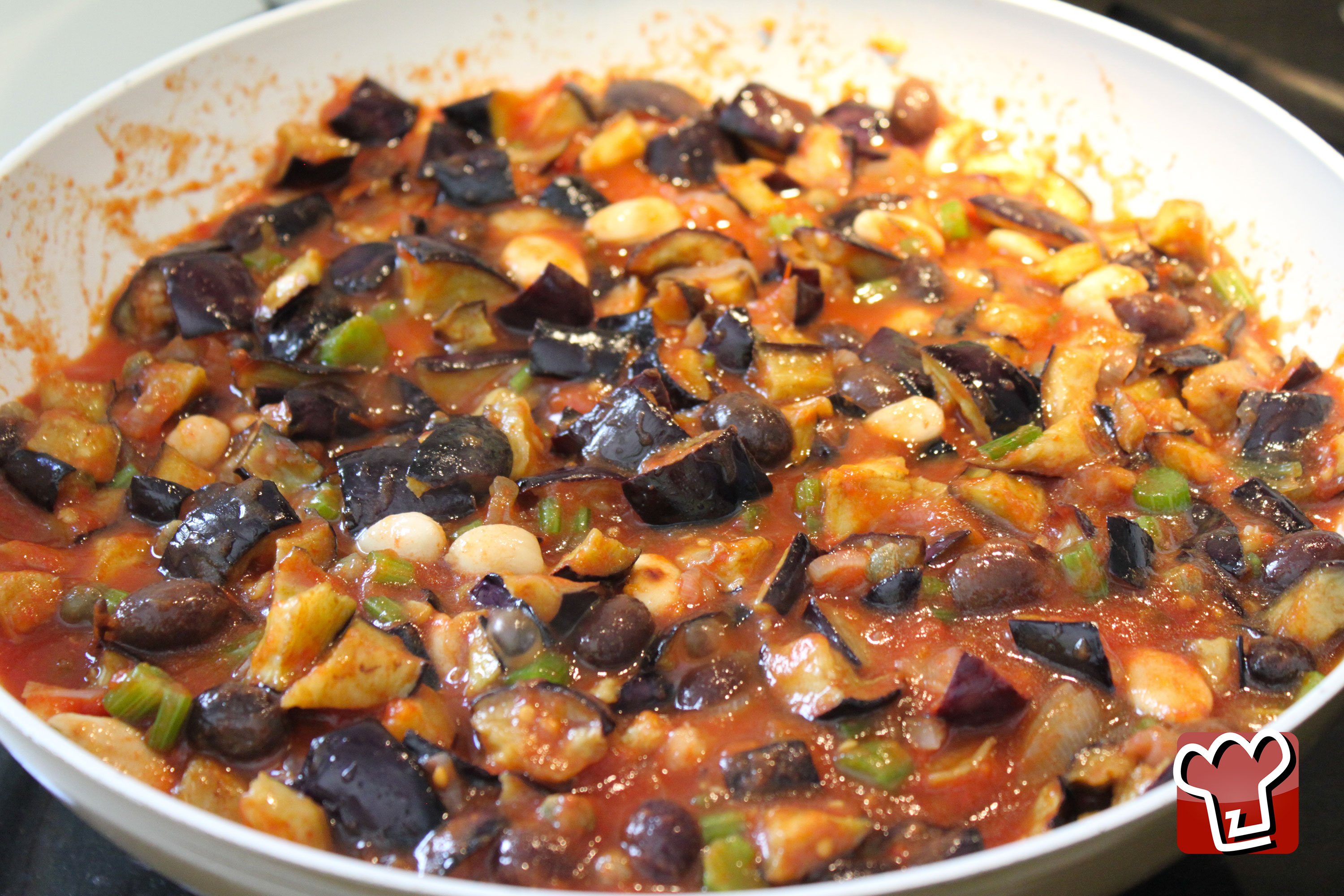
|
Cook so that the flavours develop and the sauce reduces for a few minutes
|
|
View the step by step
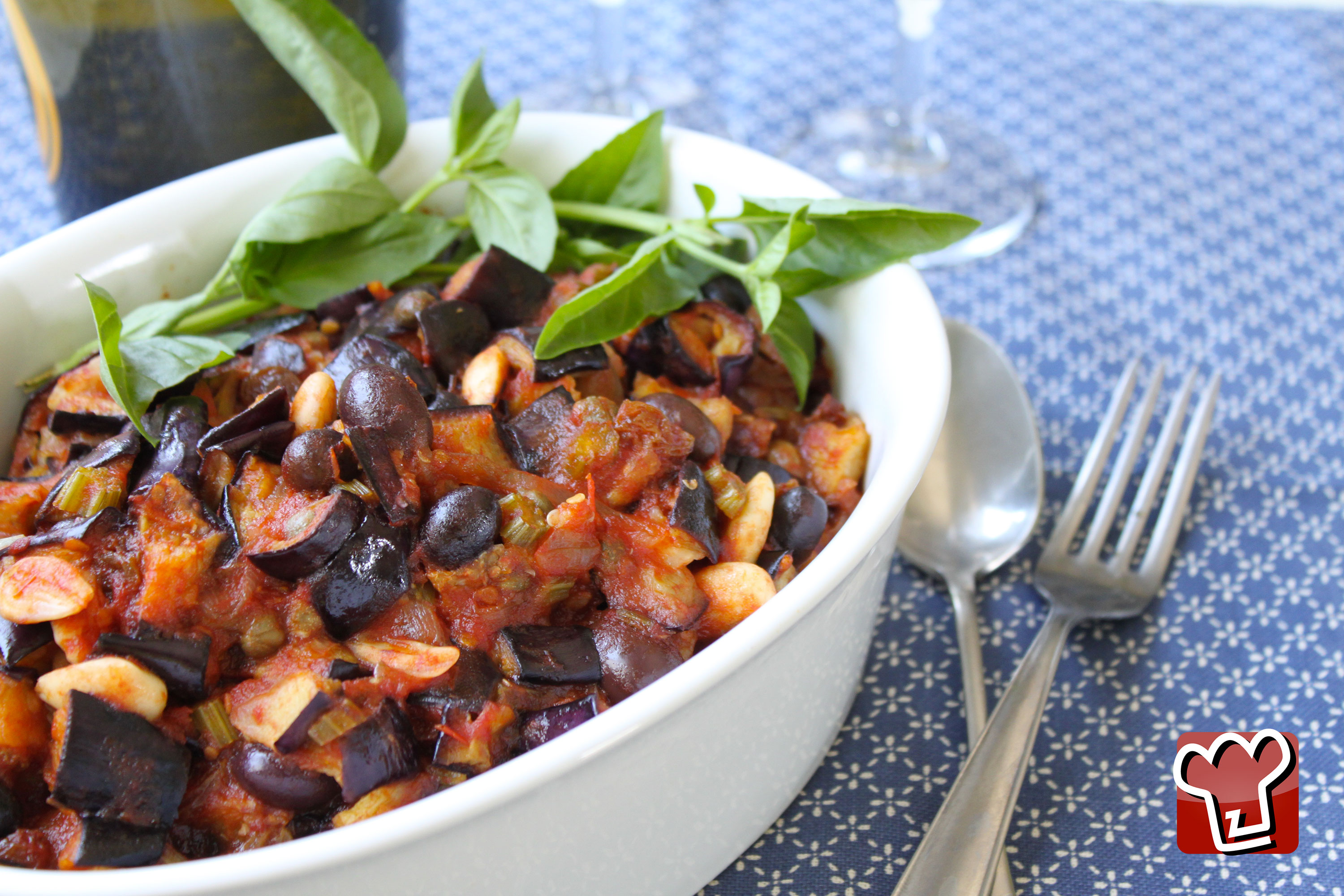
|
Serve with fresh bread
|
Additional information
Eggplant Caponata with Pine Nuts and Almonds
One of the tastiest variations of eggplant caponata is certainly the one with the addition of pine nuts and almonds. These ingredients not only enrich the dish with flavors but also provide a pleasant crunch. To prepare this version, simply toast the pine nuts and almonds in a separate pan and add them to the caponata during the final cooking phase. This step enhances the aroma of the nuts and creates an interesting contrast with the softness of the eggplants and the sweetness of the caramelized onion. The eggplant caponata with pine nuts and almonds is perfect as an appetizer or side dish and can be served both warm and cold, making it ideal for any occasion.
Sicilian Eggplant Caponata
Eggplant caponata is a typical dish of Sicilian tradition, and its preparation varies from family to family. In the Sicilian version, particular attention is paid to the use of fresh and local ingredients, such as Sicilian eggplants, black olives, and capers. This dish, which combines sweet and sour flavors, is often served as an appetizer during holidays or as a side dish for meat dishes. The recipe can also be customized with the addition of other vegetables, such as zucchini or bell peppers, depending on personal tastes. The Sicilian eggplant caponata represents not only a delicious dish but also a piece of the island's culinary culture, appreciated by anyone wanting to savor the authentic flavors of Sicily.
Light Eggplant Caponata without Sugar
For those who desire a lighter preparation, eggplant caponata can be made in a light version, eliminating sugar and reducing oil. This variant still maintains its sweet and sour character thanks to white wine vinegar, which balances the natural sweetness of the eggplants and onions. By using less extra virgin olive oil and opting for baking or a non-stick pan, a healthier dish is achieved, perfect for those who are mindful of their diet. Additionally, this version is ideal for those following a low-calorie diet, without sacrificing the taste and goodness of traditional caponata.
Nutritional Benefits of Eggplant Caponata
Eggplant caponata is a dish rich in health benefits, thanks to the use of fresh and nutritious ingredients. Eggplants, in particular, are an excellent source of fiber, vitamins, and antioxidants, which help improve digestion and maintain a healthy heart. Moreover, black olives provide good fats and vitamin E, while capers are rich in minerals such as calcium and magnesium. A serving of eggplant caponata contains about 150-200 calories, depending on the ingredients used, making it a great choice for a nutritious and balanced meal. Thanks to the combination of vegetables and dried fruits, this dish is also a great ally for overall well-being.
Can Eggplant Caponata be Frozen?
Yes, eggplant caponata can be frozen without any problems. To best preserve its flavor and texture, it is advisable to let it cool completely before transferring it to airtight containers or food bags. Be sure to remove excess air to prevent freezer burn. When you wish to enjoy it again, simply thaw it in the refrigerator for a few hours or heat it directly in a pan. However, it is important to note that the texture of the eggplants may change slightly after freezing, but the flavor will still remain delicious. Frozen caponata is perfect for use as an appetizer or side dish at any time of the year.