Eggs in snow
‘Eggs in snow’ is a delicate and enjoyable French dessert. The dish comprises one or more light, oval-shaped meringues cooked in milk (or even water) and placed on a bed of custard. It’s a real delicacy for lovers of desserts. In France, home of the recipe, ‘eggs in snow’ is also called ‘floating islands’ because of how the meringues appear to be floating in a sea of custard.
Ingredients
* approximate values per serving
Preparation
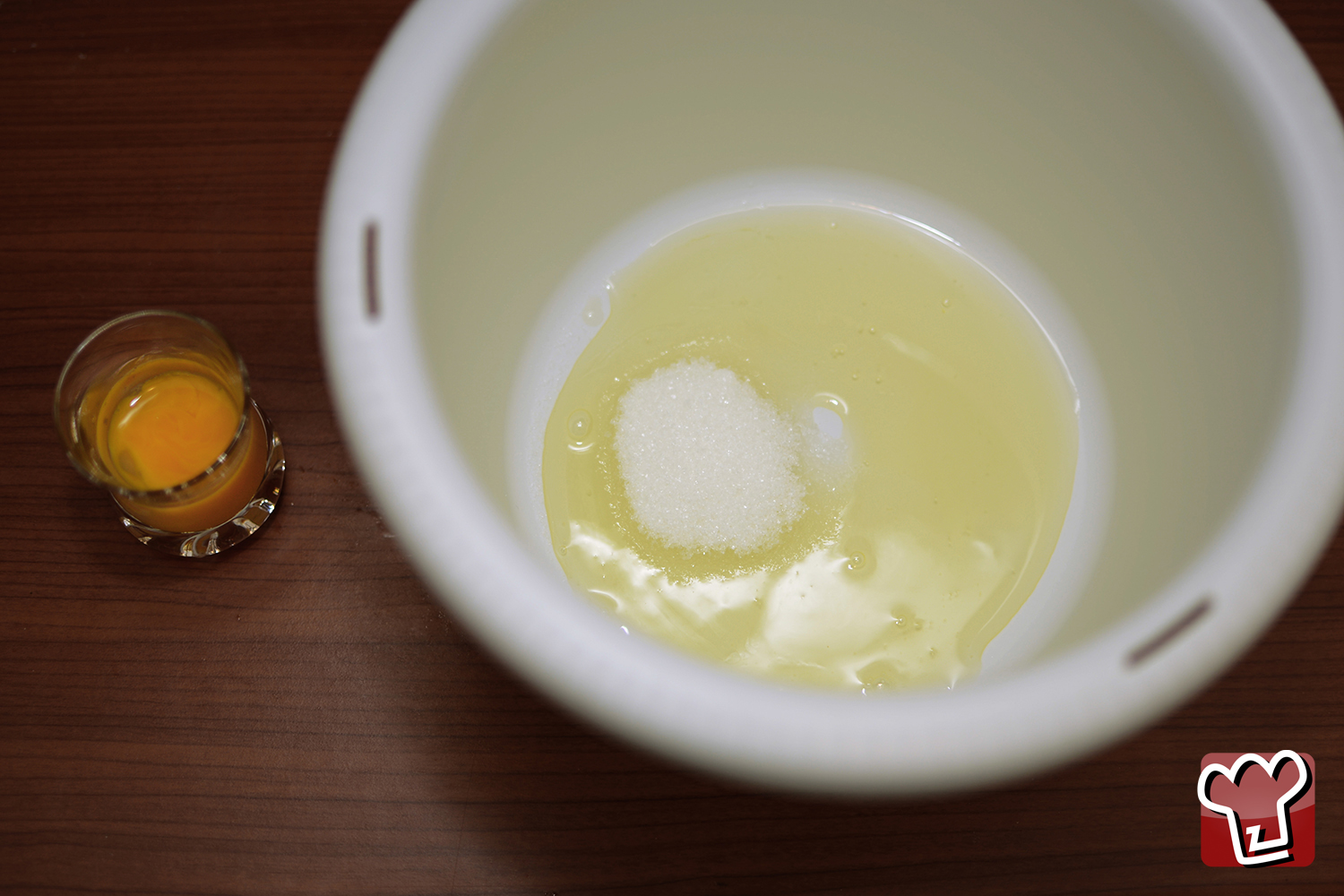
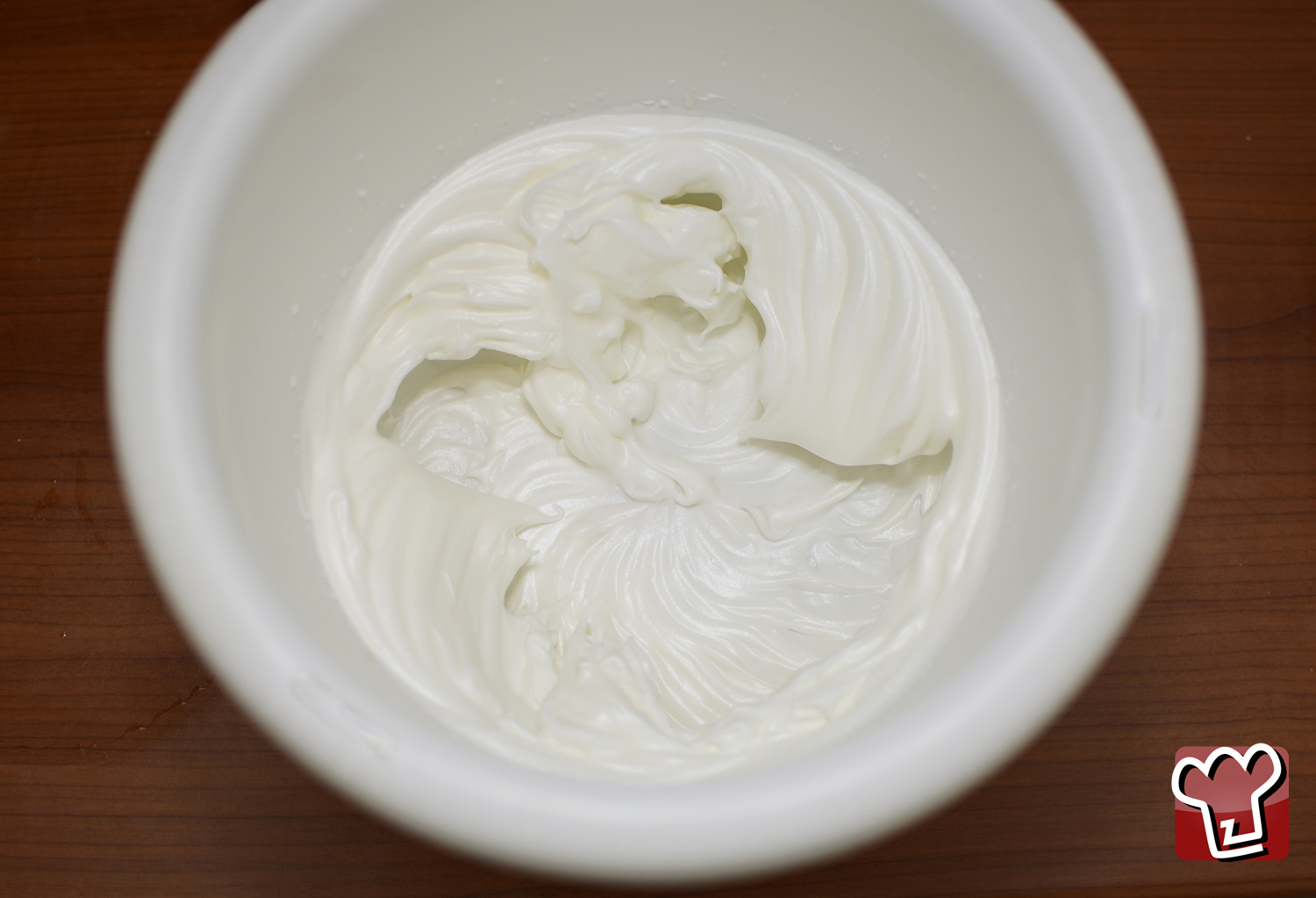
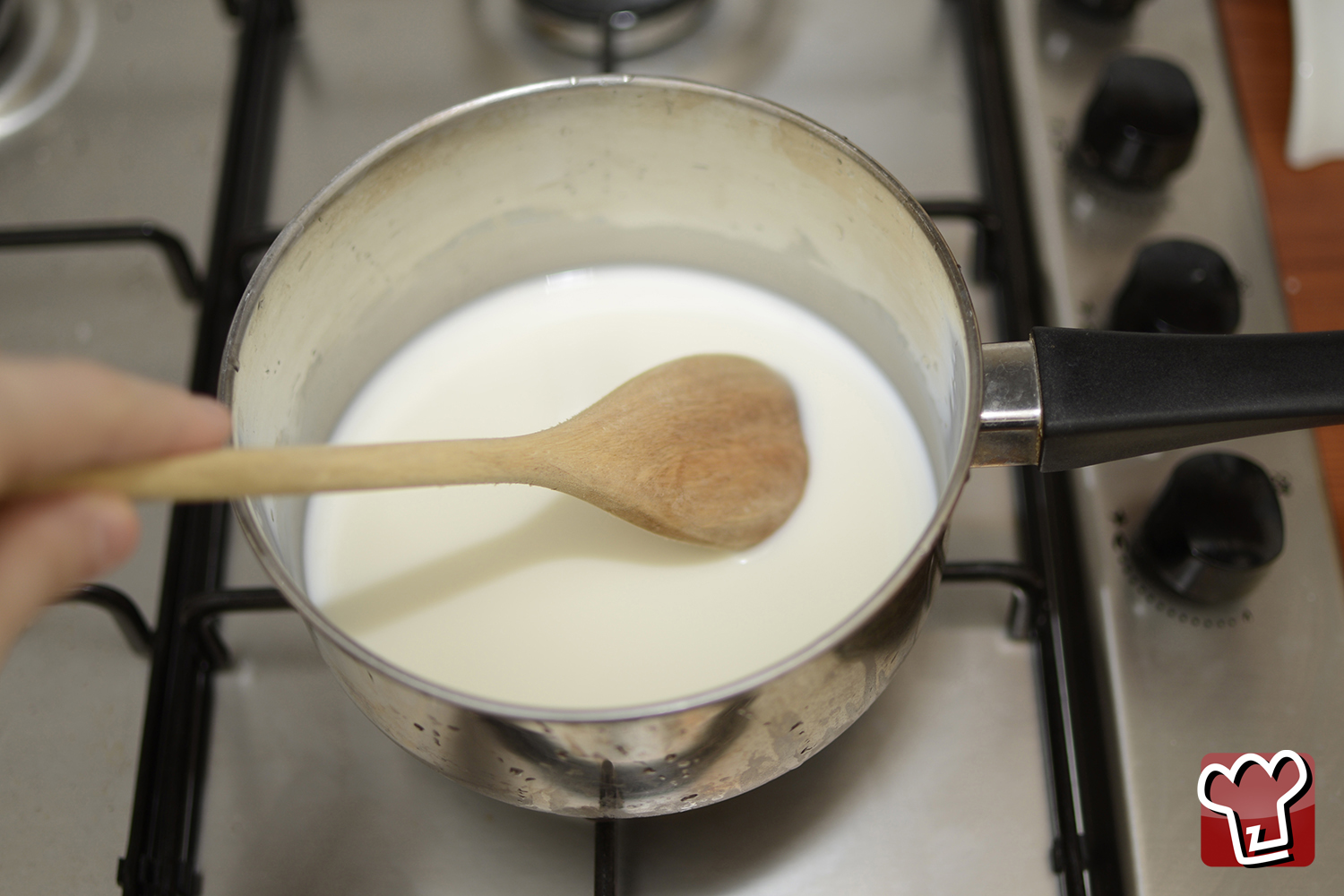
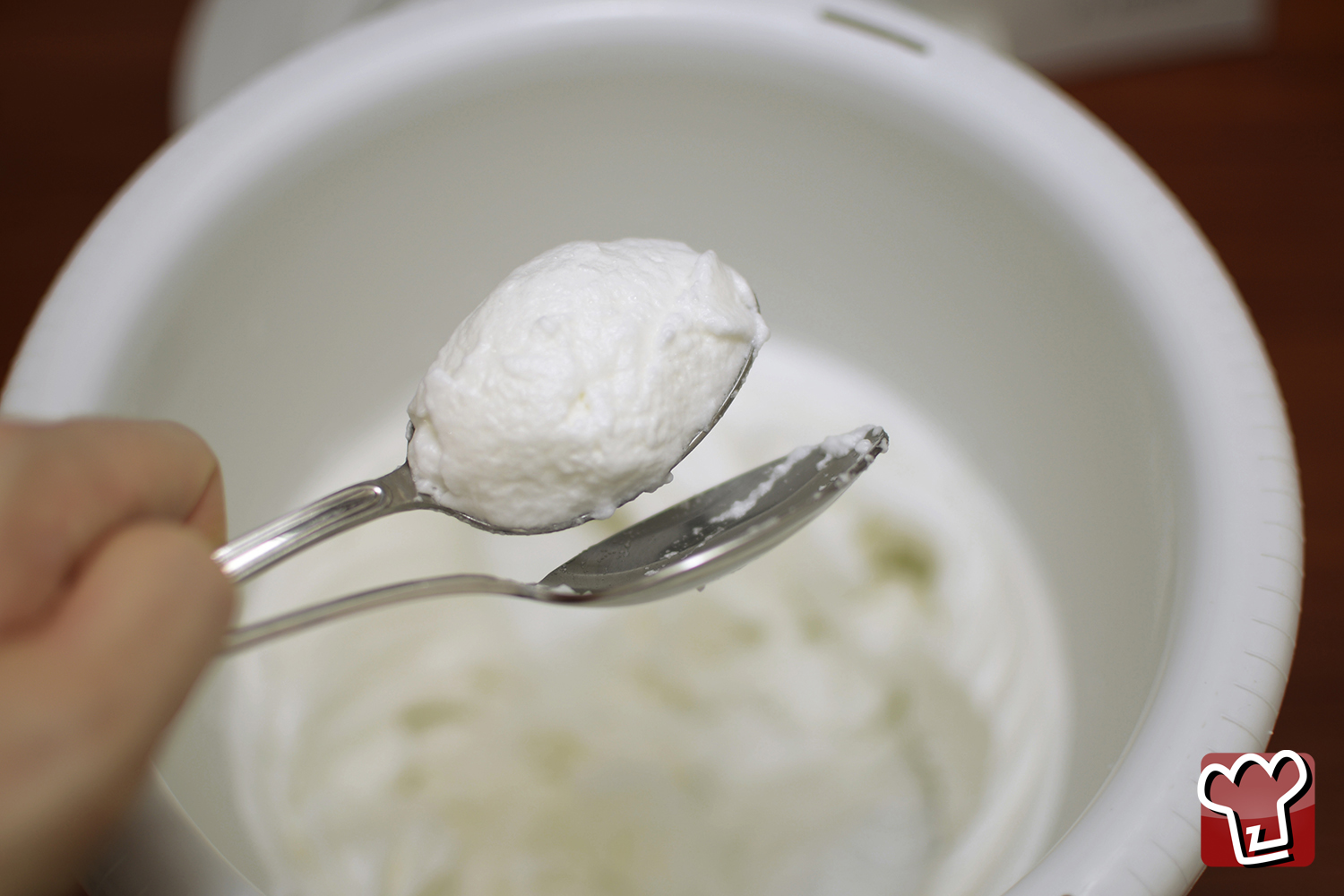
Divide the egg whites from the yolks. Beat the egg whites vigorously with 20g of sugar until frothy and solid. Put 250 ml of milk on to heat in a saucepan, add 50g of sugar and the seeds of half vanilla bean. Stir occasionally to dissolve the sugar. The milk must not come to a boil, but only until bubbles form round the edge. Shape the beaten egg into oval shapes with two spoons and let them slide gently into the milk. After a few minutes they will swell. Drain, place them on a plate and leave them to cool. Don’t throw away the milk - leave it in the pot. Replace some of the evaporated milk until it reaches a total of 250ml again (it will take approximately another 50 ml of milk). In a bowl, beat the egg yolk diluted with a little of the milk that you have used to cook the meringues, then pour the beaten egg back into the saucepan and cook over low heat stirring constantly. You should get a very smooth and fluid custard, but one which is not entirely liquid nor solid. When cooked, leave it to cool. To serve, pour the custard on a saucer or a small bowl, lay one or more of the oval meringues on the custard and pour over some caramel or chocolate to taste.
Step by step
|
View the step by step
|
Beat the egg whites vigorously until you obtain a firm and frothy consistency
|
|
View the step by step
|
Put some milk on to warm in a saucepan, add the sugar and the seeds from half a vanilla pod; dissolve the sugar. Make sure the milk is only warmed, not boiling.
|
|
View the step by step
|
Form the beaten egg into oval-shapes with two spoons
|
|
View the step by step
|
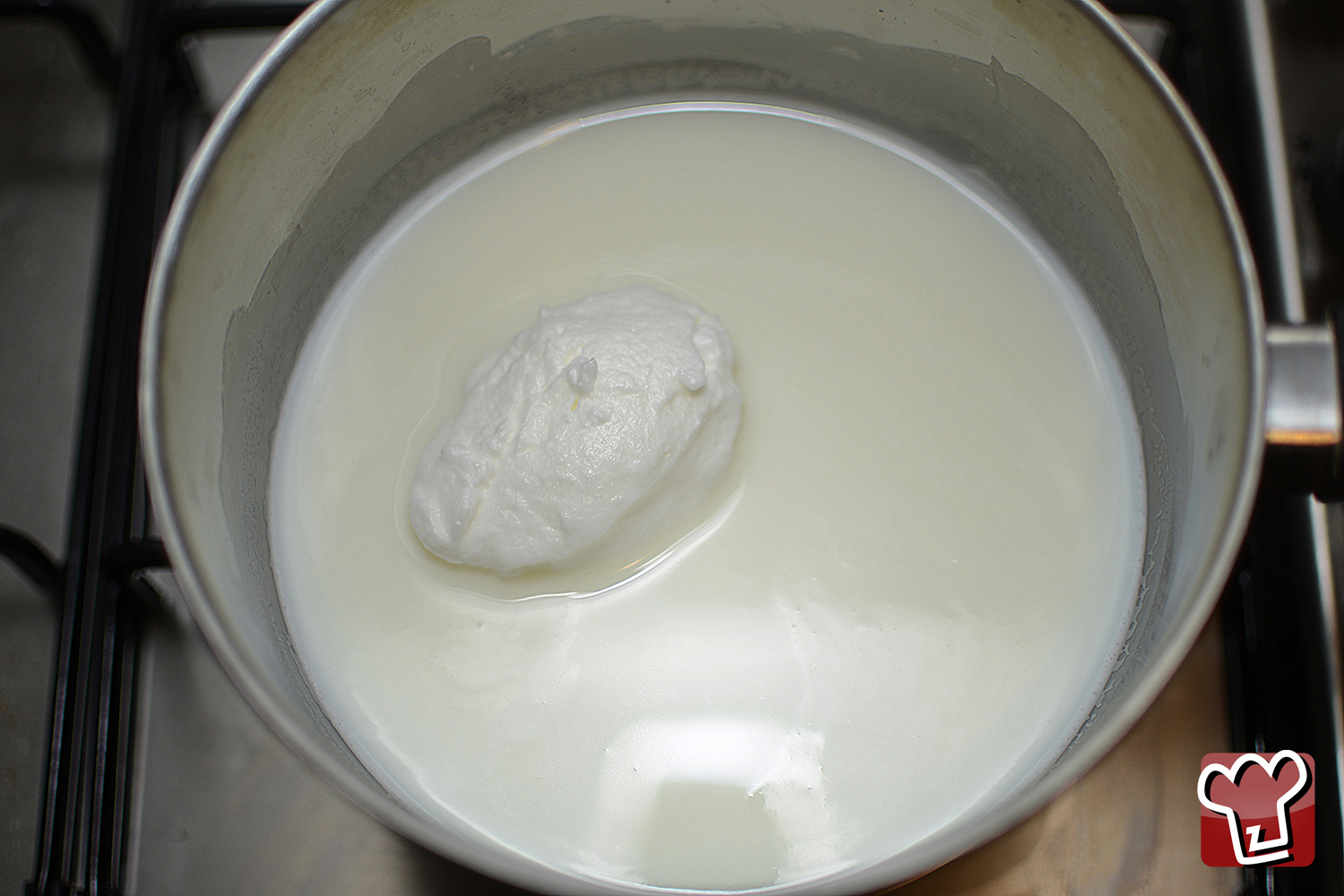
Gently let the oval-shaped beaten egg slide into the milk. After a few minutes they will swell up. Drain them, and place them on a plate to cool.
|
|
View the step by step
|
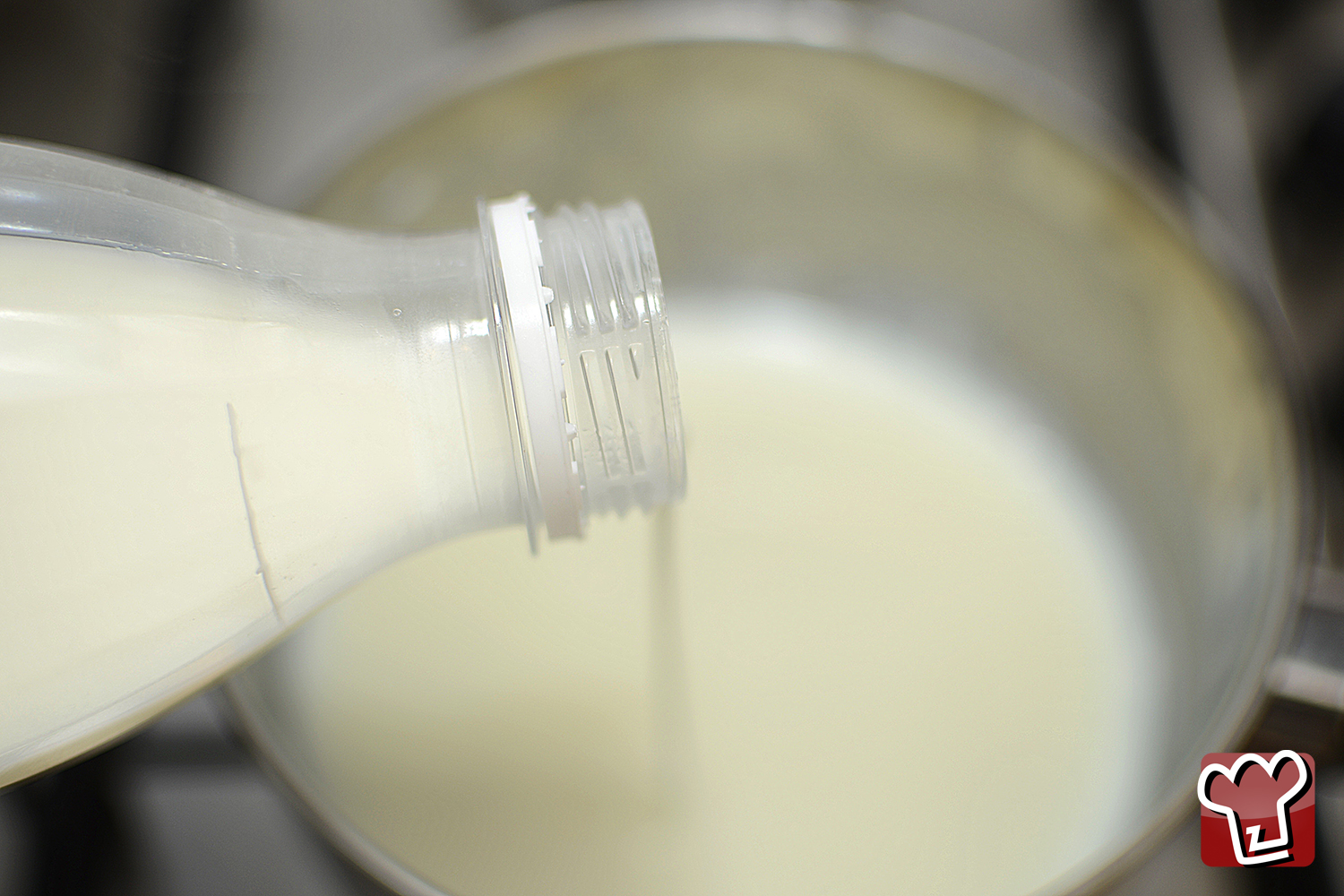
Don’t throw the milk away; leave it in the pan
|
|
View the step by step
|
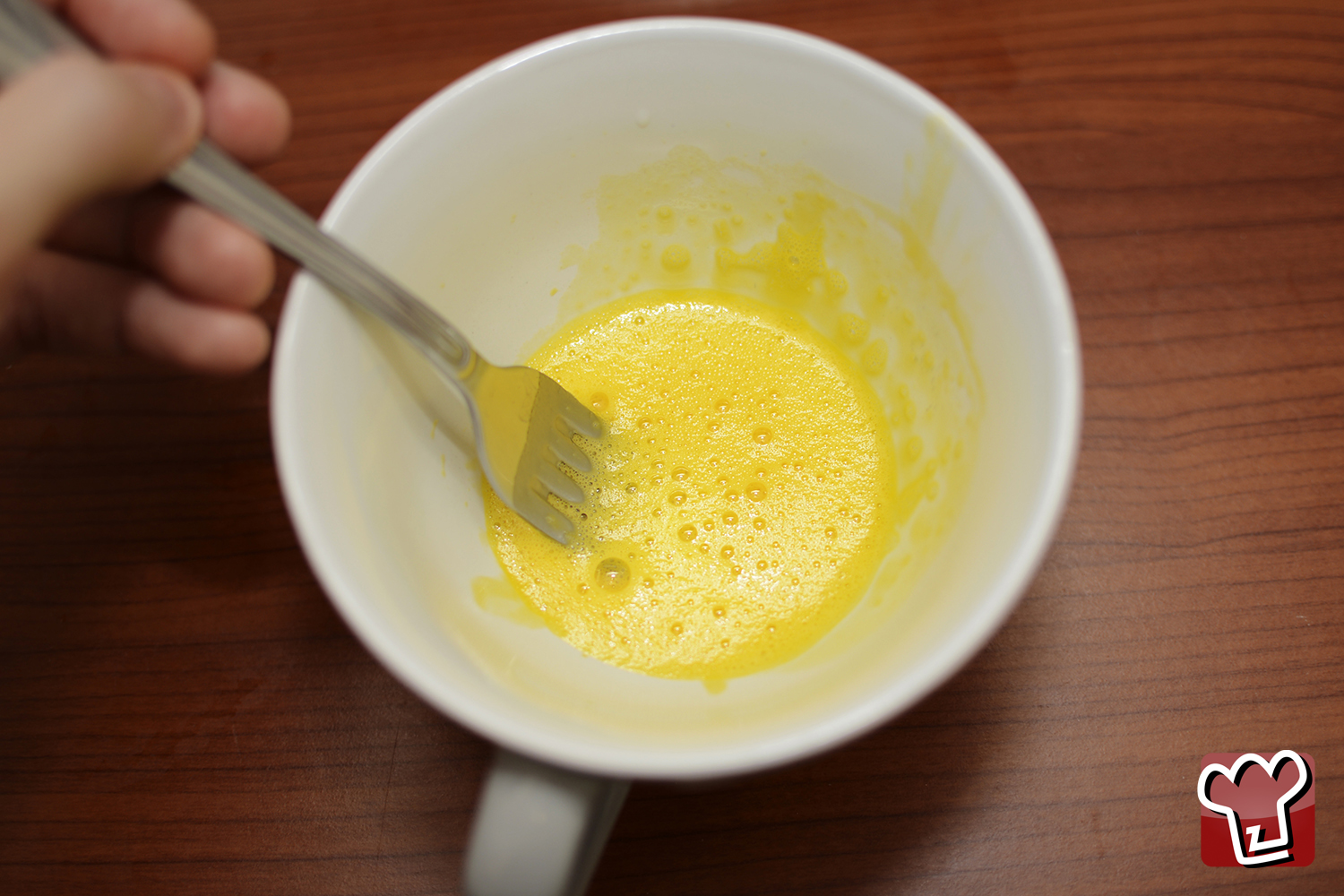
In a tea cup, beat the egg yolk with a bit of the preserved milk that you used to cook the meringues
|
|
View the step by step
|
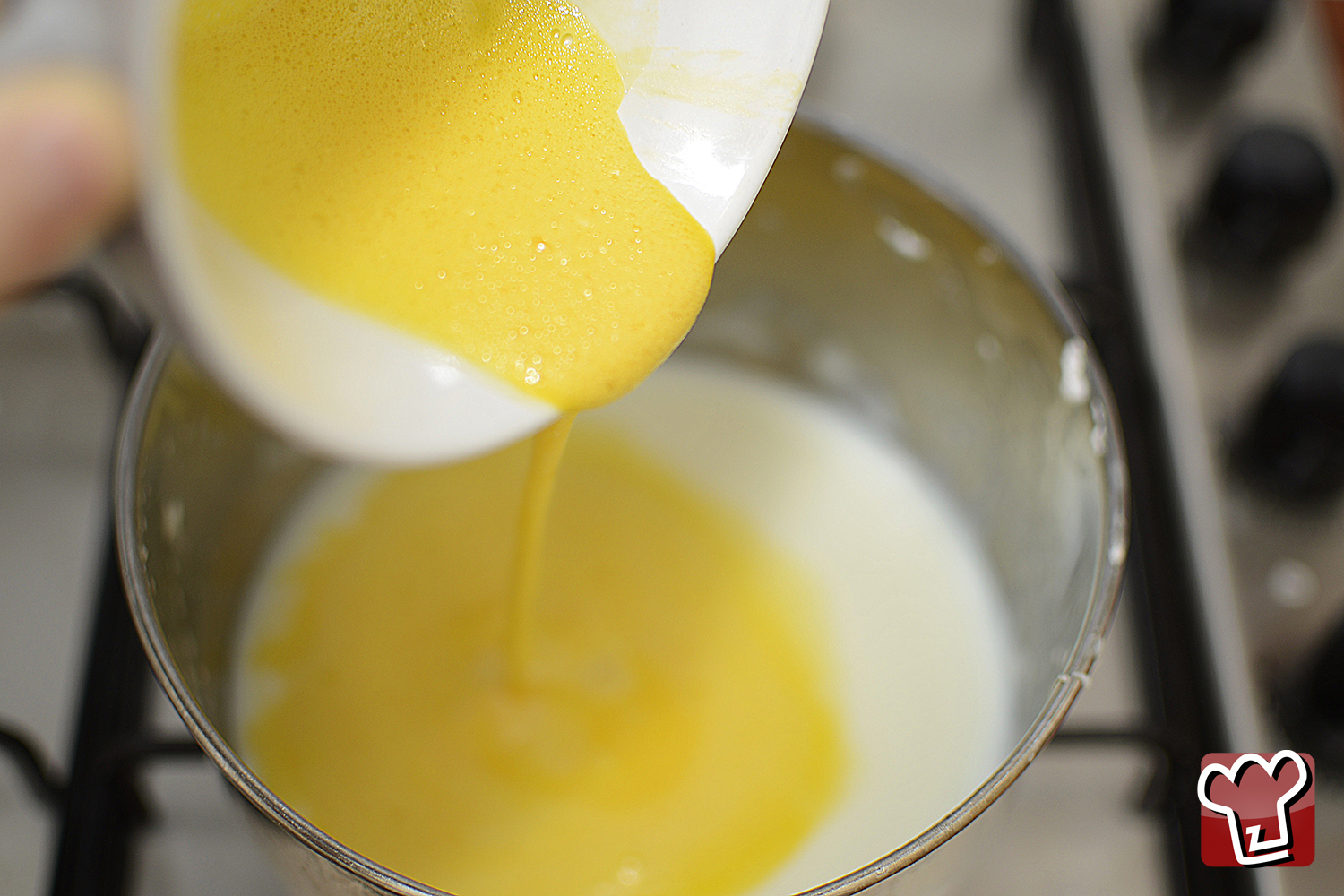
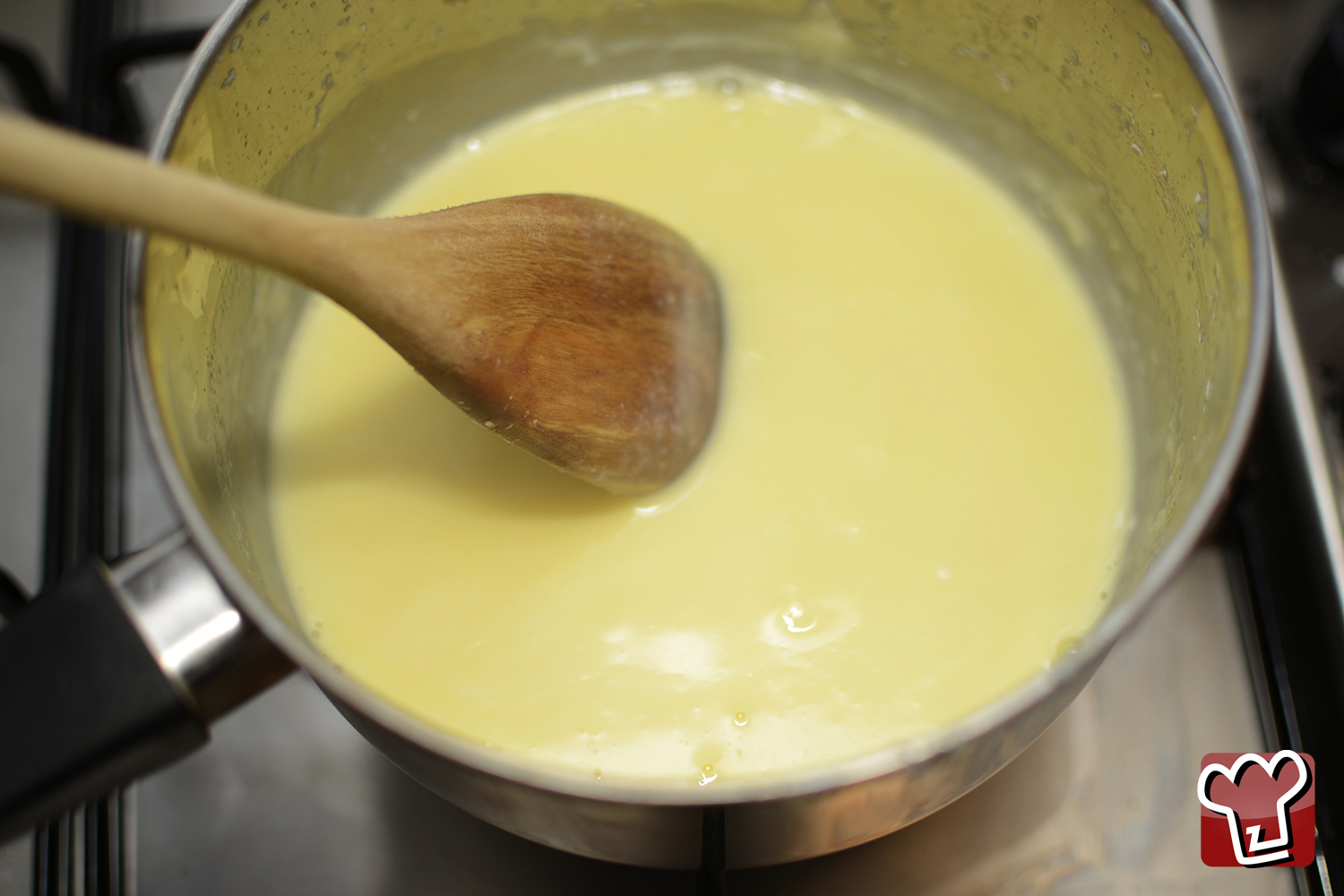
Pour the beaten egg back into the milk in the saucepan, and cook over a low heat stirring all the time
|
|
View the step by step
|
You should get a very liquid and velvety custard. Leave to cool
|
|
View the step by step
|
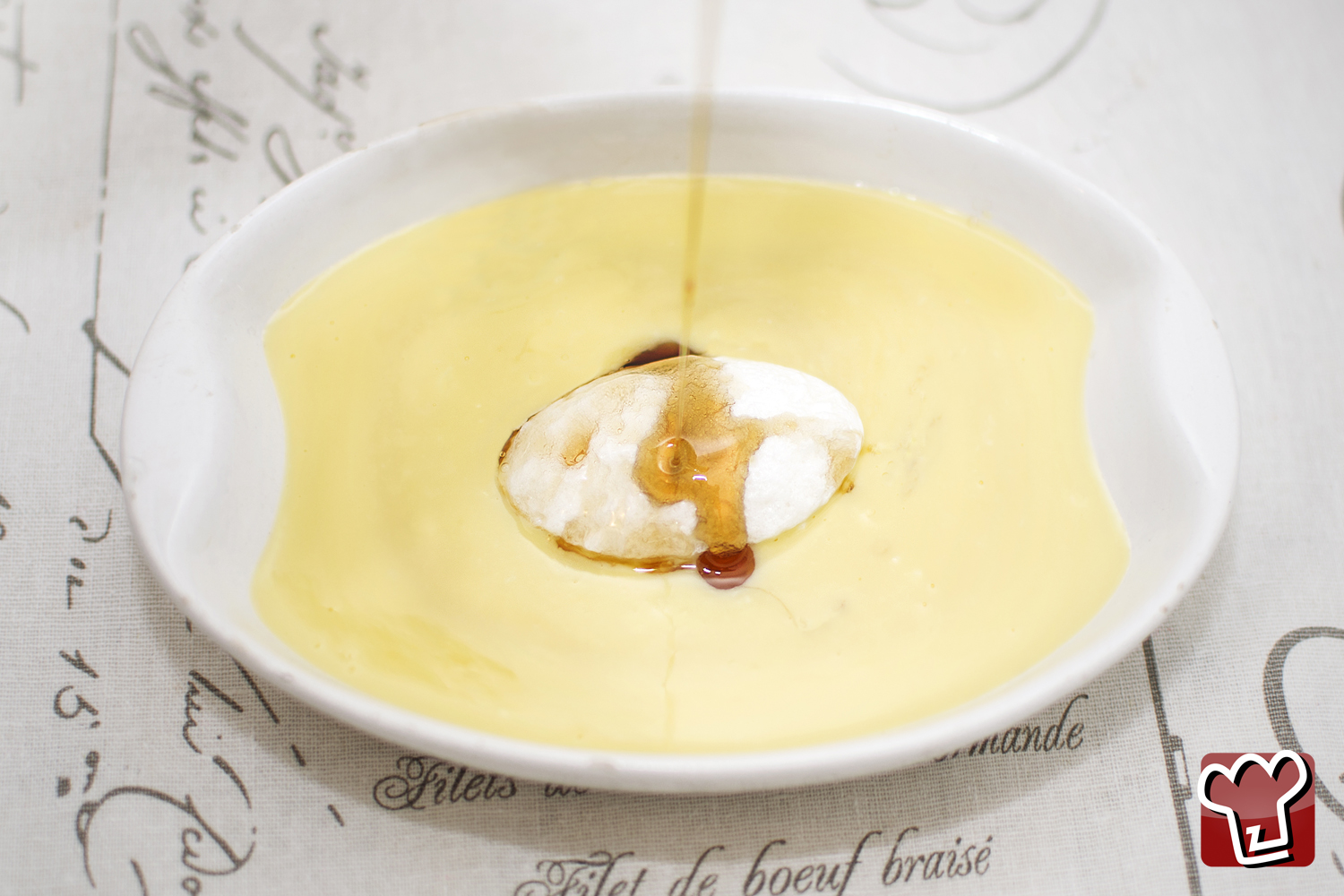
To serve, put the custard in a shallow bowl, place one or two meringues in the centre of the custard and pour over some caramel or chocolate sauce.
|
Additional information
Snow Eggs with caramel sauce
One of the most delicious variations of Snow Eggs is undoubtedly the one accompanied by a rich caramel sauce. This preparation involves creating a sweet and creamy sauce that pairs perfectly with the lightness of the meringues. To prepare the caramel sauce, it is necessary to melt the sugar in a saucepan until it reaches an amber color, then carefully add the warm cream. The combination of the sweetness of the caramel with the freshness of the Snow Eggs creates a dessert that delights even the most discerning palates. The meringue rosettes, placed on a bed of caramel sauce, offer a contrast of textures that makes each bite a moment of pure sweetness. This dish is ideal for concluding an elegant dinner or for a special snack.
Traditional Snow Eggs
Traditional Snow Eggs represent a classic of Italian pastry. This variation not only emphasizes the simplicity of the ingredients but also allows for the appreciation of the authentic flavor of the meringues and cream. The preparation involves whipping the egg whites to stiff peaks, gradually incorporating the sugar, and then cooking the meringues in a bath of warm milk. This method gives the Snow Eggs a soft and light consistency, perfect for those who love delicate desserts. Served with a sprinkle of vanilla bean, these meringues can be enjoyed on their own or accompanied by fresh fruit, making the dish versatile and suitable for any occasion.
Light Snow Eggs without sugar
For those who wish to enjoy Snow Eggs without worrying about calories, there is a light version that does not use sugar. By using a natural sweetener, it is possible to maintain the sweetness of the dessert without compromising the flavor. Additionally, one can opt for skim or plant-based milk to further reduce the calorie content. This variant is perfect for those following a low-calorie diet or for those who need to limit their sugar intake. The light Snow Eggs maintain their light and fluffy consistency, resulting in a fresh and pleasant dessert, ideal for health-conscious individuals. Don't give up the pleasure of a sweet treat, but choose a lighter preparation!
Benefits of Snow Eggs: nutrients and calories
Snow Eggs, thanks to the presence of egg whites, are an excellent source of protein, essential for building and maintaining muscles. Each serving of Snow Eggs provides about 150-200 calories, depending on the amount of sugar and milk used. The egg whites are also low in fat and cholesterol-free, making this dessert a great choice for those looking to maintain a healthy diet. The vanilla used to flavor the preparation not only adds a delicious taste but also has antioxidant properties. Finally, the milk provides calcium, which is beneficial for bone health. By choosing quality ingredients, Snow Eggs can become a dessert that is not only tasty but also nutritious.
Can Snow Eggs be stored?
One of the most common questions regarding Snow Eggs is whether they can be stored. The answer is yes, but with some precautions. It is advisable to consume them fresh to fully appreciate their light consistency. However, if you wish to store them, they can be kept in the refrigerator for up to 2 days, covered with plastic wrap to prevent them from drying out. Before serving, it is good to check the freshness and consistency. If there are any changes in color or smell, it is better to avoid consuming them. For better storage, it is suggested to prepare Snow Eggs only when you are sure you can enjoy them in the short term, in order to maintain their freshness and lightness.