Ricotta cheesecake
Ricotta cheesecake, a dessert which takes a little time to make but provides great satisfaction. You need to make a pastry, a custard and a cream cheese to create this delicious cake in three layers, and they all go in the oven together. Try it and you will find that you win over even the die-hard chocolate lovers or those who normally only eat Grandma’s cake!
Ingredients
Pugliese Ricotta Cheesecake
Simple yet elegant, the Pugliese ricotta cheesecake highlights the freshness of artisanal ricotta, creamy and fragrant. The crunchy base, made with local cookies, pairs beautifully with a delicate layer of fig jam, a true gem of Salento's tradition.
* approximate values per serving
Preparation
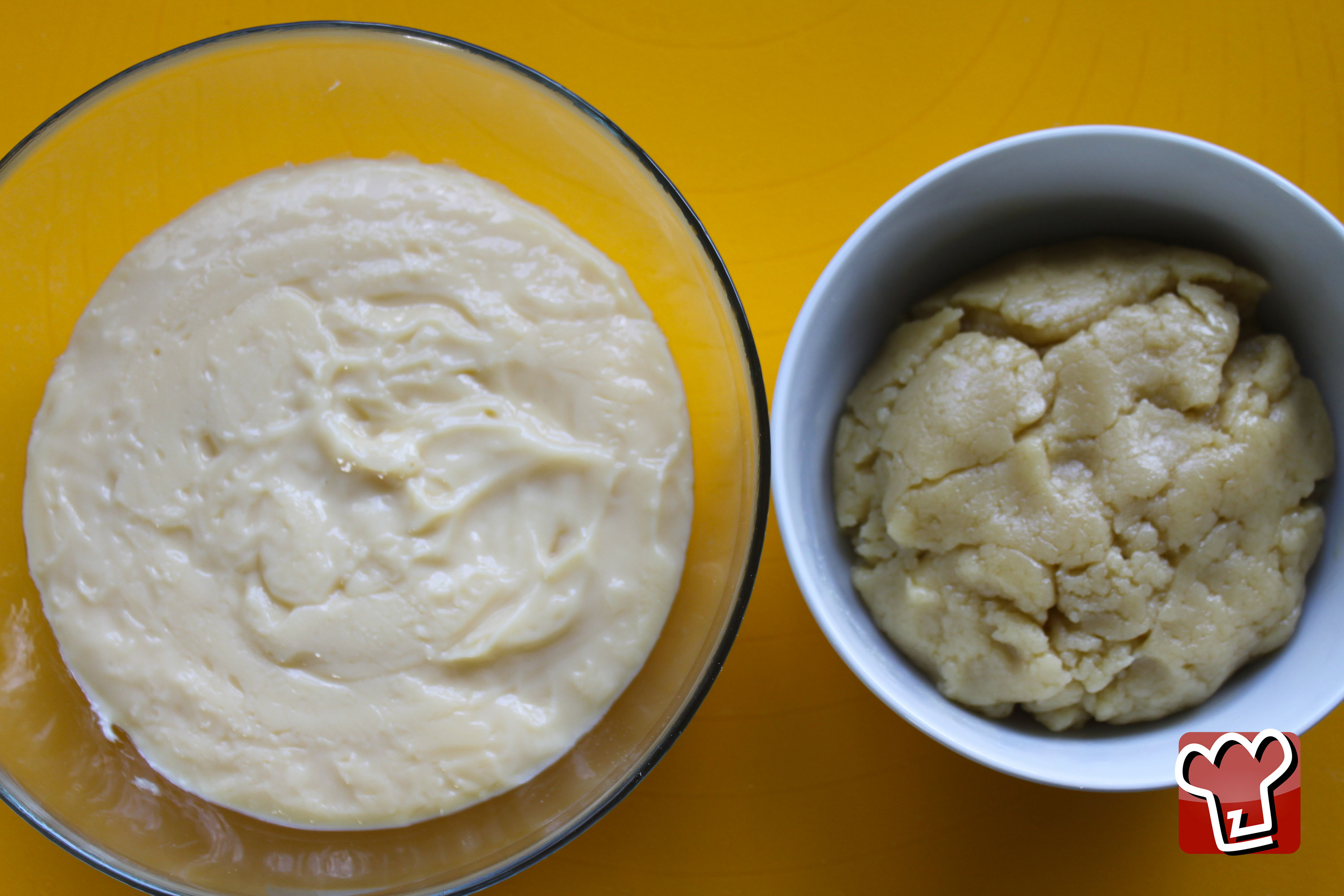
The day before - or at least one hour before – make an Italian-style custard with half a litre of milk, 3 egg yolks, 80g of sugar and 50g of flour. Set it aside so it cools. Then prepare a shortcrust pastry, working together 100g butter, 100g sugar, 1 egg, 250g of flour and half a sachet (7g) of baking powder. Wrap in cling film and leave in the refrigerator for half an hour. Then it’s the turn of the cream cheese: mix the ricotta cheese with 200g of sugar and one egg. Preheat the oven to 160°C. Roll out and transfer the pastry into a baking mould at least 4 cm high. Spread the custard over the entire surface of the pastry and then cover with the cream cheese mixture. Bake for 1 hour at 160°C until the surface begins to brown slightly.
Step by step
|
View the step by step
|
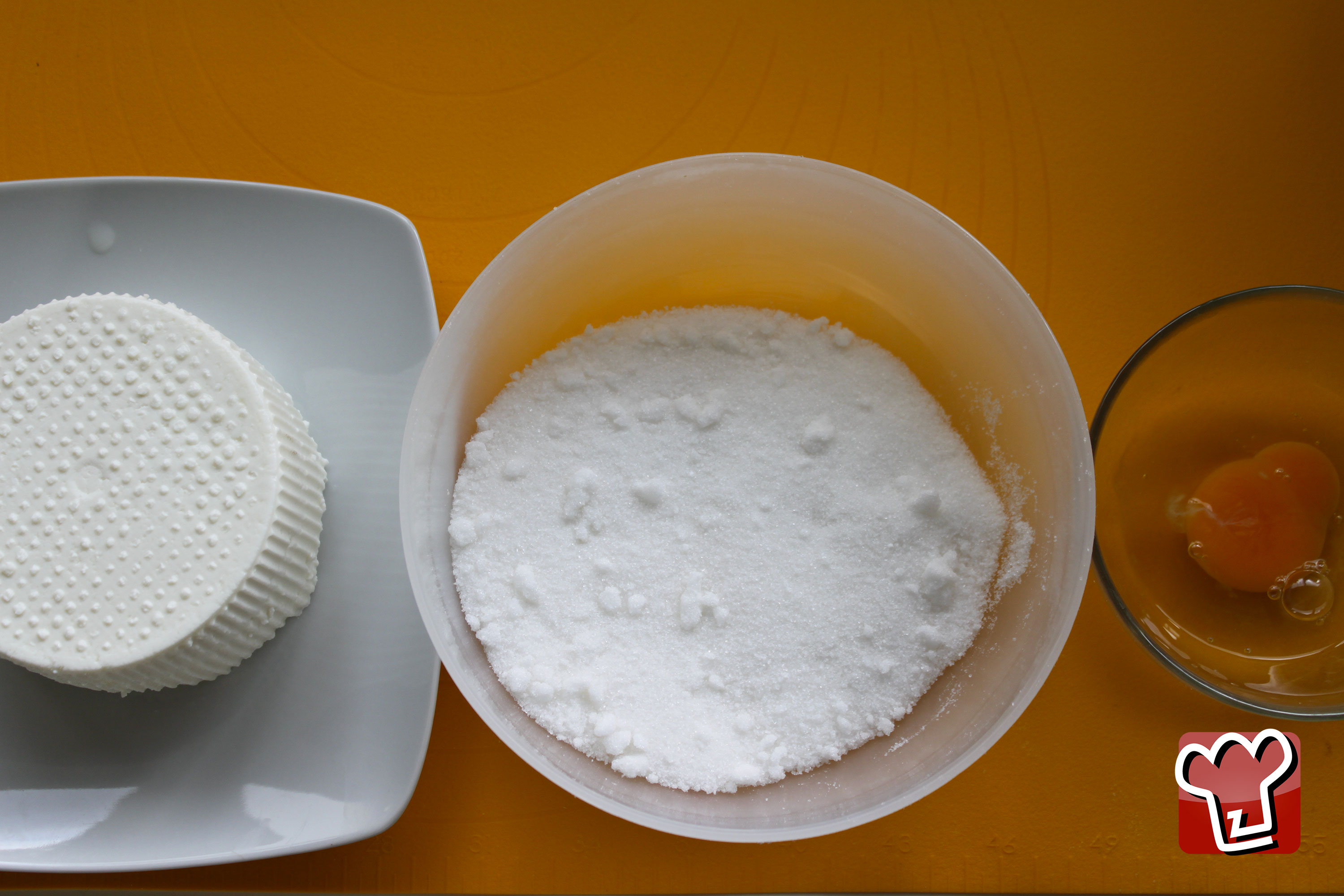
Prepare the ingredients for the cream ricotta cheese: ricotta, sugar and egg
|
|
View the step by step
|
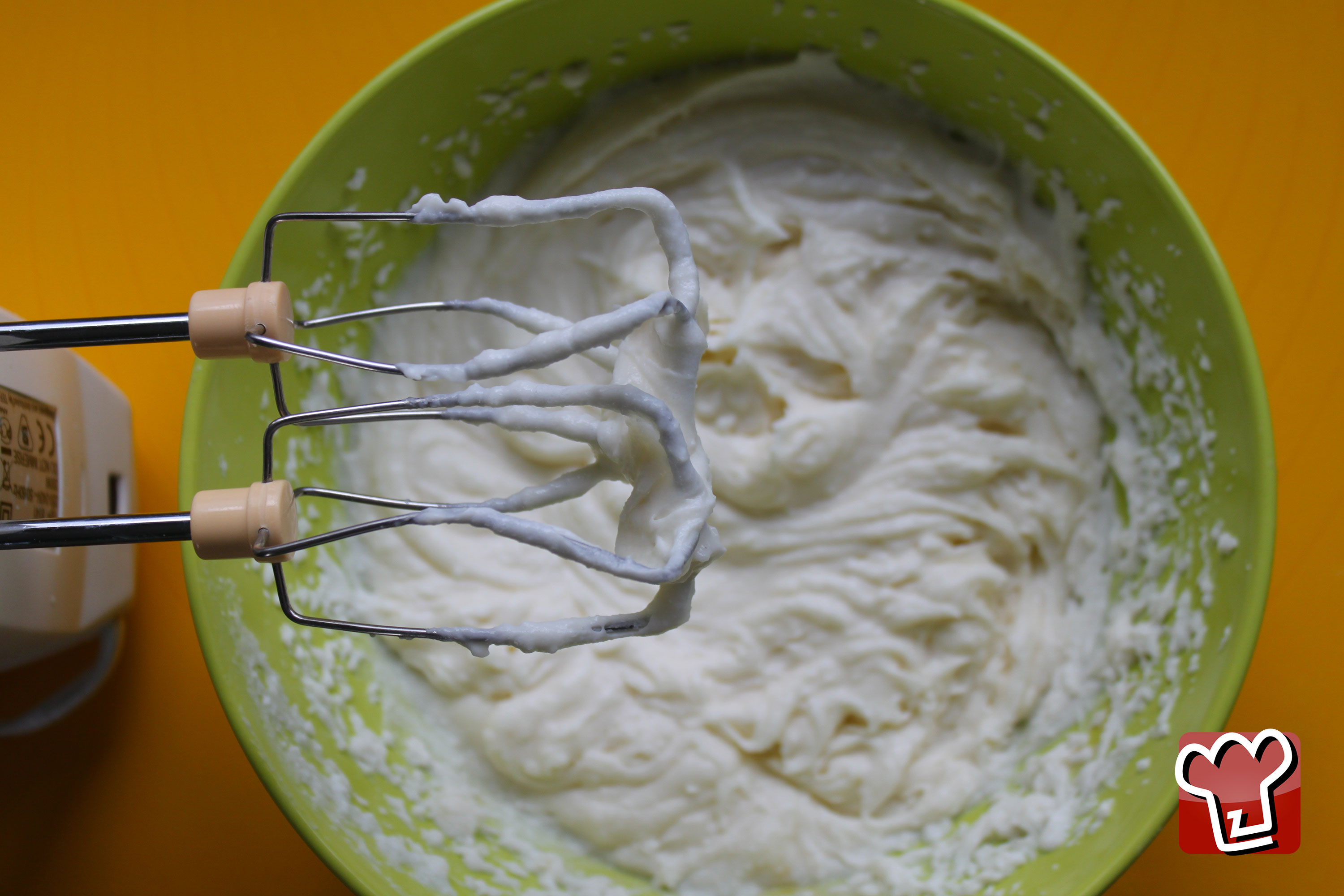
To make the creamed ricotta, blend the ricotta with the sugar and the egg
|
|
View the step by step
|
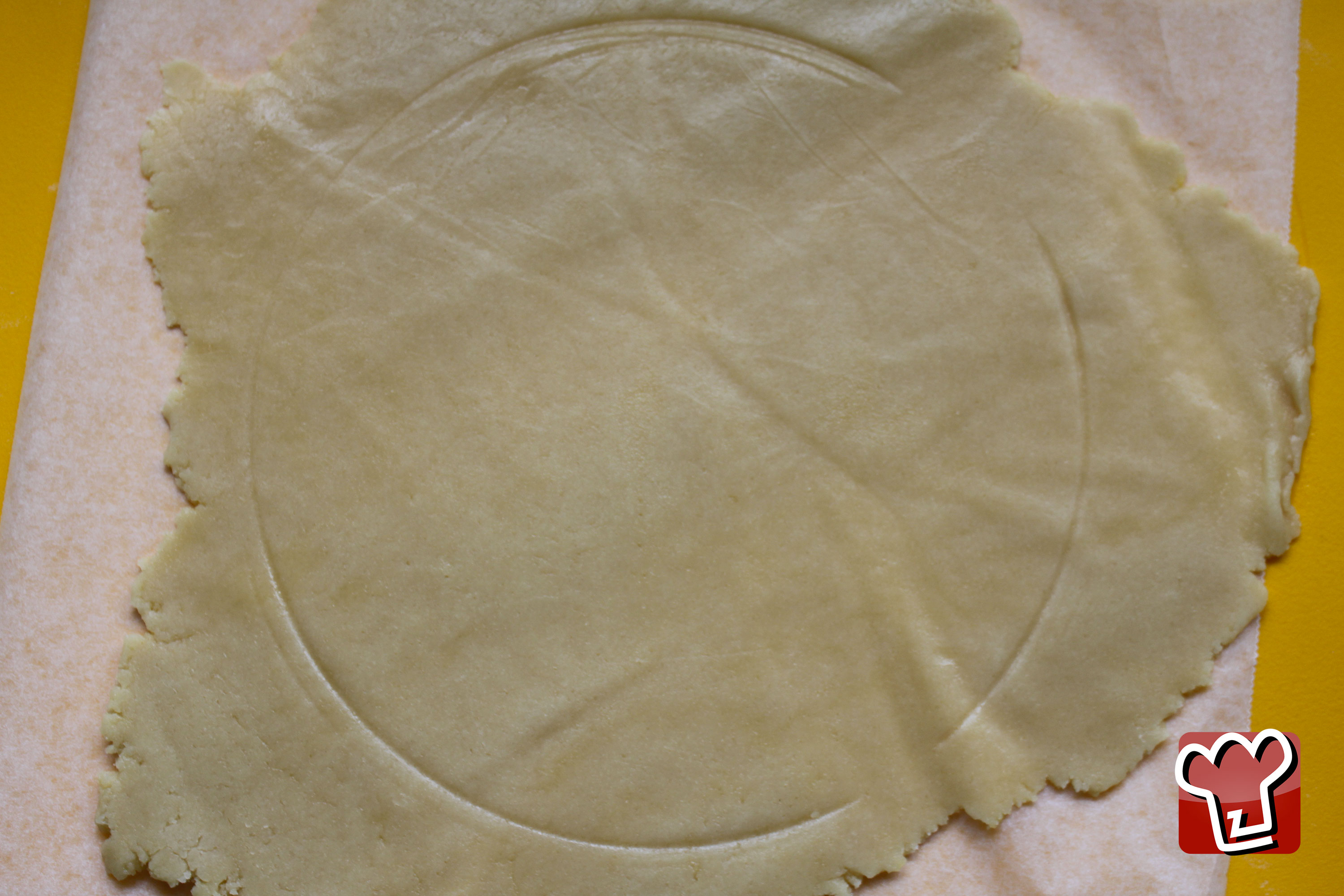
Roll out the pastry
|
|
View the step by step
|
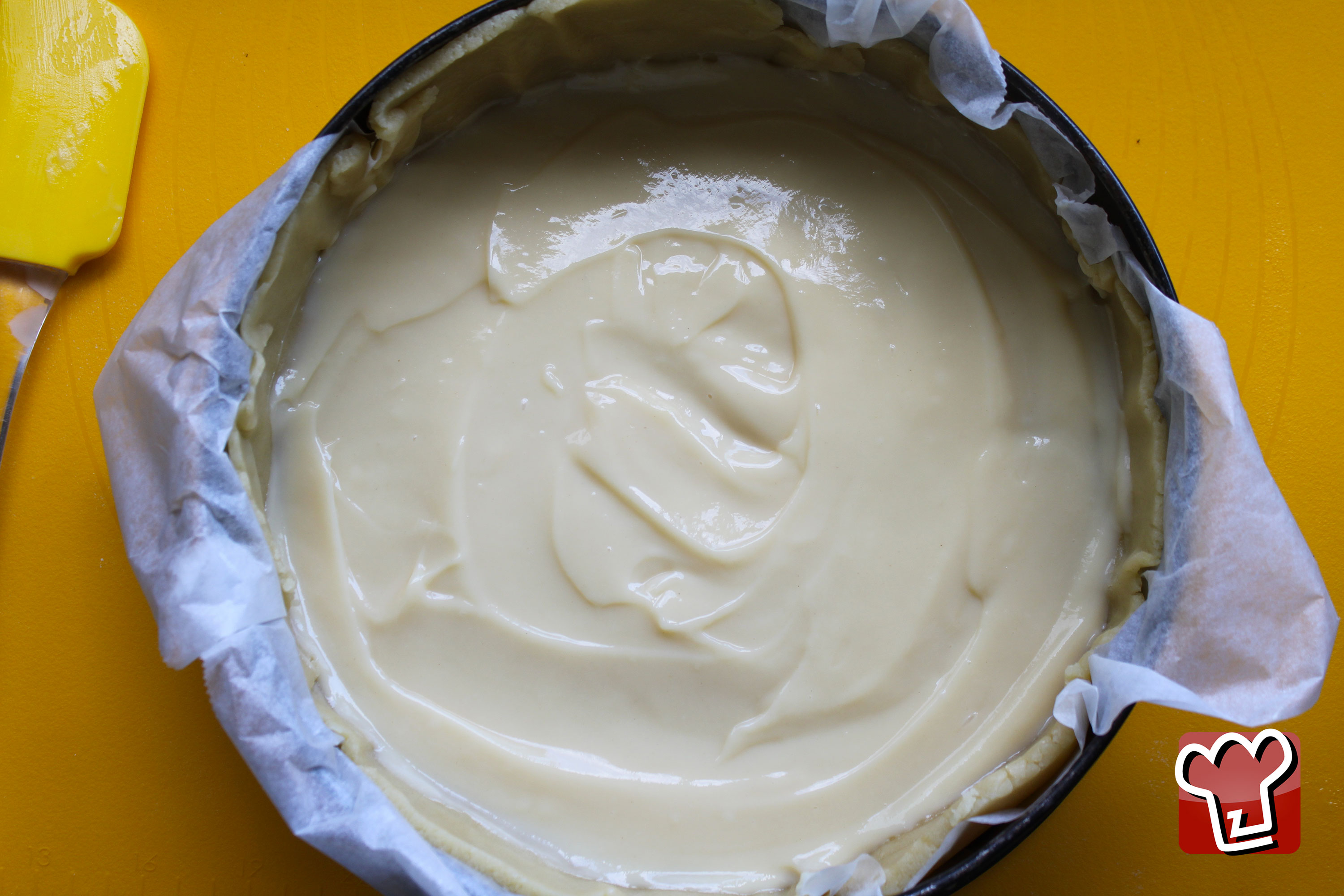
Line the cake tin with the pastry, then spread the custard over the pastry so as to cover the whole of the bottom
|
|
View the step by step
|
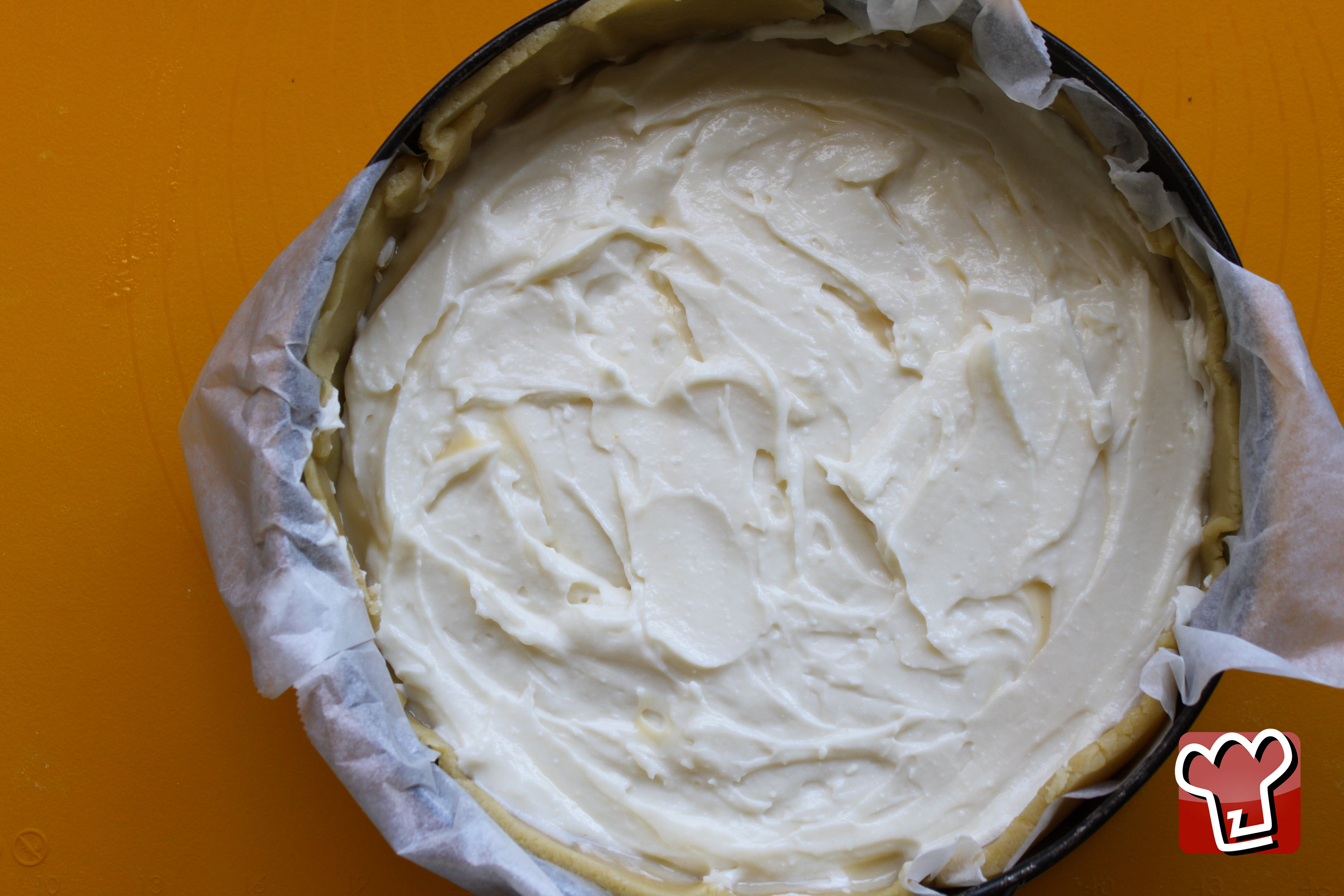
Spread the creamed ricotta over the custard, then bake
|
|
View the step by step
|
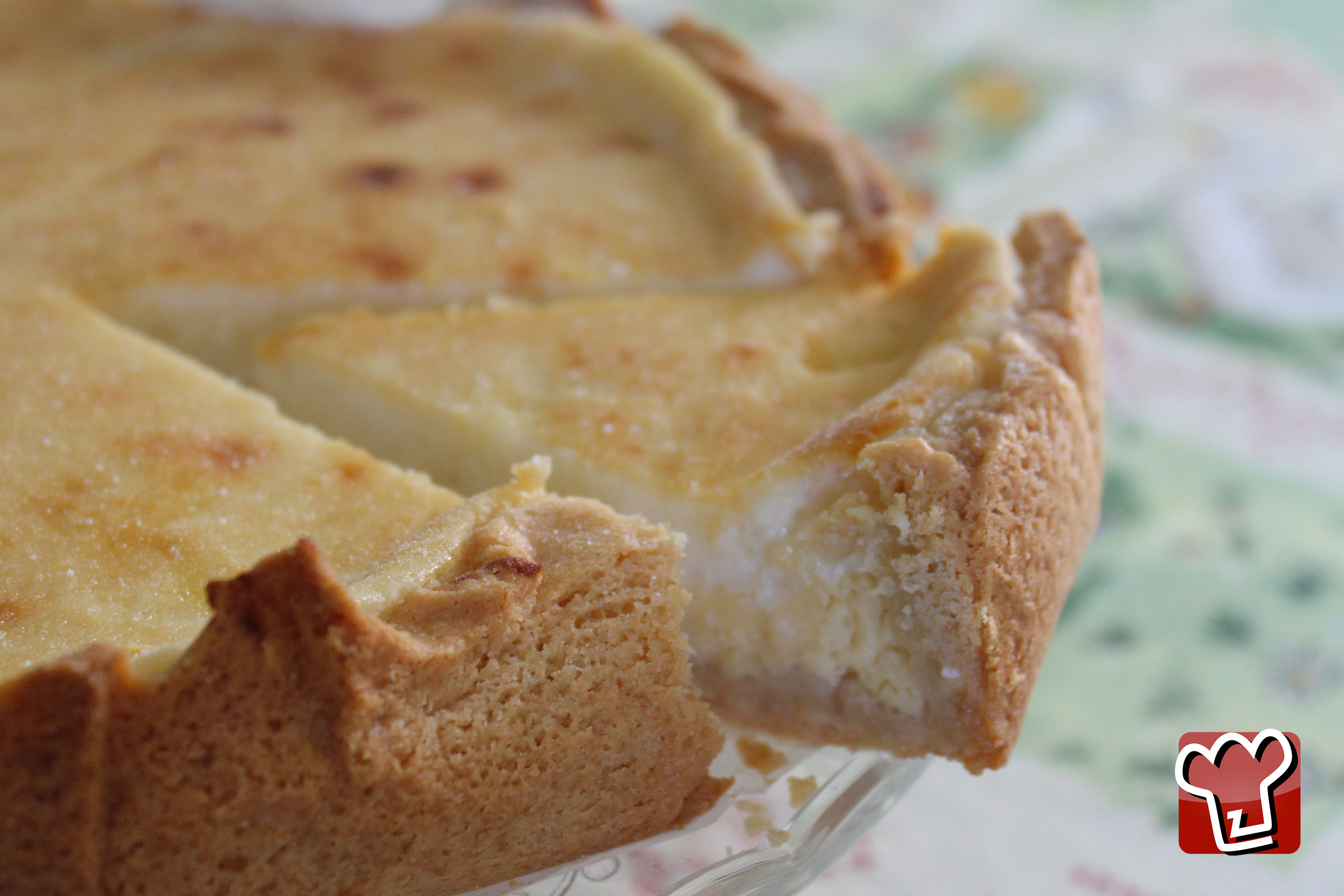
Bake at 160°C for one hour
|
Additional information
Ricotta Cheesecake with Shortcrust Pastry Base
One of the most delicious variations of ricotta cheesecake is the one with a shortcrust pastry base. This preparation involves creating a crunchy crust that perfectly complements the softness of the ricotta cream. To achieve a perfect base, it is essential to work the butter with the sugar until a fluffy mixture is obtained, then add the egg and the sifted flour with the baking powder. After rolling out the shortcrust pastry in a cake pan, you can proceed with the filling of ricotta and pastry cream. The final result will be a dessert with a comforting flavor, ideal for ending a meal on a sweet note. You can also enrich the ricotta cheesecake with fresh fruit or jams for a touch of freshness and color!
Pugliese Ricotta Cheesecake
The Pugliese ricotta cheesecake is a true delight that reflects the flavors and culinary traditions of this region. In this version, in addition to ricotta, a typical Pugliese liqueur can be used to flavor the cream, such as limoncello or vincotto. The preparation remains simple: after preparing the shortcrust pastry base, it is filled with a ricotta cream mixed with sugar and egg yolks, and baked in the oven until golden. This dessert is perfect for parties and celebrations, bringing a piece of Puglia to the table and providing moments of sweetness to those who taste it.
Light Ricotta Cheesecake without Sugar
For those who desire a lighter version of ricotta cheesecake, it can be prepared without sugar, using natural sweeteners like stevia or honey. This preparation is ideal for those following a controlled diet or for those looking to reduce caloric intake. Ricotta remains the main ingredient, rich in protein and calcium, while the base can be made with whole wheat flour for a higher fiber content. Baking at low temperature can yield a light cheesecake that is still creamy and tasty, perfect to serve even to those who are mindful of their figure.
Benefits of Ricotta in Cheesecake and Approximate Calories
Ricotta is a key ingredient in cheesecake, not only for its delicate flavor but also for its numerous nutritional benefits. Rich in protein and lower in fat compared to other cheeses, ricotta provides a significant amount of calcium, important for bone health. Additionally, it contains B vitamins, which support metabolism and the health of the nervous system. A serving of ricotta cheesecake (about 100 grams) can contain between 250 and 300 calories, depending on the ingredients used. By choosing lighter variants, such as the sugar-free one, it is possible to further reduce caloric intake without sacrificing flavor.
Can Ricotta Cheesecake be Frozen?
Freezing ricotta cheesecake is possible, but it is important to follow some precautions to preserve its consistency and flavor. Before freezing, it is advisable to let it cool completely and then cut it into slices. Wrapping each slice in plastic wrap and placing it in an airtight container will help avoid freezer burn. When you want to consume it, it is best to let it thaw in the refrigerator for a few hours to maintain the creaminess of the ricotta. Avoid freezing cheesecakes decorated with fresh fruit or cream, as these ingredients may alter their consistency during the freezing and thawing process.