Sponge and cream pudding
This sponge and cream pudding is called ‘zuccotto’ in Italian, and is a classic Italian dessert that has its origins in Renaissance Florence. During that period the classic Italian ‘semifreddo’ was invented, and at the same time this fabulous sweet emerged, combining the richness of a cake with the freshness of an ice cream. The original recipe involved a cream centre made with ricotta cheese sweetened with honey and enriched with the addition of dried figs. Today we tend to make a simpler version that instead includes the addition of chocolate chips and cocoa powder. Don’t forget that ‘zuccotto’ is a dessert to be enjoyed cold after several hours in the fridge. This will allow you to turn the dessert out easily and cut it into slices when you serve. Being a very unusual shape it is a dessert that lends itself to festive occasions. Can be prepared in advance.
Ingredients
* approximate values per serving
Preparation
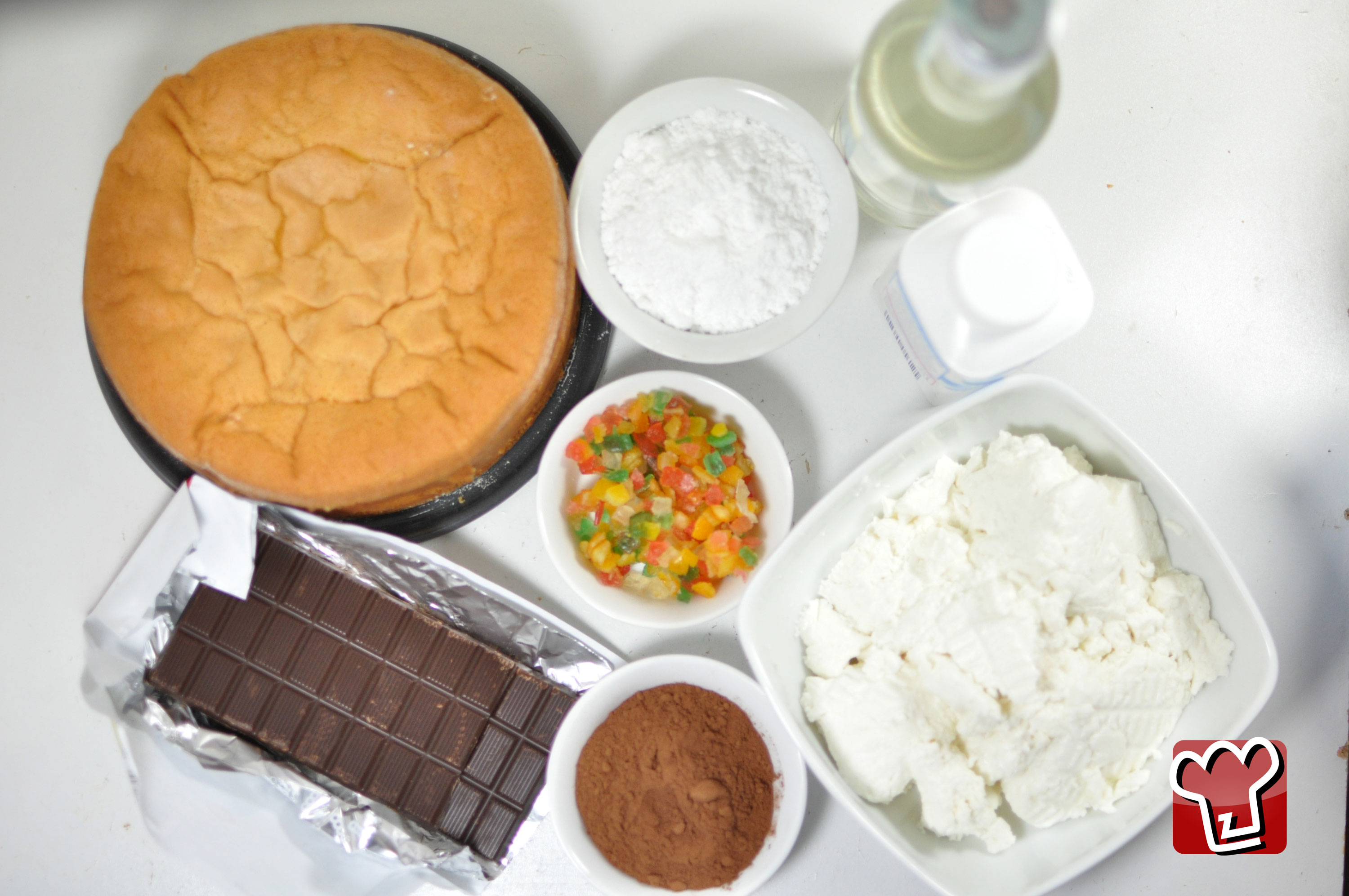
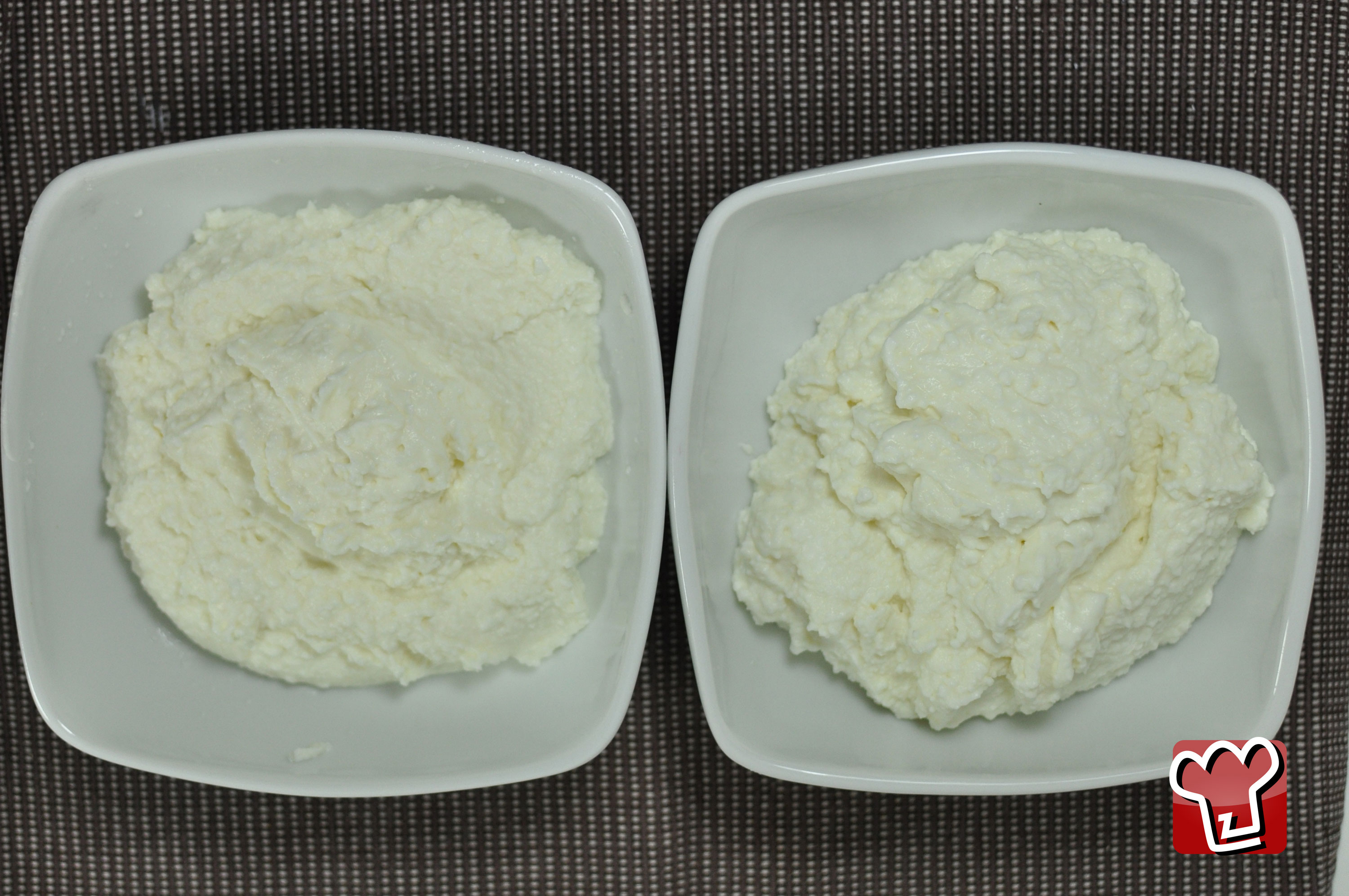
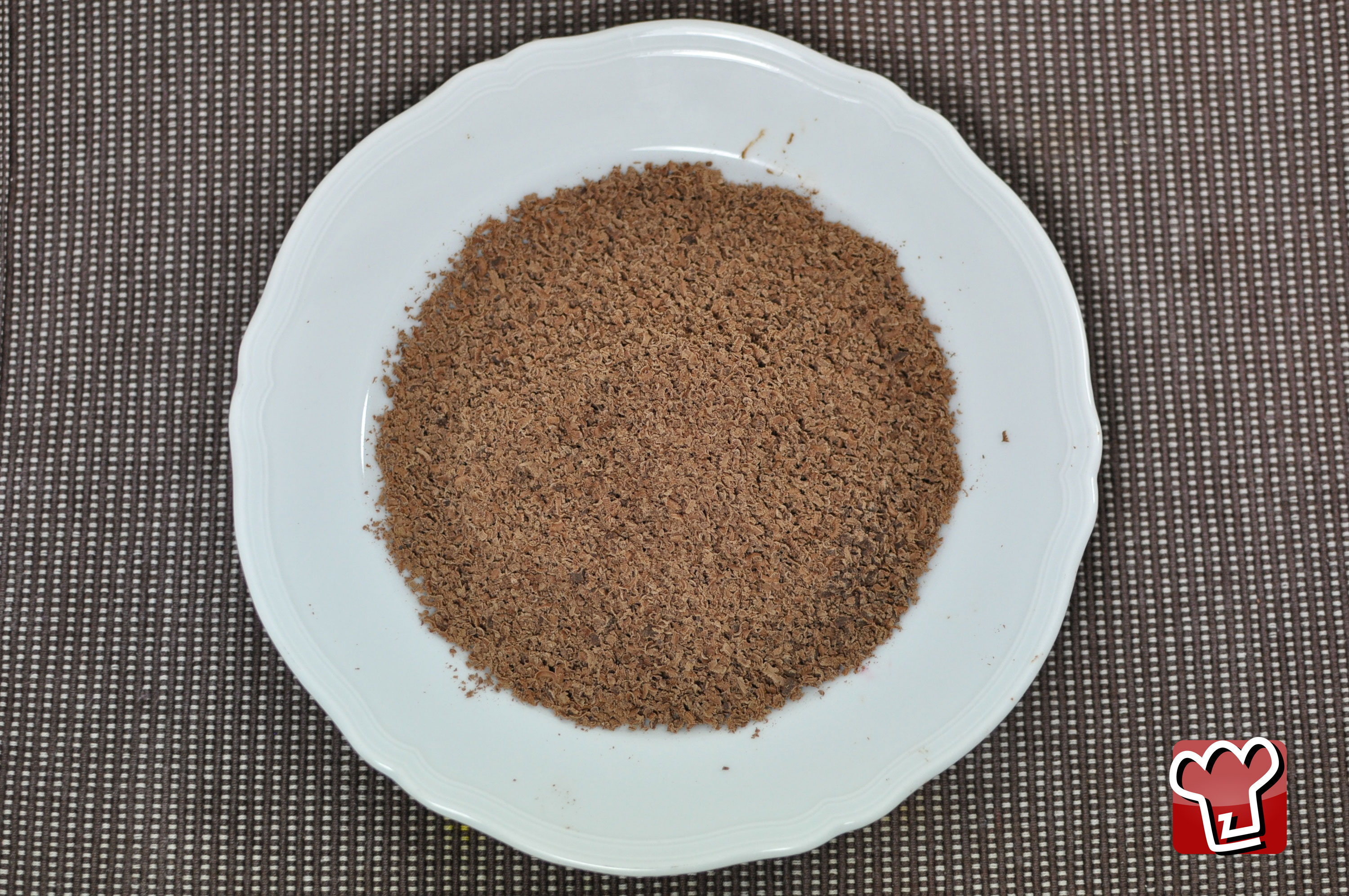
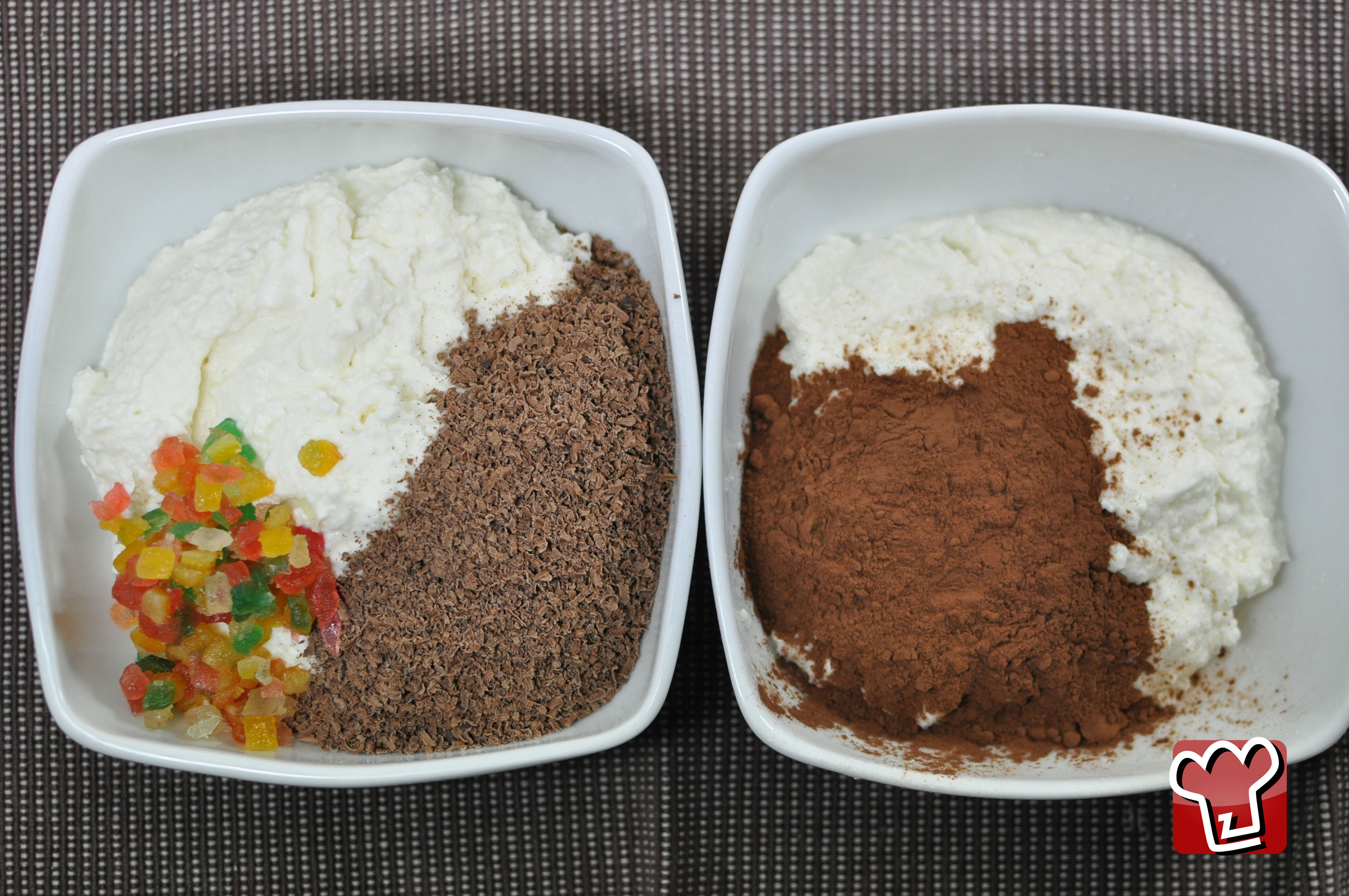
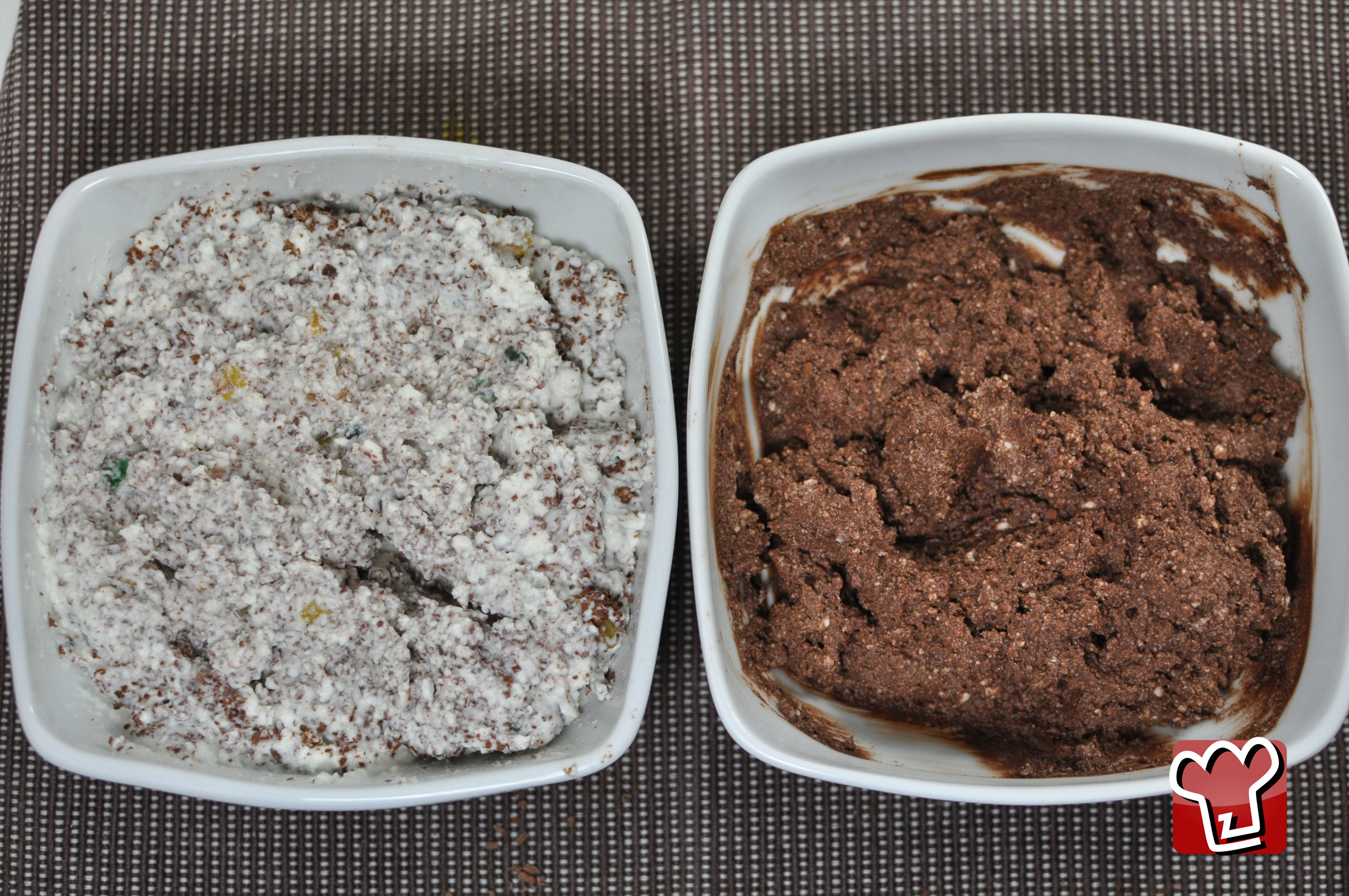
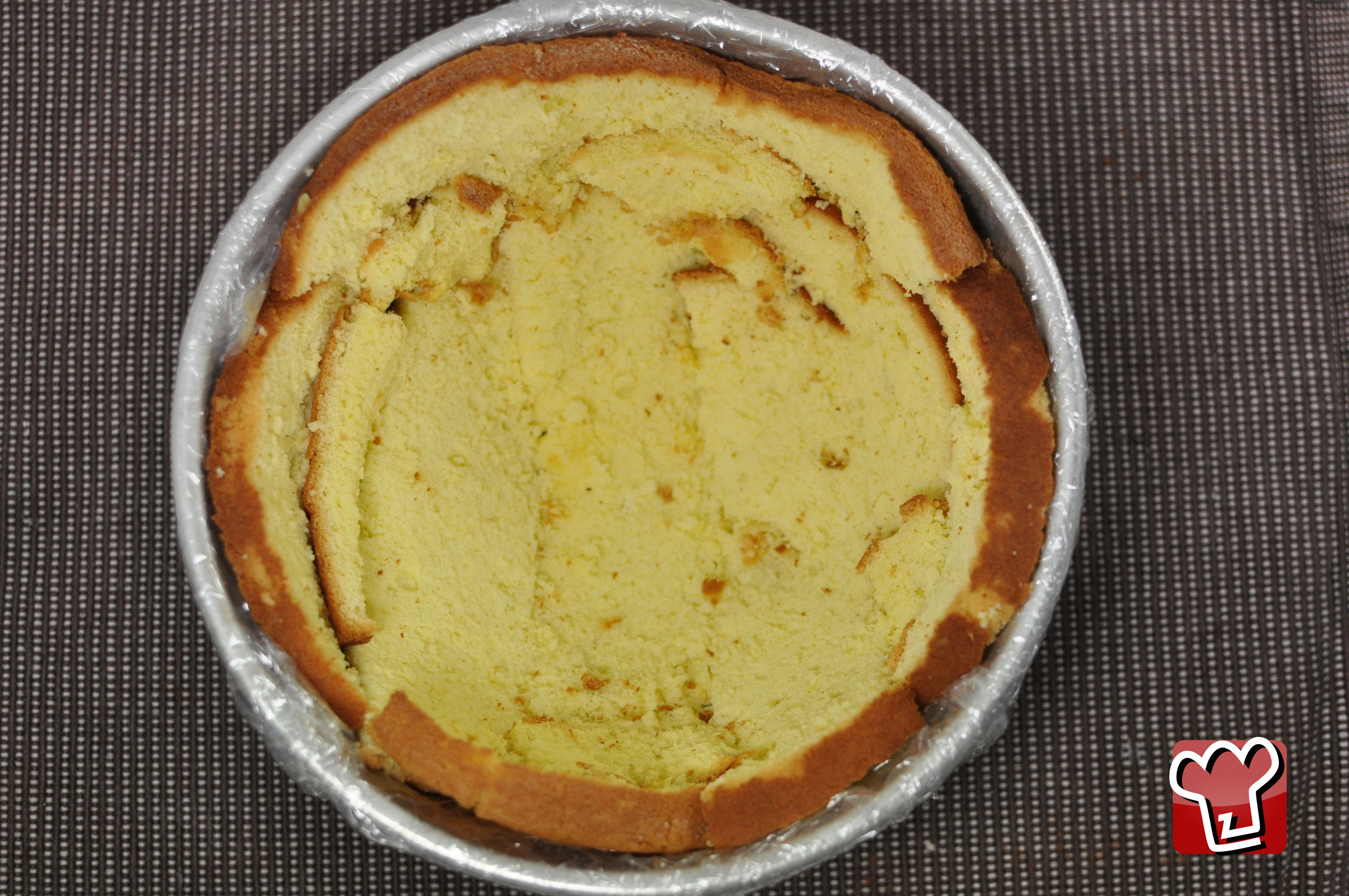
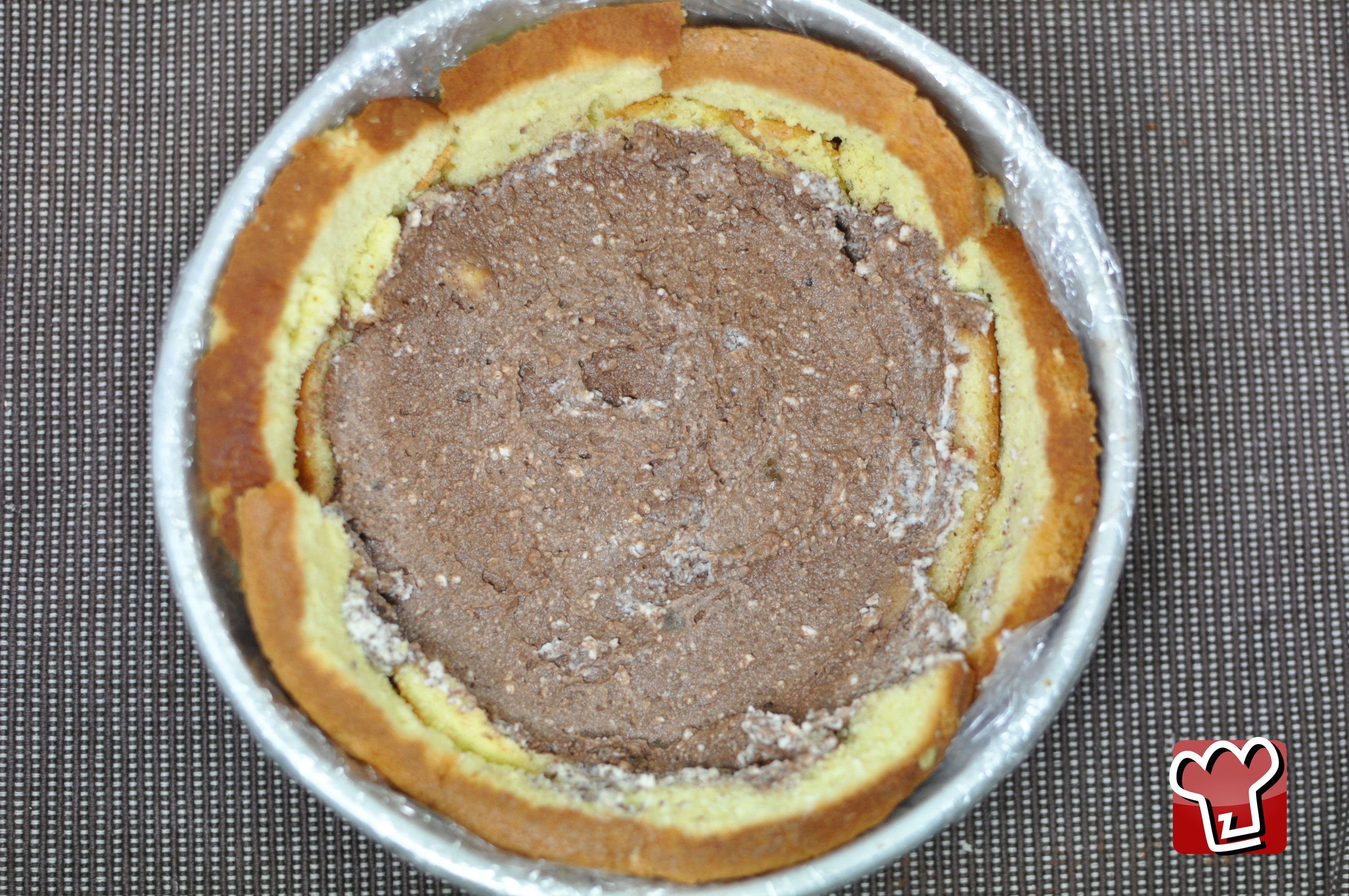
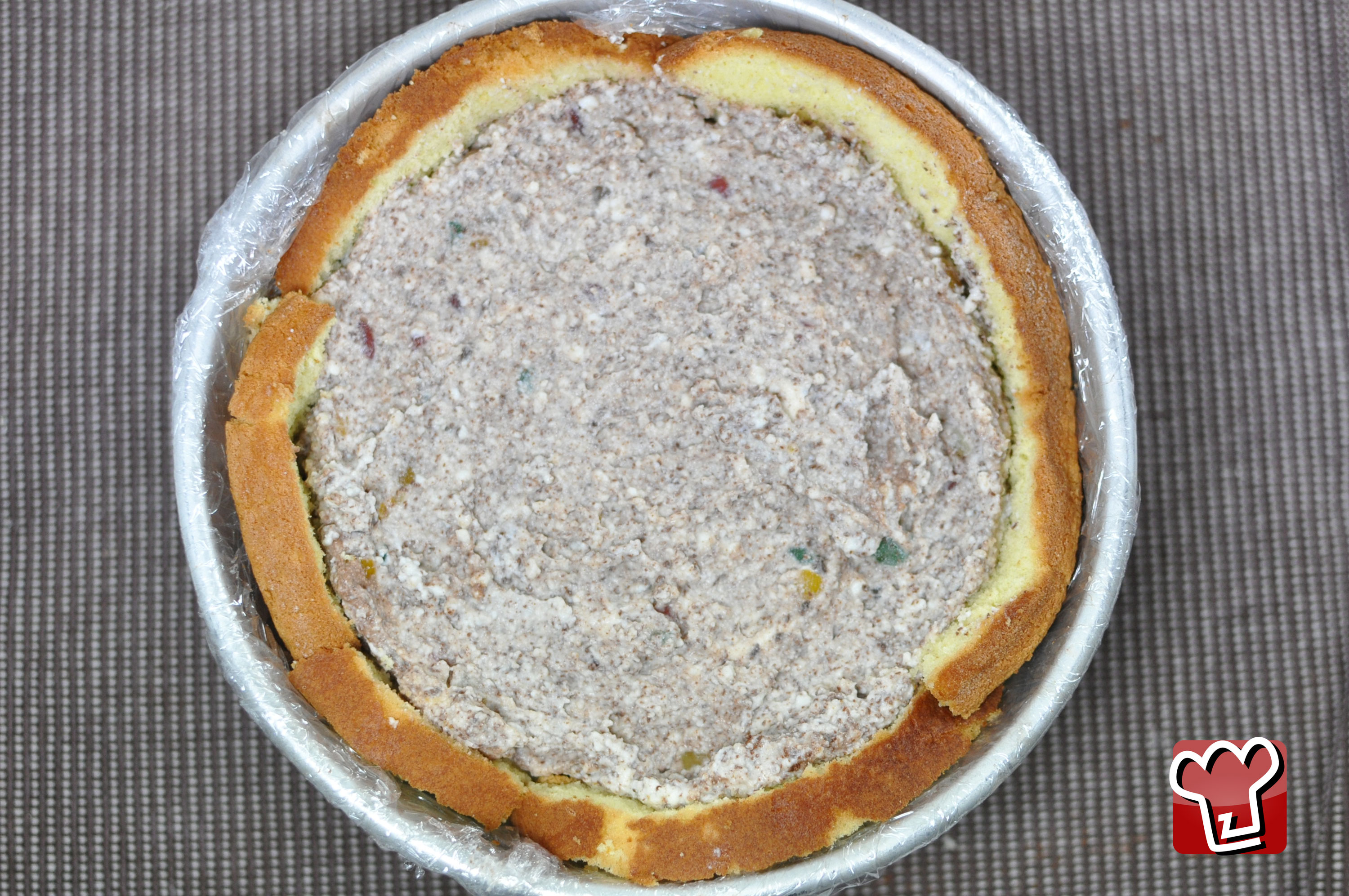
Whip the cream until firm, add the icing sugar, then sieve the ricotta and mix this into the sugar and cream. Divide the mixture into two, one slightly larger than the other. Add the chopped candied fruit and the chopped chocolate to the larger half, and mix the cocoa into the smaller half. Cut the sponge cake into thin slices and soak them with mixed liqueurs diluted with a little water (use maraschino, rum, kirsch, alchermes, etc.). Line a pudding bowl with these cake slices and cover with a layer of chocolate dough. Then spread a layer of the ‘white’ dough mixture, press down and finish with the remaining slices of soaked sponge cake. Chill for several hours before serving.
Step by step
|
View the step by step
|
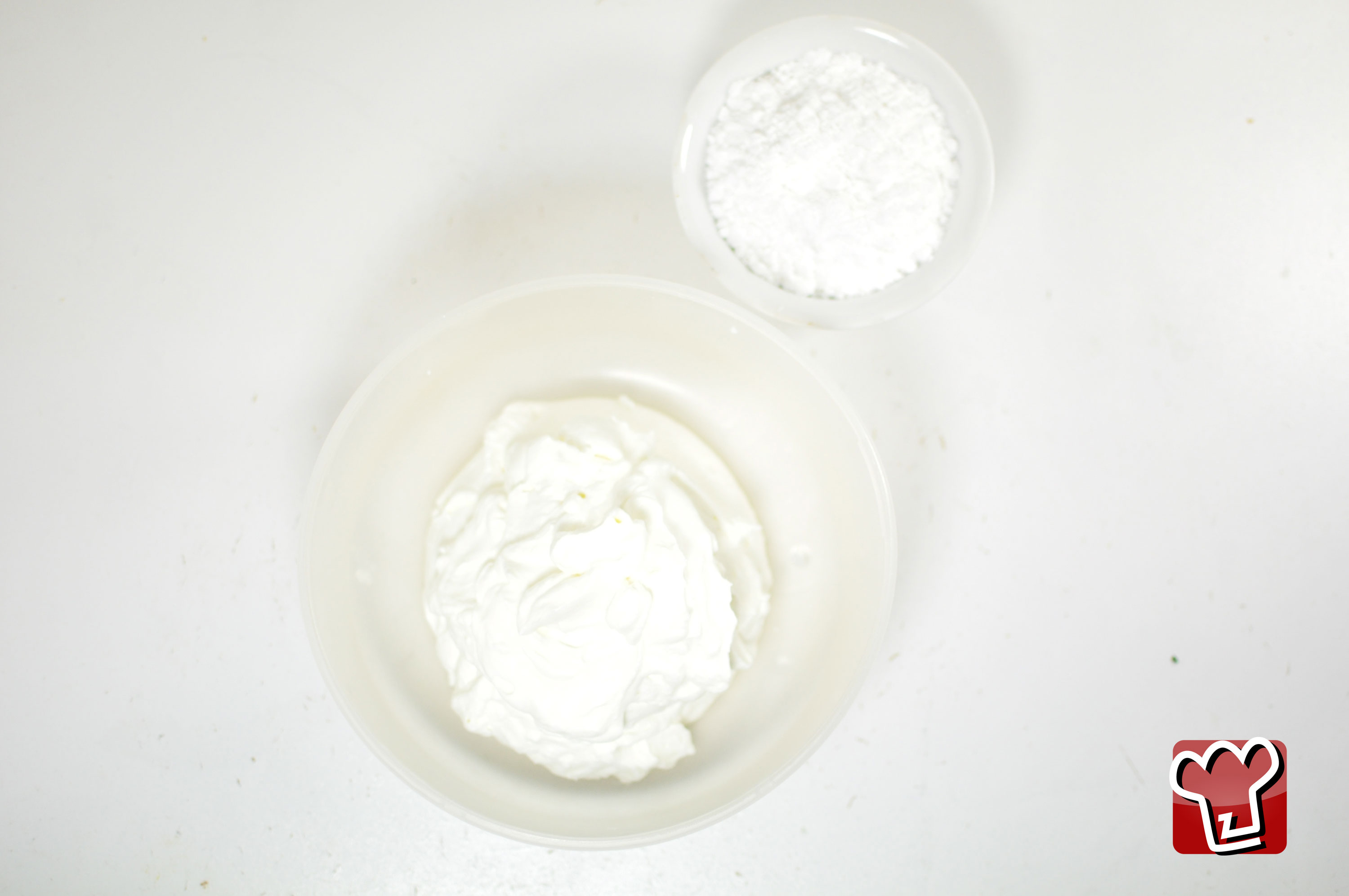
Whip the cream till firm and sweeten with icing sugar
|
|
View the step by step
|
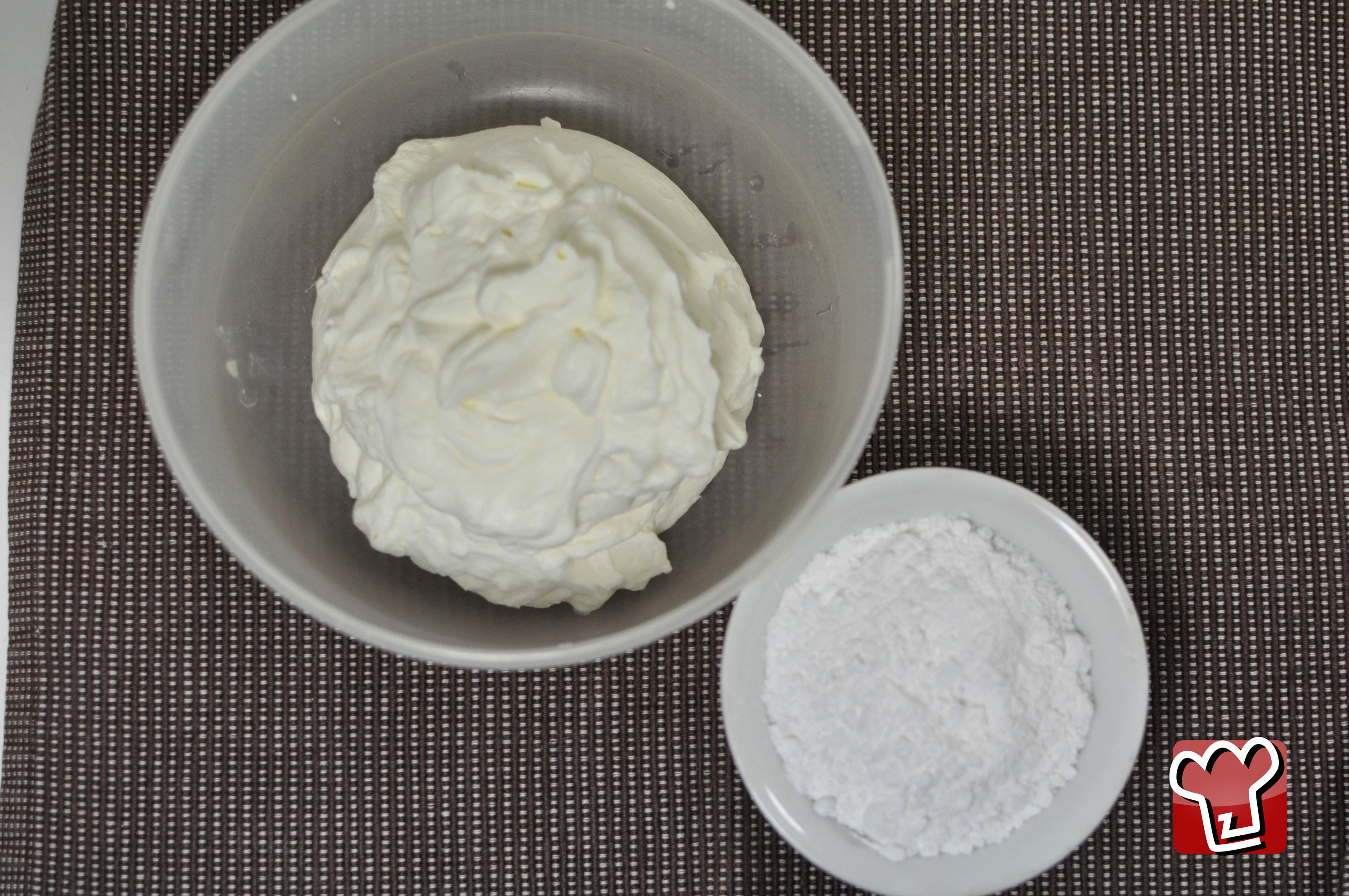
Strain the ricotta through a sieve and fold gently into the cream
|
|
View the step by step
|
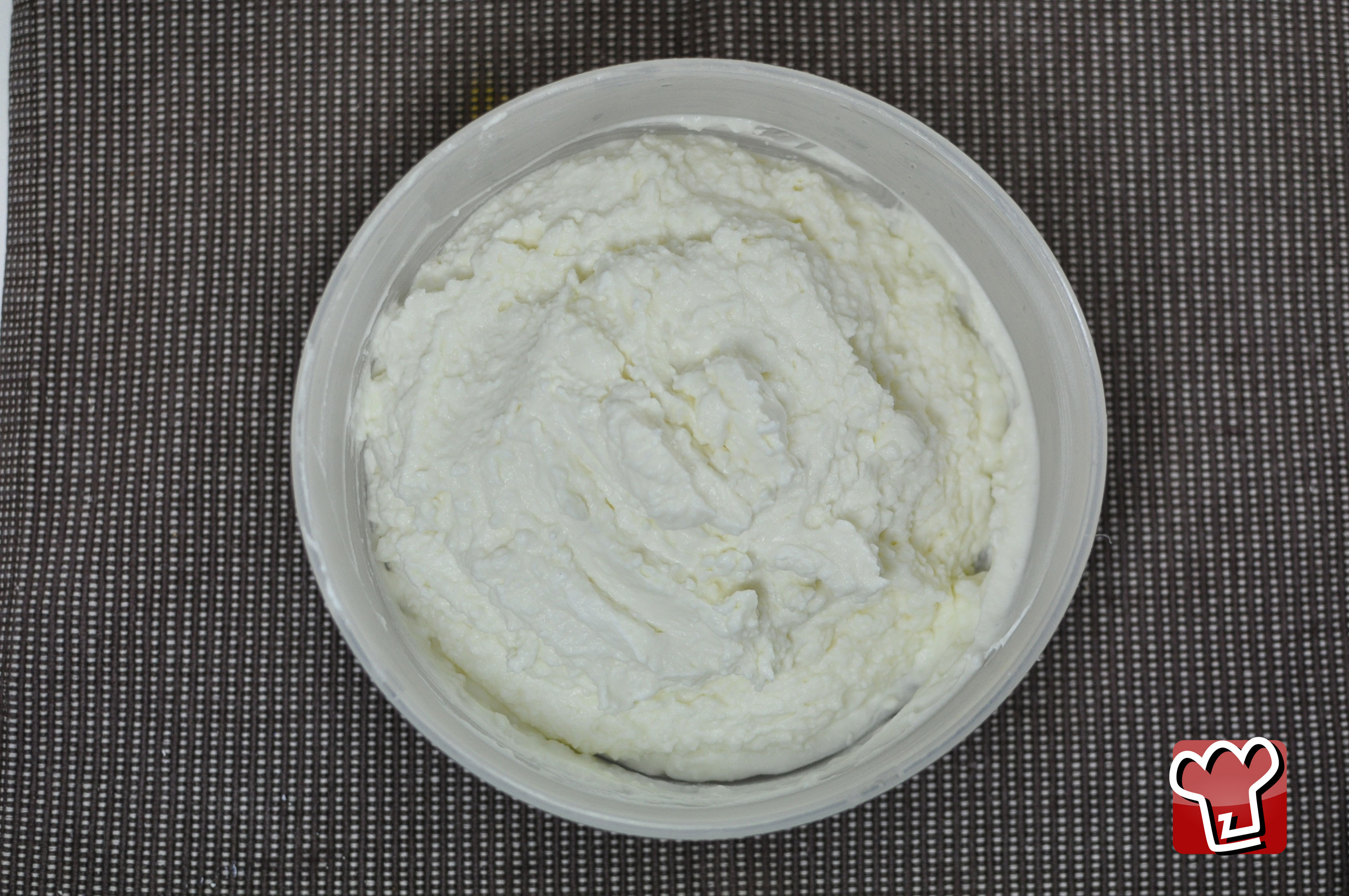
Mix well
|
|
View the step by step
|
Divide the mixture into two, one slightly larger than the other
|
|
View the step by step
|
Grate the chocolate
|
|
View the step by step
|
Combine one half of the cream and ricotta mixture with grated chocolate and candied fruit, the other with cocoa
|
|
View the step by step
|
Mix the ingredients of each half well
|
|
View the step by step
|
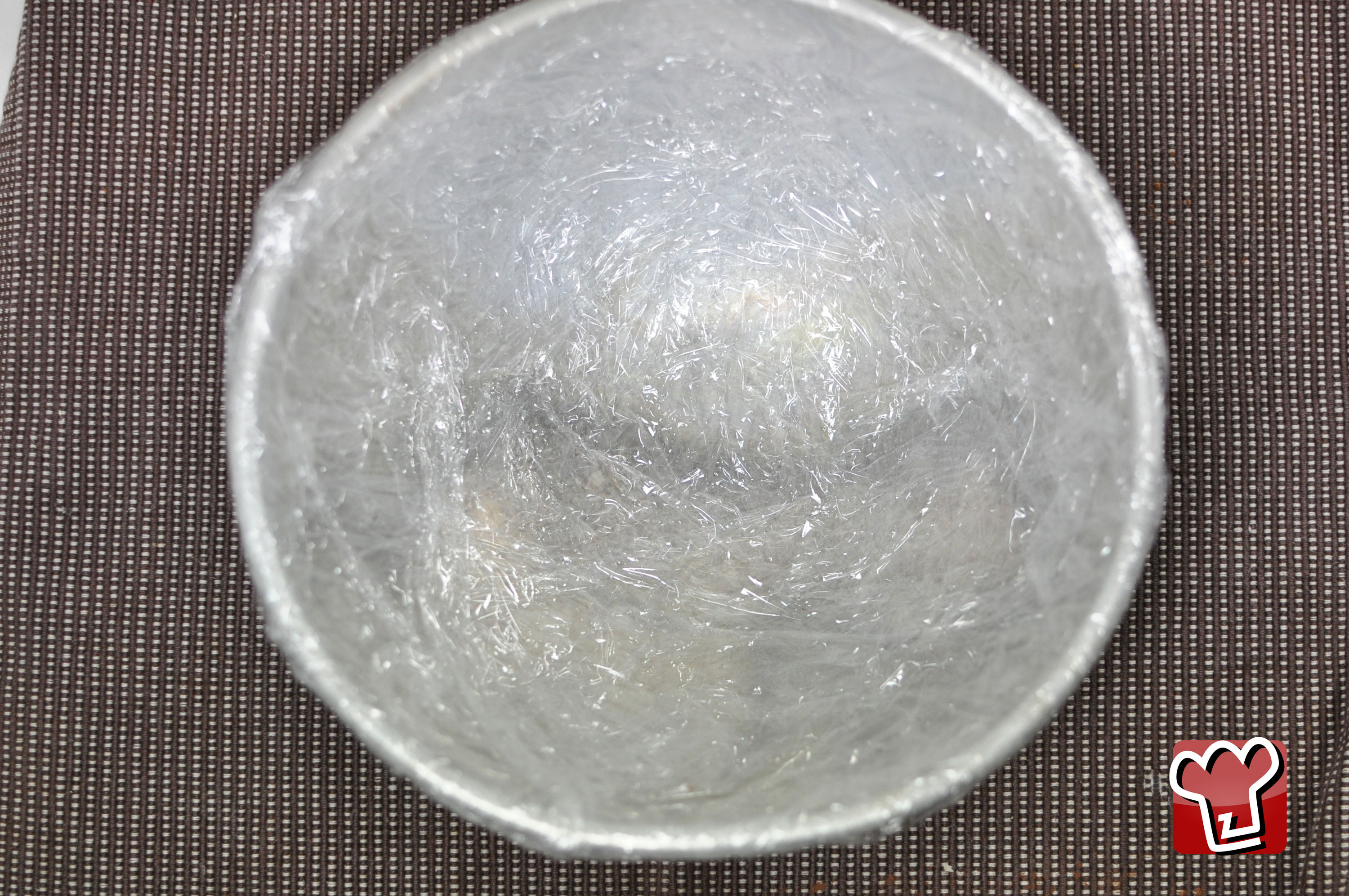
Line a pudding bowl mould with cling film
|
|
View the step by step
|
Cut the sponge cake into slices, soak in your favourite liqueurs, and line the mould
|
|
View the step by step
|
Cover the sponge cake with the cocoa cream mixture and level it off
|
|
View the step by step
|
Pour over the cocoa cream mixture the cream with grated chocolate and candied fruit
|
|
View the step by step
|
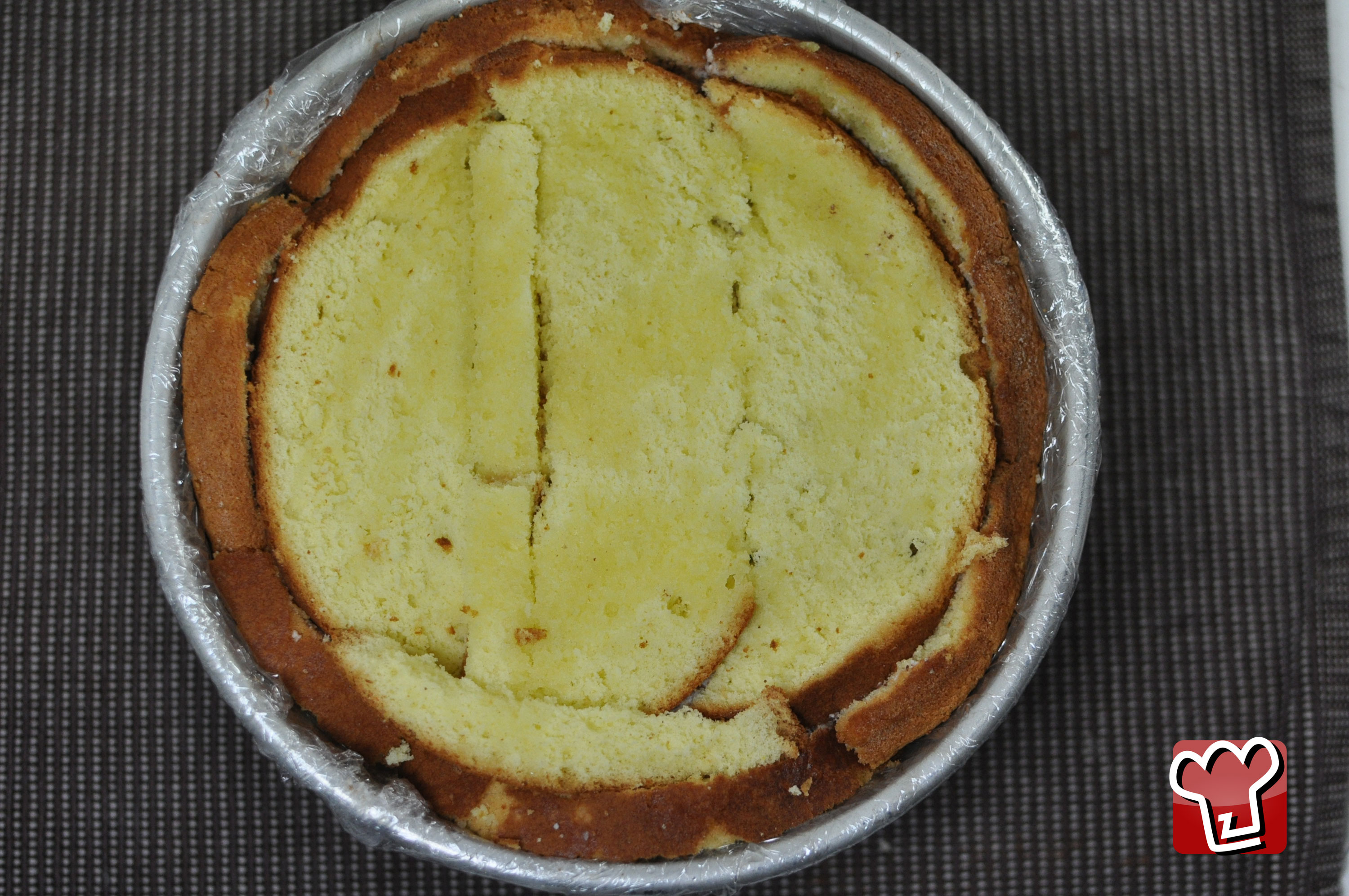
Cover with another layer of soaked sponge cake. Leave in the fridge for several hours before serving
|
|
View the step by step
|
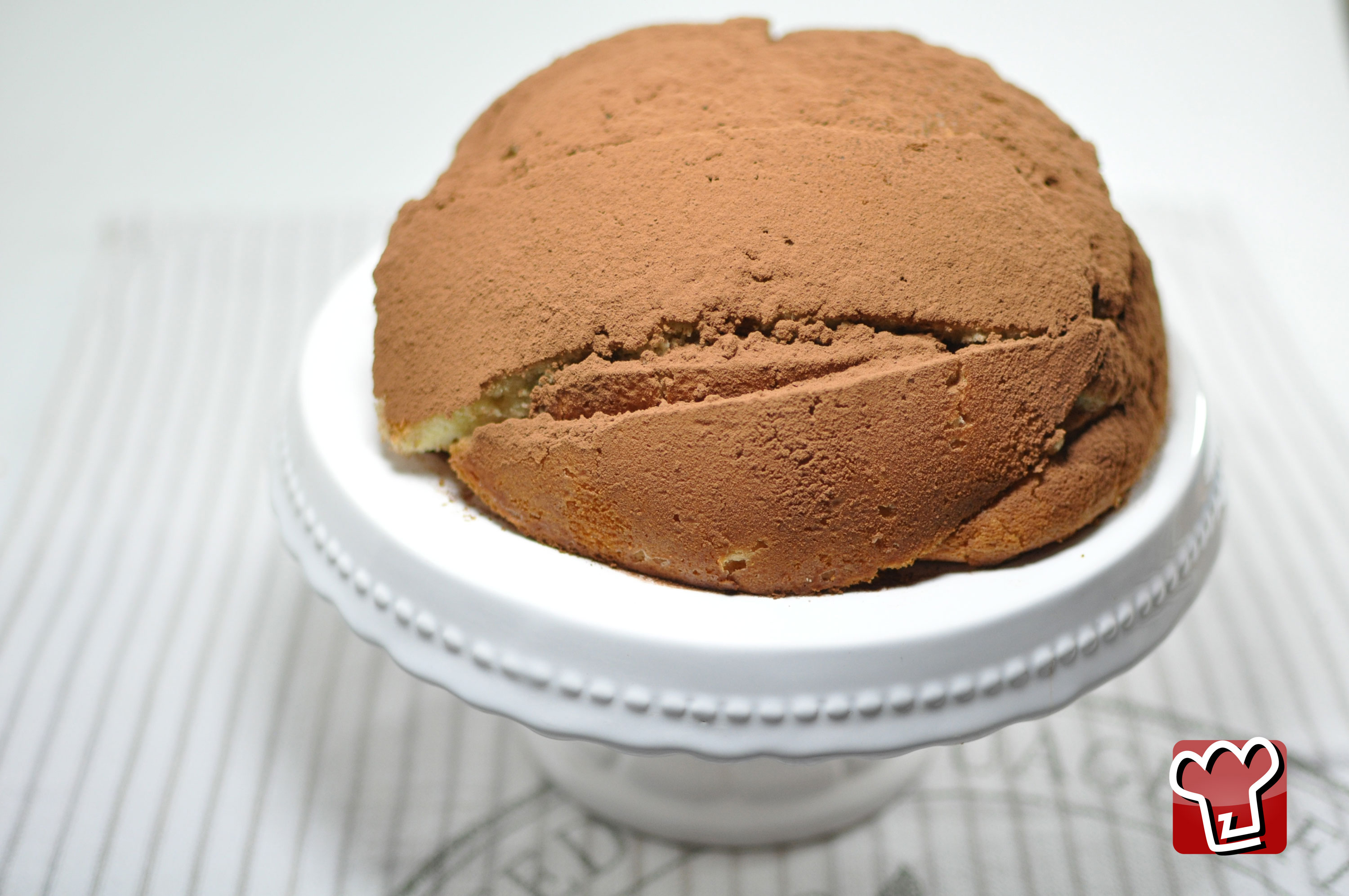
Your sponge and cream pudding is ready to eat
|
|
View the step by step
|
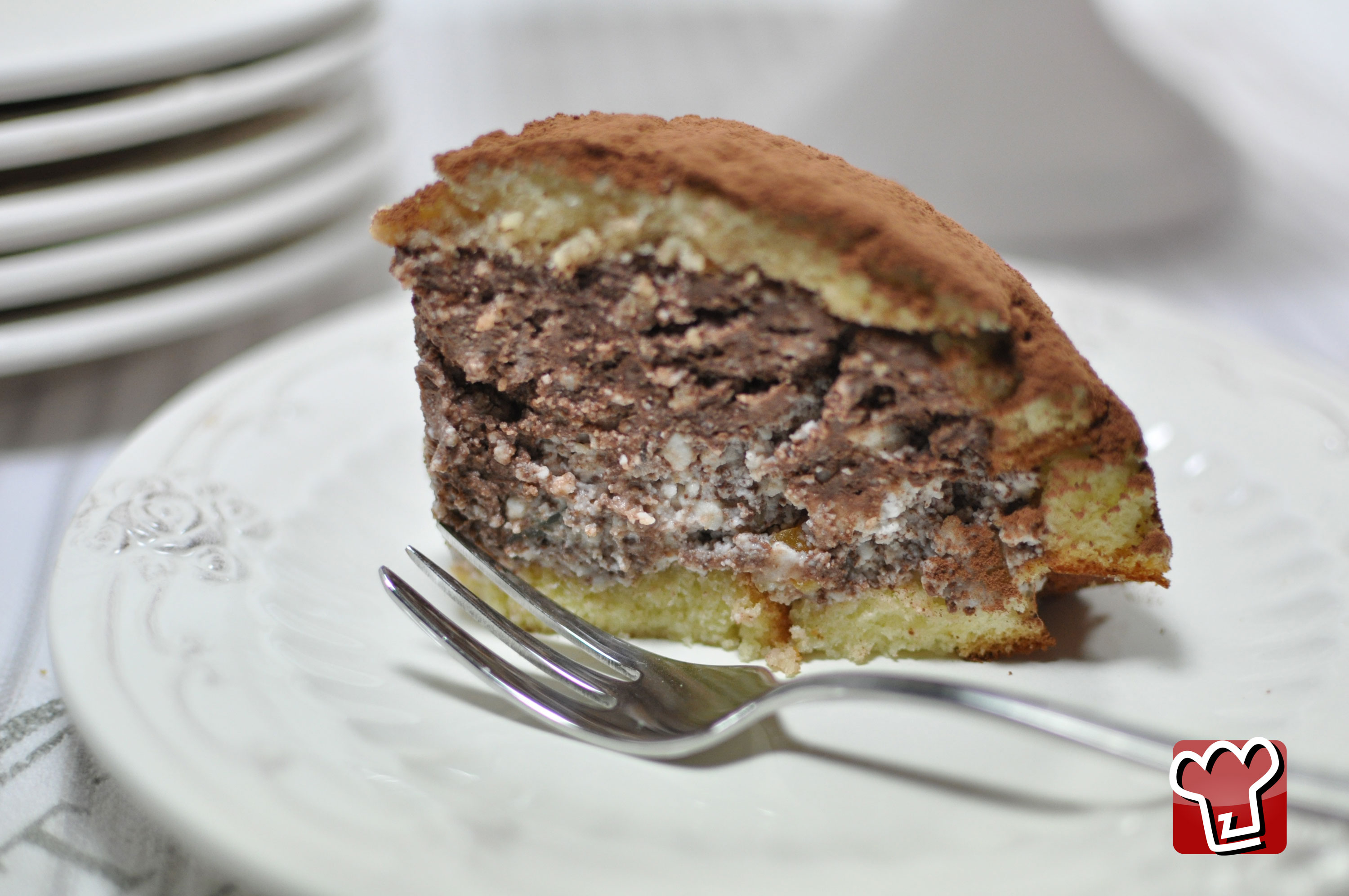
Serve in generous slices!
|
Additional information
Zuccotto with chocolate and candied fruits
One of the tastiest variations of zuccotto is the one that includes chocolate and candied fruits. This rich and indulgent preparation enhances the flavor of the dessert, making it even more irresistible. To achieve a perfect result, it is essential to choose high-quality chocolate that pairs well with the sweetness of ricotta and whipped cream. The finely chopped candied fruits add a touch of freshness and a fruity note that balances everything. When assembling the zuccotto, make sure to evenly distribute the candied fruits and chocolate within the cream, ensuring that every bite is full of flavor. This variation is ideal for holidays or special occasions, where you want to impress guests with a classic yet revisited dessert.
Tuscan zuccotto with mixed liqueurs
The traditional Tuscan zuccotto is distinguished by its use of mixed liqueurs such as maraschino, rum, and kirsch, which give the dessert a unique and enveloping aroma. This preparation is typical of Tuscany, a region famous for its pastry rich in history and authentic flavors. The sponge cake, soaked in these liqueurs, becomes soft and fragrant, creating a perfect base for the filling of cream and ricotta. To achieve the best result, it is advisable not to overdo the amount of liqueur, in order to maintain a balance of flavors. The Tuscan zuccotto is perfect for those who enjoy desserts with an alcoholic note, and it can be served with a dusting of unsweetened cocoa for an elegant finishing touch.
Light zuccotto with Greek yogurt
For those looking for a lighter version of zuccotto, the alternative with Greek yogurt is an excellent choice. By replacing the cream with yogurt, you get a fresher and less caloric dessert while still maintaining a creamy and pleasant texture. This light preparation allows you to enjoy a traditional dessert without guilt, ideal for those following a balanced diet. The main ingredients remain the same, but with the addition of a natural sweetener, such as honey, to replace powdered sugar. The light zuccotto is also perfect for those who are lactose intolerant, using lactose-free Greek yogurt and a sponge cake made with suitable ingredients. A dessert that does not sacrifice taste but offers a healthier alternative.
Nutritional benefits of zuccotto and approximate calories
Zuccotto, while being a rich dessert, offers some nutritional benefits thanks to the ingredients used. Ricotta, for example, is a source of protein and calcium, essential for bone health. Cream, when used in moderation, can contribute to a balanced diet by providing good fats. Chocolate, if dark, provides antioxidants and can improve mood. However, it is important to keep in mind that a traditional zuccotto can contain about 400-500 calories per serving, depending on the size and specific ingredients used. To reduce calories, one can opt for light variations, such as those with yogurt or sugar-free. In any case, when consumed in moderation, zuccotto can be part of a healthy and tasty diet.
Can zuccotto be frozen?
The question of whether zuccotto can be frozen is common among those who wish to prepare it in advance. In general, it is possible to freeze this dessert, but there are some considerations to keep in mind. The ricotta and cream filling may undergo a change in texture once thawed, so it is advisable to consume it fresh to fully appreciate its flavor and softness. If you decide to freeze it, make sure to wrap it well in plastic wrap or in an airtight container to avoid freezer burn. When it's time to serve it, let it thaw in the refrigerator for a few hours before enjoying it, in order to maintain optimal texture. This way, you can still enjoy your zuccotto even days after preparation.