Neapolitan ‘pastiera’ cake
What could be better than a party during which one savours specialties prepared with love, and which give genuine pleasure to you and your guests, combining traditional ingredients to make spectacular desserts? The Neapolitan ‘pastiera’ cake is an Easter specialty from Campania but now eaten throughout Italy. It is made with a pastry base filled with soft cheese, sugar, eggs, candied fruit and wheat cooked in milk. The unique taste of this Neapolitan cake was traditionally conferred by the aroma of orange blossom although, increasingly, you are likely to find alternative versions on sale. Use a mould with fairly high sides and cook the cake for at least an hour to make sure the filling sets to perfection. To learn how to make this cake, follow the recipe for shortcrust pastry in our cookery school!
Ingredients
* approximate values per serving
Preparation
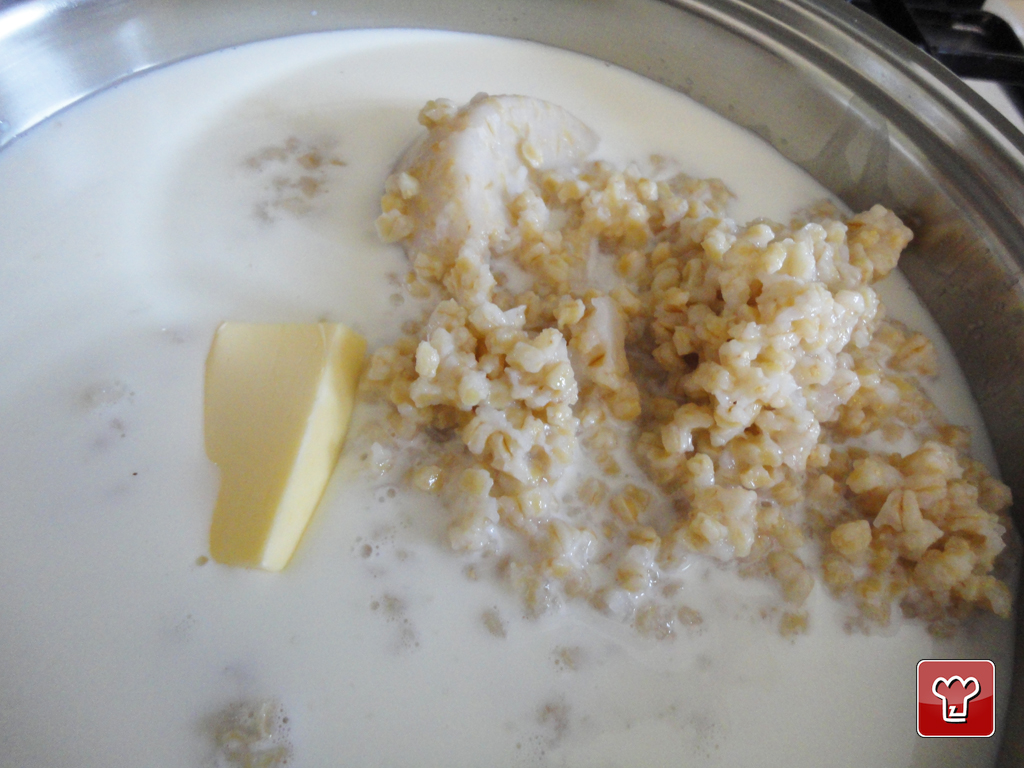
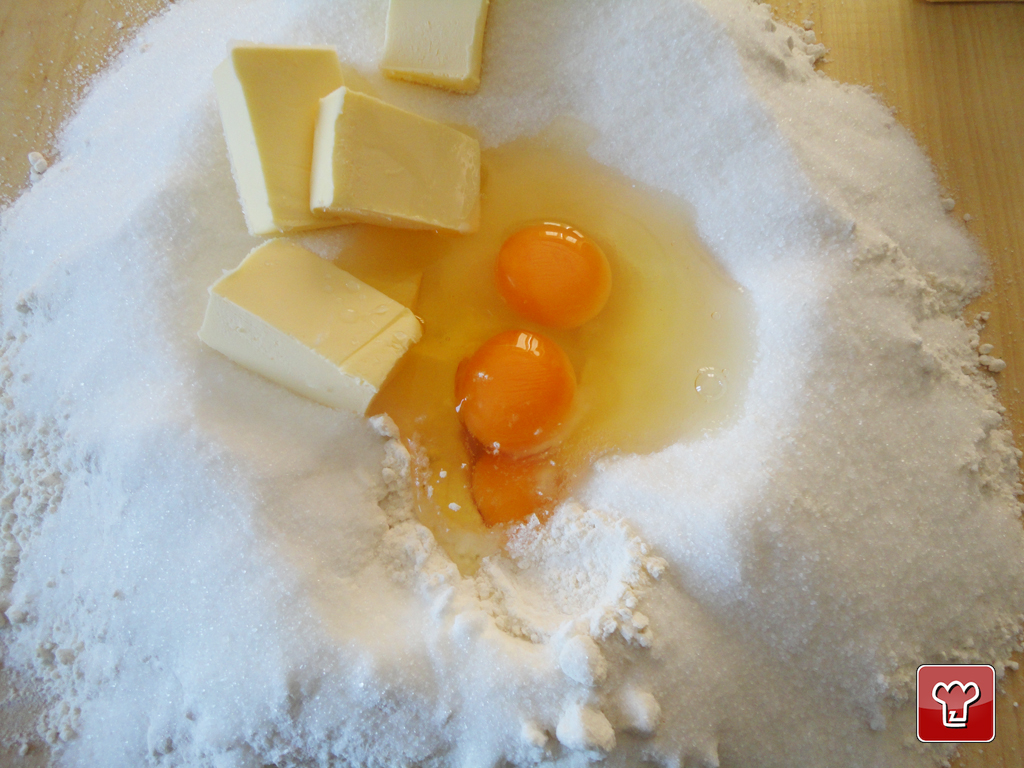
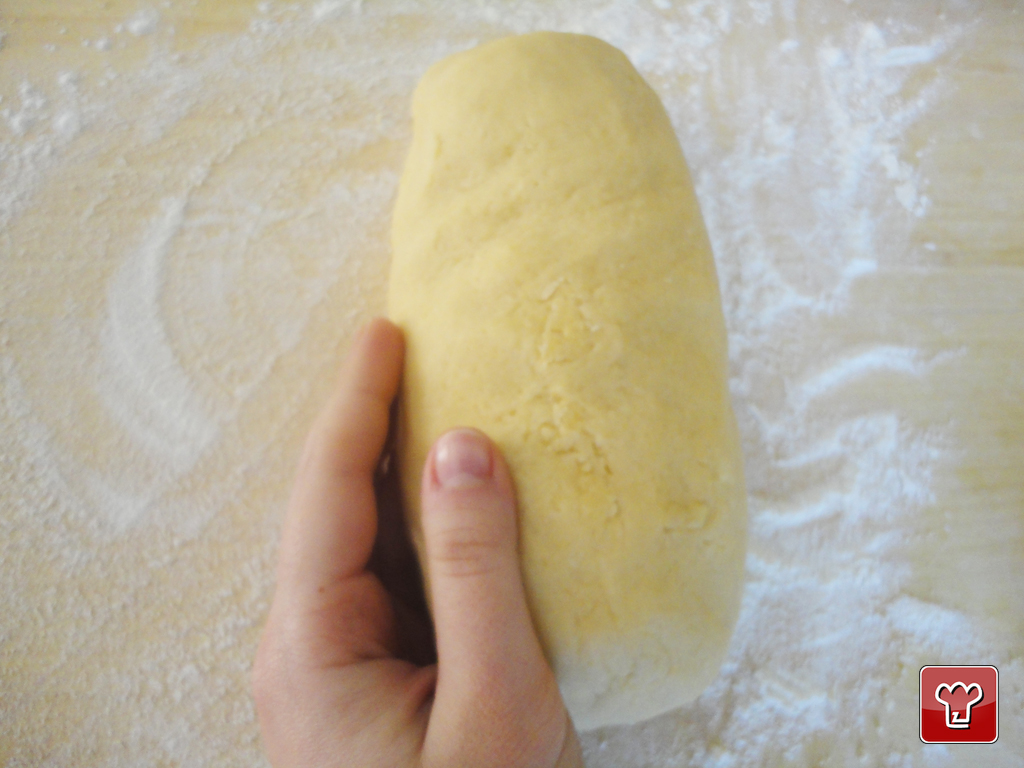
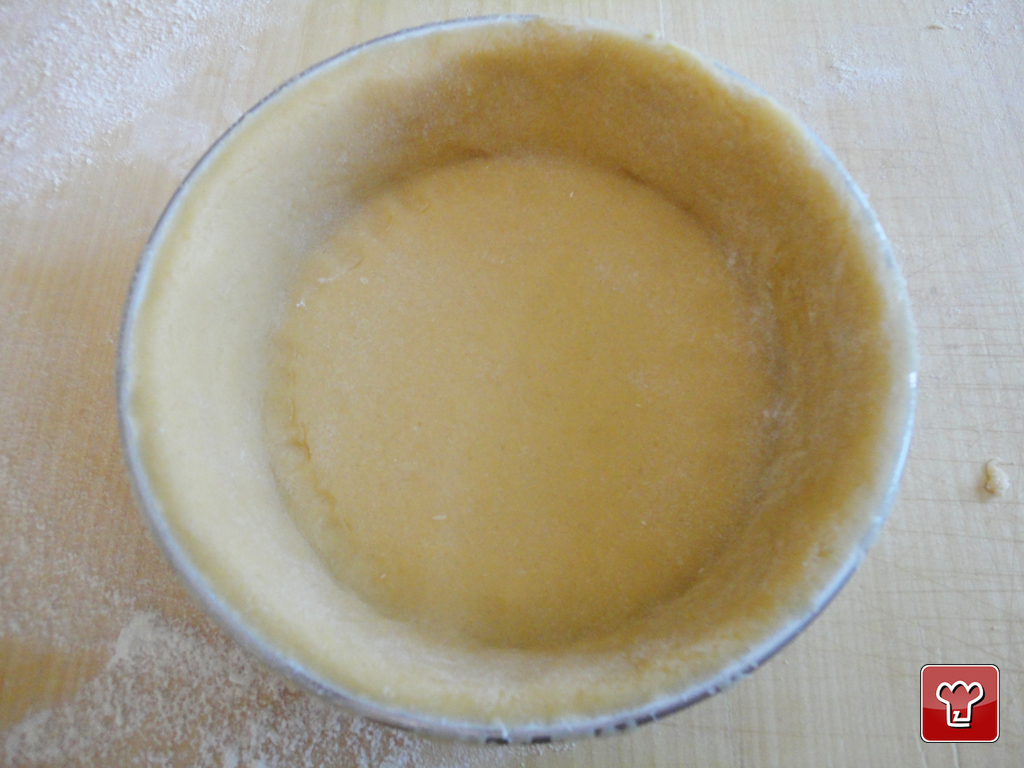
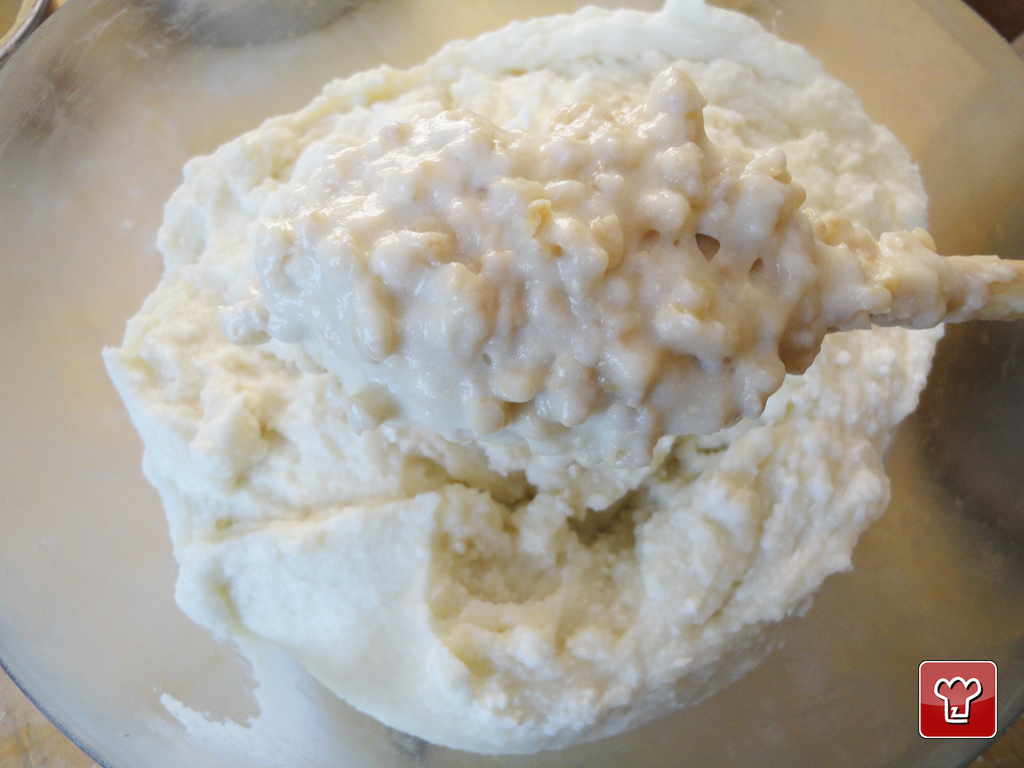
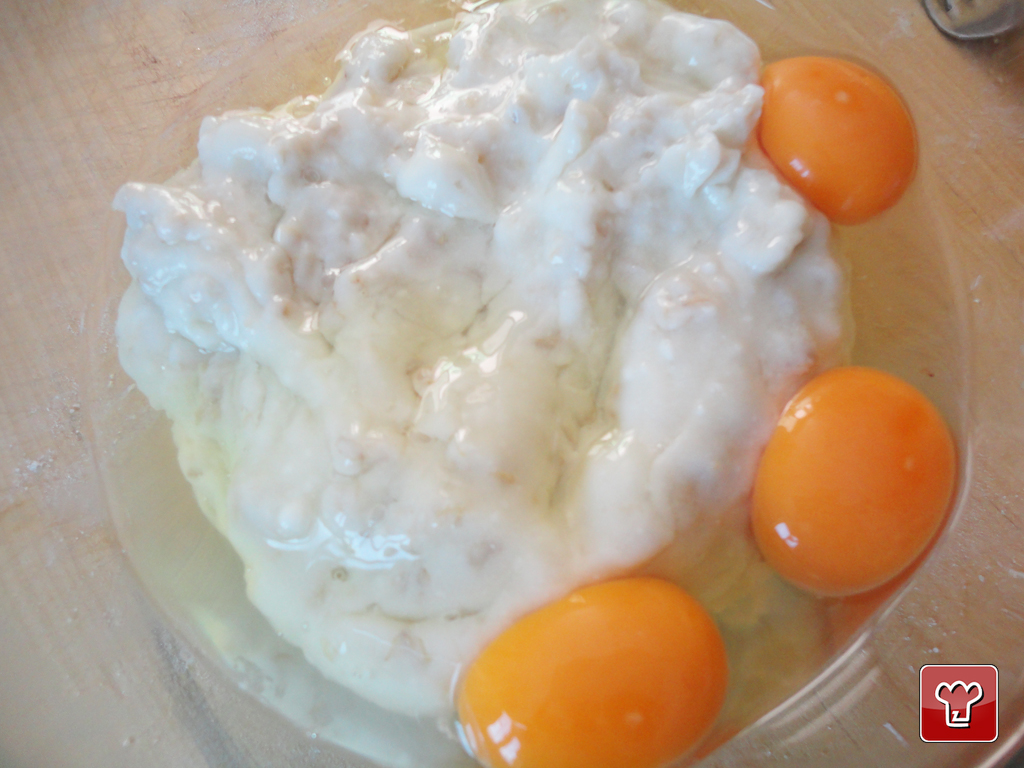
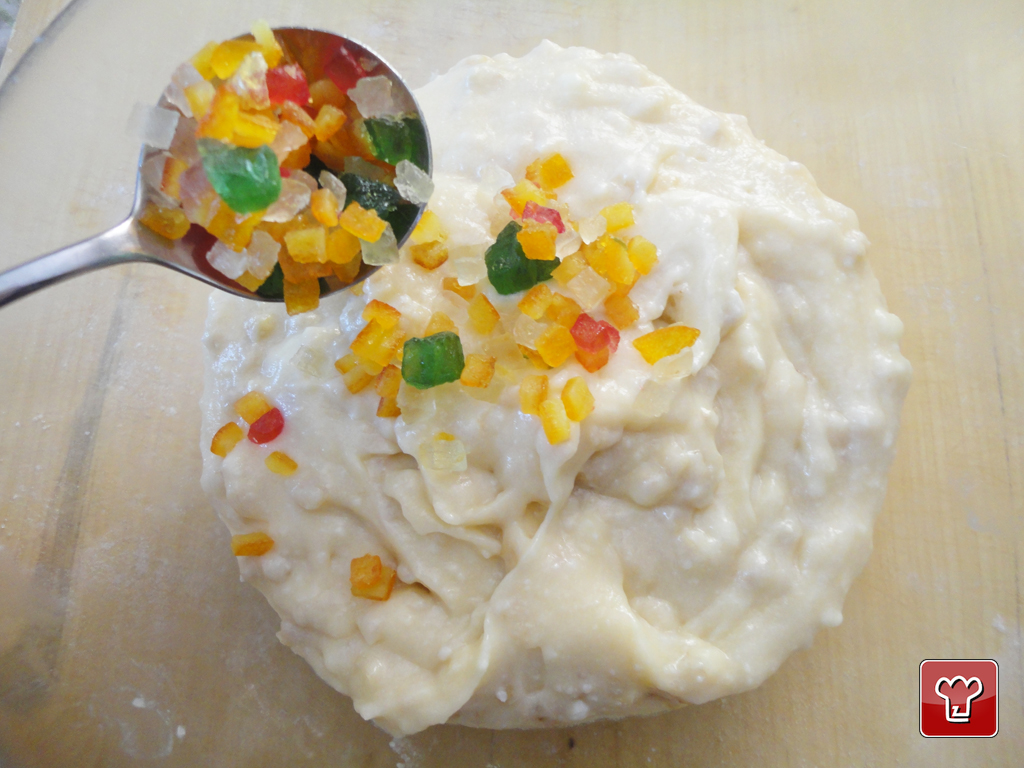
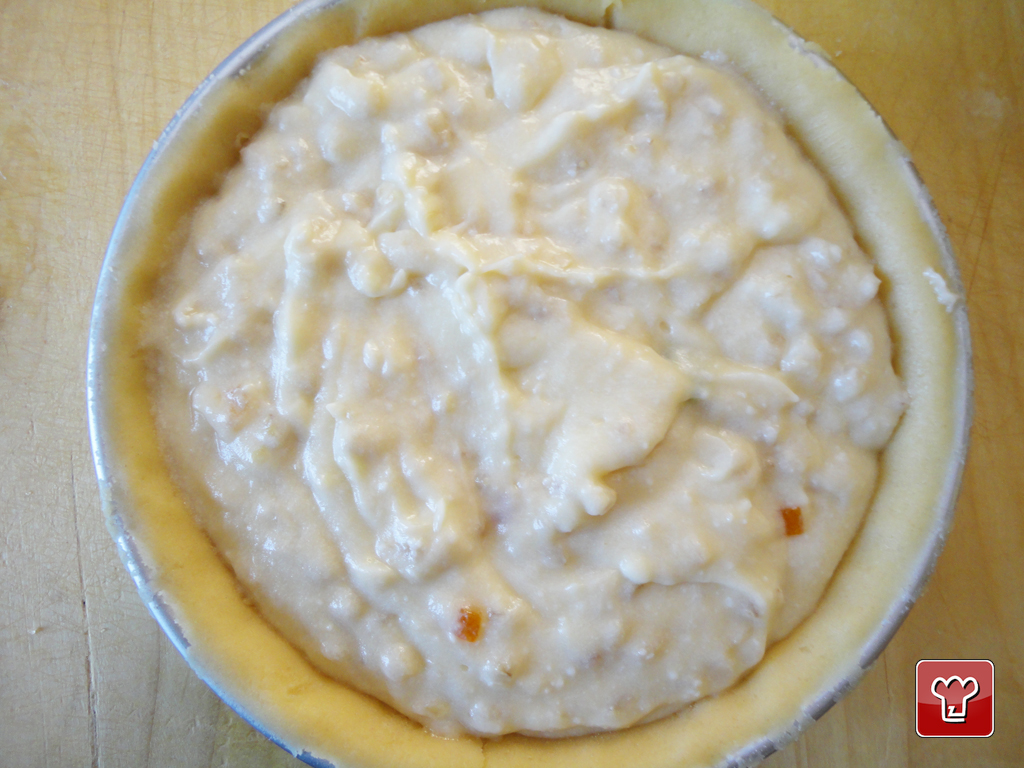
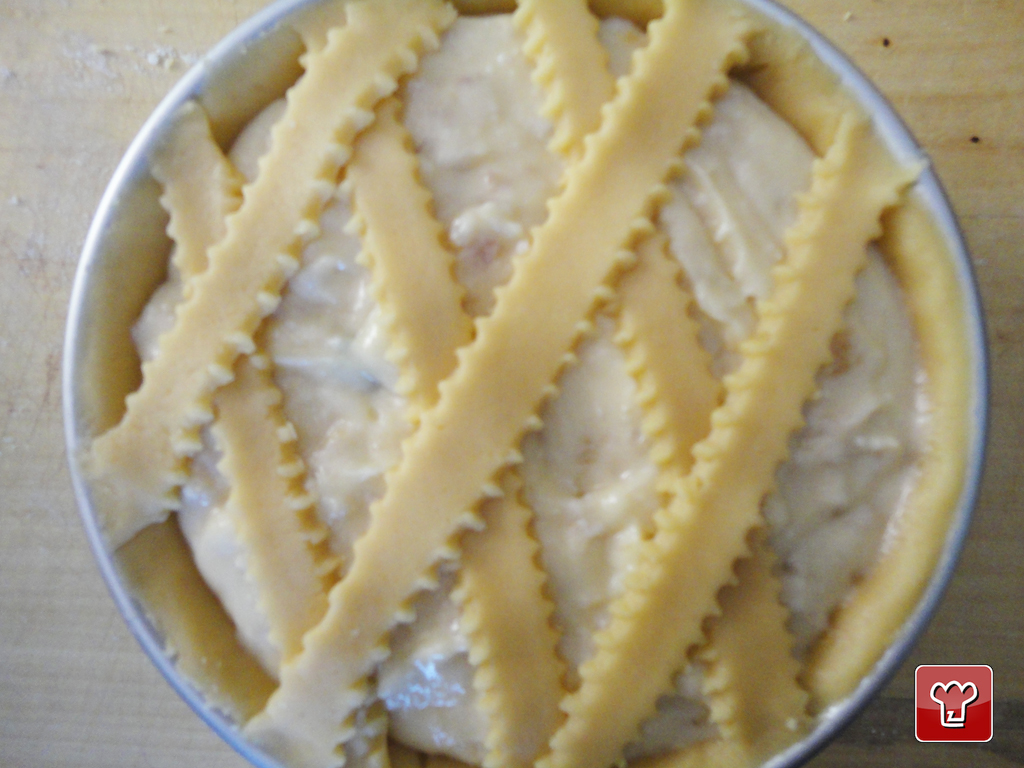
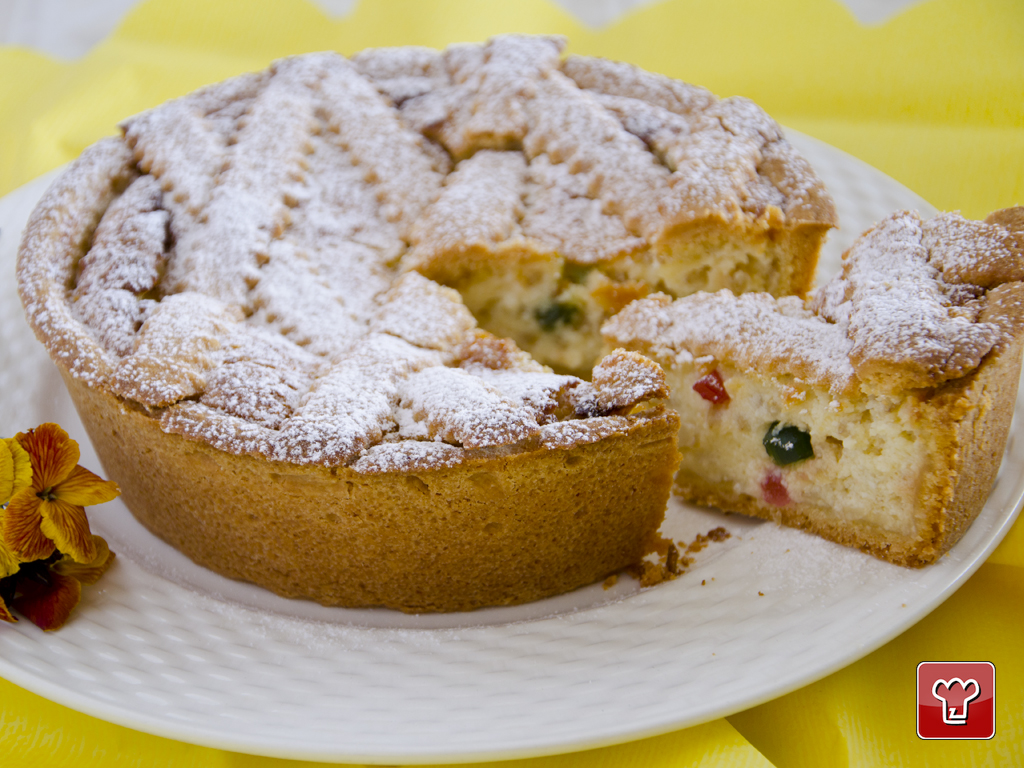
First of all, bring the milk to the boil and add the cooked and drained wheat. Mix with 40g of butter and the sachets of vanillin. Stir and cook until the milk is completely absorbed. Meanwhile, prepare the pastry by mixing the flour with 200g of diced, softened butter, 150g sugar, 2 eggs and a pinch of salt. Knead the dough quickly until you have a smooth dough and then let it stand in the fridge for 30 minutes. Roll it out into a sheet, not too thin, and use two-thirds to line a circular 26cm cake tin. Prepare the filling by mixing the ricotta with the sugar, add the cooled wheat and the remaining 3 eggs. Mix everything together and then add the orange blossom essence and mixed candied fruit. Pour the filling onto the pastry base, level it off and decorate with strips of pastry from the dough made earlier. Bake the cake at 180°C and cook for at least an hour. Let it cool completely and sprinkle with icing sugar.
Step by step
|
View the step by step
|
Make the sweet shortcrust pastry
|
|
View the step by step
|
Knead to form a smooth dough
|
|
View the step by step
|
Line a cake tin with the sweet shortcrust pastry
|
|
View the step by step
|
Make the filling of wheat, ricotta and sugar
|
|
View the step by step
|
Add the eggs
|
|
View the step by step
|
Add the candied fruit and the orange blossom essence
|
|
View the step by step
|
Fill the pastry base with the ricotta mixture
|
|
View the step by step
|
Decorate with strips of pastry
|
|
View the step by step
|
Serve
|
Additional information
Neapolitan Pastiera with Wheat and Candied Fruits
One of the most appreciated variants of the traditional Neapolitan pastiera is certainly the one that includes the addition of wheat and candied fruits. This preparation stands out for its intense aroma and the sweetness of the candied fruits, which give an even richer flavor to the dessert. To make it, it is essential to use cooked and well-drained wheat, mixed with ricotta and candied fruits, which can be chosen according to preference, such as orange or citron. The shortcrust pastry, made with butter and sugar, encloses this delicious filling, creating a perfect balance of textures. The final result is a dessert that is suitable for being served on various occasions, from Easter celebrations to festive moments with friends and family. Preparing it takes some time, but the result rewards every effort.
Campanian Neapolitan Pastiera
The Neapolitan pastiera is a typical dessert from Campania, linked to centuries-old traditions. This regional variant is prepared following the traditional recipe, which involves the use of fresh and local ingredients. The preparation begins with cooking the wheat in milk, a fundamental step to achieve the right consistency. The ricotta, a key element of the filling, makes the dessert creamy and soft. The vial of orange blossom aroma is what gives it the characteristic fragrance, evoking spring and Neapolitan traditions. Each family has its own version, but respect for the ingredients and traditional techniques makes each pastiera a unique and unmistakable dessert, a symbol of Campanian culinary culture.
Light Neapolitan Pastiera without Butter
For those who wish to enjoy Neapolitan pastiera in a lighter version, it is possible to prepare it without butter, replacing it with margarine or Greek yogurt. This light variant maintains the authentic flavor of the dessert but reduces the fat and calorie content, making it more suitable for those following a balanced diet. Additionally, alternative sugars can be used for sweetening, such as honey or brown sugar, to make the preparation even healthier. Despite the modifications, the final result will still be a fragrant dessert rich in flavor, perfect for those who want to indulge in a moment of sweetness without overdoing it. The light pastiera is also ideal for those with lactose intolerance; just opt for specific ingredients.
Nutritional Benefits of Neapolitan Pastiera
Neapolitan pastiera, although a dessert, offers some nutritional benefits thanks to its main ingredients. Ricotta, for example, is a source of protein and calcium, while wheat provides complex carbohydrates, useful for lasting energy. The candied fruits, although rich in sugars, also provide vitamins and minerals. On average, a serving of pastiera contains about 350-400 calories, depending on the recipe and ingredients used. It is important to enjoy it in moderation, considering that the dessert is rich in sugars and fats. However, if consumed occasionally, it can represent a delight to share on special occasions, offering a moment of pleasure without compromising health.
Can Neapolitan Pastiera be Frozen?
The question of whether Neapolitan pastiera can be frozen is common among cooking enthusiasts. The answer is affirmative: it is possible to freeze the pastiera, but it is advisable to do so before baking it. Prepare it, place the cake in a suitable container, and freeze it. When you wish to enjoy it, simply let it thaw in the refrigerator for a few hours and then bake it in the oven as per the recipe. If you have already baked the pastiera, you can still freeze it, but make sure to let it cool completely before storing it in the freezer. This way, you can enjoy your Neapolitan pastiera at a later time, keeping its flavor and freshness intact.