Vegetarian cous cous
Cous cous is a classic food in North Africa and Middle East, but it's quite common also in the Mediterranean area. In Sicily, in particular, every year there's a traditional cous cous festival. There, cous cous is made in many different ways. Here, we suggest you a vegetarian version of cous cous, light and tasty. Lots of vegetables and some fresh mint, to give and extra kick to the preparation. Try it! You'll feel on holiday....as in the Middle East!
Ingredients
Pugliese Vegetarian Cous Cous
In the vegetarian cous cous, sweet and juicy peppers combine with crunchy and aromatic zucchini to create a fresh and colorful dish. The peppers and zucchini enhance the simplicity of the ingredients, bringing to the table the authenticity of the Puglian land.
* approximate values per serving
Preparation
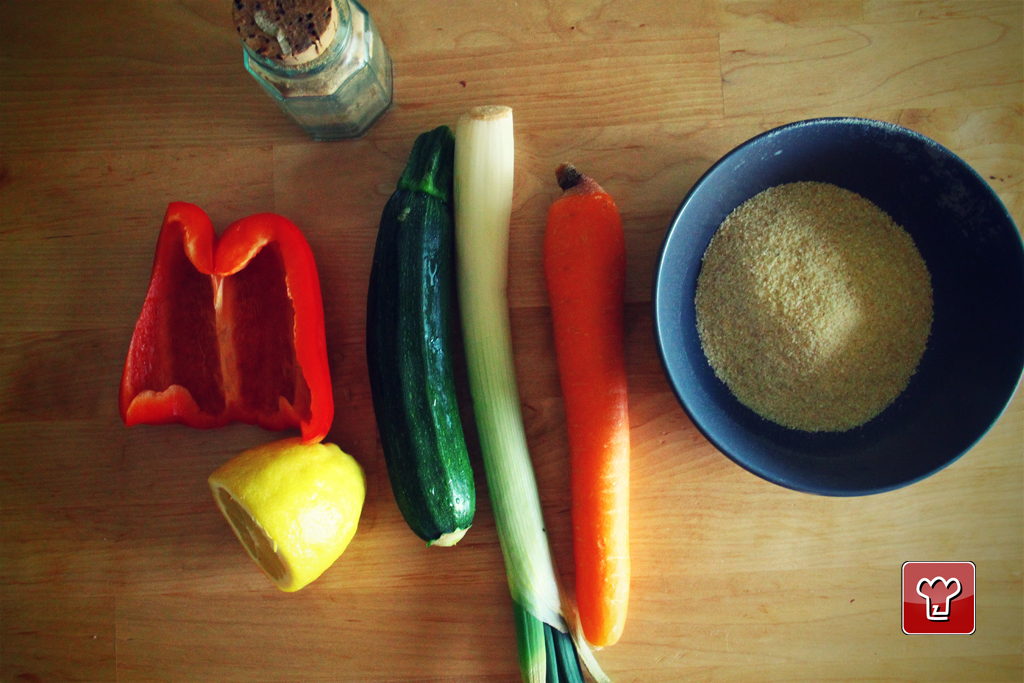
Make your cous cous following the instructions on its packaging. Set aside. Slice leek, grind mint and dice the other veggies. Sautè the vegetables in a nonstick pan for a few minutes, then mix with the cous cous. Complete your dish by adding leek, mint, some powder of cumin and the juice of half a lemon.
Step by step
|
View the step by step
|
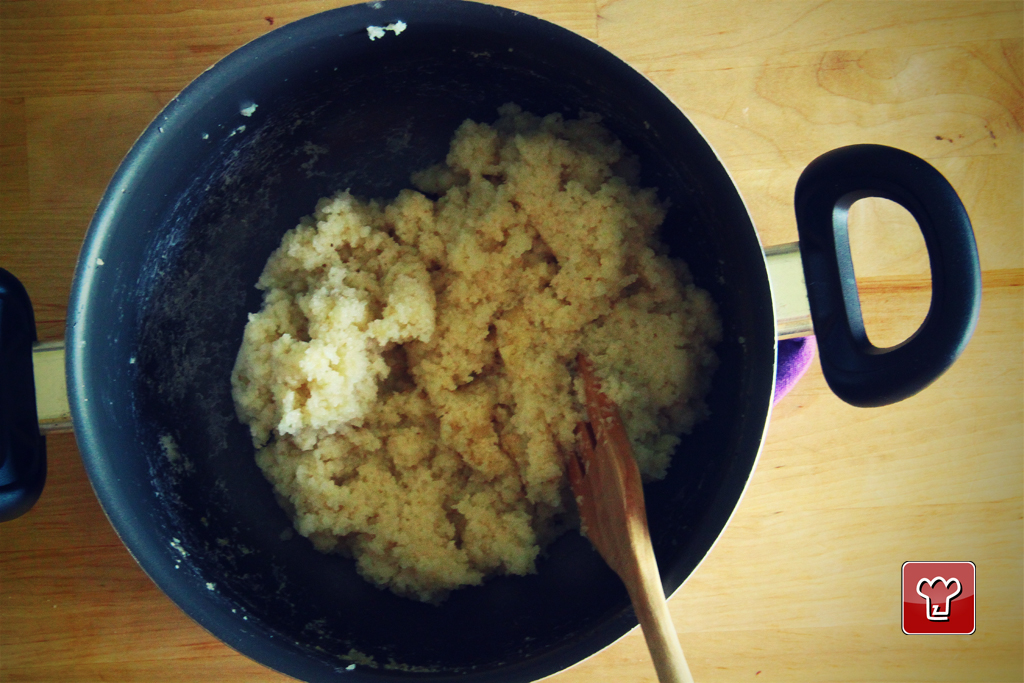
Make cous cous followin the instructions on the packaging.
|
|
View the step by step
|
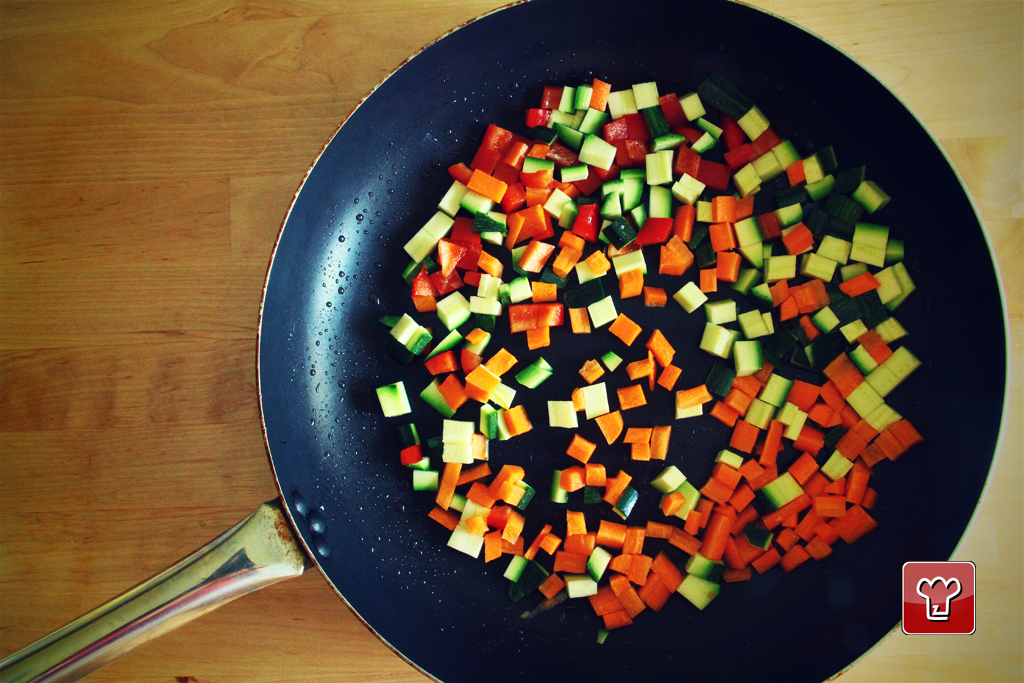
Dice all the veggies (except for the leek) and sautè them in a nonstick pan with a dash of extravirgin olive oil and a pinch of salt.
|
|
View the step by step
|
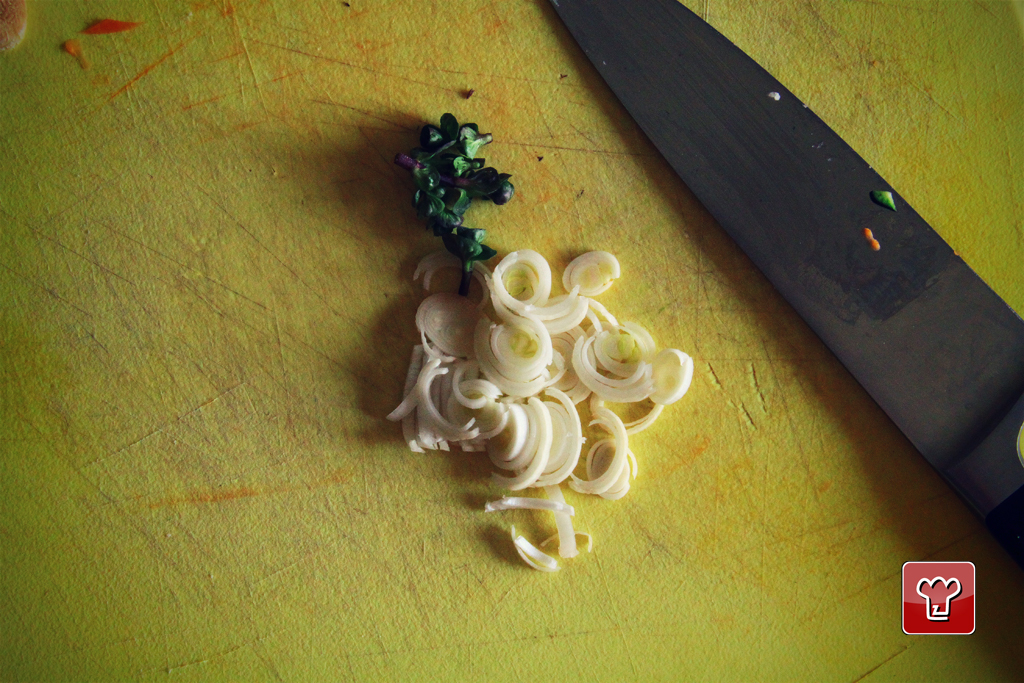
Slice finely the leek and mince a bunch of mint
|
|
View the step by step
|
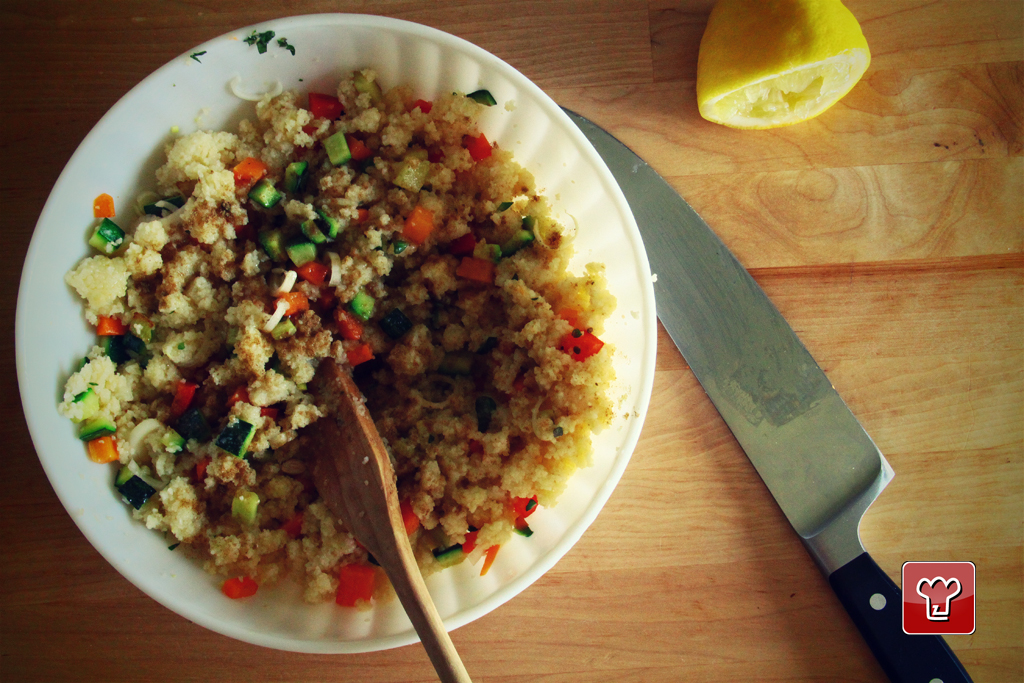
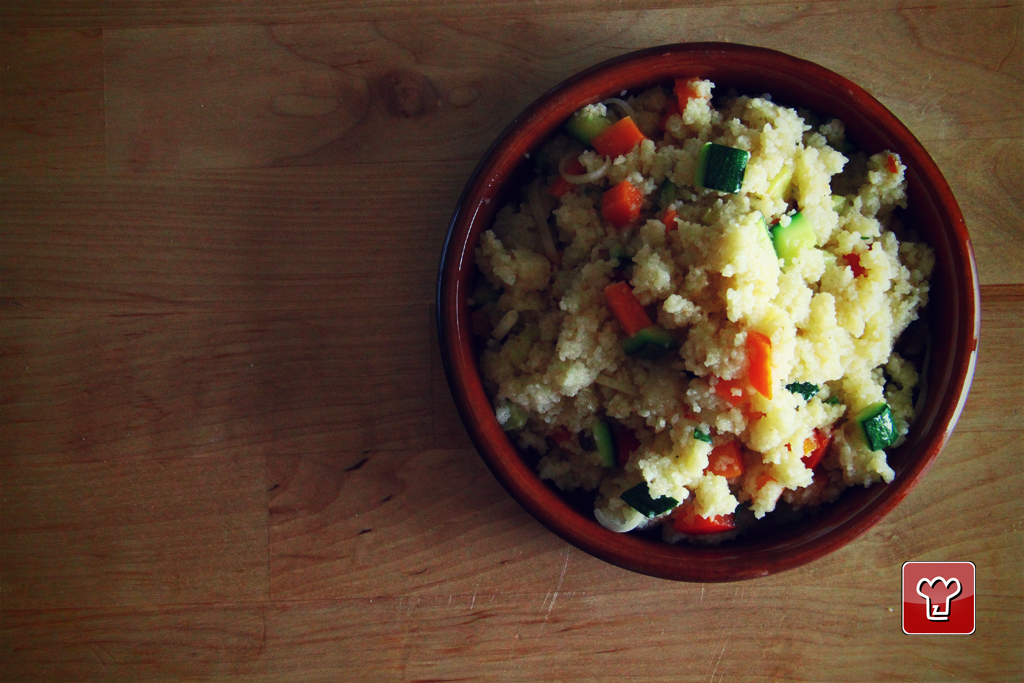
Mix together cous cous, vegetables, leek and mint; dress with extra virgin oilve oil, lemon juice and cumin.
|
|
View the step by step
|
Vegetarian Cous Cous: Easter inspiration for a great main course!
|
Additional information
Vegetarian Couscous with Fresh Vegetables
A delicious variant of vegetarian couscous can be prepared using a combination of fresh vegetables. Zucchini, carrots, and bell peppers, diced, are the ideal ingredients to enrich this dish. After cooking the couscous, the vegetables can be sautéed in a pan with a drizzle of extra virgin olive oil and a pinch of salt to enhance their flavor. This preparation not only makes the couscous more colorful and appetizing but also adds a freshness that makes the dish perfect for summer lunches or as a light side dish. Adding a bit of mint or cumin can give an extra aromatic touch, making vegetarian couscous an excellent choice for those looking for a healthy and tasty dish.
Sicilian Vegetarian Couscous
Vegetarian couscous has a well-rooted tradition in Sicily, where it is prepared in a unique way. The Sicilian recipe calls for the use of fresh, local ingredients, such as seasonal vegetables. In this version, the couscous is cooked with vegetable broth for a richer and deeper flavor. The vegetables, such as zucchini and bell peppers, are simmered, allowing the flavors to blend perfectly. Additionally, the addition of typical Sicilian spices, such as cumin and mint, gives the dish an unmistakable aroma. This Sicilian couscous is perfect for a family lunch or a dinner with friends, bringing a bit of sunshine and tradition directly to the table.
Light Vegetarian Couscous with Grilled Vegetables
For those looking for a lighter version of vegetarian couscous, it can be prepared using grilled vegetables. This variant not only reduces the caloric content but also enhances the flavor of the vegetables. Grilling zucchini, bell peppers, and carrots brings out their natural flavors and makes the dish more interesting. By using less oil and adding fresh lemon juice, a light and refreshing preparation is achieved. Light couscous with grilled vegetables is ideal for those following a healthy and balanced diet, without sacrificing taste. This recipe is also perfect for anyone wanting a quick and nutritious meal to take to the office or enjoy at home.
Nutritional Benefits of Vegetarian Couscous and Calories
Vegetarian couscous is a dish that is not only tasty but also rich in health benefits. Couscous, made from durum wheat semolina, is an excellent source of complex carbohydrates, providing long-term energy. The vegetables add a significant supply of vitamins and minerals, contributing to overall well-being. Zucchini and carrots, for example, are rich in antioxidants, while cumin has digestive properties. On average, a serving of vegetarian couscous provides about 250-300 calories, depending on the ingredients used and the portions. This makes it an excellent choice for a balanced meal that satisfies without weighing you down.
Can Vegetarian Couscous be Frozen?
A common question among those preparing vegetarian couscous is whether it can be frozen. The answer is yes, couscous can be frozen, but it is important to follow a few simple guidelines. Before freezing, ensure that it is completely cooled and does not contain fresh ingredients like vegetables. It is advisable to freeze couscous in portions so that it can be easily thawed. When you want to consume it, simply transfer it to the refrigerator for a few hours or heat it directly in a pan. However, remember that the texture may vary slightly after freezing, but the flavor will still be delicious.