Summer couscous
Couscous is the basis of much Arab and North African cuisine, but perhaps you didn’t know that it is also deeply rooted in the Italian culinary tradition, especially in western Sicily: for example, the famous couscous festival in San Vito lo Capo in Trapani, which you might have heard of. Couscous is made up of many grains of semolina that are steamed, possibly two or three times. The couscous sold in the supermarket has already been steamed, and all we need to do is add a little boiling water – just read the instructions on the pack, and then you’ll be able to season it to your taste and eat straightaway. From my point of view, couscous is a great alternative to rice or pasta, and lends itself well to the preparation of hot or cold salads. Here's how to make a summer couscous, fresh, tasty and colourful.
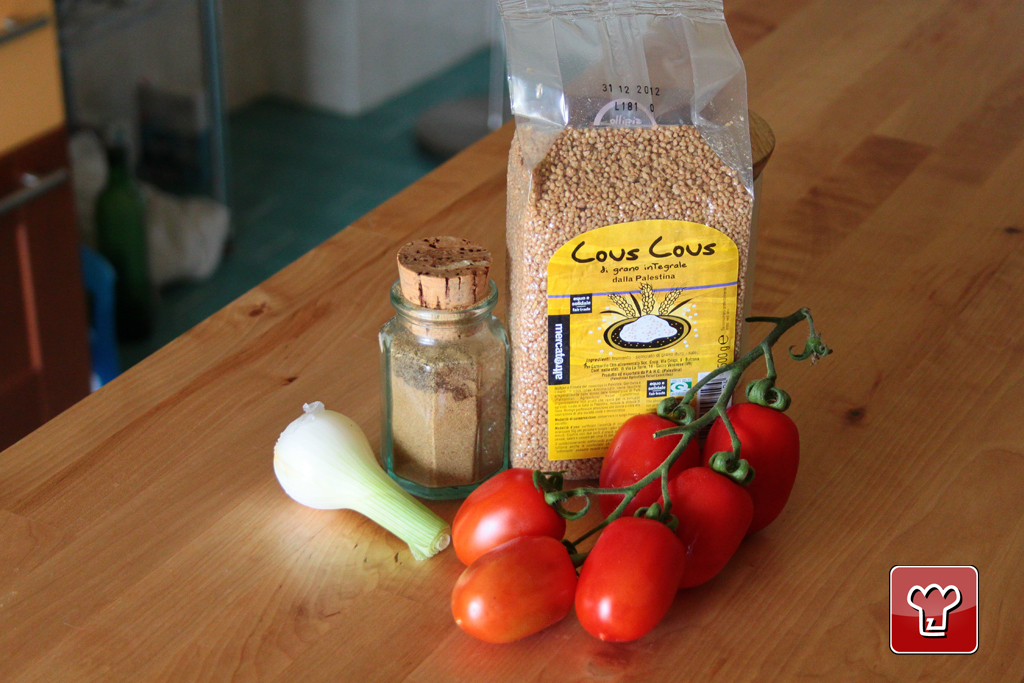
Ingredients
Summer Couscous with Puglian Cherry Tomatoes
Summer couscous takes on a refreshing character with Puglian cherry tomatoes, small gems of sweetness and color. Their natural juiciness pairs beautifully with the aromatic notes of basil and oregano, creating a dish that embodies the essence of sun and earth, perfect for warm summer days.
* approximate values per serving
Preparation
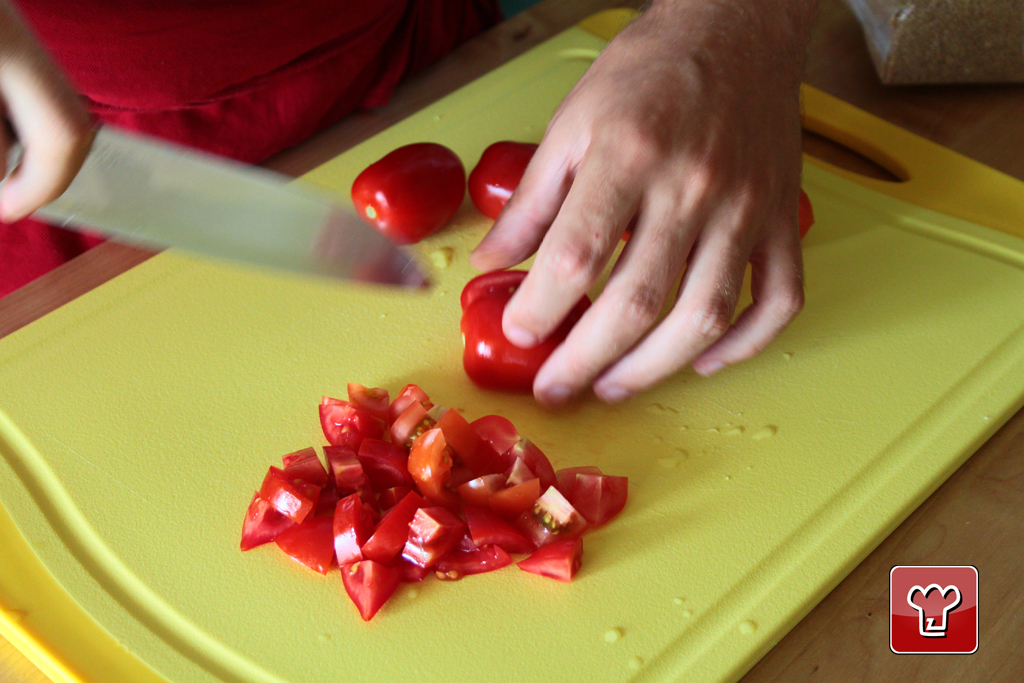
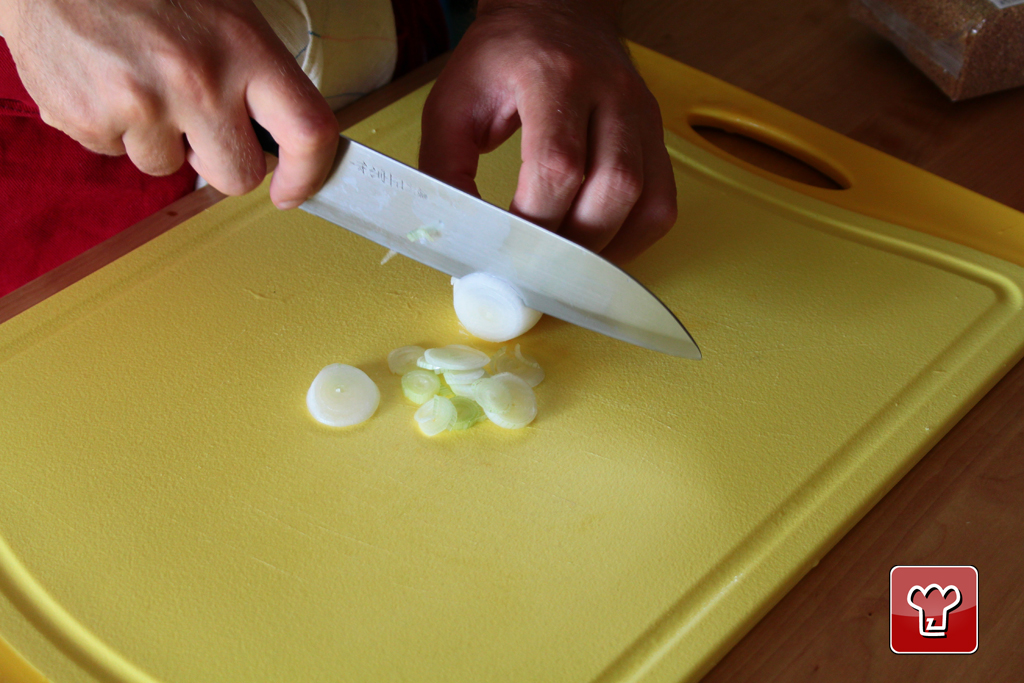
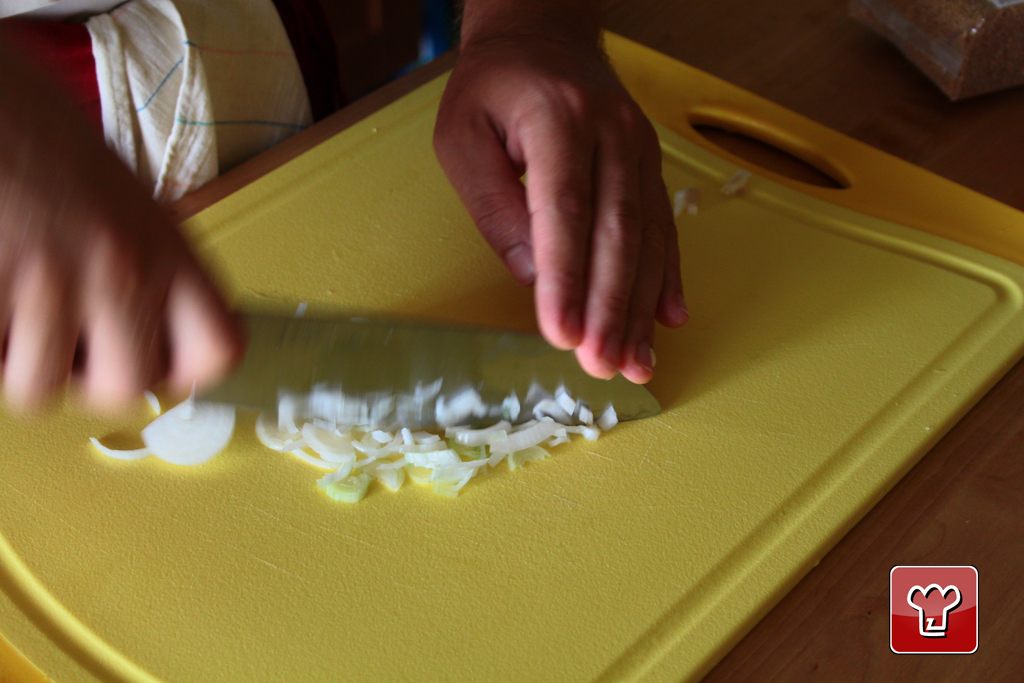
Dice the tomatoes and coarsely slice the spring onion. Chop the mint and parsley and add to the tomato and onion, then dress with salt, sugar, oil and cumin. Prepare the couscous like this: soak the couscous in some of the vegetable stock, salt and a little olive oil for half an hour. The stock should just cover the couscous. When the liquid is absorbed, place the couscous in a terracotta cous cous pot and place over a saucepan with the vegetable stock. Cover with a lid of the right size and boil the stock. In about half an hour the couscous will be cooked in the steam from the stock, taking up all its flavour! Serve the couscous mixed with the tomato salsa.
Step by step
|
View the step by step
|
Dice the tomatoes
|
|
View the step by step
|
Slice the spring onion
|
|
View the step by step
|
Coarsely chop the spring onion
|
|
View the step by step
|
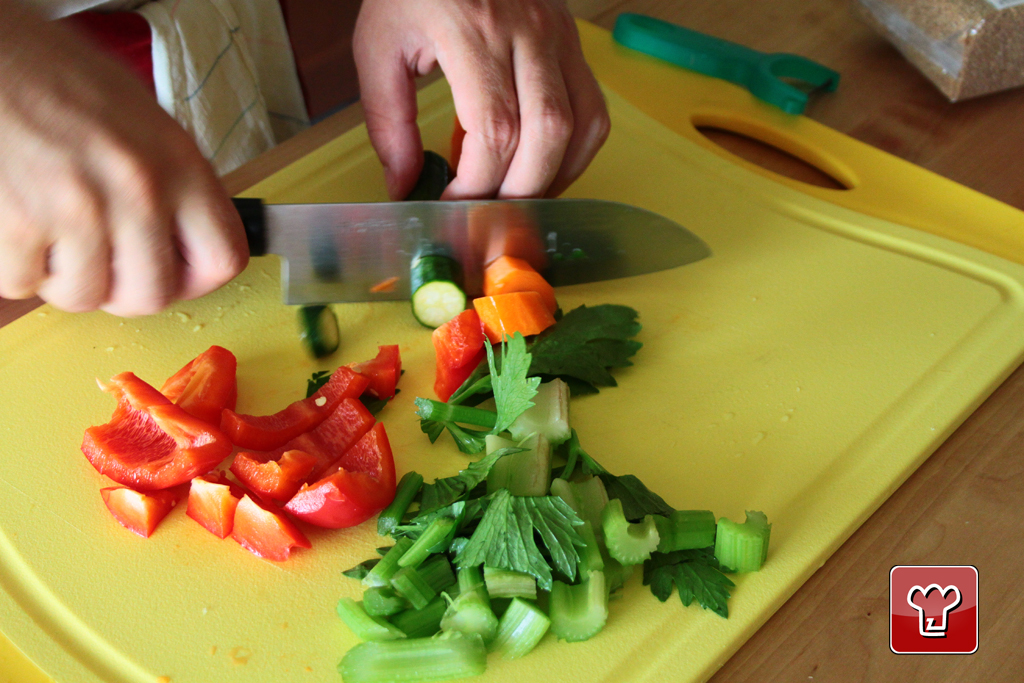
Dice the veg to make a stock
|
|
View the step by step
|
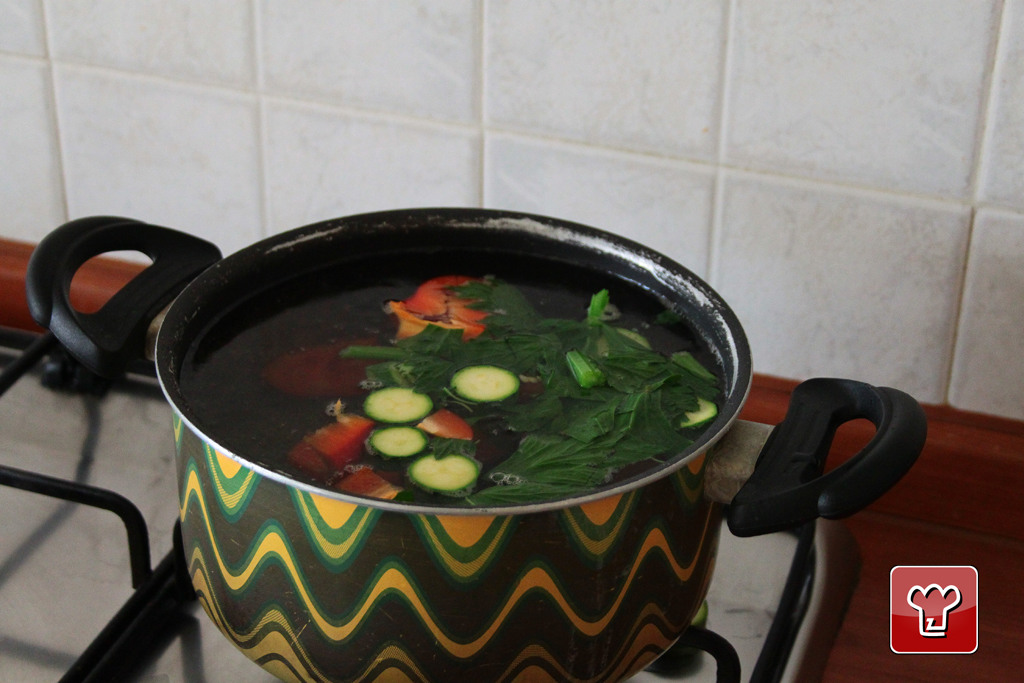
Boil the veg in a casserole until the water has absorbed the flavours
|
|
View the step by step
|
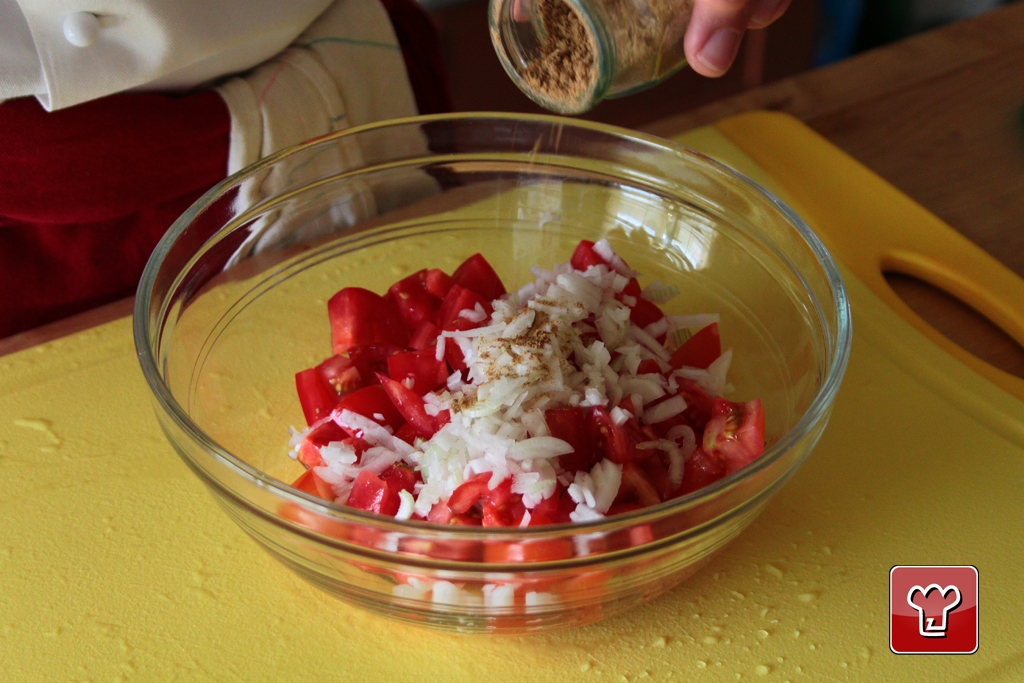
Mix the spring onions and tomatoes with a little ground cumin
|
|
View the step by step
|
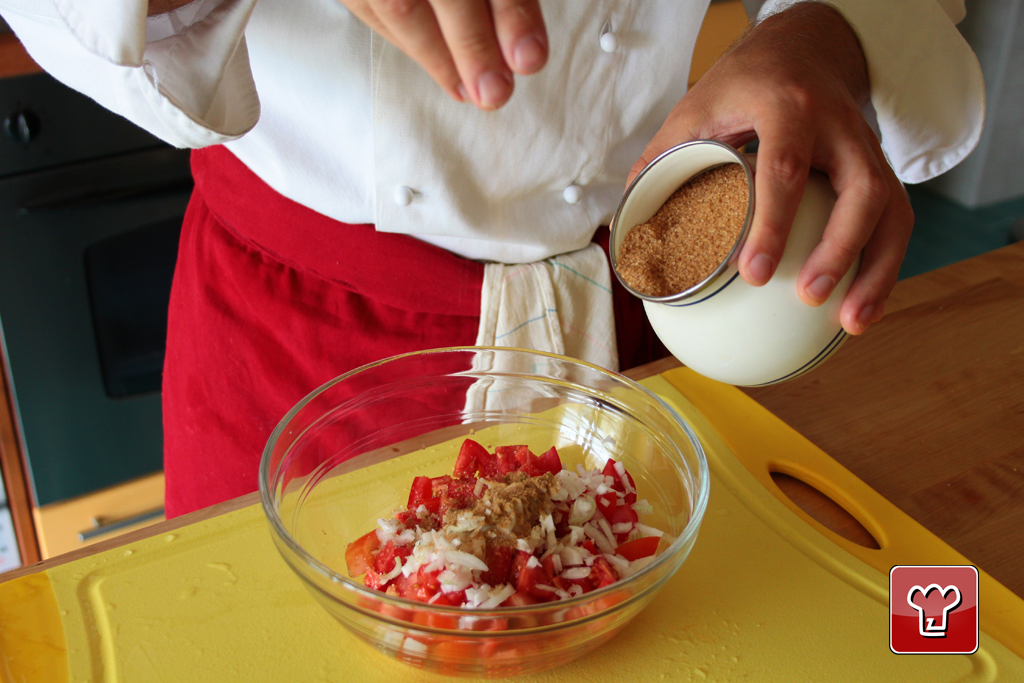
Sprinkle over a little cane sugar
|
|
View the step by step
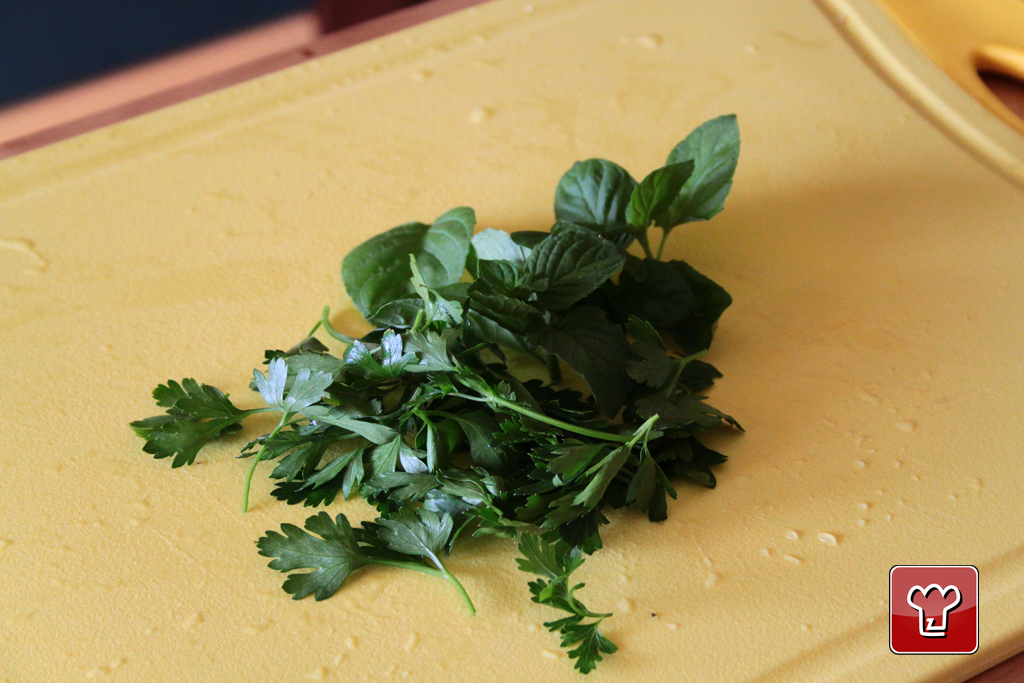
|
Collect some herbs: mint, parsley, thyme
|
|
View the step by step
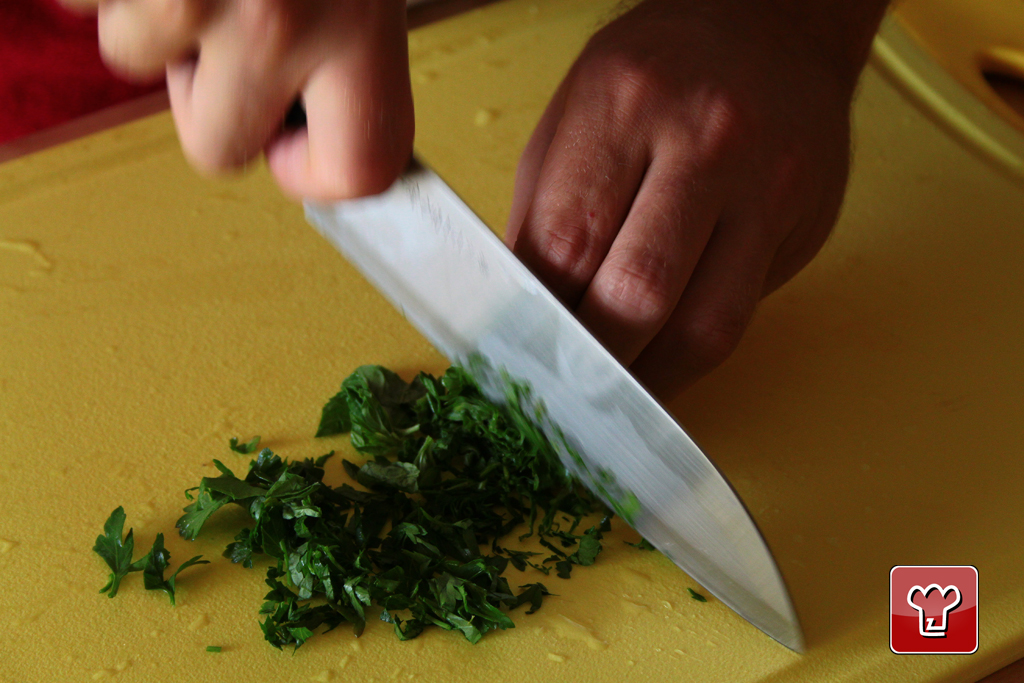
|
Finely chop the aromatic herbs
|
|
View the step by step
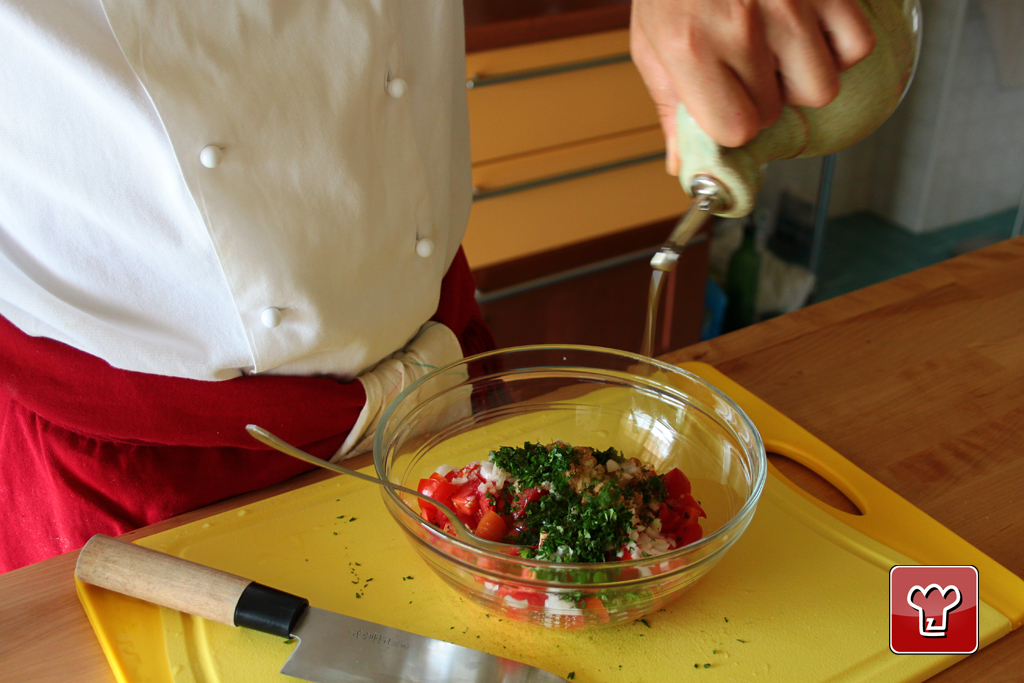
|
Dress with the herbs and oil
|
|
View the step by step
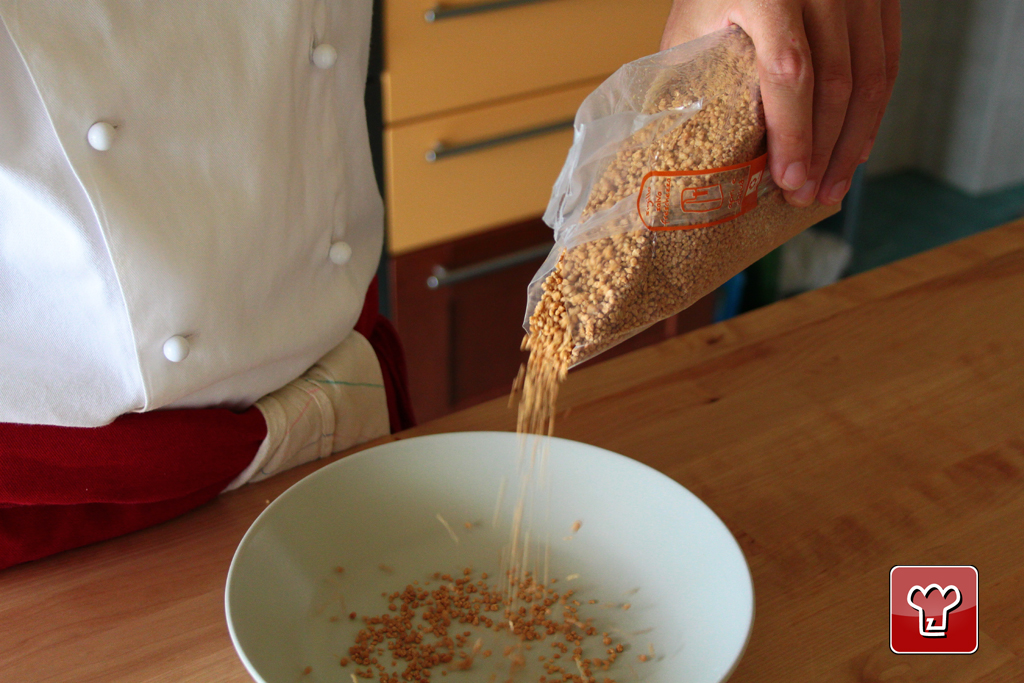
|
Put the couscous in a dish and cover with the stock. When it has absorbed the stock, place it in a couscous dish and leave to cook in the steam from the boiling stock below
|
|
View the step by step
|
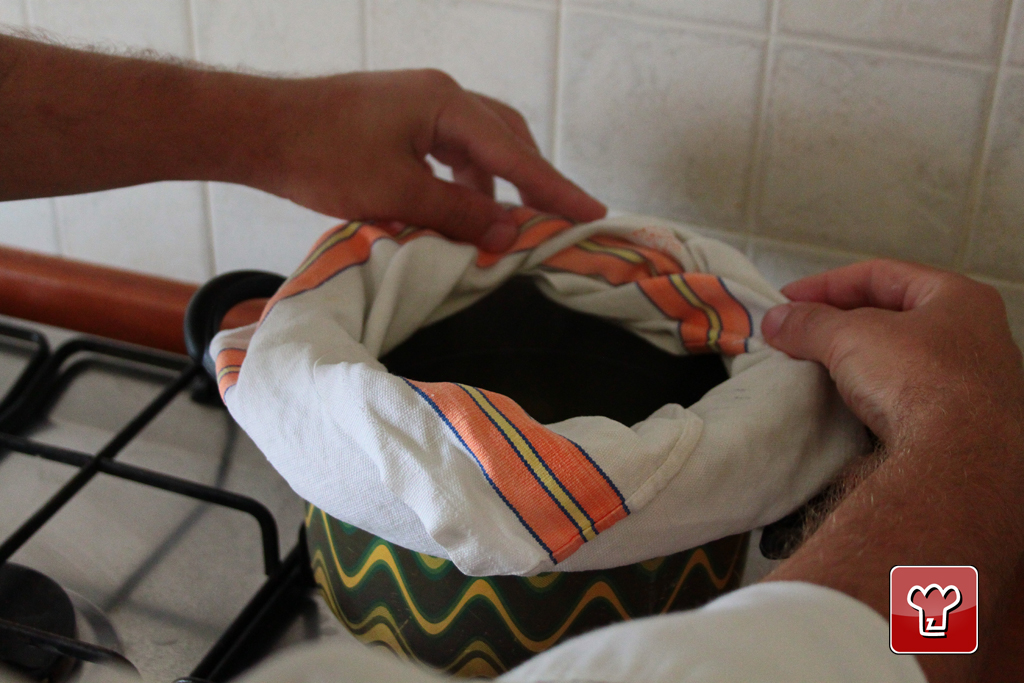
Roll a damp cloth around the casserole with the stock
|
|
View the step by step
|
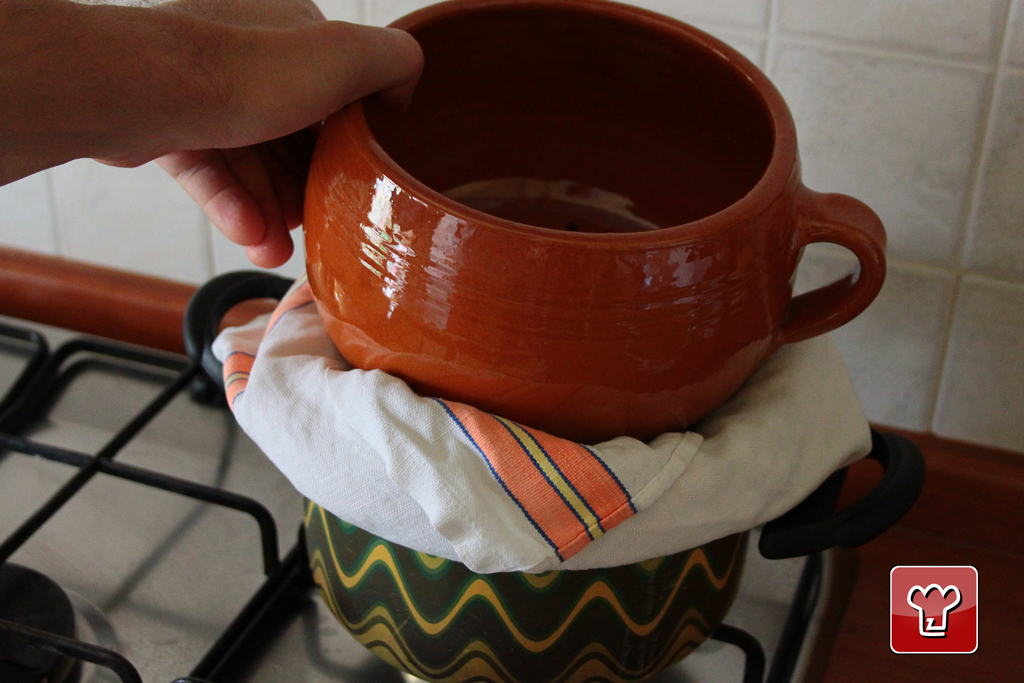
Rest the couscous pot on this ‘seal’ made by the damp cloth, and place the soaked couscous inside. Leave to steam in this way
|
|
View the step by step
|
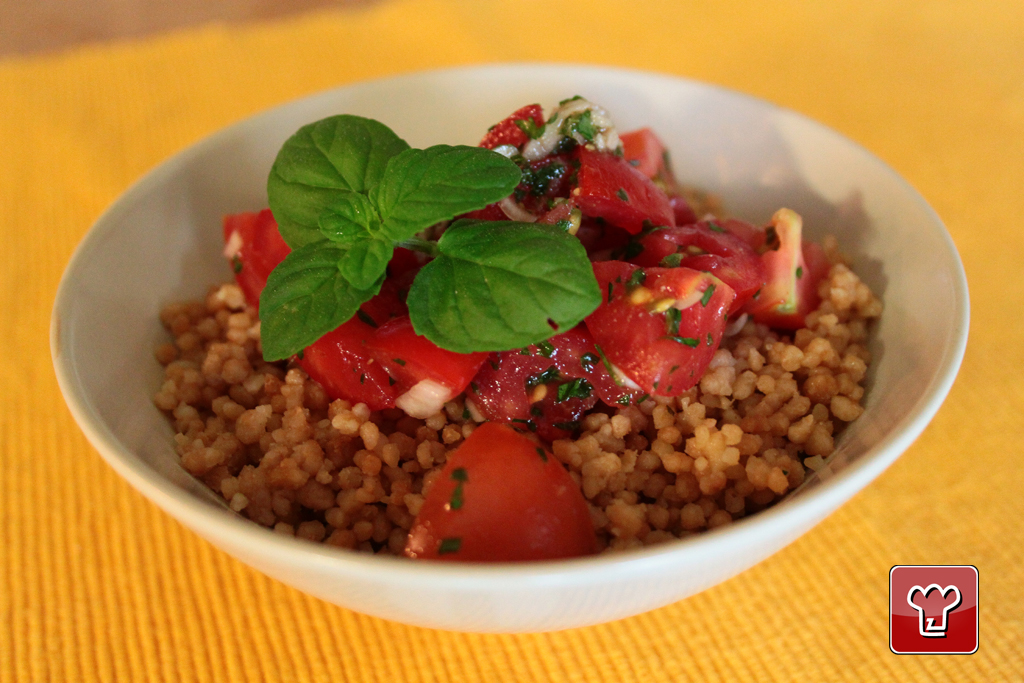
Once cooked, mix the couscous with the fresh tomato salsa and serve
|
Additional information
Summer Couscous with Cherry Tomatoes
One of the most appreciated variations of Summer Couscous is definitely the one with cherry tomatoes. The sweetness of these tomatoes pairs perfectly with the aromatic flavor of parsley and mint, making the dish even fresher and more inviting. To prepare this version, it is advisable to choose cherry tomatoes of different varieties to vary the colors and textures. Additionally, the tomatoes can be lightly sautéed in a pan with a drizzle of oil to enhance their flavor. This preparation is ideal for a summer lunch or an outdoor picnic, where the couscous can be served cold, keeping its flavors intact. Don't forget to enrich the dish with some fresh basil leaves for an extra aromatic touch.
Sicilian Summer Couscous
Sicilian Summer Couscous is a preparation that encapsulates the typical flavors of this beautiful region. In this variation, in addition to the classic ingredients, grilled eggplants and roasted peppers can be added to give a touch of rusticity and authenticity to the dish. The cooking technique can be enhanced by using steaming, which helps to preserve the nutritional properties of the ingredients. Served cold, this couscous becomes a perfect main dish for hot summer days, ideal for sharing with friends and family. The choice of fresh, quality ingredients is essential to enhance the flavor of this typical Sicilian recipe.
Light Sugar-Free Summer Couscous
For those who desire a lighter version of Summer Couscous, it can be prepared without sugar, while still maintaining a rich and tasty flavor profile. By using sweet cherry tomatoes and a good amount of aromatic herbs like mint and parsley, it is possible to achieve a fresh and flavorful dish without the addition of sugars. Furthermore, one can opt for a dressing based on Greek yogurt instead of oil, to further reduce calories and make the dish healthier. This light couscous is perfect for those following a balanced diet but who do not want to give up on taste. It is also ideal for those with specific dietary needs, always maintaining an excellent combination of nutrients.
Benefits of Summer Couscous: A Nutrient-Rich Dish
Summer Couscous is a dish that offers numerous health benefits. Made from durum wheat semolina, couscous is an excellent source of complex carbohydrates, providing long-term energy. Additionally, fresh ingredients like cherry tomatoes, spring onions, and aromatic herbs are rich in essential vitamins and minerals. Tomatoes, for example, are known for their antioxidant properties thanks to lycopene, while mint and parsley bring freshness and vitamins. A serving of Summer Couscous contains about 250-300 calories, depending on the ingredients used, making it a light and nutritious option for summer meals.
Can Summer Couscous be Frozen?
A common question among those preparing Summer Couscous is whether it can be frozen. The answer is yes: couscous can be frozen, but it is important to pay attention to how it is stored. It is advisable to freeze it before adding fresh ingredients like tomatoes and aromatic herbs, as these tend to lose texture and flavor once thawed. To freeze couscous, simply portion it into airtight containers or food bags, ensuring to remove excess air. When you wish to consume it, just thaw it in the refrigerator and gently reheat it before adding the fresh ingredients. This way, you can enjoy a delicious dish even at a later time.