Bolognese sauce
‘The tagliatelle of grandmother Pina, full of energy and vitamins’ sing the happy children eating their dinner made by mum or grandma. Yes, this is the classic recipe for Sunday with the family: we are talking of homemade Bolognese sauce. It's a dish whose preparation requires a bit of time. The sauce will obviously have to cook at least a couple of hours, while if you wish to make the pasta at home, depending on your skill and experience, everything will take a bit longer. The effort, however, is worth it! Making such a dish yourself will certainly be a most satisfying experience, and you will also delight those who eat it with you. Follow the recipe step-by-step and enjoy!
Ingredients
* approximate values per serving
Preparation
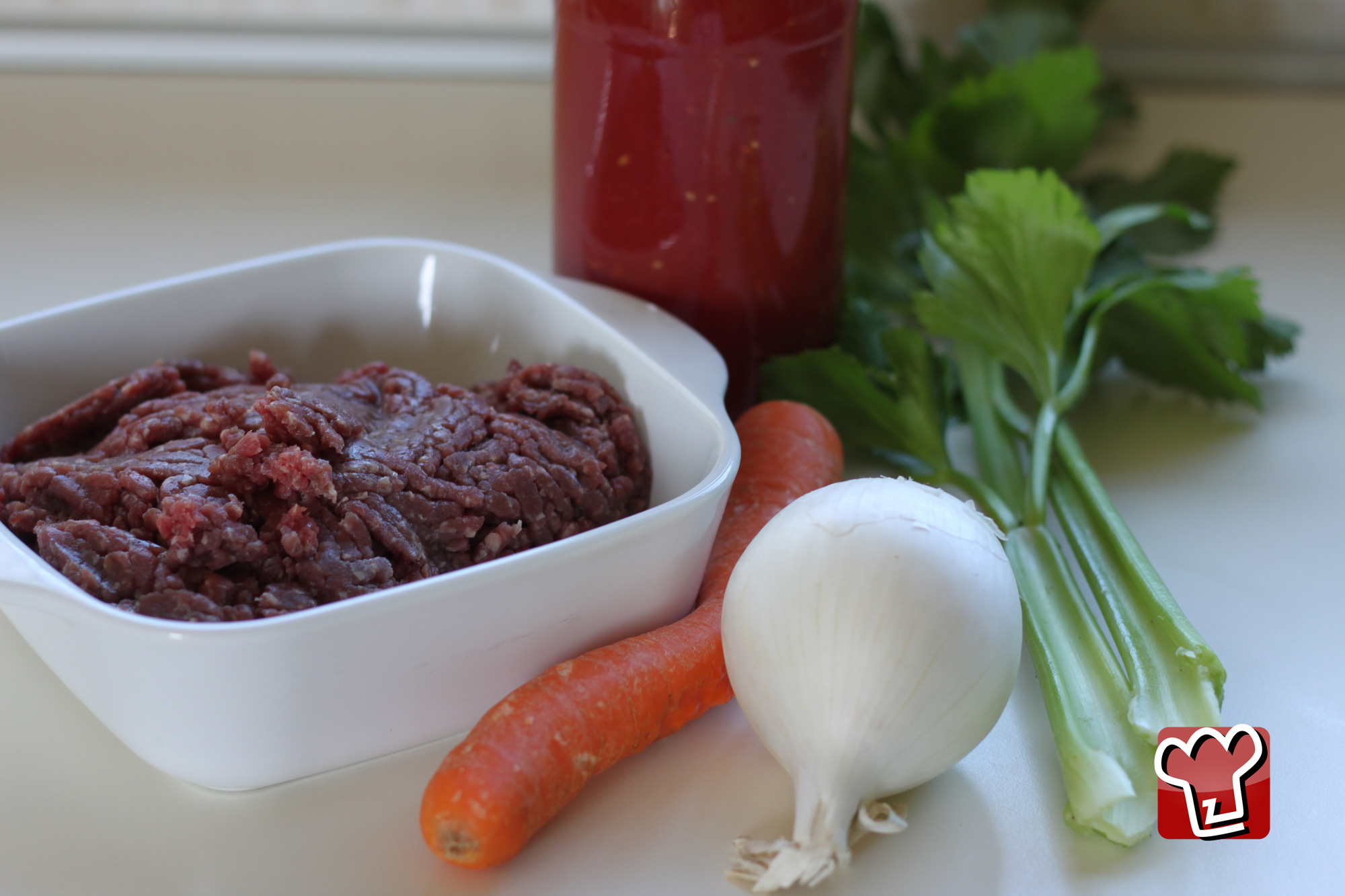
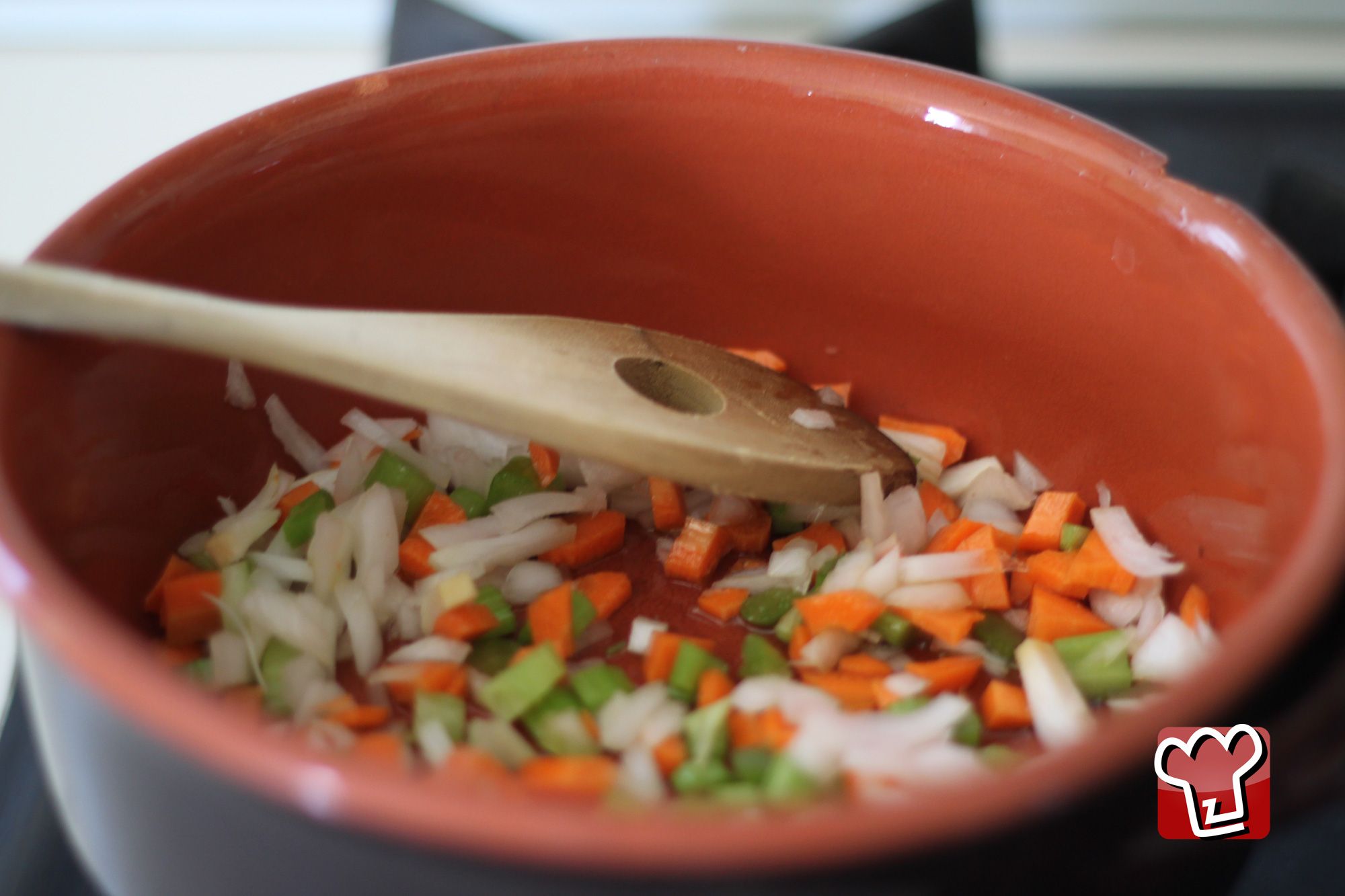
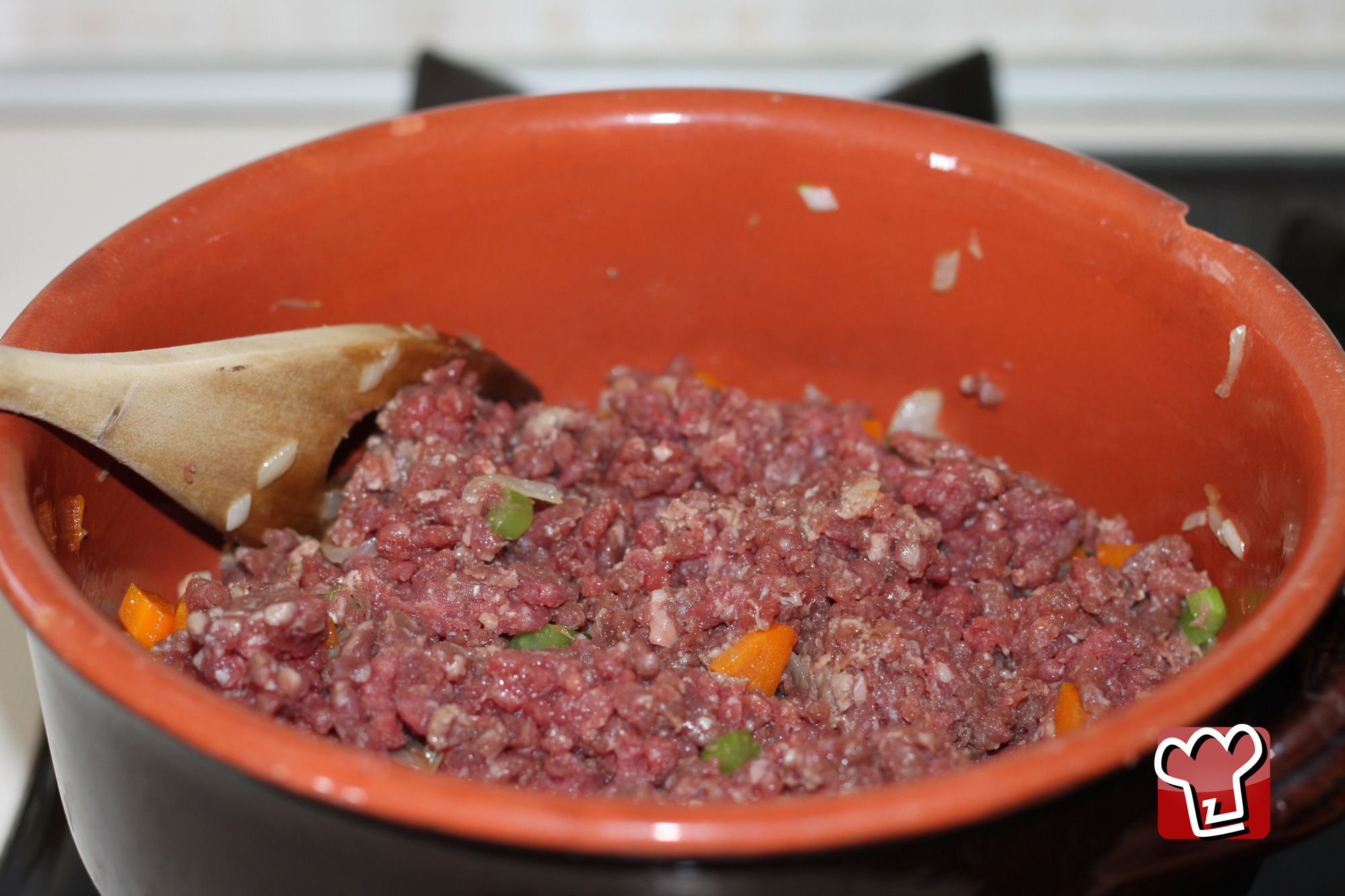
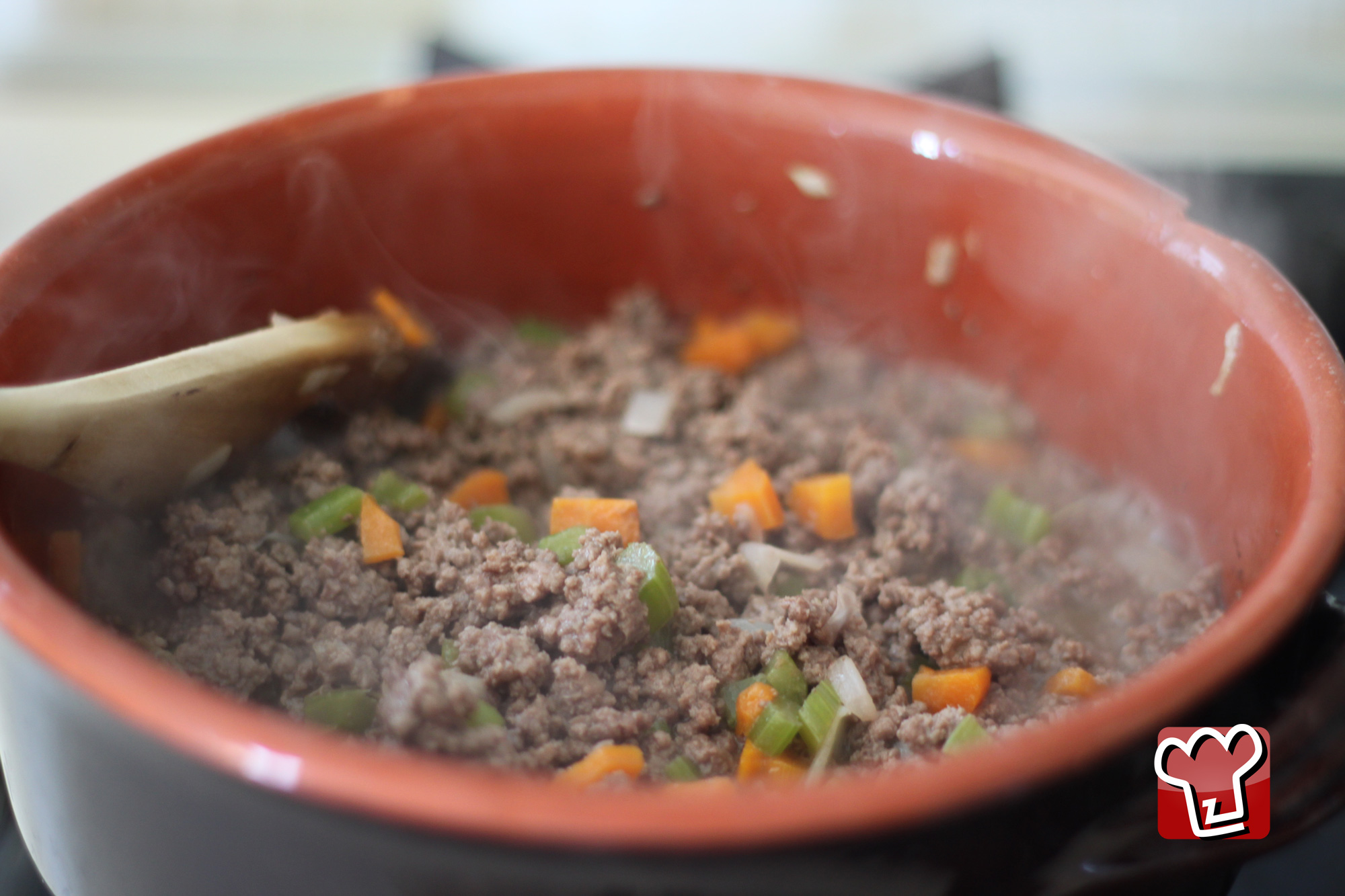
Finely chop the celery, carrot and onion, and fry very slowly with a drizzle of olive oil in a heavy saucepan. Add the meat and let it brown. Add the wine and wait for the alcohol to evaporate. Then add the tomatoes, salt, pepper, bay leaf and a glass of water. Cover and simmer for two hours. When the sauce is ready, you can freeze or keep in the refrigerator for a few days. Alternatively, use it immediately with tagliatelle. To make the tagliatelle, mix the eggs and flour at the rate of one egg per 100 grams of flour; add a tablespoon of olive oil and a pinch of salt. Make a ball and let it sit for fifteen minutes. Then roll out the dough into sheets before cutting into tagliatelle strips. Cook the pasta in boiling salted water into which you have added a trickle of olive oil. Cooking fresh pasta takes around 4 minutes. Mix with the sauce and finish with plenty of parmesan cheese.
Step by step
|
View the step by step
|
Fry the celery, carrot and onion in a large, heavy saucepan
|
|
View the step by step
|
Add the meat
|
|
View the step by step
|
Add the wine and reduce
|
|
View the step by step
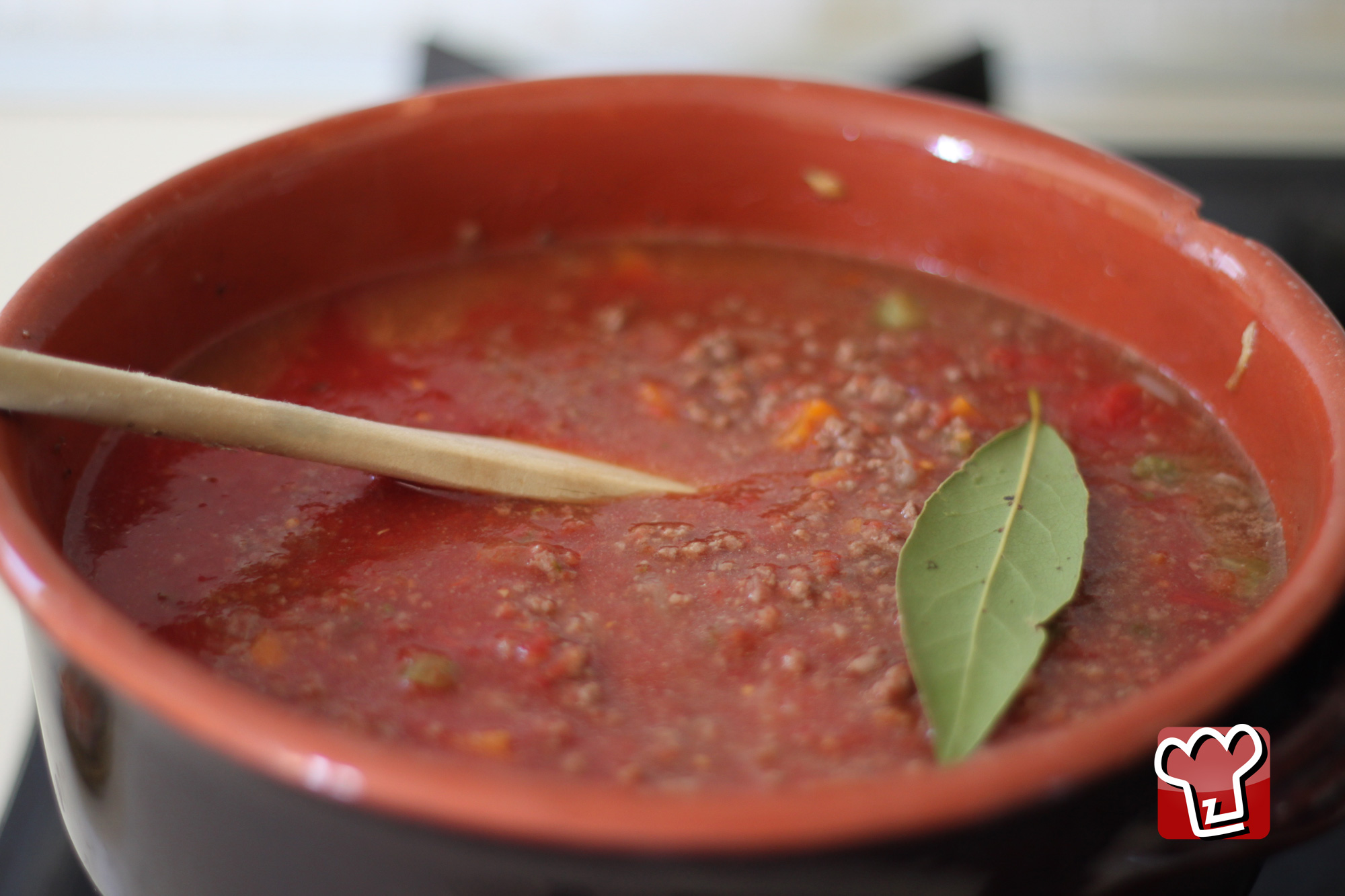
|
Add the tomato passata, bay leaf, salt pepper and a little water. Cover
|
|
View the step by step
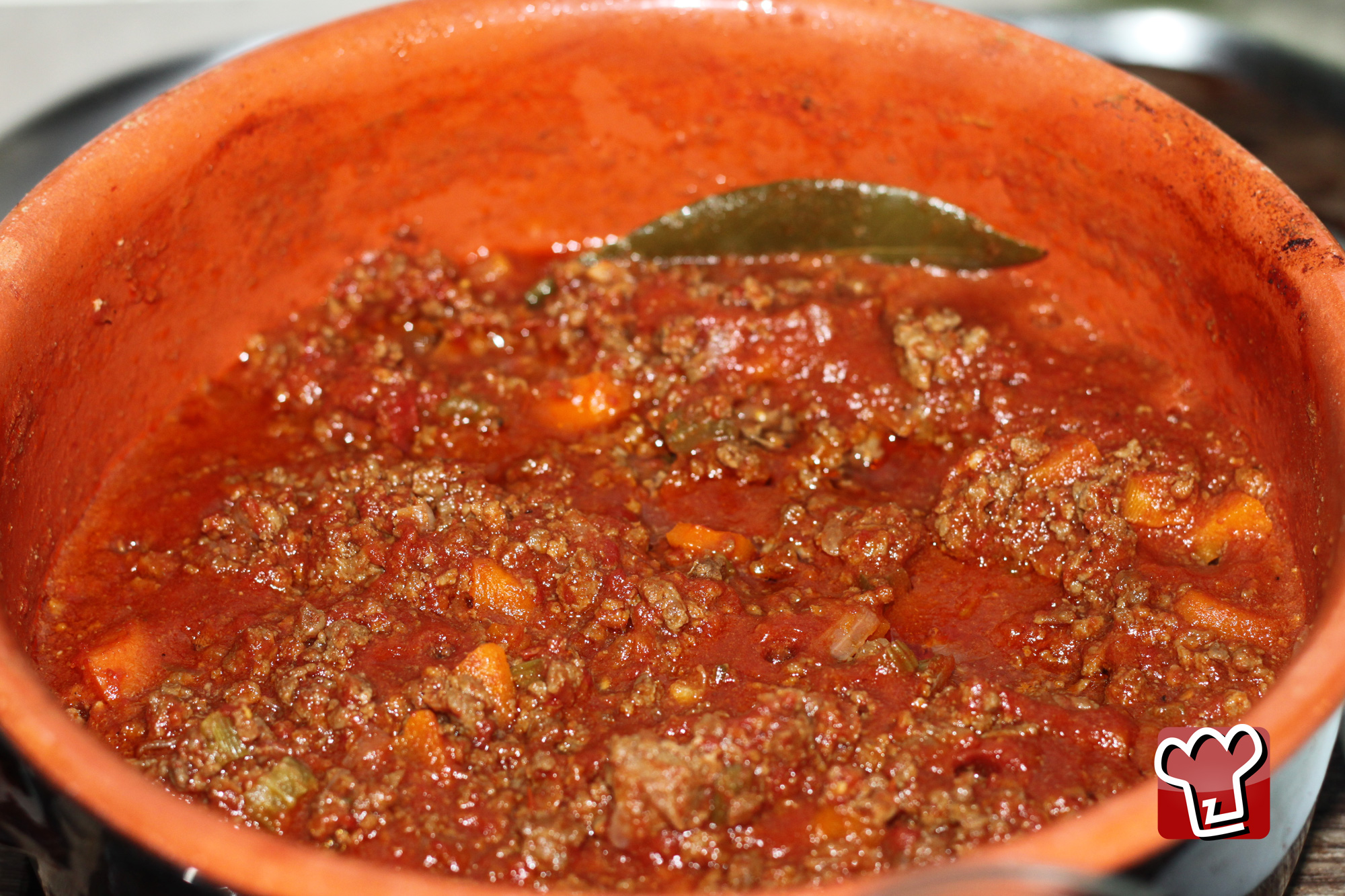
|
The sauce is ready to serve
|
|
View the step by step
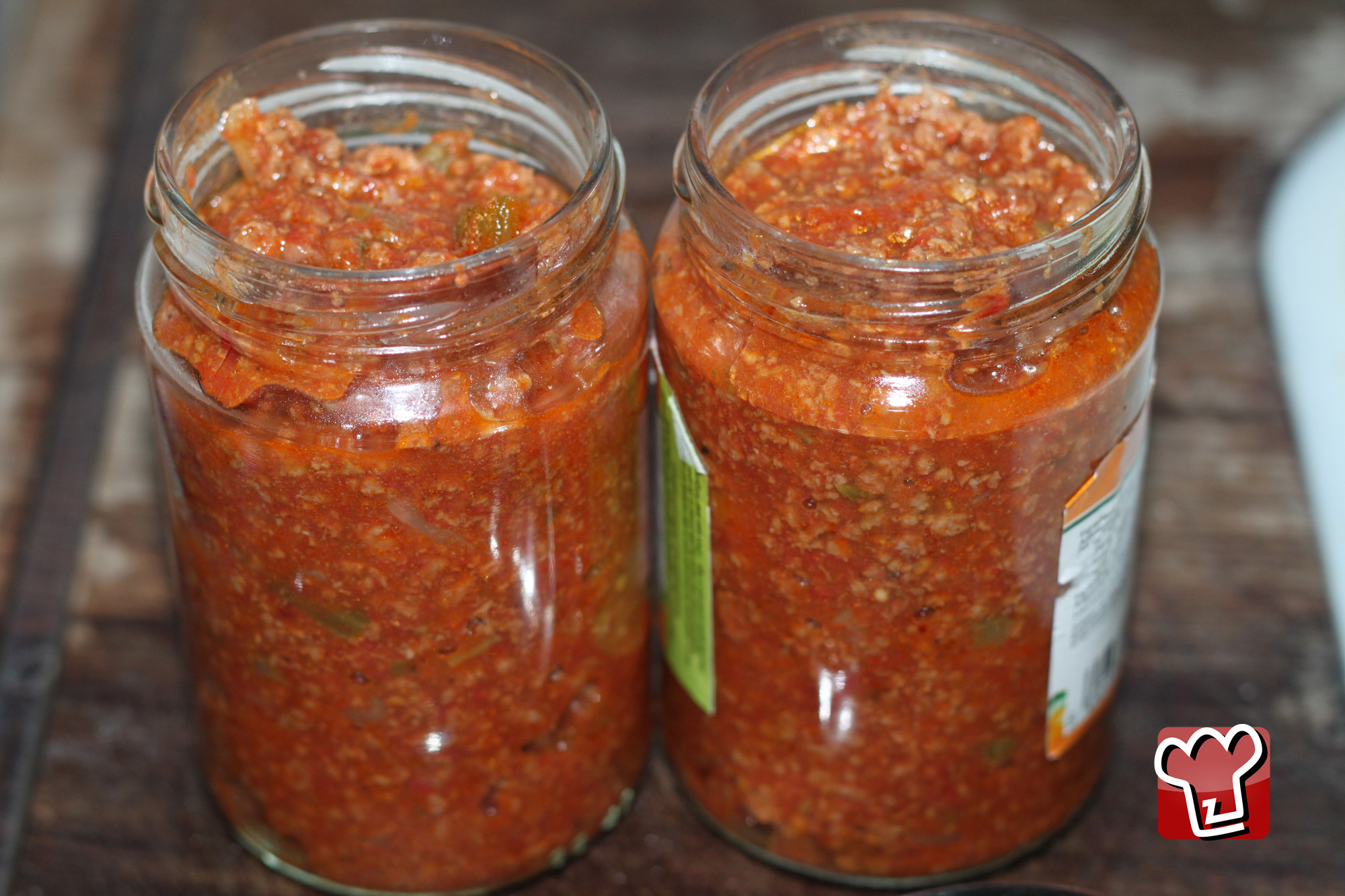
|
You can freeze the Bolognese sauce
|
|
View the step by step
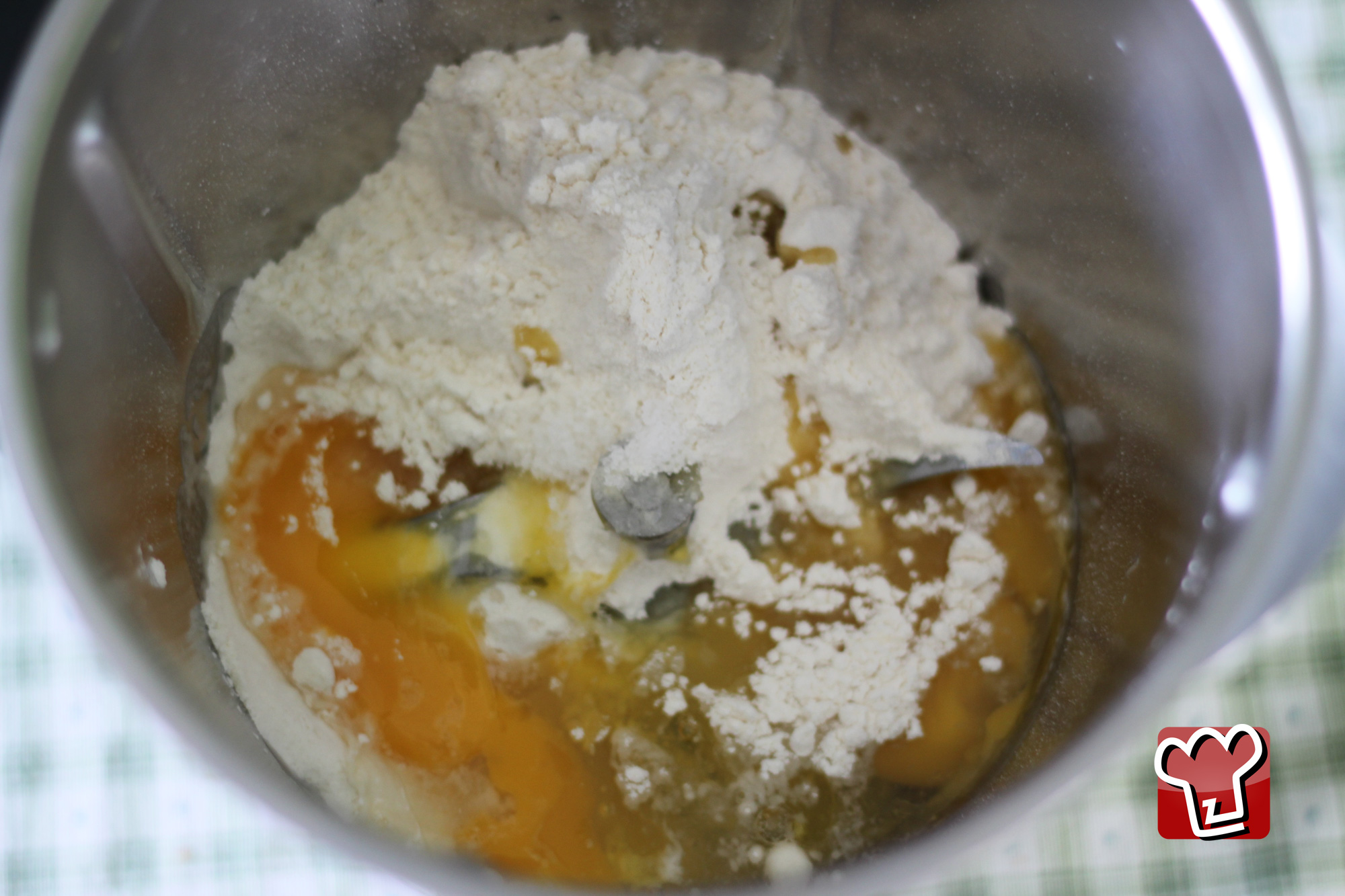
|
Prepare the egg pasta dough for the tagliatelle
|
|
View the step by step
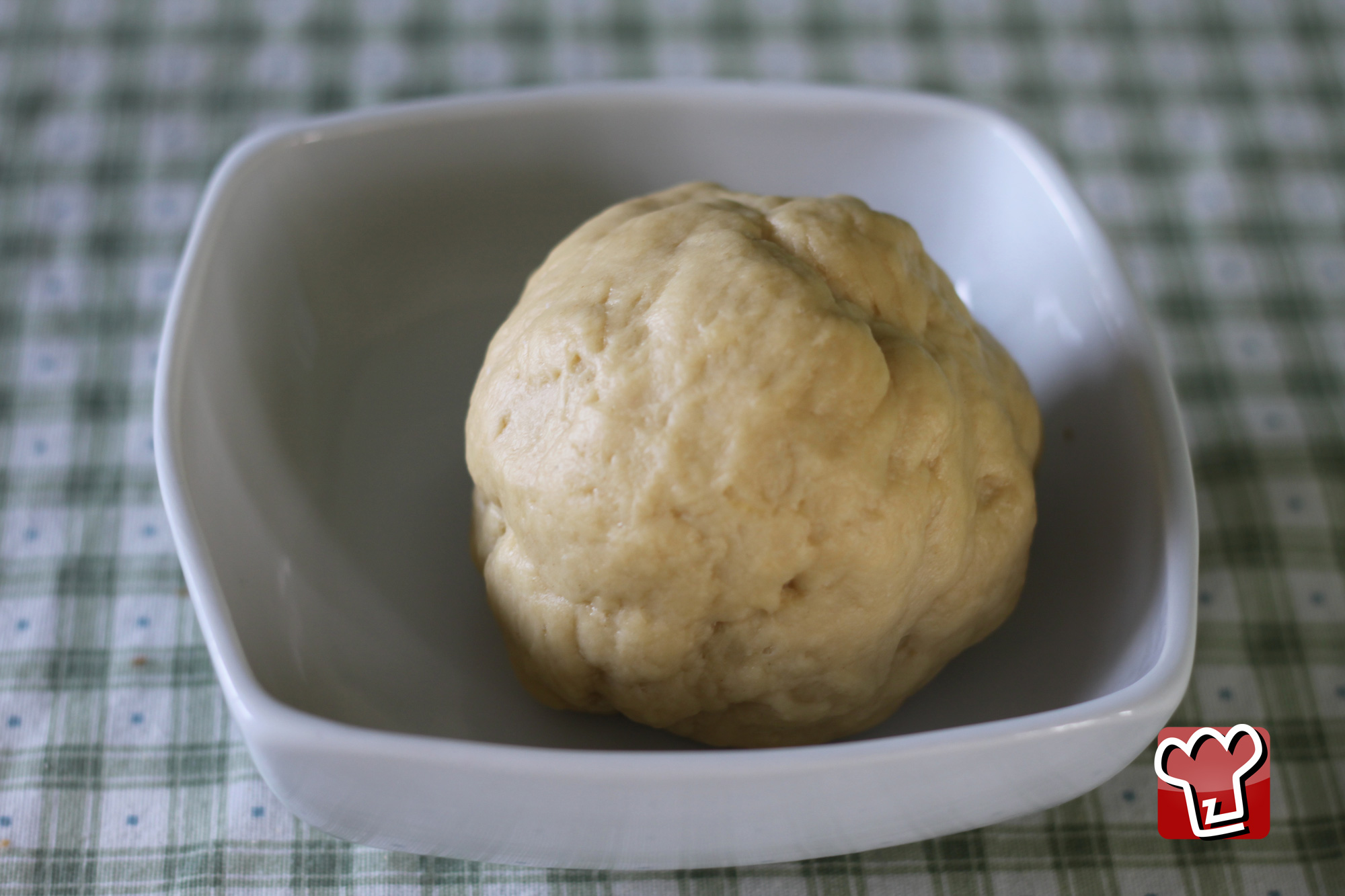
|
Leave the dough to rest for quarter of an hour
|
|
View the step by step
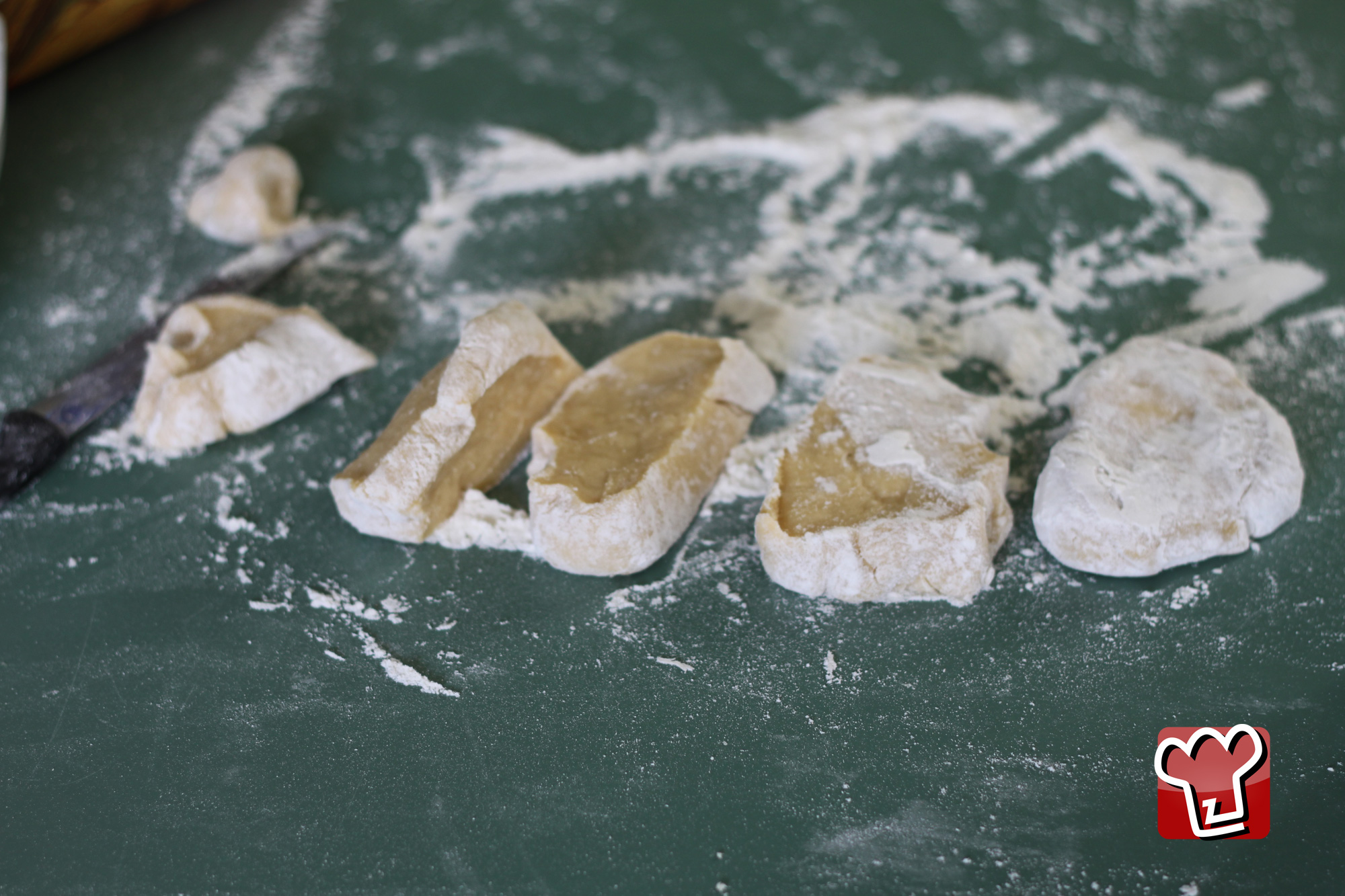
|
Cut the dough into pieces
|
|
View the step by step
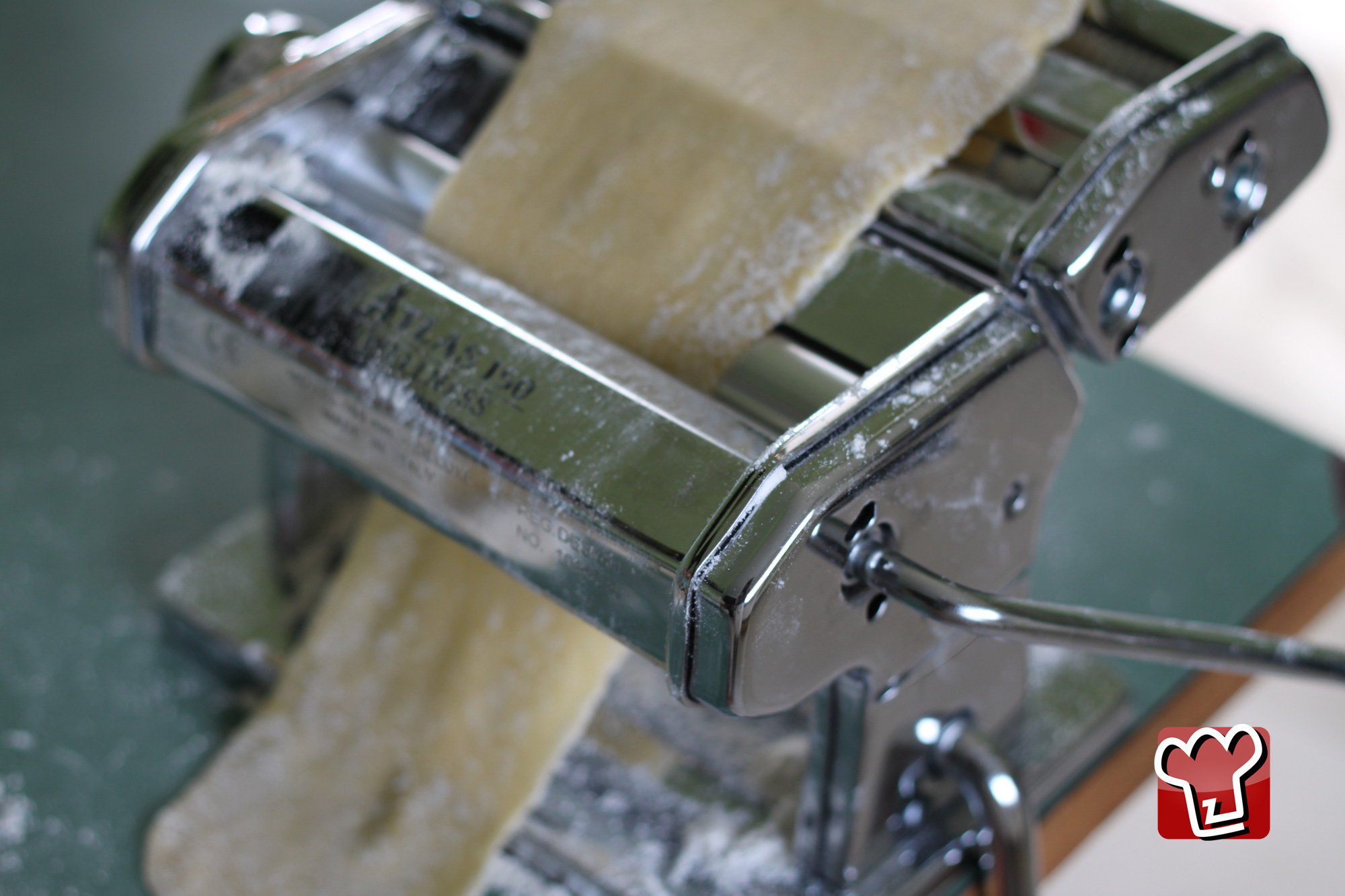
|
Roll out the dough with the correct implement
|
|
View the step by step
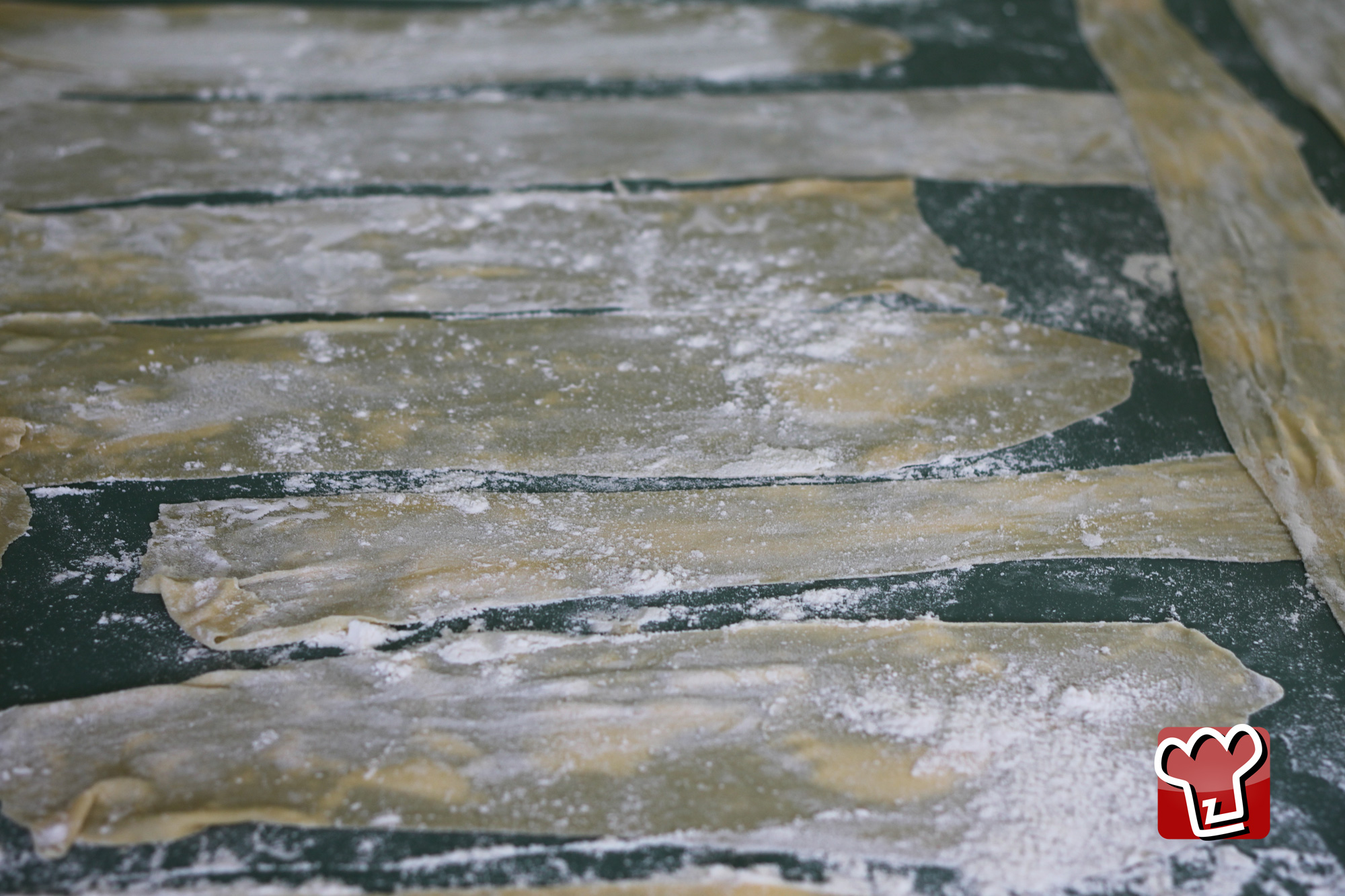
|
Put the strips of pasta dough (shaped like lasagna strips) on a work surface
|
|
View the step by step
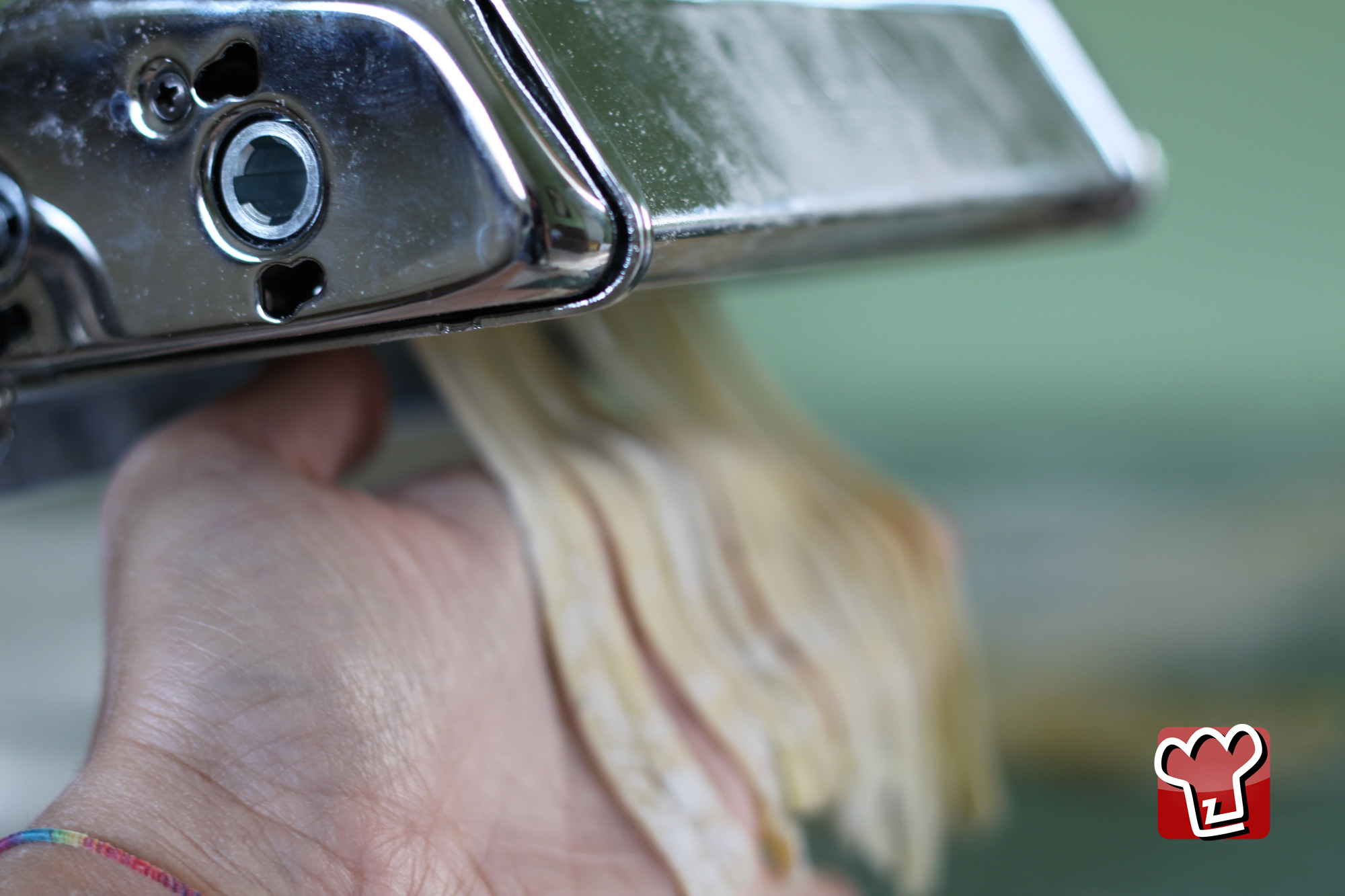
|
Cut the lasagna strips into tagliatelle
|
|
View the step by step
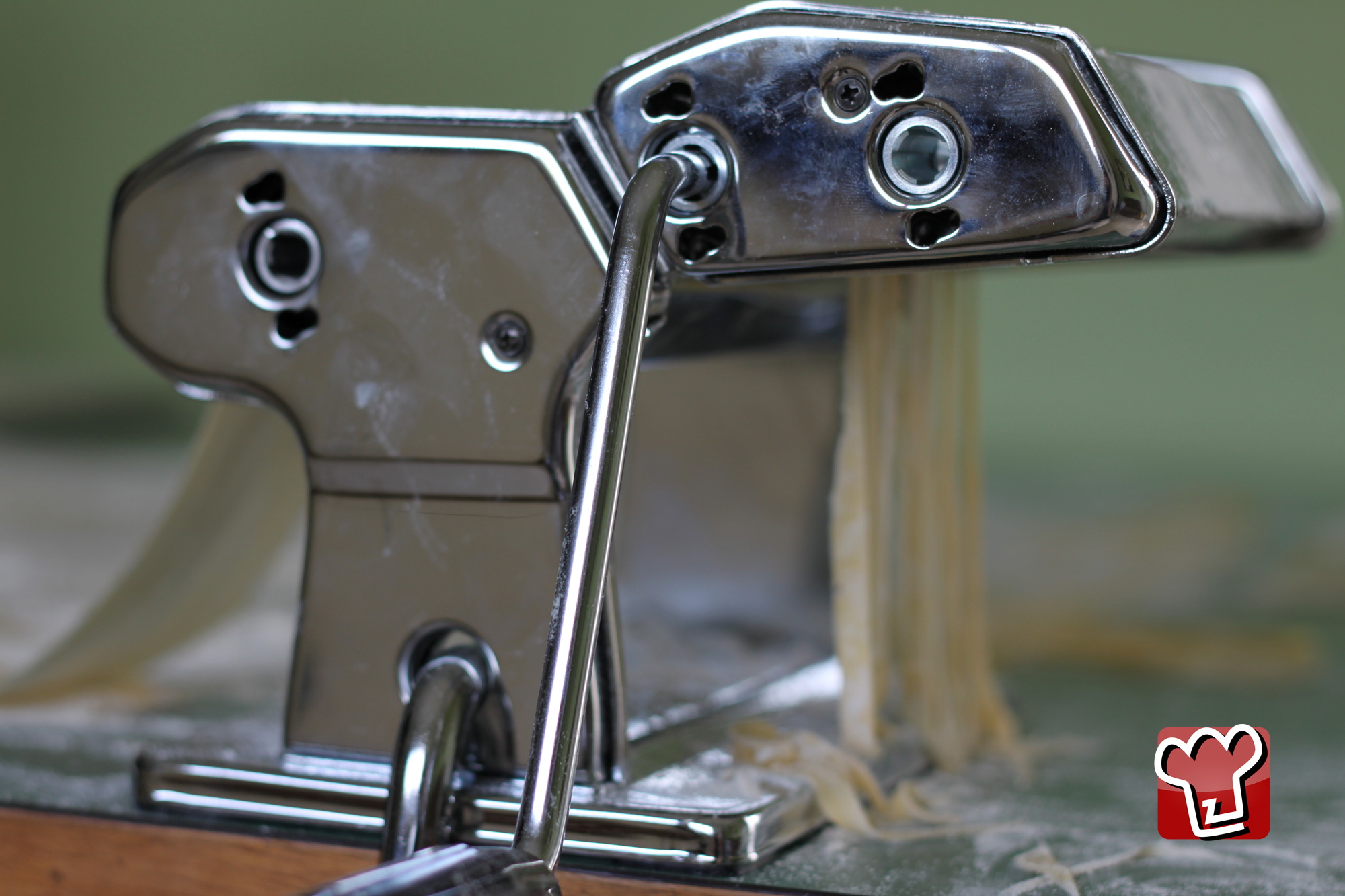
|
Finish the tagliatelle with all the available dough
|
|
View the step by step
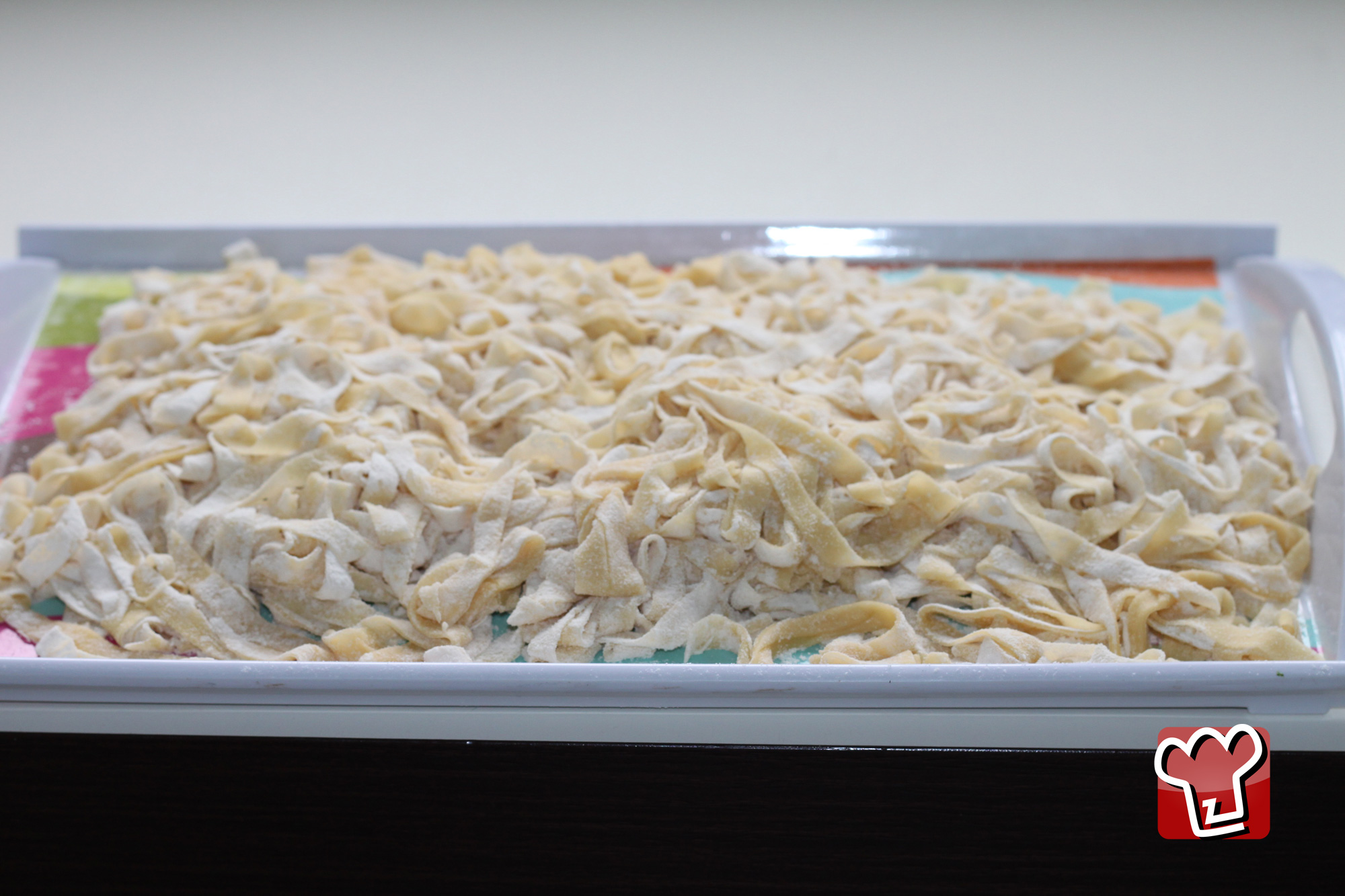
|
The tagliatelle are ready to cook
|
|
View the step by step
|
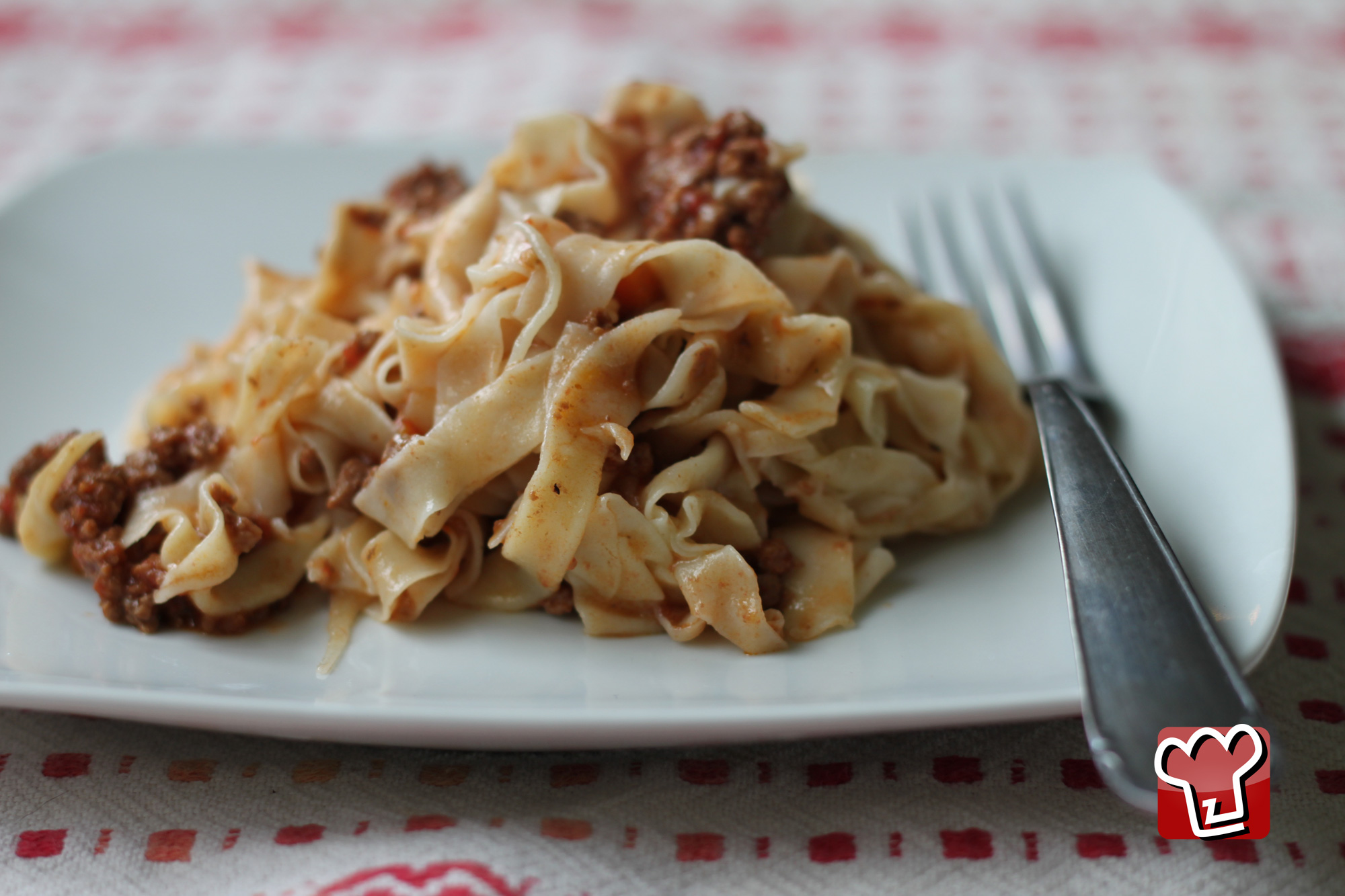
Cook the tagliatelle and serve with the Bolognese sauce
|
Additional information
Tagliatelle with Beef Ragù
One of the most appreciated variations of tagliatelle with ragù is certainly the one prepared with beef. Using quality ground meat, the dish takes on a rich and enveloping flavor. To further enhance the taste, one can opt for slow cooking, which allows the meat to release its juices and blend perfectly with the tomato sauce. A touch of red wine can also be added during the browning for an even more intense aroma. Serve the tagliatelle with ragù with a sprinkle of grated Parmigiano Reggiano for an even tastier result. This preparation is ideal for a family Sunday lunch or for a special occasion, where the authentic flavor and quality of the ingredients can truly shine.
Tagliatelle with Bolognese Ragù
Tagliatelle with Bolognese ragù represents one of the most traditional preparations from Emilia Romagna. This variation is distinguished by the use of a mixture of celery, carrot, and onion, which is slowly cooked to enhance the flavor of the ingredients. The beef is browned and deglazed with red wine, while the tomato is added only after the meat has reached optimal cooking. The original recipe calls for prolonged cooking, often up to two hours, to allow the flavors to blend perfectly. Fresh tagliatelle, made with eggs and "00" flour, pair beautifully with this rich ragù, creating a dish that is synonymous with tradition and culinary passion.
Light Tagliatelle with Ragù without Oil
For those who desire a lighter version of classic tagliatelle with ragù, it is possible to prepare a light recipe without oil. In this variation, the mixture of celery, carrot, and onion is simply cooked with a bit of water or vegetable broth, avoiding the use of extra virgin olive oil. By using lean meat, such as low-fat ground beef, and limiting the amount of tomato, it is possible to achieve a tasty and healthier dish. Additionally, the tagliatelle can be made with whole grain flours to increase the fiber content. This preparation is ideal for those following a balanced diet, without giving up the pleasure of a good pasta dish.
Nutritional Benefits of Tagliatelle with Ragù
Tagliatelle with ragù, thanks to fresh and genuine ingredients, offers several nutritional benefits. Ground beef is a good source of protein and iron, essential for the proper functioning of the body. Vegetables like celery, carrots, and onion provide vitamins and minerals, contributing to a balanced diet. Tomato sauce is rich in lycopene, an antioxidant that can help protect cells from damage. On average, a serving of tagliatelle with ragù contains about 500-600 calories, depending on the amount of meat and seasonings used. It is a nutritious dish that can provide energy to face the day, especially when consumed on special occasions or during family meals.
Can Tagliatelle with Ragù be Frozen?
Freezing tagliatelle with ragù is a very common and safe practice. After preparing the ragù, it is advisable to let it cool completely before transferring it to airtight containers or food bags. The tagliatelle can be frozen both with the ragù and separately. If you choose to freeze fresh tagliatelle, it is important to let them dry well to prevent them from sticking together. When you want to enjoy the dish, simply reheat the ragù in a pan and cook the tagliatelle in boiling water. This solution allows you to always have a ready meal in the freezer, ideal for days when you have little time to cook.