Easter bread from Le Marche
Today’s recipe belongs to the Easter culinary tradition of the Marches region of Italy, although there are variations throughout central Italy. It is a truly spectacular, leavened Easter 'cake’: a luscious emmenthal bread, perfect for serving with some sliced pork loin and with a nice full bodied red wine. One wine particularly suitable and traditionally used as an accompaniment to this Easter bread is ‘La lacrima di Morro D'Alba’, although you can choose your own preferred Italian red wine. This fabulous bread is excellent in two versions: either to serve as an appetizer for Easter dinner, or to take out as part of the Easter Monday picnic with plenty of cold cuts. When you arrive at your destination, all you need to do is slice your cake and serve with the salami and hams.
Ingredients
* approximate values per serving
Preparation
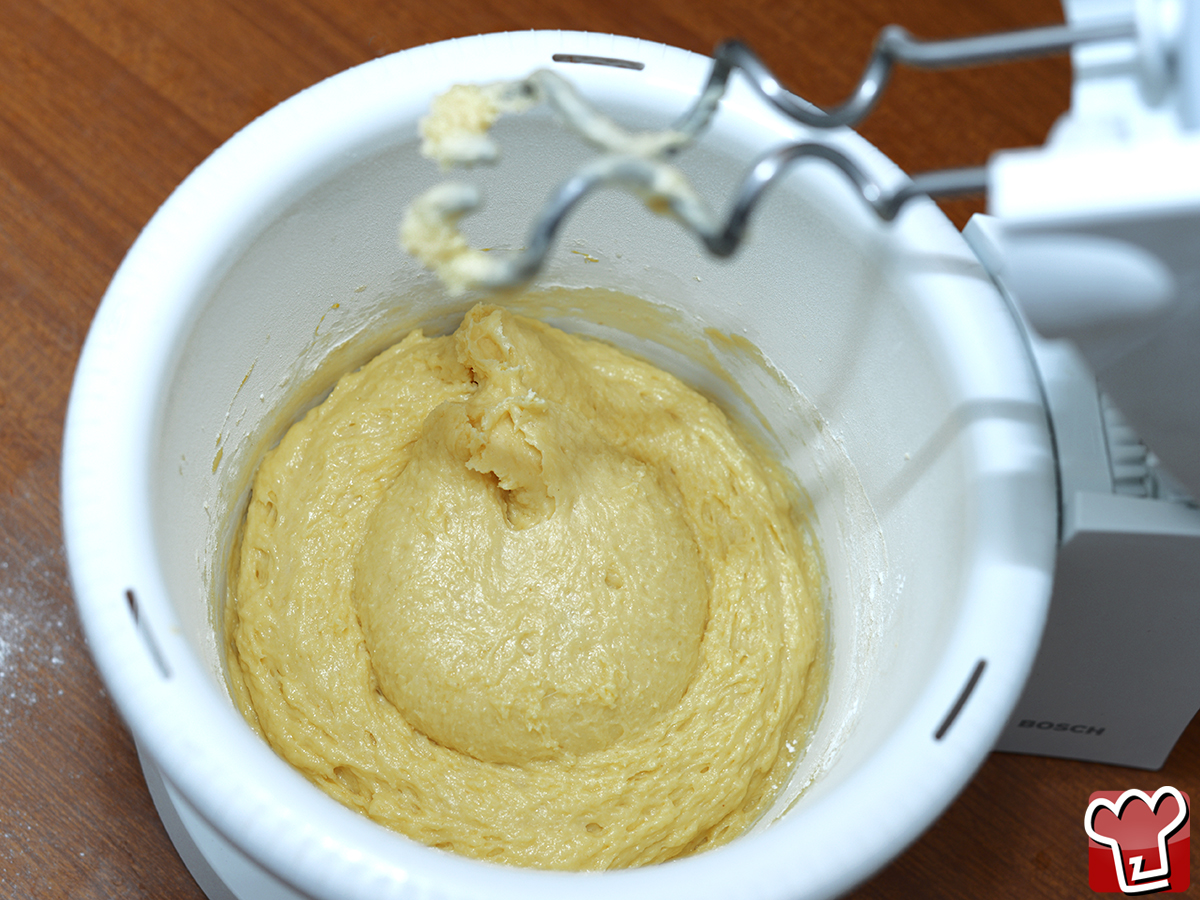
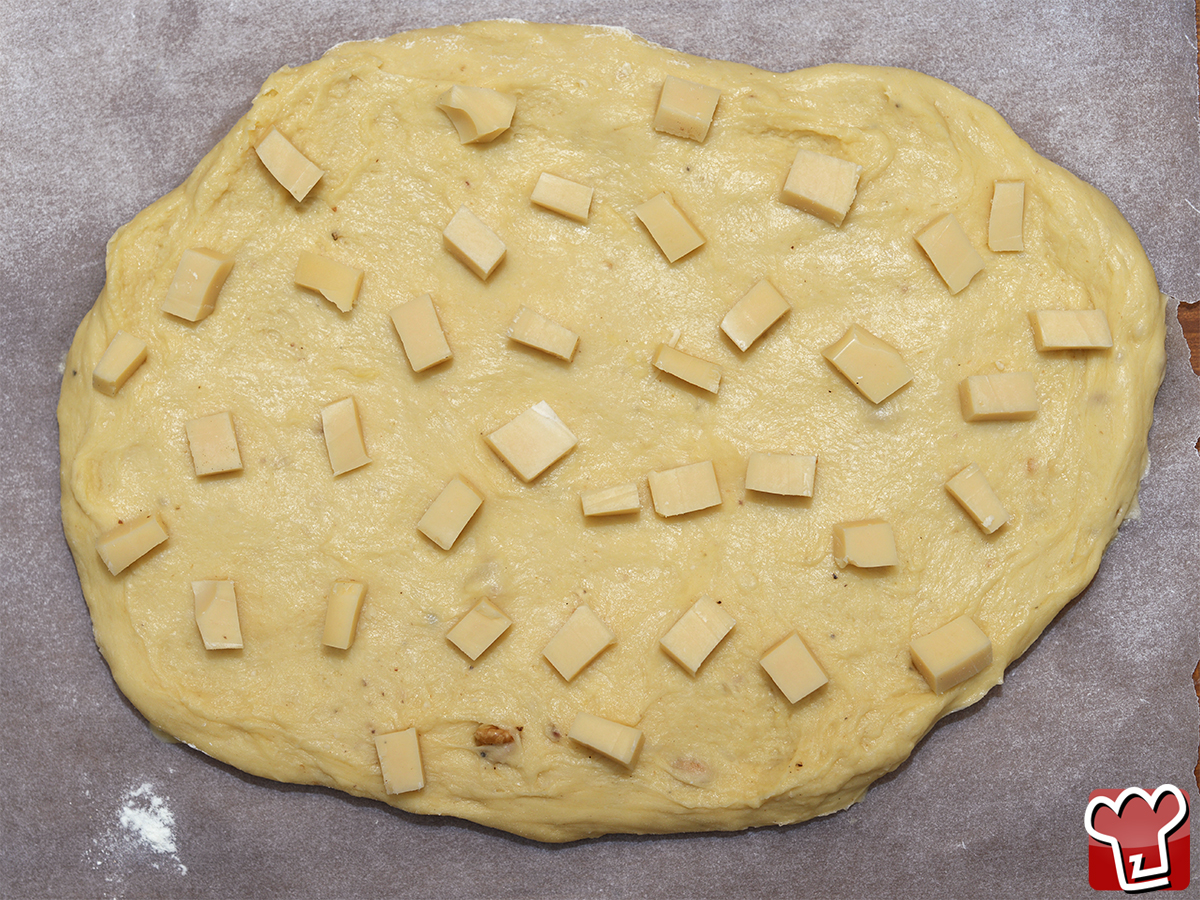
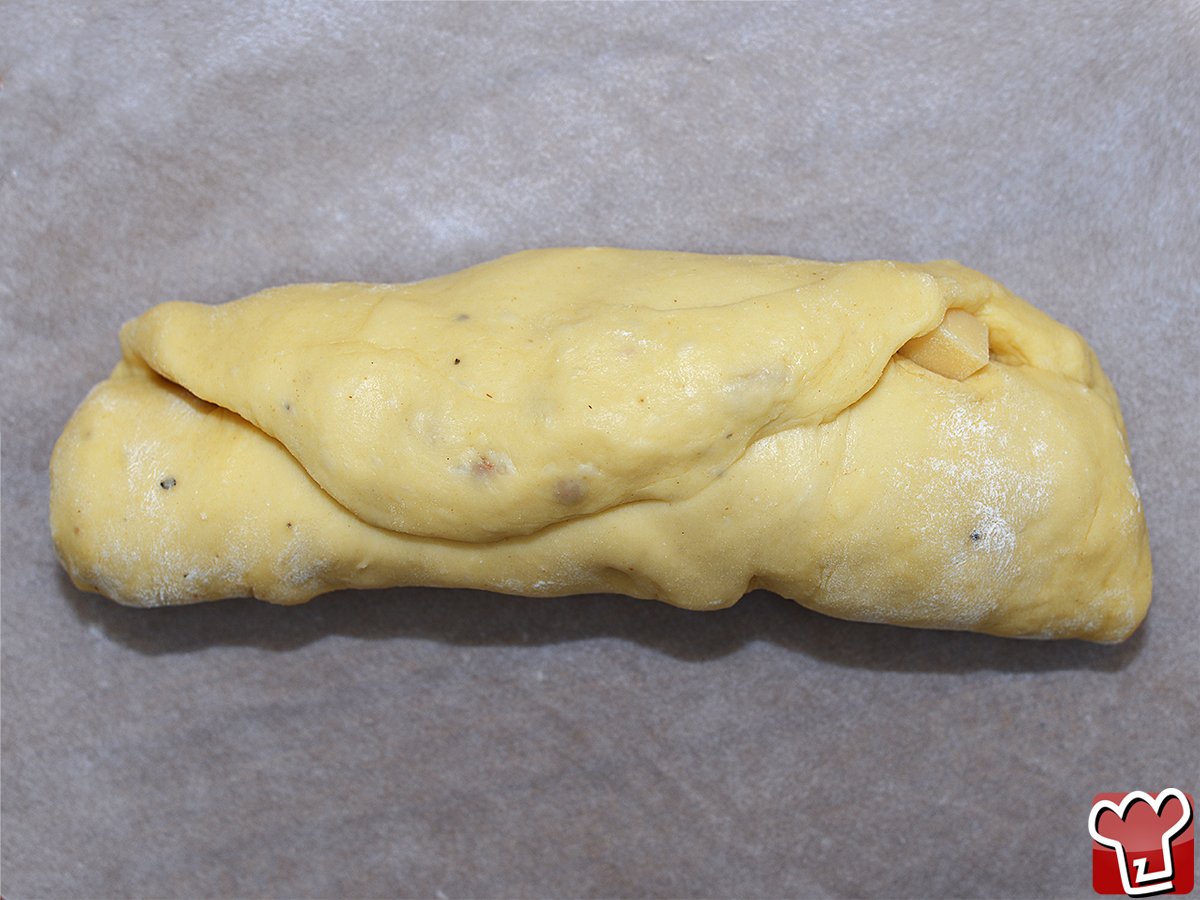
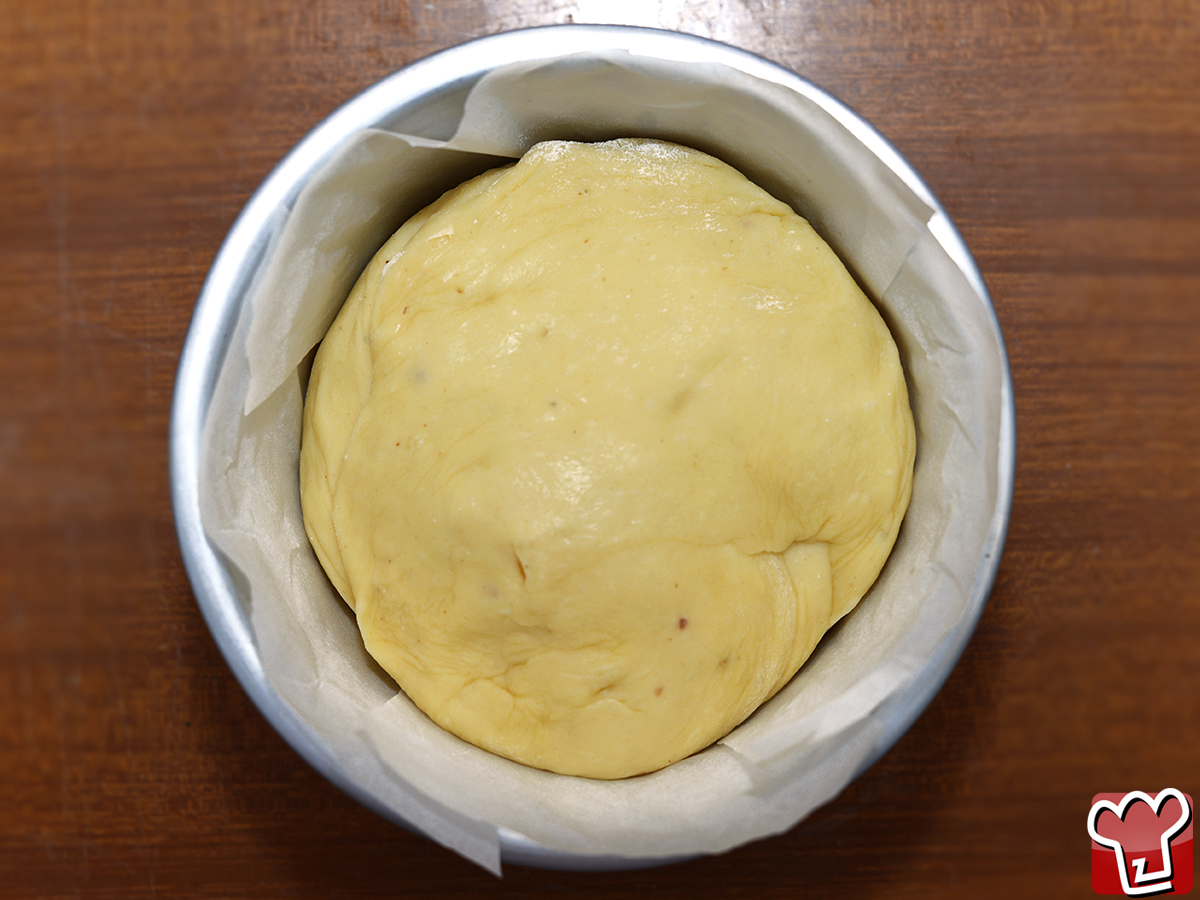
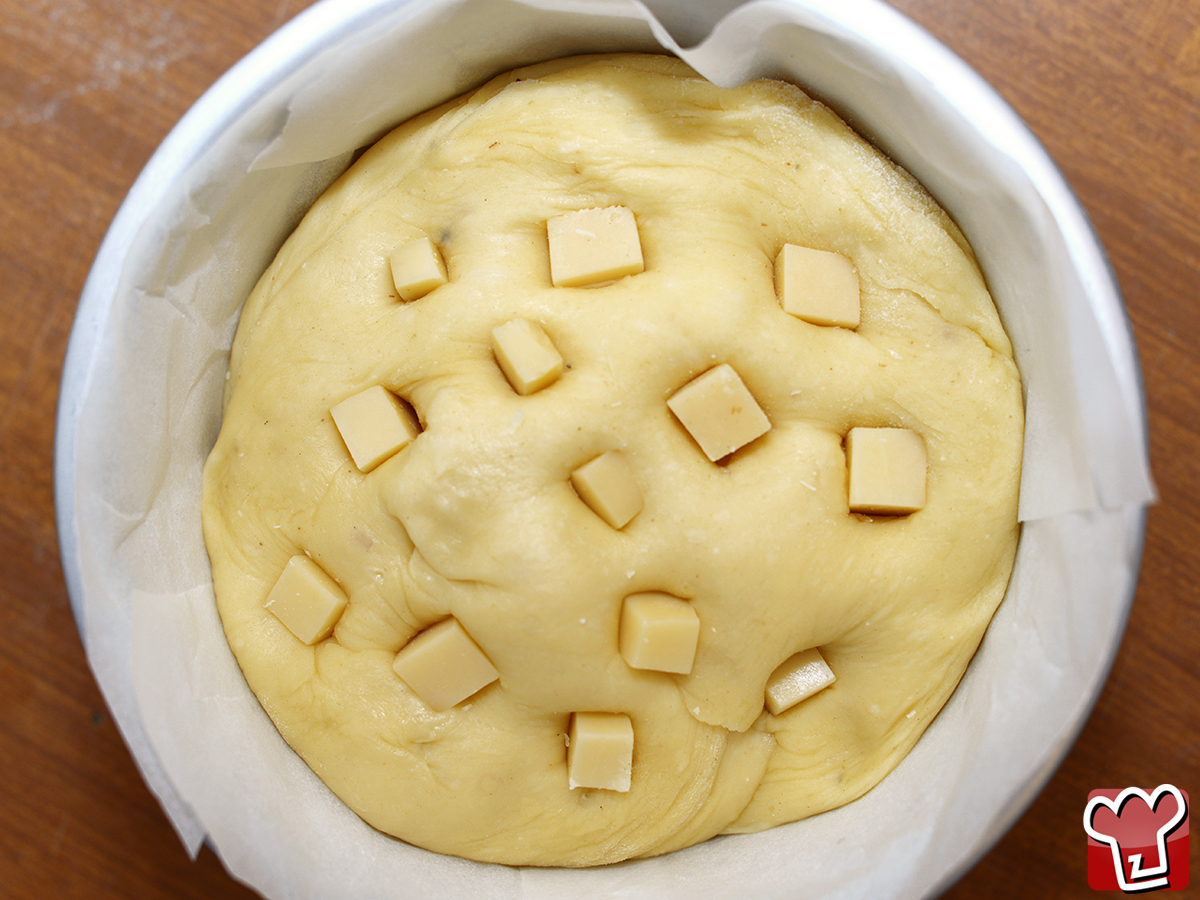
For this recipe the ingredient quantities are measured out with an empty 125g jar of yogurt i.e. after using the yoghurt in the recipe, you then use the empty container to measure out the other ingredients. Put the eggs in a mixer and start to mix, adding one at a time: the yogurt, the sifted flour with baking powder, oil, and the pecorino and Parmesan cheeses. If you wish you can also add some coarsely chopped walnuts. Add salt and pepper to taste. Spread the mixture onto a lightly floured work surface and add the diced emmental, leaving aside a few pieces. Roll up the dough and put it in a baking tin approximately 15 cm in diameter which has been well greased and floured. Add the set-aside diced cheese to the top of the mixture, lightly pressing them into the dough. Bake in a preheated oven at 180°C for 30-40 minutes. When cooked, let the bread cool, then remove it from the mould by turning it over and lightly tapping its bottom.
Step by step
|
View the step by step
|
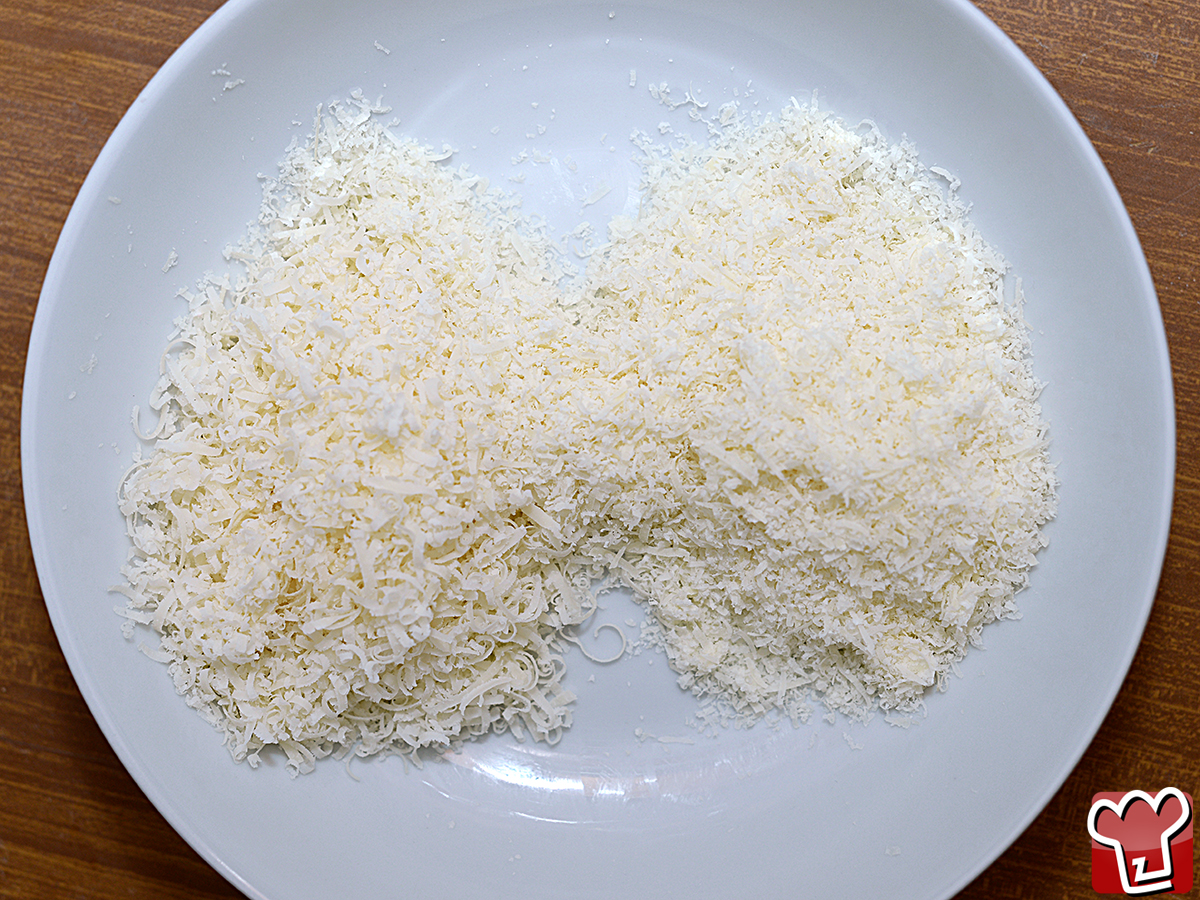
Add the pecorino and parmesan cheeses to the dough
|
|
View the step by step
|
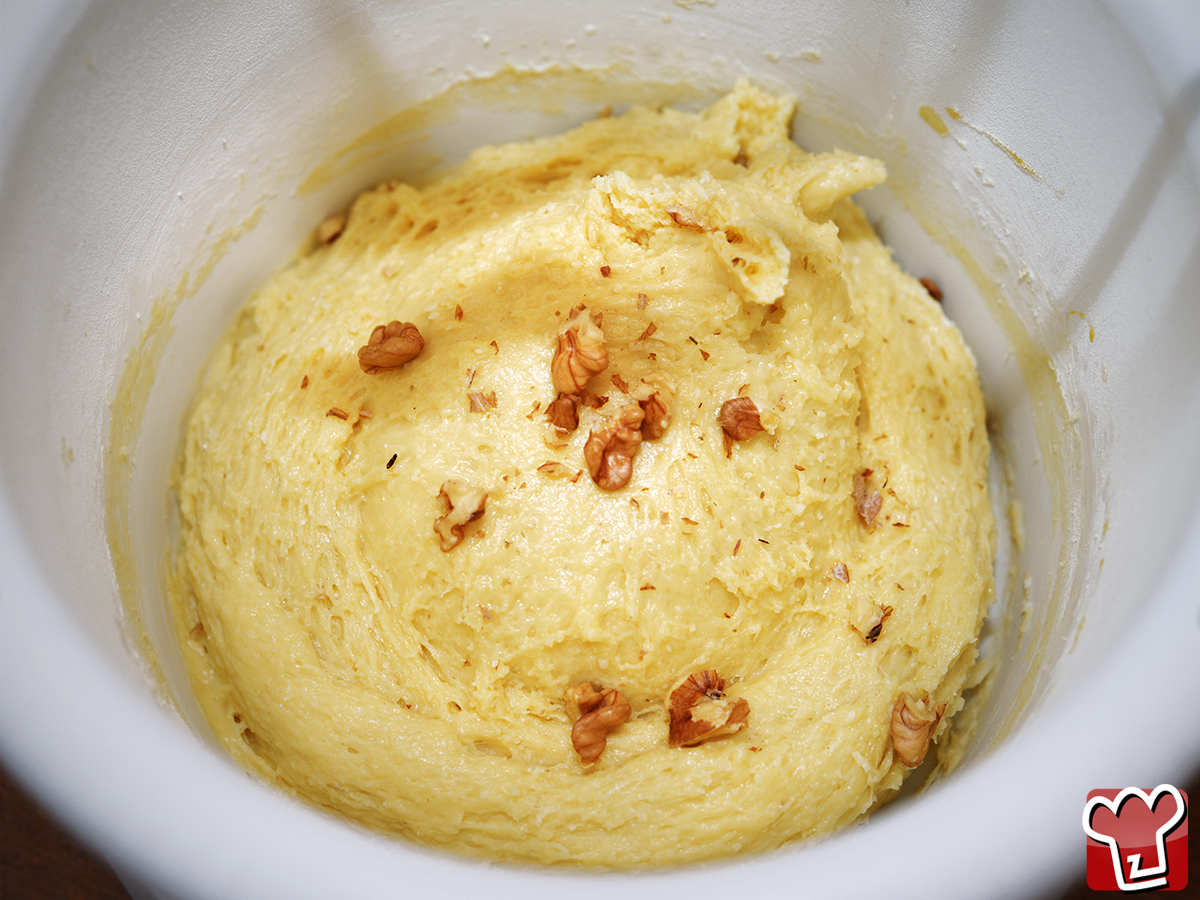
If you wish you can also add some coarsely ground walnuts
|
|
View the step by step
|
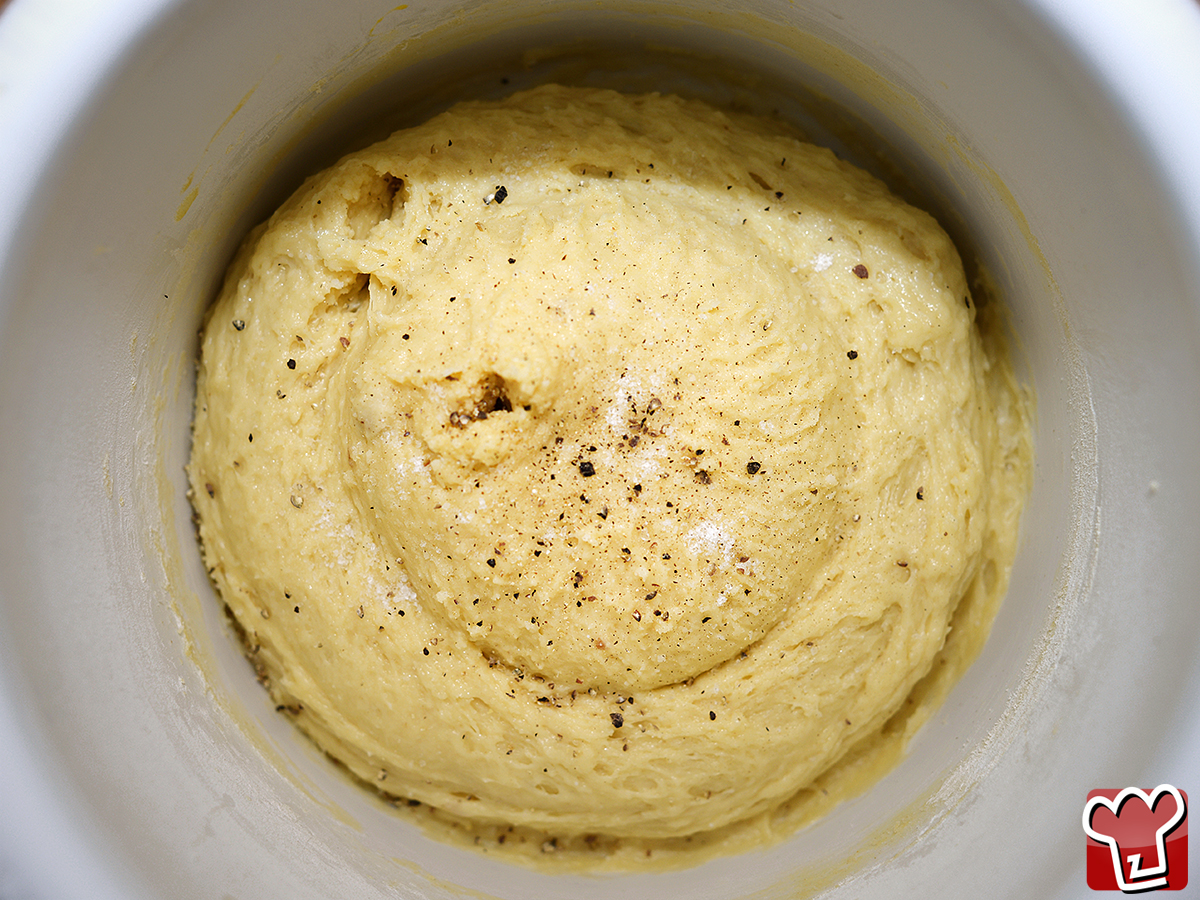
Add salt and pepper to taste
|
|
View the step by step
|
Roll out the dough on a lightly floured worktop and add the diced emmental, setting aside a few pieces
|
|
View the step by step
|
Roll up the dough
|
|
View the step by step
|
Put the dough in an oven dish of about 15cm in diameter, previously well-greased and floured
|
|
View the step by step
|
Add the set-aside diced emmental, pressing it lightly into the surface of the dough
|
|
View the step by step
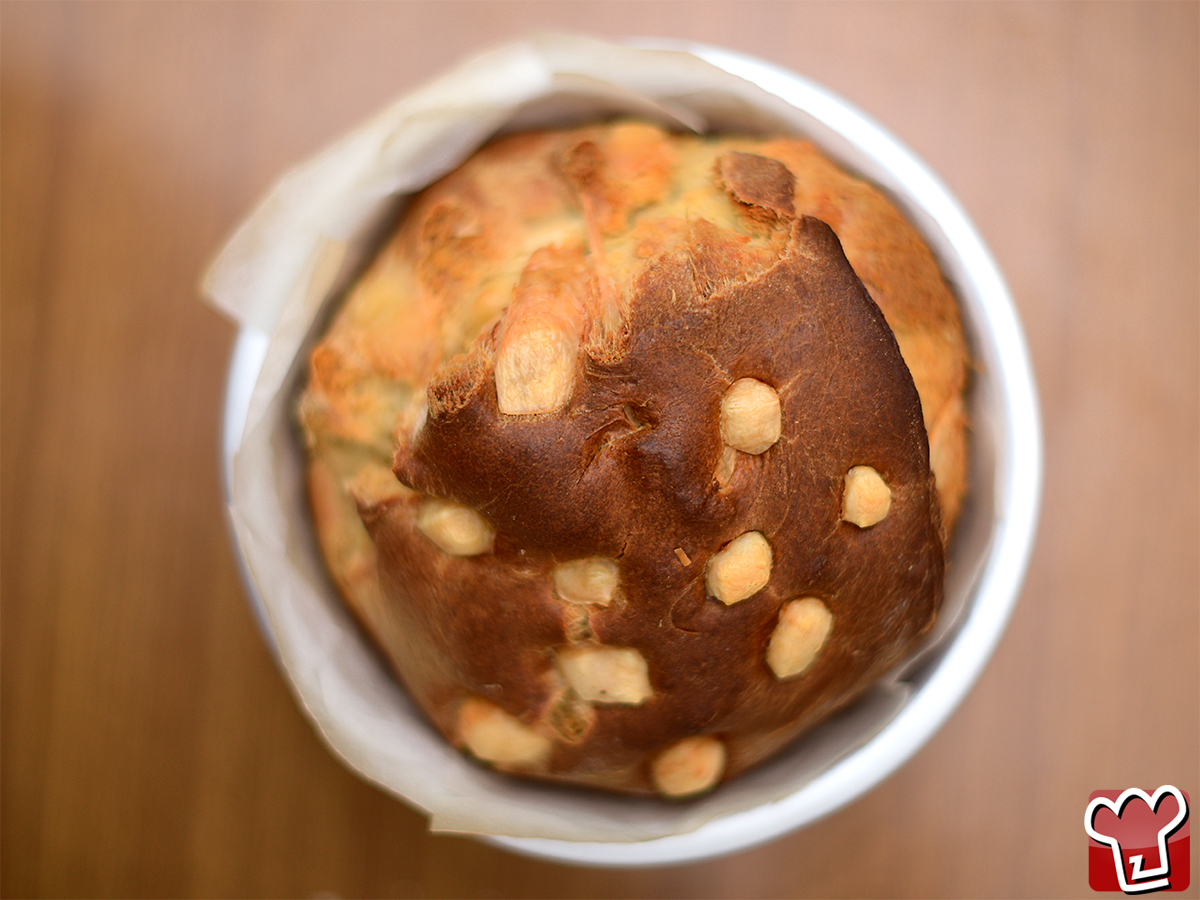
|
Bake in a pre-heated oven at 180°C for 30-40 minutes. Once cooked, leave to cool
|
|
View the step by step
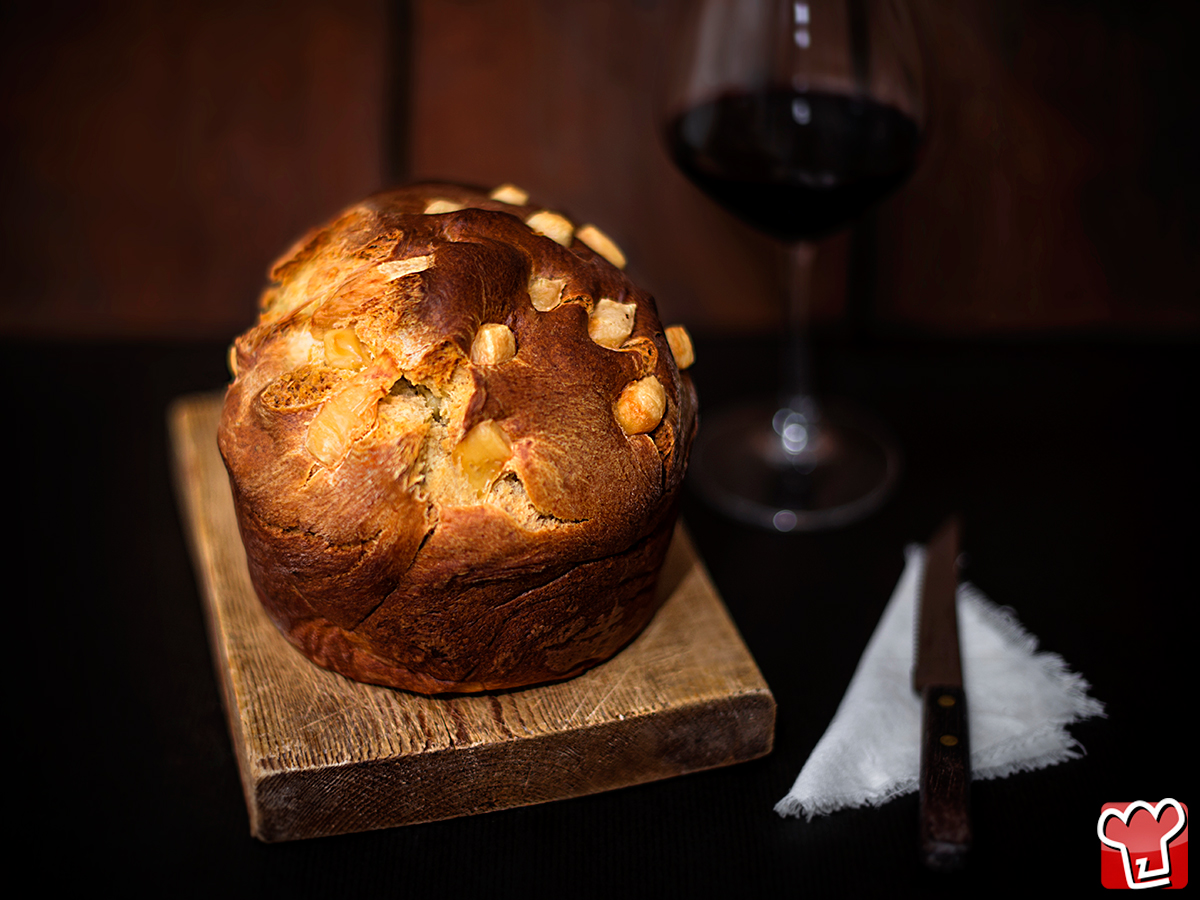
|
To remove the bread from its baking tray, turn it upside down and lightly tap its bottom
|
Additional information
Marchigian Easter Cake with Walnuts
One of the tastiest variations of the Marchigian Easter Cake is certainly the one that includes walnuts. Coarsely chopped walnut kernels not only enhance the flavor of the dish but also add a pleasant crunch to the soft texture of the cake. To prepare this version, simply follow the traditional recipe and incorporate the walnuts into the batter while mixing the ingredients. This variation is perfect for those who love contrasting textures and desire a dish that surprises with every bite. Additionally, walnuts are an excellent source of omega-3 and antioxidants, making the cake not only delicious but also more nutritious.
Traditional Marchigian Easter Cake
The Marchigian Easter Cake can be prepared in various ways, but the traditional Marchigian recipe best represents the region. This dish is a symbol of Easter in the Marche and is often served during the festivities. The preparation involves using fresh and local ingredients, such as pecorino romano and parmesan, which give an authentic and rich flavor. The cake can be baked in a wood-fired oven, which imparts a special aroma and perfect texture. Enjoying it in good company, perhaps paired with a good local wine, allows one to immerse in the Marchigian gastronomic culture and appreciate its culinary traditions.
Light Marchigian Easter Cake without Oil
For those looking for a lighter version of the Marchigian Easter Cake, it can be made without oil. By replacing peanut oil with Greek yogurt or a larger amount of cheese, a lighter batter is achieved while still maintaining the goodness of the original dish. This preparation is ideal for those who want to enjoy an Easter sweet without feeling weighed down. The light recipe still retains the flavor of pecorino and parmesan, but with a reduced caloric intake, making it suitable for those on a controlled diet. Additionally, one can opt for whole wheat flour, contributing to a higher fiber content.
Nutritional Benefits of the Marchigian Easter Cake
The Marchigian Easter Cake is a dish rich in nutrients thanks to the ingredients used. Pecorino romano and parmesan are excellent sources of calcium and protein, essential for bone and muscle health. Eggs, another key ingredient, provide B vitamins and essential amino acids. If walnuts are added, the dish is further enriched with healthy fats and antioxidants. In terms of calories, a serving of Marchigian Easter Cake can vary between 250 and 350 calories, depending on the ingredients used and portion sizes. This makes it an excellent choice for a hearty snack or a family lunch during the Easter holidays.
Can the Marchigian Easter Cake be Frozen?
Freezing the Marchigian Easter Cake is possible, but there are some precautions to follow to best preserve the taste and texture of the dish. It is advisable to freeze the cake after baking, once it has completely cooled. To do this, wrap the cake in plastic wrap and then place it in an airtight container. This way, frost formation is avoided, and freshness is preserved. When you wish to consume it, you can let it thaw in the refrigerator for several hours or at room temperature. However, it is recommended to consume it within a month to ensure quality. Gently reheating it in the oven will restore its softness and flavor as if it were freshly baked.