Little chickpea fritters
With only a few quality ingredients you can make chickpea fritters at home, a typical Sicilian street food. They are fried and often served inside soft rolls, flavoured to taste with pepper and a squeeze of lemon. The people of Palermo tend not to cook the fritters at home, given its ready availability on every street corner of the city ... but we think this recipe will be useful to anyone who doesn’t live on the island and doesn’t want to miss out on such a lovely delicacy!
Ingredients
* approximate values per serving
Preparation
Chickpea flour fritters (from western Sicily). Mix the chickpea flour into moderately salted water on a low heat, stirring with a wooden spoon always in the same direction, until you get a smooth paste without lumps. When the dough comes away from the side of the pan, transfer it to a pastry board of oiled wood or marble, and roll it out until it is about half a centimetre in height. As soon as the dough cools, cut into strips or squares: these are fried in hot oil or lard. The Palermo eat ‘panelle’ - that is, these fried chickpea fritters - still hot, inside freshly baked bread, cut in half, with a few drops of lemon juice and salt. Sometimes, mixed in with the chickpea flour will be chopped parsley. It’s a popular specialty similar to Ligurian ‘panissa’ or certain Tunisian ‘fritters’.
Step by step
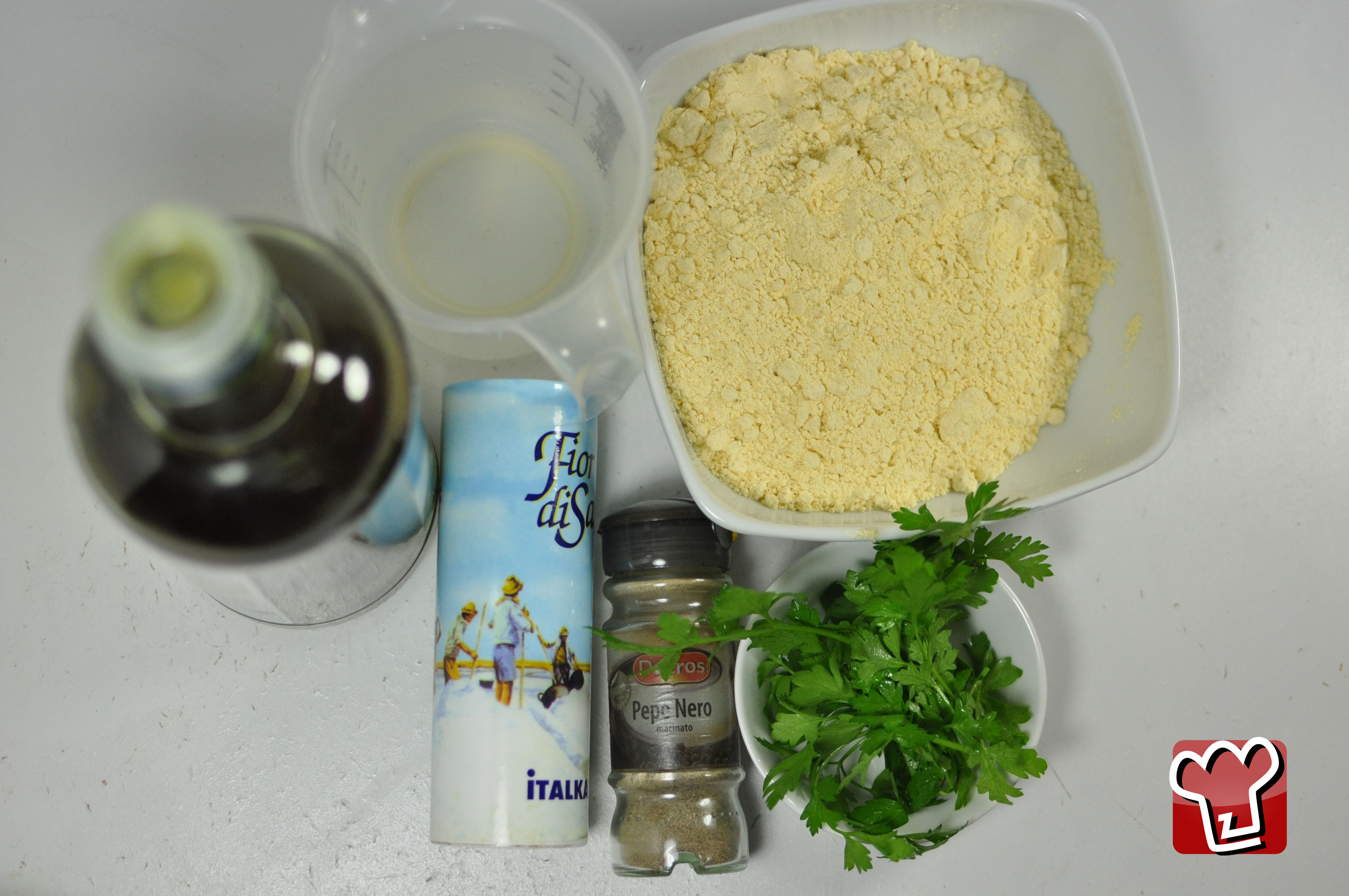
|
View the step by step
|
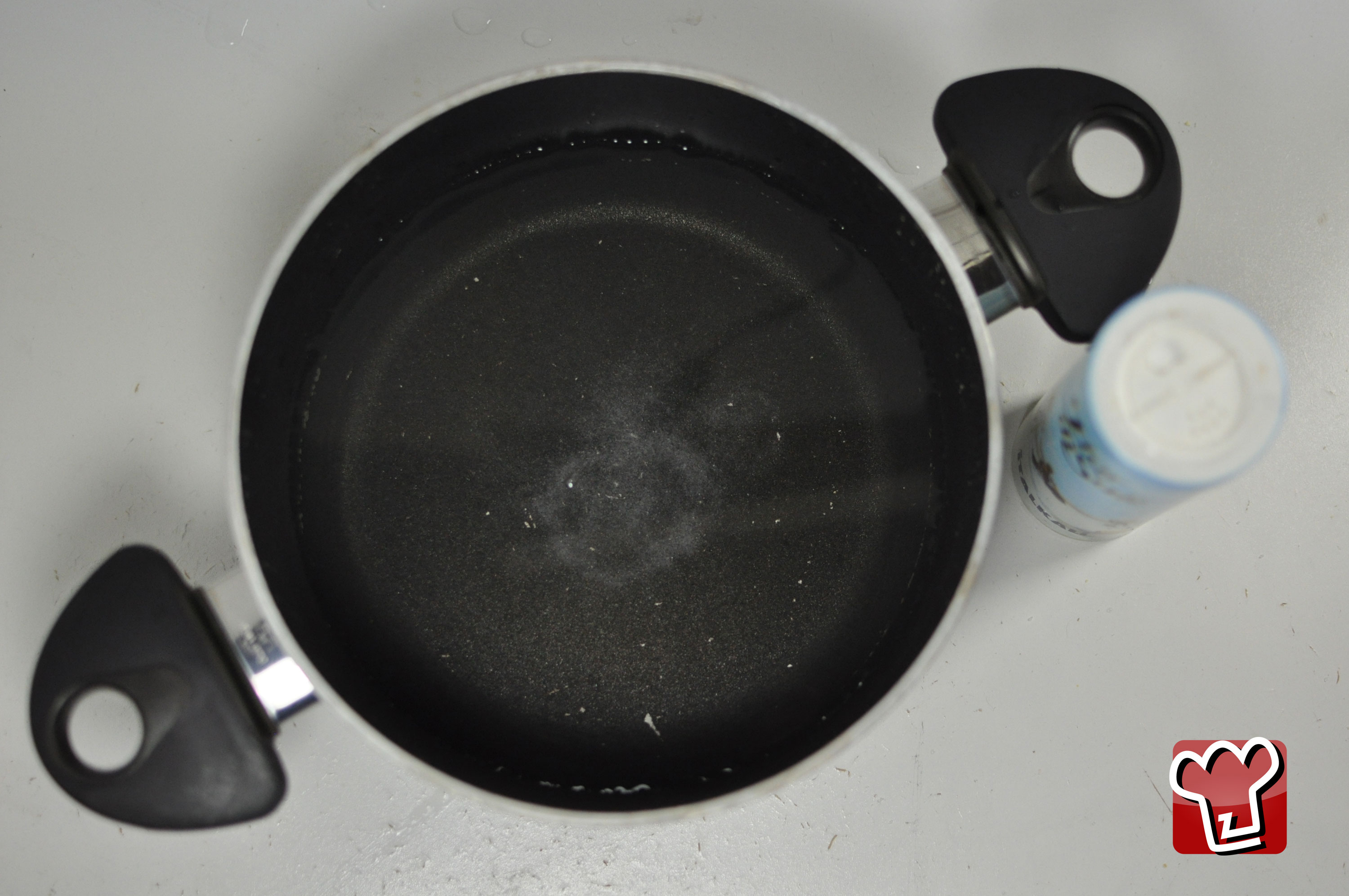
Put the water and salt into a large saucepan
|
|
View the step by step
|
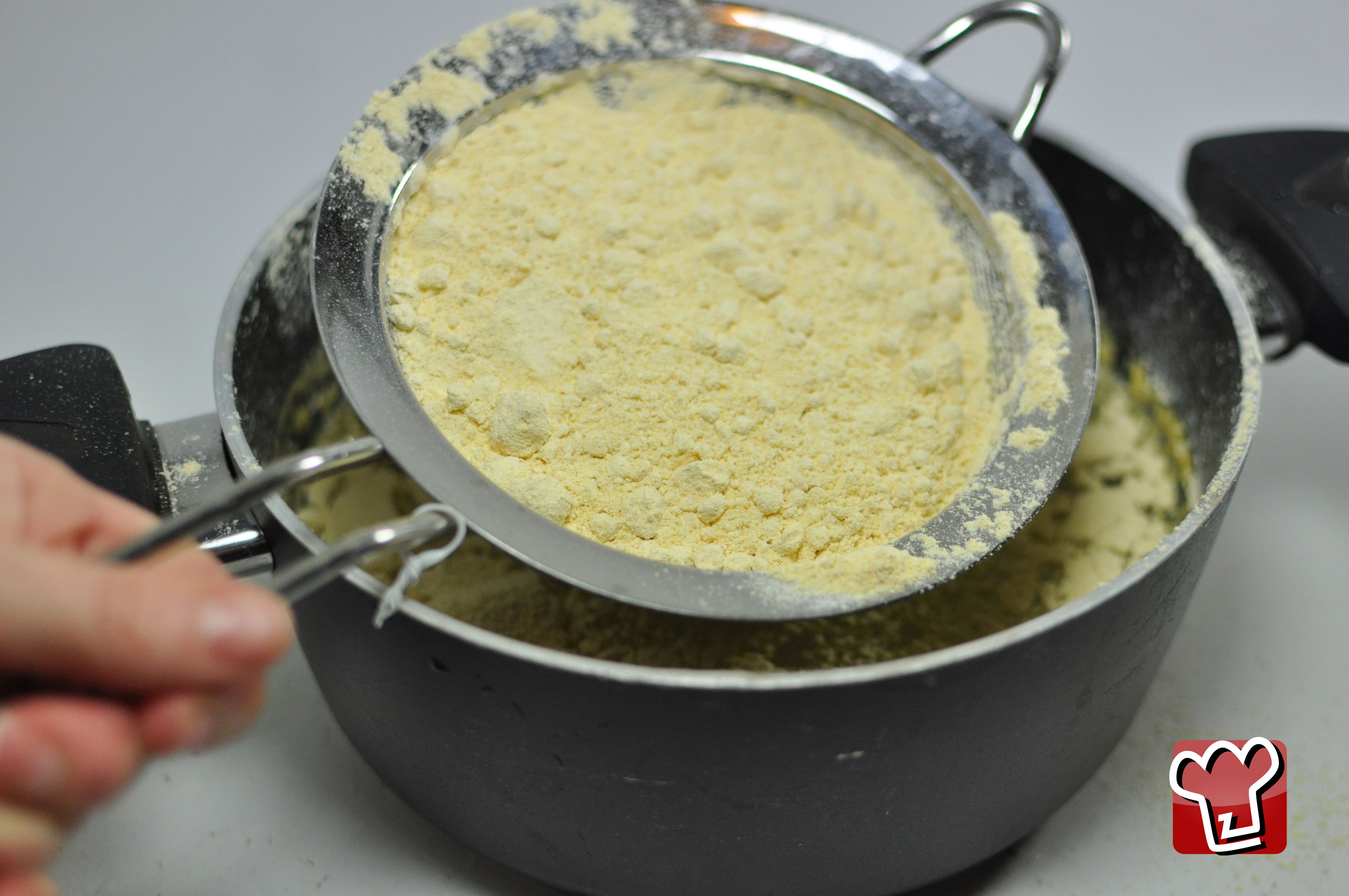
Put the sifted chickpea flour in the water
|
|
View the step by step
|
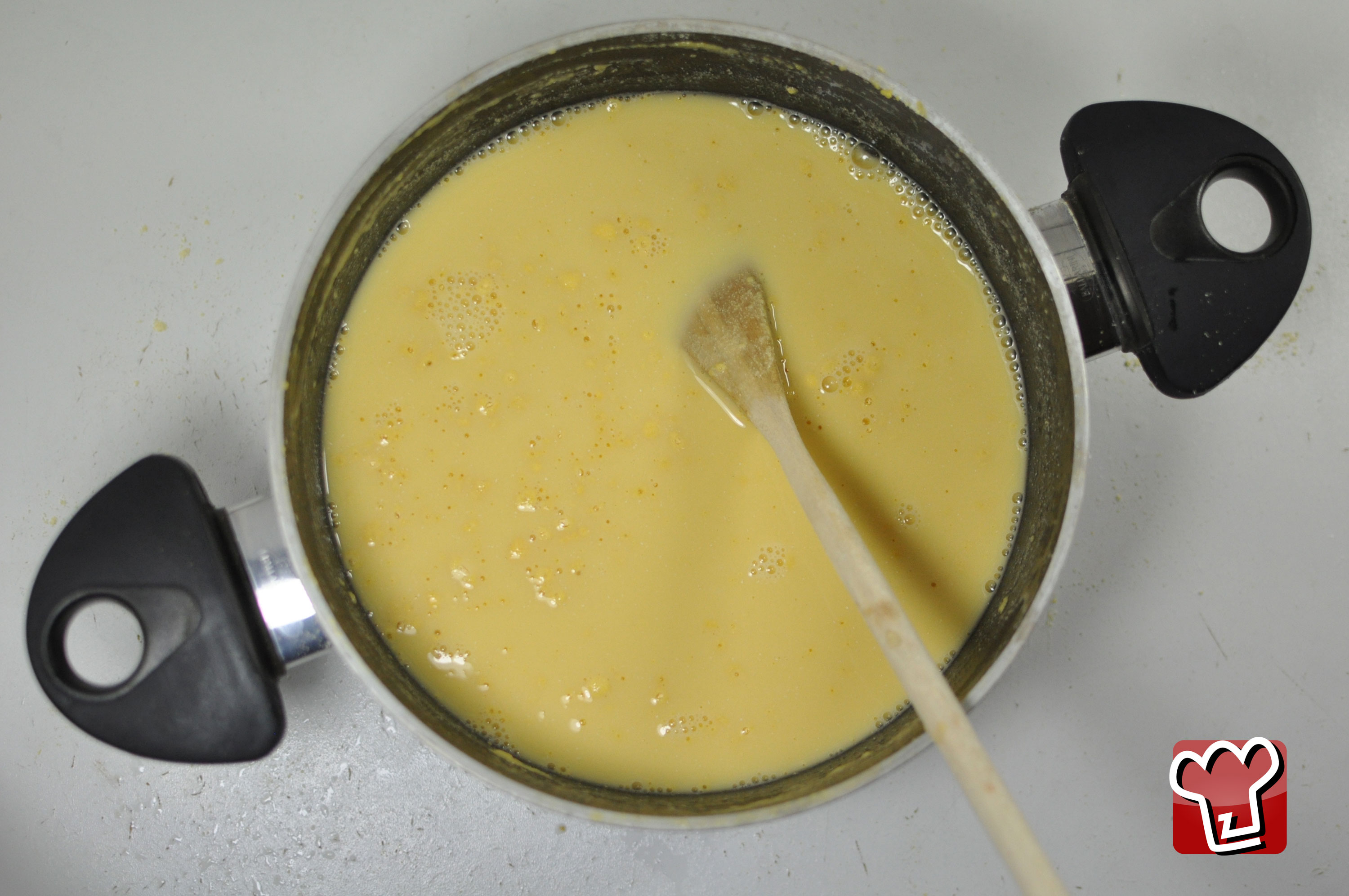
Mix well to get a smooth consistency without lumps
|
|
View the step by step
|
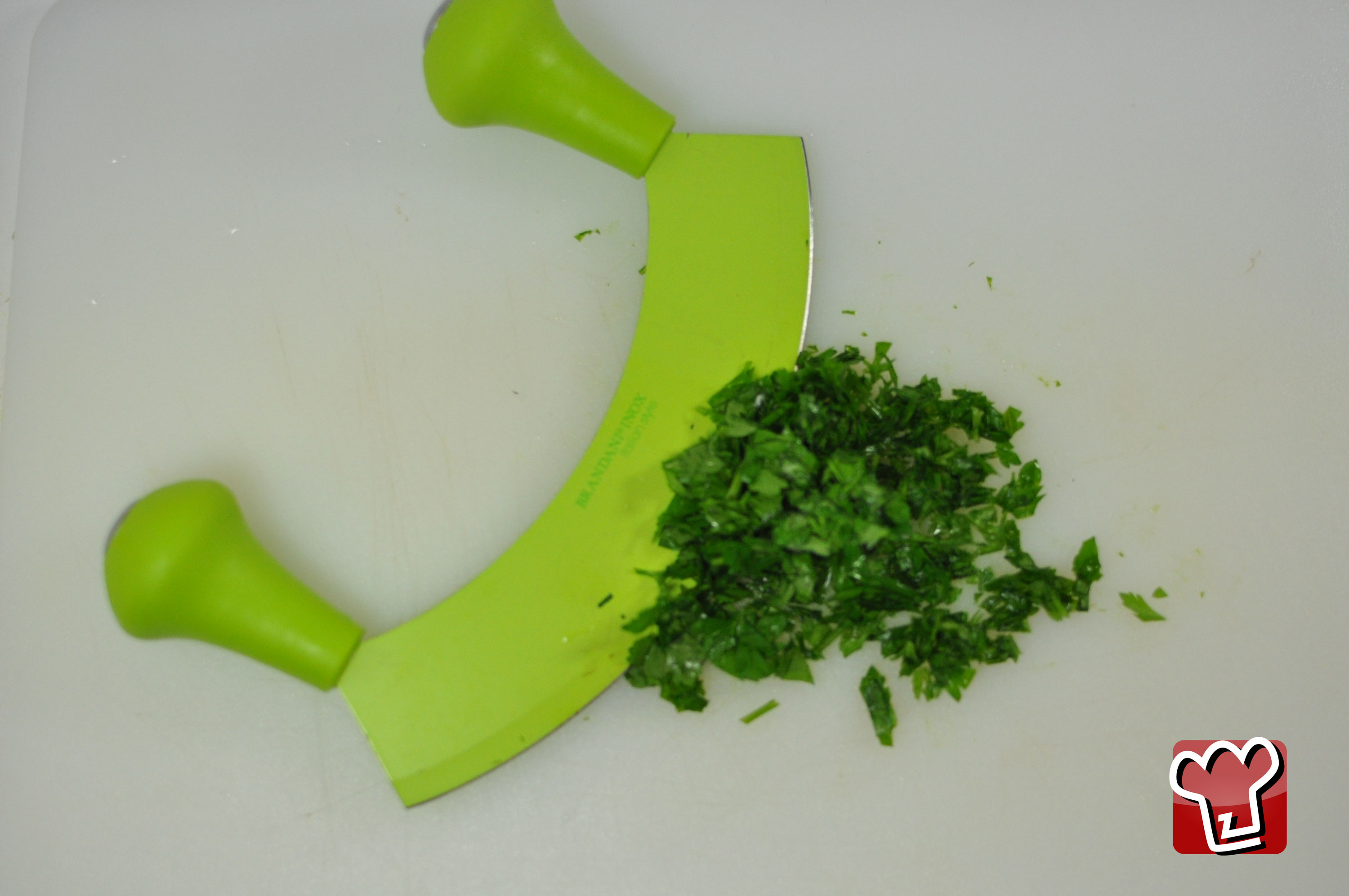
Finely chop some flat leaf parsley
|
|
View the step by step
|
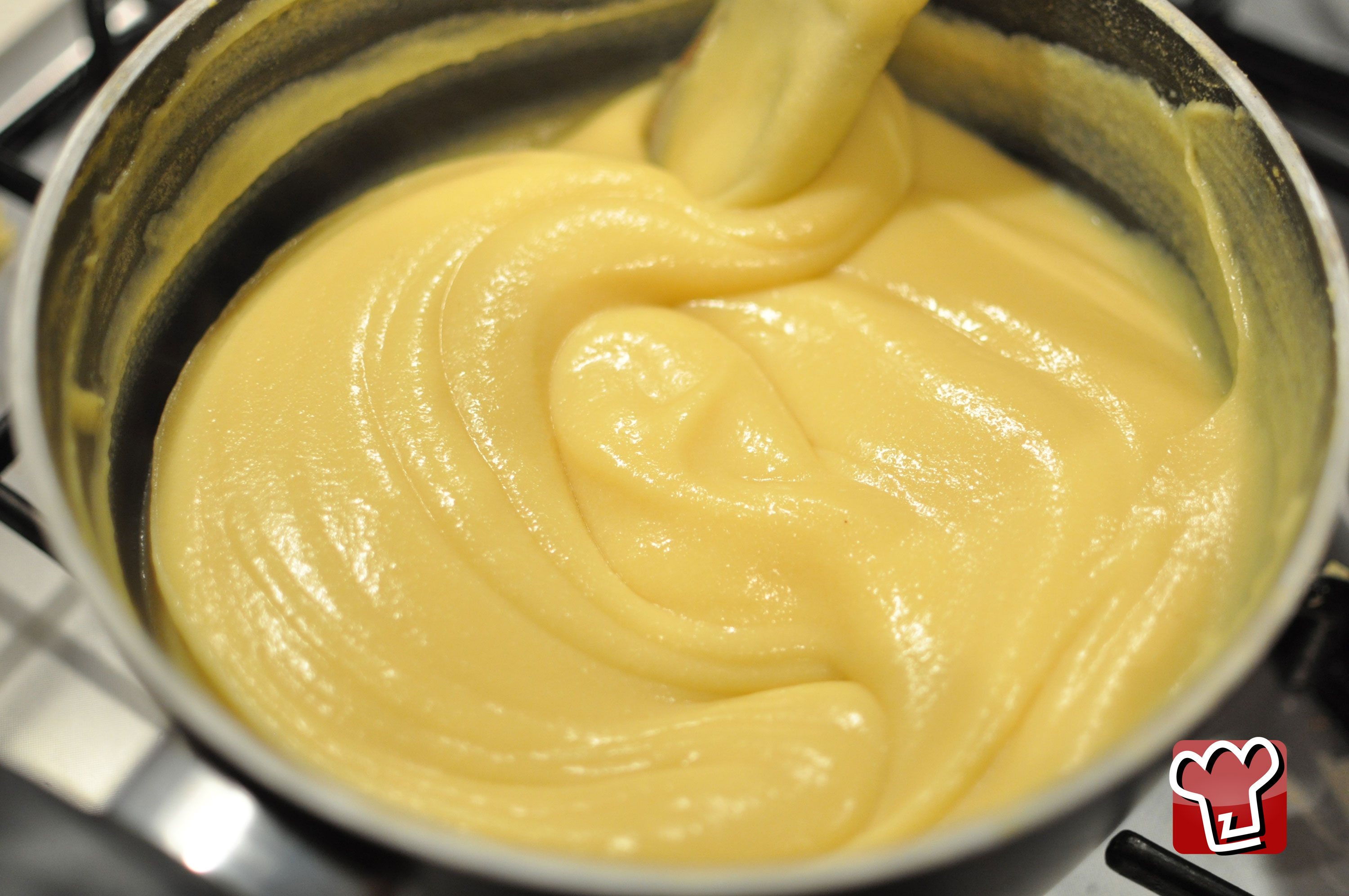
Place over low heat, stirring constantly, until the dough is well cooked and comes away from the sides of the pan
|
|
View the step by step
|
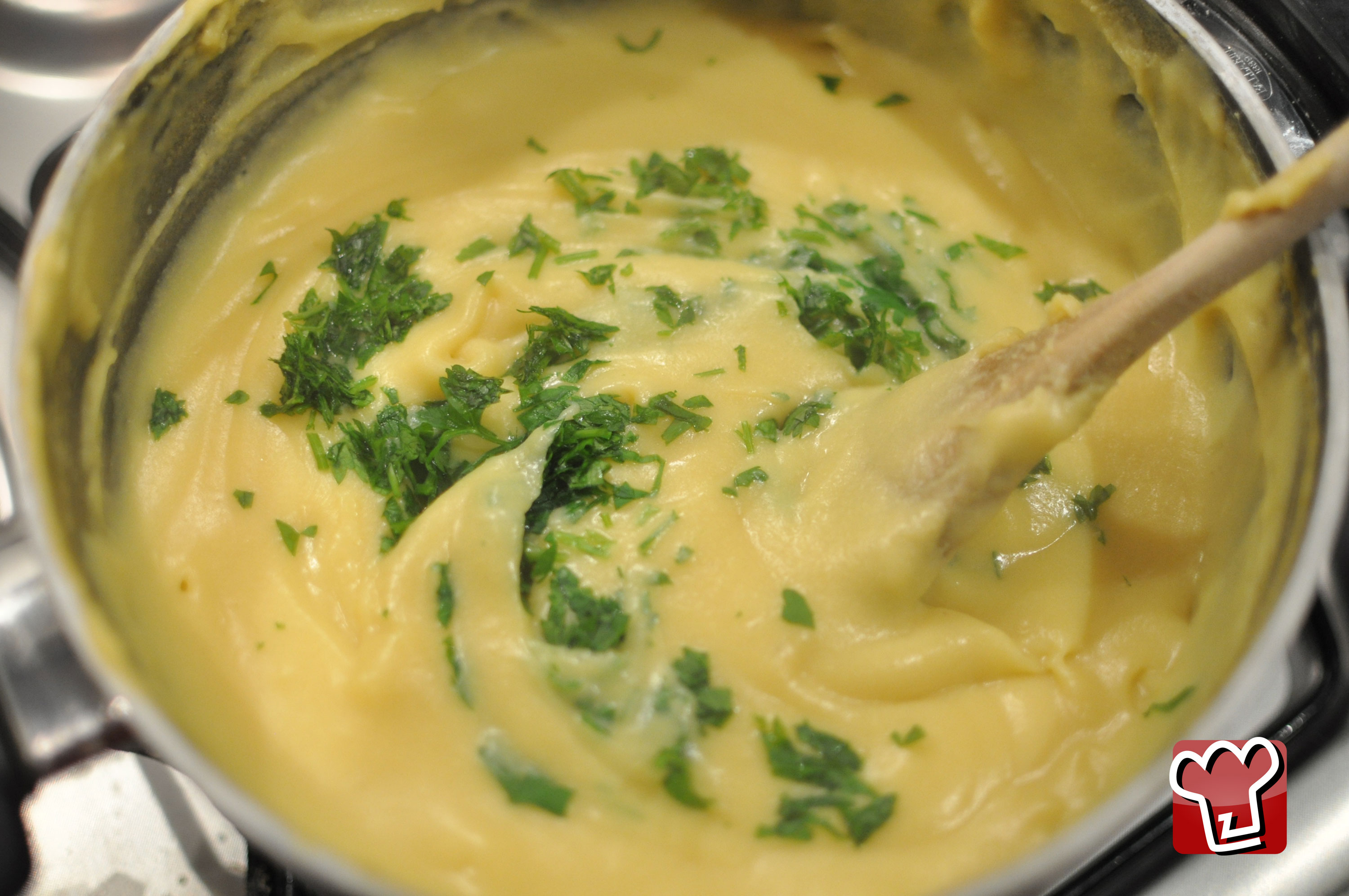
Turn off the heat and add the parsley
|
|
View the step by step
|
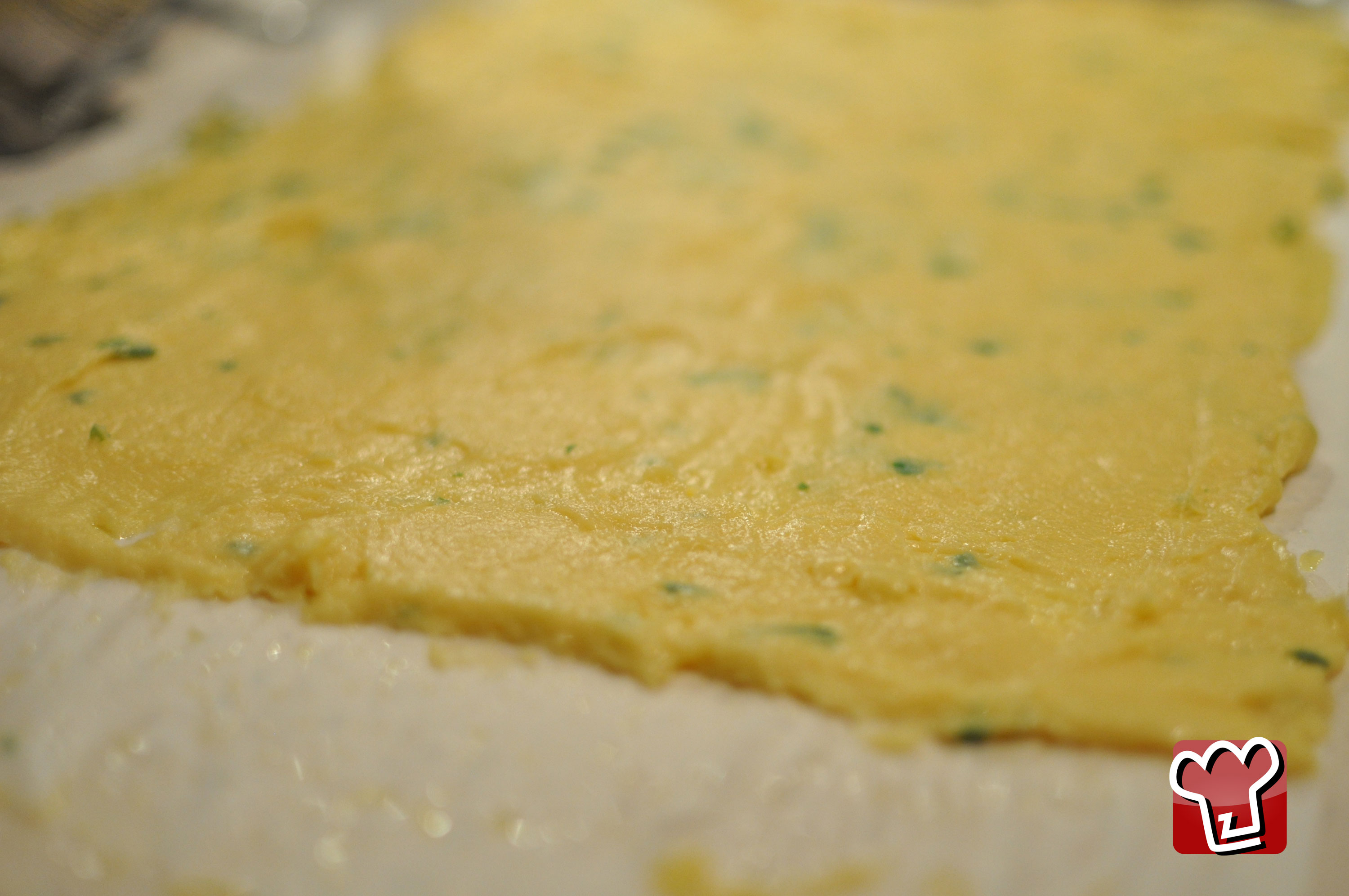
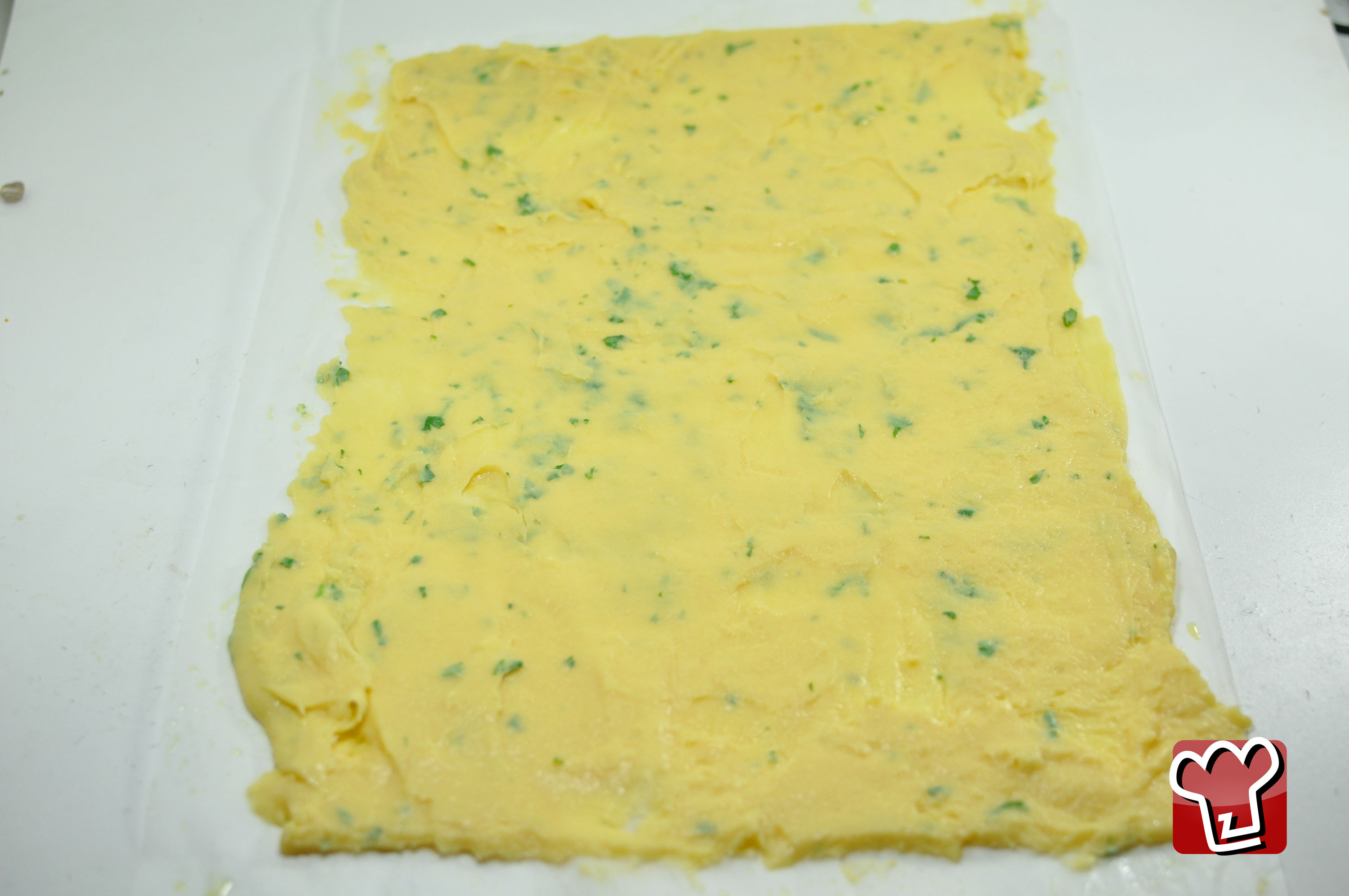
Place the dough on an oiled pastry board and, very quickly, spread it out evenly to a thickness of 3-4 mm with the help of a spoon dipped in water
|
|
View the step by step
|
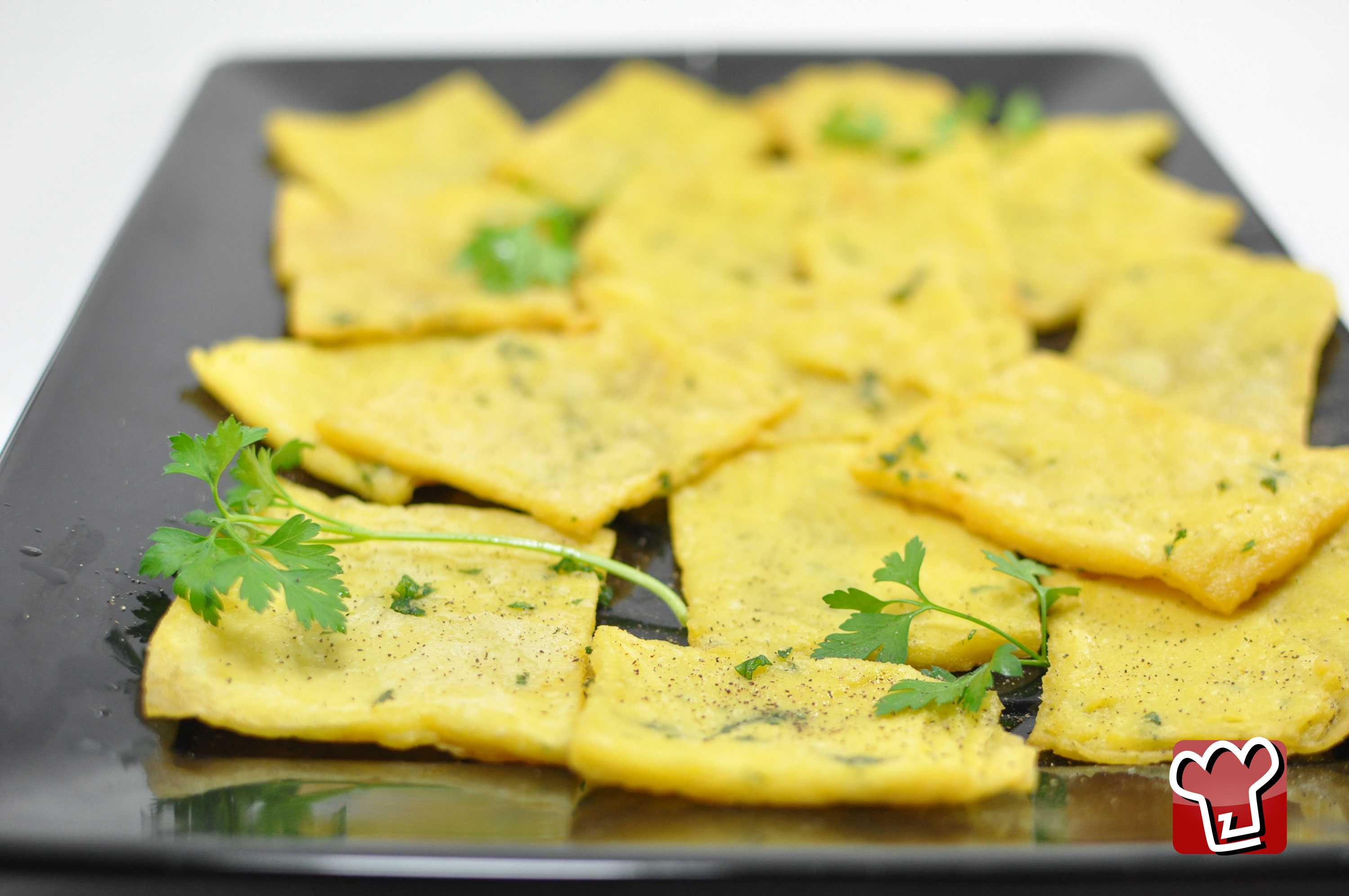
Leave the dough to cool, so that it dries a little, and cut it up into little rectangles
|
|
View the step by step
|
Fry the fritters in lots of hot oil, season with pepper and serve hot
|
Additional information
Panelle with fresh parsley and lemon
One of the tastiest variations of panelle is the one enriched with fresh parsley and a splash of lemon. This preparation not only enhances the flavor of chickpea flour but also adds a note of freshness that makes the dish even more inviting. To make this version, simply incorporate finely chopped parsley into the chickpea batter before pouring it into the molds. Once fried, the panelle can be served with a generous squeeze of lemon juice, which perfectly balances the frying and makes every bite truly delicious. This dish is ideal as an appetizer or as street food, perfect for a tasty break during a summer day.
Traditional Sicilian Panelle
Sicilian panelle represent a true institution of the island's street food. The traditional recipe calls for chickpea flour, water, and salt, without the addition of other ingredients. The preparation is done slowly, mixing the flour into salted water until a homogeneous consistency is achieved. After pouring it into the molds, the batter cools and is cut into regular shapes. Fried in plenty of peanut oil, Sicilian panelle are crispy on the outside and soft on the inside. Served hot, often accompanied by a piece of bread, they are a true delight for the palate and a symbol of Sicilian culinary tradition.
Light Panelle with oven baking
For those who want to enjoy panelle without feeling heavy, there is a light version that involves baking instead of frying. In this preparation, the chickpea batter is spread on a baking tray lined with parchment paper and then baked in a preheated oven until a golden crust forms. This method allows for maintaining the authentic flavor of panelle while drastically reducing the caloric intake and fat content. Oven-baked panelle can be served with a yogurt and lemon sauce for a fresh and light pairing. Ideal for those following a balanced diet, these panelle are also perfect as a snack or appetizer for a light dinner.
Nutritional benefits of chickpea panelle
Panelle, made from chickpea flour, are an excellent source of plant-based protein, fiber, and essential nutrients. Thanks to the presence of chickpeas, this dish is rich in iron, magnesium, and B vitamins, which contribute to the overall well-being of the body. Additionally, panelle have a low glycemic index, making them suitable for those who need to monitor their blood sugar levels. A portion of fried panelle provides about 200-250 calories, but the baked variants can reduce this value. Consuming chickpeas in your diet can also promote digestion and contribute to heart health, making panelle not only a tasty choice but also a healthy one.
Can panelle be frozen?
Yes, panelle can be frozen, but it is important to follow some simple guidelines to preserve their quality. After frying them, let them cool completely and then arrange them in a single layer on a tray. Once frozen, they can be transferred to a food bag or airtight container. This way, they won't stick together. When you want to consume them, simply reheat them in the oven or fry them again for a few minutes. This method allows you to maintain their crispiness and flavor, letting you enjoy a delicious snack even later on.