Spinach and chard tart
Among the various Italian regional cuisines, that of Emilia is certainly one of the most flavourful, full of fragrance and colour, thanks in no small part to the incredible fertility of the land in this part of Italy. Here, the art of eating well is communicated down the generations, respecting the traditions whilst at the same time offering the occasional interesting innovation. The recipe we have for you today is one of those dishes that are an integral part of that regional culinary heritage, a compelling reason to choose this region as an ideal destination for those who love the good life, eating really good quality and authentic food, made without pretention, but always relying on the excellent quality of the raw material: a spinach and chard tart known as ‘erbazzone’. However, to give a touch of originality to our recipe we decided to prepare a variant with a tasty and fragrant pastry crust, which makes it even more compelling: are you ready to try it?
Ingredients
* approximate values per serving
Preparation
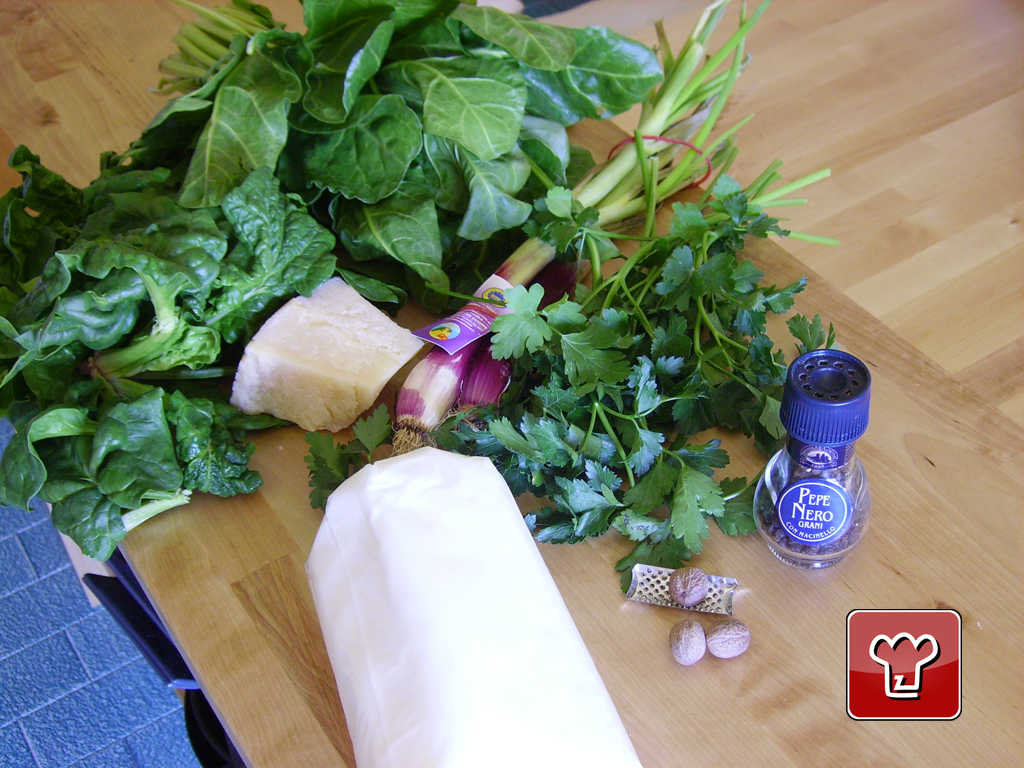
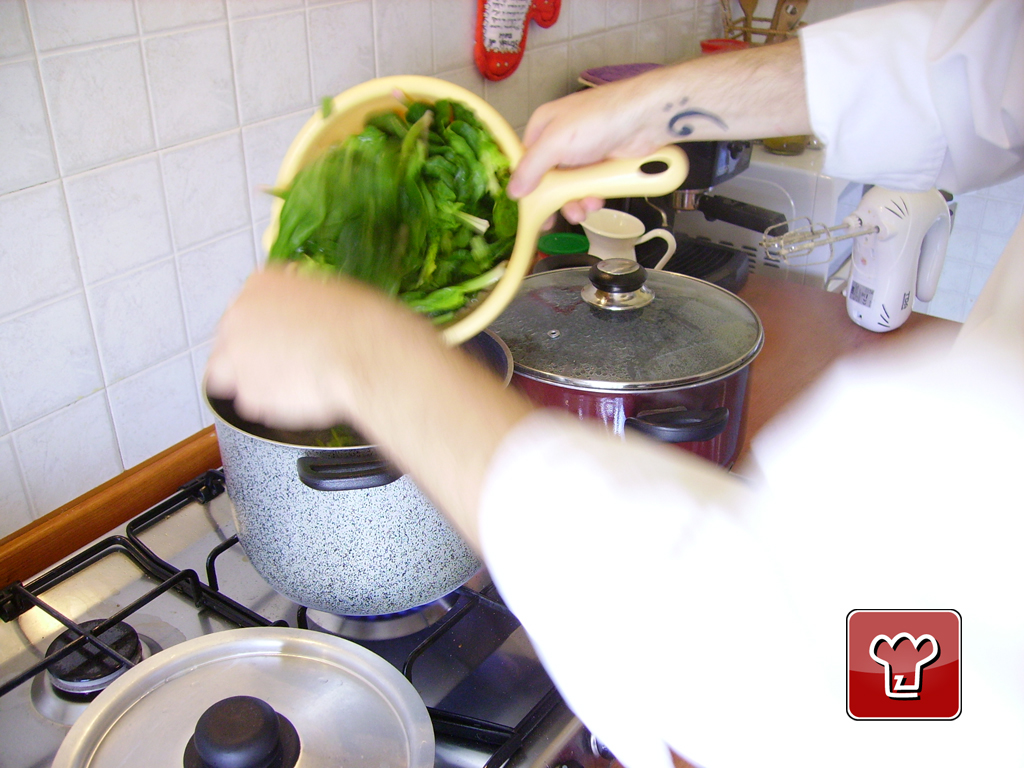
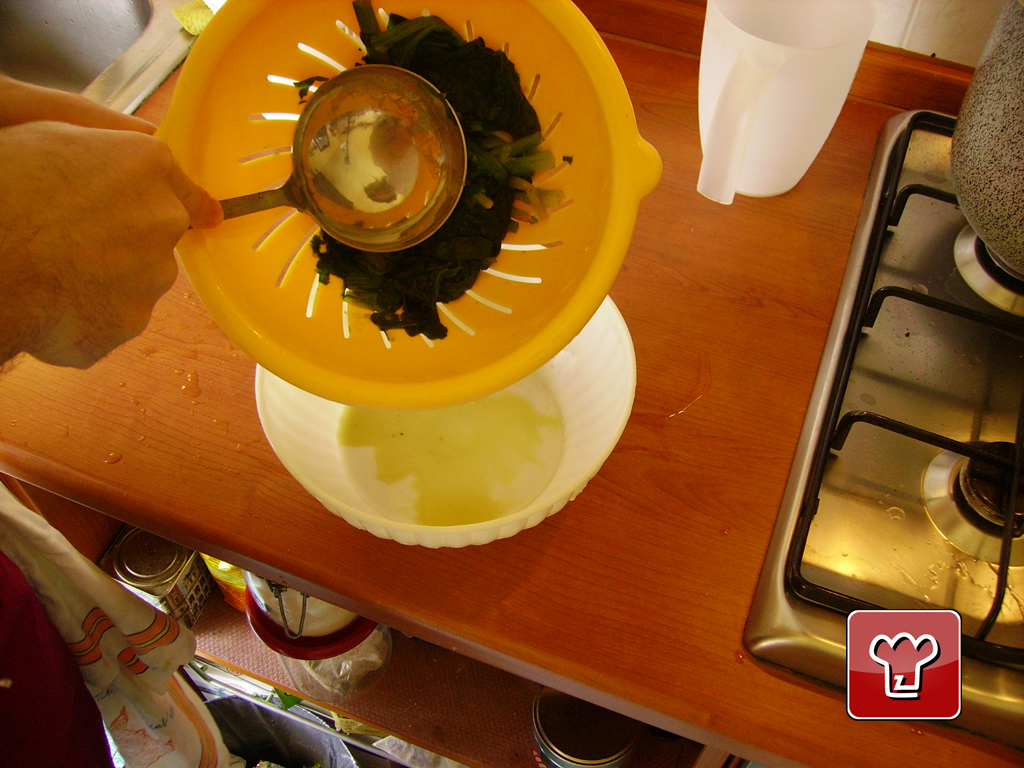
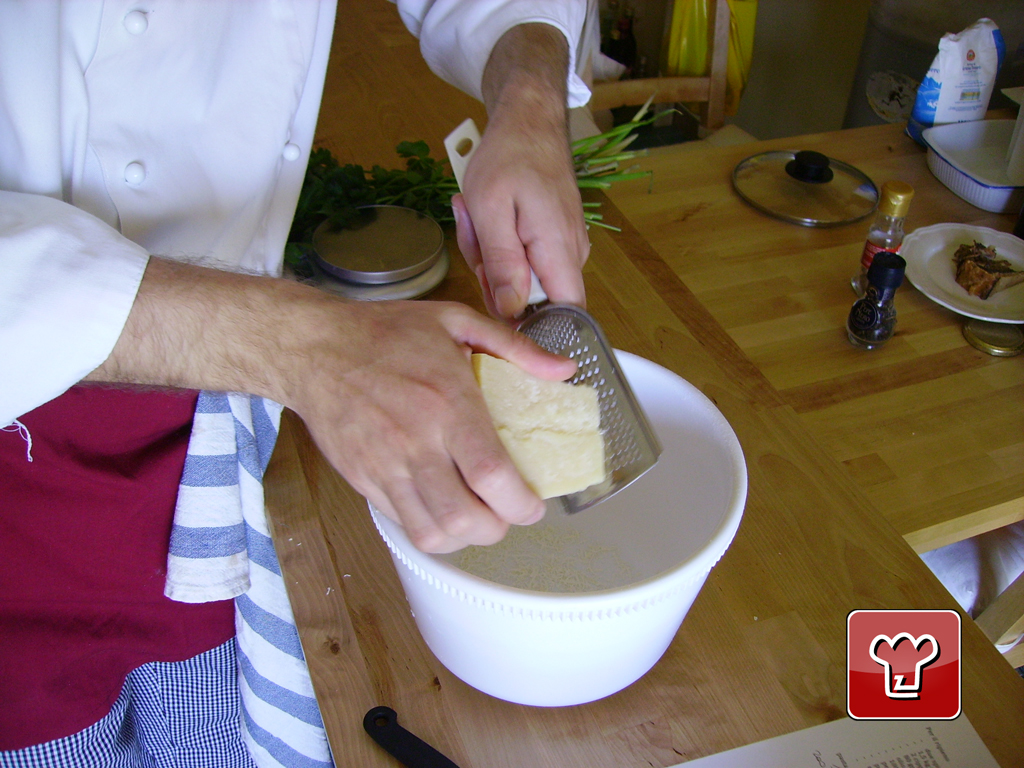
Prepare the shortcrust pastry as per our recipe elsewhere on this website. While it’s resting in the fridge, prepare the spinach and chard and boil them for 5 minutes, then drain well! Coarsely chop the onions, garlic and parsley and blend together with the cooked and drained greens. In a bowl, add the parmesan cheese to the puréed vegetables, then add the nutmeg, salt, pepper and lard. Use a blender or food mixer to blend everything together well. Divide the pastry into two and roll them out into two circles, one larger and one smaller. With the larger one, lay it out on a baking tray where you will cook the tart, then fill with the blended mixture. Use the smaller one to cover the contents and then seal the edges with any leftover dough. Prick the entire surface with a fork, brush with egg yolk and bake for 30 minutes at 200°C.
Step by step
|
View the step by step
|
Wash and blanch the greens
|
|
View the step by step
|
Drain and squeeze out moisture
|
|
View the step by step
|
Grate the parmesan into a bowl where you will prepare the filling
|
|
View the step by step
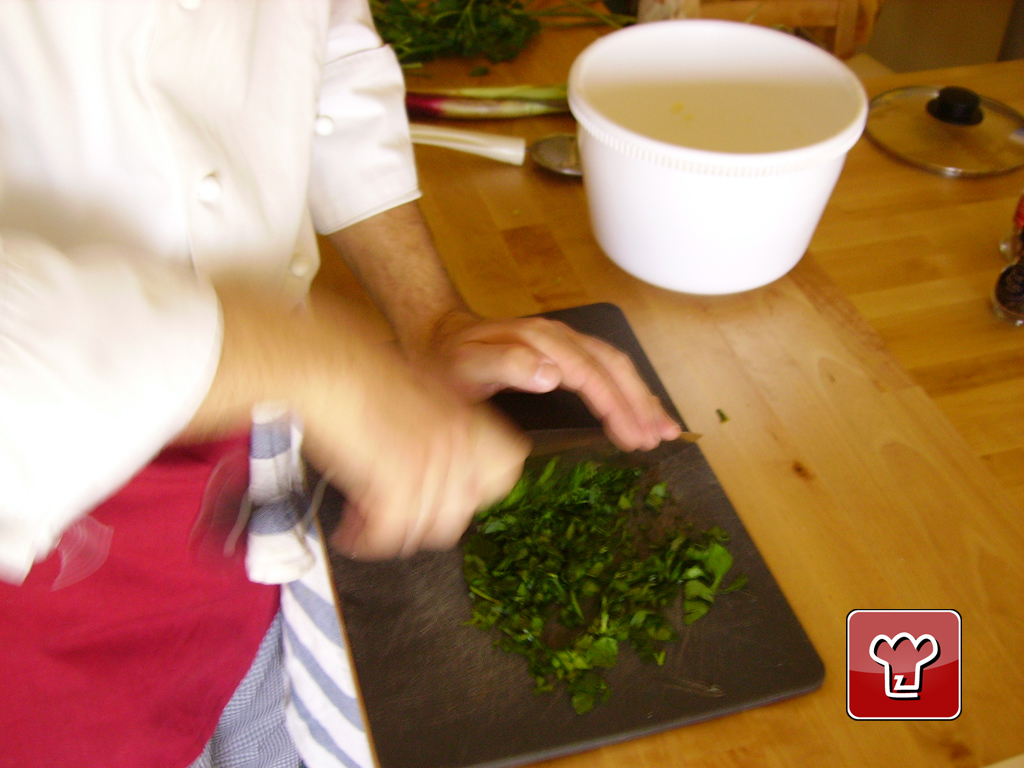
|
Chop the greens coarsely and add to the bowl
|
|
View the step by step
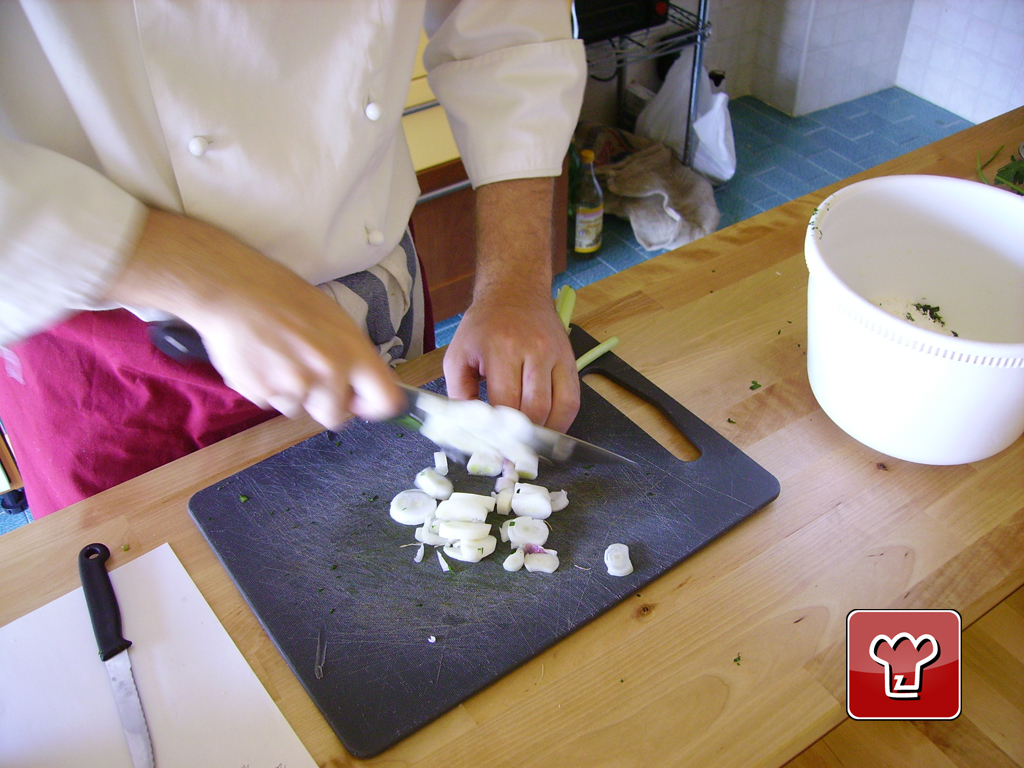
|
Finely chop the spring onion and add to the filling mixture
|
|
View the step by step
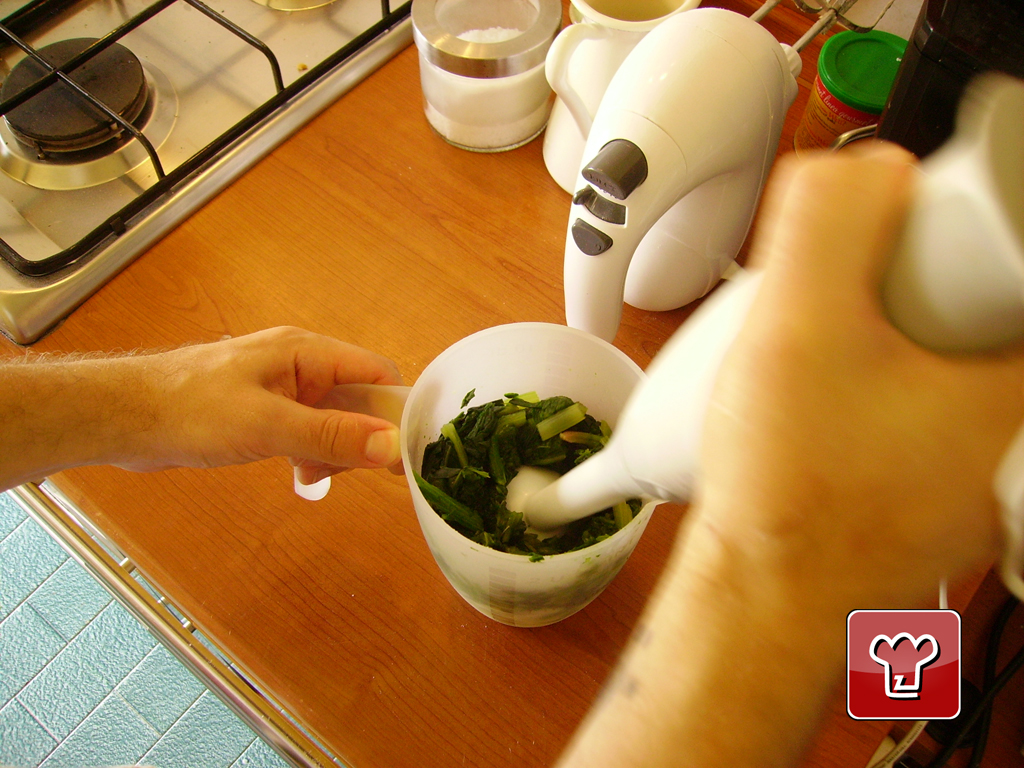
|
Blitz with an electric hand blender
|
|
View the step by step
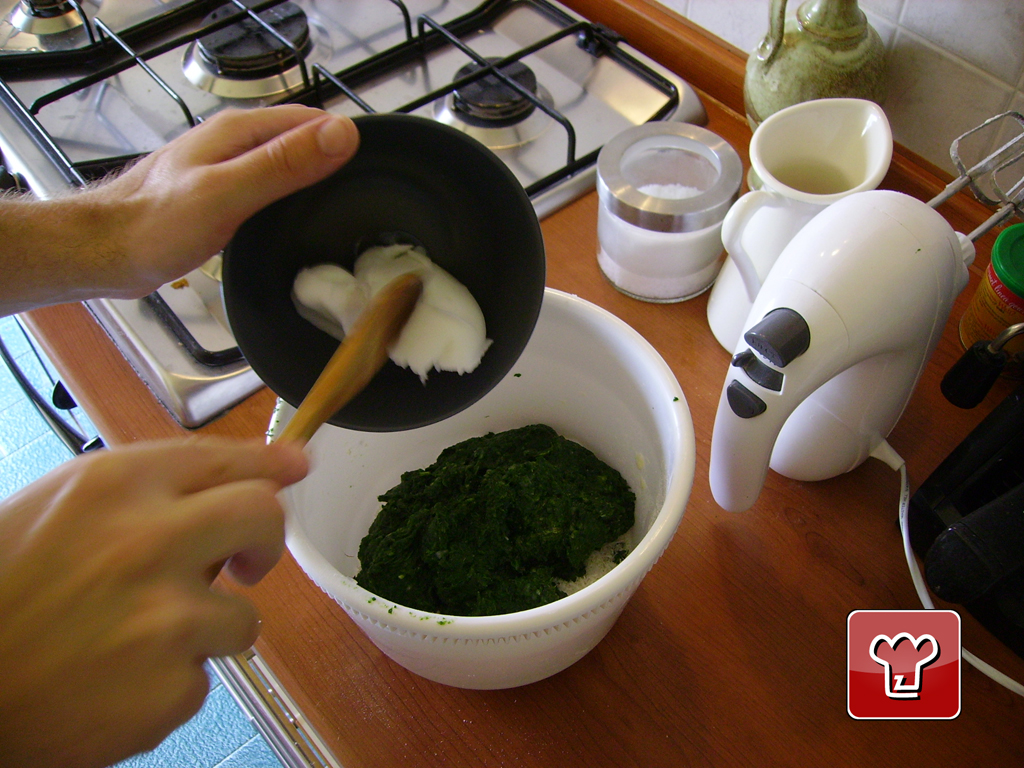
|
Add the lard to the filling
|
|
View the step by step
|
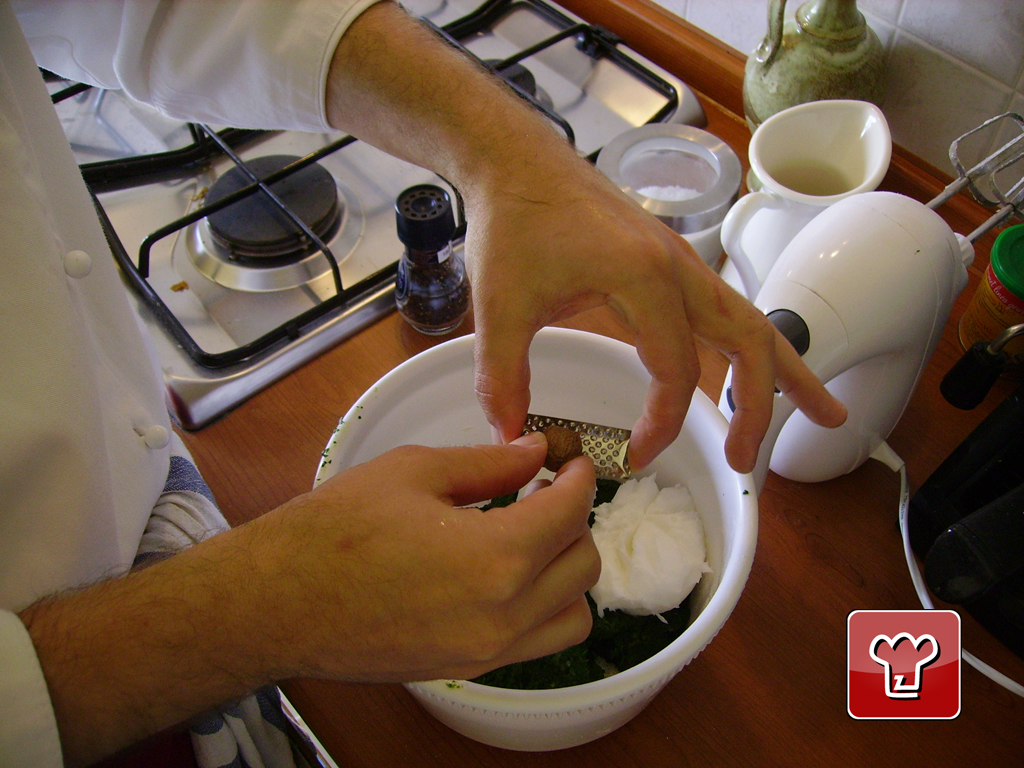
Grate plenty of nutmeg and pepper over the filling
|
|
View the step by step
|
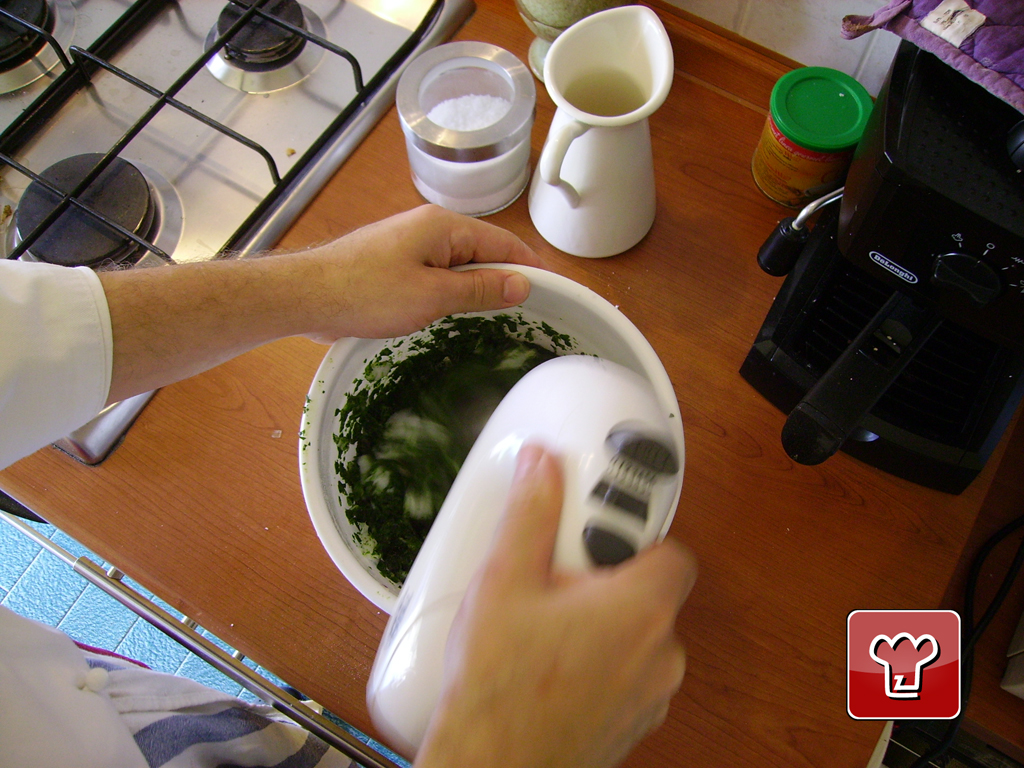
Mix everything well with an electric hand whisk
|
|
View the step by step
|
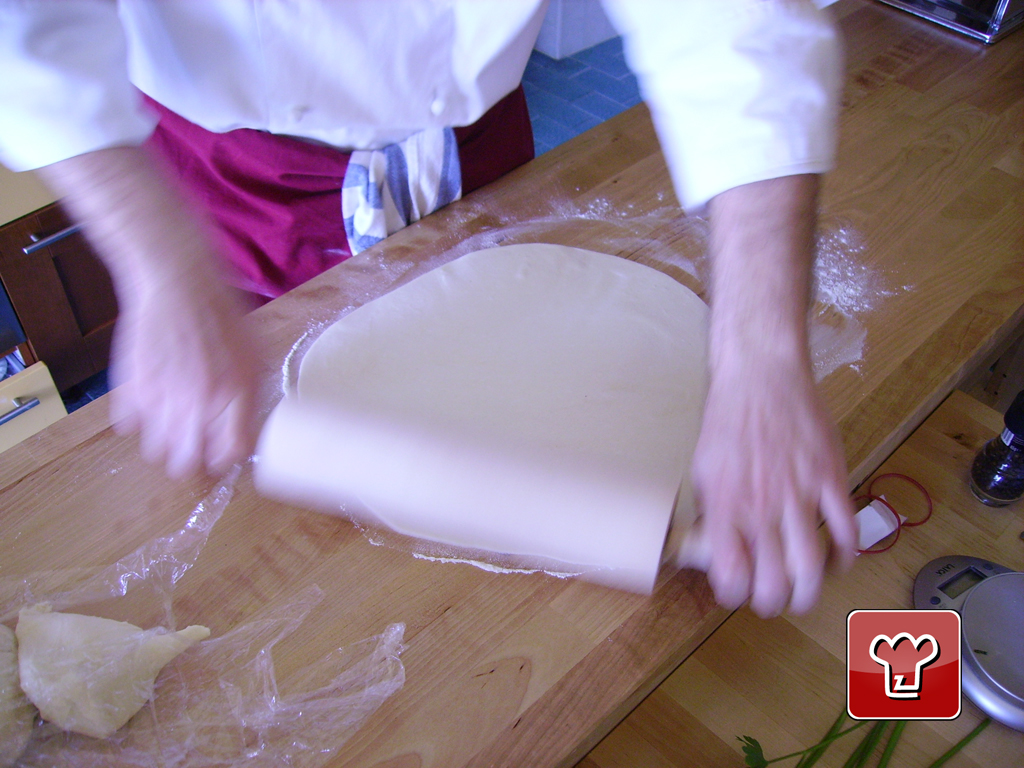
Roll out the pastry
|
|
View the step by step
|
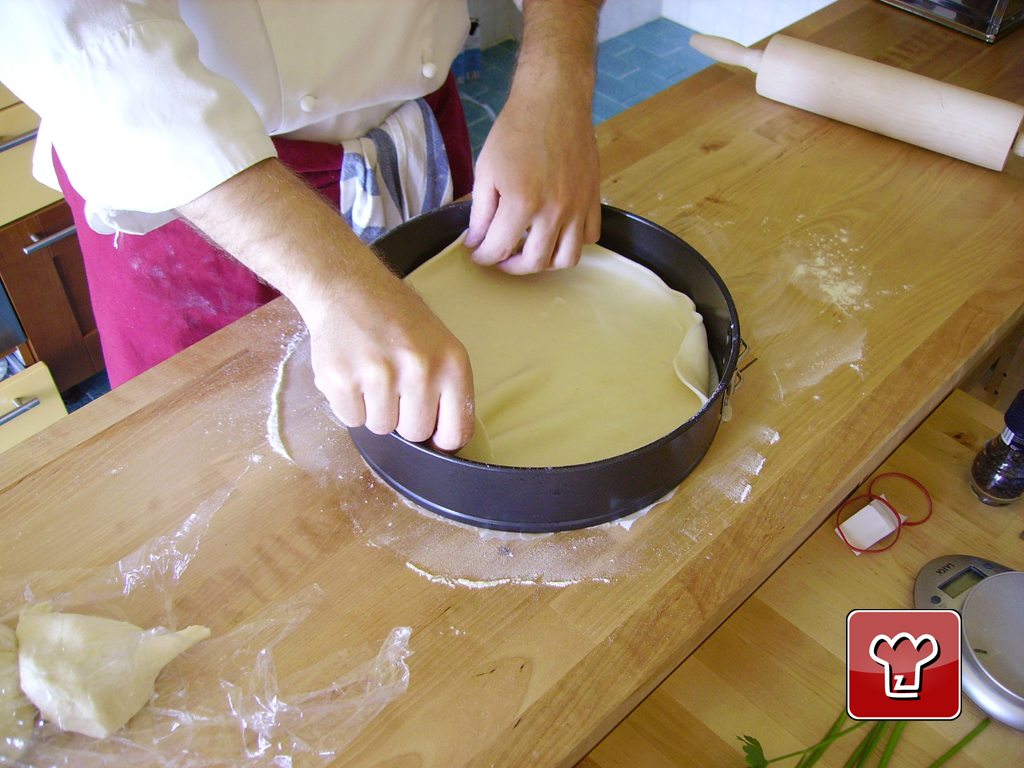
Line the cake tin with the rolled out pastry
|
|
View the step by step
|
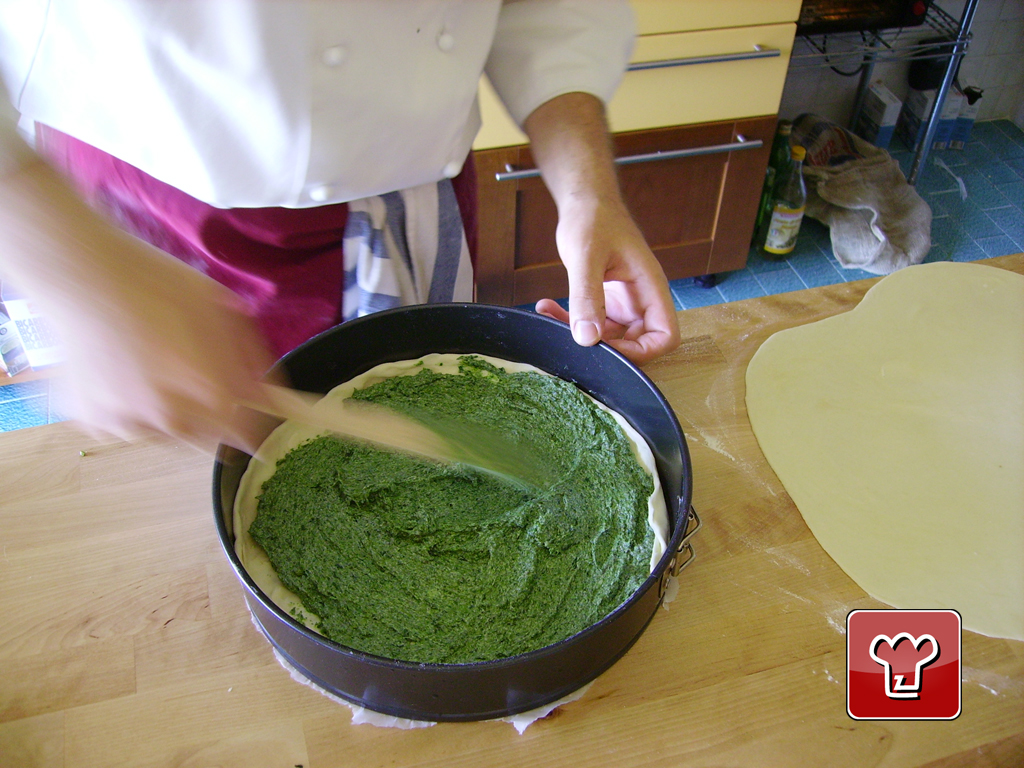
Transfer the filling to the cake tin
|
|
View the step by step
|
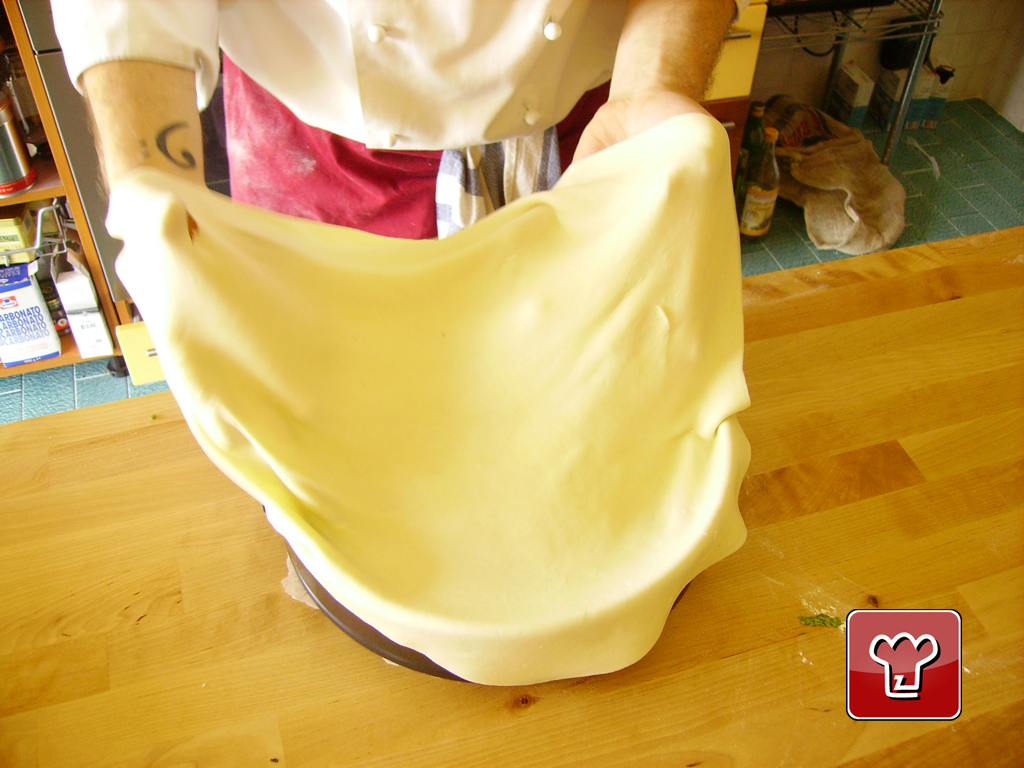
Cover the filling with the second piece of rolled out pastry
|
|
View the step by step
|
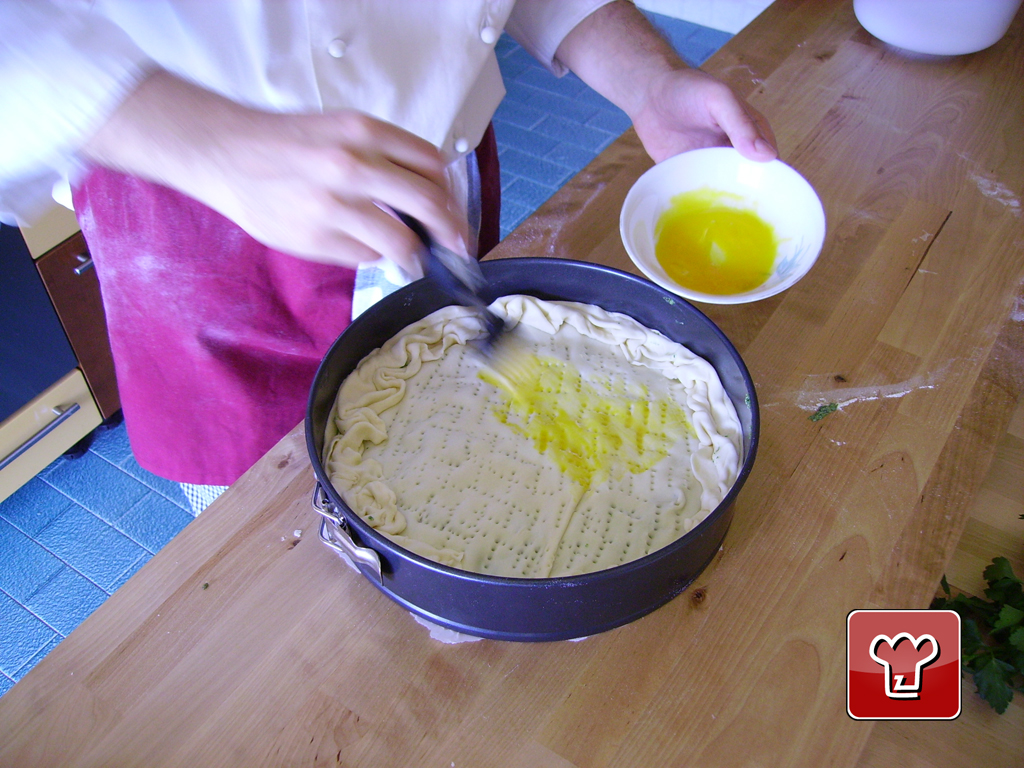
Brush the surface with some lightly beaten egg yolk to give it a lovely shine
|
|
View the step by step
|
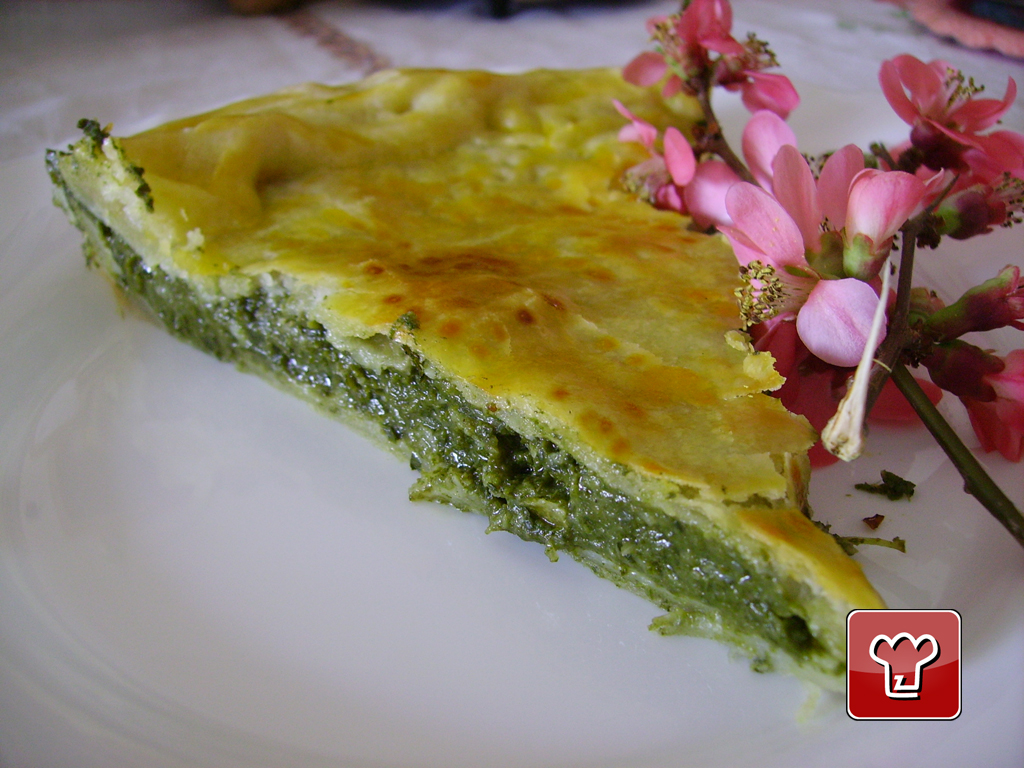
The spinach and chard tart is ready, a savoury specialty from Reggiana
|
Additional information
Erbazzone with Swiss Chard and Spinach
One of the tastiest variations of Erbazzone is certainly the one that uses Swiss chard and spinach as the main ingredients. This preparation enriches the dish with a delicate flavor and a soft texture, perfectly balanced by the crunchiness of the shortcrust pastry. To make it, it is essential to blanch the vegetables for a few minutes, in order to preserve their color and nutritional properties. After draining them, they can be blended together with spring onions and parsley, creating a homogeneous mixture to be combined with Parmesan. This version is ideal for those who want a dish rich in vegetables, without giving up the traditional taste of Erbazzone.
Traditional Reggiano Erbazzone
Reggiano Erbazzone is a typical dish from Emilia Romagna, characterized by its shortcrust pastry and filling of greens. This traditional preparation involves the use of fresh, local ingredients, such as Swiss chard and spinach, which are blanched and then mixed with spring onions, garlic, and Parmesan. The cooking takes place in the oven, ensuring a golden and crispy crust, while the filling remains soft and flavorful. This variant is perfect for those who want to savor the true essence of the dish, prepared following the ancient recipes of the Emilian tradition, thus bringing a piece of culinary history directly to the table.
Light Erbazzone without Lard
For those who follow a lighter diet, it is possible to prepare a light Erbazzone, eliminating lard and replacing it with extra virgin olive oil. This variant maintains the flavors of the vegetables and Parmesan intact, but with a significantly reduced caloric intake. By using a light shortcrust pastry, perhaps homemade with whole ingredients, a healthy and tasty dish can be created. Additionally, one can opt for a greater quantity of vegetables, thus increasing the fiber and vitamin content, making Erbazzone not only a great choice for a meal but also a healthy option for those who wish to maintain a balanced diet.
Nutritional Benefits of Erbazzone and Approximate Calories
Erbazzone is a dish that offers several nutritional benefits, thanks to the presence of fresh, nutrient-rich ingredients. Swiss chard and spinach are known for their high content of vitamins A, C, and K, as well as minerals like iron and calcium, essential for the well-being of the body. Parmesan, although a aged cheese, provides high-quality protein and calcium. On average, a serving of Erbazzone contains about 350-400 calories, depending on the ingredients used and the portions. By opting for lighter variations, such as the one without lard, the caloric intake can be further reduced, making this dish suitable even for those on a controlled diet.
Can Erbazzone be Frozen?
The question of whether Erbazzone can be frozen is very common among those who love to prepare this dish in advance. The answer is affirmative: Erbazzone freezes well. It is advisable to do so once cooked and cooled, wrapping it well in plastic wrap or in an airtight container. This way, freshness and flavor are preserved. At the time of consumption, it can be thawed in the refrigerator and then reheated in the oven to regain the crunchiness of the shortcrust pastry. This method is ideal for always having a tasty dish ready to serve on any occasion, without having to give up the quality and taste of the traditional preparation.