Flavoured polenta
There is nothing more pleasant and convivial in those lovely, cold evenings of winter, than to spend some time in a cosy tavern, perhaps in front of a fireplace, eating dishes from the mountains, savouring the flavours of simple ingredients uniquely prepared. One of these mountain specialties is polenta, typical of the Alpine regions, and here we offer a recipe for particular variant: polenta ‘taragna’, a dish that has its origins in the Lombardy valleys between Brescia and Bergamo, and that with its delicious and strong flavour - thanks to the use of cheese and butter – it is a perfect antidote to the cold nights of these mountainous regions. Are you ready to win over your guests, both young and old, and seduce them with this delicious flavoured polenta, especially if accompanied by other mountain specialties?
Ingredients
* approximate values per serving
Preparation
Buy some maize flour mixed with buckwheat flour suitable for the preparation of flavoured polenta. Cook in boiling salted water for 40 or 45 minutes. Once cooked, stir a knob of butter into the polenta along with some grated Valtellina cheese. Serve with meat or mushrooms.
Step by step
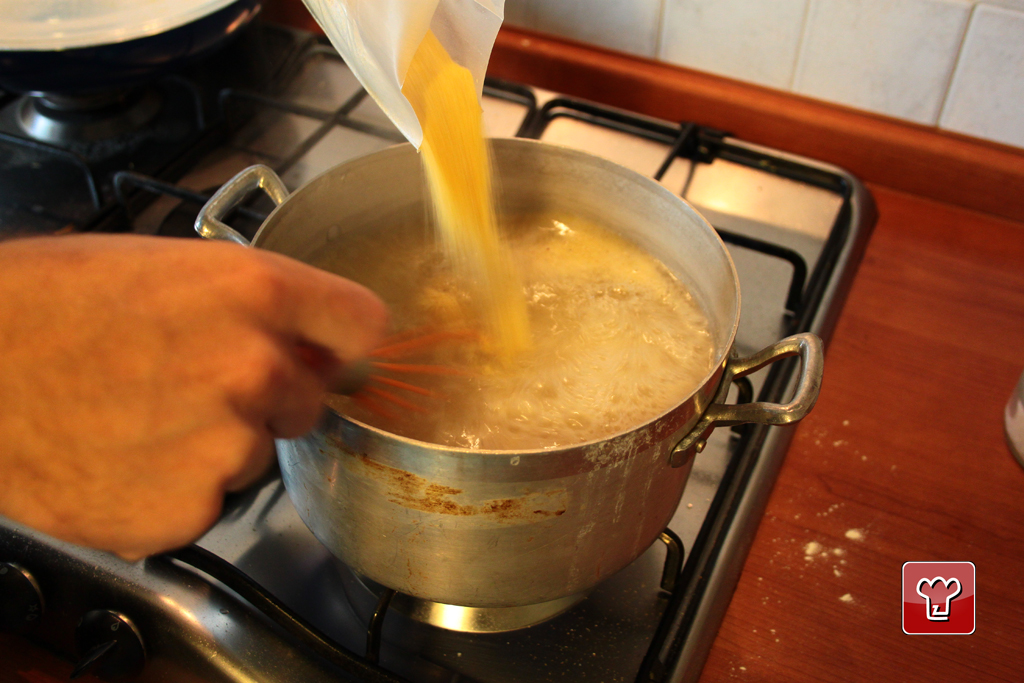
|
View the step by step
|
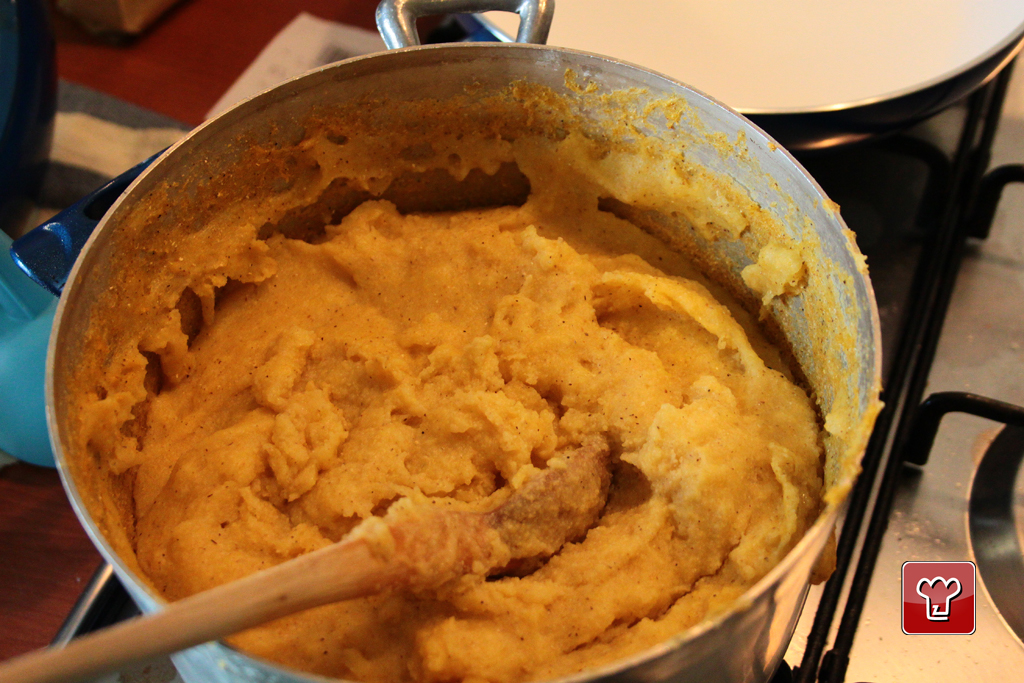
The polenta is ready! Mix in a good quantity of Valtellina cheese and leave till it melts
|
|
View the step by step
|
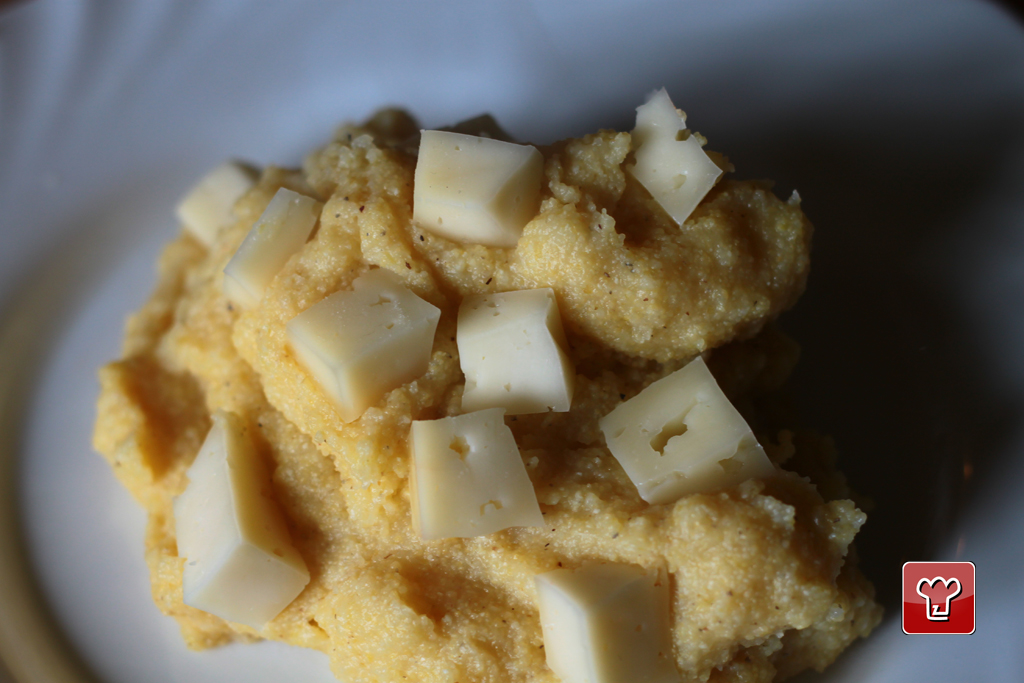
The flavoured polenta ‘taragna’ is ready! Nice and hot for those winter days!
|
Additional information
Polenta Taragna with sautéed mushrooms
One of the most beloved variations of Polenta Taragna is the one with sautéed mushrooms. To prepare this dish, after cooking the polenta, you can sauté fresh mushrooms in a pan with garlic, parsley, and a drizzle of extra virgin olive oil. Once the mushrooms are well cooked and flavored, serve them over the hot polenta. This combination not only enriches the flavor of the polenta but also creates a perfect balance between the creaminess of the polenta and the texture of the mushrooms, making the dish ideal for an autumn or winter lunch. Additionally, it is a great solution for those who love rustic and hearty dishes typical of alpine traditions.
Polenta Taragna from Valtellina
Polenta Taragna from Valtellina is a preparation that enhances the flavors of Trentino Alto Adige. In this variation, in addition to the classic recipe, typical ingredients from the area can be added, such as Bitto cheese, which gives an even more intense flavor. To get the most out of the flavors, it is advisable to cook the polenta slowly and stir it carefully so that it absorbs the flavor of the cheese well. This dish can be served with sausage or stew, creating a complete meal rich in tradition. Polenta Taragna from Valtellina represents an authentic culinary experience, perfect for those who wish to savor true local cuisine.
Light Polenta Taragna with light cheese
For those who desire a lighter version of Polenta Taragna, it is possible to use alternative ingredients, such as light cheese. This variation maintains the typical flavors of the preparation but reduces calories and fat content. To prepare it, follow the traditional recipe but replace the butter with a tablespoon of olive oil and the Valtellina cheese with a light version. This option is ideal for those on a controlled diet, without sacrificing taste. Serve the light Polenta Taragna with grilled vegetables or salad for a fresh and nutritious meal.
Polenta Taragna: benefits of buckwheat and calories
Polenta Taragna, made with a mixture of corn flour and buckwheat flour, offers numerous nutritional benefits. Buckwheat is a food rich in protein, fiber, and antioxidants, which contribute to the well-being of the body. This cereal is naturally gluten-free, making Polenta Taragna a suitable choice for those with intolerances. The calories per serving of Polenta Taragna are around 300-350 kcal, depending on the ingredients used and the portions. When consumed in moderation, it can be part of a balanced diet, providing energy and essential nutrients.
Can Polenta Taragna be frozen?
A common question is whether it is possible to freeze Polenta Taragna. The answer is yes, but with some precautions. It is advisable to freeze the polenta once cooked and cooled, portioning it into airtight containers. This way, it will keep better and not lose its consistency. When you want to use it, simply thaw it in the refrigerator and reheat it in a pan with a bit of water or broth, stirring well to bring it back to the right consistency. This practice is useful for those who wish to prepare meals in advance without compromising the flavor and quality of the dish.