Lemon pudding
This lemon pudding is delicate and intoxicating. Of British influence, a cross between a soufflé and a pudding, it’s easy to make and will delight your guests with its delicate flavour and a texture which is incredibly soft and creamy. You’ll only spend a few minutes making it. Don’t panic if, before going in the oven, the batter seems too liquid: this is quite normal. Similarly, don’t panic if, after cooking, the centre seems too creamy: this is the desired effect, to give it a decadent and irresistible feel. And it is normal, therefore, that the consistency of the lemon pudding is uneven: the pleasure is dipping in your spoon and finding various textures of frothiness alternating with creaminess. So, take advantage of the best seasonal lemons and get to work!
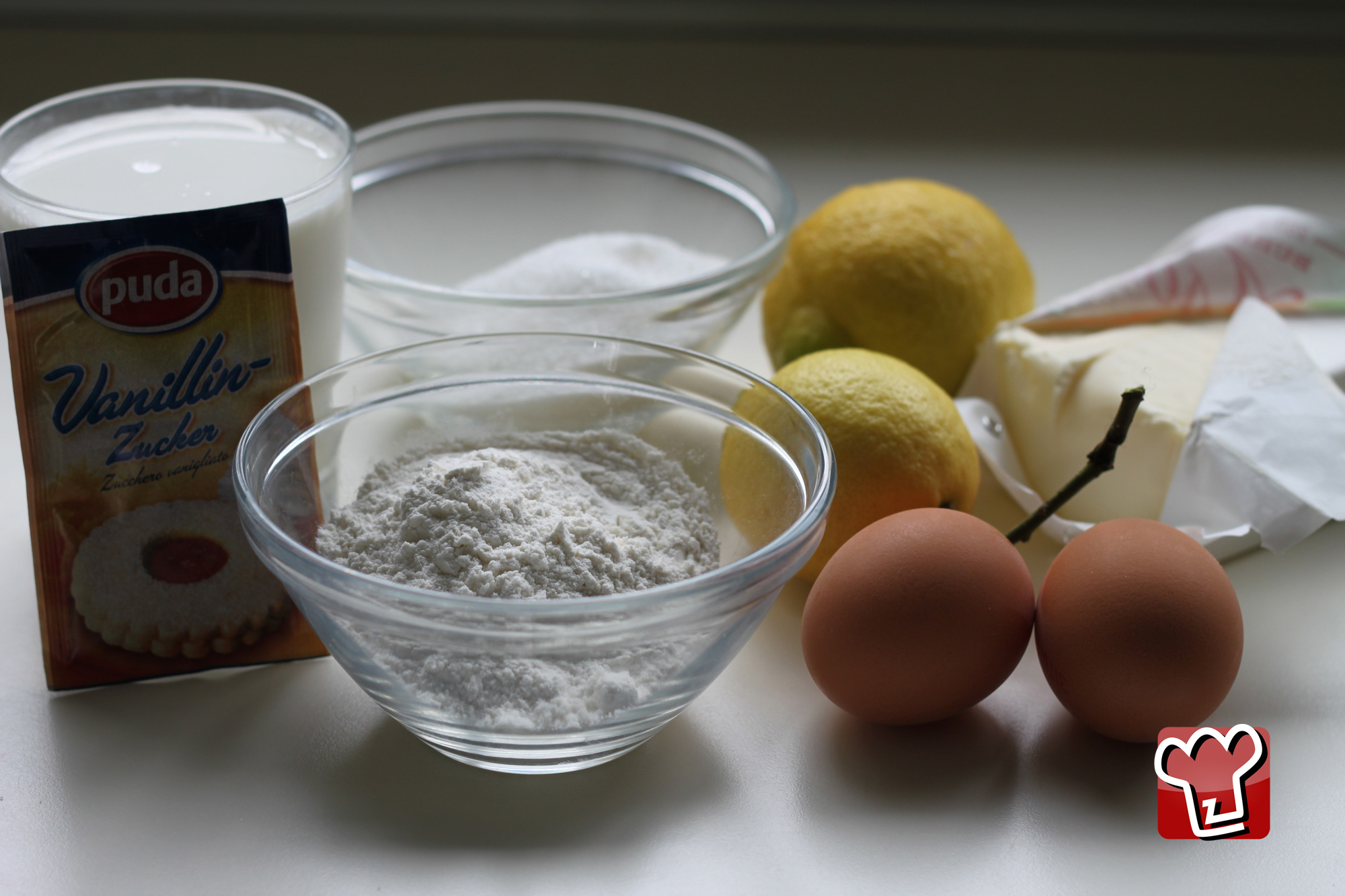
Ingredients
* approximate values per serving
Preparation
Melt the butter in a saucepan. When warmed, transfer to a bowl with the grated lemon zest, sugar, vanilla, egg yolks, and finally, gradually, the flour. Then add the milk, stirring well. You will get a rather fluid consistency but this is normal. Squeeze the juice of a lemon into the mixture. Finally, fold in the beaten egg whites, stirring gently from below. Place in the oven in a bain marie for 45 minutes at 200°C. If the top begins to burn, cover with a sheet of aluminium.
Step by step
|
View the step by step

|
Grate the zest of one lemon
|
|
View the step by step
|
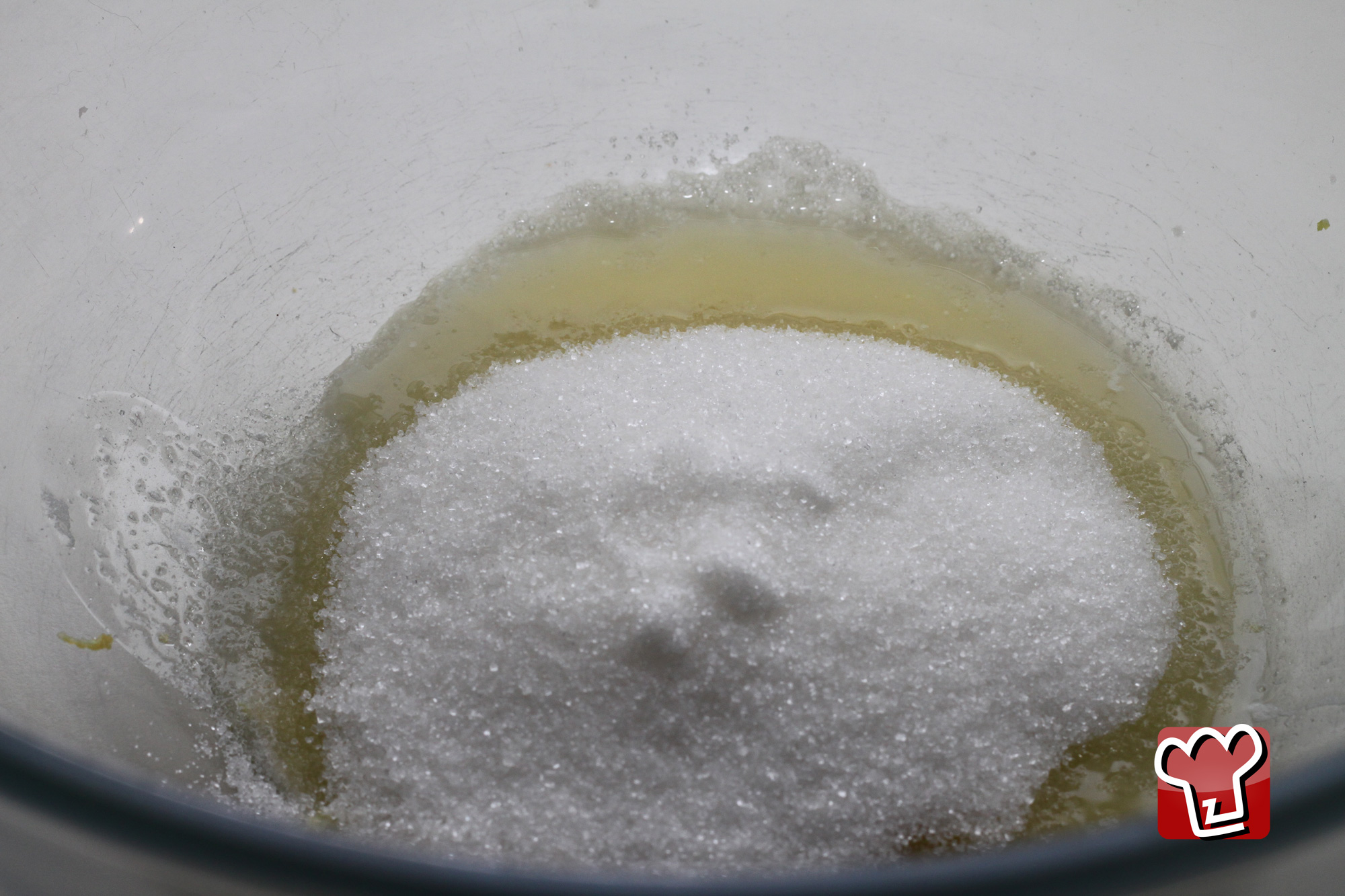
Add the melted butter and sugar to the lemon zest
|
|
View the step by step
|
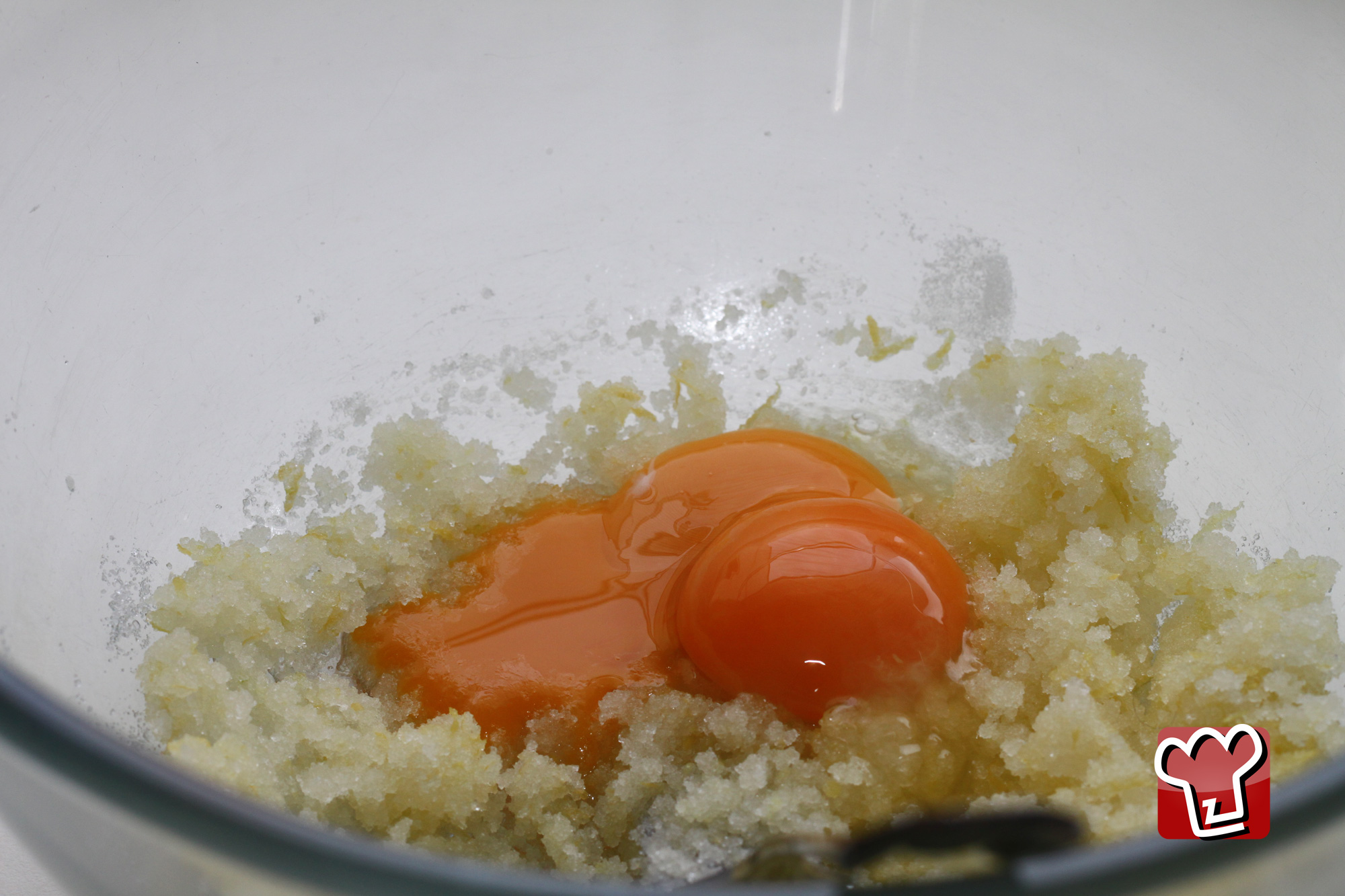
Add the egg yolks
|
|
View the step by step
|
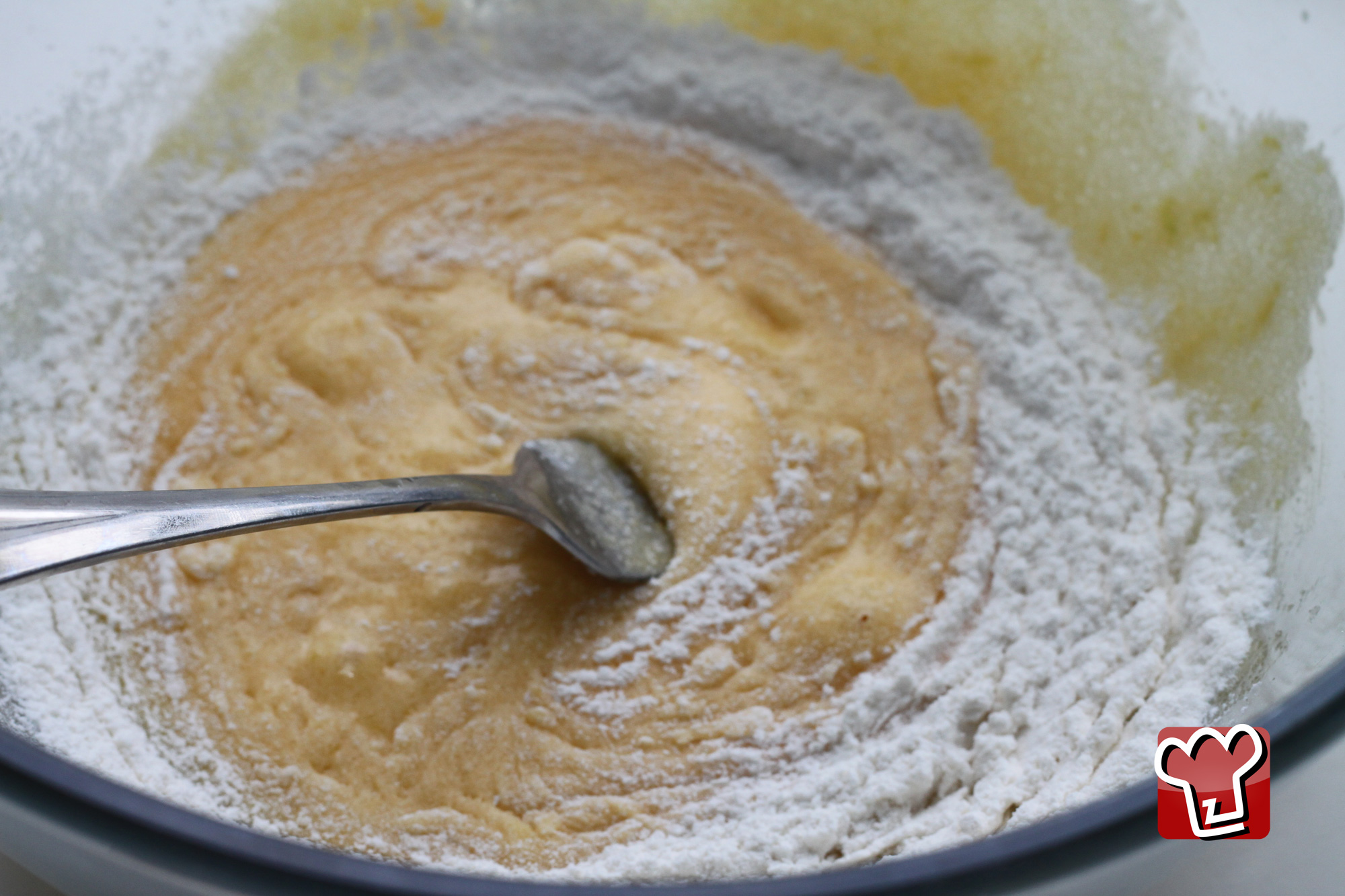
Add the sifted flour
|
|
View the step by step

|
Add the milk and mix well
|
|
View the step by step
|
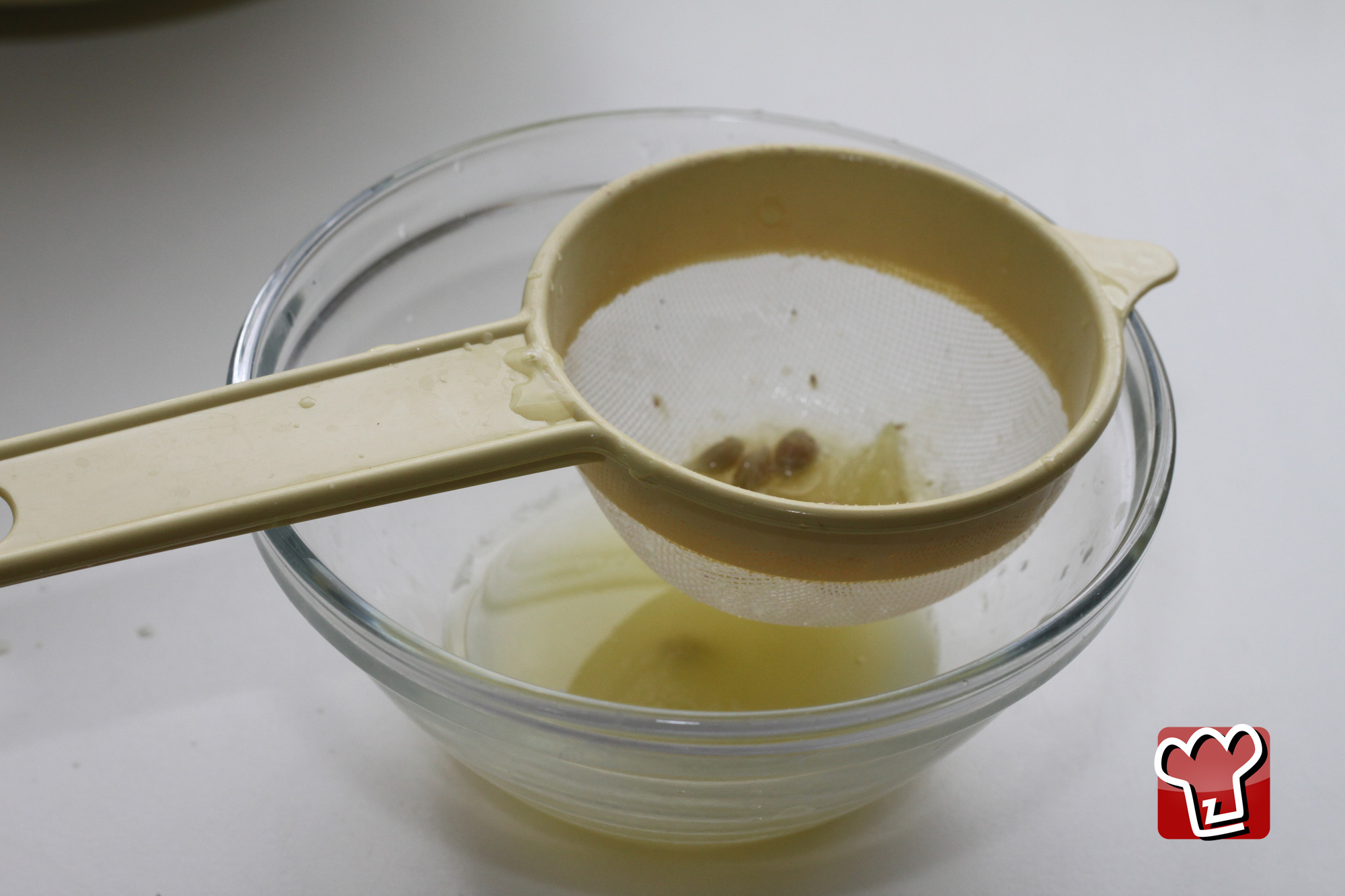
Add the juice of one lemon
|
|
View the step by step
|
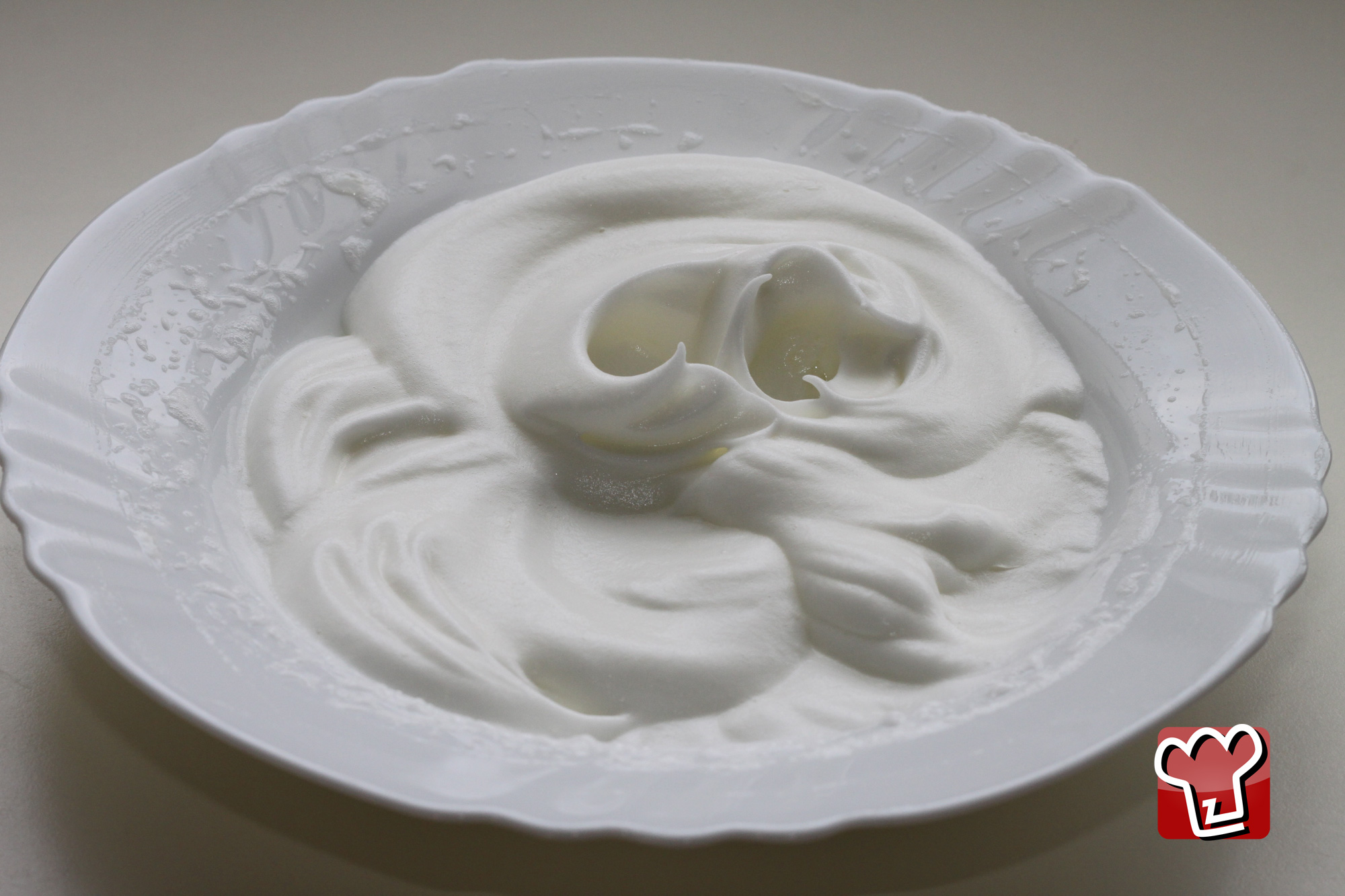
Beat the eggs till firm
|
|
View the step by step

|
Grease an oven proof dish
|
|
View the step by step
|
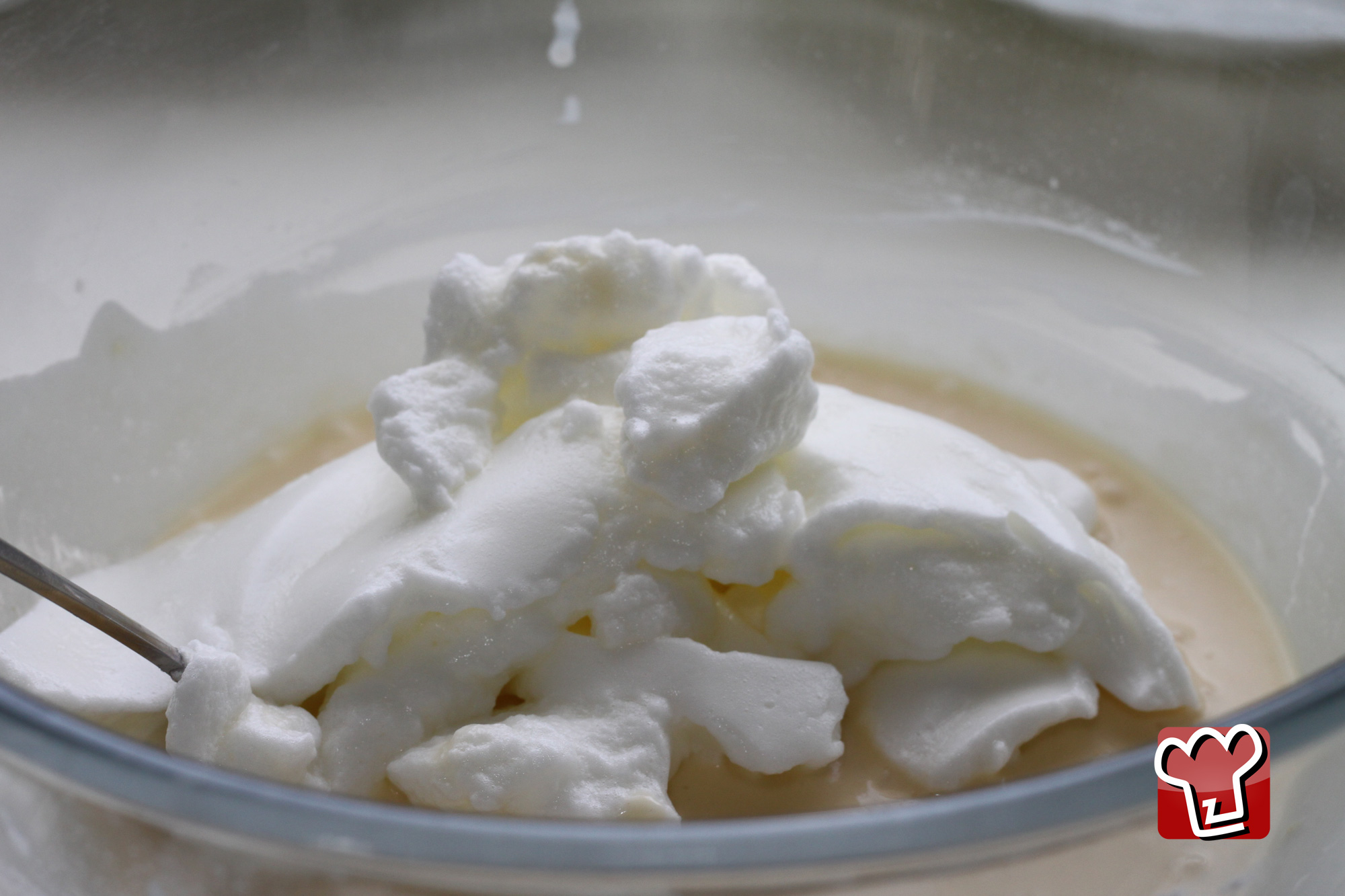
Fold the egg whites into the mixture
|
|
View the step by step

|
Prepare the dish for cooking in bain marie
|
|
View the step by step
|
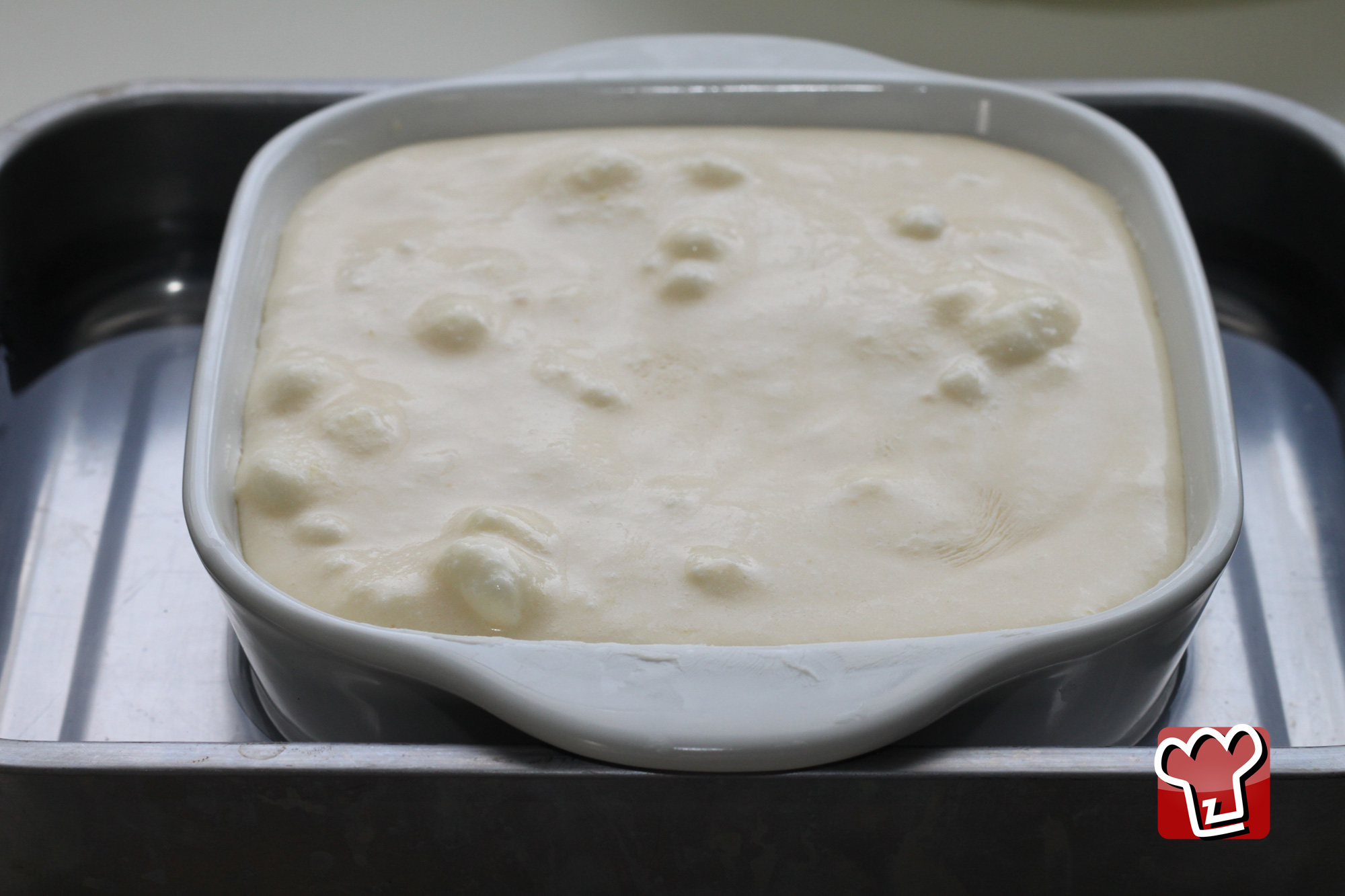
Pour the batter into the oven dish
|
|
View the step by step

|
Bake for 45 minutes at 200°C
|
Additional information
Lemon Pudding with Lemon Cream
A variant of the classic lemon pudding is the lemon pudding with lemon cream. This preparation involves the addition of a creamy lemon sauce that enriches the dish, making it even more delicious. To make this variant, a slightly thicker pastry cream is prepared, using the same ingredients as the pudding but adding more milk and sugar to achieve a velvety consistency. Once the pudding is cooked, the cream is poured on top and left to cool in the refrigerator. This pairing offers an interesting contrast between the lightness of the pudding and the richness of the cream, perfect for those who love fresh and citrusy desserts. Ideal for special occasions, this variant will impress your guests with its elegant presentation and refreshing flavor.
Neapolitan Lemon Pudding
If you want to discover a regional variant of lemon pudding, try the Neapolitan lemon pudding. This recipe, typical of the Campanian culinary tradition, includes the addition of ingredients such as ricotta, which gives the dessert a creamier texture and a unique flavor. Additionally, Sorrento lemons can be used, known for their aromatic intensity. The preparation remains similar to the classic pudding, but egg yolks and sifted ricotta are added to the butter and sugar mixture. The final result will be a dessert that retains the freshness of lemon but with a heartier note, perfect to be served with a dusting of powdered sugar and some dark chocolate shavings for an extra touch of indulgence.
Light Lemon Pudding without Butter
For those looking for a lighter version of lemon pudding, you can try the light lemon pudding without butter. In this preparation, butter is replaced with Greek yogurt or applesauce, which maintain creaminess without weighing down the dish. The recipe remains largely unchanged, but the final result will be a less caloric dessert suitable for those following a more careful diet. Using fresh and genuine ingredients, the light lemon pudding retains its citrusy and refreshing flavor, making it perfect for a snack or a dessert after dinner. Furthermore, this version is ideal for those who want to enjoy a dessert without guilt, without giving up the pleasure of a good lemon dessert.
Benefits of Lemon in Lemon Pudding and Approximate Calories
Lemon, the main ingredient in lemon pudding, is known for its health benefits. Rich in vitamin C, it helps strengthen the immune system and fight free radicals. Additionally, lemon has digestive and purifying properties, making it an ally for liver health. A classic lemon pudding has a caloric intake that varies depending on the ingredients used, but on average it is around 250-300 calories per serving. By choosing lighter variants, such as the light pudding, it is possible to further reduce calories while maintaining the benefits of lemon and the flavor of the dessert. Incorporating lemon into your diet is a simple and tasty way to improve your daily health.
Can Lemon Pudding be Frozen?
A common question regarding lemon pudding is whether it can be frozen. The answer is yes, but with some precautions. It is advisable to freeze the pudding only after it has completely cooled. Before placing it in the freezer, it is better to cut it into portions and wrap it well with plastic wrap or place it in airtight containers, to prevent ice crystals from forming and to preserve the flavor. When you want to consume it, simply let it thaw in the refrigerator for a few hours or at room temperature. However, it is important to note that the consistency may vary slightly after freezing, so for a better tasting experience, it is advisable to consume it fresh. This way, you can fully enjoy its fresh and citrusy flavor.