O-nigiri Japanese rice balls
O-nigiri are lovely rice snacks famous and very popular throughout Japan since the Middle Ages. At times, the Japanese don’t use chopsticks but instead use their hands to eat, which is why the seaweed strips don’t wrap all the way round the rice balls, but only partly so that you can pick them up using this natural ingredient. The shape of the rice ball has undergone an evolution over time: at first it was triangular, and then underwent a series of changes that ended up with it being round or cylindrical. As to making them, o-nigiri have hidden within them a delicious piece of fish, which might be tuna or salmon, or other types of fish, and flavoured with sesame or umeboshi. You will never find meat inside o-nigiri rice balls. It is a really healthy and tasty snack for those who like raw fish and Japanese food in general.
Ingredients
* approximate values per serving
Preparation
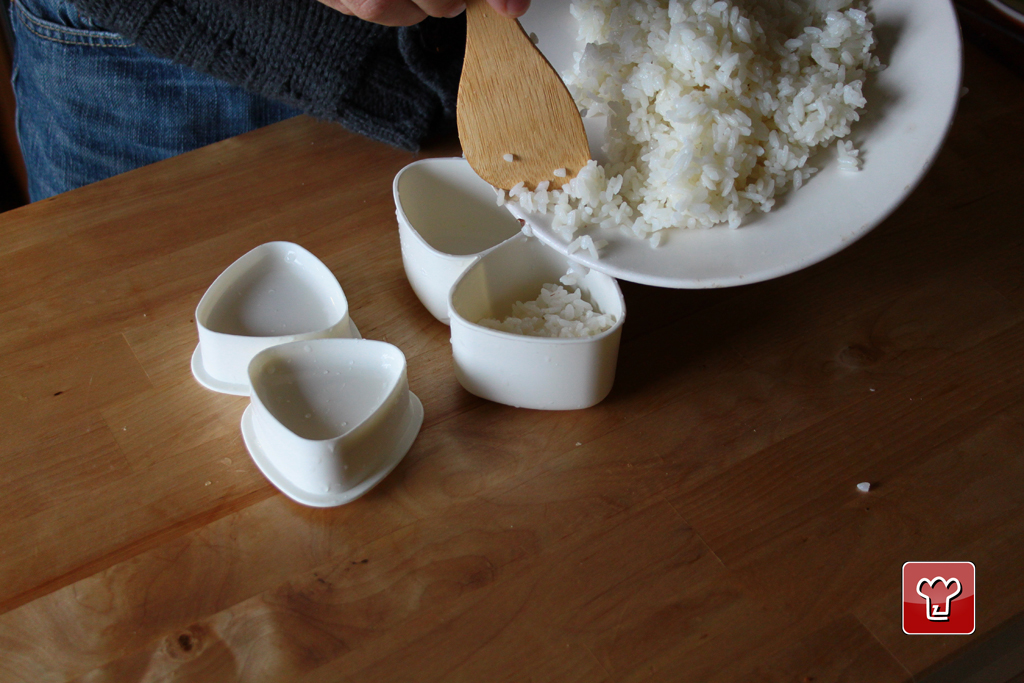
Make the rice for the sushi. Equip yourself with a mould for the rice balls. Sliced the crab sticks into rounds. Chop the avocado. Place a portion of rice in a mould, press down the centre a little and arrange the crab meat and avocado. Add some light mayo. Top with some more rice, roughly equal in quantity to the first amount, and then using another mould press down firmly to compact the rice. Remove the onigiri rice balls from the moulds and sprinkle with black sesame. Cut a strip of Japanese seaweed and put it on the bottom of the rice balls to form a little strip to hold the rice ball when eating.
Step by step
|
View the step by step
|
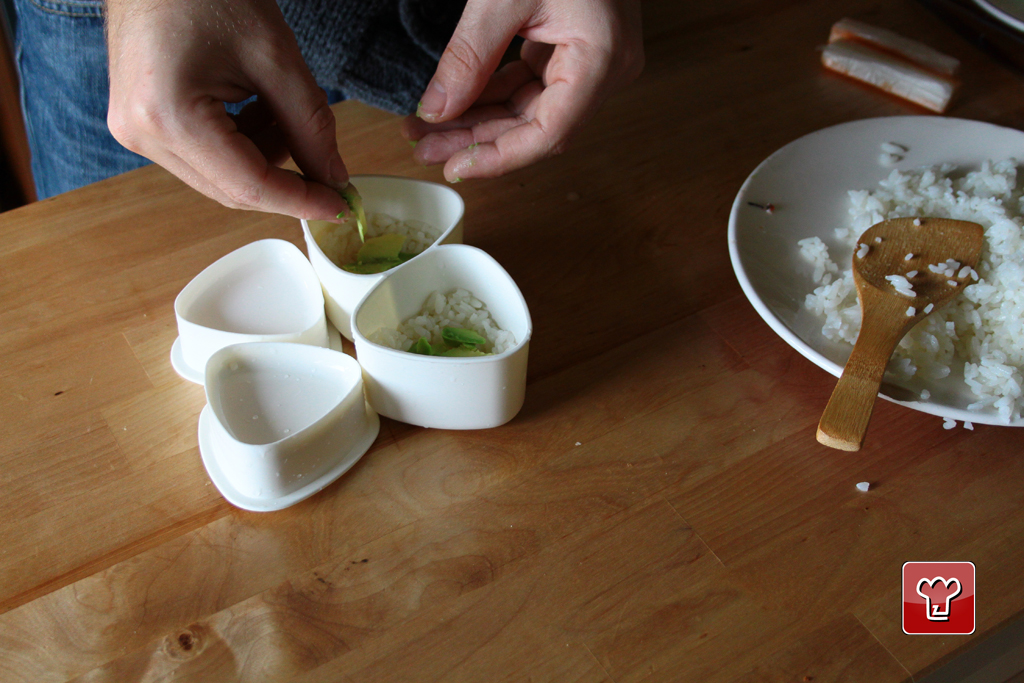
Put a few pieces of avocado in the centre of the rice
|
|
View the step by step
|
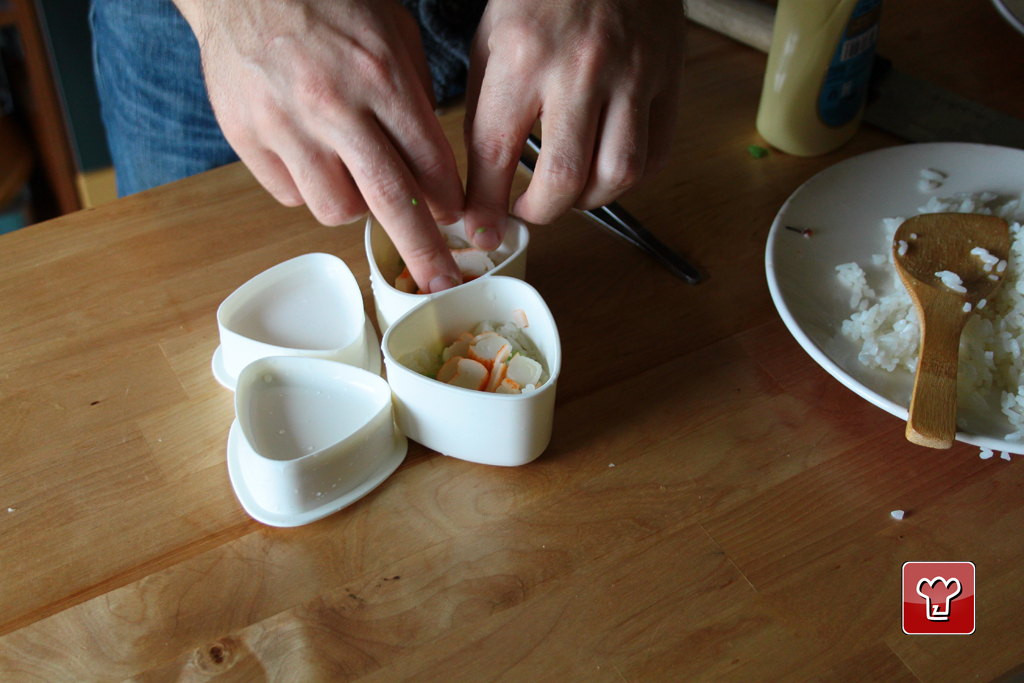
Put some pieces of crab in the rice
|
|
View the step by step
|
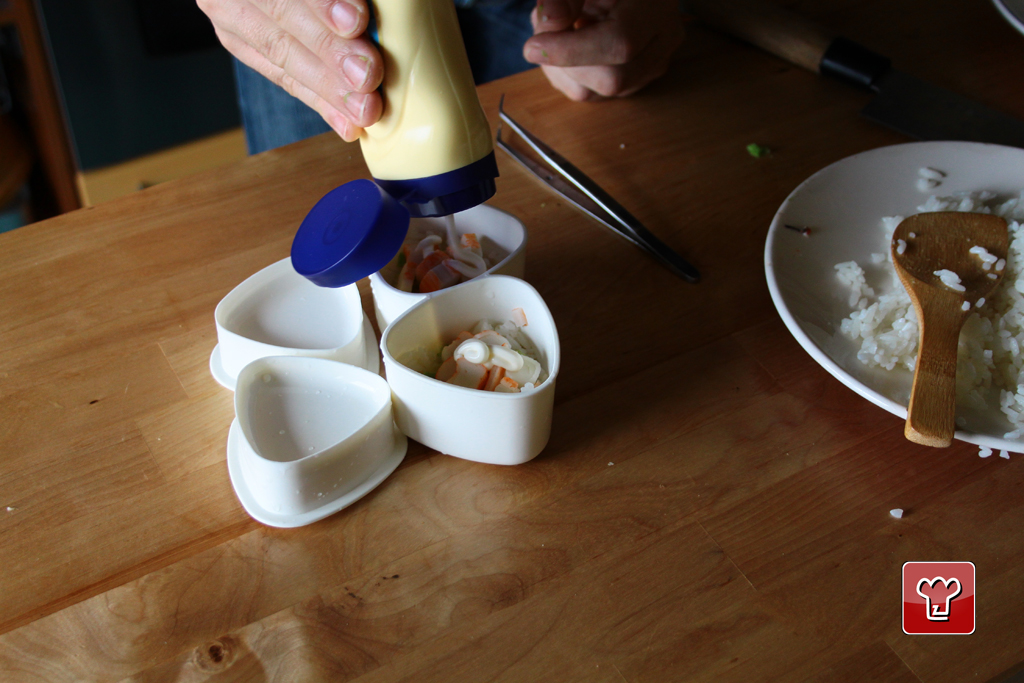
Dress with a little light mayonnaise
|
|
View the step by step
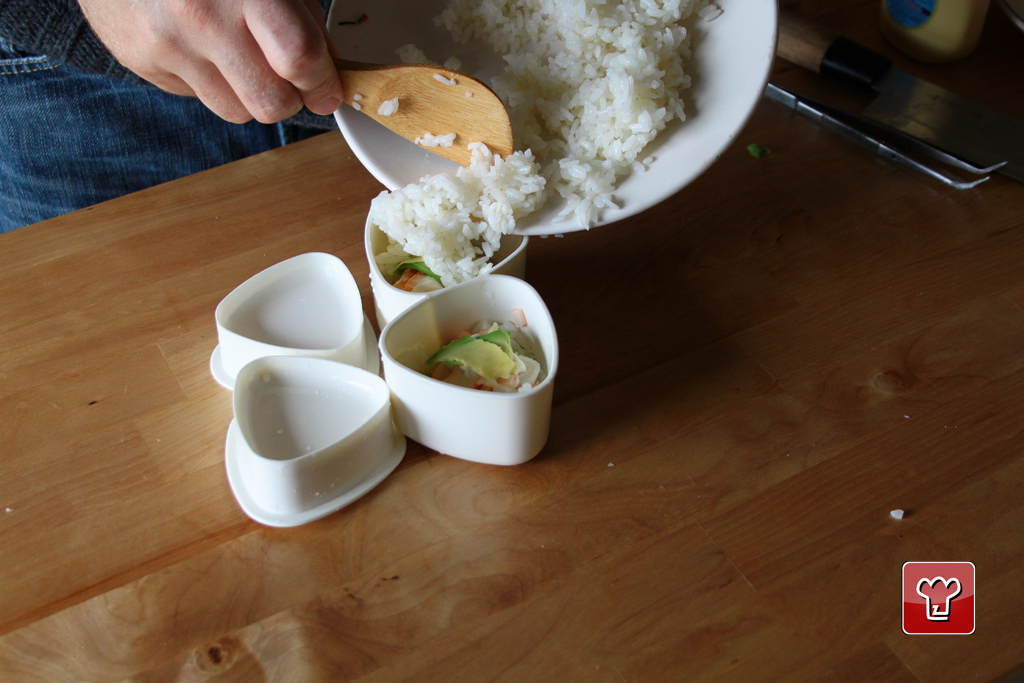
|
Cover with a layer of rice and pack down with a spoon
|
|
View the step by step
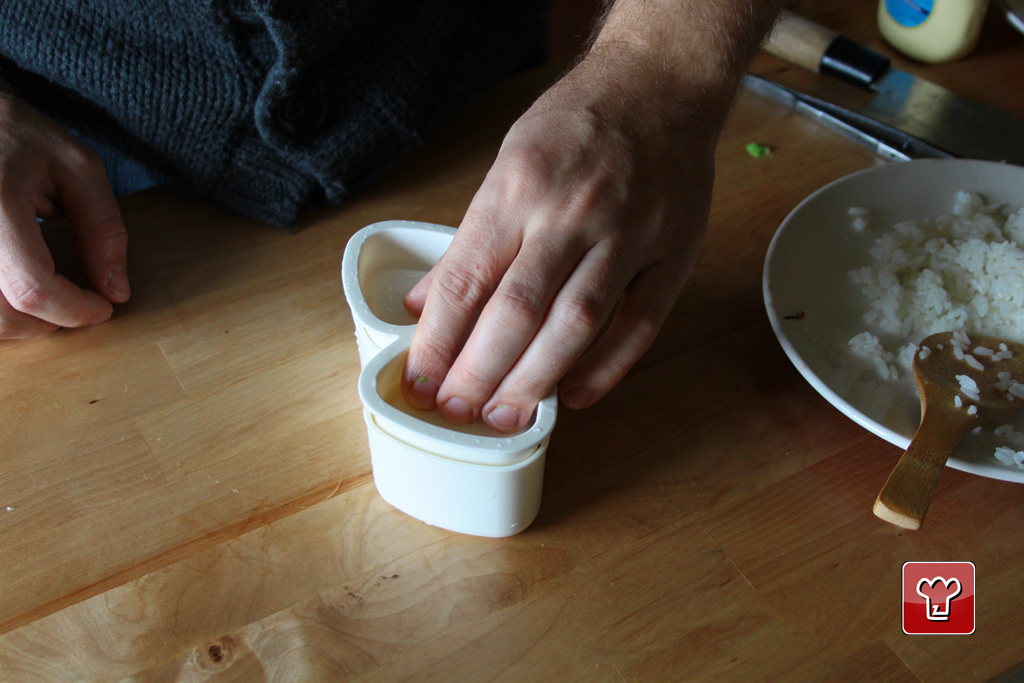
|
With another mould, press the rice and flavourings down well
|
|
View the step by step
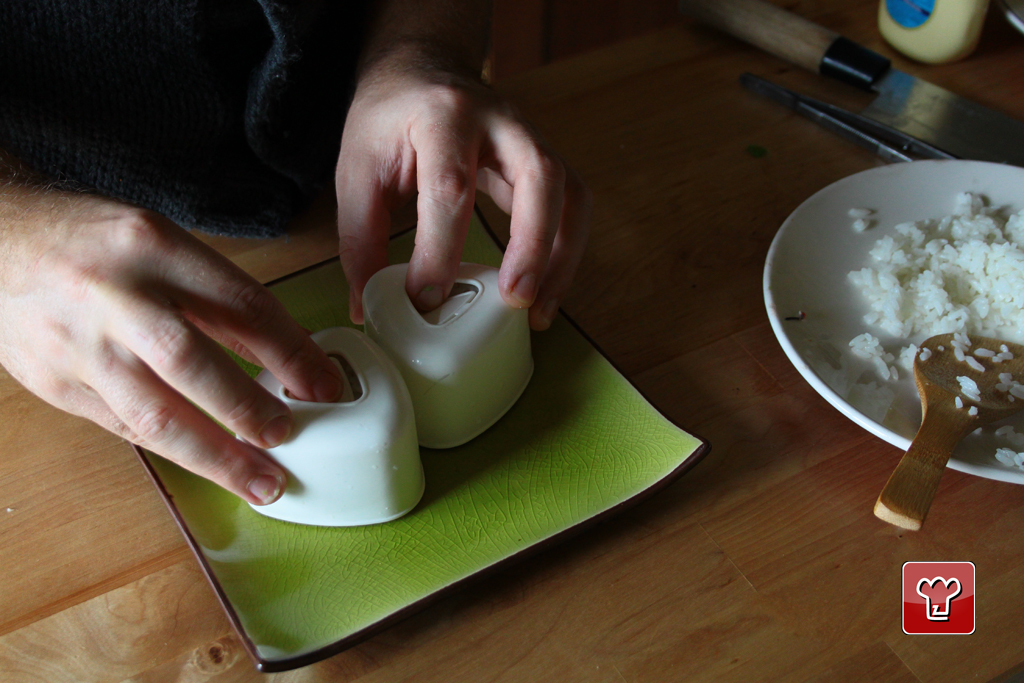
|
Turn the mould upside down and remove the rice balls
|
|
View the step by step
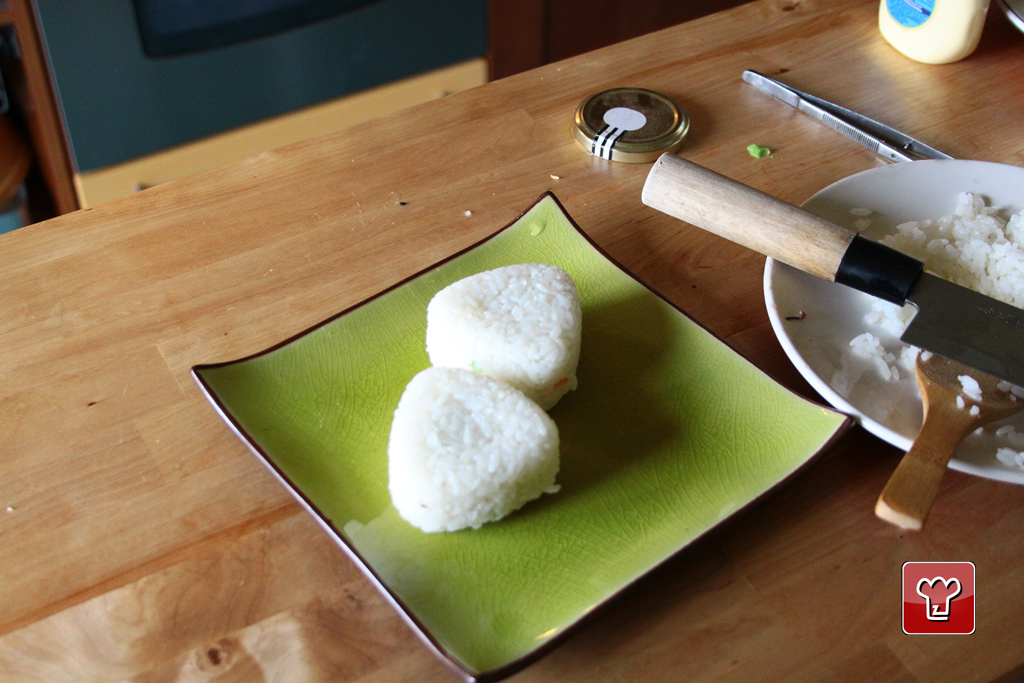
|
Here are the rice balls without decoration
|
|
View the step by step
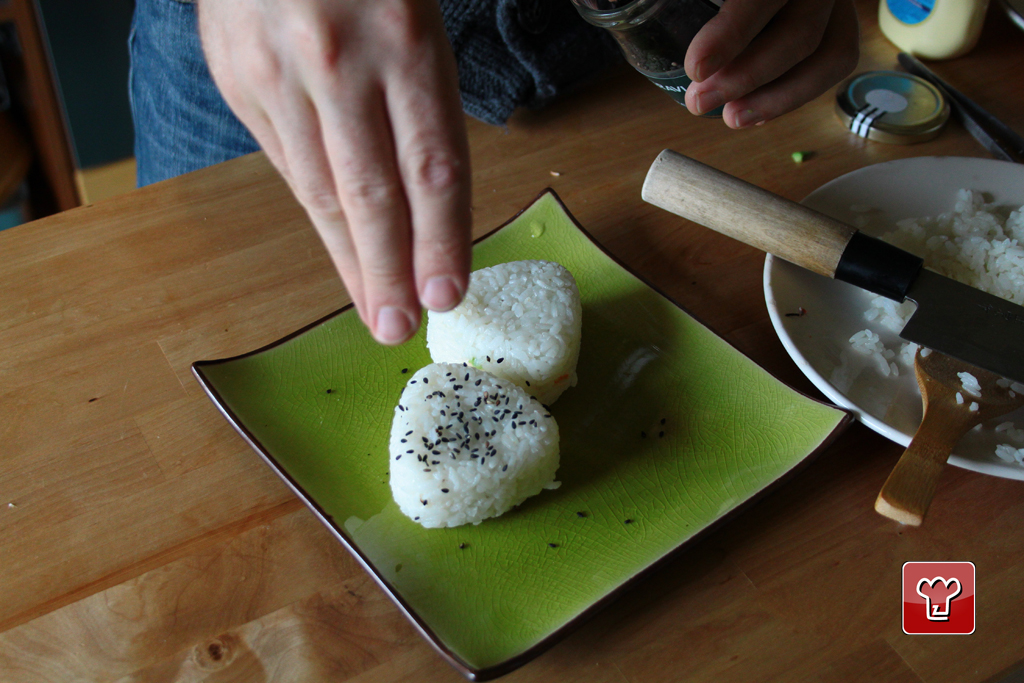
|
Decorate with some sesame seeds which attach themselves to the rice
|
|
View the step by step
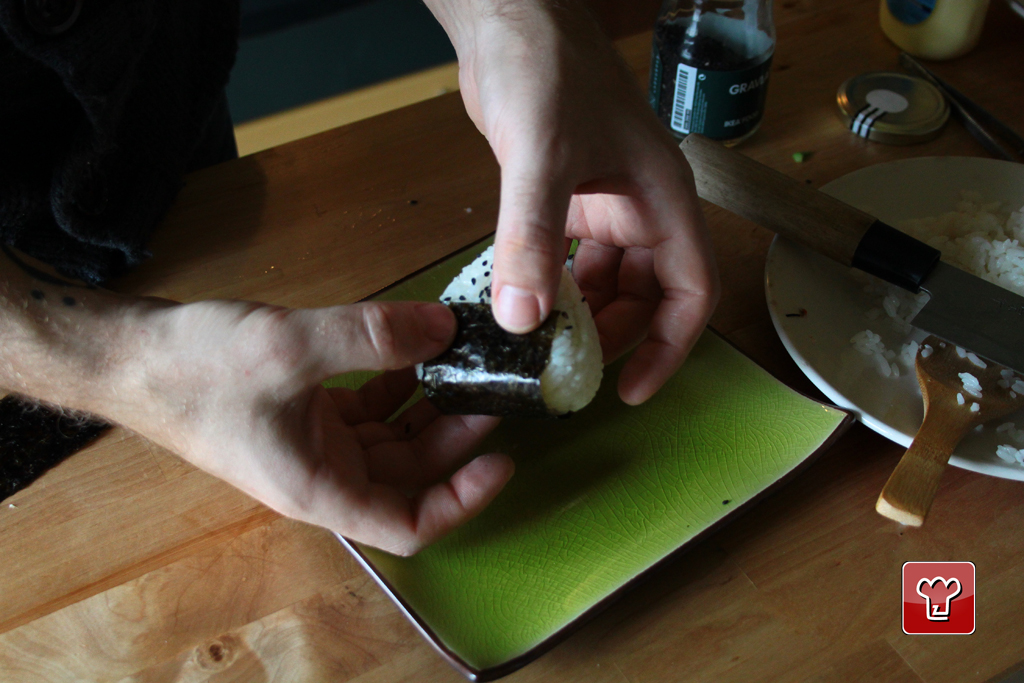
|
Cut out a piece of seaweed to attach to the bottom of the rice ball with which to pick it up
|
|
View the step by step
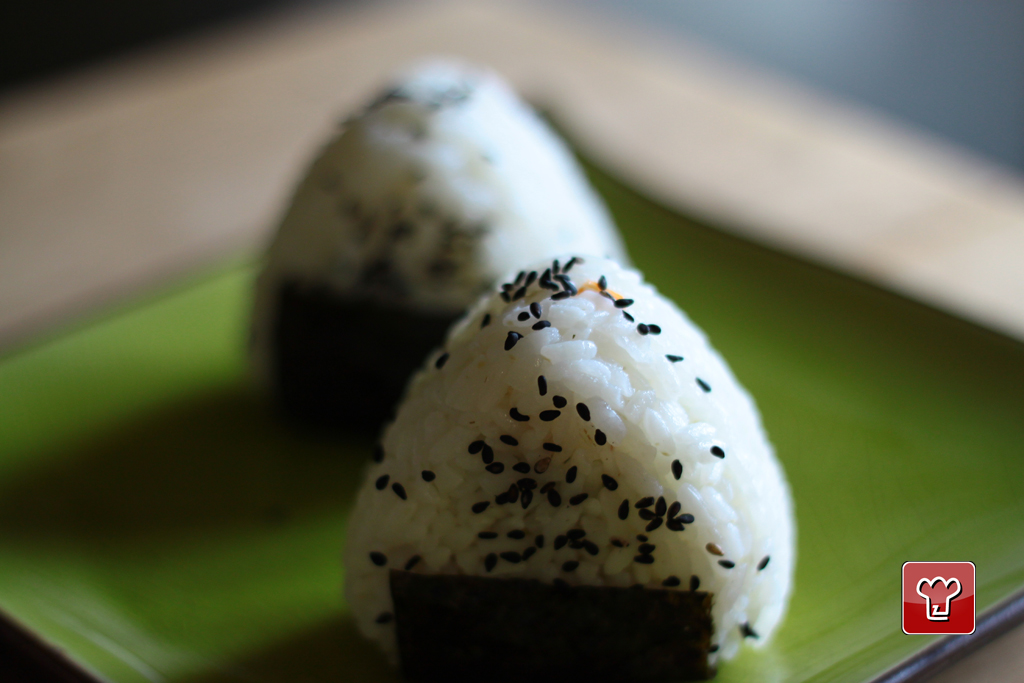
|
The O-nigiri are ready! Serve with a little wasabi and a small bowl of soy sauce
|
Additional information
Onigiri with Surimi and Avocado
One of the tastiest variations of onigiri is the one that uses surimi and avocado. This preparation combines the softness of sushi rice with the freshness of avocado and the delicate flavor of surimi, creating a perfect dish for a quick lunch or a tasty snack. To make this variation, it is essential to choose a ripe avocado, which blends perfectly with the other ingredients. Light mayonnaise adds a creamy note, making each bite even more inviting. Sprinkling the onigiri with black sesame not only enriches the dish visually but also adds a pleasant crunch. This version is ideal for those who love fresh and light flavors without giving up the goodness of traditional onigiri.
Japanese Onigiri with Sushi Rice
Preparing onigiri following the Japanese tradition is a way to immerse oneself in the culinary culture of Japan. In this variation, the rice is cooked and seasoned with rice vinegar, sugar, and salt to achieve an authentic flavor. The classic shape of onigiri is triangular, but they can also be made in other shapes using special molds. The nori seaweed that wraps the onigiri imparts umami flavor and a crunchy texture, making the dish even more interesting. This preparation is perfect for a picnic, for a packed lunch, or simply as a snack. Onigiri is very versatile and can be filled with a variety of ingredients, such as fish, vegetables, or even meat, depending on personal tastes and availability.
Light Onigiri with Light Mayonnaise
For those who are mindful of their figure, light onigiri represent an ideal choice. By using light mayonnaise and limiting portions, it is possible to maintain flavor without weighing down the dish. This preparation is perfect for those who want a light meal that is still nutritious and satisfying. Additionally, the use of fresh ingredients like avocado and surimi helps make onigiri a healthy option. Light onigiri can be prepared in advance and stored in the refrigerator, making them perfect for a quick lunch break. Experimenting with different combinations of light ingredients can make each onigiri unique, allowing for flavor variations without sacrificing lightness.
Nutritional Benefits of Onigiri: Rice, Avocado, and Surimi
Onigiri are not only delicious but also a source of important nutrients. The rice, the base of this preparation, provides complex carbohydrates, essential for lasting energy. Avocado, rich in monounsaturated fats, is a superfood that promotes heart health and offers a good dose of fiber. Surimi, made from fish, is a source of lean protein, which contributes to maintaining muscle mass. On average, an onigiri with surimi and avocado has about 200-250 calories, depending on the portions and ingredients used. This combination makes onigiri a balanced and nutritious dish, perfect for those seeking a healthy and tasty meal.
Can Onigiri Be Frozen?
The most common question regarding onigiri is whether they can be frozen. The answer is yes, but with some precautions. It is advisable to freeze unfilled onigiri, as fresh ingredients like avocado and mayonnaise may alter the texture and flavor once thawed. To freeze them, it is best to wrap them individually in plastic wrap and then place them in an airtight container. When you want to consume them, simply let them thaw in the refrigerator for a few hours or at room temperature. This way, you can enjoy fresh onigiri even days after preparation, keeping the flavors and nutritional properties intact.