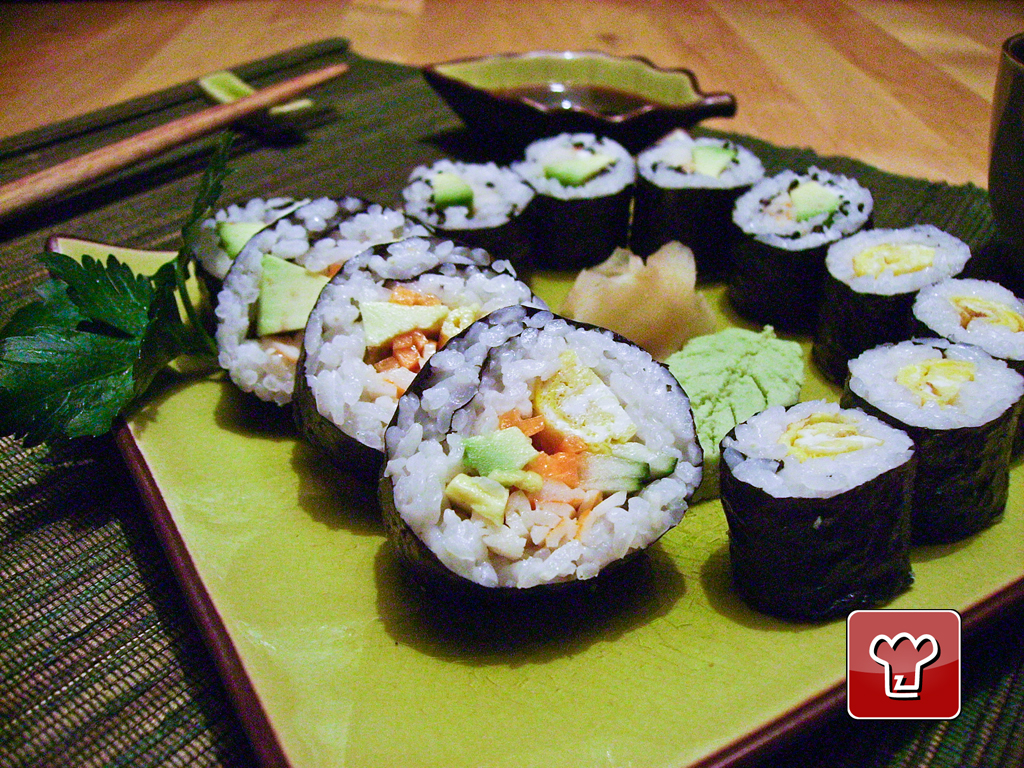
A trio of Makizushi: California maki, futo maki, tamago maki
Among the great cuisines of the world, the Japanese seems to be that most related to the spiritual dimension, perhaps because of the rituals associated with the preparation of certain dishes and, maybe, also because of the filmed reports from Japan which emphasise eating as a sacred moment during Japanese daily life. Well, on account of our adventure to the ‘Land of the Rising Sun’, today we are going to make something tasty and light, combining Japanese tradition and our desire to experiment with new and delicious recipes such as those from Japan – a triplet of makizushi. In order to ensure we get that little bit extra from our efforts, we are going to make three: California Maki, Futo Maki and Tamago Maki, on a journey of taste whereby avocado combines with crabsticks, cucumber, Japanese nori seaweed, and sesame seeds to give even more irresistible flavour.
Ingredients
* approximate values per serving
Preparation
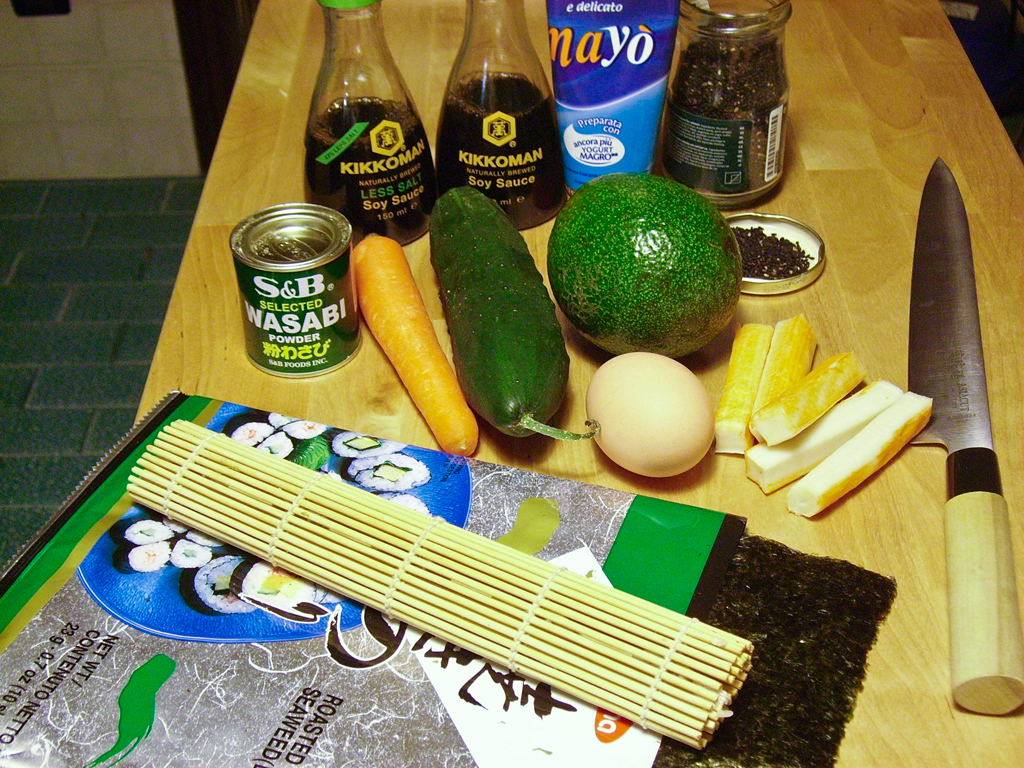
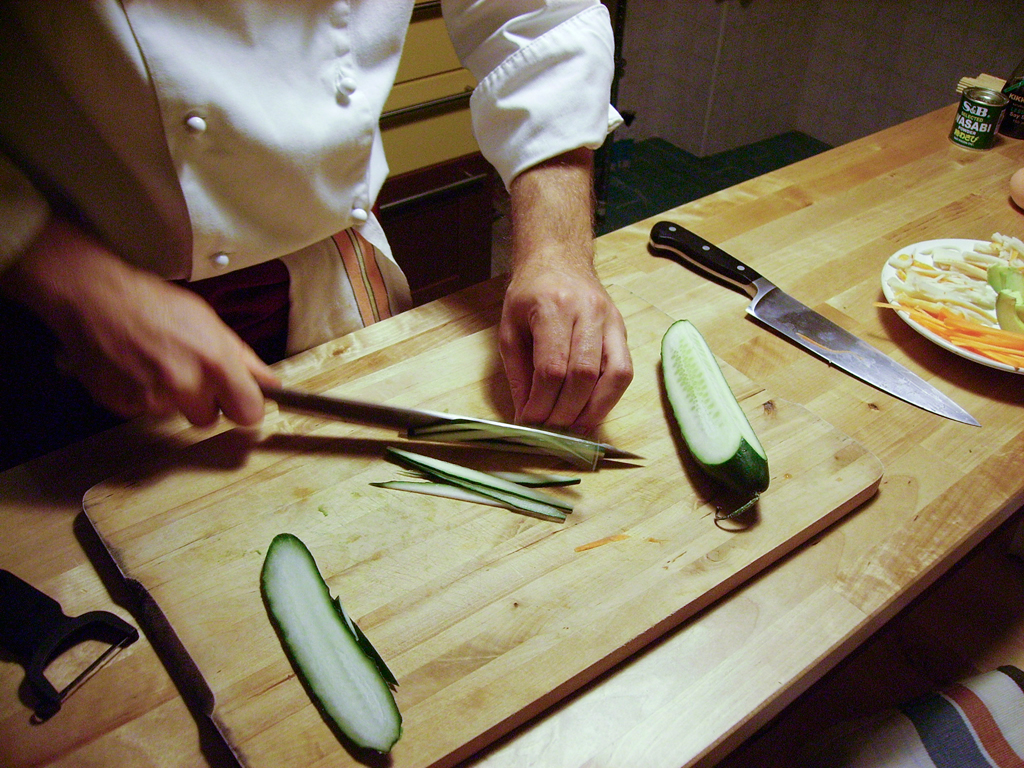
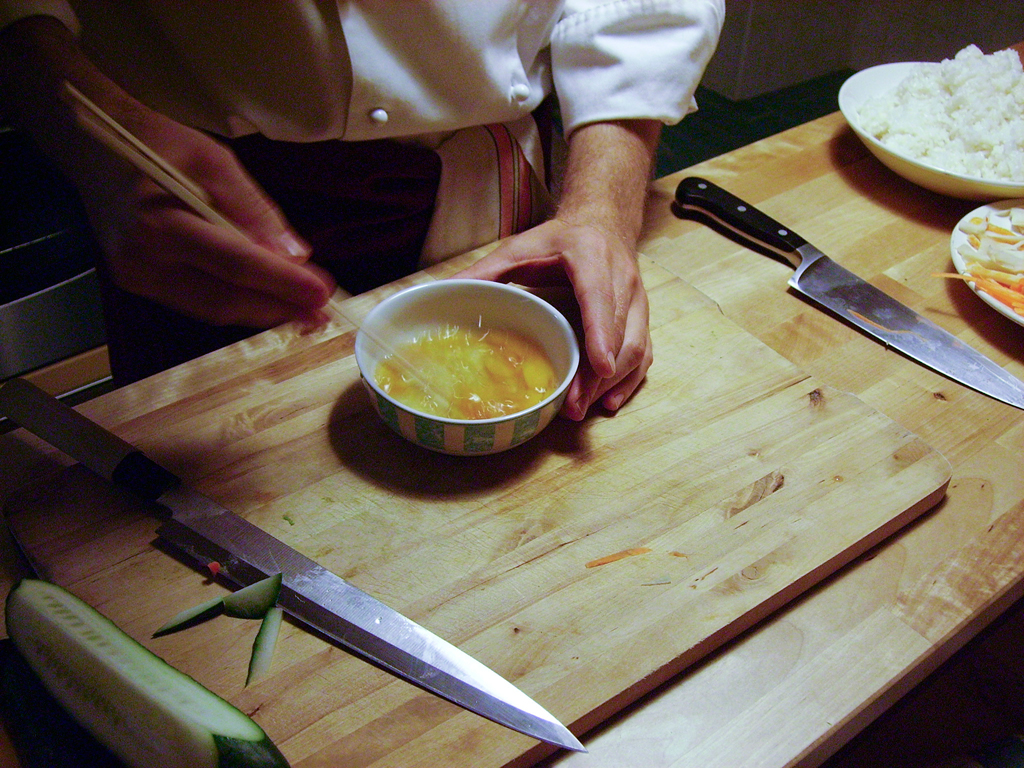
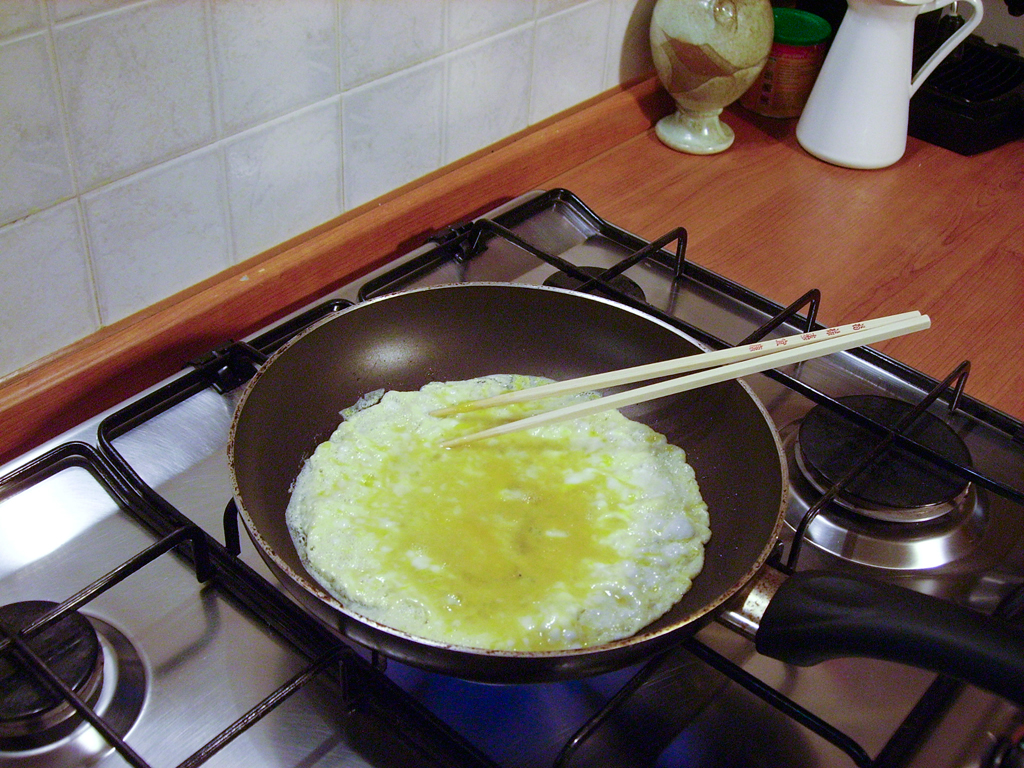
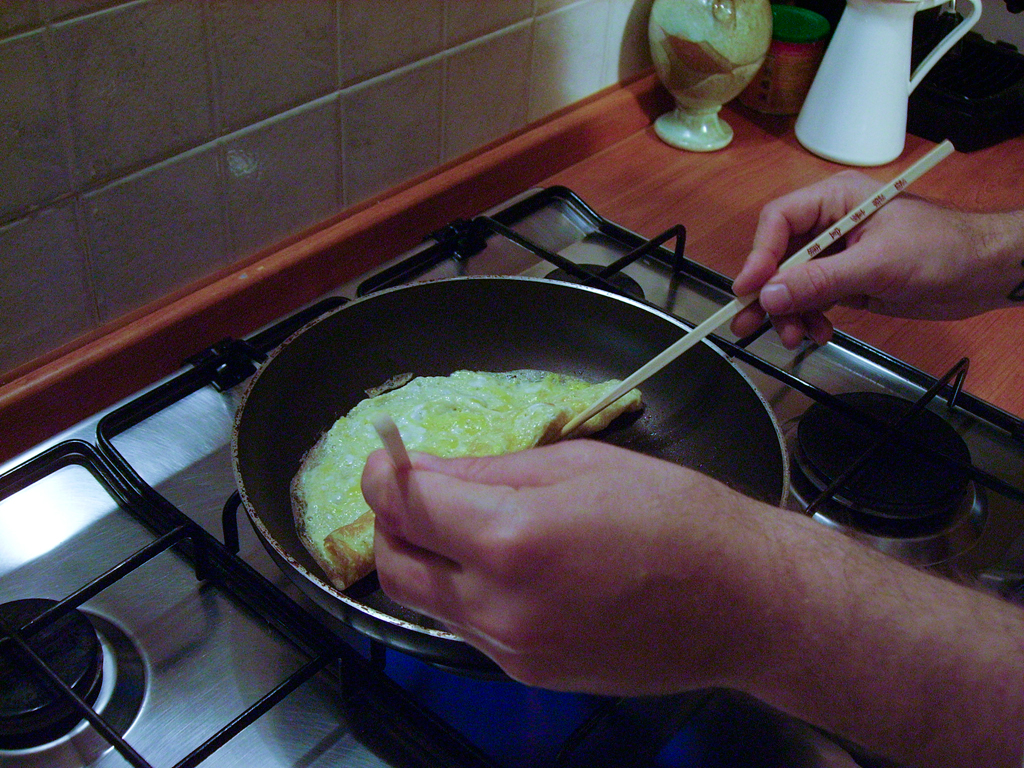
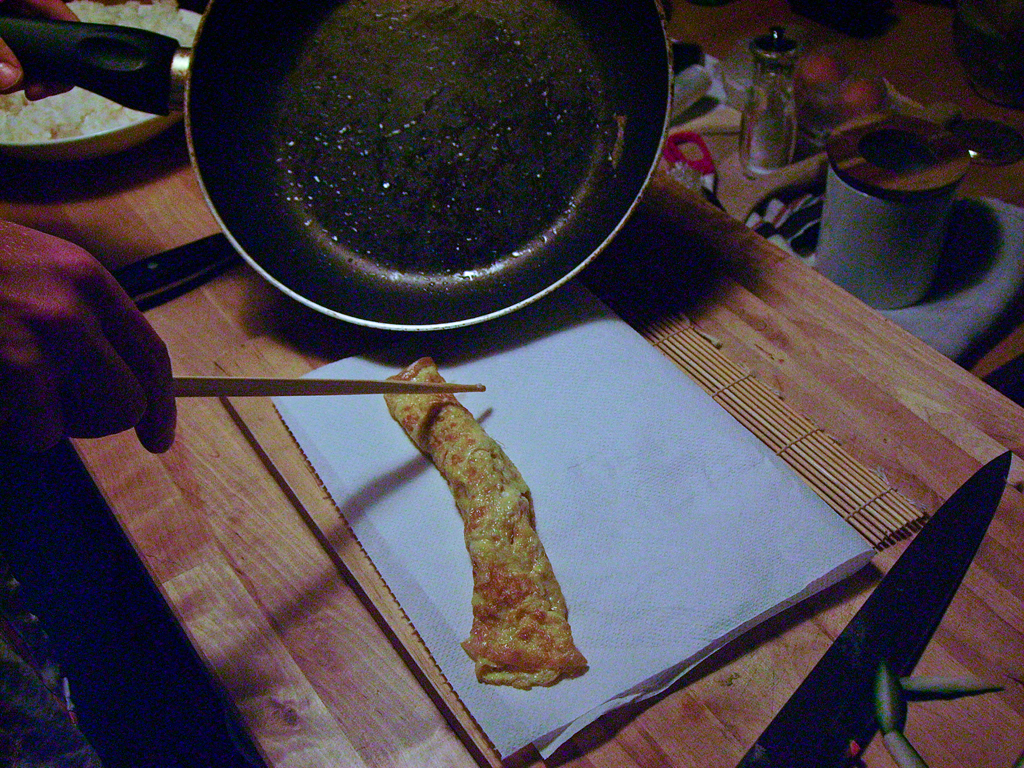
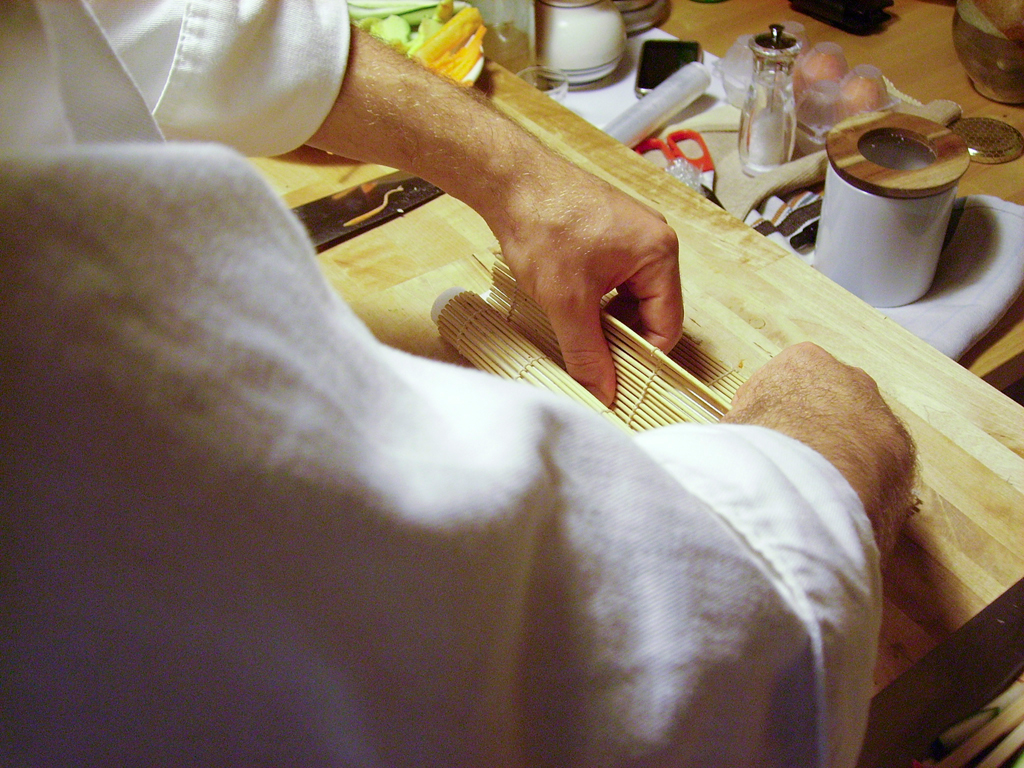
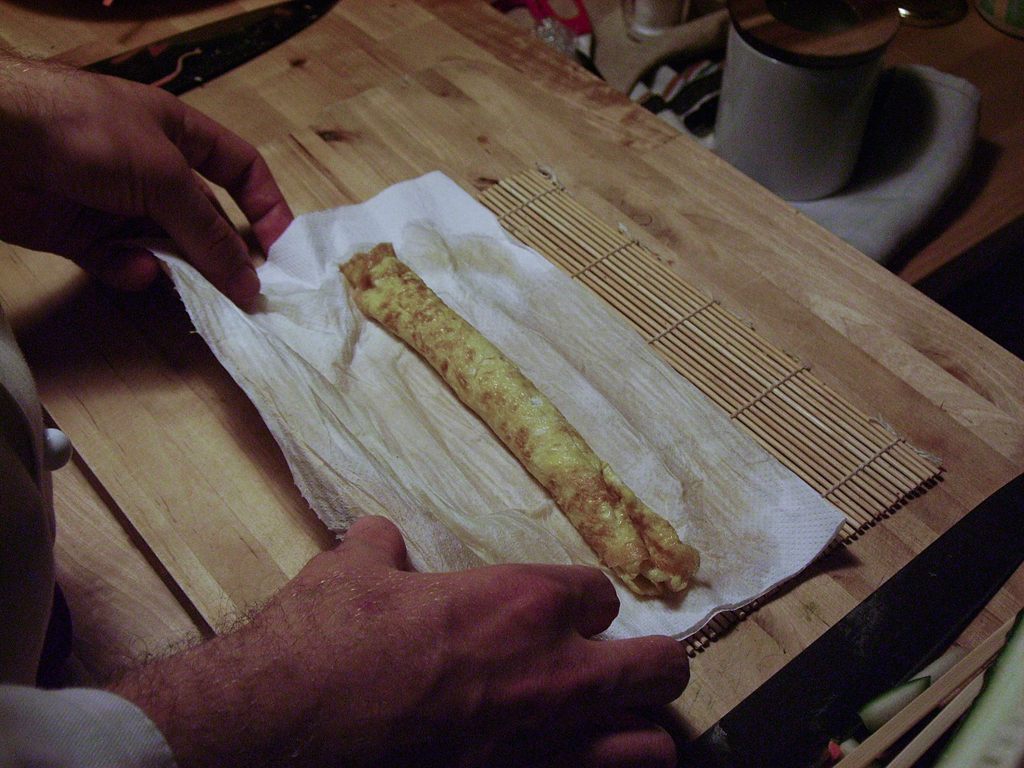
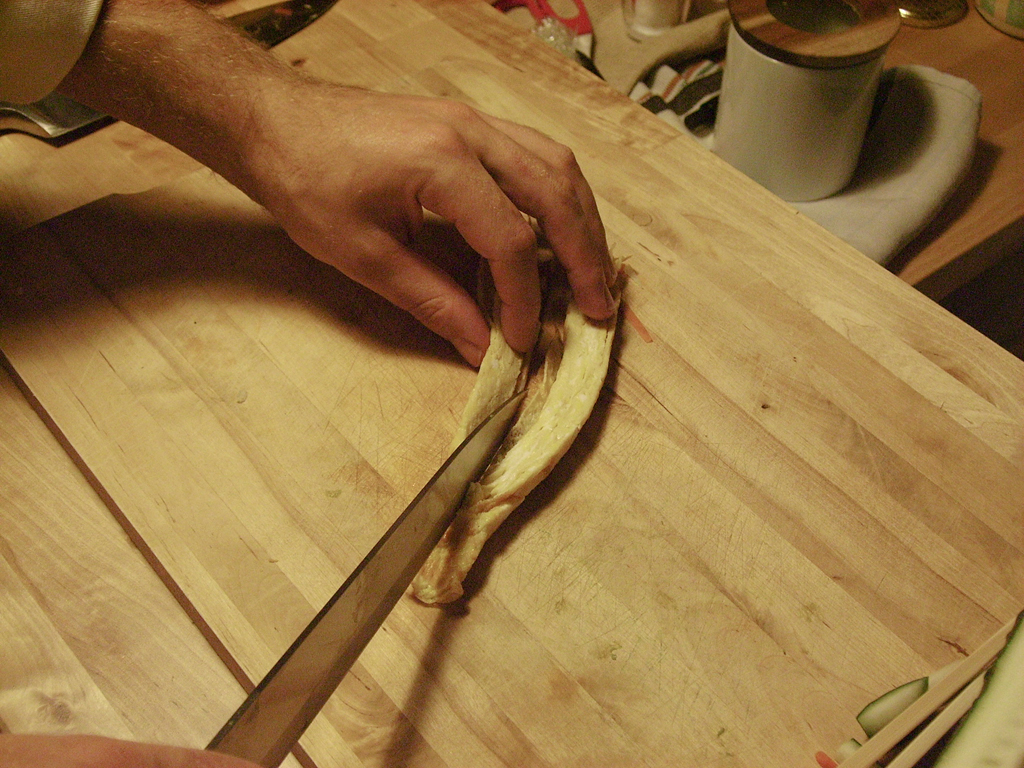
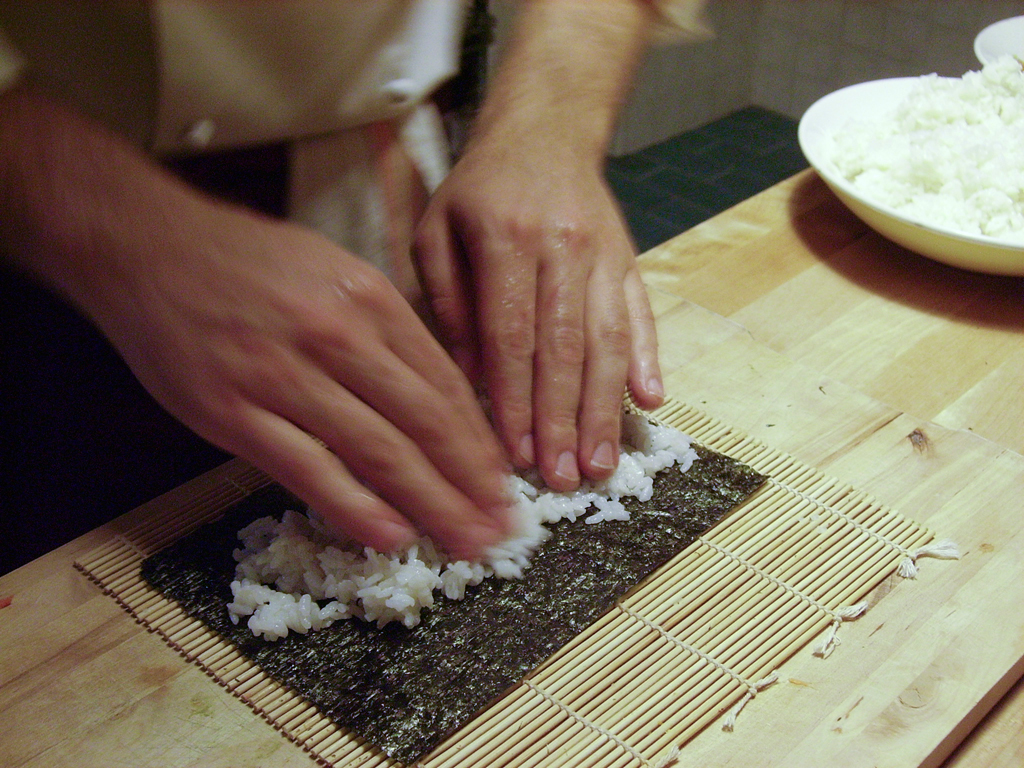
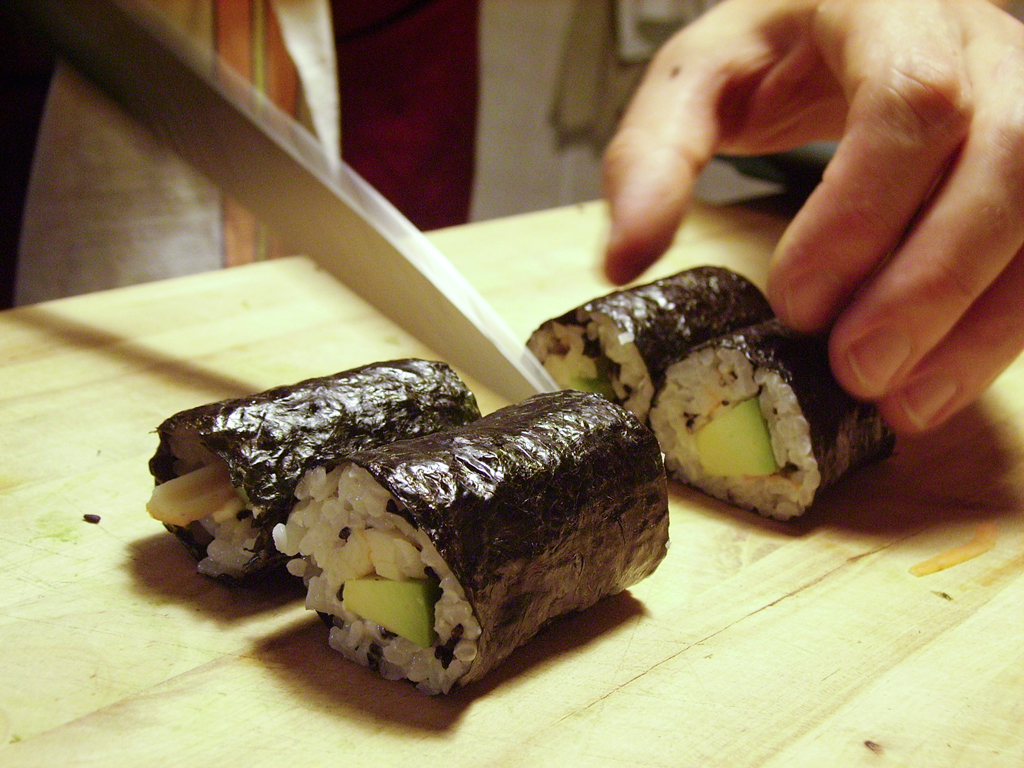
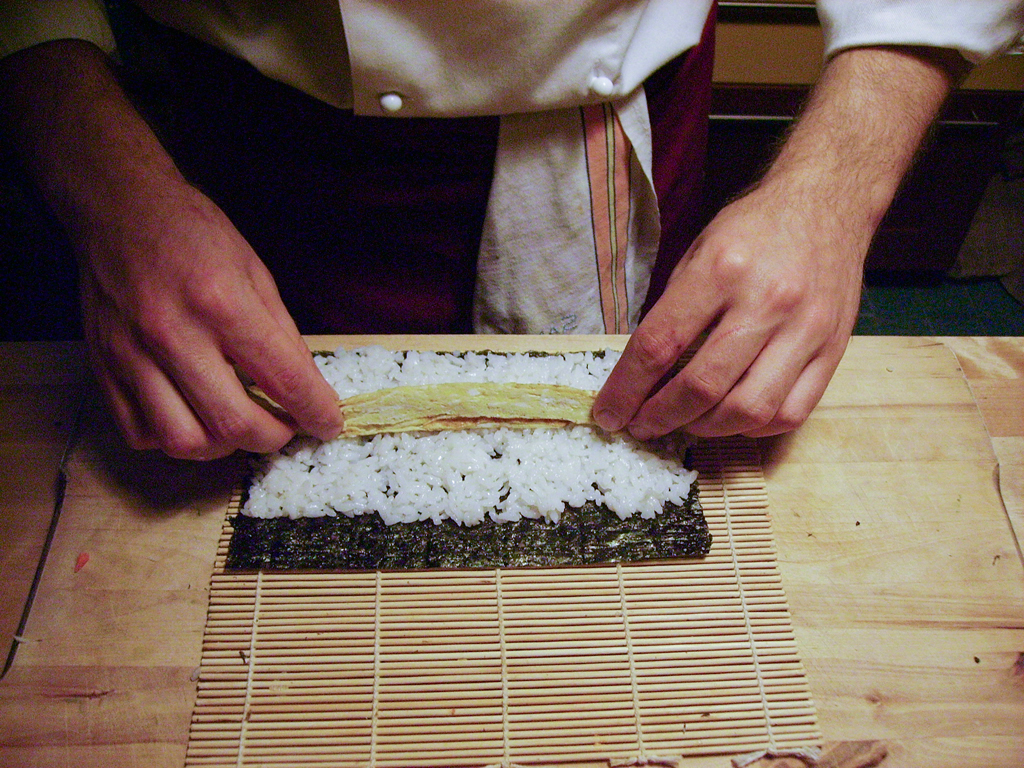
To make maki, the technique is always the same, only the contents and size change – so, for example, the width of the seaweed and the amount of rice used. First, make the rice for the sushi, let it cool and set aside. Prepare all the ingredients so that they are arranged around your chopping board in piles, ready to be used. Cut the crab sticks into slices, cut the carrots and cucumber peel into julienne strips, slice the avocado, prepare the mayonnaise, and the sesame seeds. Make the omelette as follows: beat one whole egg with bamboo chopsticks, season with a pinch of salt and a dash of soy sauce. Heat a pan with sesame oil and pour in the beaten egg; when it is almost completely cooked, start to roll the omelette onto itself with the chopsticks. Immediately remove it from the heat and transfer it in a paper towel placed over the makisu (a woven mat for making maki). Now, use the makisu to roll it up, pressing hard to compact it well. Now remove it from the roll of paper and divide the omelette thus shaped into two halves. Now the technique for making maki: roll the nori seaweed on the makisu, making sure you have the rough side uppermost. Wet your hands - it's a good idea to have a bowl of water next to the chopping board - take a handful of rice and quickly, with your fingertips, spread it over the seaweed, leaving 2cm around the edge of the rice uncovered (refer to the picture gallery which shows exactly what we mean). Place the cut ingredients centrally but a little towards you. If you want to add the sesame seeds, spread them evenly over the rice before adding the rest of the ingredients. Now comes the difficult part: roll the maki up on a work surface, with your fingers and thumbs helping to keep the ingredients inside. Use the makisu to roll up the seaweed, stopping at the point where the rice ends. Now very quickly, but being extra careful to not break the seaweed, dip your finger in the bowl of water and wet the end without rice. Now, again with the help of the makisu, seal the end, pressing well. Don’t panic if it doesn’t work first time: it is a simple procedure but not easy to do on your first go. Now to portion the maki, first cut it in half with a very sharp knife with the blade slightly wet, then the two halves into four other halves, and the four into eight. In this way you’ll have portioned up your maki on a regular and symmetrical basis. For the three different types of maki simply use the various ingredients described above. Serve with wasabi, Japanese horseradish, and soy sauce.
Step by step
|
View the step by step
|
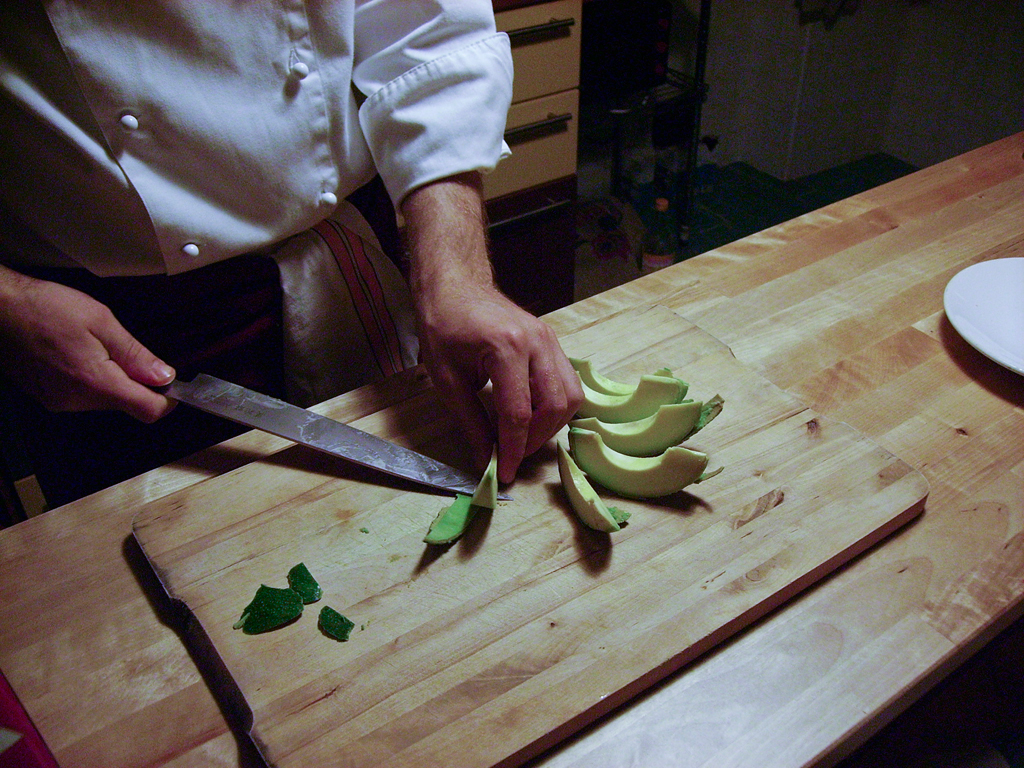
After peeling the avocado, cut it into slices
|
|
View the step by step
|
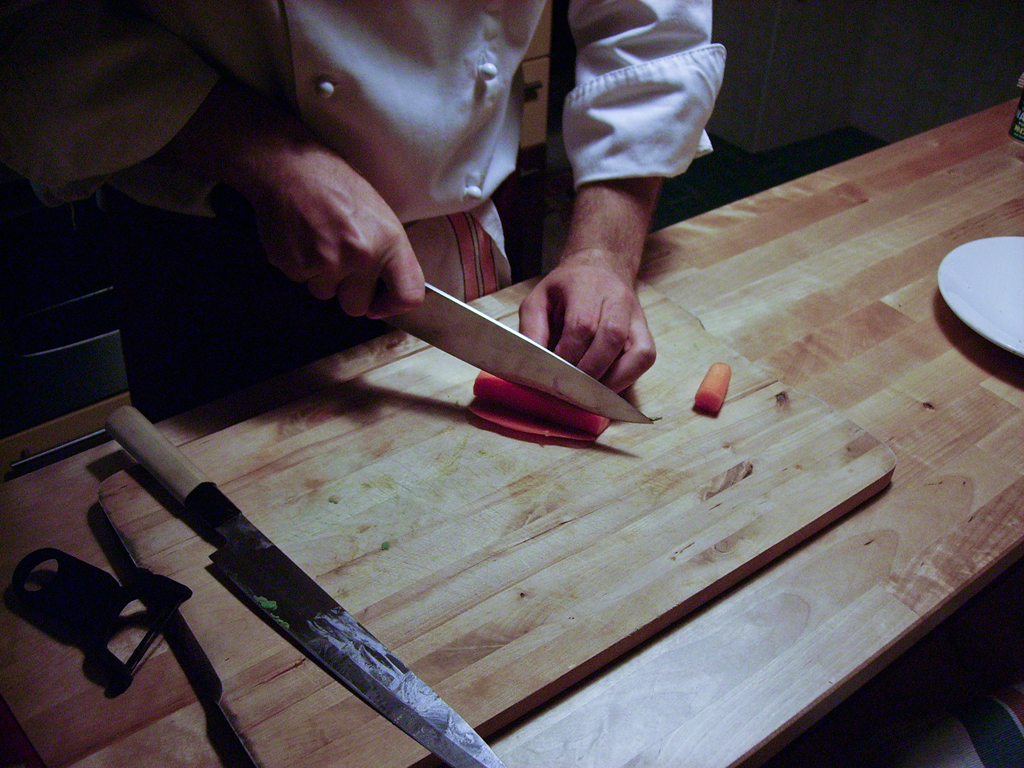
Cut the carrot into thin julienne strips
|
|
View the step by step
|
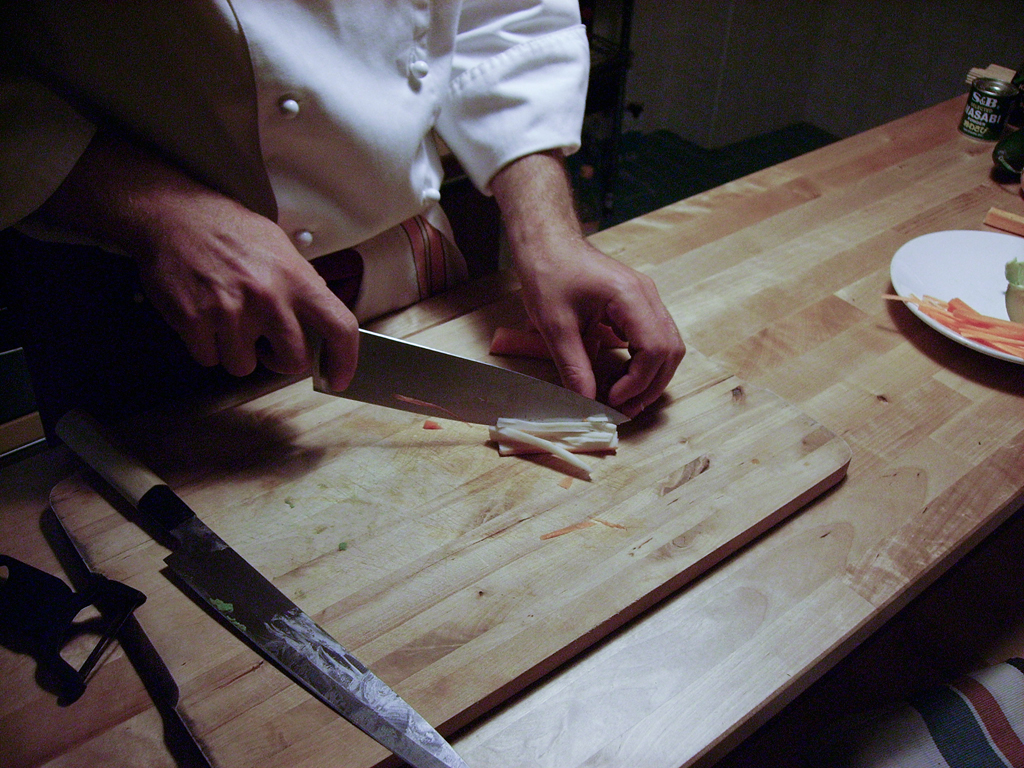
Cut the crabsticks into thin julienne slices
|
|
View the step by step
|
Remove the skin of the cucumber and cut it into julienne strips
|
|
View the step by step
|
Beat the egg for the omelette with a pinch of salt and dash of soya
|
|
View the step by step
|
Fry the omelette in a hot frying pan with sesame seed oil
|
|
View the step by step
|
When the omelette is done, roll it up on itself
|
|
View the step by step
|
Here’s how the omelette should look when cooked
|
|
View the step by step
|
Compress the omelette with the makisu
|
|
View the step by step
|
Here’s how the omelette should look once compressed
|
|
View the step by step
|
Cut the omelette in two lengthwise
|
|
View the step by step
|
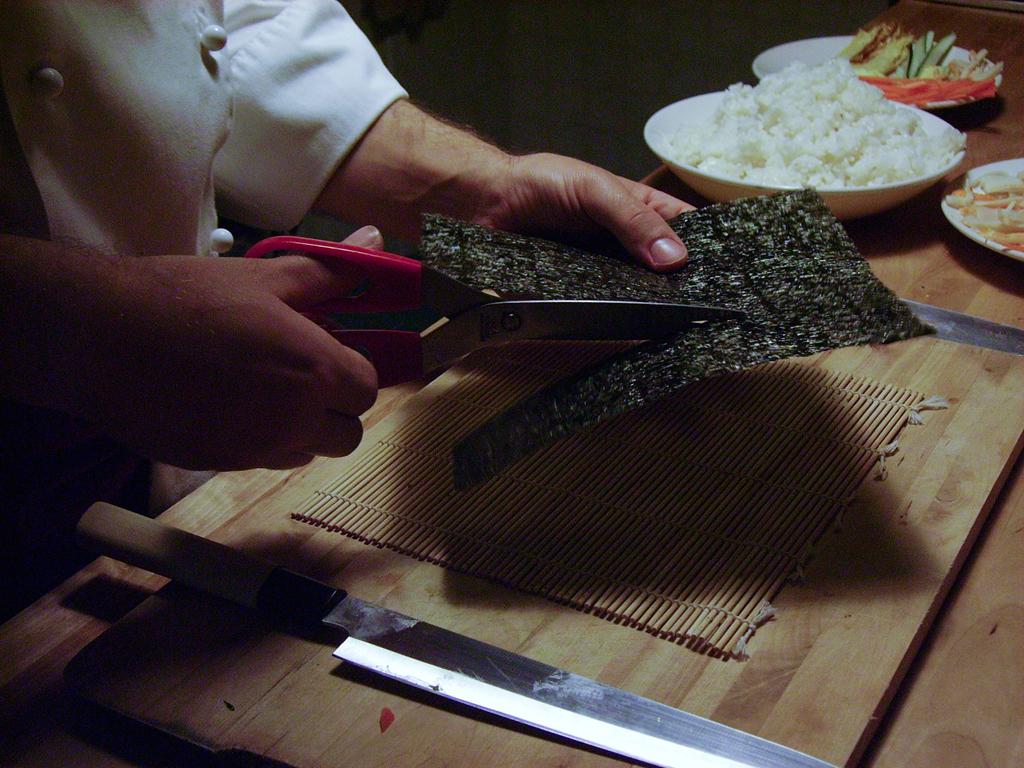
Cut the seaweed to the desired dimension
|
|
View the step by step
|
Roll out the rice on the seaweed with wettened hands leaving a 2cm border around the edge
|
|
View the step by step
|
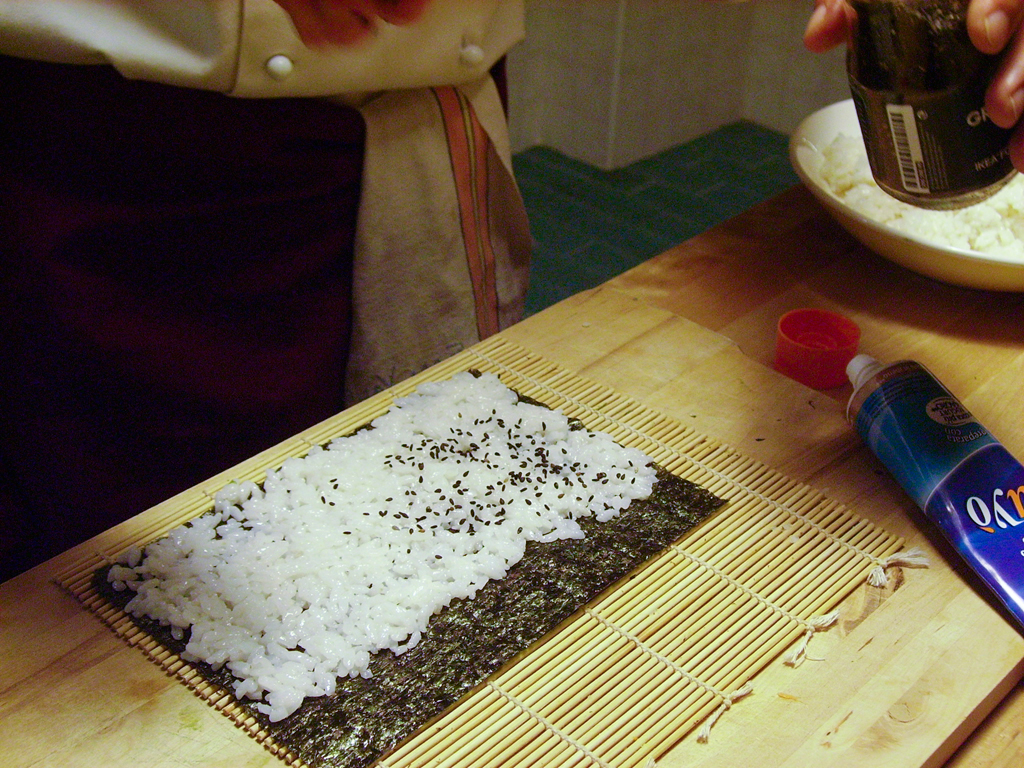
Sprinkle the rice with the toasted sesame seeds
|
|
View the step by step
|
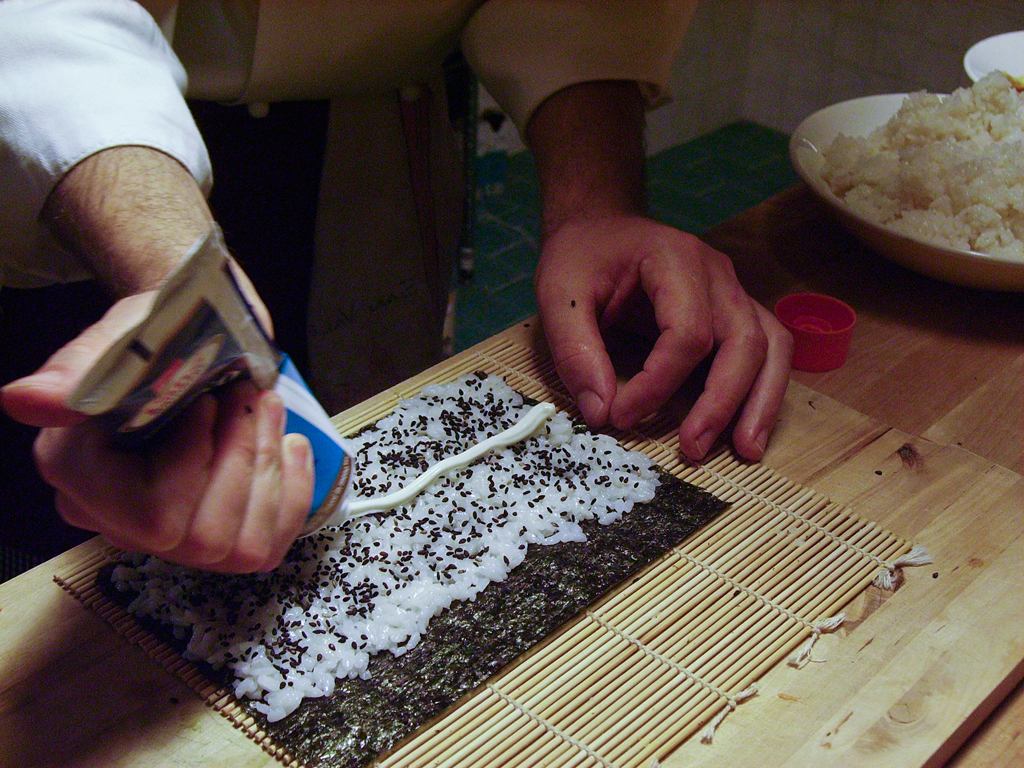
Spread out a line of mayonnaise in the centre of the rice
|
|
View the step by step
|
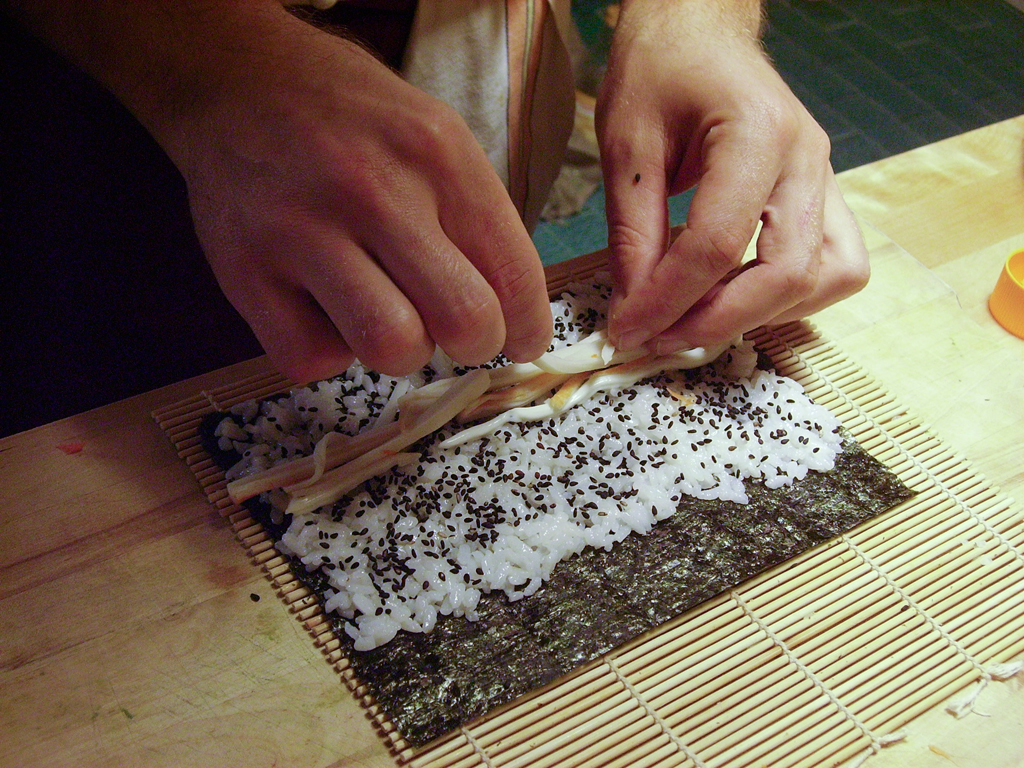
Spread out the crabsticks on the centre of the rice
|
|
View the step by step
|
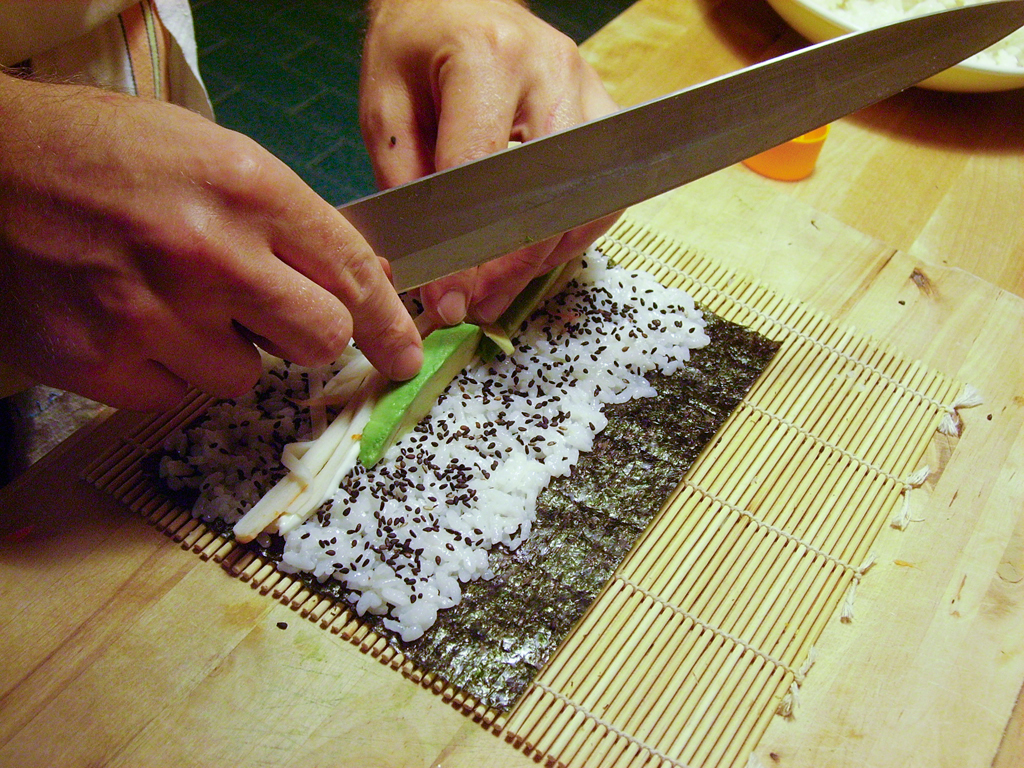
Arrange the avocado slices in the centre of the rice together with the other ingredients
|
|
View the step by step
|
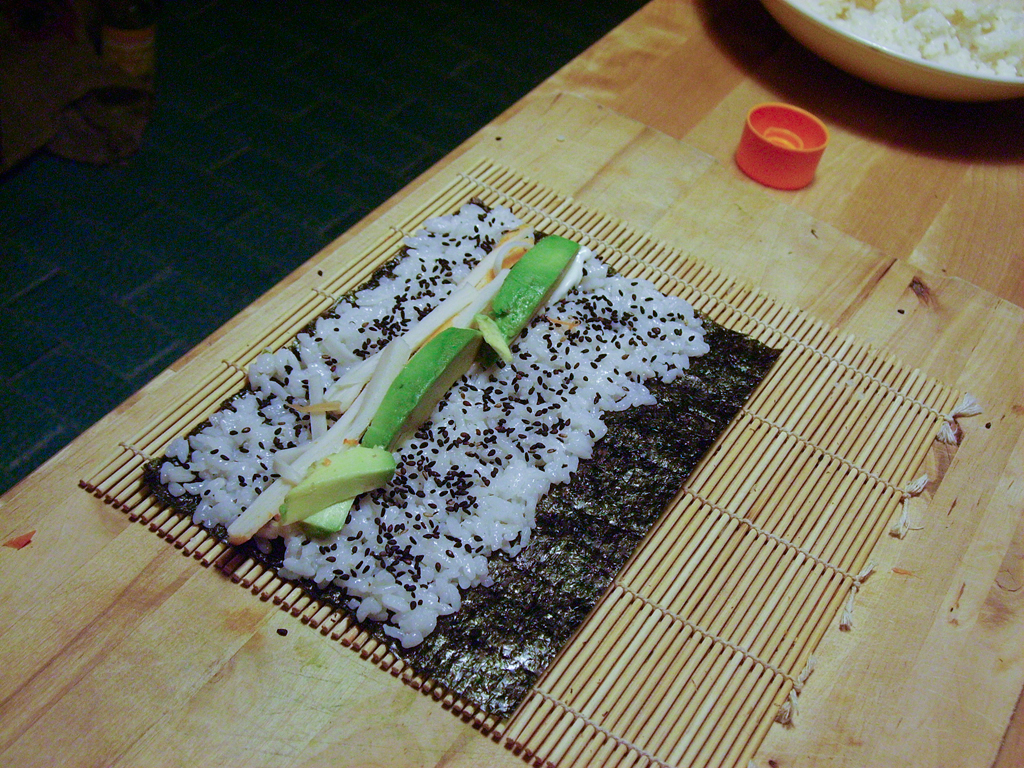
Here is how the filling should look just before rolling up the maki. Wet the strip of uncovered seaweed with a little water
|
|
View the step by step
|
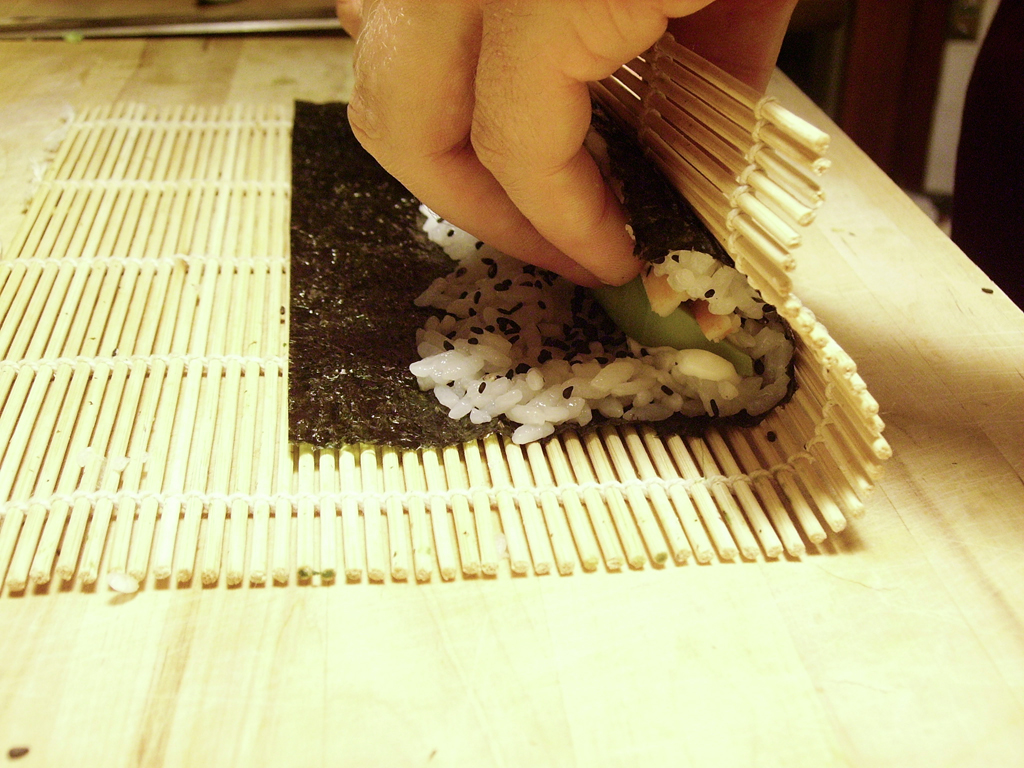
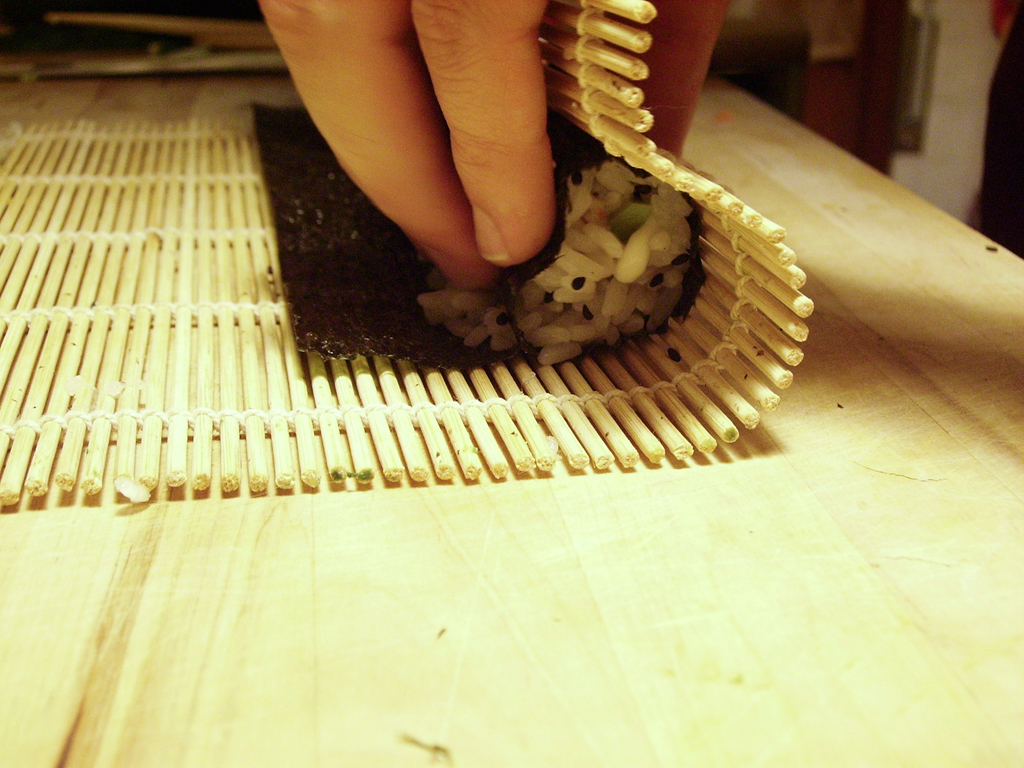
Here is the difficult bit: roll it up using your fingers to keep the filling inside
|
|
View the step by step
|
Using the makisu, roll up the maki
|
|
View the step by step
|
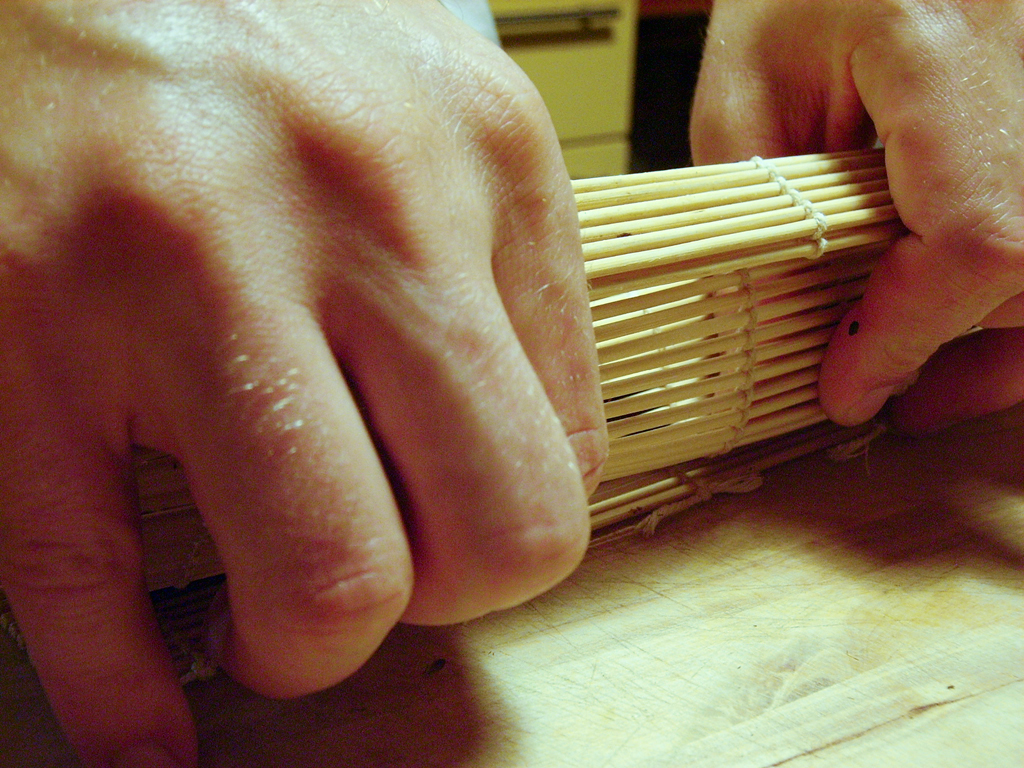
With the makisu, press the maki so that it is sealed
|
|
View the step by step
|
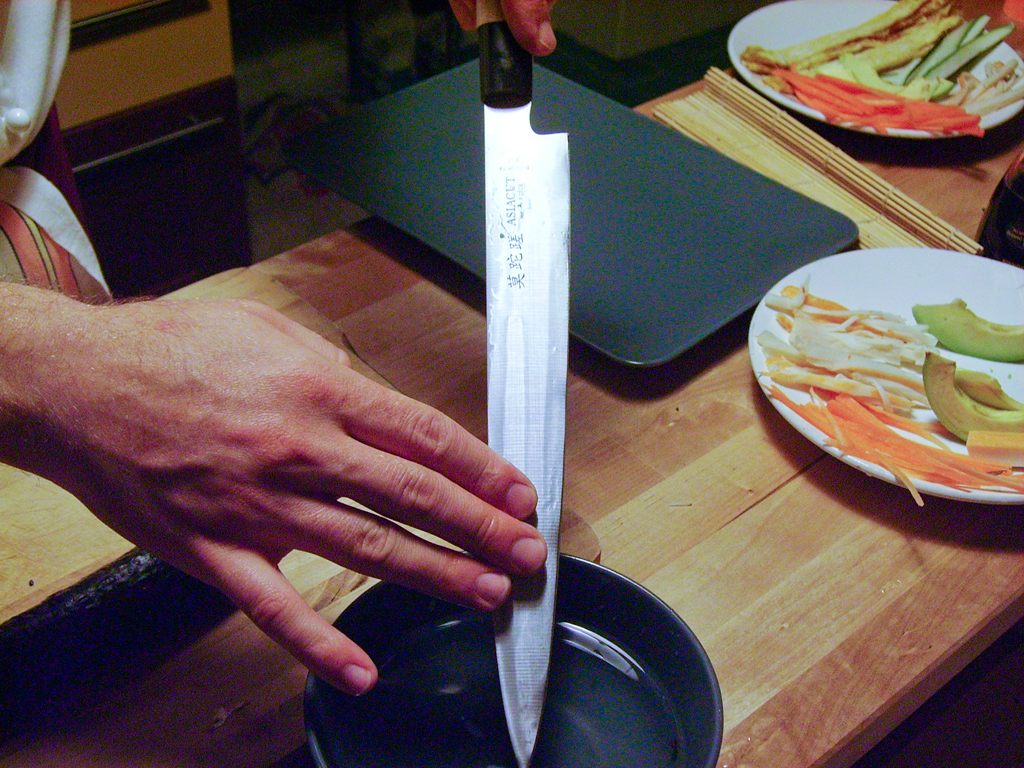
To cut the maki, use a very sharp, wettened sashimi knife
|
|
View the step by step
|
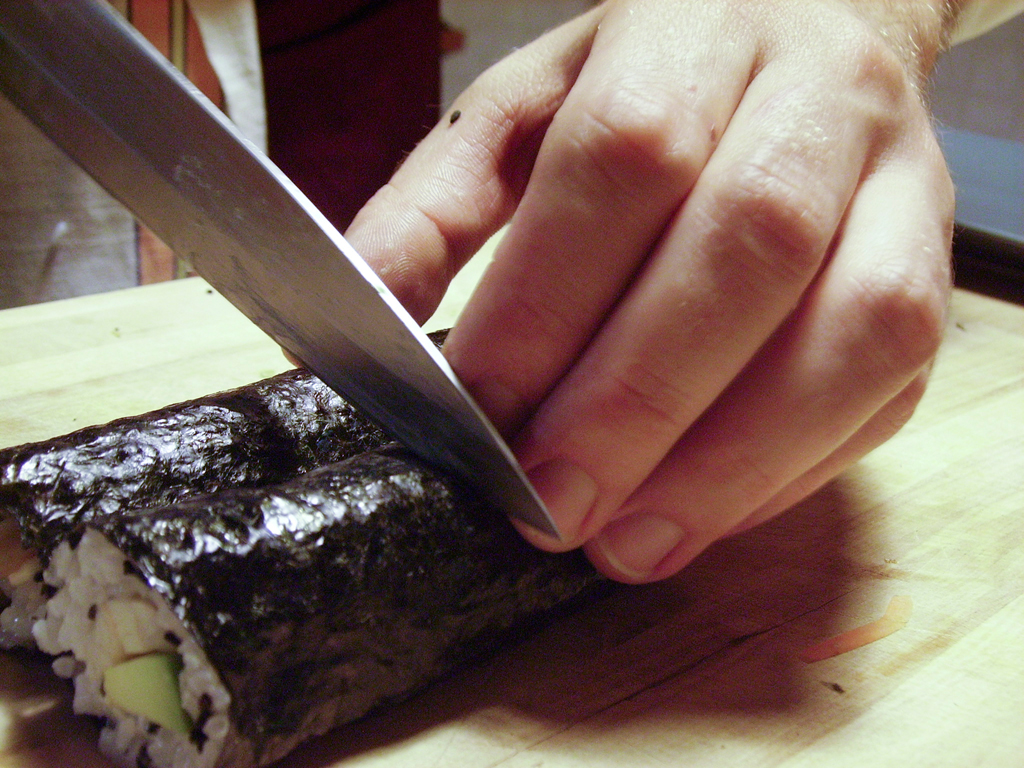
Cut the maki in half, and put the two parts together in parallel
|
|
View the step by step
|
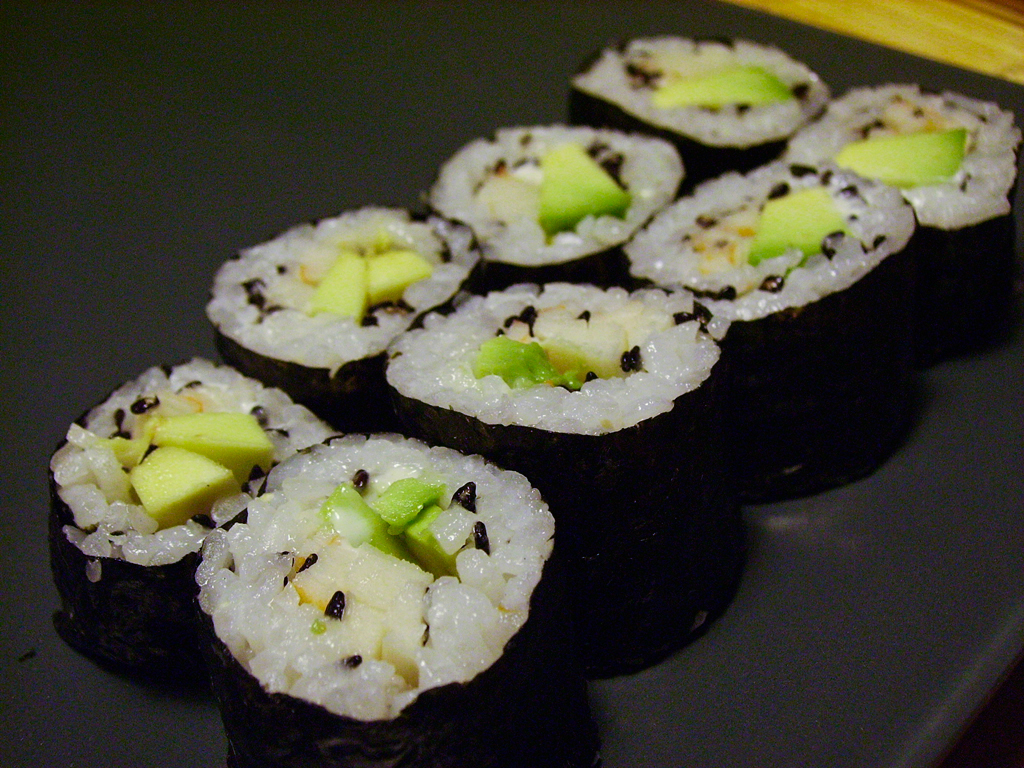
Cut the two parts in half once again
|
|
View the step by step
|
Cut in half once again, so that you get 8 pieces of maki
|
|
View the step by step
|
Make the tamago maki using the omelette as the filling
|
|
View the step by step
|
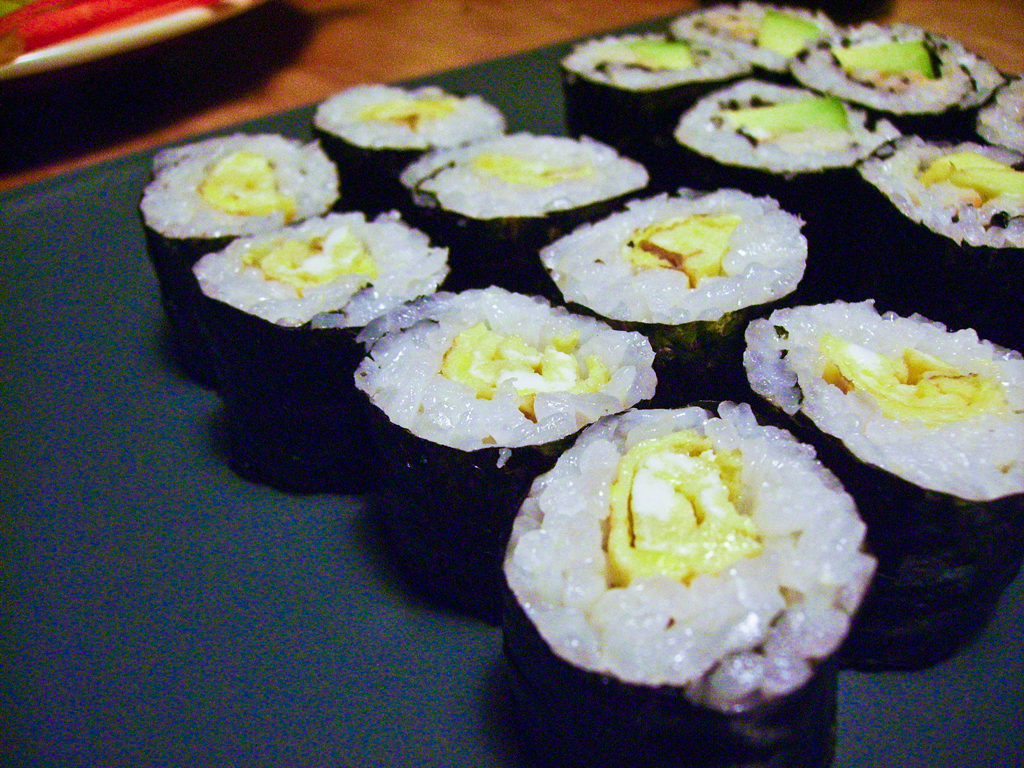
The tamago maki is ready, also divided into 8 pieces
|
|
View the step by step
|
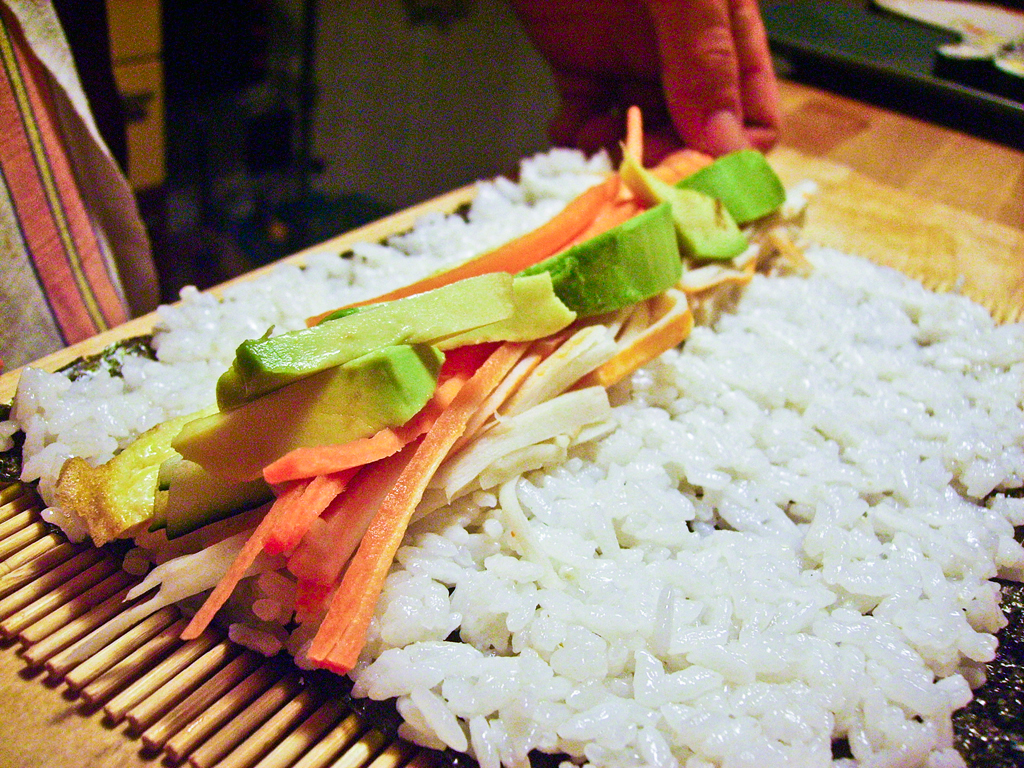
For the futo maki, use a whole sheet of seaweed, cover with rice leaving a border of 2cm, and put in the centre of the rice the crabsticks, the avocado, the cucumber, the carrot, and a dash of mayonnaise
|
|
View the step by step
|
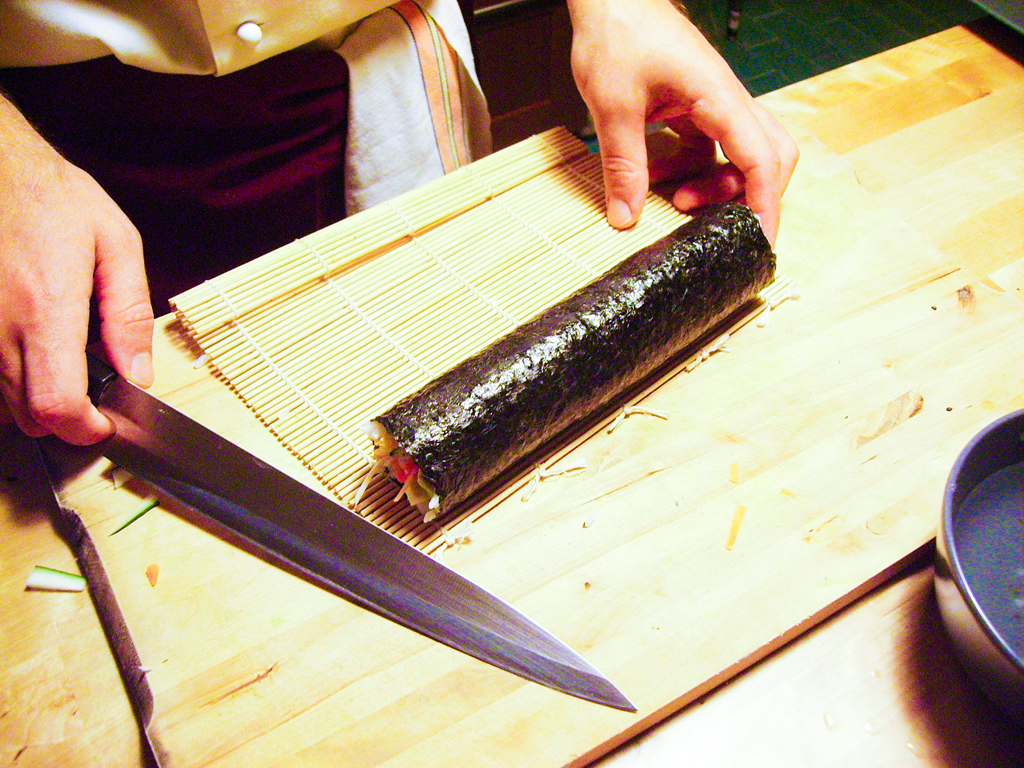
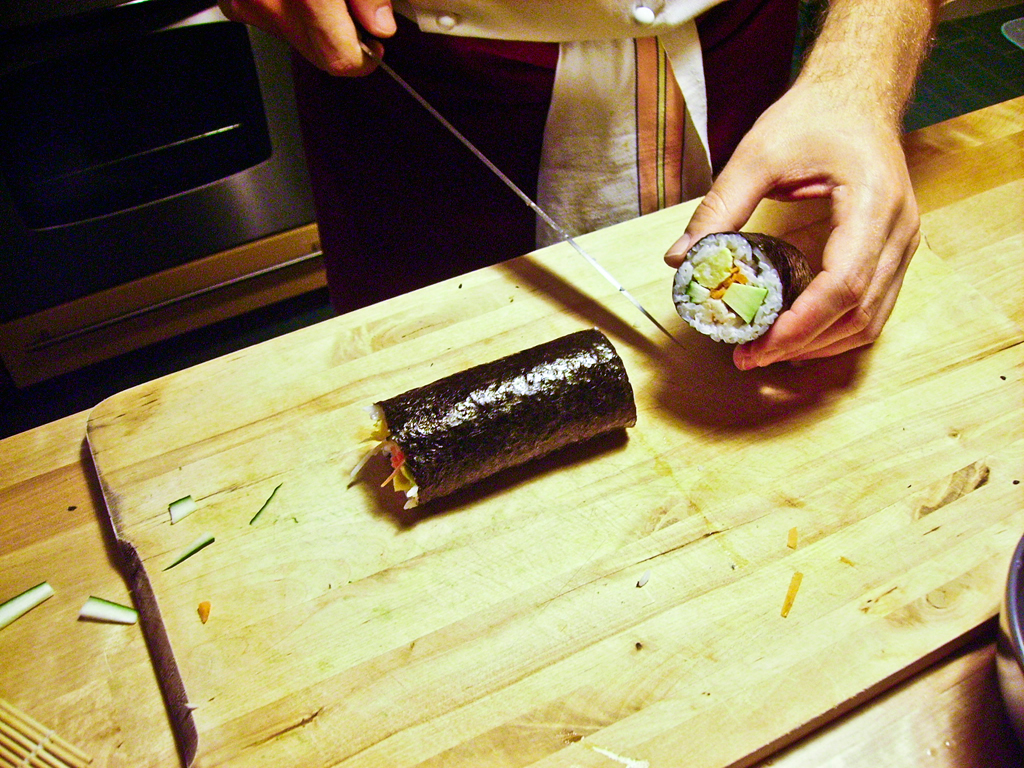
Roll up the futo maki (which will be much thicker than the others) and cut into 10 pieces
|
|
View the step by step
|
Roll up the futo maki (which will be much thicker than the others) and cut into 10 pieces
|
|
View the step by step
|
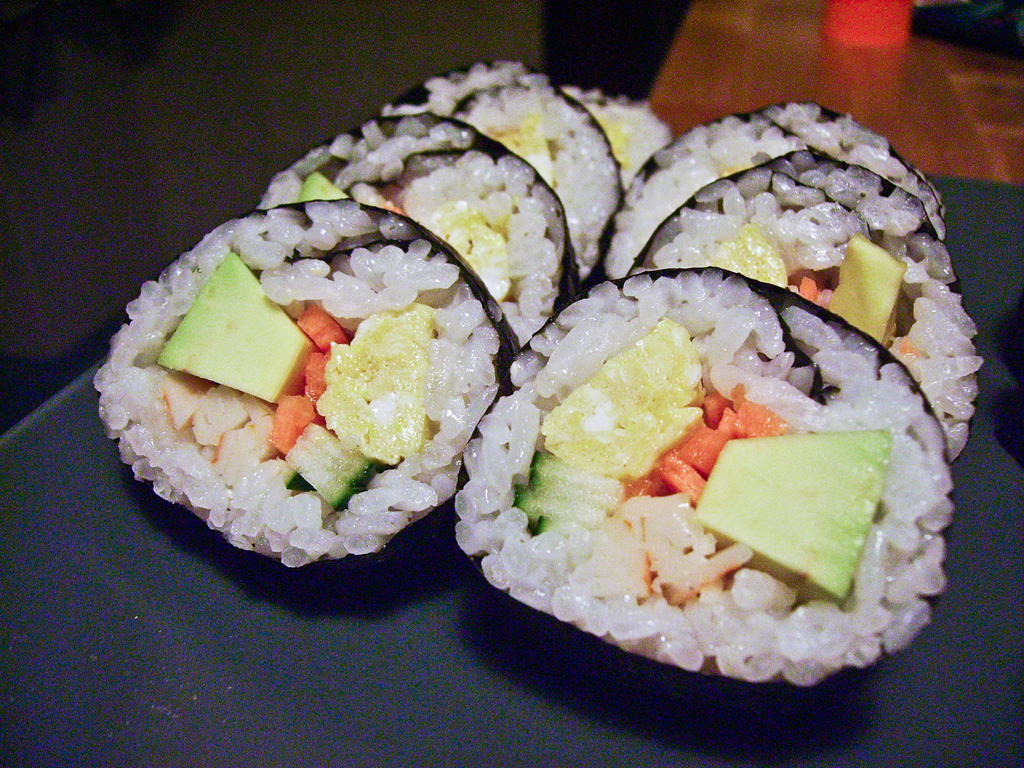
Here’s how the futo maki should look, good and thick!
|
|
View the step by step
|
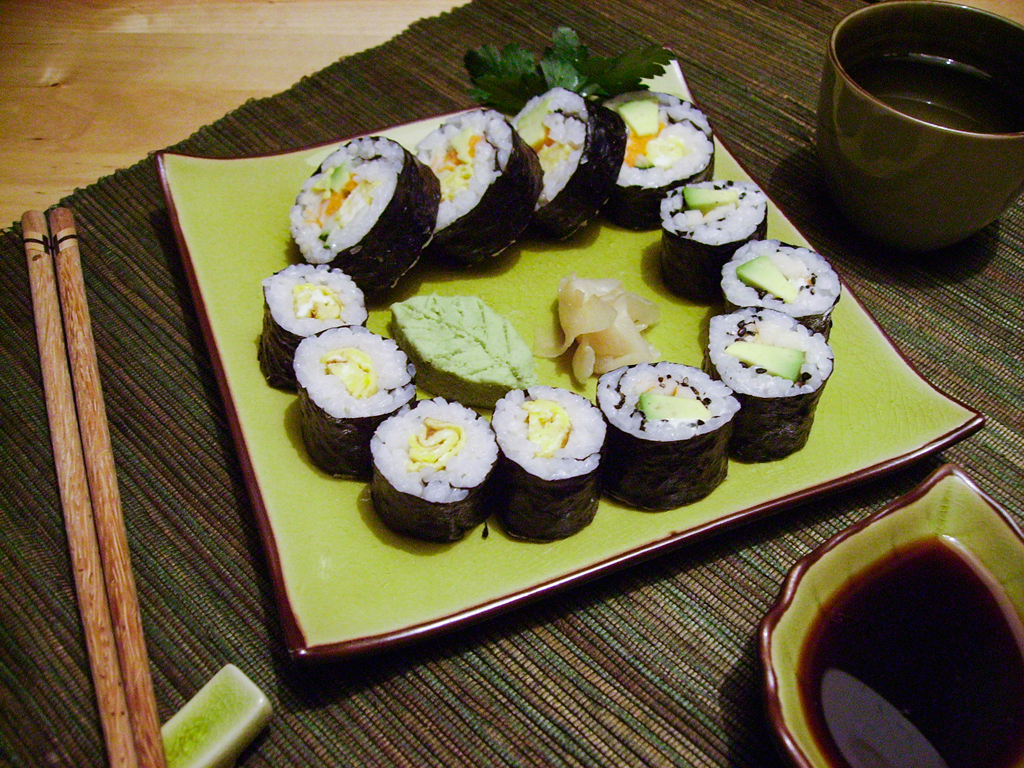
Arrange the various pieces of maki on a serving plate, creating a mix of the three types, and in the centre put a little wasabi and some marinated ginger
|
|
View the step by step
|
Here’s how the finished serving dish should look
|
Additional information
California maki with avocado and surimi
California maki are one of the most famous variations of Japanese maki, characterized by the use of avocado and surimi. This preparation stands out for its creamy and fresh flavor, which pairs perfectly with the crunchiness of the rice and the delicacy of the nori seaweed. To make California maki, it is essential to arrange the ingredients strategically, starting with well-cooked and cooled sushi rice. The avocado, sliced thinly, and the surimi, previously cut into julienne, are the key ingredients that make this dish unique. Once rolled, the maki can be sprinkled with sesame seeds to add a crunchy note. This variant is perfect for those who love fresh and light flavors, and is ideal for a quick lunch or a dinner with friends.
Japanese futo maki with omelette and vegetables
Futo maki represent a more abundant and substantial preparation of traditional maki. This variant is typical of Japanese cuisine and is distinguished by its larger size, which allows for a variety of ingredients to be included. The Japanese omelette, known as tamagoyaki, is one of the main ingredients, along with julienne-cut carrots and cucumbers. The combination of sweet and savory flavors makes futo maki a versatile choice, suitable for various occasions. The rolling technique remains the same, but requires greater attention to the distribution of ingredients to ensure a balance of flavors. Served with soy sauce and wasabi, futo maki are a true journey into the heart of Japanese gastronomy, perfect for those seeking a rich and nutritious meal.
Light California maki without mayonnaise
For those who want a lighter version of California maki, it is possible to make them without mayonnaise, replacing it with a dressing made of Greek yogurt and lime. This adjustment significantly reduces the calories while still maintaining the fresh and creamy flavor. By using ripe avocado and surimi, a delicious and healthier result can be achieved. Additionally, the amount of vegetables, such as cucumbers and carrots, can be increased to add crunch to the dish. This variant is perfect for those following a light diet but who do not want to give up on taste. Light California maki can be enjoyed as an appetizer or as a main dish, and are also ideal for those looking for healthier options without compromising on flavor.
Nutritional benefits of California maki and approximate calories
California maki offer several nutritional benefits thanks to their fresh and light ingredients. Avocado is an excellent source of healthy fats, vitamins, and minerals, contributing to heart health and cholesterol balance. Surimi, rich in protein, provides energy and supports muscle building. Additionally, vegetables like carrots and cucumbers provide fiber and antioxidants, essential for a balanced diet. On average, a California maki contains about 40-50 calories, making it a light and nutritious option. Consumed in moderation, these maki can perfectly integrate into a healthy eating regimen without sacrificing taste and variety.
How to store Japanese maki?
Storing Japanese maki, such as California maki, requires some care to maintain freshness and flavor. It is advisable to consume them immediately after preparation, but if necessary, they can be stored in the refrigerator for up to 24 hours. It is important to wrap them in plastic wrap to prevent the rice from drying out. Freezing maki is not recommended, as the texture of the rice and fresh ingredients may deteriorate. Before consuming them, they can be left at room temperature for a short period to bring them back to the right temperature. This way, you can fully enjoy the authentic flavor of this Japanese preparation.