Ossobuco bone marrow stew
This recipe for bone marrow stew ‘Ossobuco alla Milanese’ is a classic of Milanese cuisine and of Lombardy more generally. It seems to date from the eighteenth century when it already represented a classic of local gastronomy. By the 21st century it had literally travelled around the world, and every day it is still served and enjoyed in the restaurants and homes of Milan. What is special about ‘Ossobuco alla Milanese’ is the famous ‘gremolada’ of chopped parsley, lemon zest and garlic that makes this such a tasty, aromatic and fragrant dish. Otherwise the essential characteristic is the tender veal, which must be no less than 3 or 4 cm thick and purchased from a butcher who will take the ‘ossibuchi’ from the tibia of a suckling calf. As an accompaniment this dish is usually served with the classic ‘Risotto alla Milanese’, that is with saffron, but an alternative is would be a lovely polenta, served steaming hot.
Ingredients
-
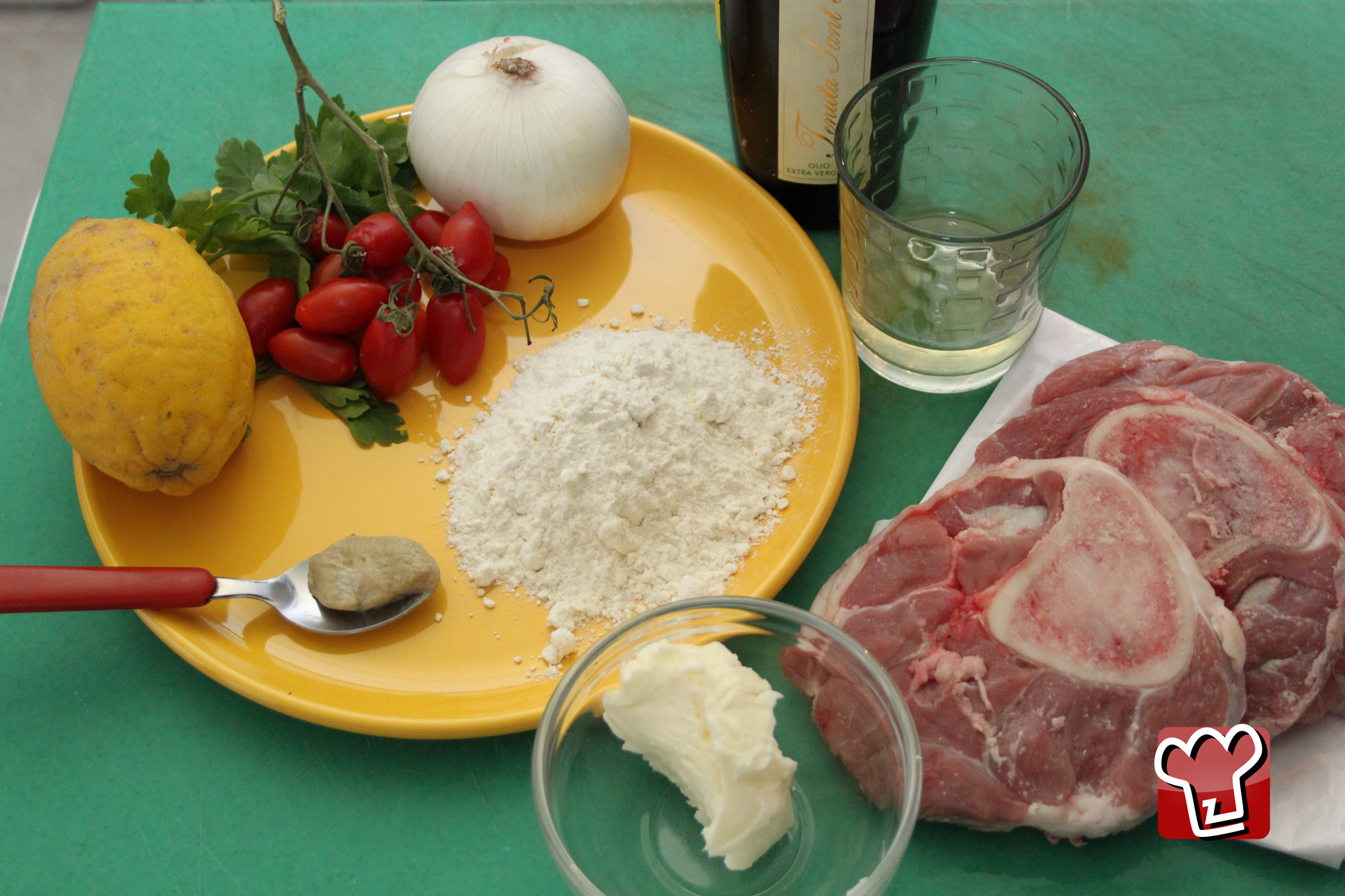
veal 4 slices (300g each) of veal shank cut high in the lower part where the bone is small and filled only with marrow
Ossobuco with a Puglian Twist
The Milanese ossobuco, with its enveloping flavor, gains a salty and intense note thanks to Puglian anchovies. These small fish, expertly prepared, enhance the dish, transforming tradition into a meeting of freshness and depth, perfect for those who love to explore new nuances.
* approximate values per serving
Preparation
In a large saucepan fry the onion in the butter, add the lightly floured ‘ossibuchi’, brown them on both sides – turning them over without ‘pricking’. Pour over a little stock, tomato and salt, cover the pan and cook over low heat for an hour and a half. Not more than five minutes before serving, mix the ‘gremolada’ - chopped lemon zest, parsley, garlic and anchovies - stir the gremolada in and, after a few minutes, serve with parmesan risotto or risotto ‘alla Milanese’.
Step by step
|
View the step by step
|
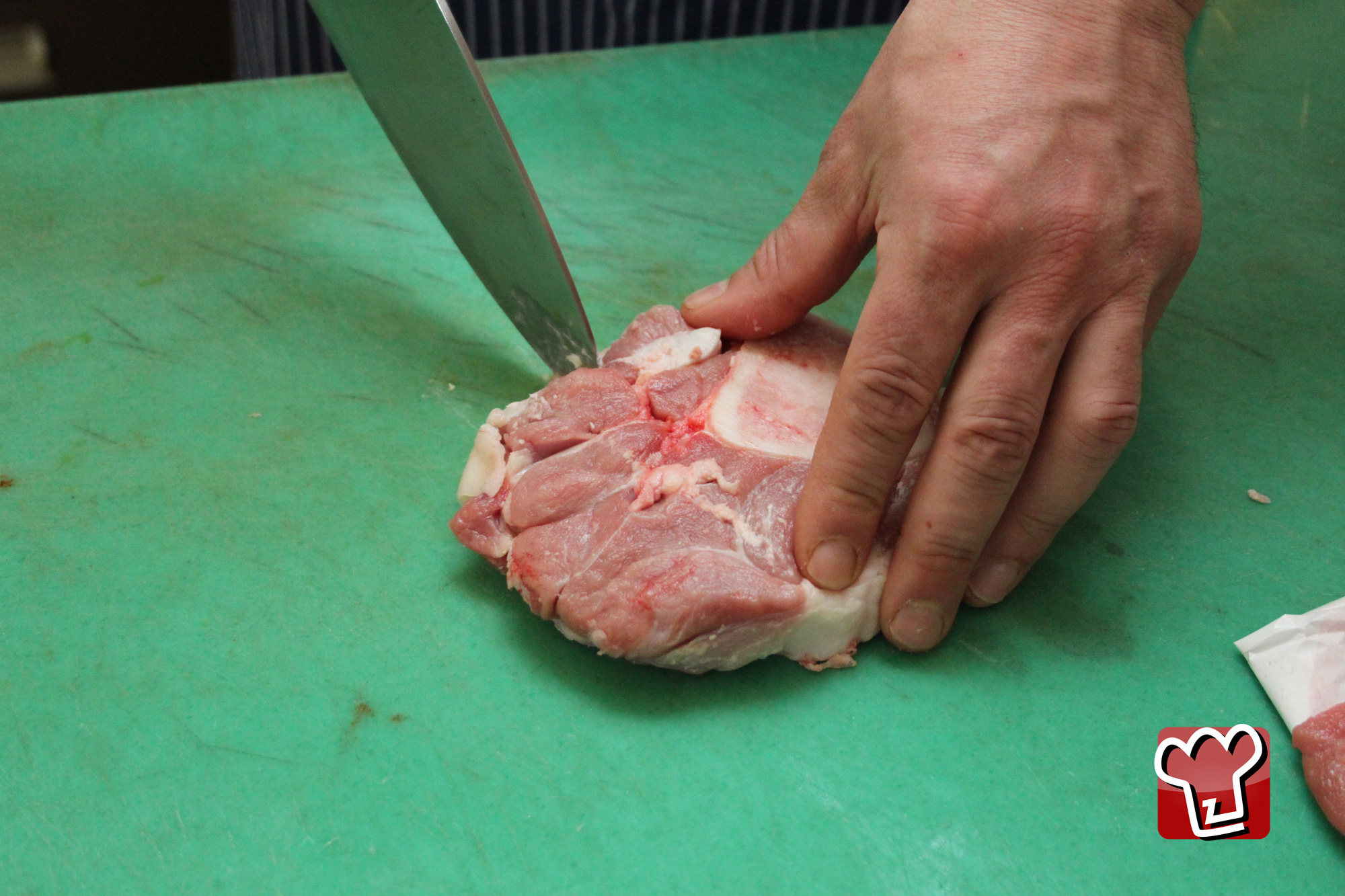
Make little cuts in the meat so that they do not curl while cooking.
|
|
View the step by step
|
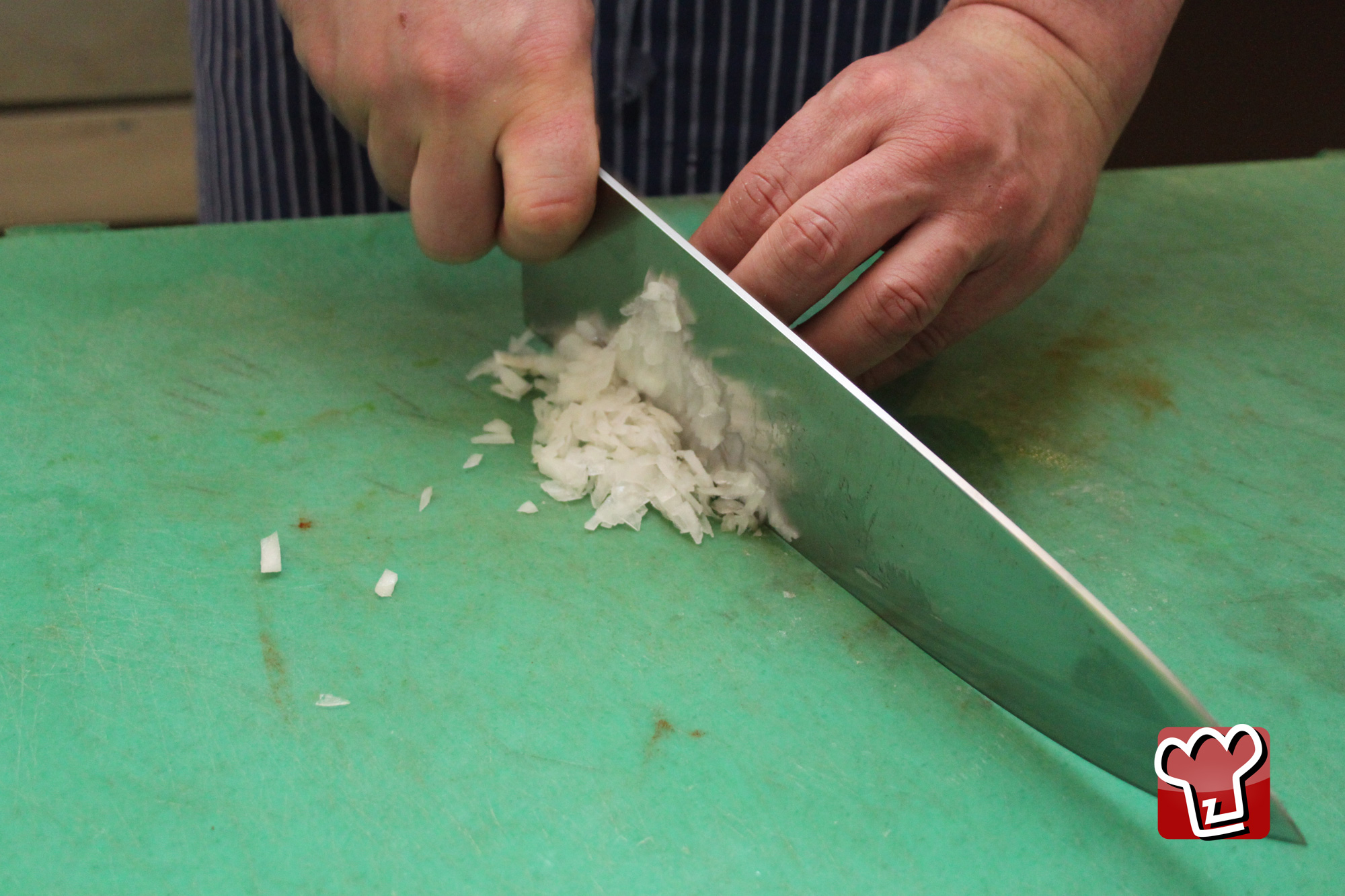
Chop the onion
|
|
View the step by step
|
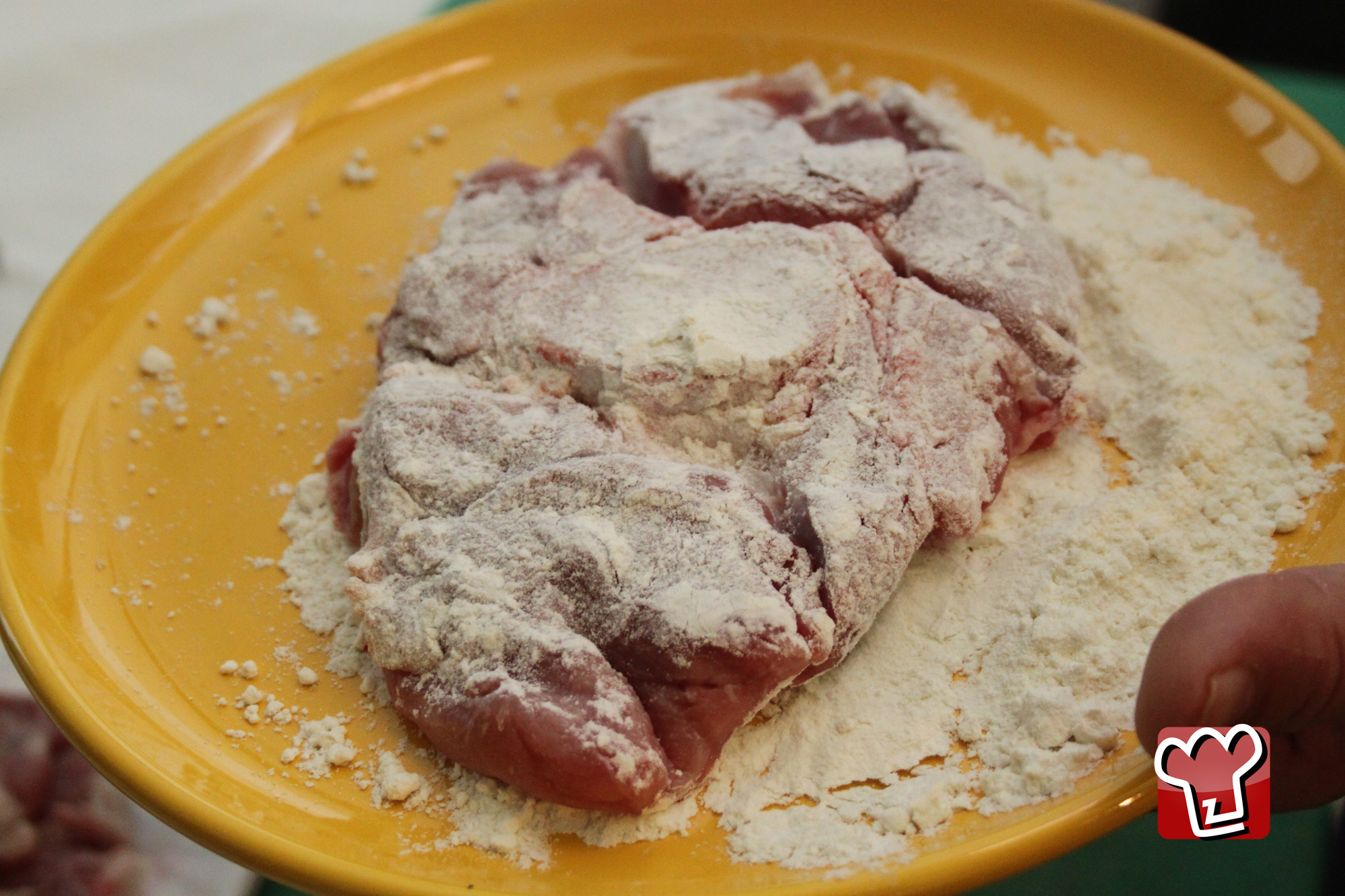
Dust the meat with flour
|
|
View the step by step
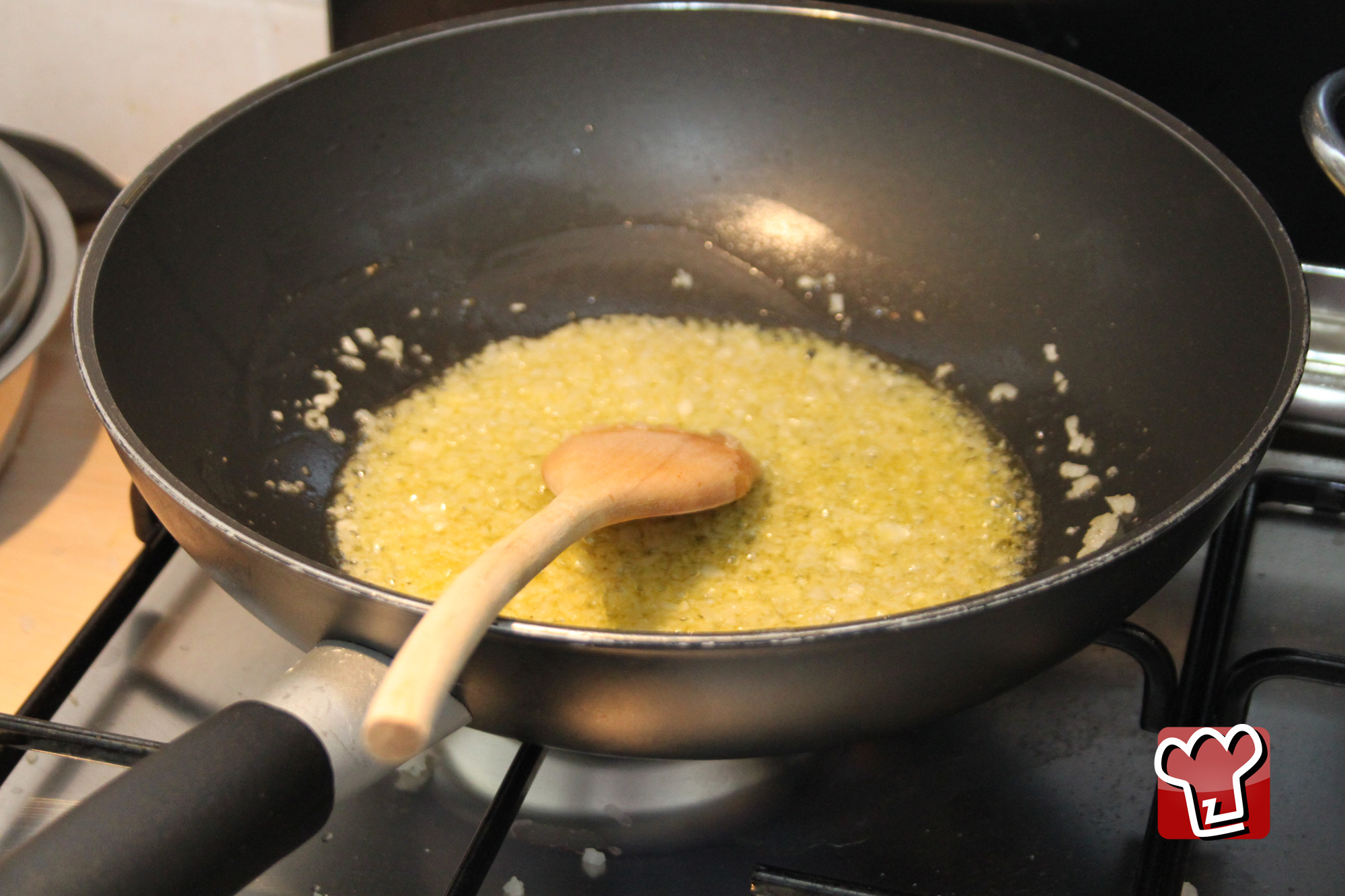
|
Brown the onion in butter
|
|
View the step by step
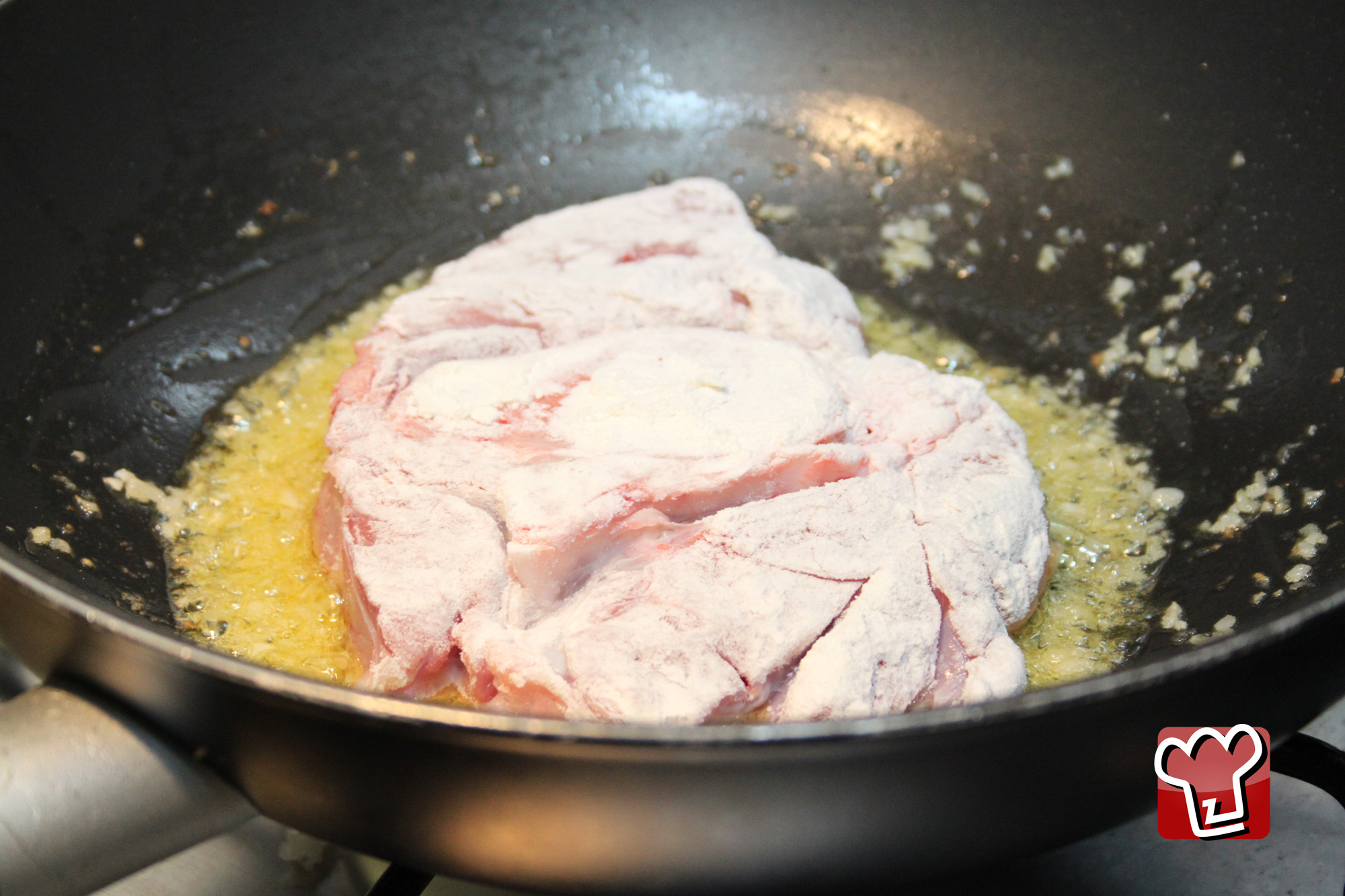
|
Add the ossibuchi
|
|
View the step by step
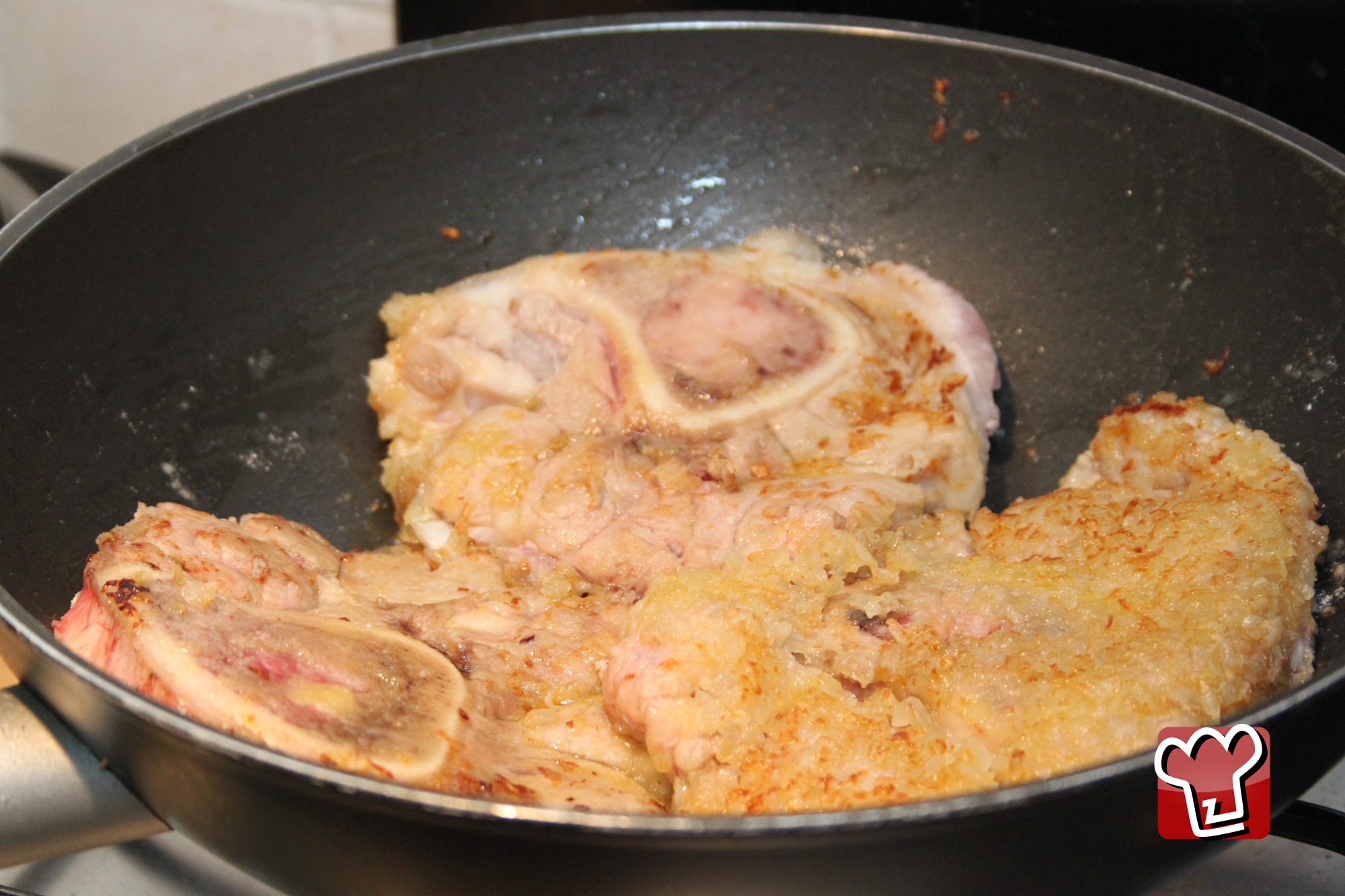
|
Brown the meat on both sides
|
|
View the step by step
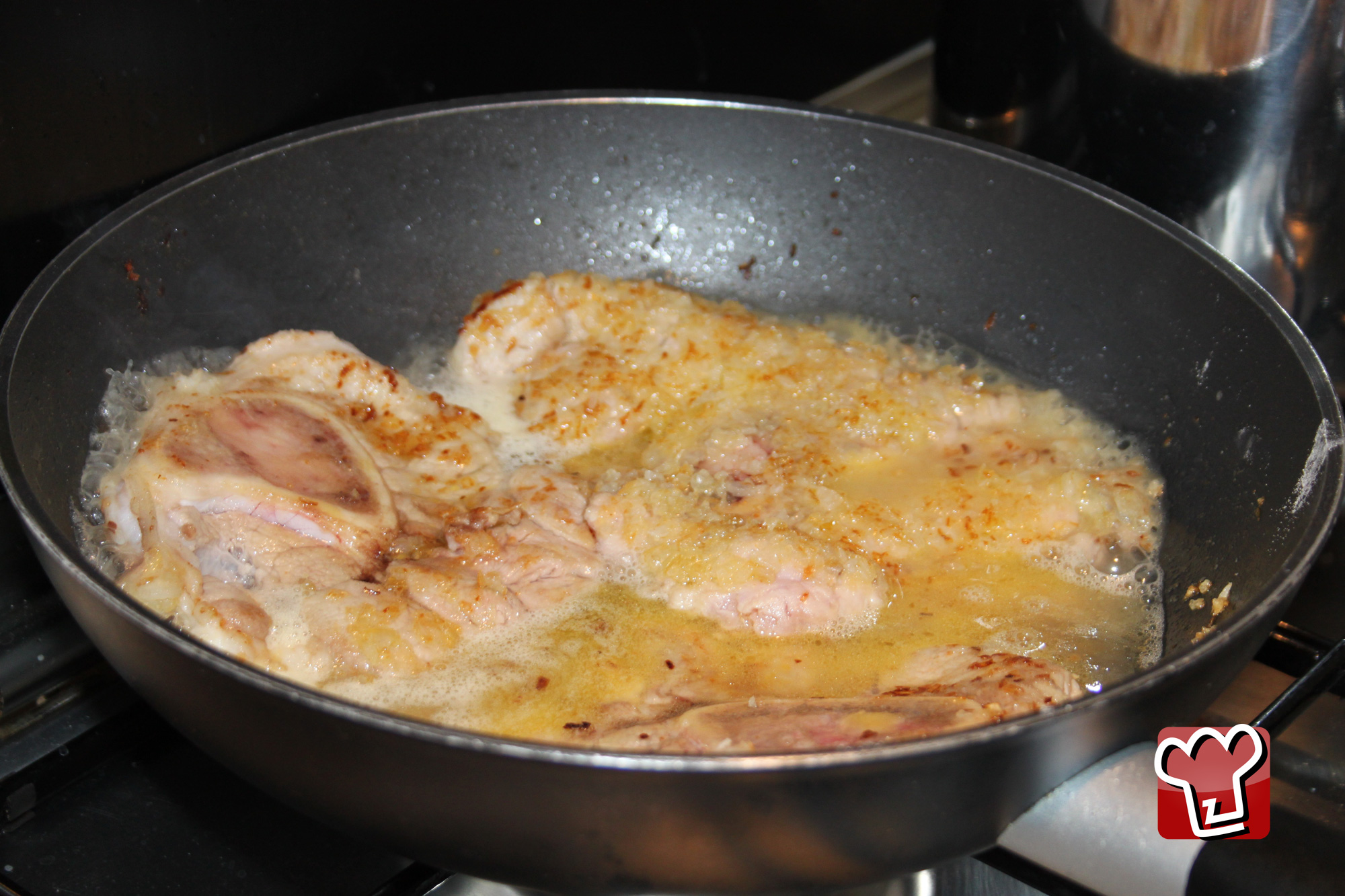
|
Deglaze with some stock
|
|
View the step by step
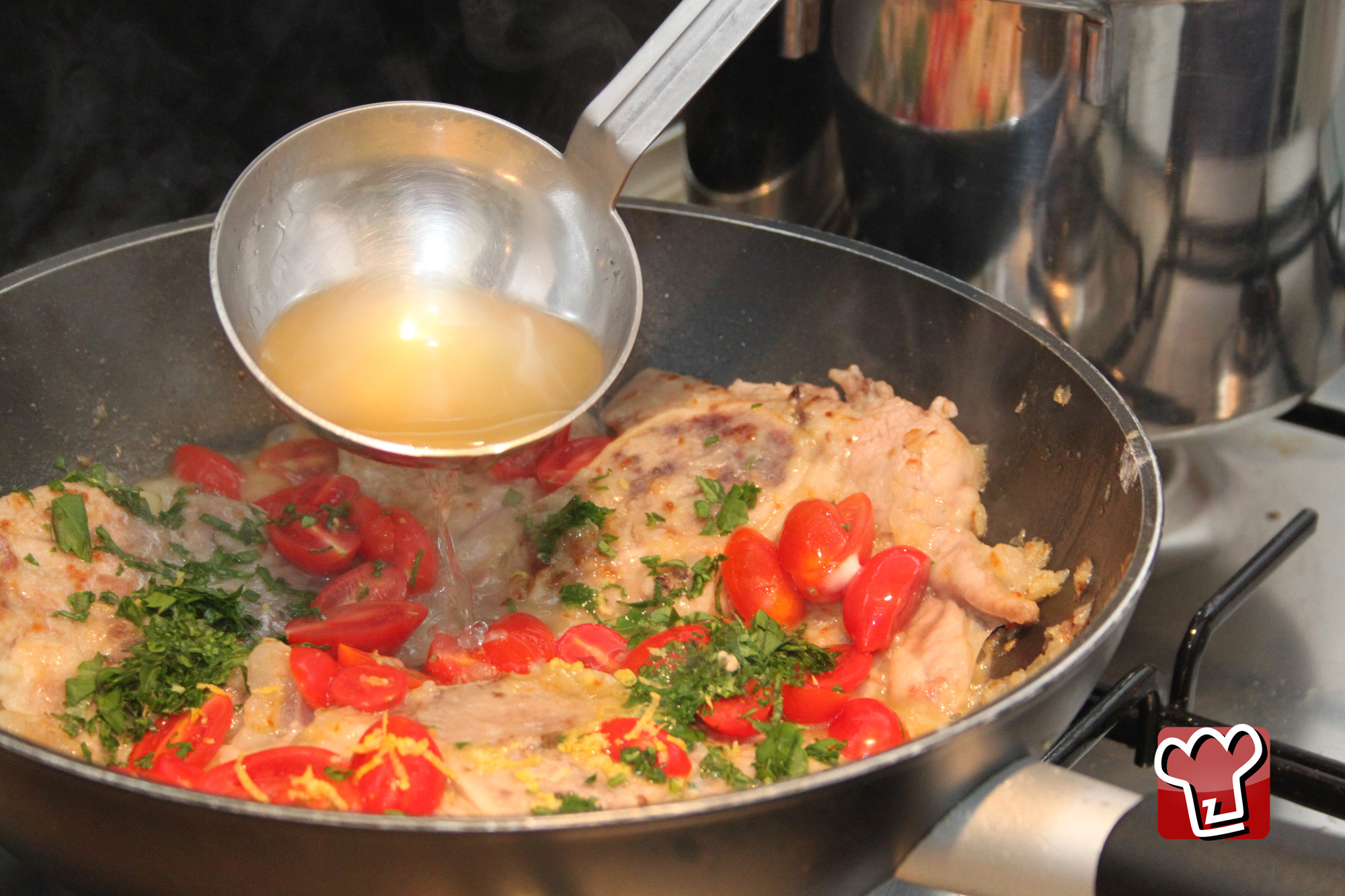
|
Add parsley and tomato, more stock and adjust the salt
|
|
View the step by step
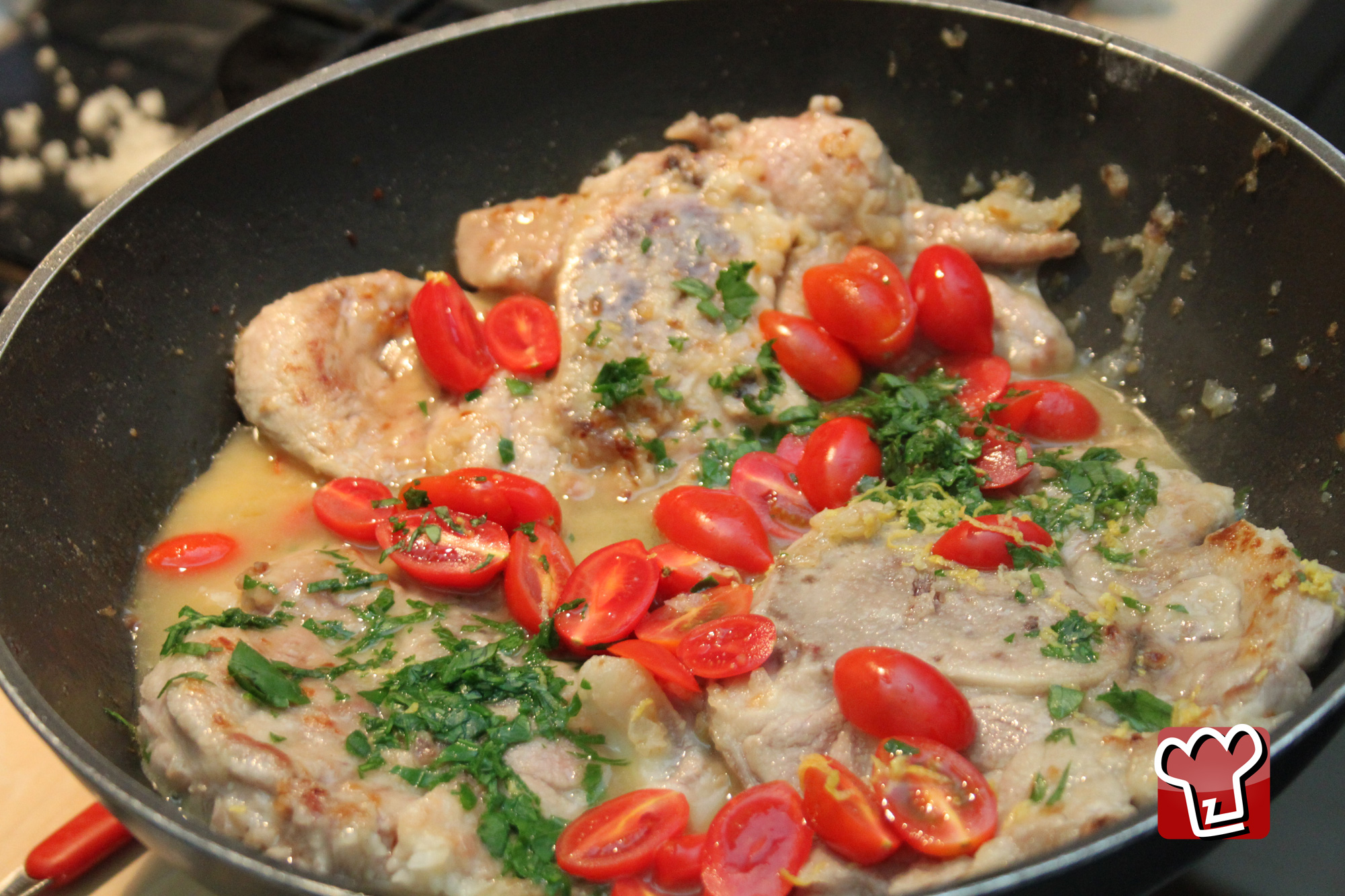
|
Cook until ready
|
|
View the step by step
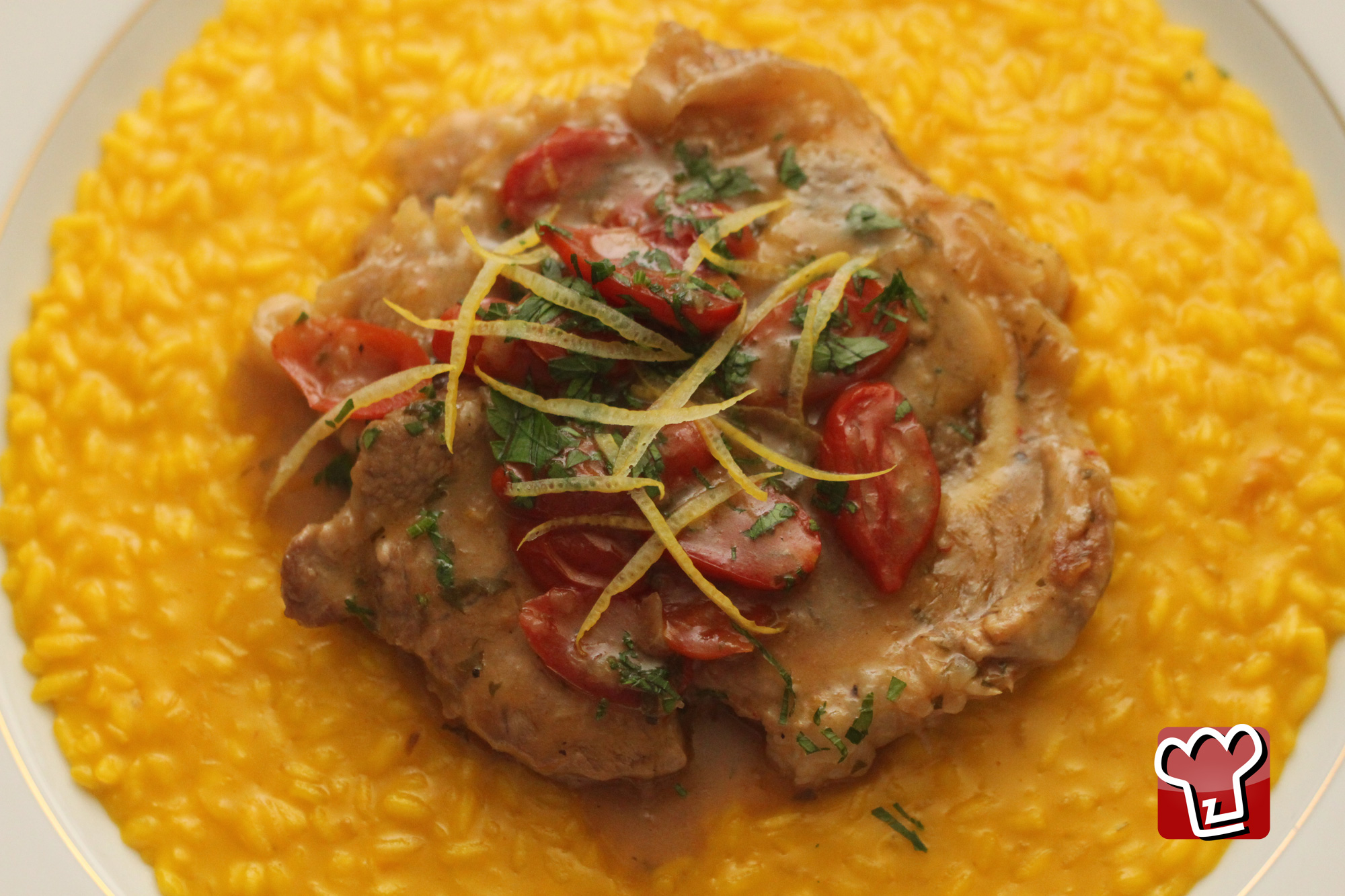
|
A few minutes before removing from the heat, add the traditional ‘gremolada’, then serve with Milanese Risotto or alternatively with polenta.
|
Additional information
Milanese Ossobuco with Parmesan Risotto
One of the most appreciated variations of Milanese ossobuco is undoubtedly the one served with Parmesan risotto. This pairing enhances the flavors of the dish, creating a perfect balance between the succulence of the meat and the creaminess of the risotto. To prepare this version, simply follow the traditional ossobuco recipe, but at the time of serving, accompany it with a risotto finished with butter and Parmigiano Reggiano. The addition of a pinch of freshly ground black pepper and a sprinkle of freshly chopped parsley will make the dish even more inviting. This combination is not only a classic of Lombard cuisine but also represents a way to best enjoy the tender and flavorful meat of the ossobuco.
Milanese Ossobuco in White
Another variation of Milanese ossobuco is ossobuco in white, which involves cooking without tomato. In this preparation, the meat is browned in a sauté of onion and butter, while beef broth is used to keep the dish moist. The gremolada, made of parsley, garlic, and lemon zest, is still added at the end, providing freshness and aroma. This version is particularly suitable for those who prefer more delicate flavors and want to fully savor the taste of veal. Ossobuco in white is an excellent alternative for those who wish to try a traditional Lombard recipe with a touch of lightness.
Light Milanese Ossobuco without Butter
For those who desire a lighter version of Milanese ossobuco, it can be prepared without butter, using a drizzle of olive oil to brown the meat instead. This light variant maintains the flavors of the original dish but significantly reduces the calorie content. Additionally, one can opt for oven cooking, which allows for tender and flavorful meat without the addition of fats. Served with a side of grilled vegetables or a fresh salad, light ossobuco represents an ideal choice for those looking to maintain a healthy diet without giving up the taste of traditional Lombard cuisine.
Milanese Ossobuco: Nutritional Benefits and Calories
Milanese ossobuco is a dish rich in nutrients, thanks to the veal, which is an excellent source of high-quality protein and iron, essential for oxygen transport in the blood. Furthermore, the presence of ingredients such as parsley and lemon in the gremolada provides vitamins and antioxidants, contributing to overall well-being. A serving of Milanese ossobuco can contain about 350-400 calories, depending on the preparation and ingredients used. It is important to consider that, paired with a side of rice or vegetables, this dish can constitute a complete and balanced meal, ideal for those who wish to eat healthily and deliciously.
Can Milanese Ossobuco be Frozen?
Freezing Milanese ossobuco is possible, but there are some precautions to follow to maintain the flavors and nutritional properties. It is advisable to freeze the dish once cooled, dividing it into single portions to facilitate defrosting. Before freezing, it is better to avoid adding the gremolada, which may lose freshness during storage. At the time of serving, simply thaw the dish in the refrigerator and reheat it gently, adding the fresh gremolada only at the last moment. In this way, you can enjoy a great portion of Milanese ossobuco even days after the original preparation.