Tuscan vegetable soup ‘ribollita’
When the cold season envelops us, spreading a blanket of snow on our lawns and the leaves drop from the trees, you can’t but wish for something rich in flavour and taste. And what could be more deliciously suitable than a fantastic ‘ribollita’ vegetable soup, a quintessentially Tuscan recipe that has no equal for flavour and lightness, despite having the enviable quality of being able to warm us up even when we’re chilled to the marrow. To make a truly top quality ribollita, don’t forget a couple of very important things: originally, this dish was made with the leftovers of the previous day’s meal and, above all, was bulked out with stale bread and lots of uncooked olive oil. So, are you ready to offer a delicious, traditional dish to your vegetarian guests, rich and comforting but light at the same time?
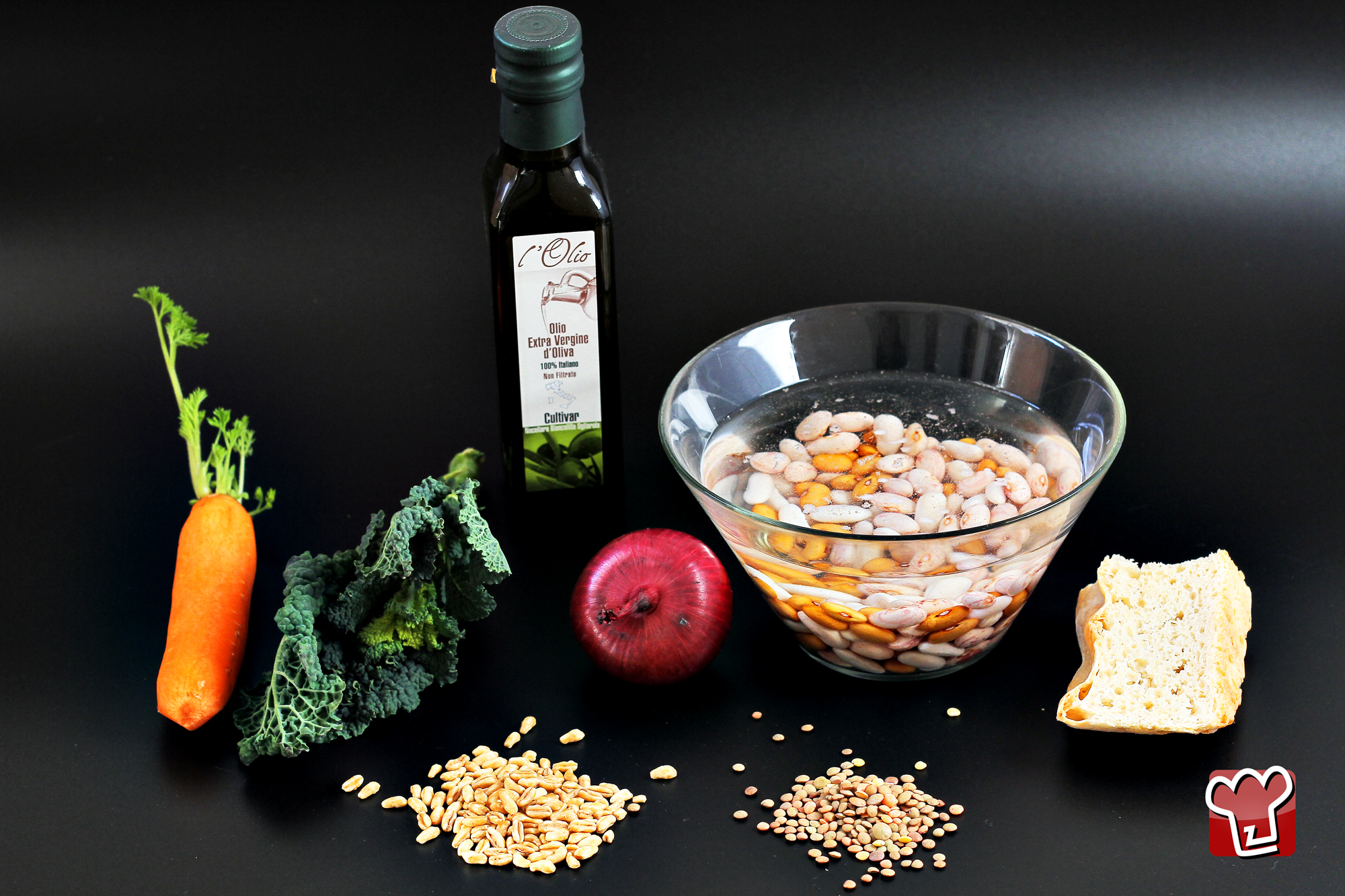
Ingredients
Ribollita with Puglian Lentils
Ribollita, a rich and comforting dish, gains depth with Puglian lentils, known for their intense and genuine flavor. These legumes, cultivated with care, blend seamlessly with fresh vegetables and stale bread, creating a harmony that warms the heart and nourishes the soul, characteristic of Puglian culinary tradition.
* approximate values per serving
Preparation
Cut the vegetables into large pieces and sauté them in the pan until they are golden brown. Add the beans and cook for a while. Add the spelt and the lentils. Cover with 1 litre of water and simmer for 2 hours. As the water evaporates, gradually add another litre. When the soup is ready, let it rest for a day, then add more water to bulk it out a bit and serve with stale bread broken into small pieces and lots of olive oil.
Step by step
|
View the step by step
|
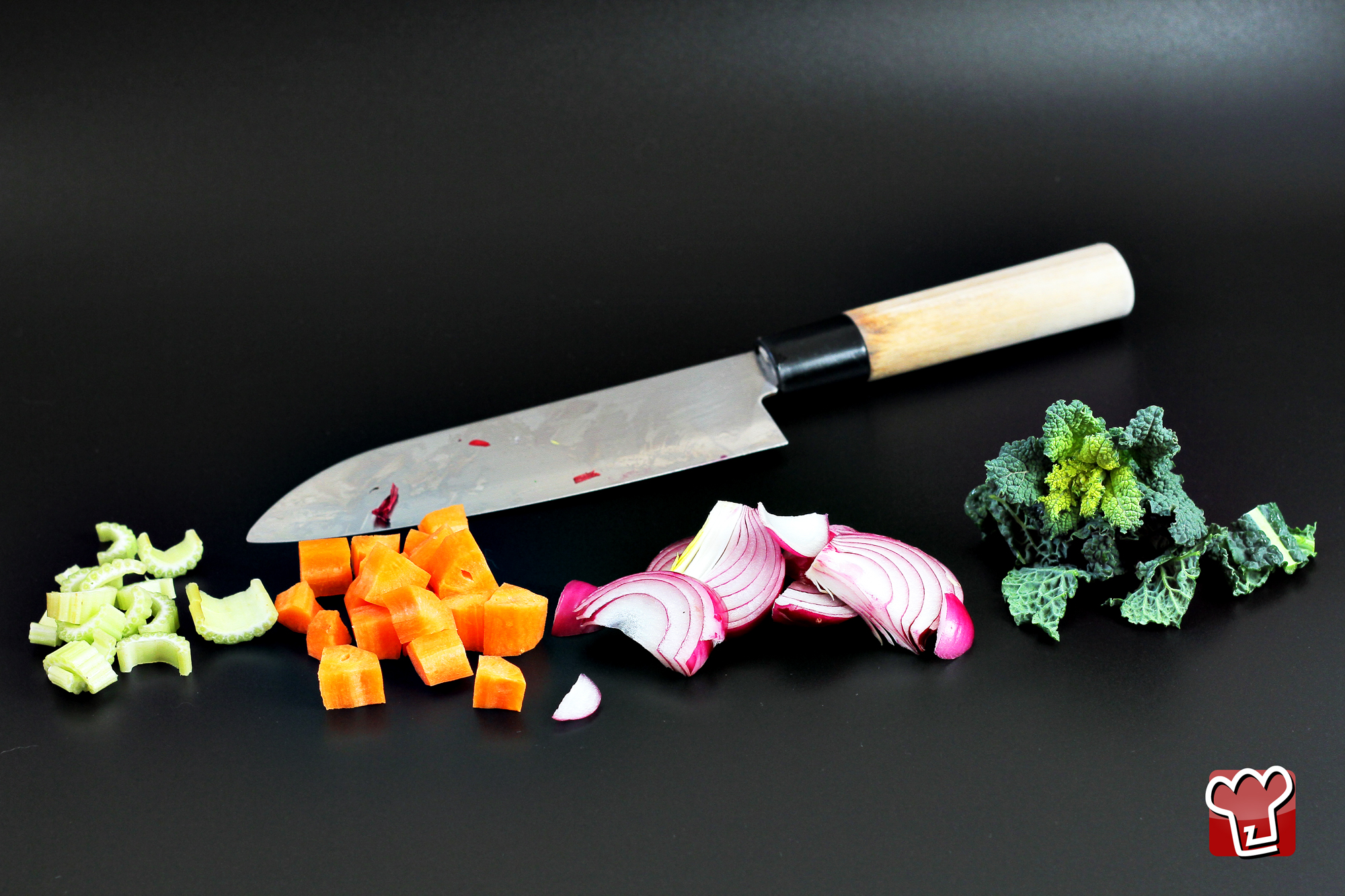
Cut the vegetables into generous chunks
|
|
View the step by step
|
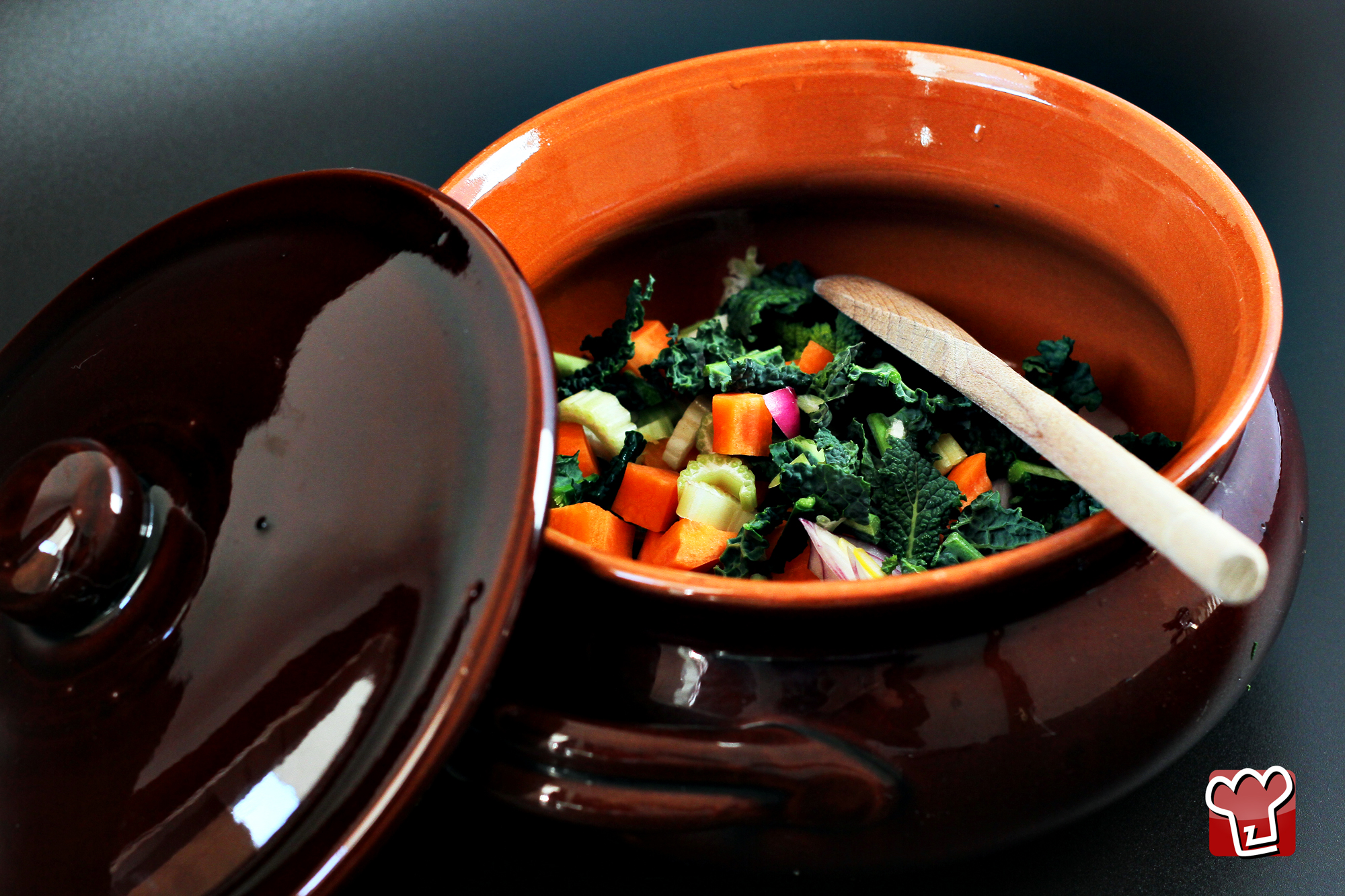
Cook the vegetables in a saucepan
|
|
View the step by step
|
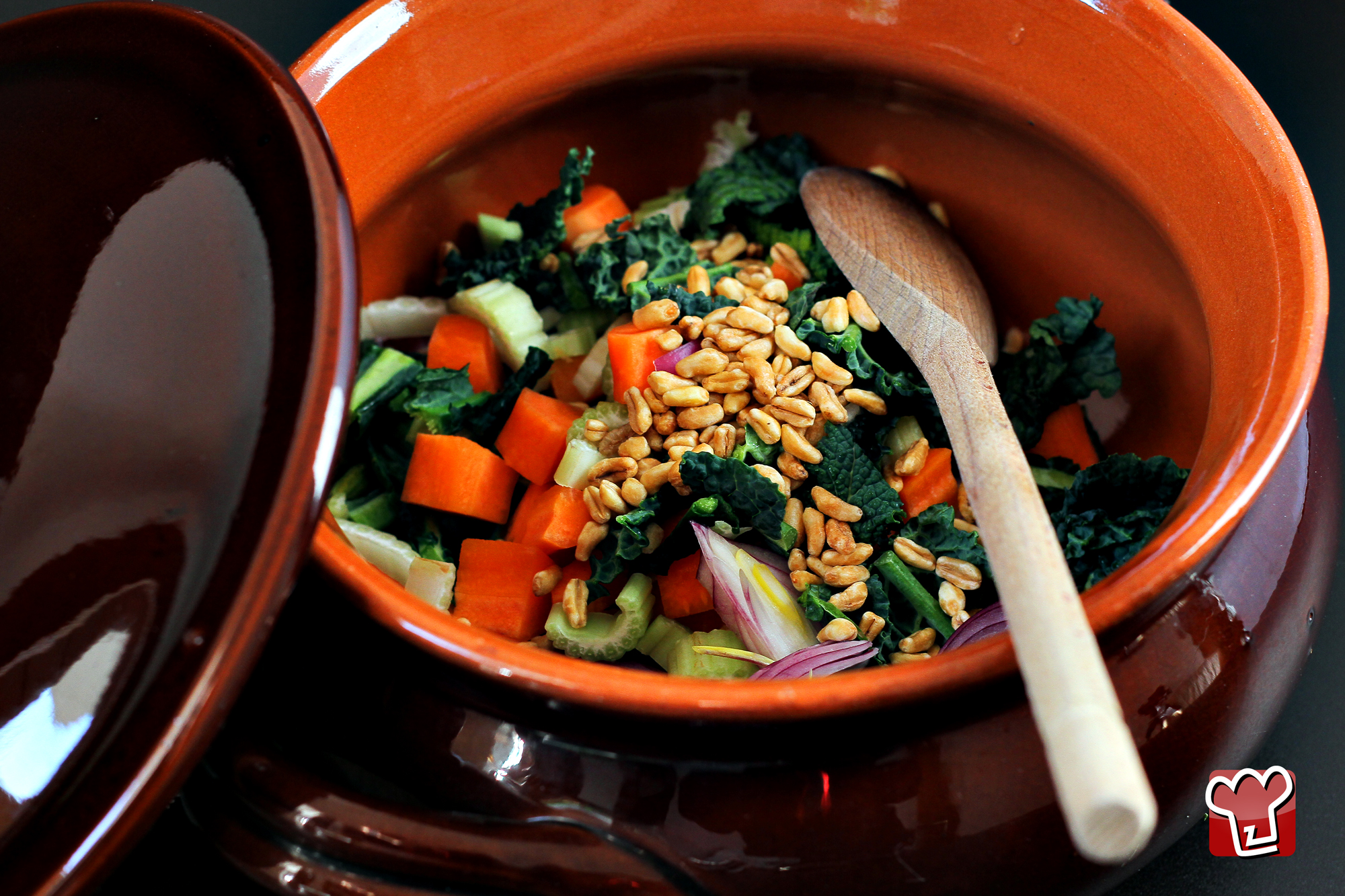
Add the spelt to the vegetables
|
|
View the step by step
|
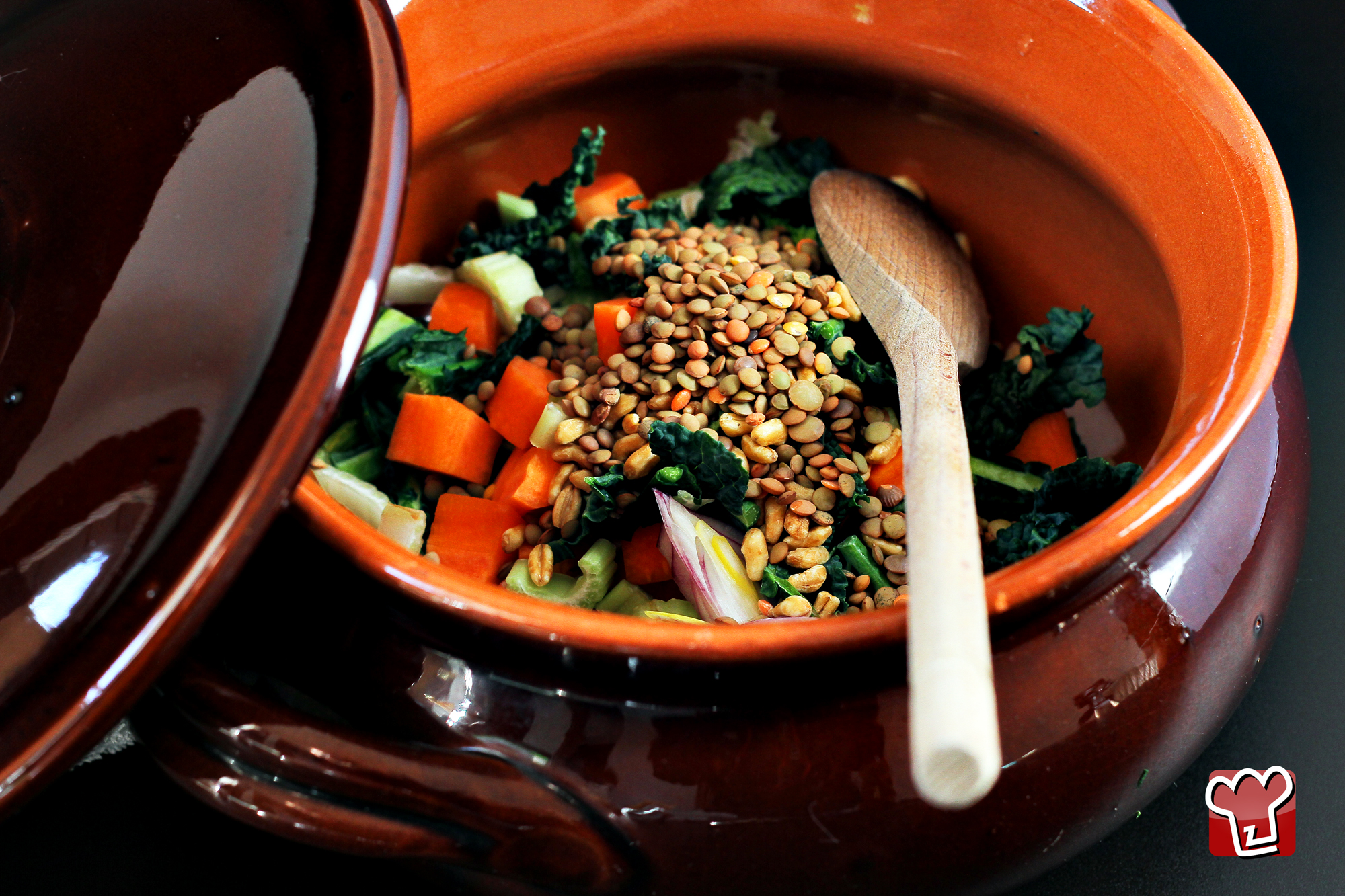
Add the lentils to the vegetables
|
|
View the step by step
|
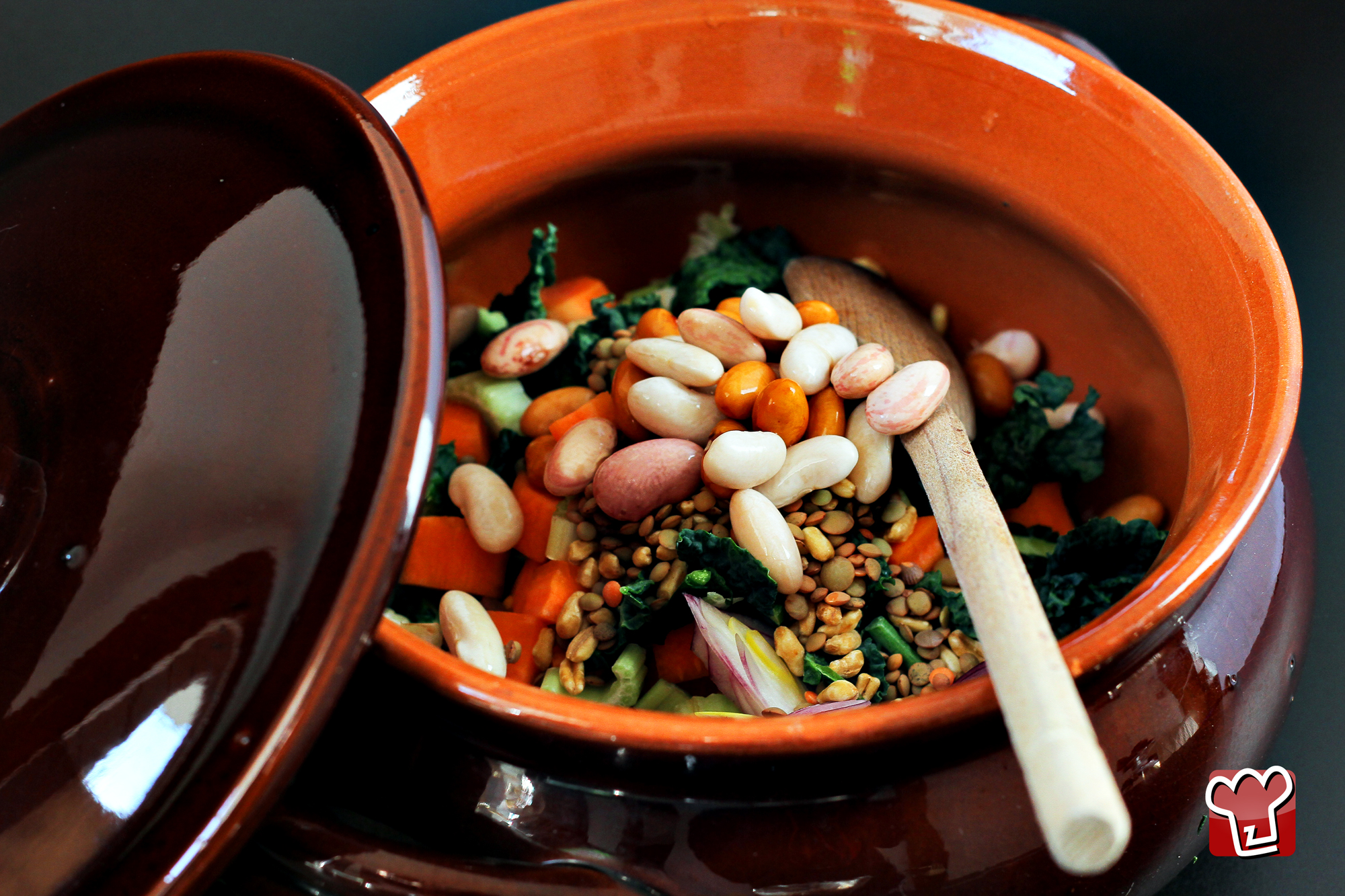
Add the soaked beans to the vegetables
|
|
View the step by step
|
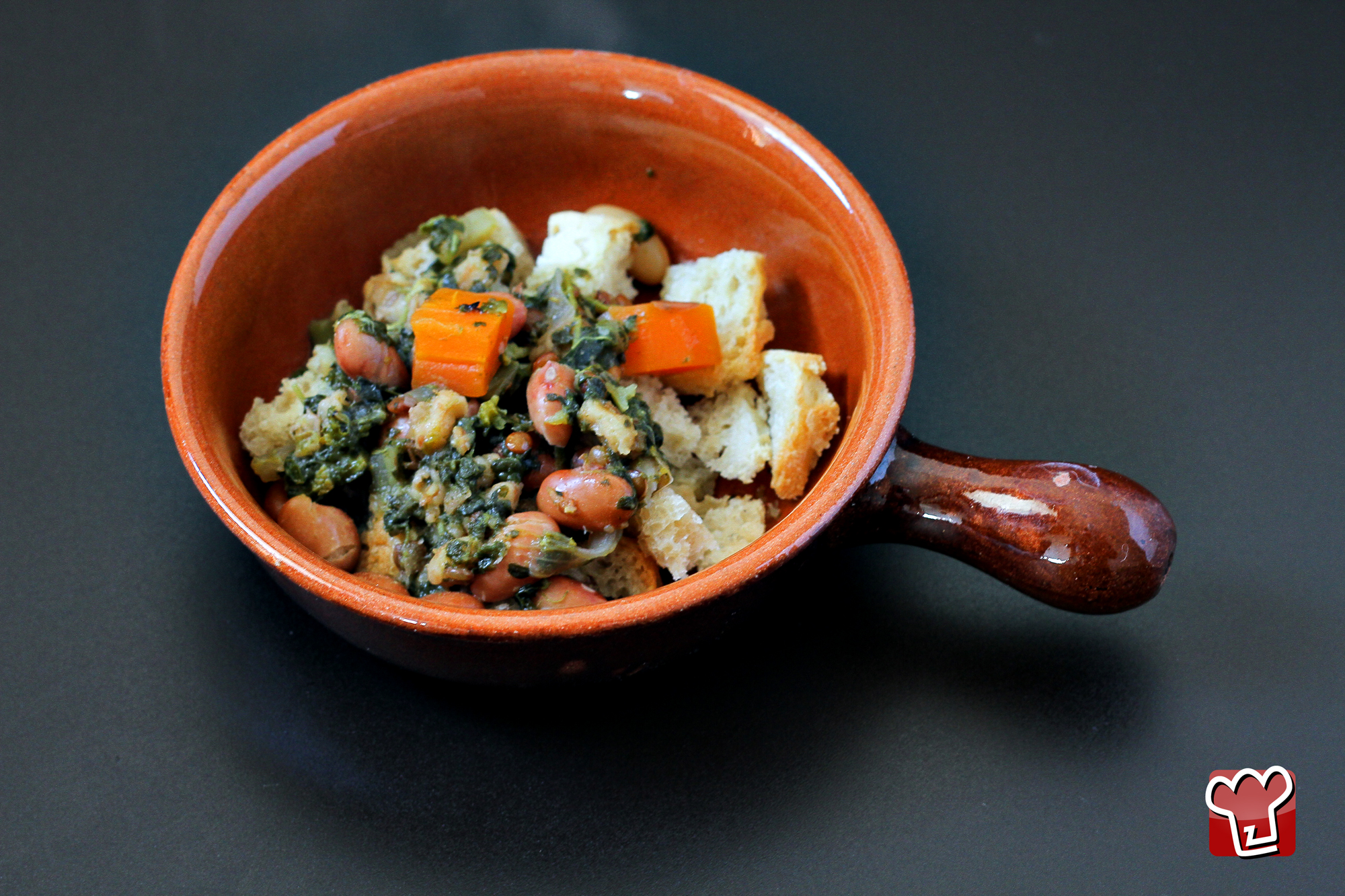
When the vegetable stew is ready leave it to rest for a day, then add more water to increase the quantity of soup a little and some stale bread in pieces and lots of olive oil
|
|
View the step by step
|
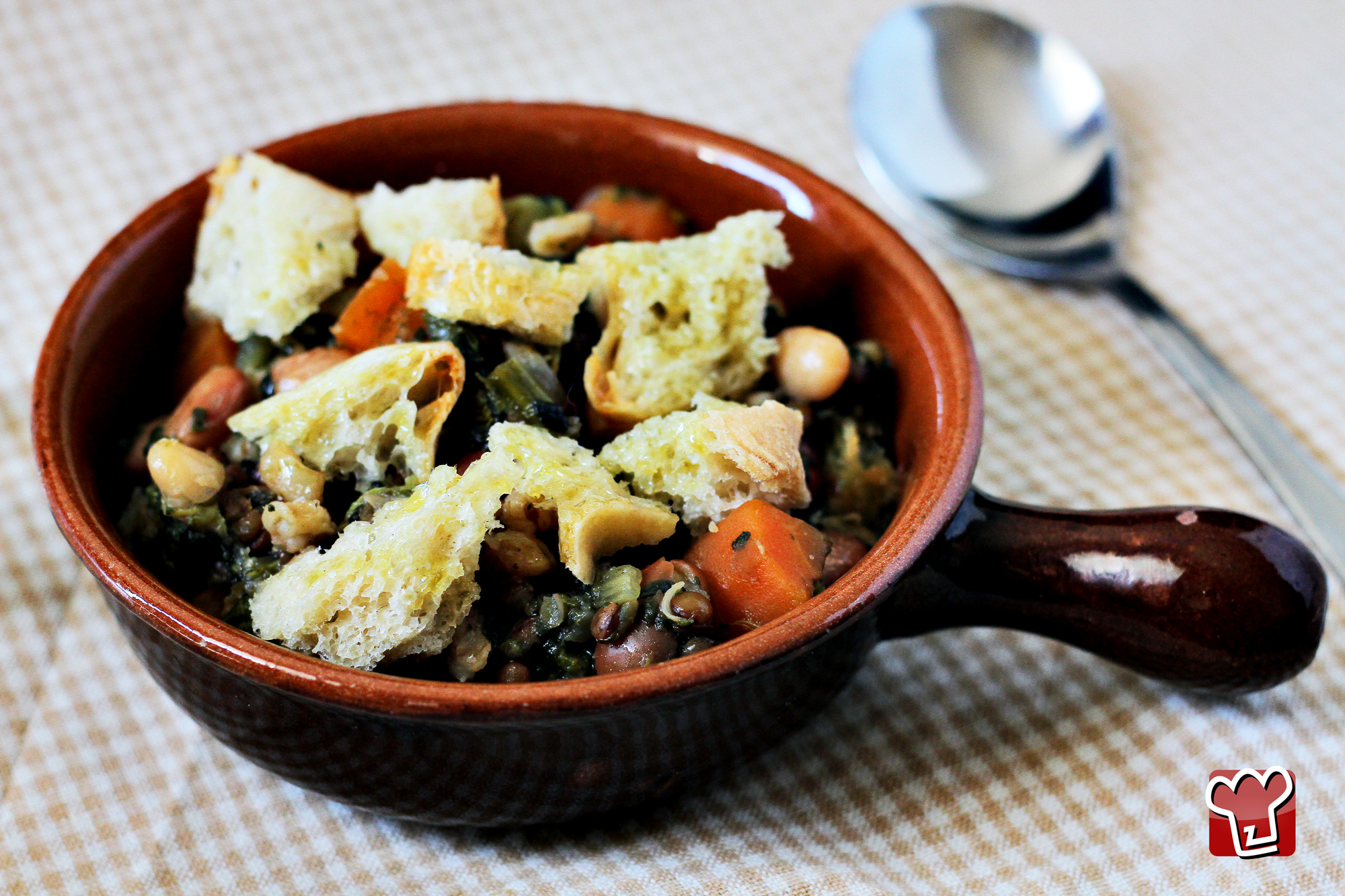
The ‘ribollita’ vegetable soup is ready
|
|
View the step by step
|
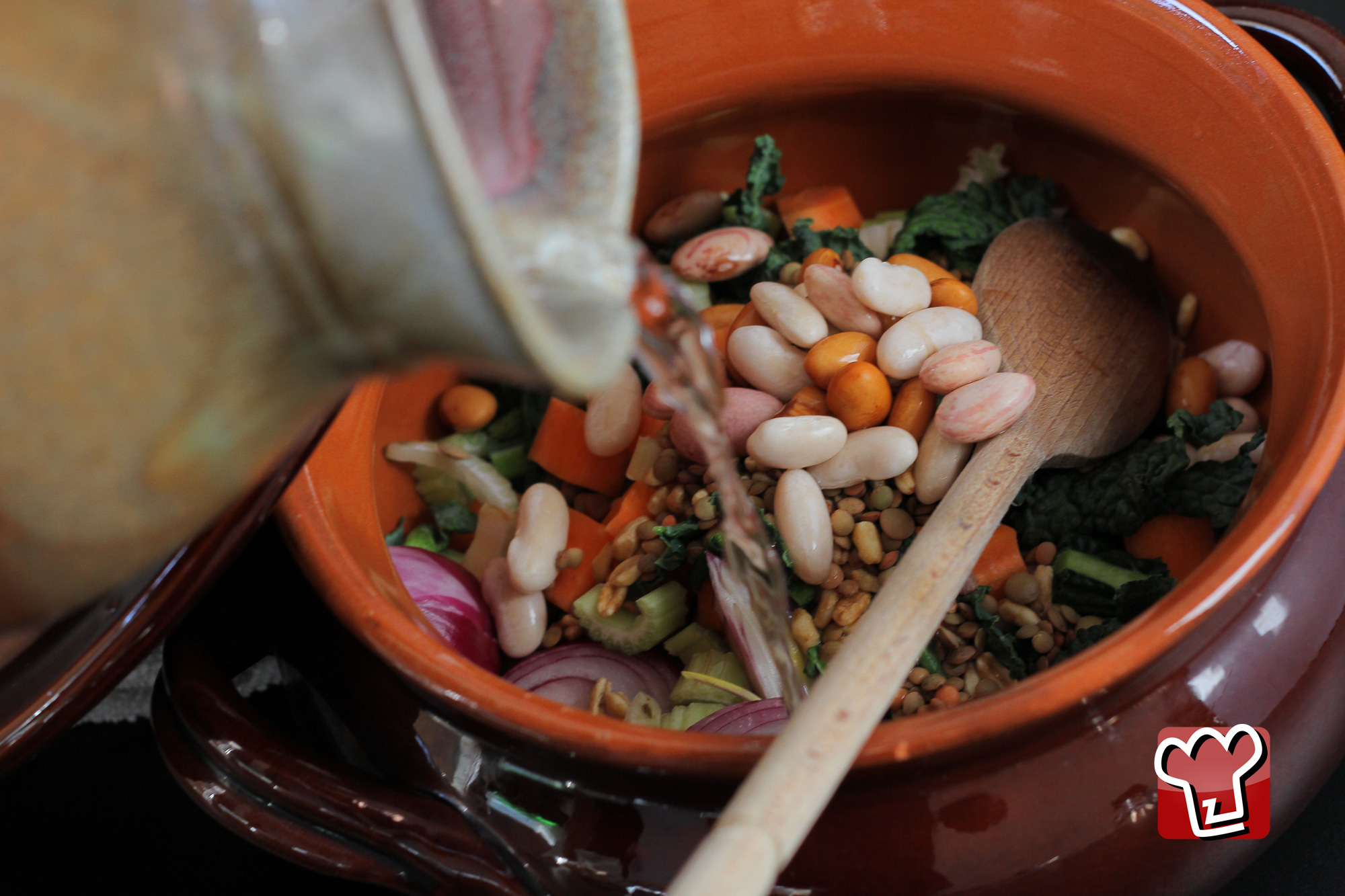
Add water
|
|
View the step by step
|
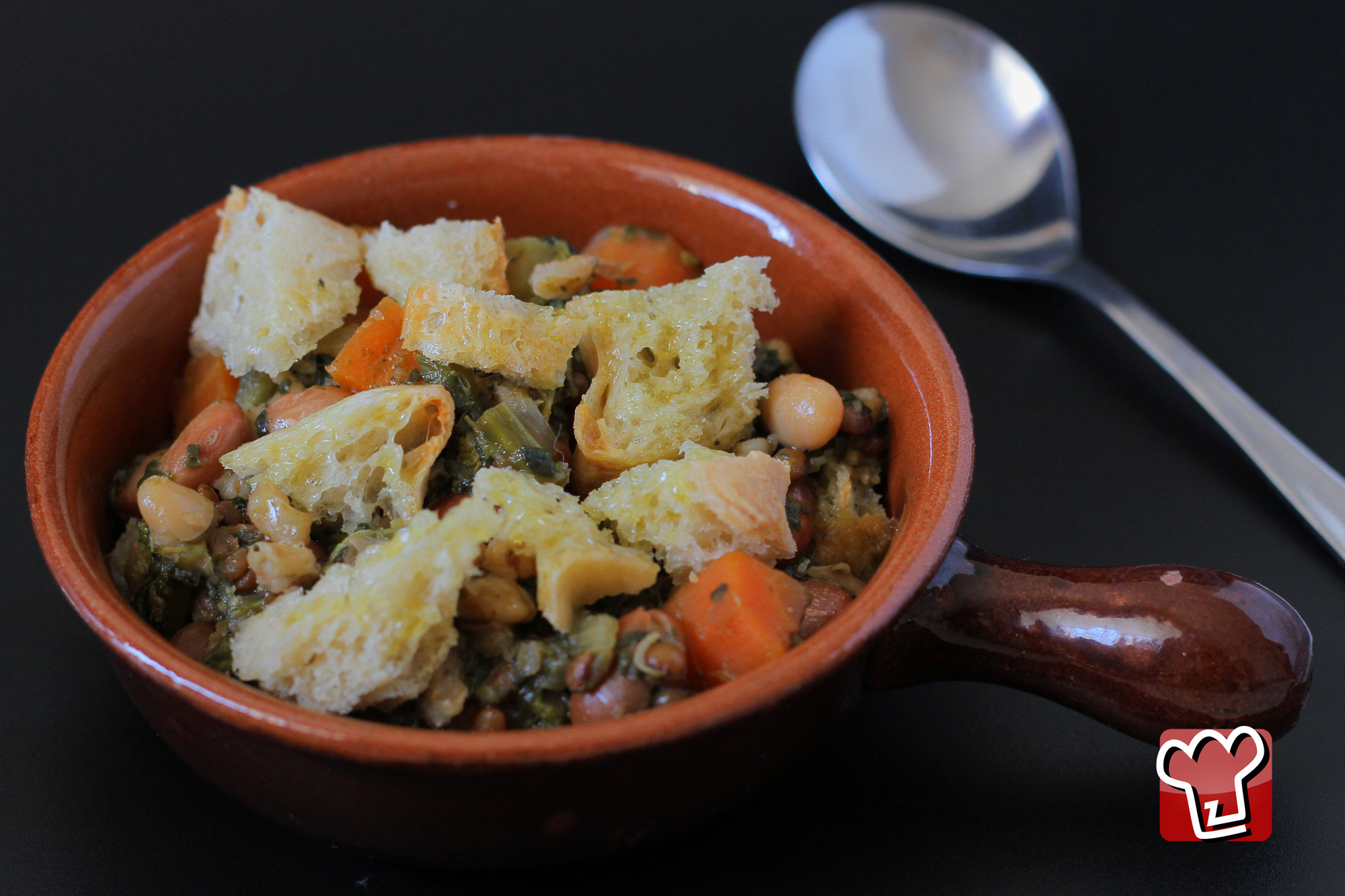
Your ‘ribollita’ vegetable soup is ready
|
Additional information
Ribollita with Stale Bread and Extra Virgin Olive Oil
One of the most appreciated variations of ribollita is the one that uses stale bread, which gives the dish a unique texture and a comforting flavor. The preparation involves cutting the bread into pieces and adding it to the ribollita during the final cooking phase, allowing the bread to absorb the flavors of the vegetables and legumes. This version is perfect for those who want a hearty and rich dish, ideal for cold winter days. Additionally, the addition of raw extra virgin olive oil, to be poured generously before serving, further enhances the richness of the vegetables and legumes, making each serving even more tasty and nutritious.
Traditional Tuscan Ribollita
Ribollita is a typical dish of Tuscan culinary tradition, rooted in peasant cooking. This traditional version stands out for the use of fresh, local ingredients, such as black cabbage, which is essential for giving the dish its characteristic flavor. The preparation involves slow cooking of the vegetables, which are then combined with beans and legumes, making ribollita a complete meal rich in nutrients. Tradition holds that ribollita should be prepared in large quantities so that it can be enjoyed the next day, when the flavors meld even further. This dish is a true symbol of Tuscan hospitality and represents a way to bring the simplicity and genuineness of the ingredients to the table.
Light Ribollita Without Bread
For those who desire a lighter version of ribollita, it can be prepared without the addition of bread. This light variant retains the flavors of the vegetables and legumes, offering a nutritious dish but with fewer calories. The same vegetables and legumes from the traditional recipe can be used, but without the stale bread. In this way, ribollita becomes an excellent choice for those following a low-calorie diet or for those who are gluten intolerant. To enhance the flavor of this preparation, it is recommended to add spices like black pepper or aromatic herbs, which will enrich the dish without weighing it down. This version is also perfect for those leading a healthy lifestyle, while still enjoying the pleasure of a traditional dish.
Nutritional Benefits of Ribollita and Approximate Calories
Ribollita is a dish rich in nutritional benefits thanks to the combination of ingredients such as borlotti beans, lentils, and fresh vegetables. These ingredients provide a good amount of plant-based protein, fiber, and vitamins, making ribollita an excellent choice for a balanced diet. Black cabbage, in particular, is known for its antioxidant and anti-inflammatory properties, contributing to immune system health. In terms of calories, a serving of traditional ribollita is around 300-400 calories, depending on the amount of oil and bread used. Ribollita thus proves to be a dish that is not only tasty but also nutritious, ideal for those seeking a healthy and satisfying meal.
Can Ribollita Be Frozen?
Yes, ribollita can be frozen without any problems. To do this, it is advisable to let it cool completely before transferring it to airtight containers or food bags. This way, the flavors and texture of the dish are best preserved. When you wish to consume it, simply thaw it in the refrigerator for a few hours and then heat it slowly in a pot, adding a little water if necessary to bring it back to the right consistency. This practicality makes it an ideal choice for those who want to have a nutritious meal ready to use, perfect for busier days.