Spaghetti carbonara
There are recipes from the Italian cuisine which manage to be satisfying and delicious even in their simplicity, thanks to the genius in creating a delicious combination of ingredients, or perhaps because of the versatility of a dish that can be enjoyed on any occasion. Today’s recipe is one of those that is a true triumph, for young and old: spaghetti carbonara, a dish that was originally eaten by charcoal workers, served cold, and without using cutlery. There are many variants of this dish: in Lazio, Umbria and in Campania. Here we suggest spaghetti, Pecorino cheese, eggs, olive oil, salt and pepper, wisely adding the spaghetti to the eggs and not the other way round. Are you ready to soak up the appreciation and enthusiasm of those will be sharing your meal?
Ingredients
* approximate values per serving
Preparation
Cut the pancetta into cubes and fry in a little oil until golden brown, then turn off the heat and set aside. In a large bowl beat the eggs with the Pecorino cheese and pepper. Cook the spaghetti in salted water and, just before draining the pasta, re-heat the oil with the pancetta. Drain the pasta - cooked ‘al dente’ - and pour over the beaten egg mixture whilst the pasta is still hot. Mix well, then pour over the hot oil with the bacon and mix again. Adjust the pepper and cheese if necessary. Serve and eat hot.
Step by step
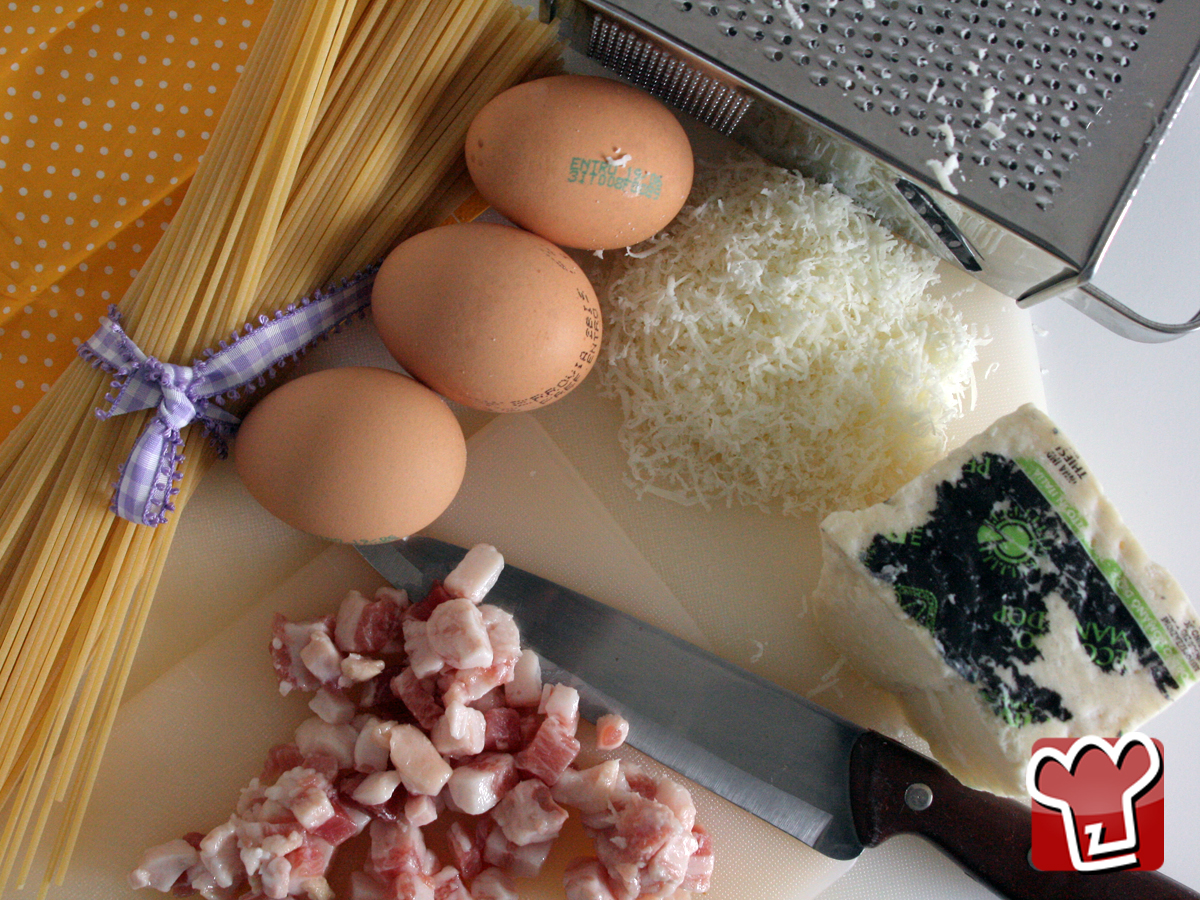
|
View the step by step
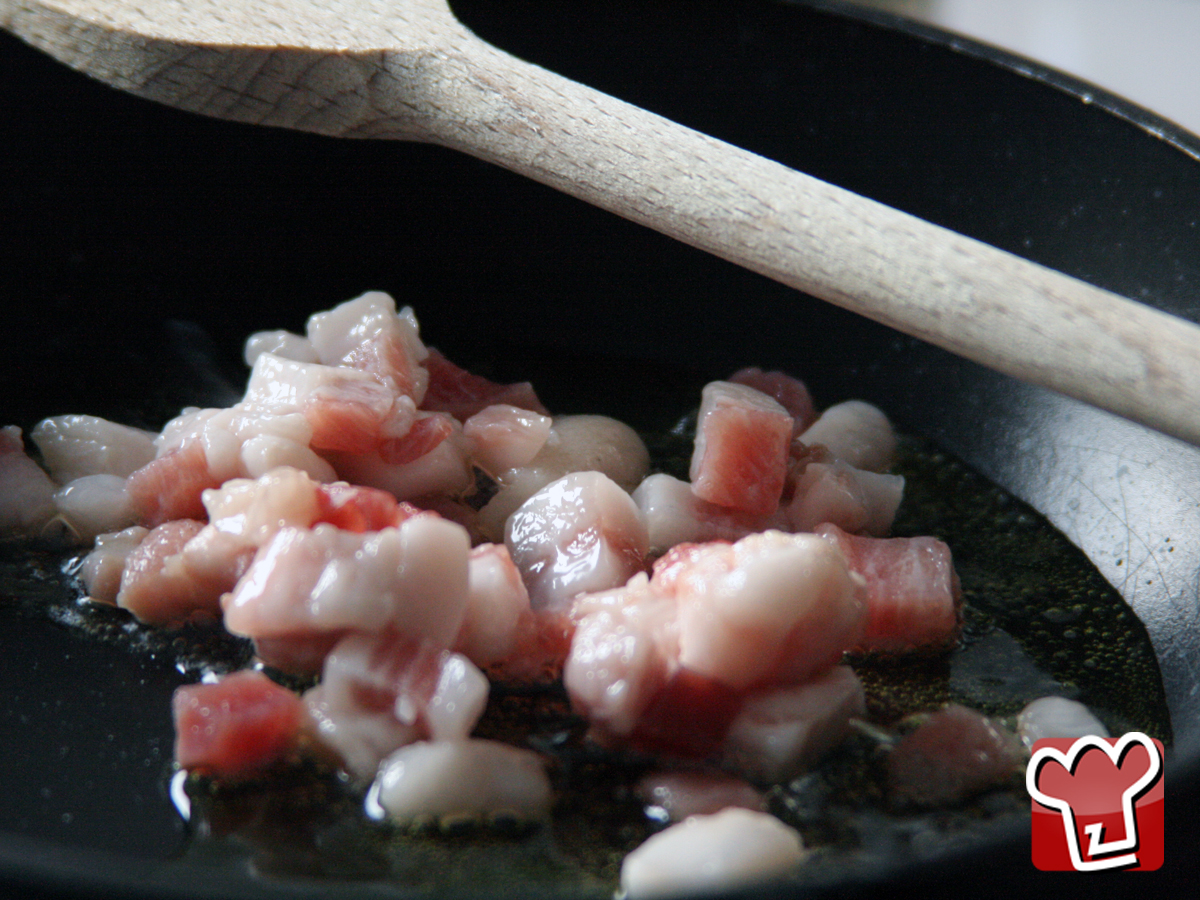
|
Brown the pancetta in oil until golden, then set aside
|
|
View the step by step
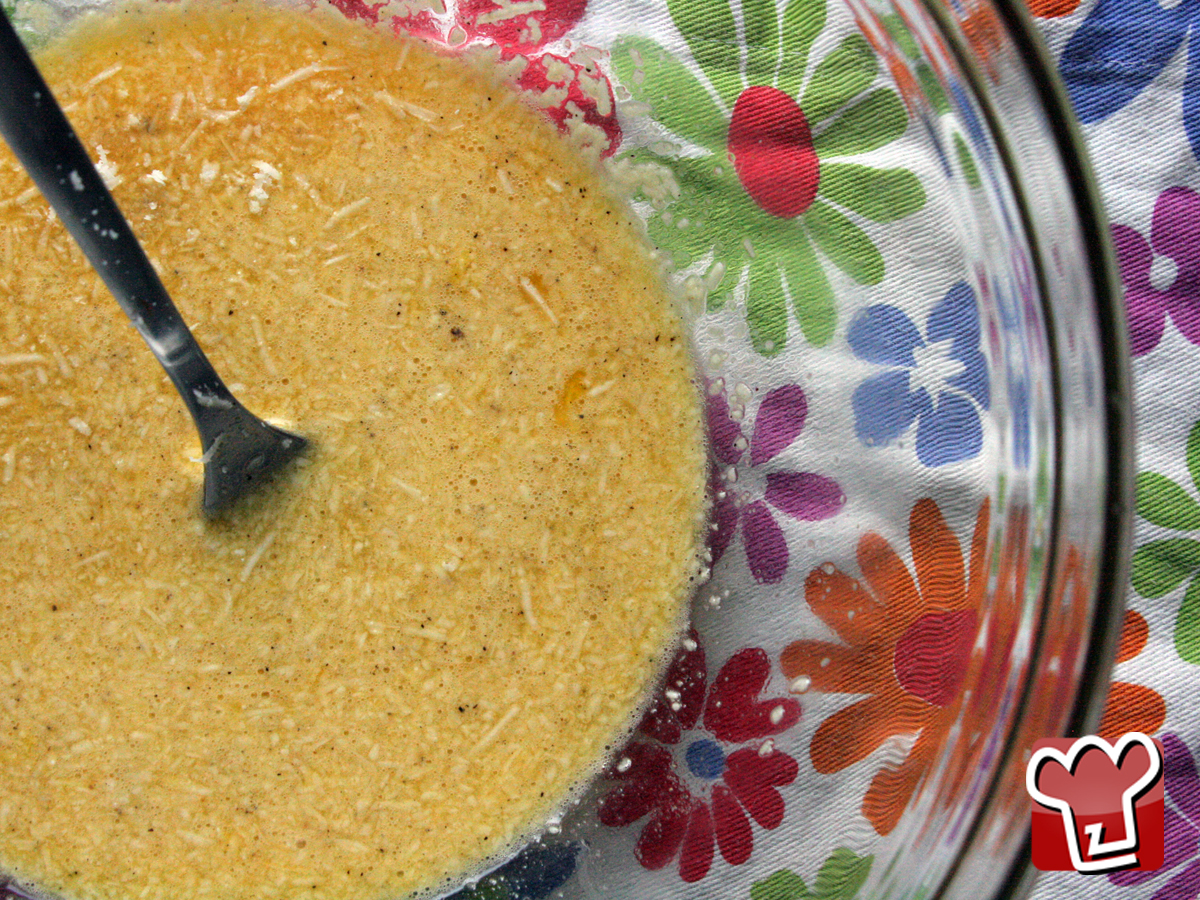
|
Beat the eggs with the Pecorino cheese and pepper
|
|
View the step by step
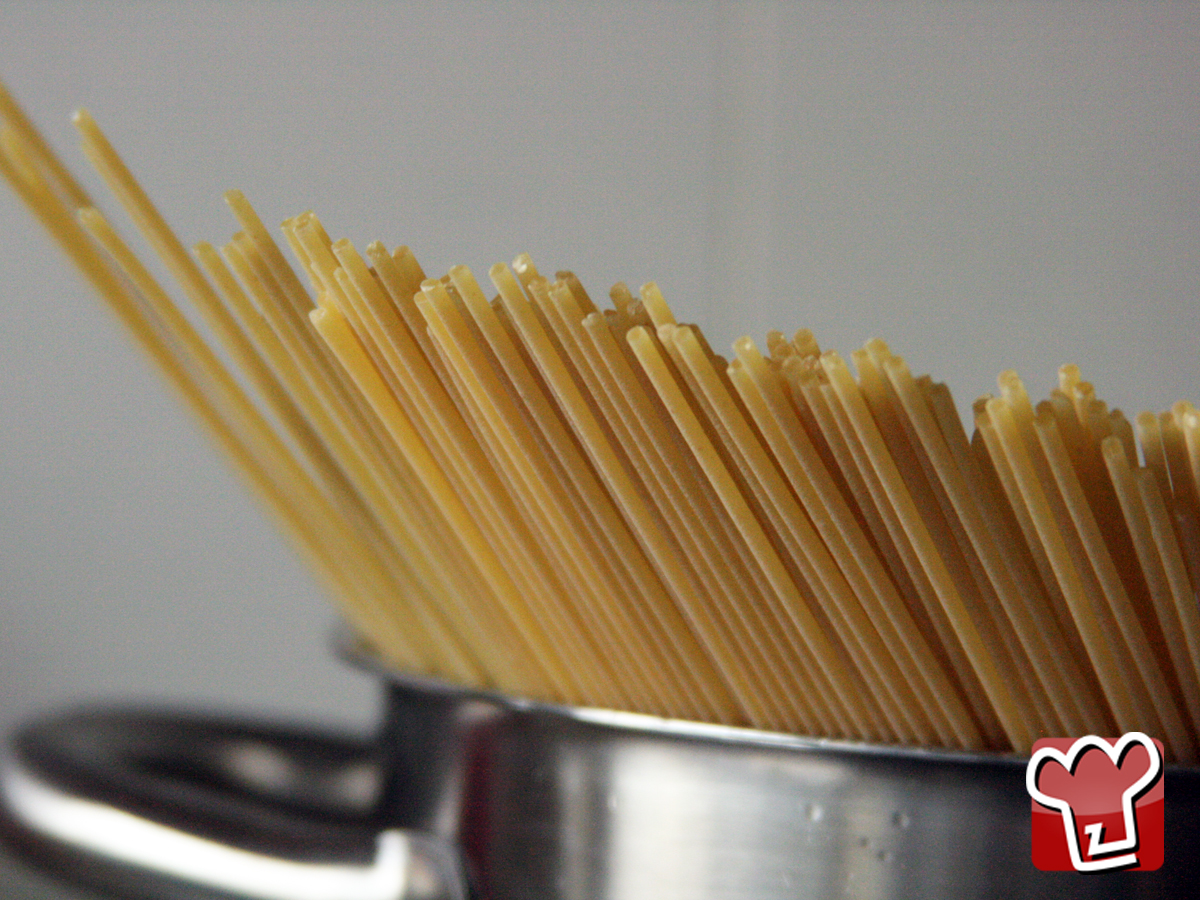
|
Cook the spaghetti in salted water
|
|
View the step by step
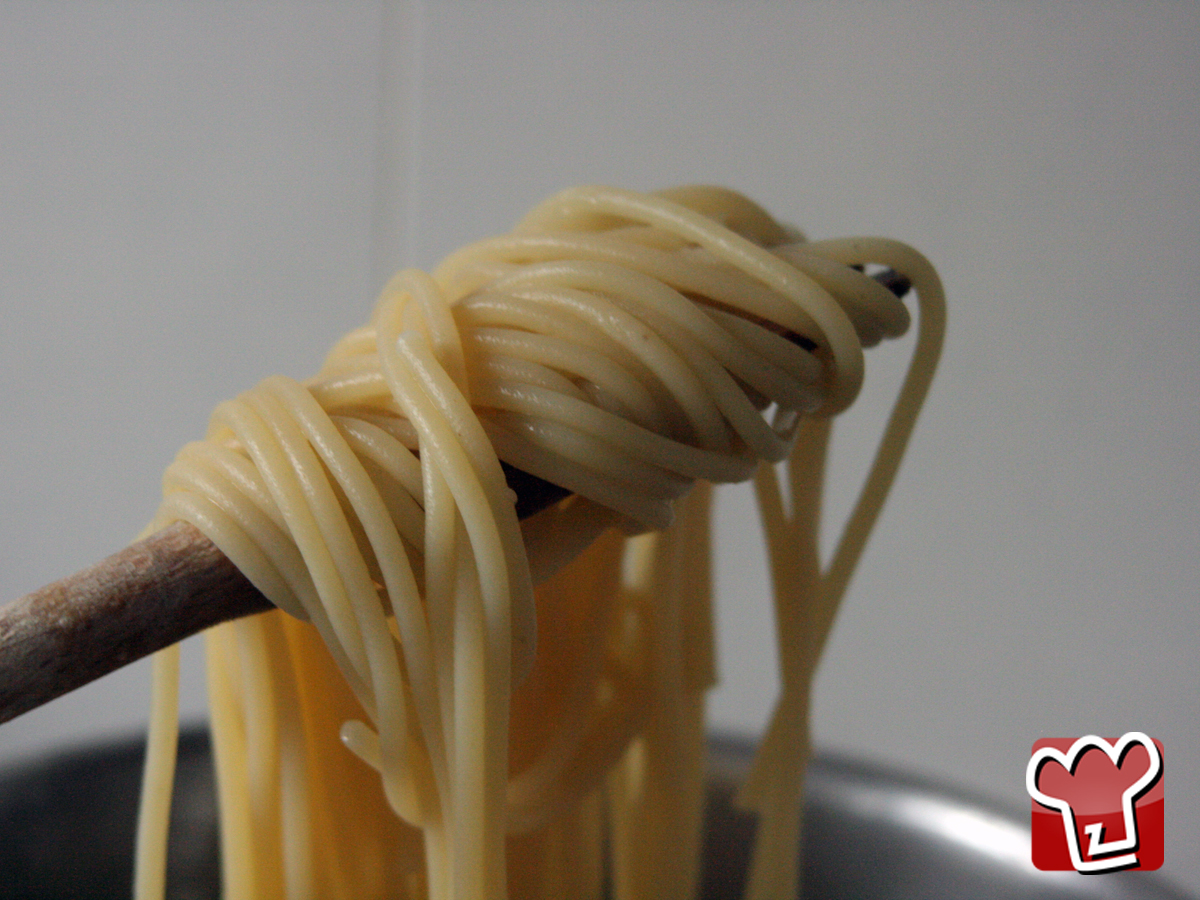
|
Cook the pasta till ‘al dente’
|
|
View the step by step
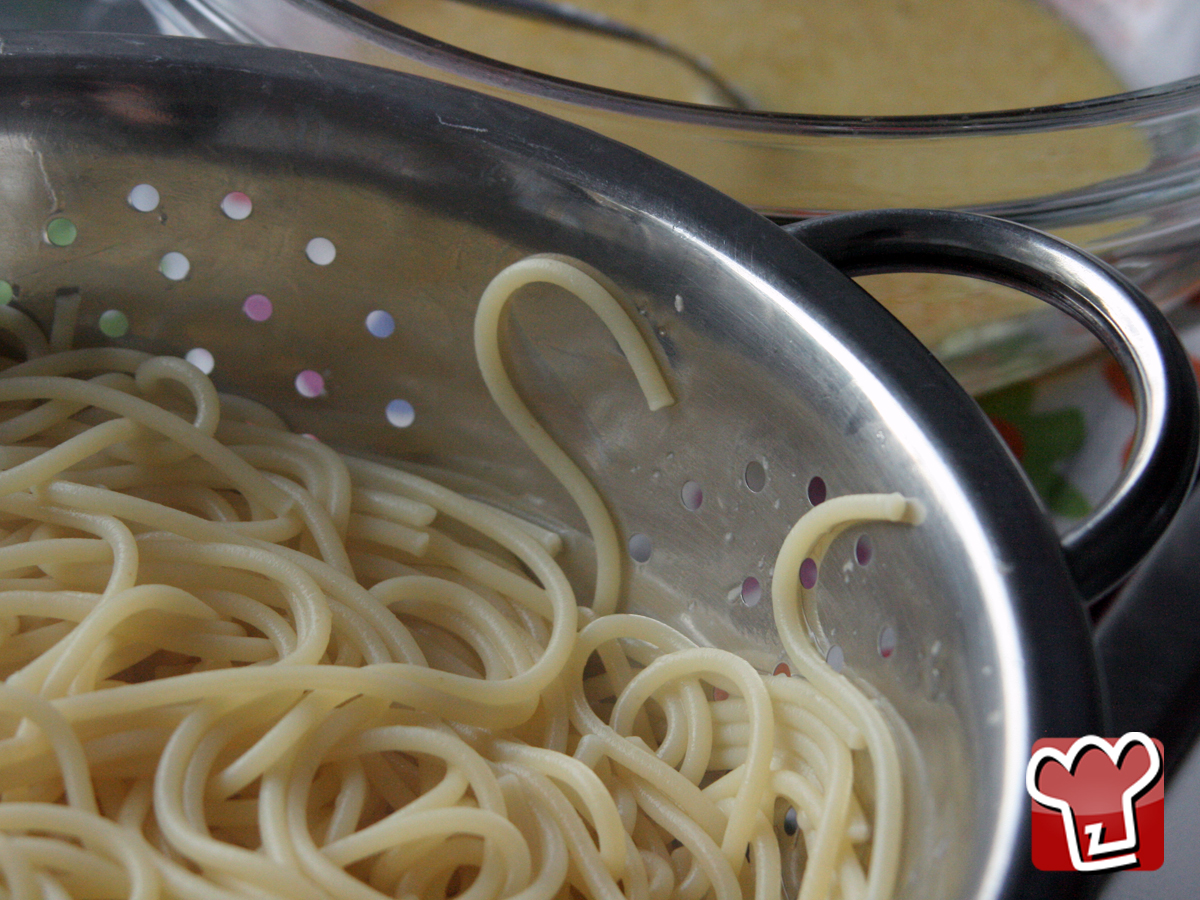
|
Drain the pasta and at the same time re-heat the pancetta
|
|
View the step by step
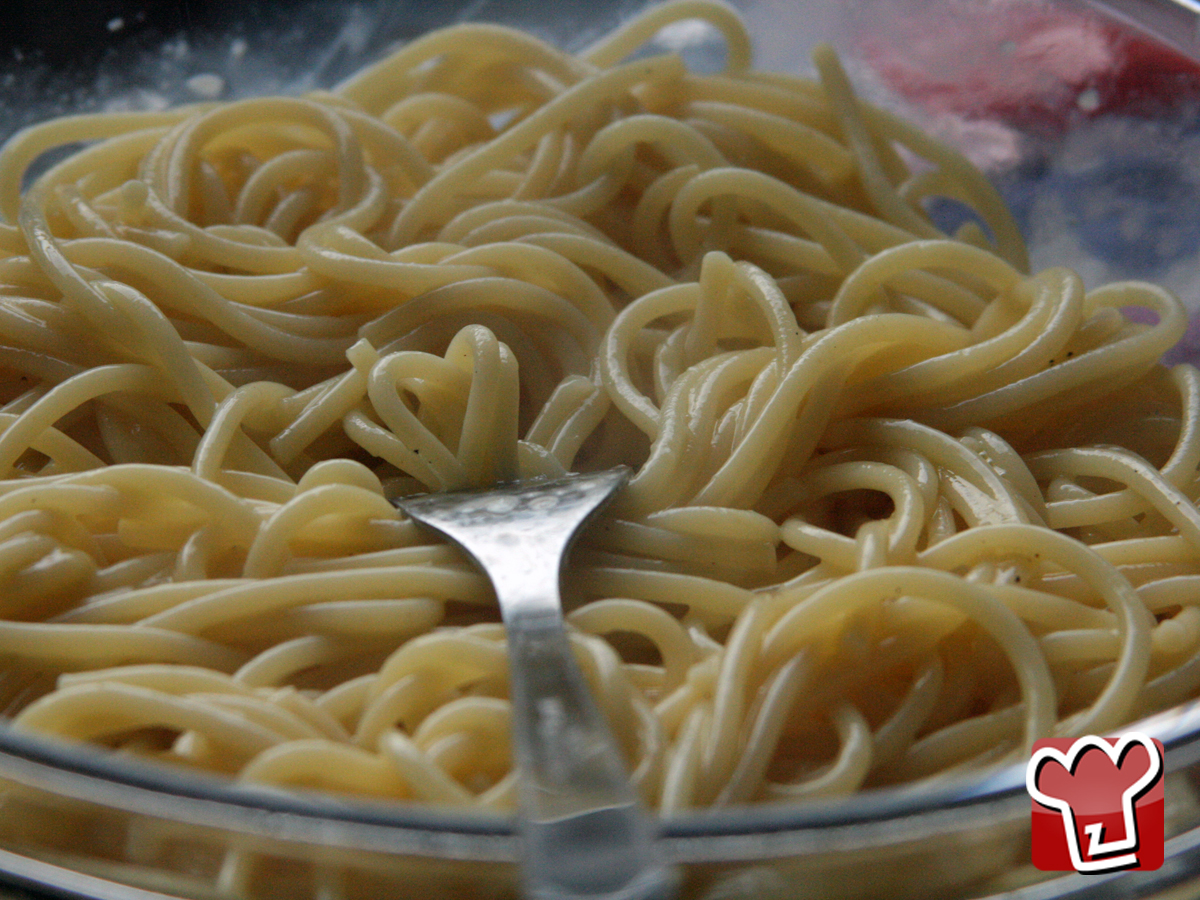
|
Pour the pasta onto the egg sauce
|
|
View the step by step
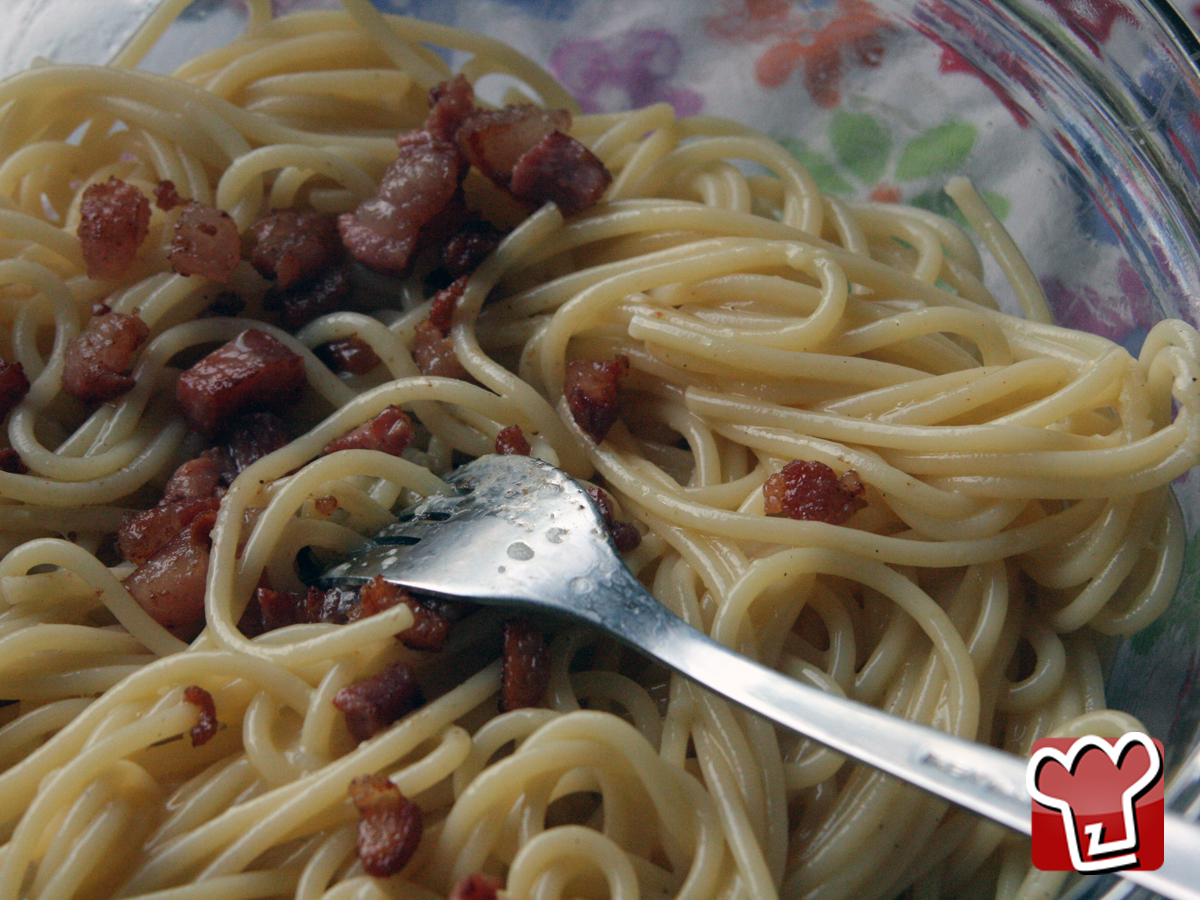
|
Pour the hot oil and pancetta onto the pasta
|
|
View the step by step
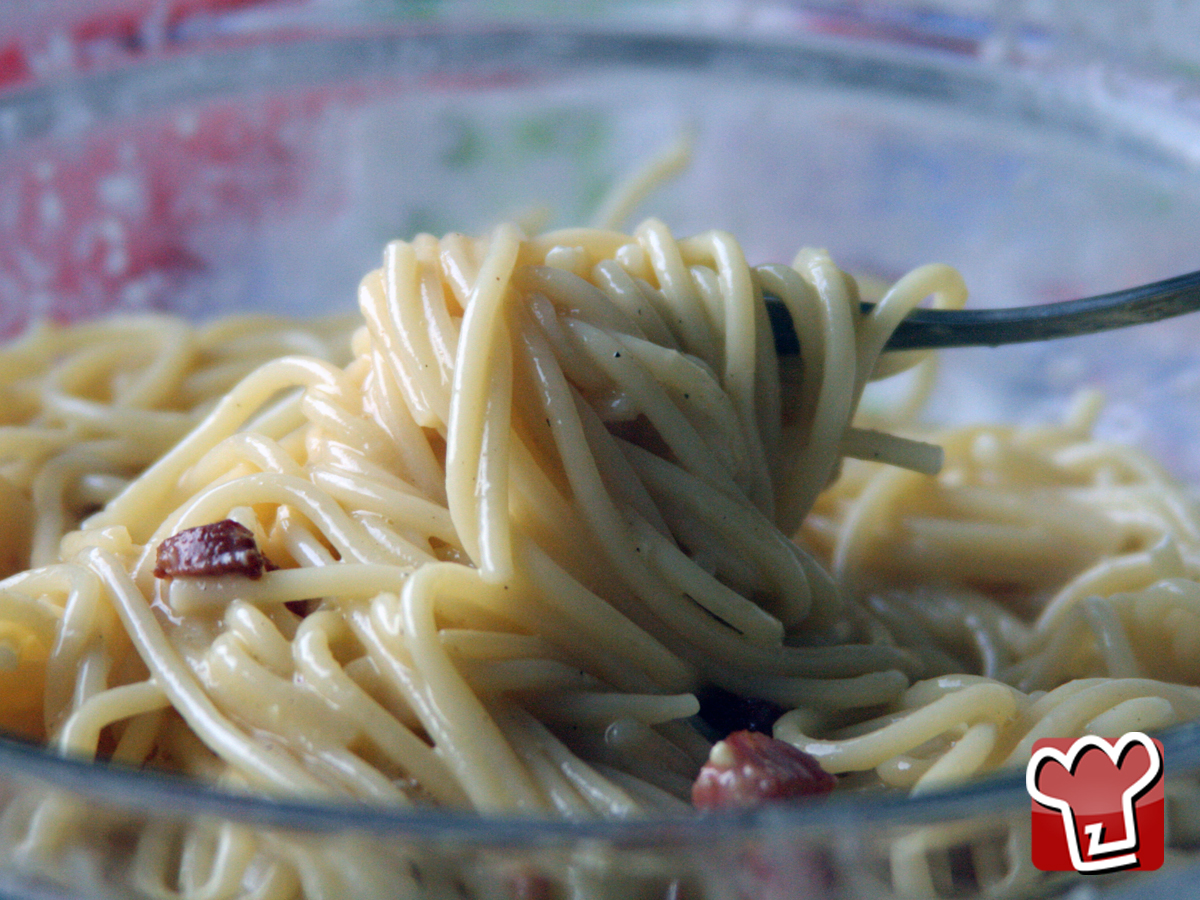
|
Add more Pecorino cheese and pepper if necessary
|
|
View the step by step
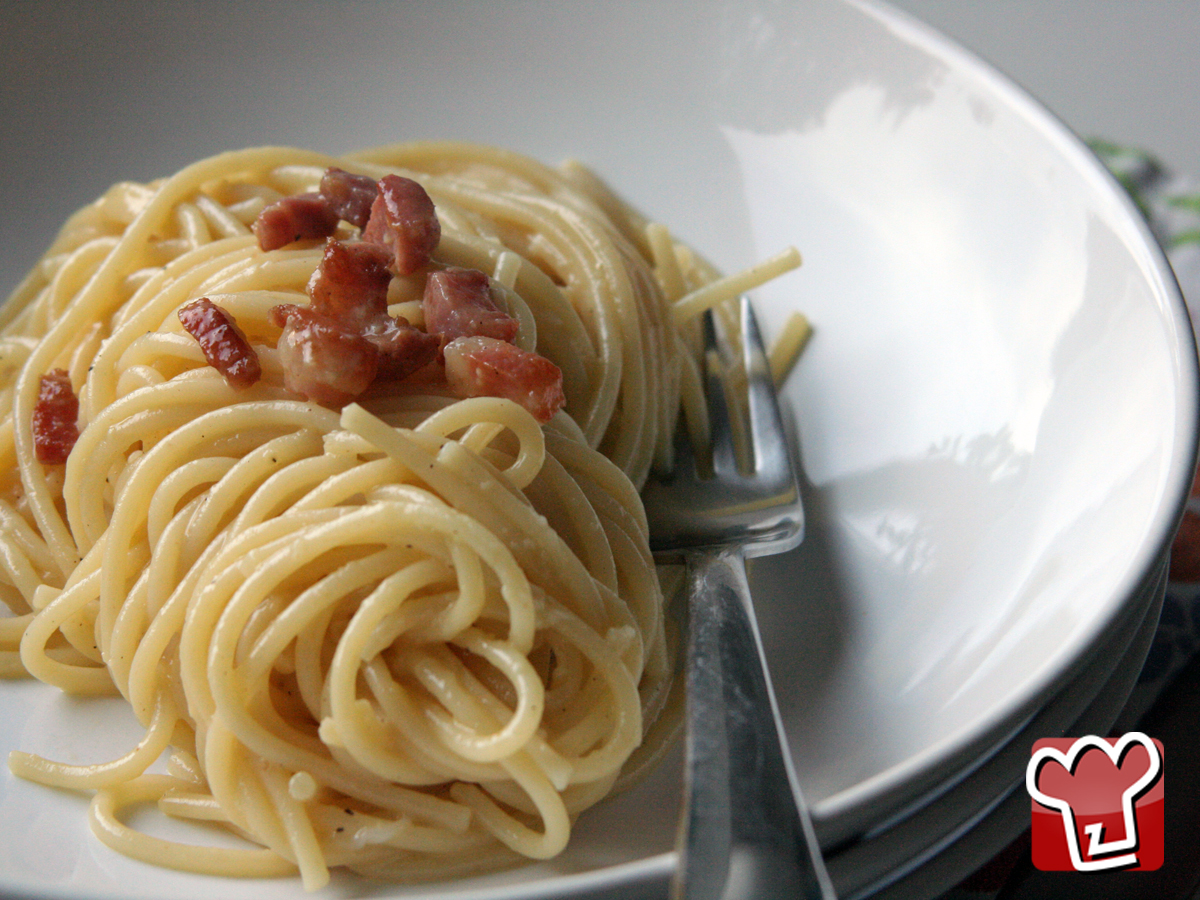
|
Serve hot
|
|
View the step by step
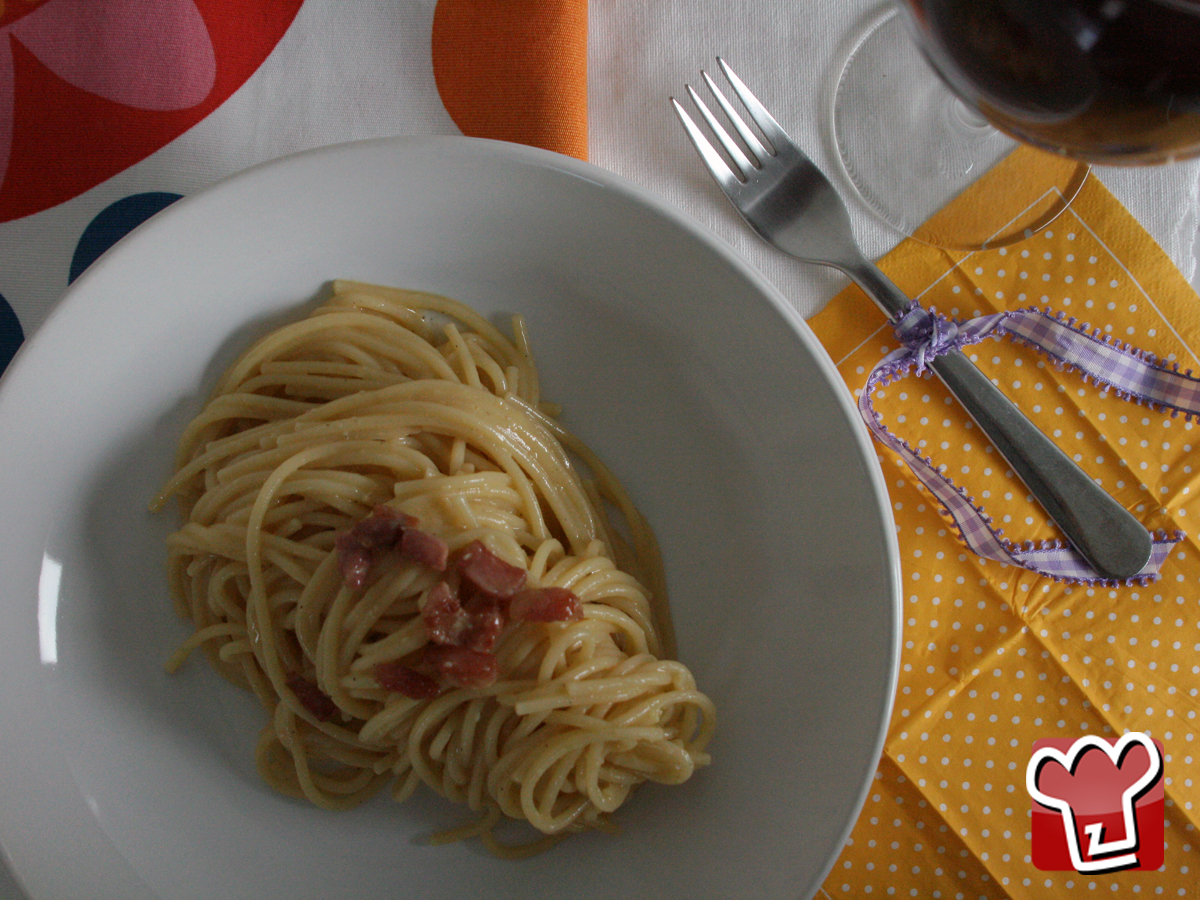
|
The dish is finished and ready to serve
|
Additional information
Spaghetti alla carbonara with zucchini
A delicious variant of spaghetti alla carbonara includes the addition of zucchini, which adds freshness and lightness to the dish. To prepare this version, start by slicing the zucchini into rounds and sautéing them in a pan with a drizzle of extra virgin olive oil. Once the zucchini are golden, you can proceed with the traditional recipe: cook the spaghetti, prepare the egg and pecorino cream, and then combine everything with the guanciale. This dish retains the authentic flavor of carbonara, but with a touch of vegetable that makes it perfect even for those looking for a more balanced and nutrient-rich preparation. The zucchini not only enrich the dish but also offer a pleasant contrast of textures.
Spaghetti alla carbonara from Lazio
The preparation of spaghetti alla carbonara is typical of the Lazio tradition and represents a symbol of Roman cuisine. In this recipe, guanciale is the fundamental ingredient, which must be of high quality to ensure an authentic flavor. Lazio carbonara is distinguished by the use of pecorino romano, which gives an intense and characteristic taste. The technique of mixing the spaghetti with the beaten eggs off the heat is essential to achieve the creaminess that makes the dish unique. To make your carbonara perfect, it is important not to cook the eggs and to mix quickly to prevent them from coagulating. This dish is a true tribute to the gastronomic tradition of Lazio.
Light spaghetti alla carbonara without guanciale
For those who wish to enjoy spaghetti alla carbonara in a lighter version, it is possible to substitute the guanciale with lean prosciutto or even with vegetables such as artichokes or spinach. This light variant maintains the flavor of the original dish but with a reduced caloric intake. You can follow the same preparation procedure, using eggs and pecorino, but limiting the use of fats. The key to a light carbonara is to balance the ingredients while maintaining the creaminess of the dish. This recipe is ideal for those looking to maintain a healthy diet without giving up the taste of Italian tradition.
Nutritional benefits of spaghetti alla carbonara
Spaghetti alla carbonara, while being a dish rich in flavor, also offers some nutritional benefits. Guanciale provides protein and fat, while eggs are an excellent source of complete proteins, vitamins, and minerals. Pecorino romano, although caloric, provides calcium and phosphorus, essential for bone health. In a medium portion of spaghetti alla carbonara, you can find about 600-700 calories, depending on the portions and ingredients used. It is important to enjoy this dish in moderation, integrating it into a balanced diet, to reap its benefits without overdoing the calories.
Can spaghetti alla carbonara be frozen?
Freezing spaghetti alla carbonara is not recommended, as the texture of the pasta and the egg cream may deteriorate during the freezing and thawing process. The pasta may become mushy and the sauce may lose its creaminess. If you wish to prepare in advance, it is better to cook the spaghetti and store the guanciale and egg cream separately, combining them only at the time of consumption. This way, you can enjoy a fresh and flavorful carbonara, avoiding the risk of compromising the quality of the dish. If you have leftovers, you can store them in the refrigerator for up to 2 days, reheating gently before serving.