Tempura Soup
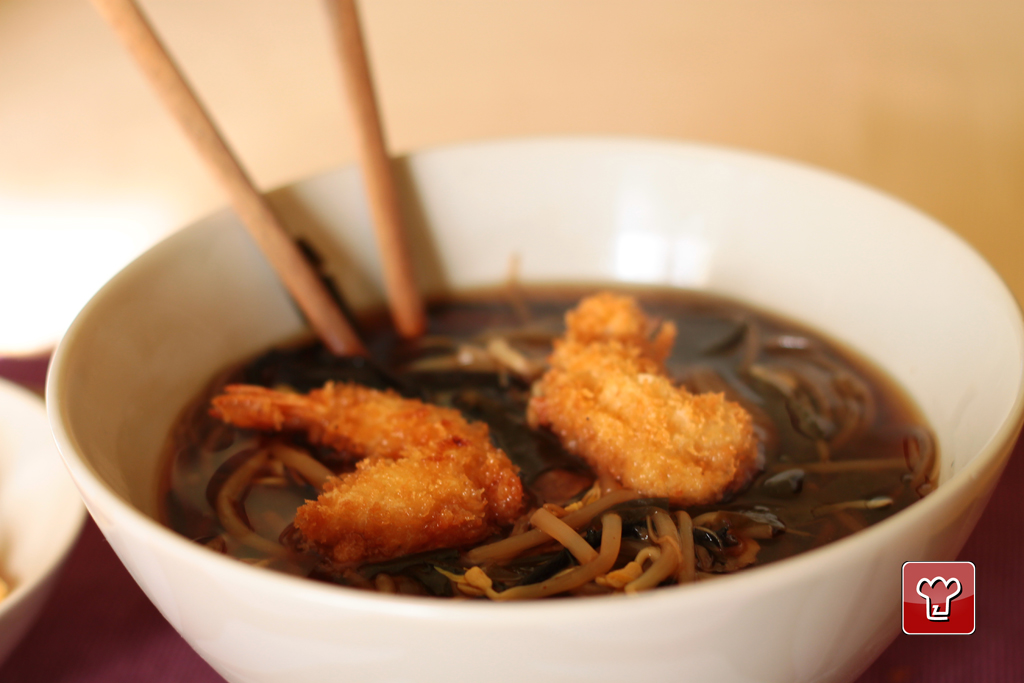
On a cold winter afternoon, when the craving for warm dishes is felt most intensely, Tempura-Soba emerges as a perfect solution to warm both body and palate. This Japanese dish combines the delicacy of soba, a type of noodle made from buckwheat, with the crispiness of tempura shrimp and the freshness of wakame seaweed, offering a balance of textures and flavors that captivates anyone who tastes it. The preparation features a base of dashi broth, which brings a deep umami, enhanced by soy sauce and mirin, creating a rich and enveloping flavor. The cooking technique, which involves lightly frying the shrimp, allows the juices and freshness of the sea to remain intact, while the al dente soba absorbs the broth beautifully. This dish is not only a celebration of ingredients but also an example of how Japanese cuisine manages to blend tradition and innovation. Although Tempura-Soba has Japanese origins, its variations can be found in different regions, each with unique touches, such as the addition of shiitake mushrooms or bean sprouts, which further enrich the dish. Often served during family meals or special occasions, Tempura-Soba is ideal for a dinner among friends or as comfort food on colder days. Paired with a sparkling drink like prosecco, this recipe becomes a culinary experience that invites exploration of the richness and variety of Asian cuisine, bringing a touch of warmth and conviviality to the table.
Ingredients
* approximate values per serving
Preparation
In a saucepan, add a dash of Mirin, a few drops of rice vinegar, and a good slug of sparkling white wine, Prosecco or spumante, preferably sweet. Add soy sauce, then bring to the boil. Wait five minutes till the alcohol and has reduced to your taste. Meanwhile soak the seaweed and shitake mushrooms. Add this soaking water to the stock base (it is rich in mineral salts). Add an additional half a litre of water. Slice the mushrooms and add these too. Mix together with a sachet of powdered ‘dashi’ stock. Add about 1 tablespoon of brown sugar. Wait till it comes to the boil. Then add the seaweed and bean sprouts and boil for five or 10 minutes. While the stock boils, cook the soba noodles separately in salted water. Once cooked, drain them and put in a bowl of cold water. Prepare the tempura as per our basic recipe. Now assemble the dish: take a large bowl, drain the soba and put them into the bowl. Pour over a ladle of soup and lay on top two pieces of lovely hot tempura. Serve the rest of tempura in a side bowl.
Step by step
|
View the step by step
|
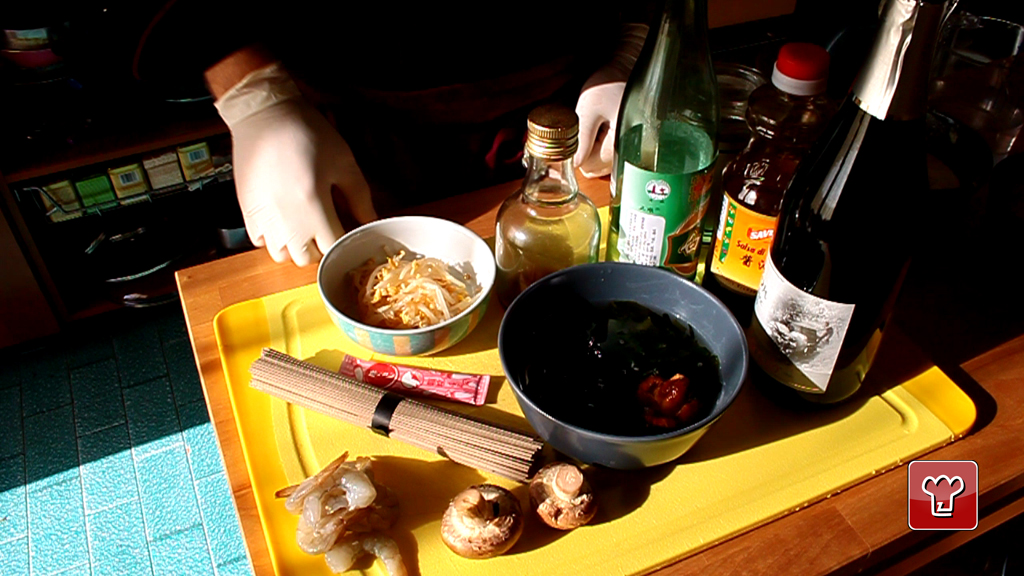
Here are all the ingredients for a great tempura soup with dashi stock and soba
|
|
View the step by step
|
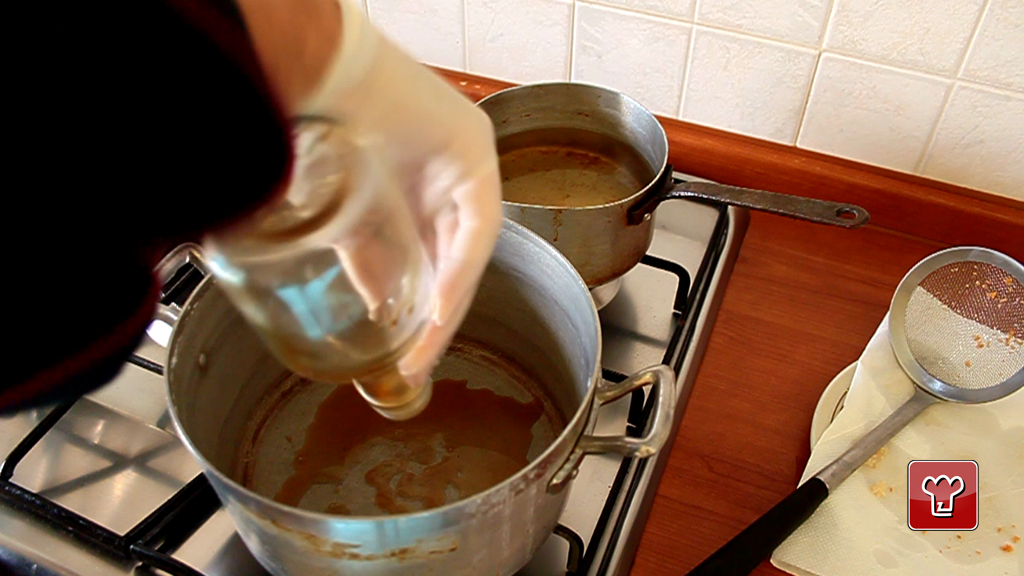
Put two spoons of mirin, a Japanese rice liqueur, into a saucepan.
|
|
View the step by step
|
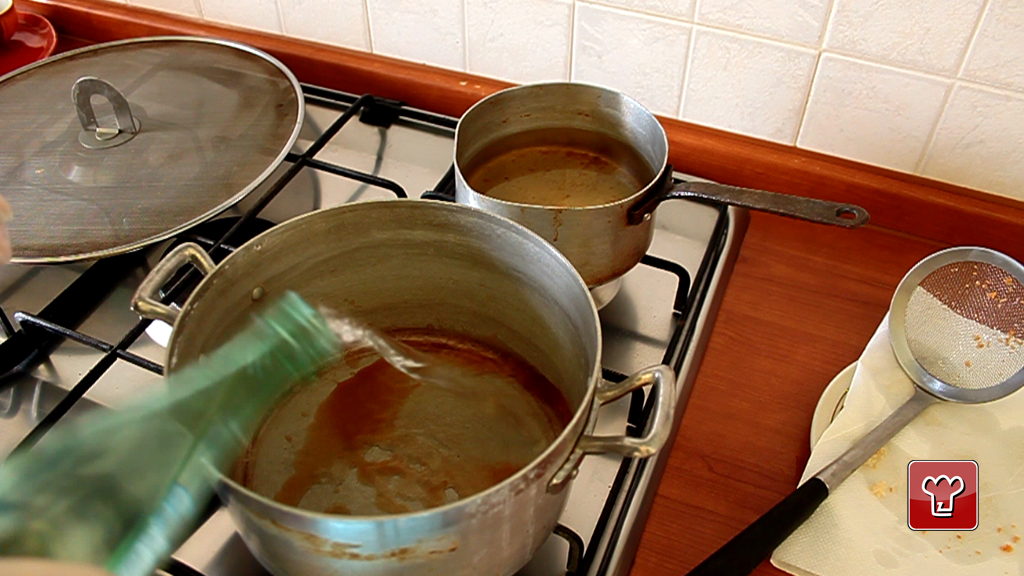
Add two spoons of rice vinegar
|
|
View the step by step
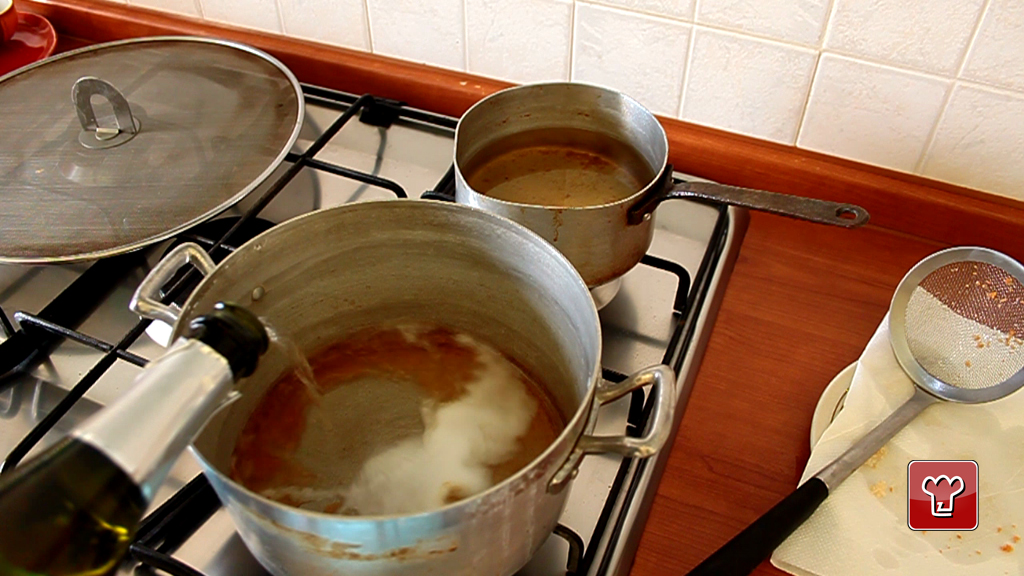
|
Add a glass of sweet spumante and bring to the boil
|
|
View the step by step
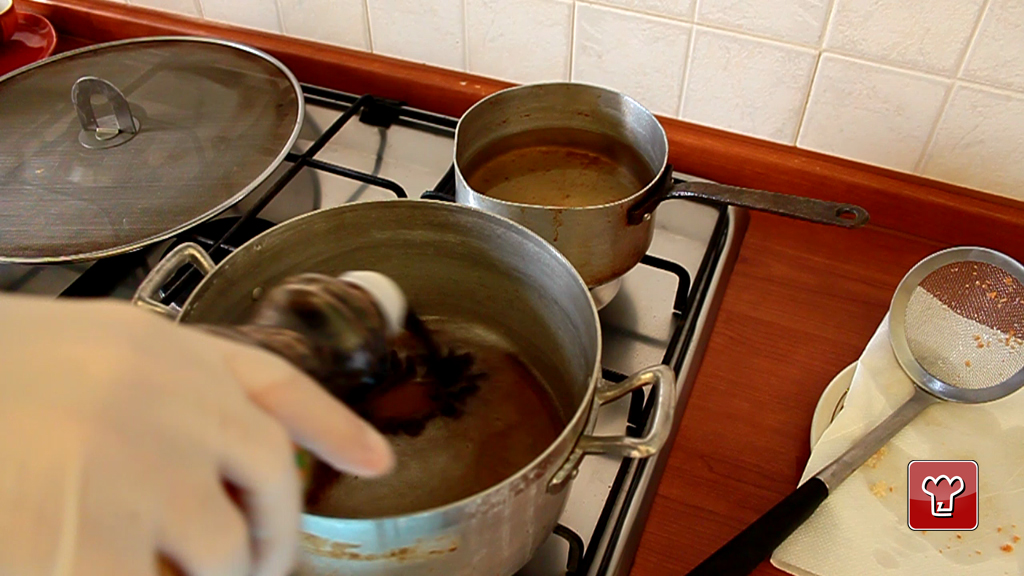
|
Once the wine has reduced and the alcohol evaporated, add 50 ml of soy sauce
|
|
View the step by step
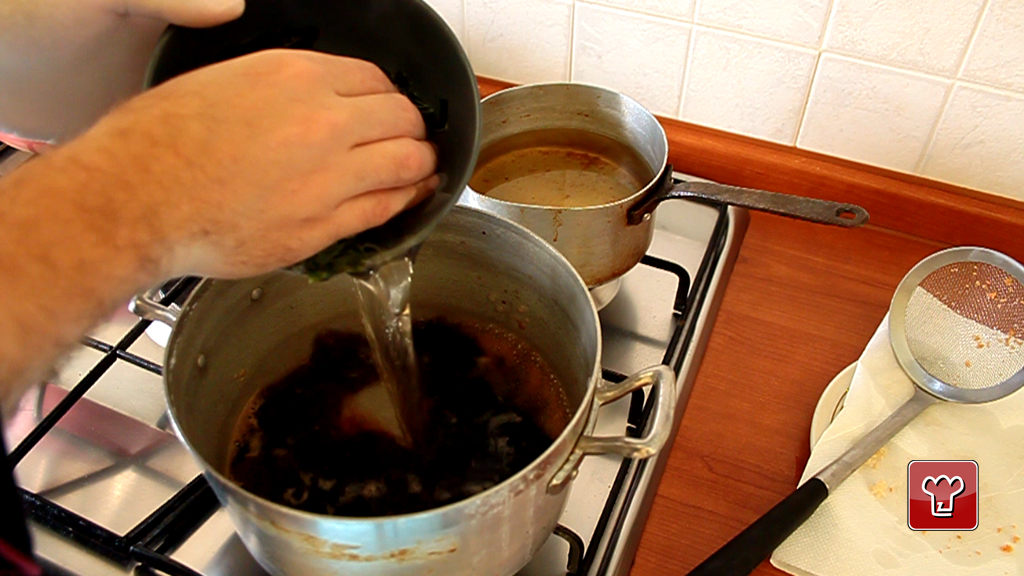
|
Add the seaweed water
|
|
View the step by step
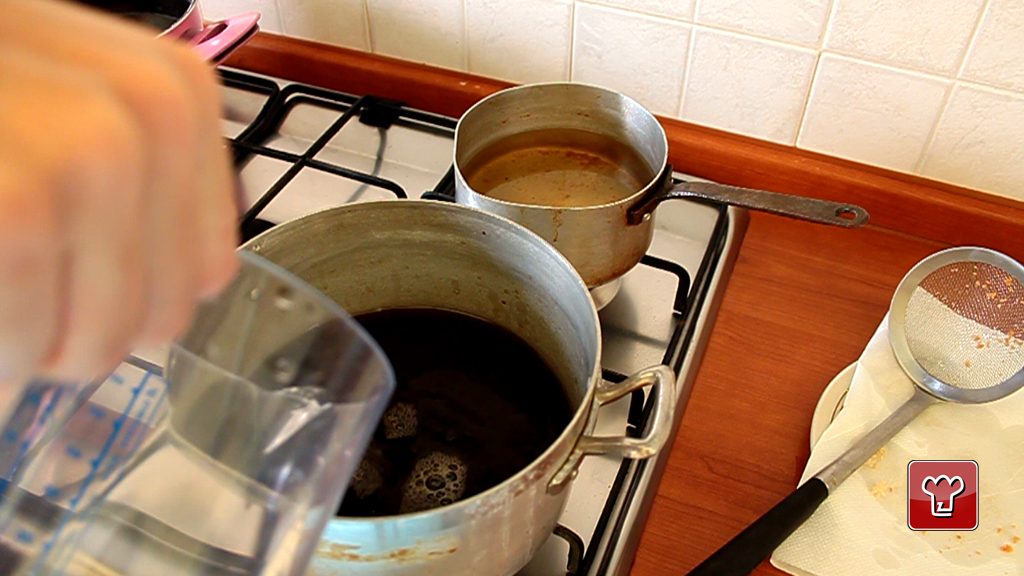
|
Add 50 ml of water and bring to boil, then add a teaspoon of salt and a tablespoon of brown sugar
|
|
View the step by step
|
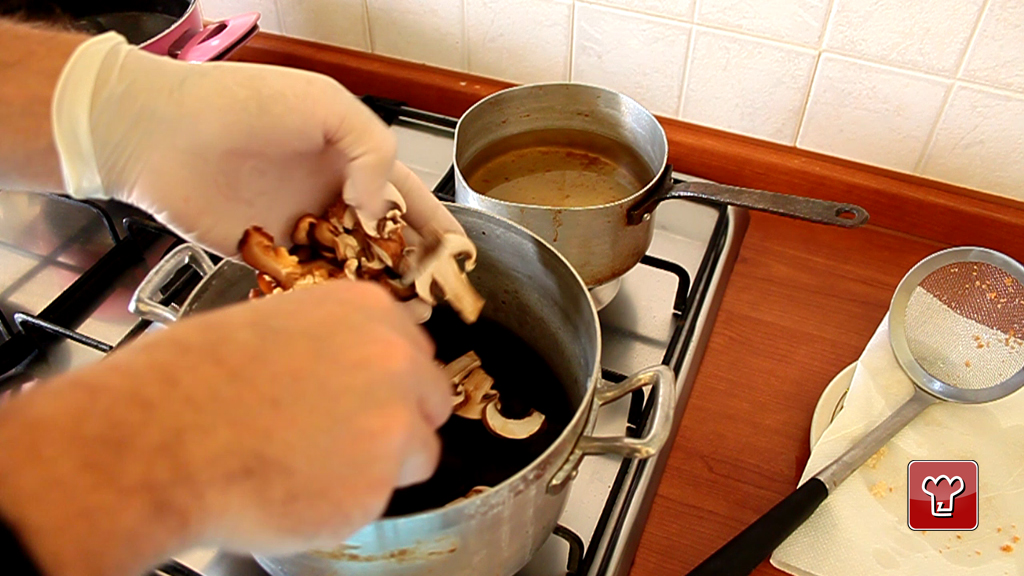
When the stock is boiling, add the shitake mushrooms
|
|
View the step by step
|
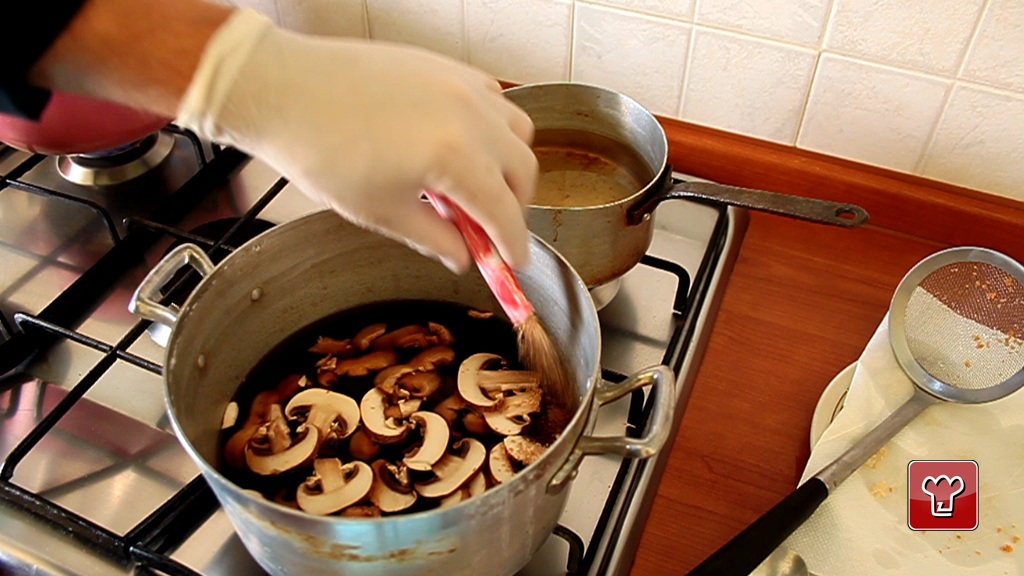
Add a bag of powdered dashi stock
|
|
View the step by step
|
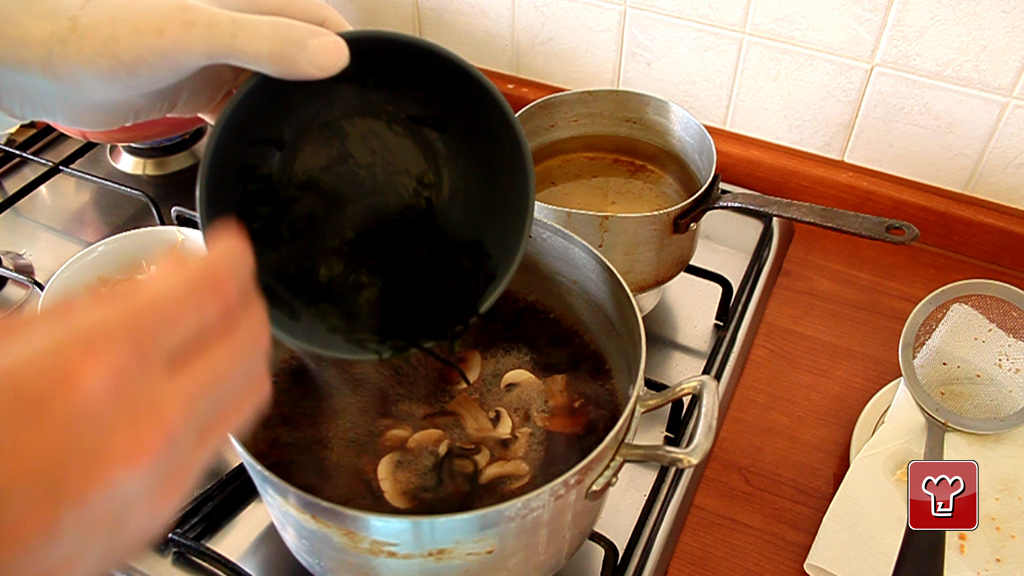
Add the two seaweeds
|
|
View the step by step
|
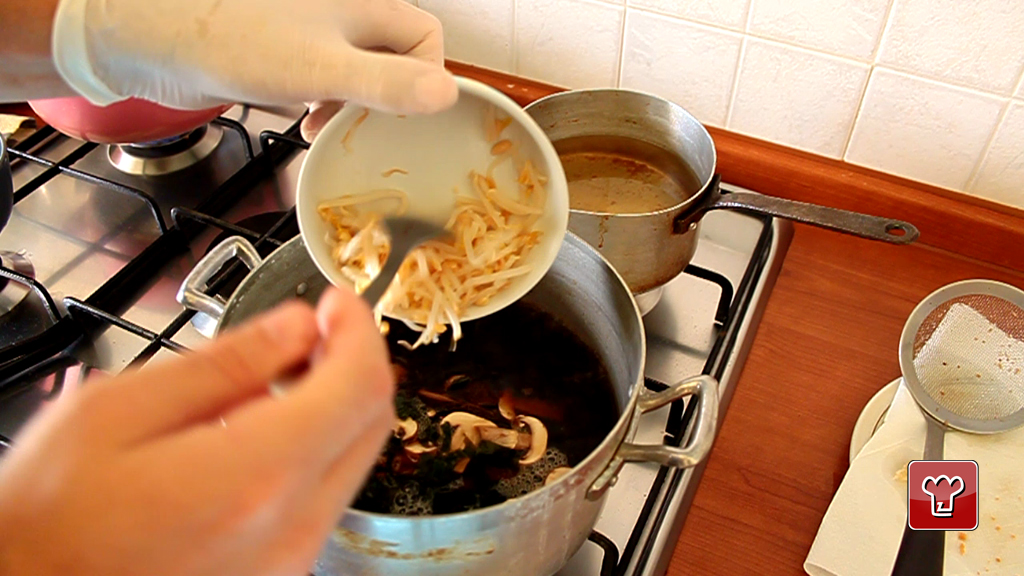
Add the soy bean sprouts and simmer for 5 minutes
|
|
View the step by step
|
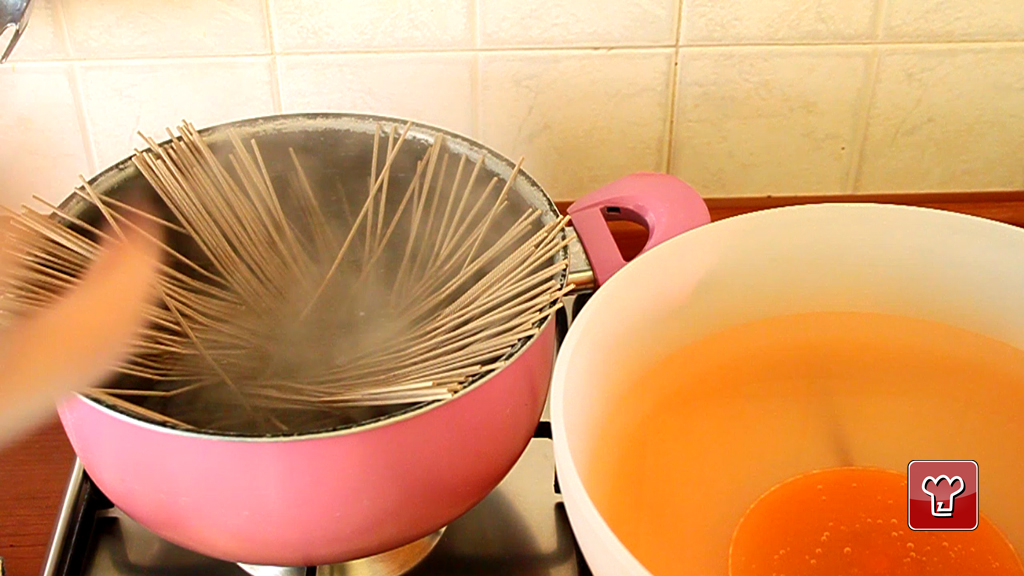
Cook the soba for 4 minutes in another pan
|
|
View the step by step
|
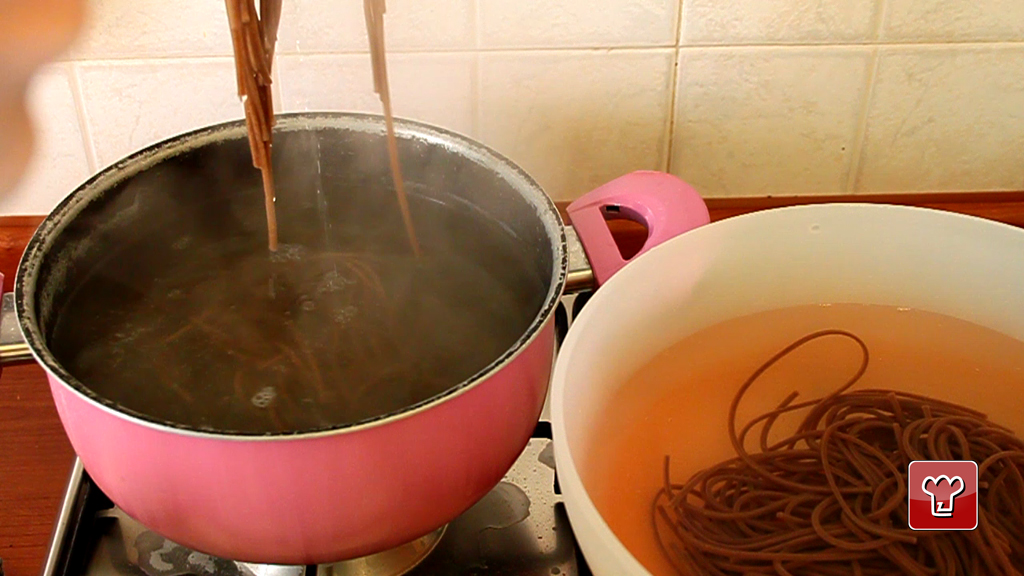
After 4 minutes, drain the soba and plunge into iced water to stop the cooking
|
|
View the step by step
|
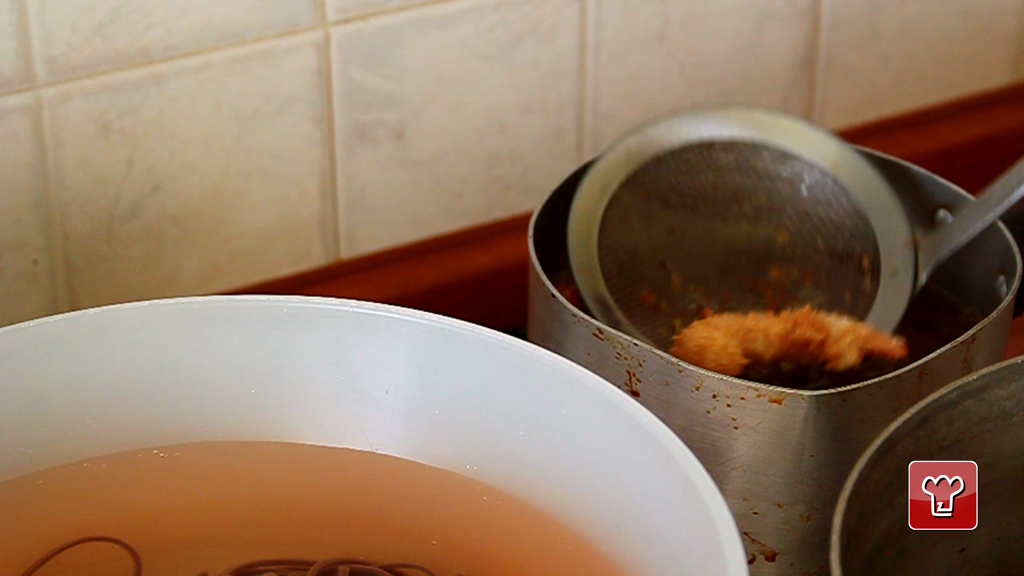
While the stock is simmering, fry your tempura
|
|
View the step by step
|
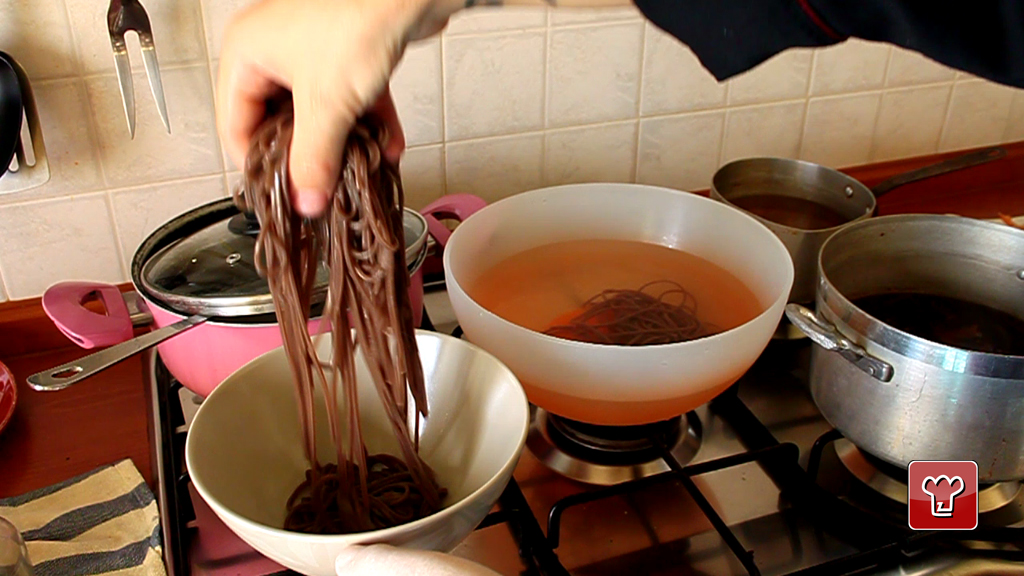
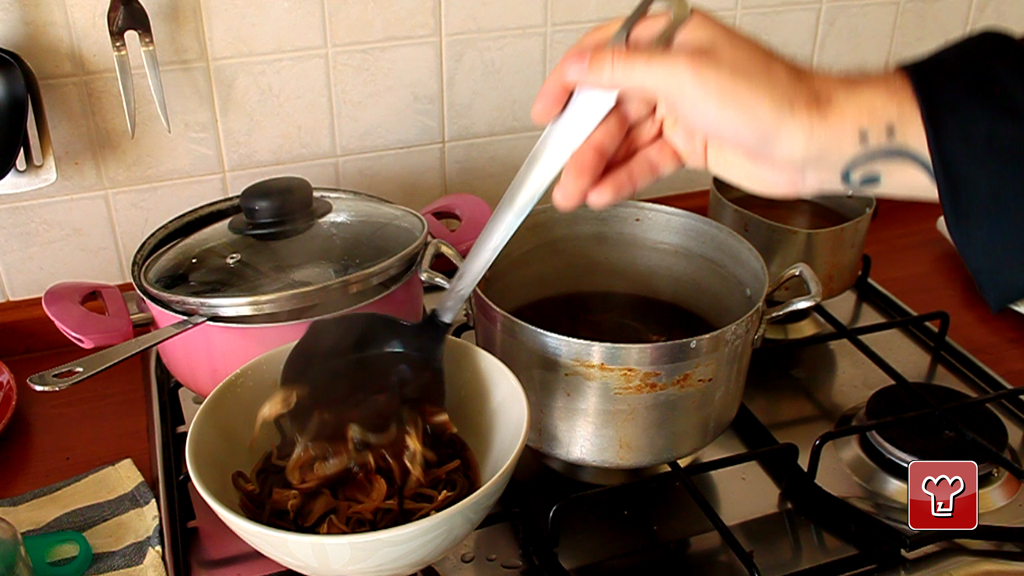
In a bowl, put the soba in first
|
|
View the step by step
|
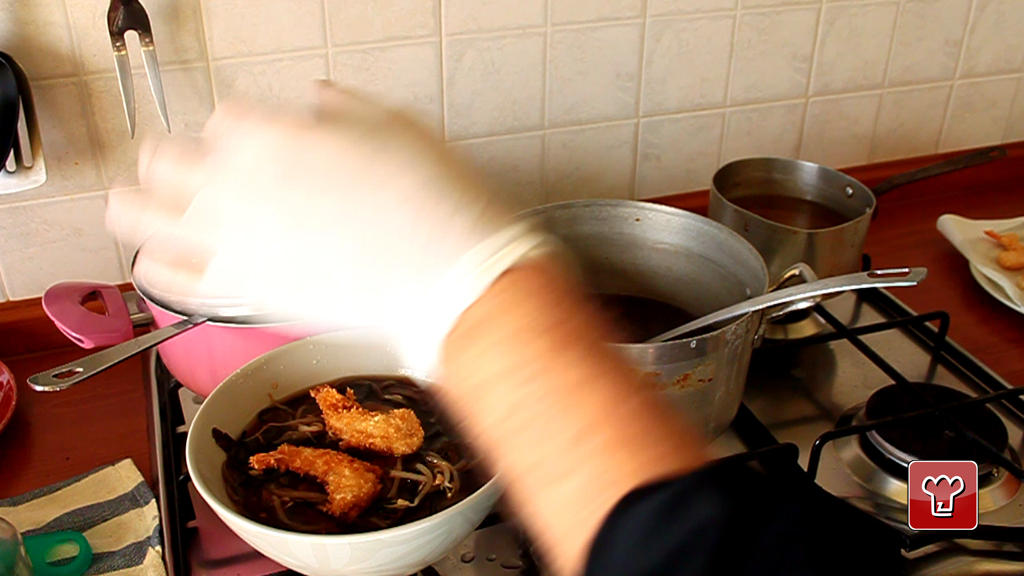
Add the stock
|
|
View the step by step
|
Add two tempura prawns
|
Additional information
Tempura-Soba with Prawns and Bean Sprouts
A delicious variation of the original Tempura-Soba recipe is the one that includes prawns and bean sprouts. This dish combines the crispiness of tempura with the delicacy of soba, creating a perfect balance of flavors and textures. The prawns, cooked to perfection, join the fresh bean sprouts, adding a touch of sweetness and crunch. To prepare this version, it is essential to pay attention to frying the prawns, which should be golden and crispy. The addition of bean sprouts, which can easily be found in Asian grocery stores, makes this dish not only tasty but also rich in nutrients. The final result is a dish that surprises with its lightness and freshness, ideal for a summer dinner or to impress your guests with an exotic touch.
Traditional Japanese Style Tempura-Soba
For those who love tradition, the Traditional Japanese Style Tempura-Soba is an excellent choice. This preparation involves the use of fresh ingredients and traditional cooking techniques to enhance authentic flavors. The tempura is made with seasonal vegetables, such as carrots and zucchini, which are dipped in a light batter and fried until golden. The soba, on the other hand, is served cold with a rich and aromatic dashi broth. In this variant, it is important to respect the proportions and traditional techniques to ensure a dish that honors Japanese culinary culture. This dish is not just a meal but a sensory experience that celebrates fresh flavors and the simplicity of Japanese cuisine.
Light Tempura-Soba without Frying
The Light Tempura-Soba is a version that aims to maintain the authentic taste of the original dish while reducing calories. In this preparation, you can opt for steaming the vegetables instead of frying, thus preserving all the nutritional properties and the fresh flavor of the ingredients. The soba, of course, remain a healthy and light choice, being made from buckwheat, which is naturally gluten-free. This variant is perfect for those who want to follow a balanced diet without sacrificing flavor. To add a touch of flavor, it is recommended to dress with low-sodium soy sauce and a drizzle of sesame oil. This way, you can enjoy a nutrient-rich and lighter dish, ideal for a light lunch or a healthy dinner.
Tempura-Soba: Benefits of Soba and Approximate Calories
Soba, the main ingredient of Tempura-Soba, is known for its numerous nutritional benefits. Made from buckwheat, these noodles are rich in protein, fiber, and antioxidants, contributing to a healthy diet. Consuming soba can help improve digestion and maintain stable blood sugar levels. Additionally, they are a source of essential minerals such as manganese, copper, and magnesium. In terms of calories, a serving of cooked soba (about 100 grams) contains approximately 99 calories, making them an excellent choice for those looking to maintain a caloric balance. By combining soba with fresh and nutrient-rich ingredients like prawns and vegetables, you achieve a balanced and healthy dish, perfect for any occasion.
Can Tempura-Soba be Frozen?
A common question among cooking enthusiasts is whether it is possible to freeze Tempura-Soba. The answer is yes, but with some precautions. It is advisable to freeze the cooked soba separately from the tempura, as frying can compromise their texture once thawed. If you have prepared the tempura in advance, make sure to let it cool completely before storing it in an airtight container. As for the soba, you can freeze them in portions, wrapping them in plastic wrap to prevent ice formation. When you are ready to enjoy them, thaw the soba in the refrigerator and reheat the tempura in the oven to restore its crispiness. This way, you can enjoy a delicious meal even after preparing it in advance.