Baked aubergine with parmesan
Today’s dish is baked aubergine with parmesan: ‘parmigiana’. When you don’t know what to cook, and you don’t want pasta or a steak, but you do want something nutritious, satisfying and a complete meal in itself – this baked aubergine dish hits the spot. Substantial is the right term for this classic: there are many other things one could say, especially about its contentious origins in either Emilia Romagna, Campania or Sicily, but also about its name. However, Sicily wins out on its origins because it has entered it formally as one of its traditional food products. It’s basically just a baked dish of aubergine with a cheesy, tomato sauce. Interestingly, the aubergine, originally from Asia, did not at first enjoy a good reputation in Italy: it was introduced by Arabs during the Middle Ages, but only much later, during the eighteenth century, did it begin to be eaten on the dining tables of the common people. Follow our step-by-step recipe and you’re guaranteed a perfect outcome!
Ingredients
Eggplant and Tomato: A Puglian Classic
Eggplant Parmesan takes on a delightful flavor profile with Puglian eggplants, known for their intense and meaty taste. Each layer is complemented by fresh tomatoes, basil, and a hint of buffalo mozzarella, resulting in a dish that highlights the simplicity of the region's artisanal ingredients.
* approximate values per serving
Preparation
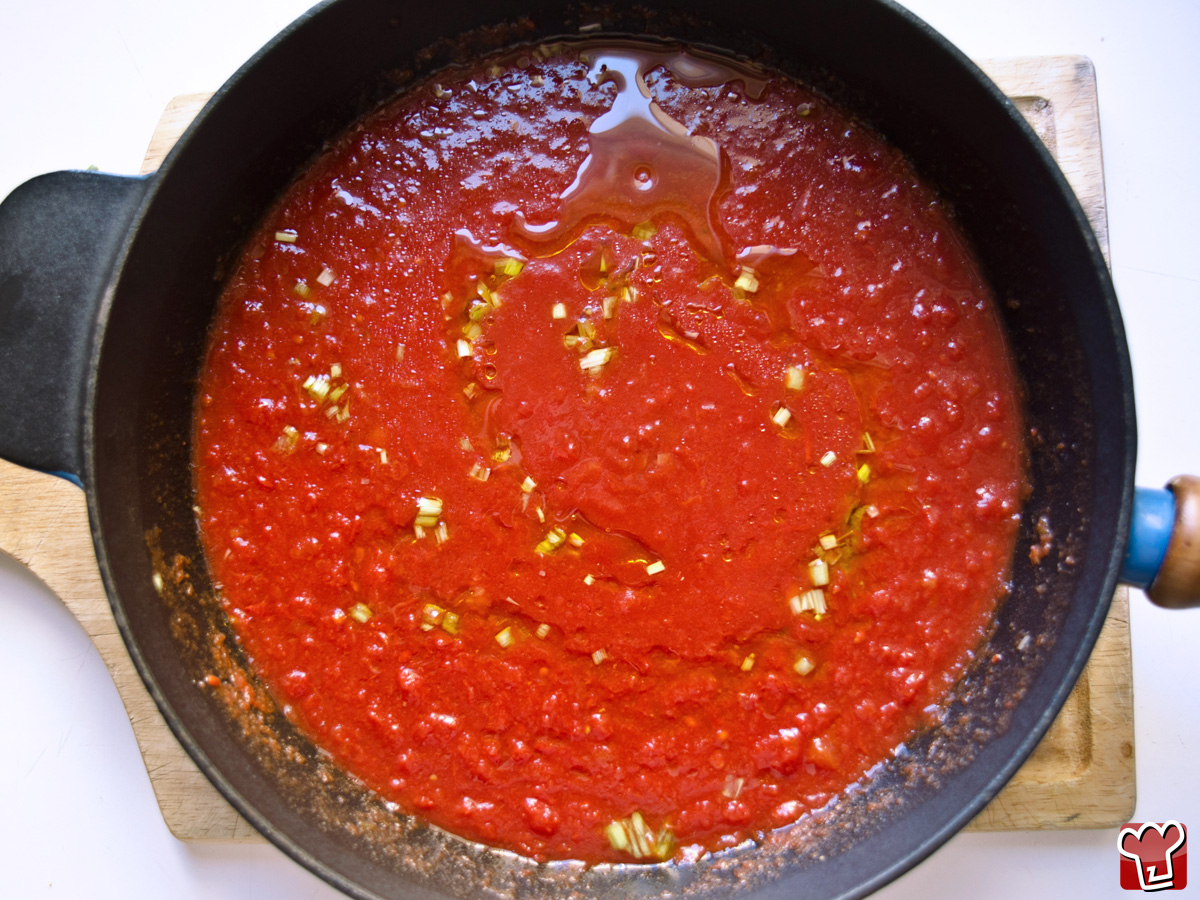
Make the tomato sauce first: fry the garlic with the oil, then pour the tomato passata and, when half cooked, add the basil leaves. Cut the aubergine lengthwise into not-too-thin slices without removing the skin. Soak the aubergine slices in milk for 15 minutes (this will remove any bitterness). Dry the slices with a clean, white teal towel, pressing down on each. Fry the aubergines in plenty of olive oil until they are golden brown (be generous with the oil because they absorb a lot). Place them on kitchen paper and pat dry with more paper, to dry them of as much oil as possible. Repeat this drying procedure 4 or 5 times, until the aubergine stops releasing oil. Pour a layer of sauce into a baking dish, then a layer of aubergine, and then another of sauce. Add a few slices of mozzarella and parmesan cheese. Make further layers of aubergine, tomato sauce, mozzarella and parmesan in this order until all ingredients are used. Finish with a layer of sauce and plenty of parmesan. Preheat the oven to 180°C and cook for half an hour.
Step by step
|
View the step by step
|
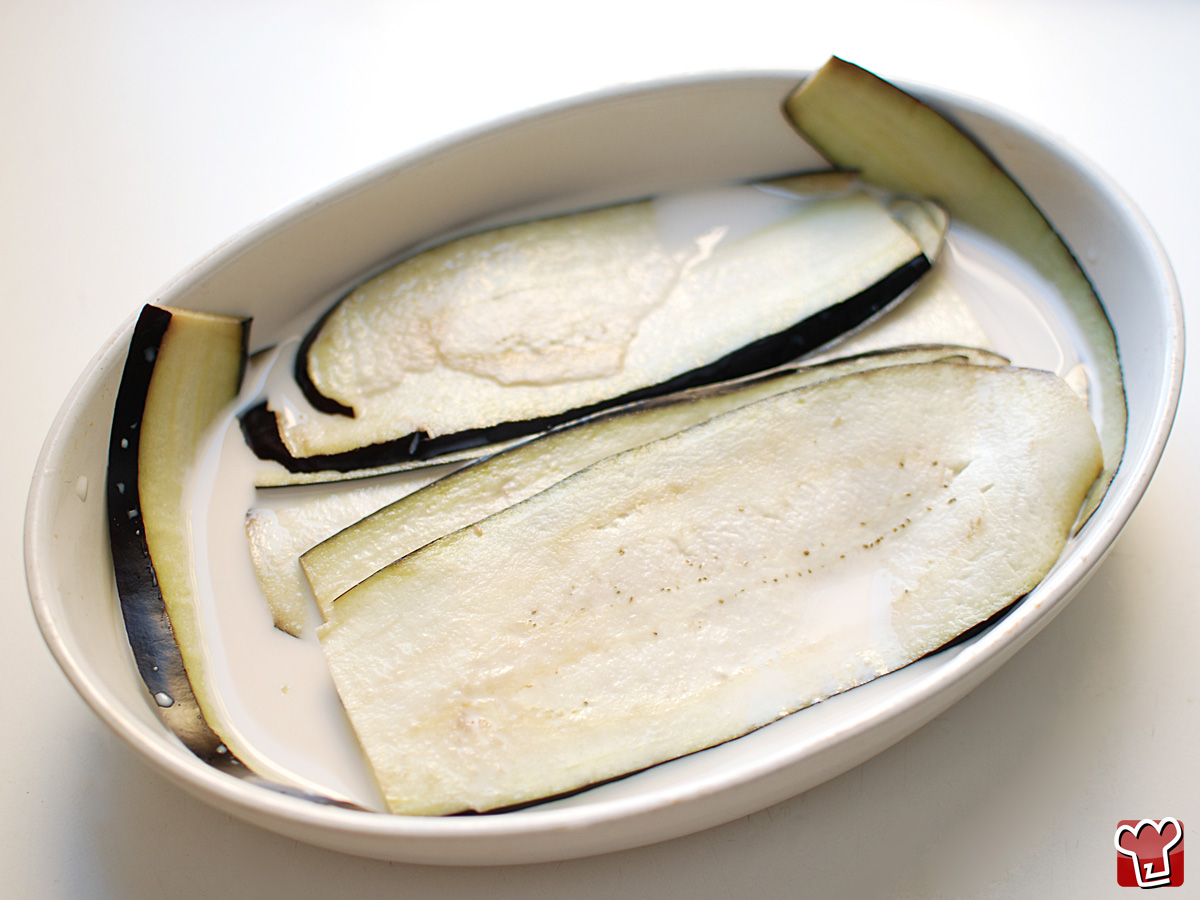
Cut the aubergine lengthwise into not-too-thin slices without removing the skin. Soak the aubergine slices in milk for 15 minutes (this will remove any bitterness).
|
|
View the step by step
|
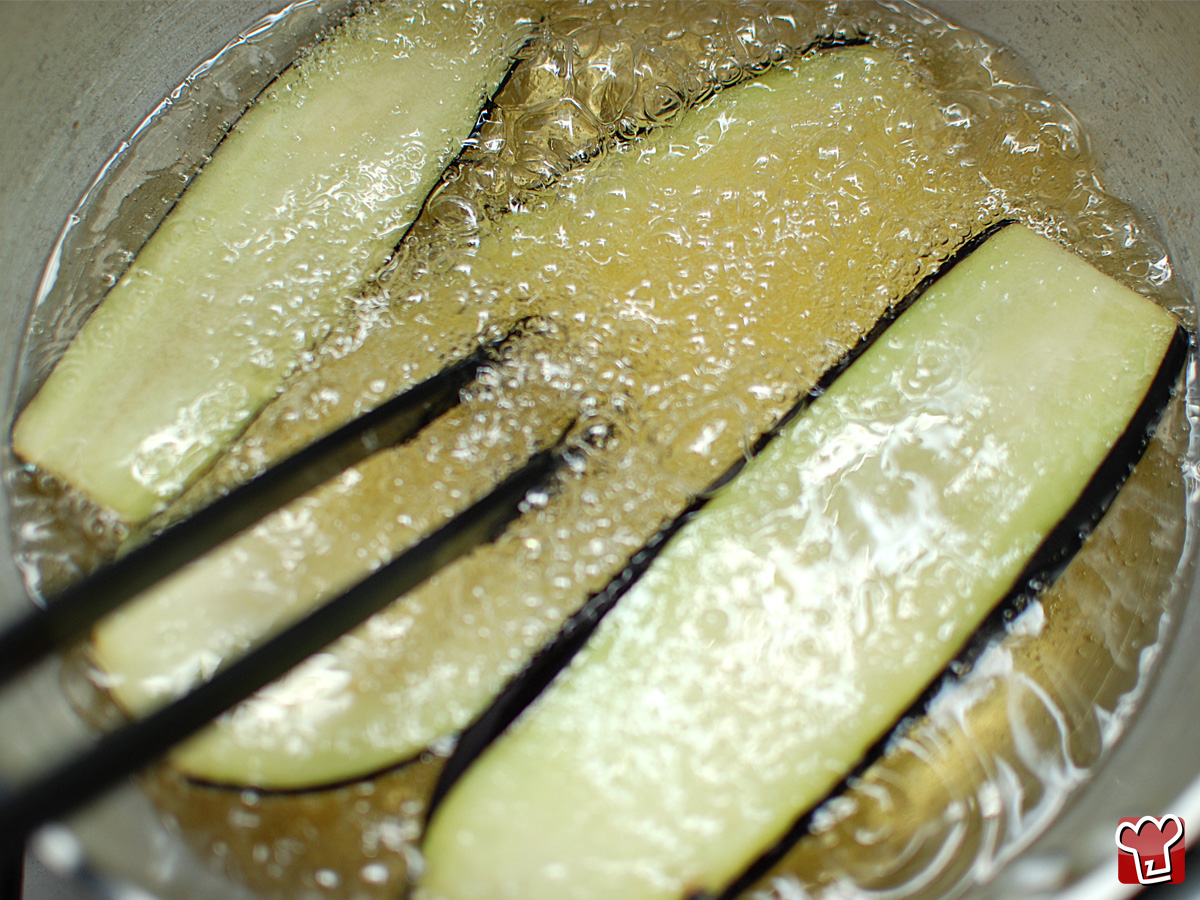
Dry the slices with a clean, white teal towel, pressing down on each. Fry the aubergines in plenty of olive oil until they are golden brown (be generous with the oil because they absorb a lot).
|
|
View the step by step
|
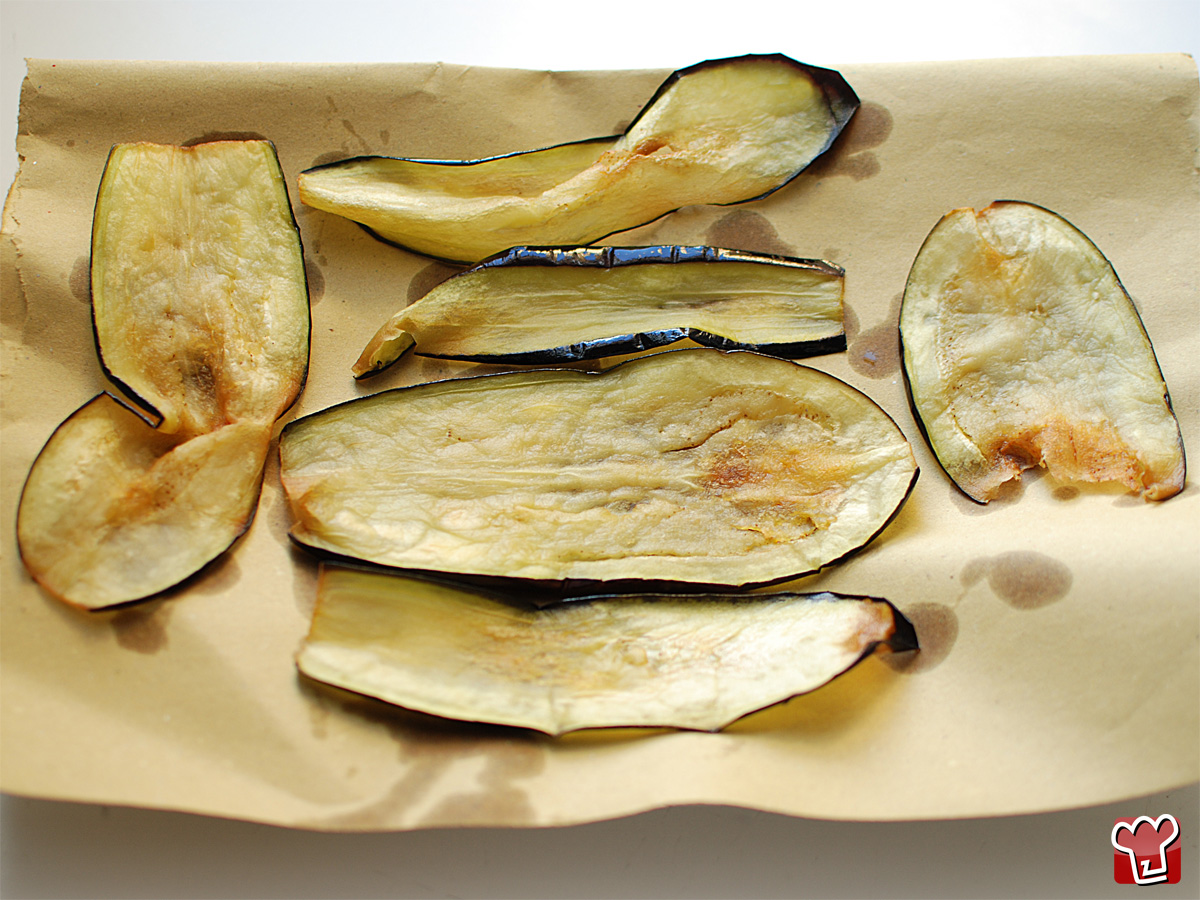
Place them on kitchen paper and pat dry with more paper, to dry them of as much oil as possible. Repeat this drying procedure 4 or 5 times, until the aubergine stops releasing oil.
|
|
View the step by step
|
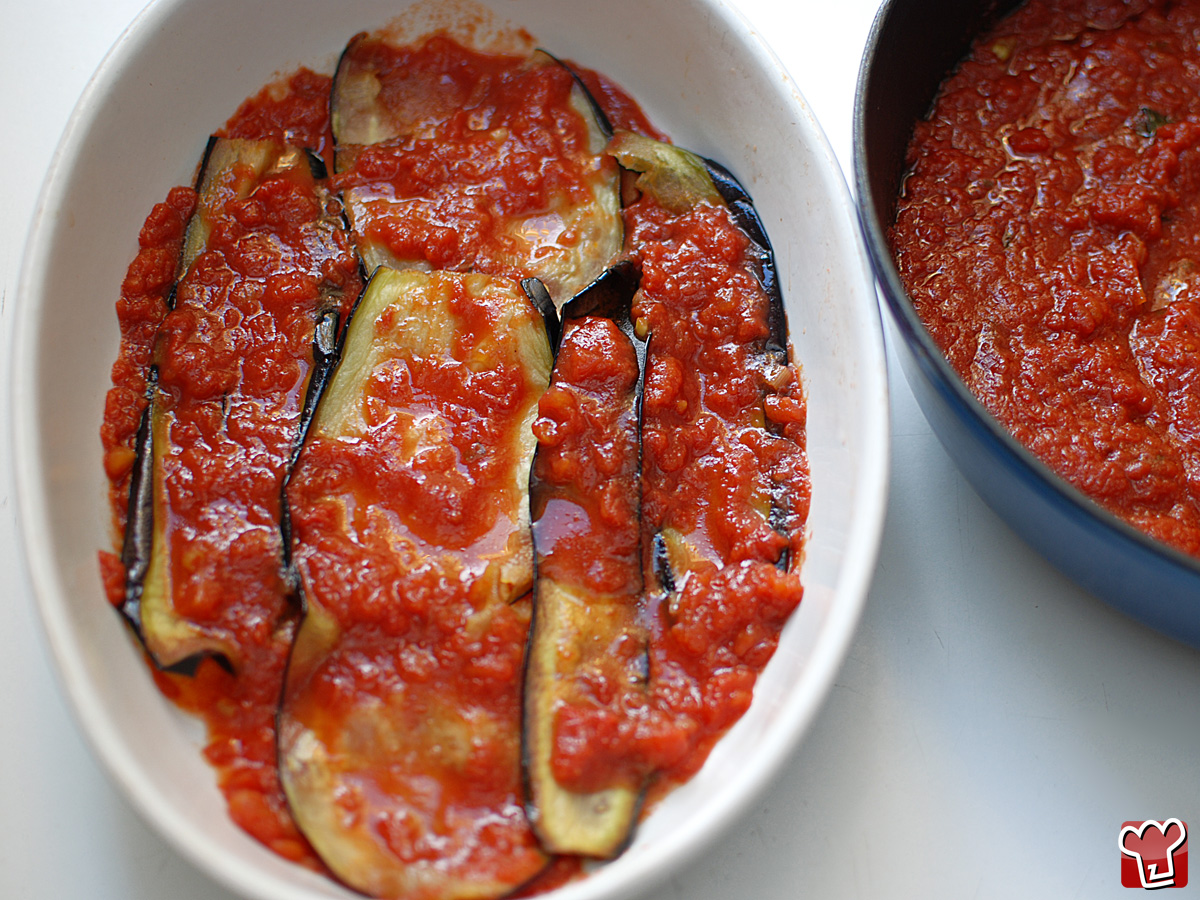
Pour a layer of sauce into a baking dish, then a layer of aubergine, and then another of sauce.
|
|
View the step by step
|
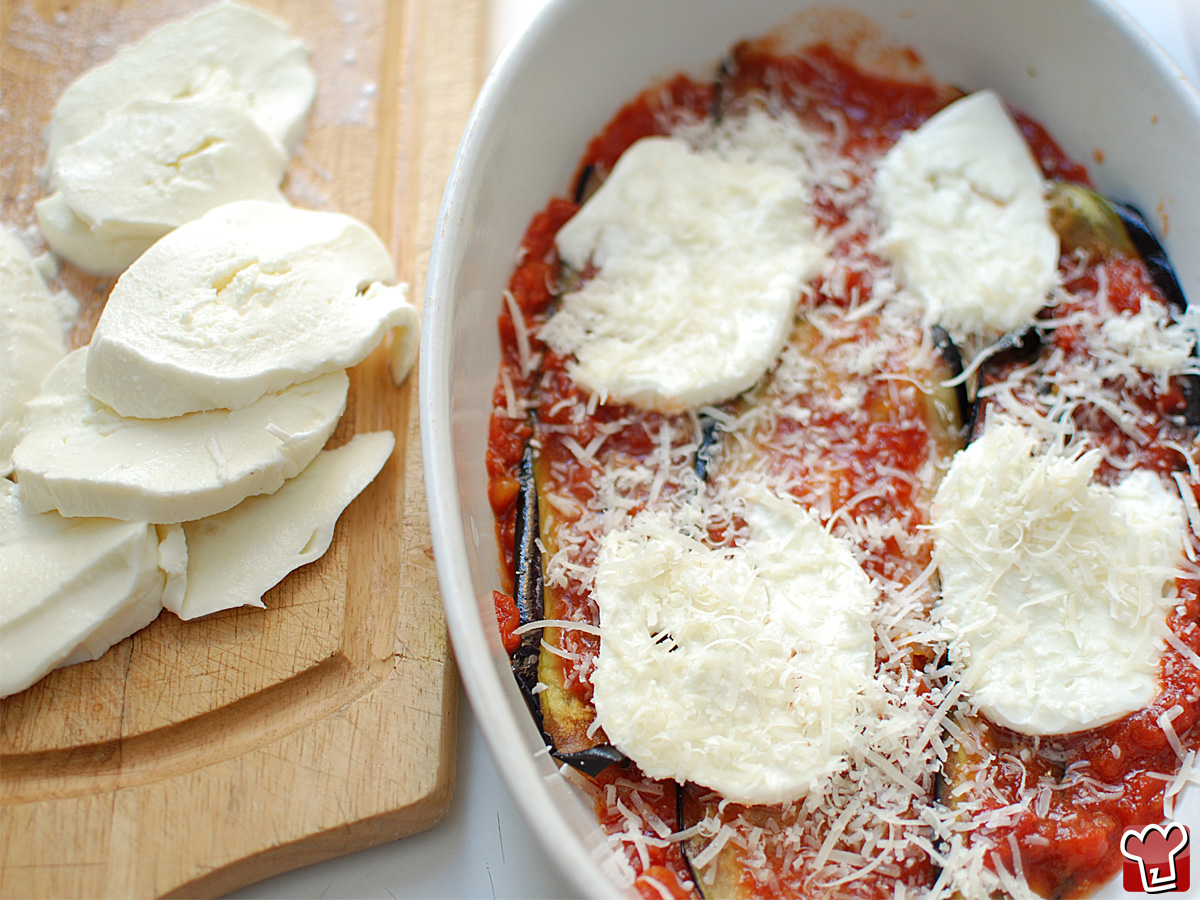
Add a few slices of mozzarella and parmesan cheese.
|
|
View the step by step
|
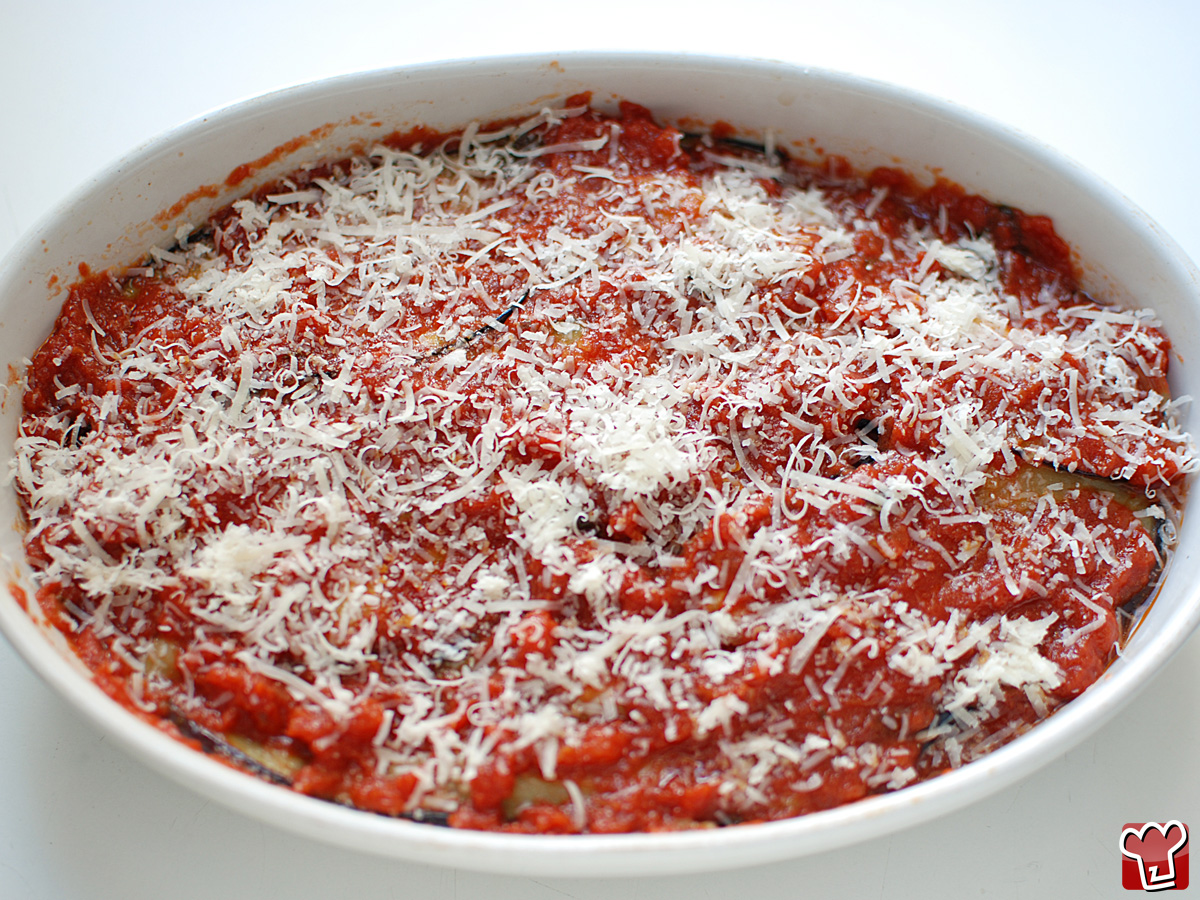
Make further layers of aubergine, tomato sauce, mozzarella and parmesan in this order until all ingredients are used. Finish with a layer of sauce and plenty of parmesan.
|
|
View the step by step
|
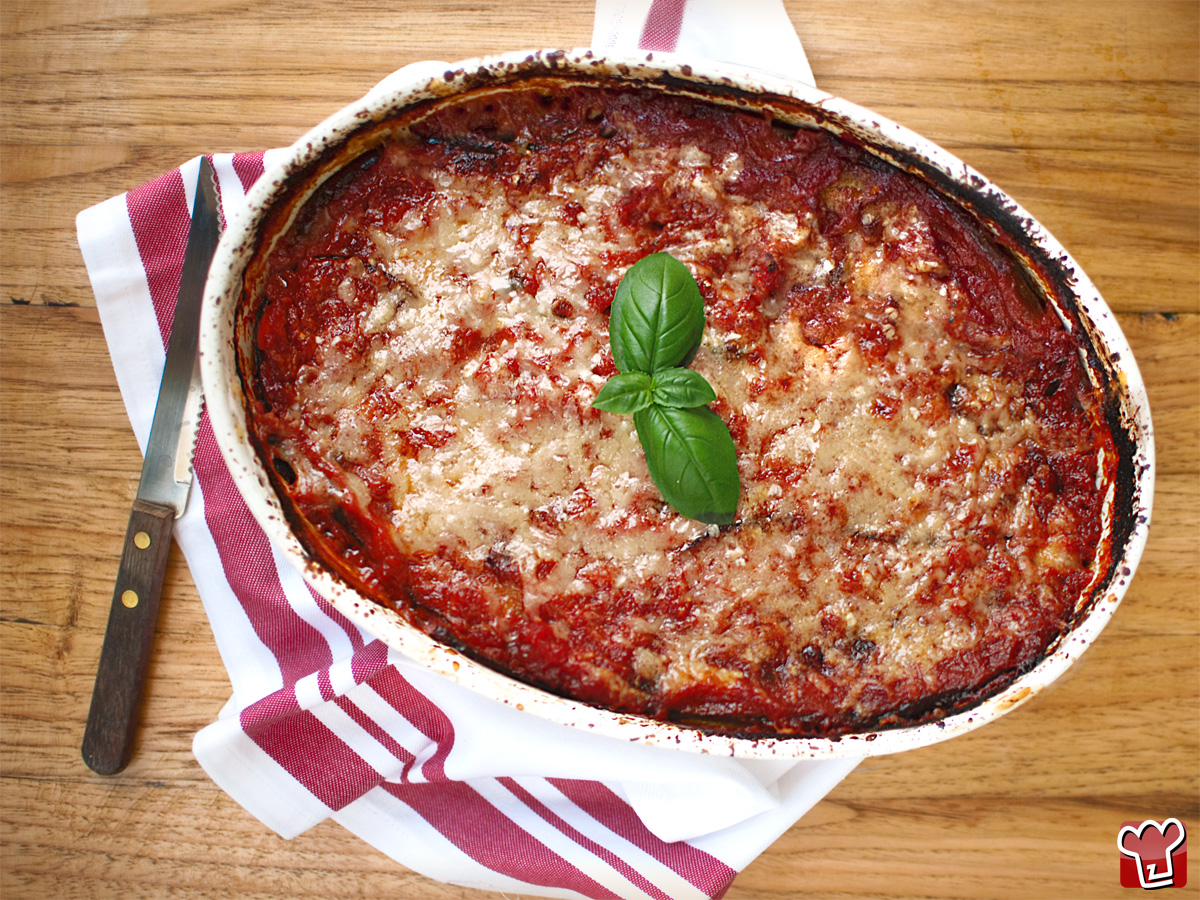
Preheat the oven to 180°C and cook for half an hour.
|
Additional information
Eggplant Parmesan with Melting Mozzarella
Eggplant Parmesan with melting mozzarella is a variant of the classic dish that enriches the traditional recipe with the softness and flavor of mozzarella. To prepare it, after frying the slices of eggplant and making the tomato sauce, layers of eggplant, sauce, and mozzarella are alternated in a baking dish. The mozzarella, melting during cooking, creates a creamy texture that makes the dish even more appetizing. A great idea for those who love rich and tasty dishes, this version of Eggplant Parmesan is perfect for a family dinner or a Sunday lunch. Be sure to use quality mozzarella to achieve the best flavor and creaminess. Served hot, Eggplant Parmesan with melting mozzarella will delight even the most discerning palates.
Neapolitan Eggplant Parmesan
Neapolitan Eggplant Parmesan stands out for its use of fresh ingredients and a preparation that enhances the typical flavors of Campania. Unlike other variants, this recipe includes the addition of fresh basil and a generous sprinkle of Parmigiano Reggiano between the layers of eggplant and sauce. The secret of this preparation lies in the quality of the eggplants, which must be fresh and firm, and in the tomato sauce, made with ripe and fragrant tomatoes. Neapolitan Eggplant Parmesan is a dish rich in tradition, perfect for special occasions and for those who wish to savor an authentic piece of Campanian cuisine. Don't forget to serve it with a nice green salad to balance the flavors!
Light Eggplant Parmesan without Frying
For those looking for a lighter version of Eggplant Parmesan, the light preparation without frying is the ideal solution. In this recipe, the slices of eggplant are grilled instead of fried, significantly reducing the fat and calorie content. Additionally, you can use light mozzarella and reduce the amount of oil in the sauce. Light Eggplant Parmesan still retains all the flavor of the traditional dish, thanks to the use of fresh tomatoes and basil. This variant is perfect for those following a balanced diet but who do not want to give up taste. Don't forget to accompany the dish with a portion of steamed vegetables for a complete and nutritious meal!
Benefits of Eggplants in Eggplant Parmesan
Eggplants, the main ingredient of Eggplant Parmesan, offer numerous health benefits. They are rich in antioxidants, particularly nasunin, which helps protect cells from damage caused by free radicals. Additionally, eggplants are an excellent source of fiber, which promotes digestion and helps maintain a healthy weight. Another important characteristic is their relatively low caloric content: about 25 calories per 100 grams. This makes them an ideal food for those looking to maintain a balanced diet. Finally, thanks to their versatility, eggplants can be used in many preparations, making them a valuable food in Mediterranean cuisine.
Can Eggplant Parmesan be Frozen?
Many wonder if it is possible to freeze Eggplant Parmesan. The answer is yes, it can be frozen, but there are some precautions to follow to preserve its flavor and texture. It is advisable to freeze the Eggplant Parmesan after cooking it and allowing it to cool completely. Once cooled, you can portion it into airtight containers or wrap it in plastic wrap. When you want to enjoy it, simply thaw it in the refrigerator for a few hours and then reheat it in the oven at a low temperature. However, it is important to note that the texture of the eggplants may change slightly after freezing, so for optimal results, it is best to consume it fresh. With these simple guidelines, you can enjoy Eggplant Parmesan even at a later time!