Artichokes cooked in oil, garlic and parsley
When artichoke season is in full swing, make the most of it and buy a box worth: you will find that the various ideas for dishes and meals are simply not to be missed! It’s true that sometimes cleaning them is a bit boring and you probably won’t feel like doing it, but then when you see the results from the kitchen you’ll know that it’s been worth it. When you’re cleaning them, take care to place them in water with added lemon juice to prevent discoloration. If you don’t want to end up with black hands, use rubber kitchen gloves or, alternatively, after cleaning the artichokes rub your hands with a wedge of lemon. So, buy yourself a good quantity and set to work ... one day you’ll make them with risotto, another day with pasta, and then with lasagna, omelettes, they can be stuffed, used as a filling for crepes and so on and so forth! Today we suggest a recipe for artichokes cooked with chopped garlic, anchovy, parsley and oil, a really delicious side dish with a delicate flavour, perfect for the whole family, to be served as an accompaniment to meat or even fish dishes. With just a few simple ingredients just mentioned, blended into a sauce, and added to a properly prepared and cooked artichoke, you can make this succulent dish. And if there’s any sauce left, you can mop it up with a thick slice of rustic bread!
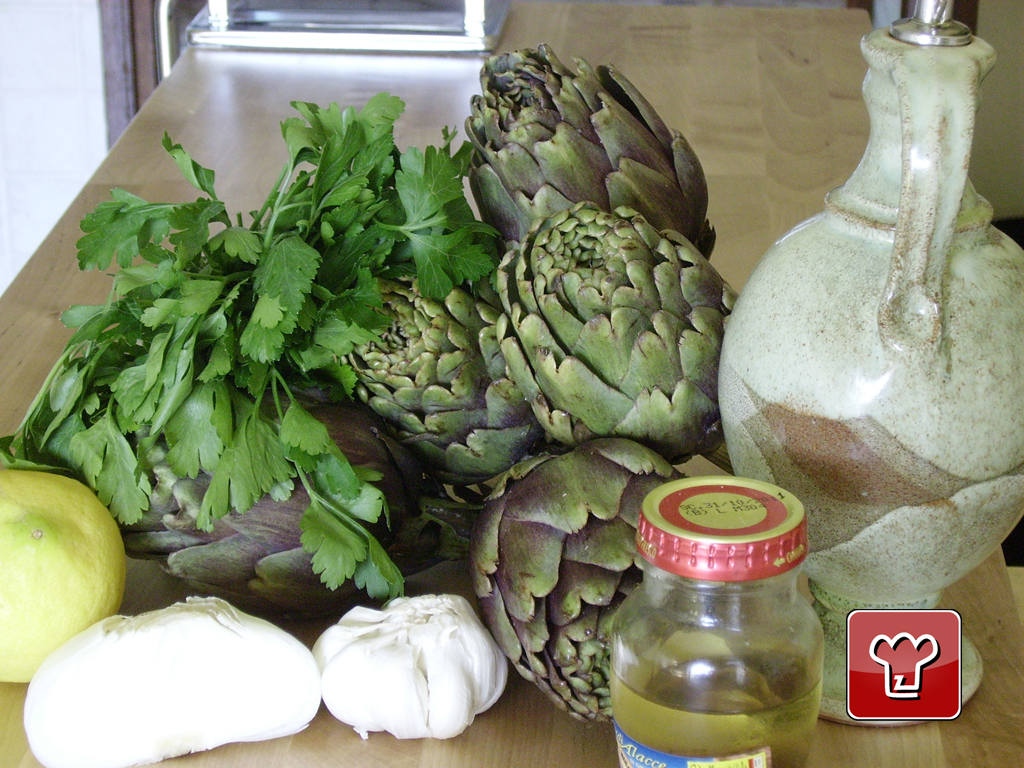
Ingredients
Sautéed Artichokes with Puglian Anchovies
Sautéed artichokes emerge as a simple yet intense dish, thanks to the addition of Puglian anchovies, which bring a bold and authentic flavor. These fresh, tender artichokes blend seamlessly with the aroma of garlic and extra virgin olive oil, creating a harmonious medley of tastes that pays homage to the culinary heritage of Puglia.
* approximate values per serving
Preparation
Prepare a bowl of water mixed with lemon juice, leaving in it some whole lemons too which will act as antioxidants for the artichokes. Peel the artichokes, cut them in half, but don’t entirely cut the stems: leave 3 cm or so attached to the bottom of the artichokes for aesthetic effect. Put them quickly in the lemon water before they go brown. While they are soaking, prepare the sauce. As we have seen in other recipes, put the onion, anchovies, parsley, garlic and oil in a narrow, high container designed for a an electric hand blender. Blitz everything together. Now, heat a suitably sized saucepan with a little oil and add, once hot, the onion and the previously prepared artichokes. After about a minute, not more, add a few tablespoons of the sauce depending on how many artichokes you are making and a little water (around the amount which covers the bottom of a glass), so that the onion does not burn. Cover the pan and cook for twenty minutes. When they are cooked but still al dente, add another tablespoon of sauce.
Step by step
|
View the step by step
|
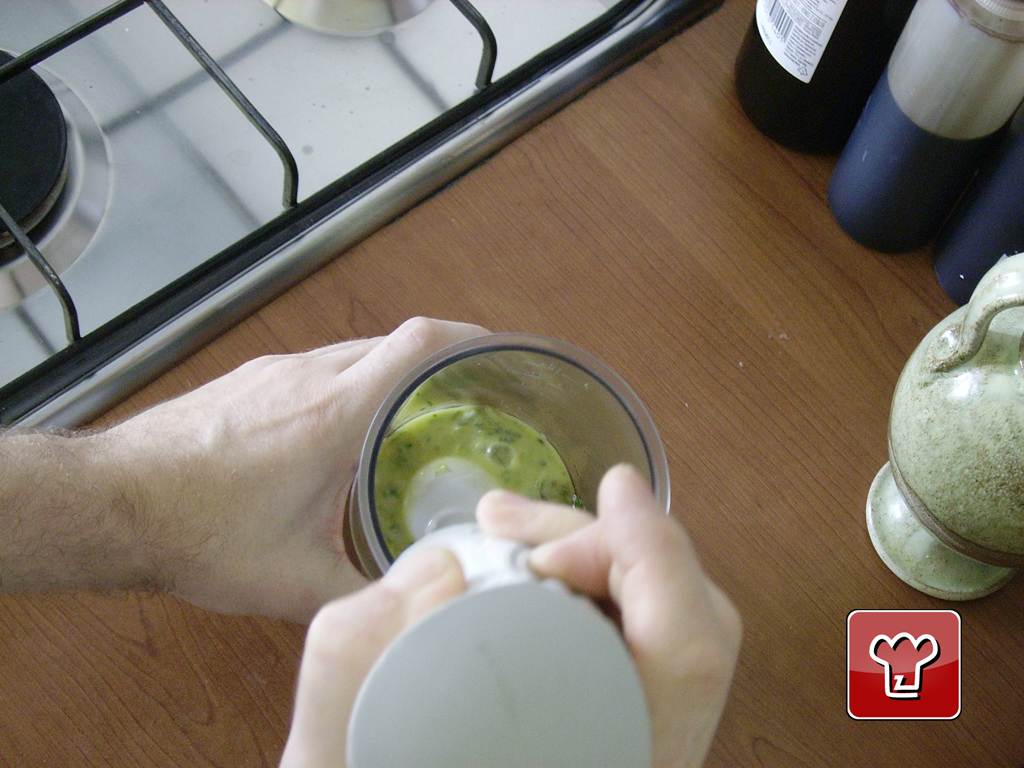
Blitz the onion, garlic, anchovy and parsley with some oil with an electric hand blender
|
|
View the step by step
|
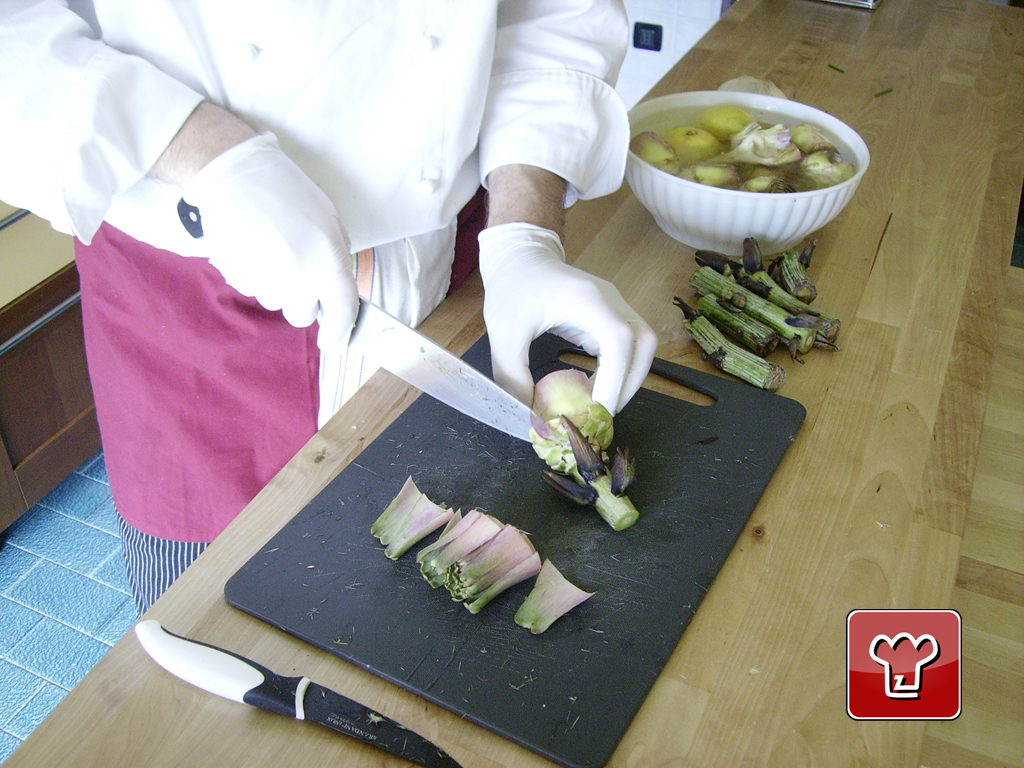
Clean the artichokes, removing the stems and external leaves, cut off the remaining tips, cut into quarters and put to soak in the lemon water
|
|
View the step by step
|
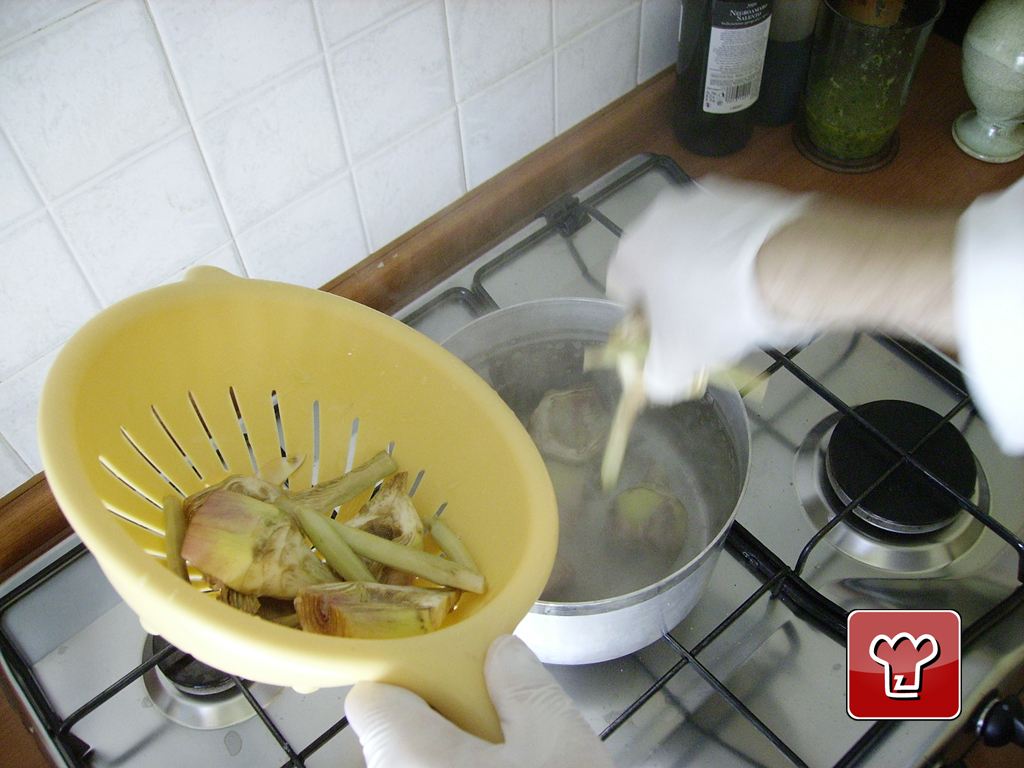
Fry the artichokes in a frying pan with a little oil
|
|
View the step by step
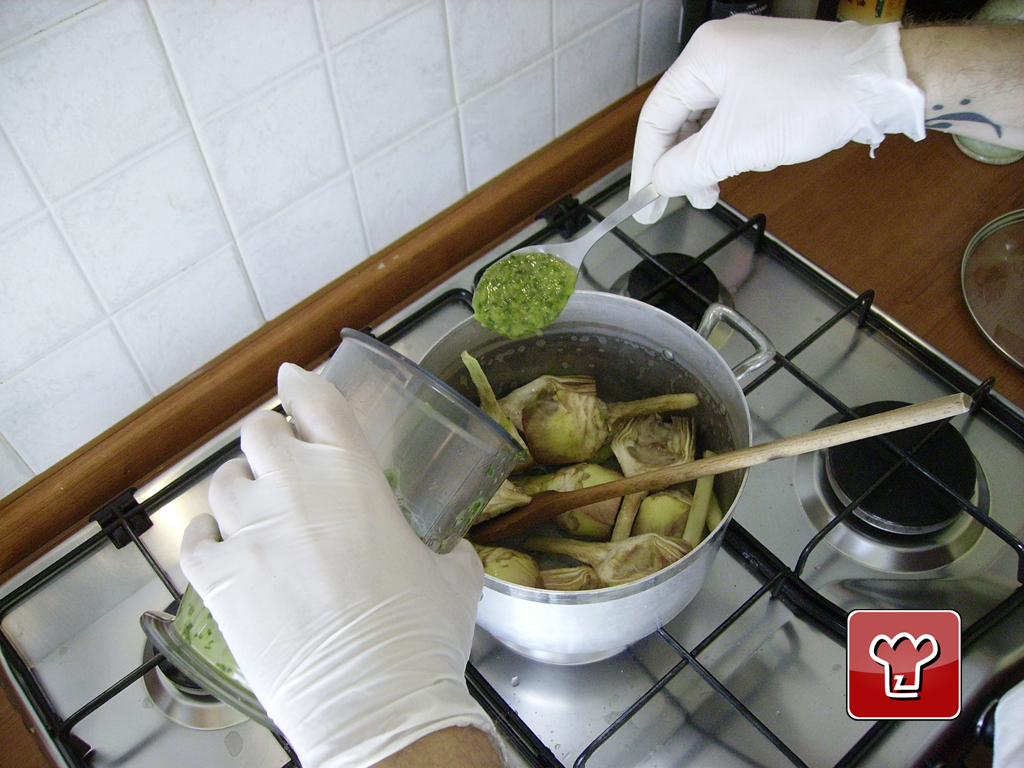
|
Add the oil, anchovy, parsley, garlic and onion mixture
|
|
View the step by step
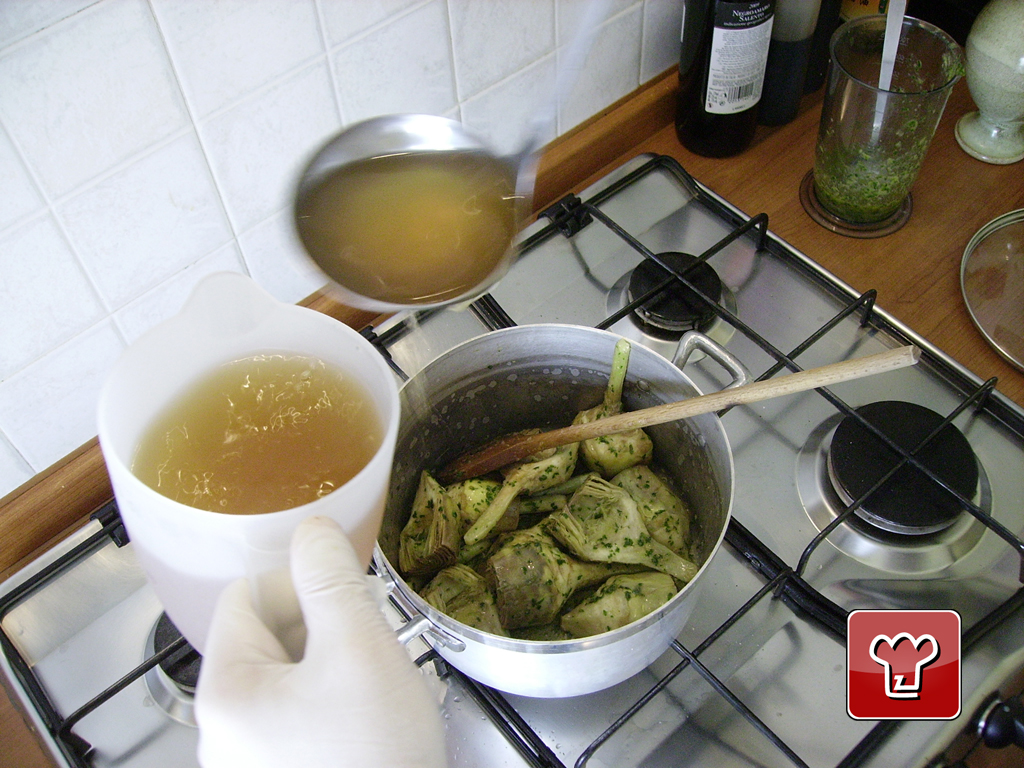
|
Add a little stock to the pan and cover; cook for 15 minutes
|
|
View the step by step
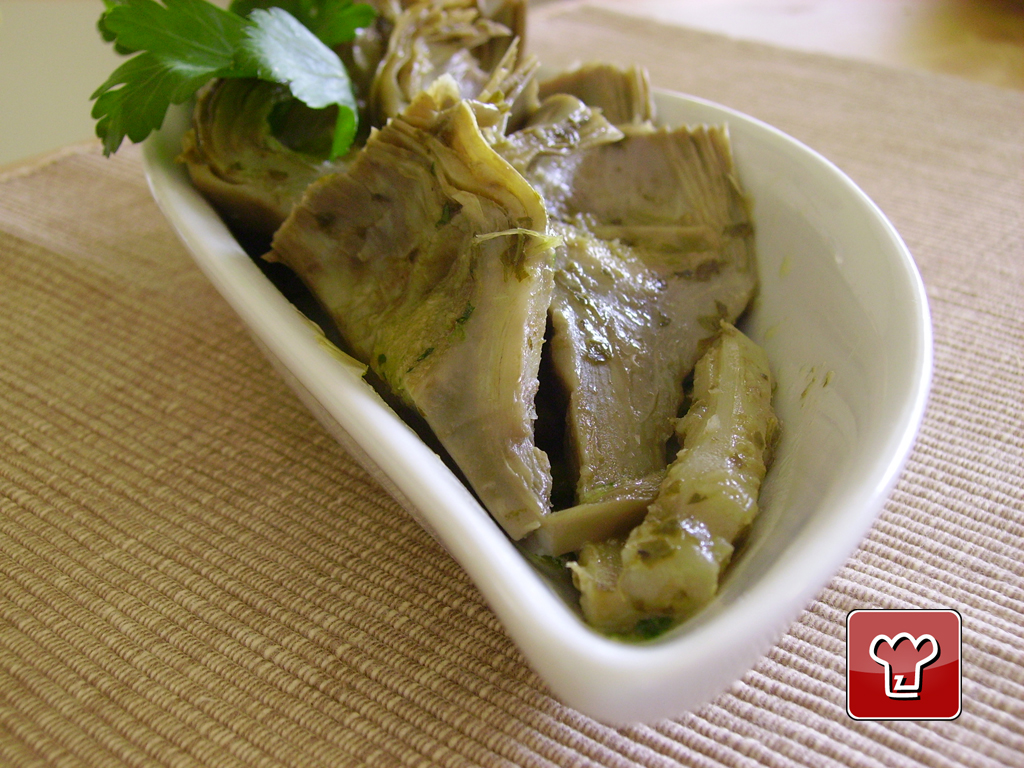
|
Here are the artichokes ready to eat. You can also use this recipe, with the artichokes sliced up, as a sauce to mix with pasta or rice.
|
Additional information
Sautéed Artichokes with Potatoes
A delicious variant of the original sautéed artichokes recipe is the one with the addition of potatoes. This preparation enriches the dish, making it even more substantial and appetizing. To make it, simply cut the potatoes into cubes and add them to the artichokes during cooking. The potatoes, cooking with the artichokes, absorb the flavors of the ingredients and give a creamy texture to the final dish. Moreover, the contrast between the tenderness of the artichokes and the texture of the potatoes makes each bite particularly enjoyable. This variant is perfect as a side dish, but it can also become a flavorful and nutritious vegetarian main course.
Abruzzese Style Sautéed Artichokes
The sautéed artichokes recipe can be reinterpreted in a regional style, as in the Abruzzese tradition. Here, the artichokes are cooked with a mix of fresh ingredients typical of the area, such as garlic, parsley, and anchovies. This combination enhances the flavor of the artichokes, giving the dish a savory and aromatic note, thanks to the use of anchovies. The preparation takes place in a pan, where the artichokes are slowly sautéed, allowing the flavors to blend perfectly. Abruzzese style sautéed artichokes represent a true homage to local cuisine, rich in fresh and genuine ingredients.
Light Sautéed Artichokes without Anchovies
For those who desire a lighter version of sautéed artichokes, it is possible to prepare them without anchovies, thus reducing calories and fat content. This light variant still maintains all the flavor and freshness of the artichokes, which are cooked with extra virgin olive oil, garlic, and parsley. To achieve an even lighter dish, one can reduce the amount of oil or opt for steaming before sautéing the artichokes in the pan. This way, the nutritional properties of the vegetable are preserved, making the dish ideal even for those following a low-calorie diet. Artichokes are rich in fiber and antioxidants, making them an excellent choice for those who want to maintain a healthy lifestyle.
Sautéed Artichokes: Nutritional Benefits and Calories
Artichokes are a vegetable with extraordinary nutritional properties. Rich in fiber, vitamins, and minerals, these vegetables are known for their purifying and digestive properties. They also contain antioxidants, which help fight free radicals in our body. A serving of sautéed artichokes, prepared with oil and seasonings, has a caloric intake of around 150-200 calories, depending on the amount of oil used. Thanks to their versatility, artichokes can be included in various diets, contributing to a balanced and healthy diet. Including them in one's diet can help improve liver health and promote proper digestion.
Can Sautéed Artichokes be Frozen?
One of the most frequently asked questions is whether sautéed artichokes can be frozen. In general, it is possible to freeze artichokes, but it is advisable to do so before cooking, as once cooked they tend to lose their texture and flavor. If you wish to freeze already sautéed artichokes, it is important to do so quickly after preparation, in order to preserve their organoleptic properties. It is recommended to place them in airtight containers or food bags, ensuring to remove excess air. At the time of consumption, simply thaw them in the refrigerator and reheat them in a pan to regain their flavor. However, for optimal results, it is always preferable to prepare fresh artichokes at the moment.