Beans soup
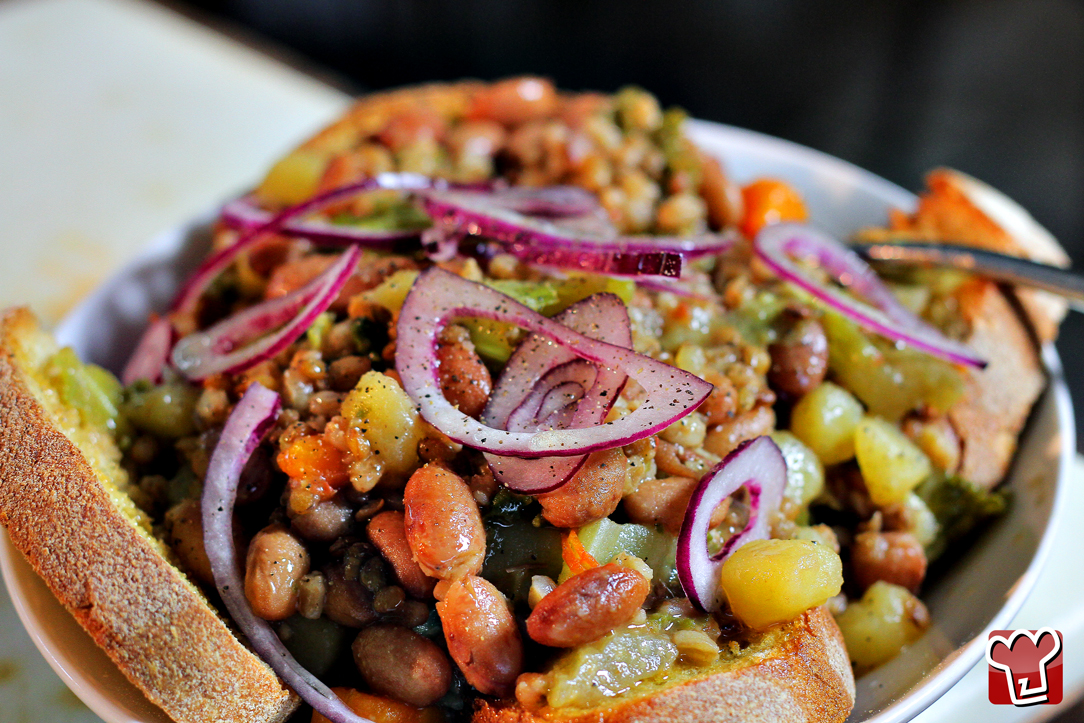
On a cold winter's day, a bowl of hot hearty soup is great! It can warm you up as well as nourish you. Our beans soup comes from Tuscany and it's a specialty down there. Serve it with some toasted bread and, why not, with some fresh sliced onion.
Ingredients
Savory Pugliese Legume Soup
Legume soup is a dish that embodies the richness of Pugliese tradition. Carefully cultivated beans and lentils come together with sun-dried tomatoes, enhancing the flavor and authenticity. A blend of ingredients that highlights the simplicity and goodness of local cuisine.
* approximate values per serving
Preparation
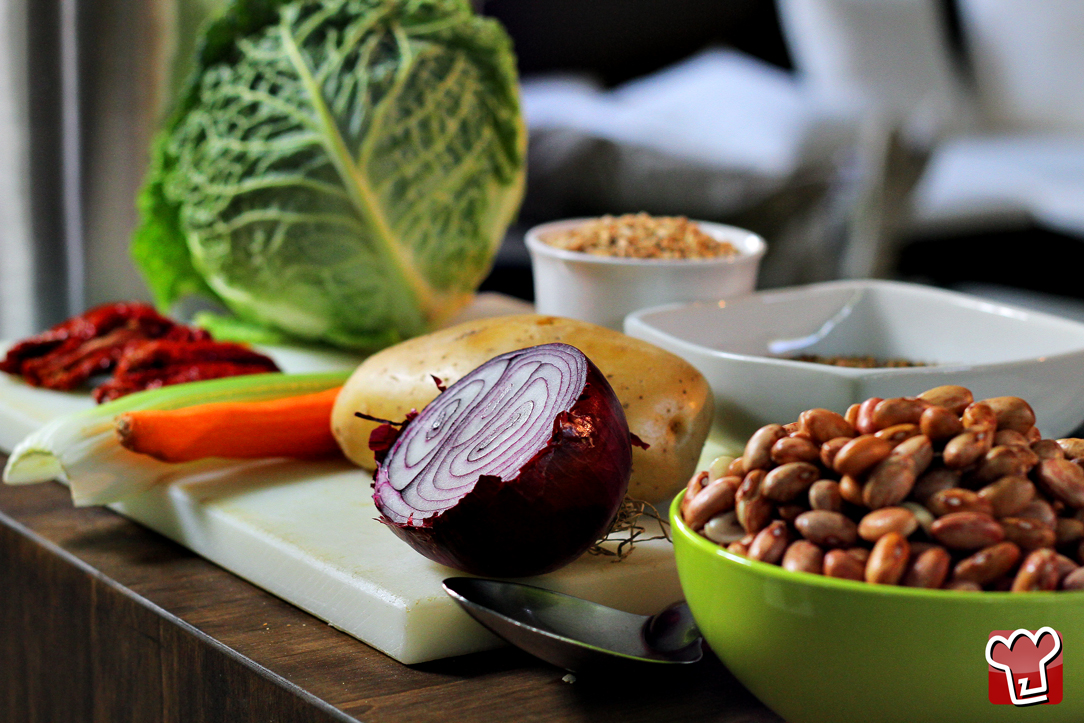
Soak the beans overnight. Cut the vegetables into dices. Keep one onion apart. In a clay pot (if you have it, otherwise a normal saucepan will be ok), sautè your vegetables together with your legumes. Cover with 1lt. water. Add salt and cook on a low heat for 90min. Set aside for one day. Before serving it, arrange some bread slices into a clean saucepan. Pour over them your soup. Heat on a medium heat. Serve with a drizzle of extravirgin olive oil.
Step by step
|
View the step by step
|
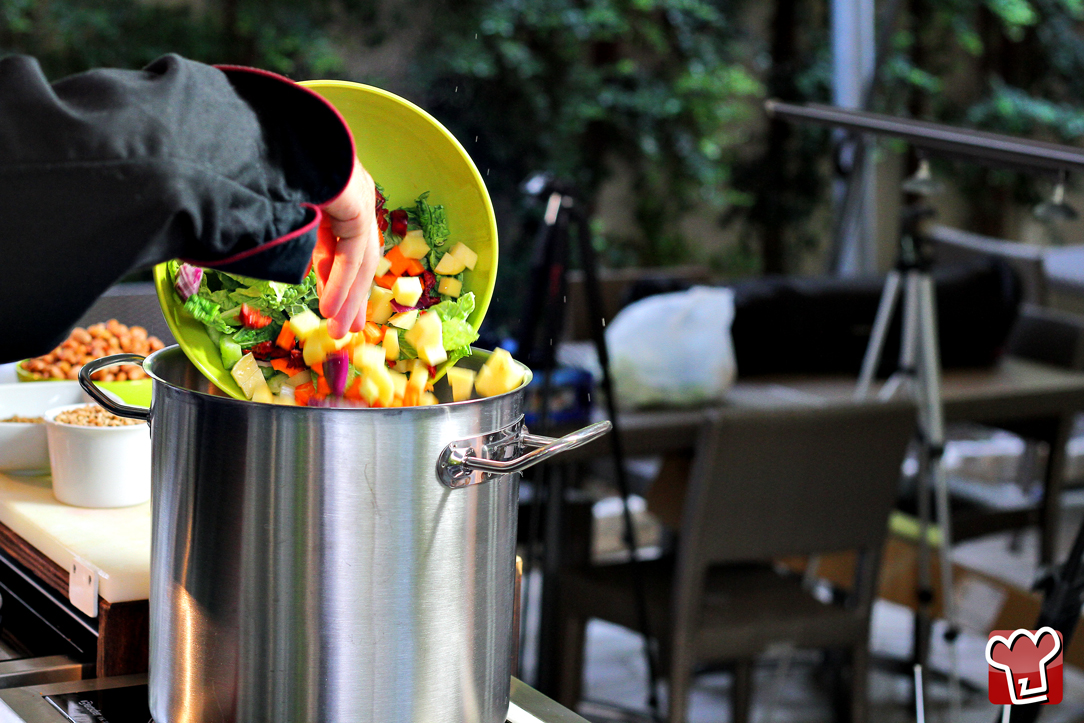
Mince the vegetables, then sauteè them with a dash of extravirgin olive oil in a nonstick pan.
|
|
View the step by step
|
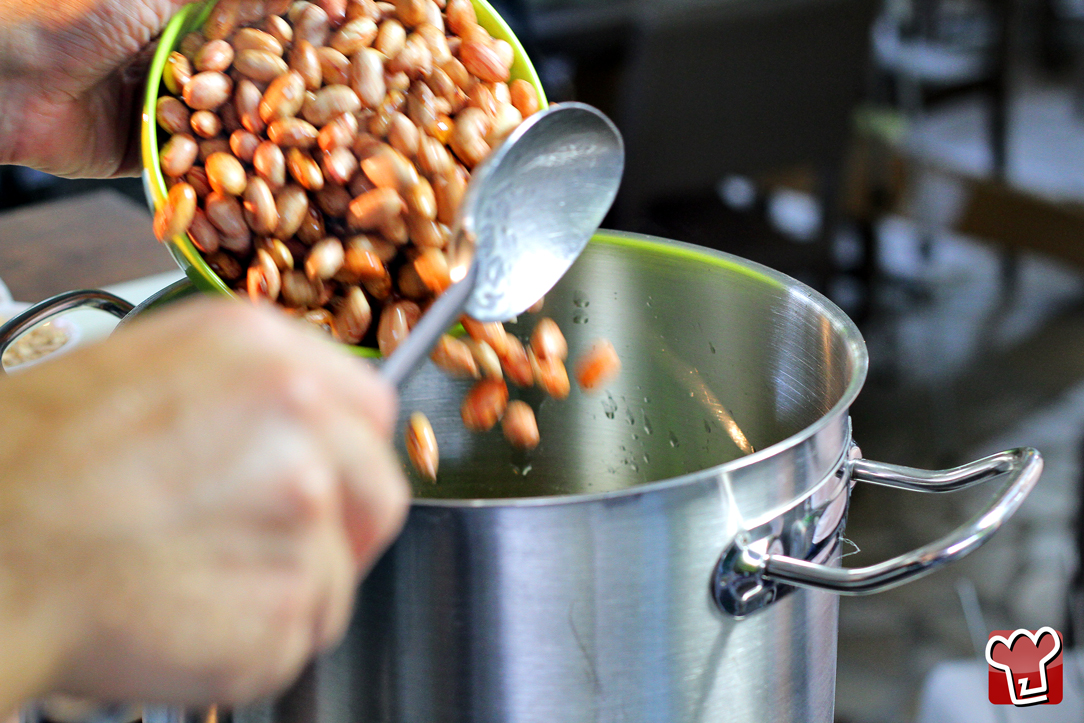
Add the beans
|
|
View the step by step
|
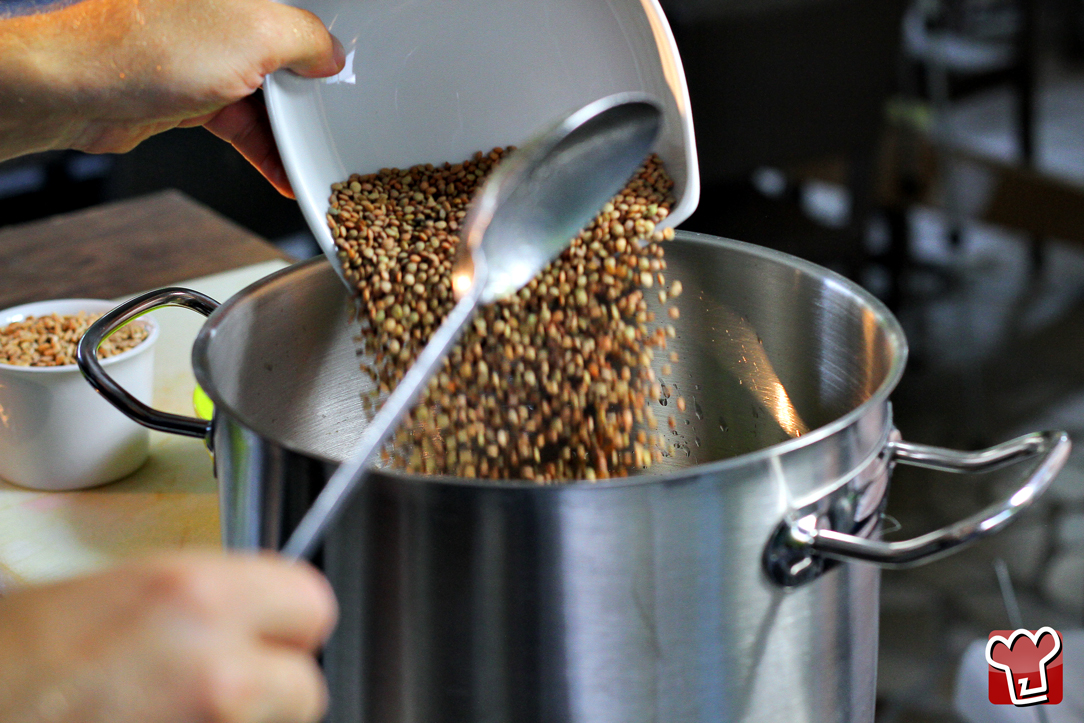
Add the lentils too
|
|
View the step by step
|
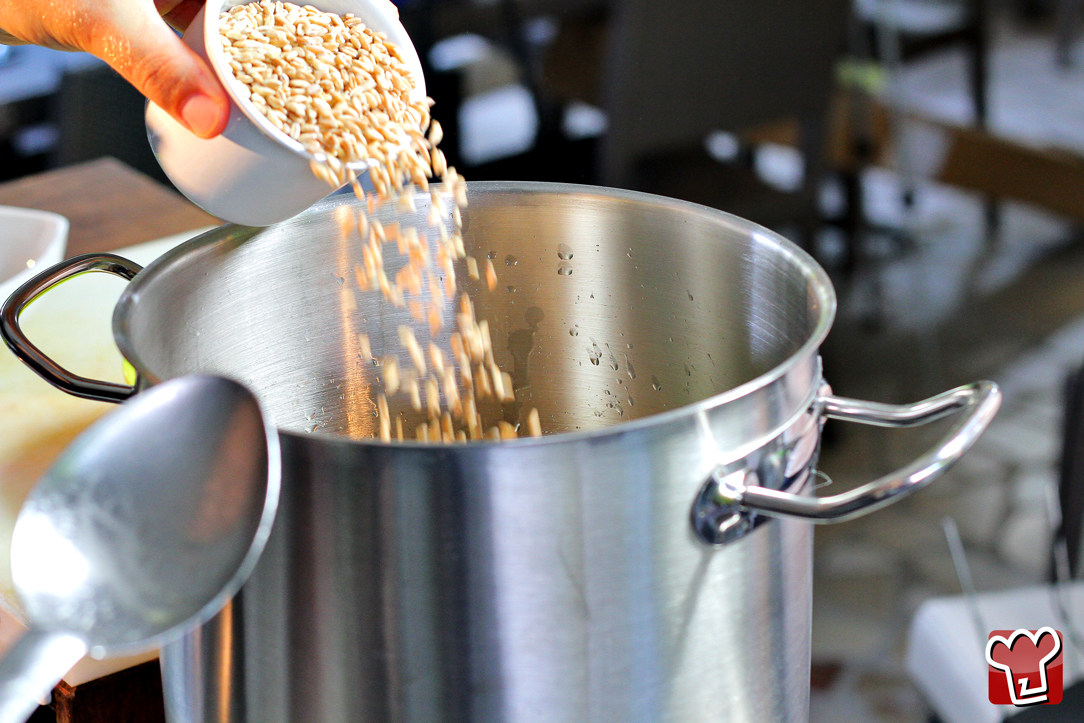
Add the spelt to the other ingredients
|
|
View the step by step
|
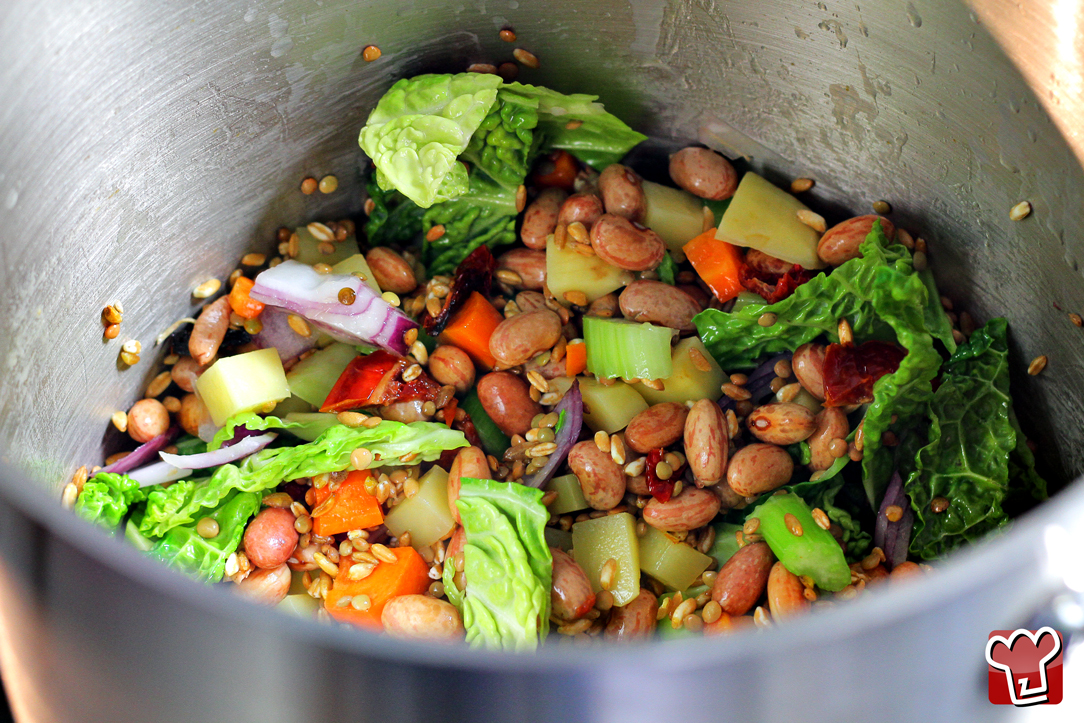
Sauteé vegetables and beans for some minutes
|
|
View the step by step
|
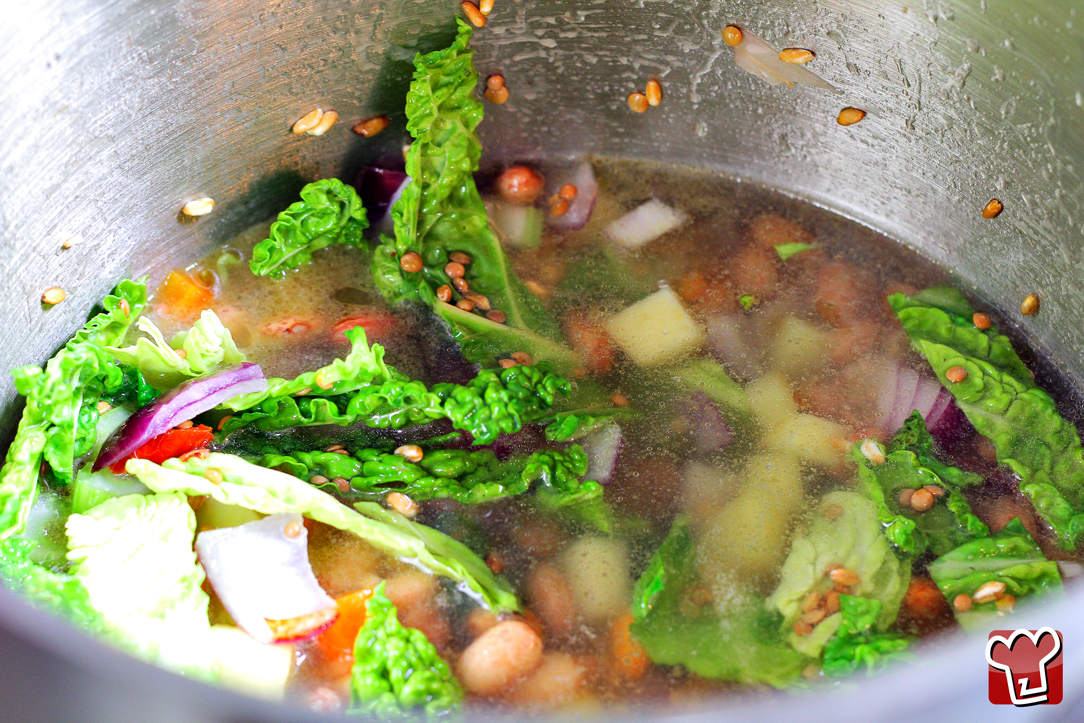
Cover with water and bring to simmer. Cook for 2 hours.
|
|
View the step by step

|
Serve with some toasted bread
|
|
View the step by step
|
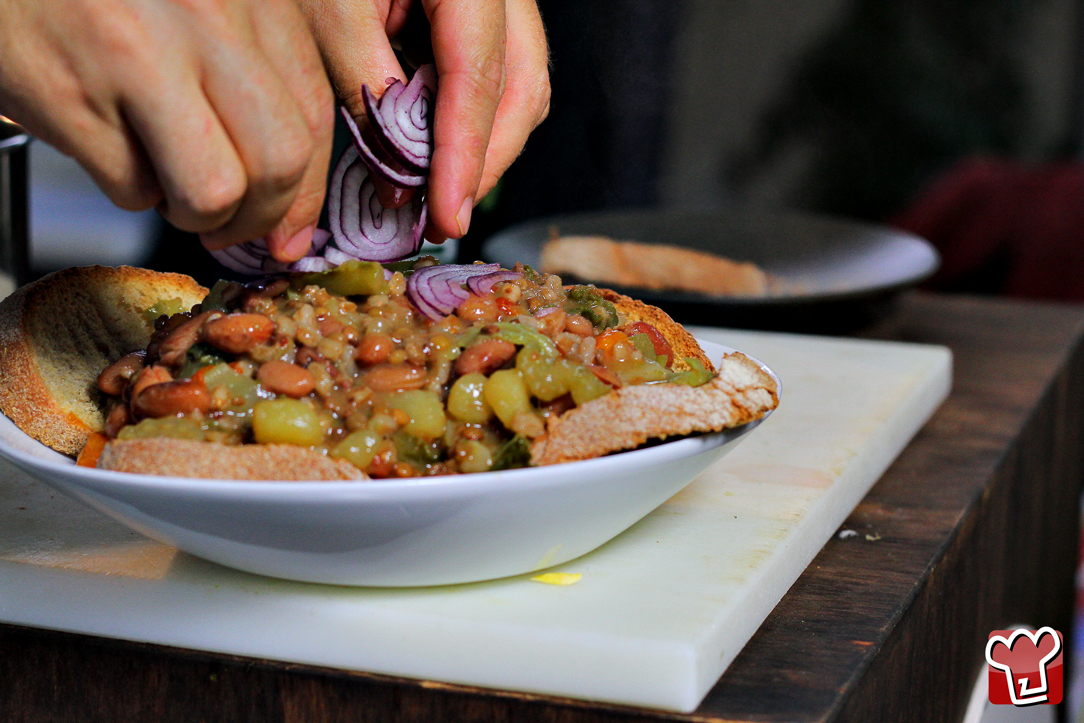
Serve your beans soup with toasted bread and raw fresh onions
|
|
View the step by step

|
Pour a drizzle of extravirgin olive oil
|
|
View the step by step
|
This beans soup is perfect for your winter lunches!
|
Additional information
Legume Soup with Potatoes and Sun-Dried Tomatoes
A delicious variant of the traditional legume soup is the one that includes potatoes and sun-dried tomatoes. This preparation enriches the dish with a note of sweetness and an intense flavor, thanks to the tomatoes which, being dried, concentrate their taste. To make it, you can add diced potatoes during cooking, along with the other legumes and vegetables. The result will be a thick and hearty soup, perfect for cold days. The sun-dried tomatoes, rehydrated during cooking, will give a Mediterranean touch that pairs well with the mix of legumes. Served with slices of crusty bread, this variant becomes a unique dish, ideal for a family dinner or with friends.
Venetian Legume Soup with Spelt and Seasonal Vegetables
The Venetian legume soup is a preparation that perfectly reflects the culinary tradition of Veneto. Using fresh and seasonal ingredients, such as Tropea onions and cabbage, you get a dish rich in flavor and history. In this version, pearled spelt joins the legumes, creating a creamy texture and a rustic flavor. The vegetables, slowly sautéed, release their aromas, making the broth fragrant and inviting. This recipe is perfect for those who want to savor the typical dishes of Venetian cuisine, bringing to the table a concentrate of tradition and genuineness. Ideal for winter dinners, the Venetian legume soup represents a journey into the heart of the flavors of northern Italy.
Light Legume Soup without Oil
For those looking for a lighter version of legume soup, it can be prepared without oil, resulting in a healthy and low-calorie dish. In this variant, fresh vegetables and legumes can be used to create a flavorful broth without the addition of fats. Simply sauté the vegetables in water or vegetable broth to maintain the lightness of the dish. Using beans, lentils, and spelt, you still get a nutritious meal rich in protein, ideal even for those following a balanced diet. This light soup is perfect for those who want to maintain their figure without giving up on taste and health. Served with toasted whole grain bread, it becomes an excellent option for a quick lunch or a light dinner.
Nutritional Benefits of Legume Soup: Calories and Properties
Legume soup is a highly nutritious dish, thanks to the combination of legumes and vegetables. Legumes, such as beans and lentils, are rich in plant-based proteins and fiber, contributing to good digestion and a prolonged sense of fullness. Additionally, they are a valuable source of B vitamins and minerals such as iron and magnesium. Vegetables, such as carrots and cabbage, further enrich the dish, providing antioxidants and vitamins. On average, a serving of legume soup provides about 250-300 calories, making it an ideal option for those who want to eat healthily without sacrificing flavor. Regularly consuming this soup can help maintain a good nutritional balance and support overall health.
Can legume soup be frozen?
Yes, legume soup can be frozen without any problems. It is advisable to let it cool completely before transferring it to suitable freezing containers. Be sure to portion it in amounts that meet your needs, so you only defrost what you need. To achieve the best flavor and maintain quality, it is preferable to consume the soup within 2-3 months of freezing. When you decide to eat it, simply thaw it in the refrigerator for a few hours or use the microwave for quick reheating. This convenience makes legume soup an excellent option to prepare in advance and always have a healthy and nutritious meal on hand.