Little chickpea fritters
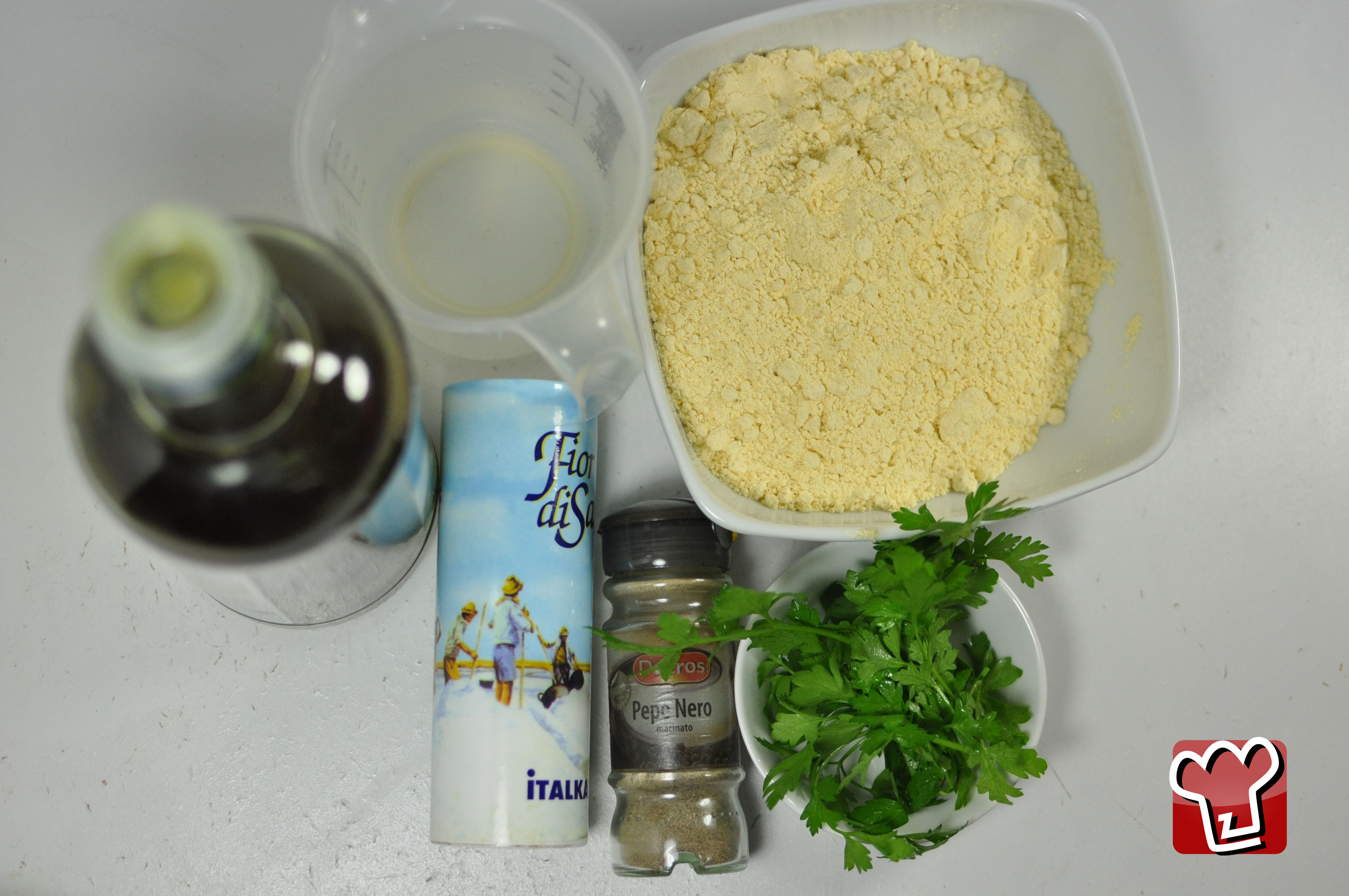
With only a few quality ingredients you can make chickpea fritters at home, a typical Sicilian street food. They are fried and often served inside soft rolls, flavoured to taste with pepper and a squeeze of lemon. The people of Palermo tend not to cook the fritters at home, given its ready availability on every street corner of the city ... but we think this recipe will be useful to anyone who doesn’t live on the island and doesn’t want to miss out on such a lovely delicacy!
Ingredients
* approximate values per serving
Preparation
Chickpea flour fritters (from western Sicily). Mix the chickpea flour into moderately salted water on a low heat, stirring with a wooden spoon always in the same direction, until you get a smooth paste without lumps. When the dough comes away from the side of the pan, transfer it to a pastry board of oiled wood or marble, and roll it out until it is about half a centimetre in height. As soon as the dough cools, cut into strips or squares: these are fried in hot oil or lard. The Palermo eat ‘panelle’ - that is, these fried chickpea fritters - still hot, inside freshly baked bread, cut in half, with a few drops of lemon juice and salt. Sometimes, mixed in with the chickpea flour will be chopped parsley. It’s a popular specialty similar to Ligurian ‘panissa’ or certain Tunisian ‘fritters’.
Step by step
|
View the step by step
|
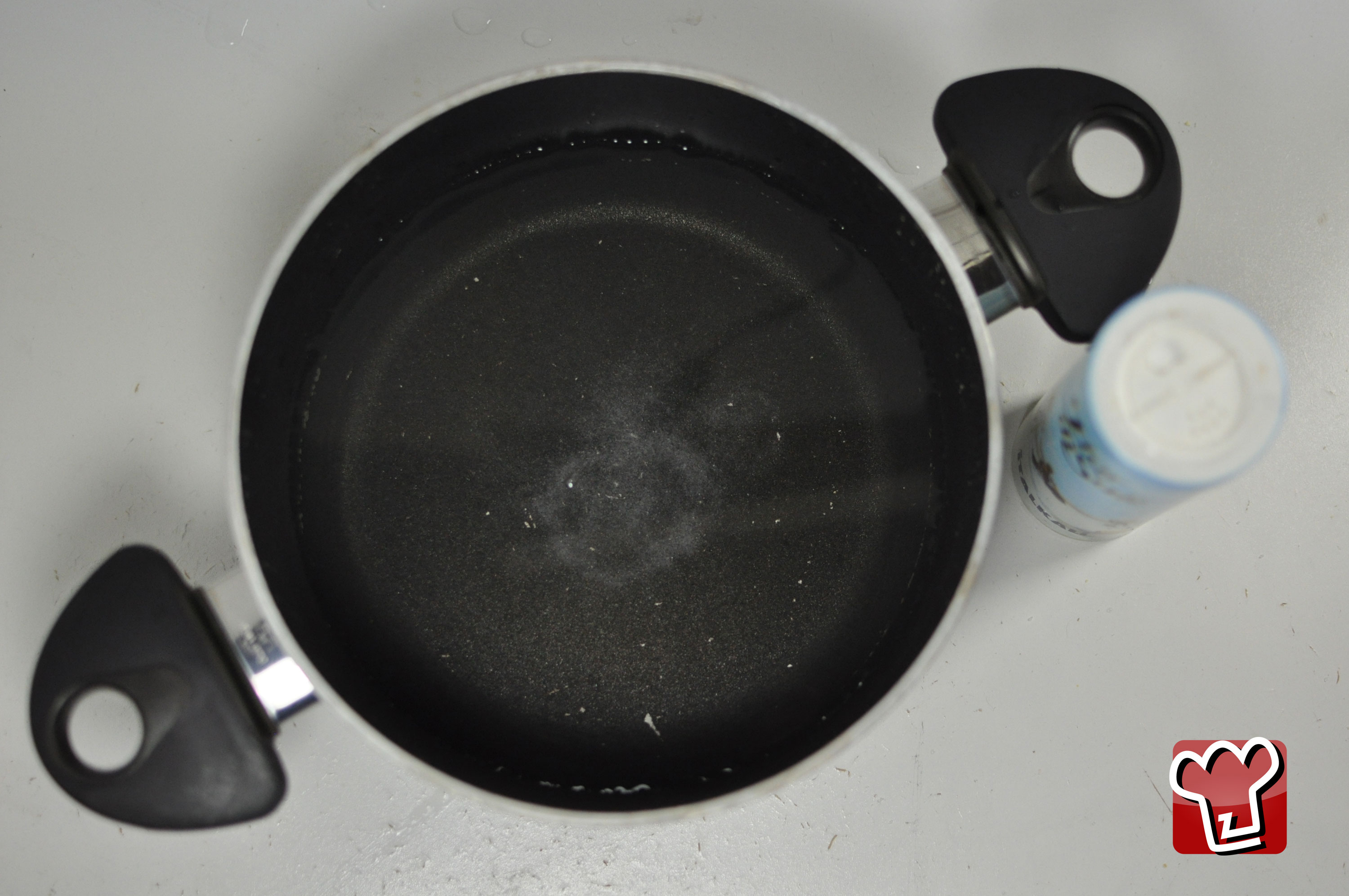
Put the water and salt into a large saucepan
|
|
View the step by step
|
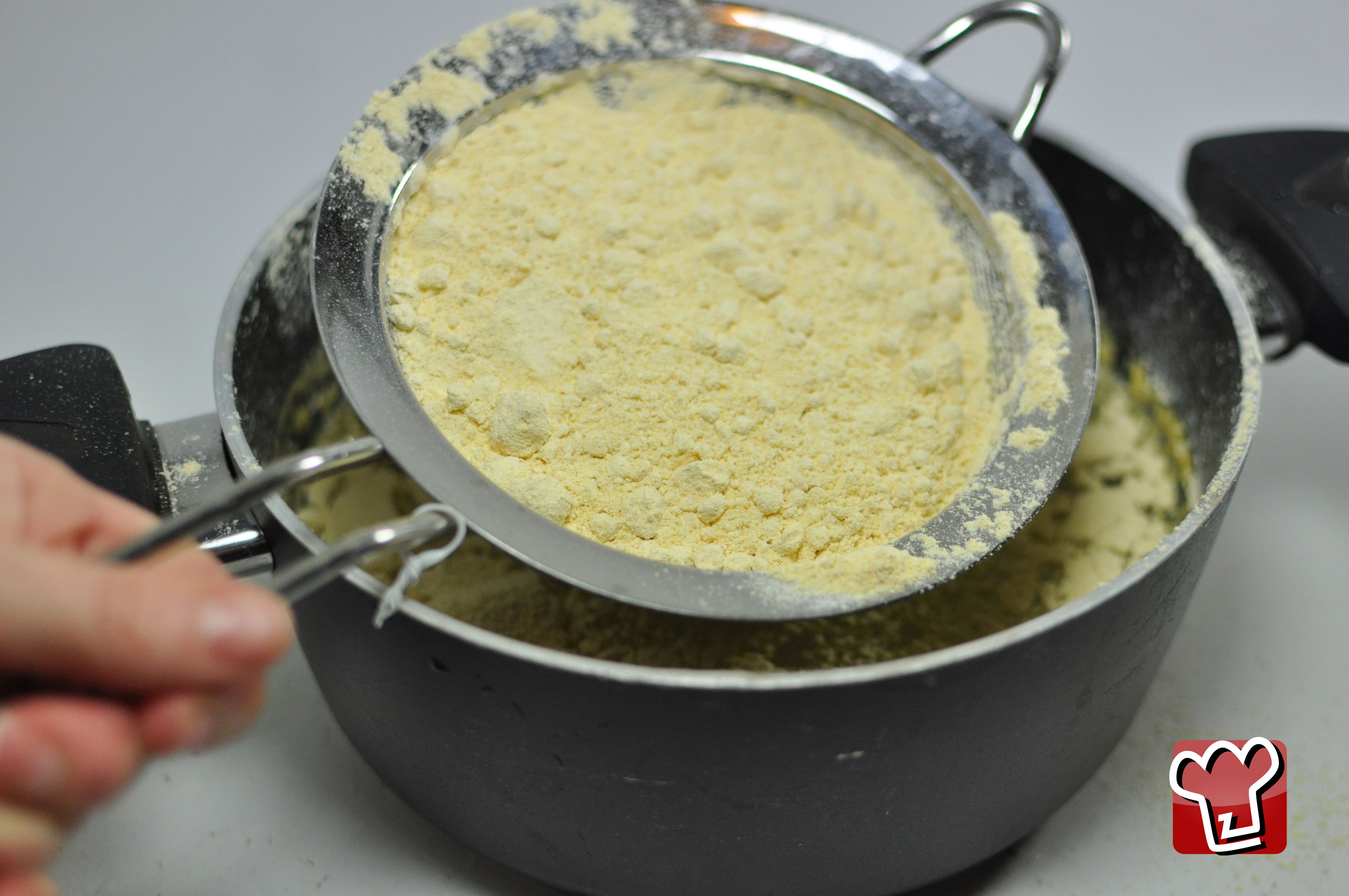
Put the sifted chickpea flour in the water
|
|
View the step by step
|
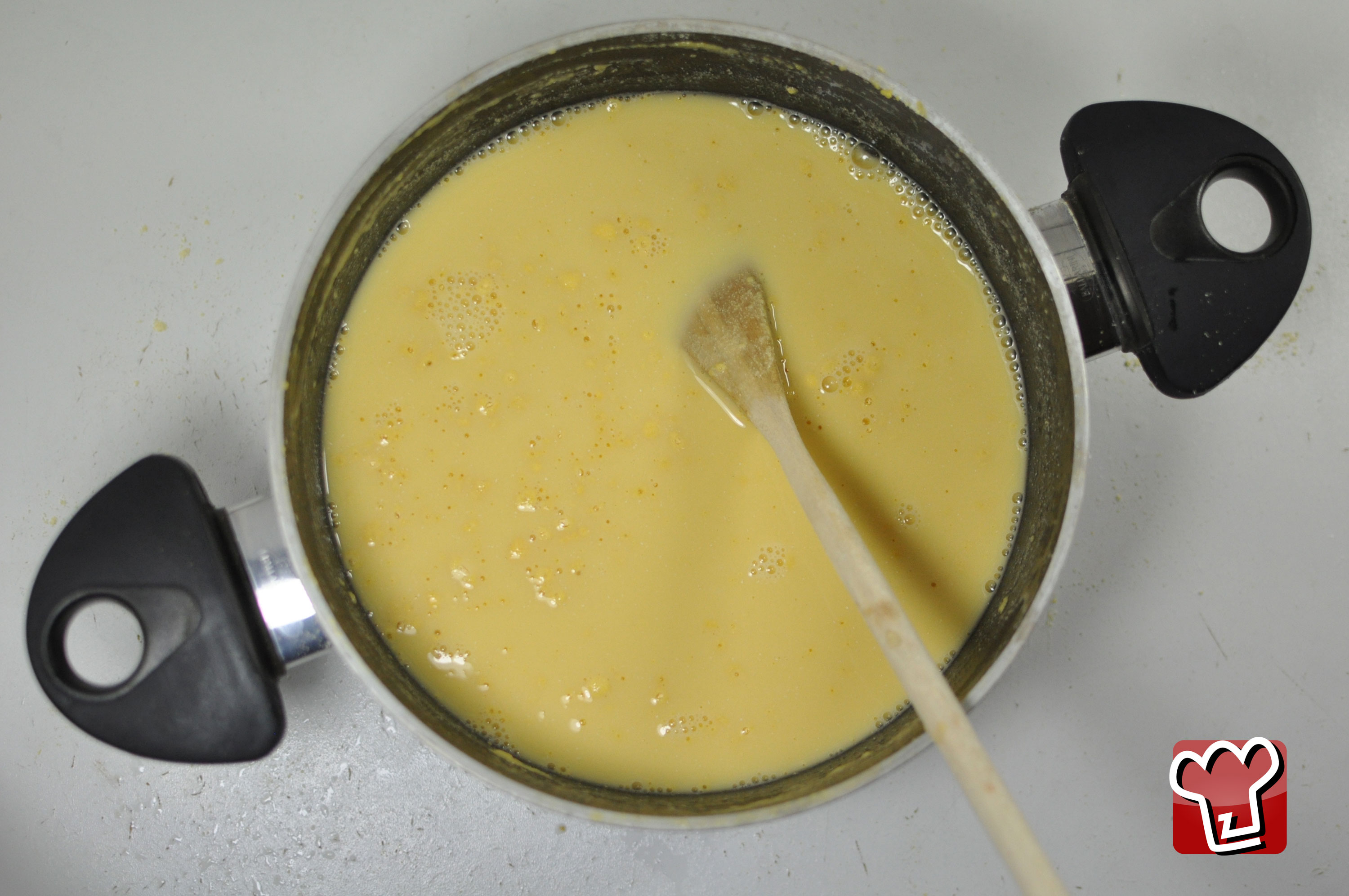
Mix well to get a smooth consistency without lumps
|
|
View the step by step
|
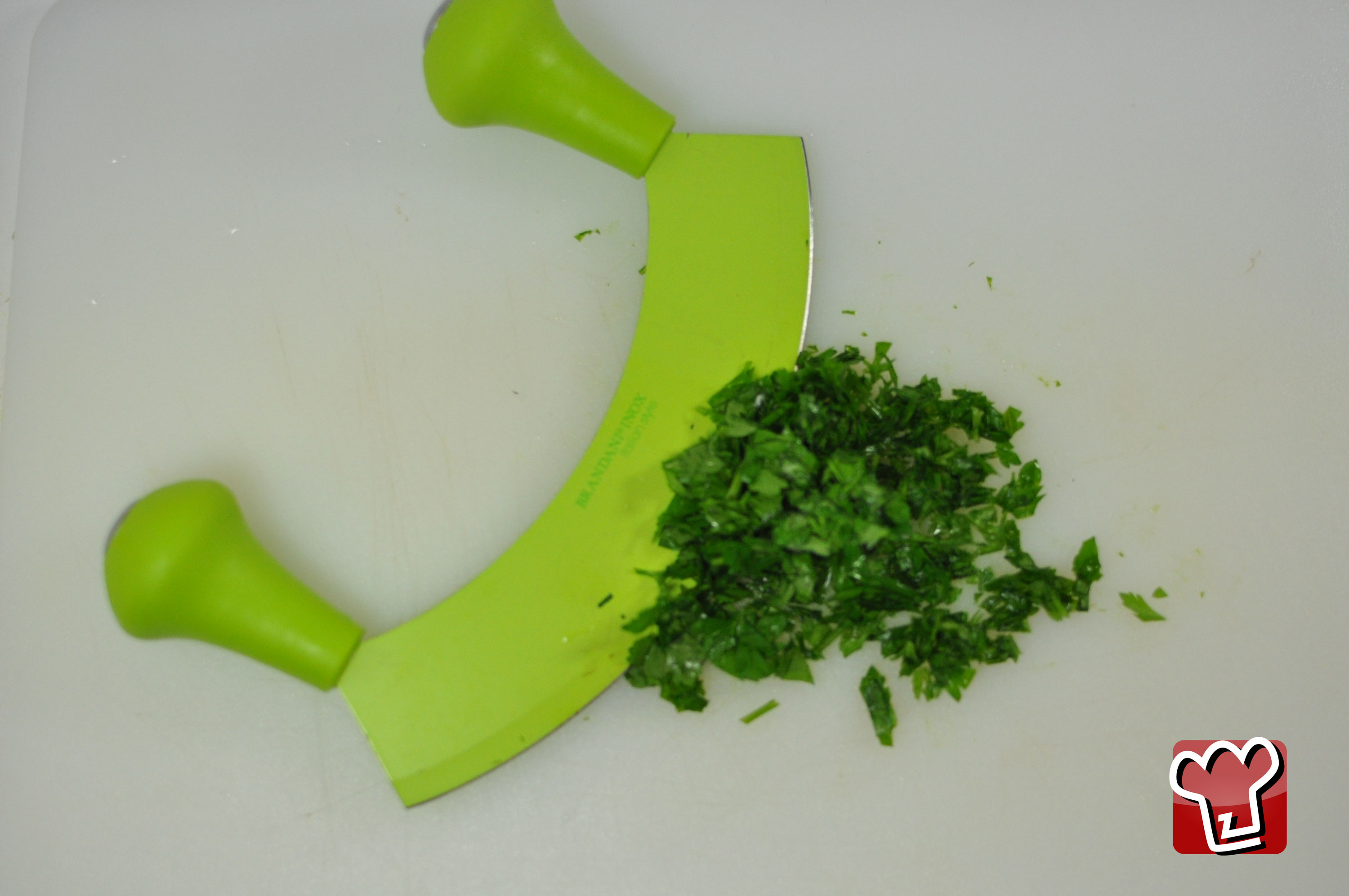
Finely chop some flat leaf parsley
|
|
View the step by step
|
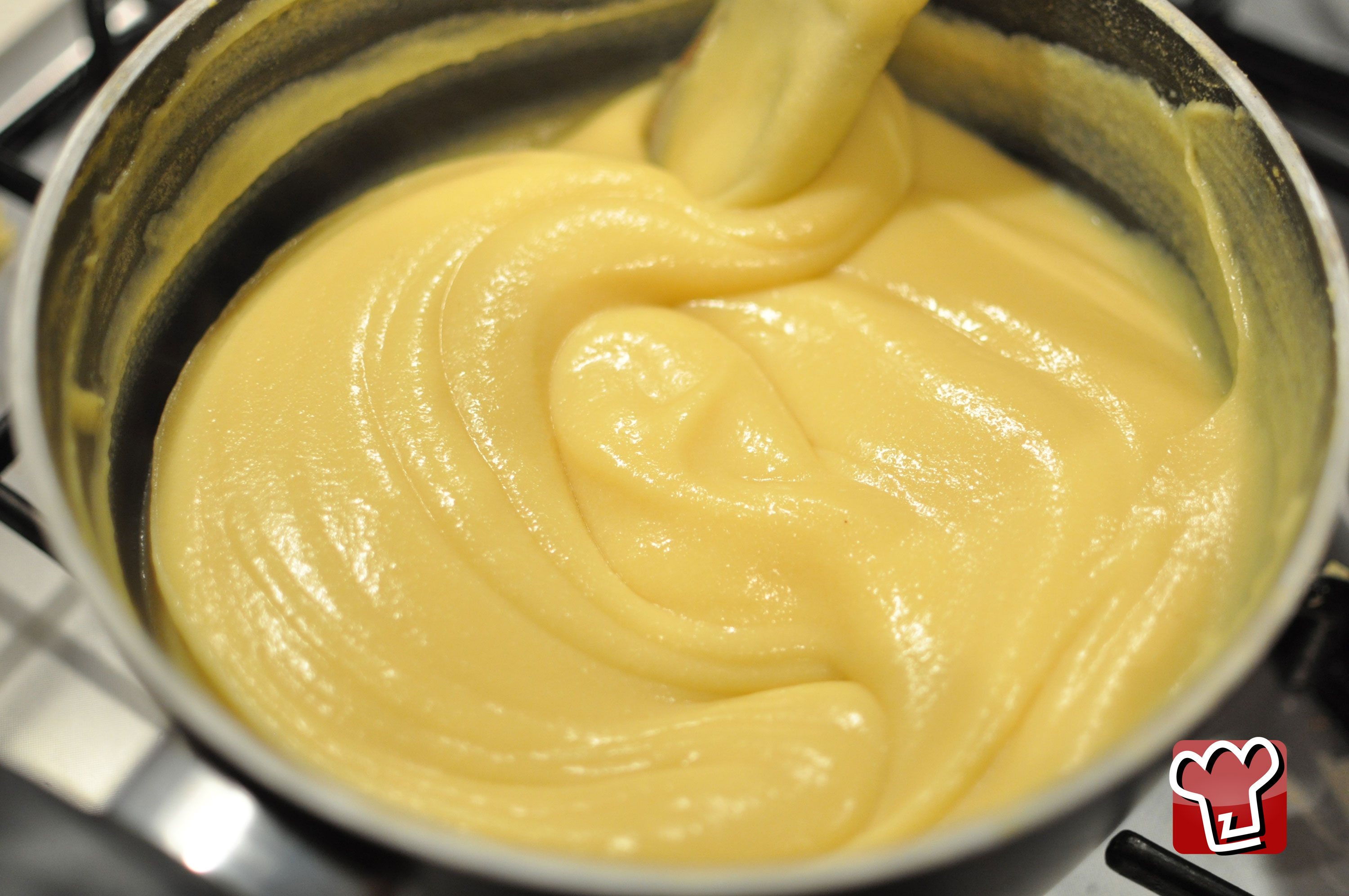
Place over low heat, stirring constantly, until the dough is well cooked and comes away from the sides of the pan
|
|
View the step by step
|
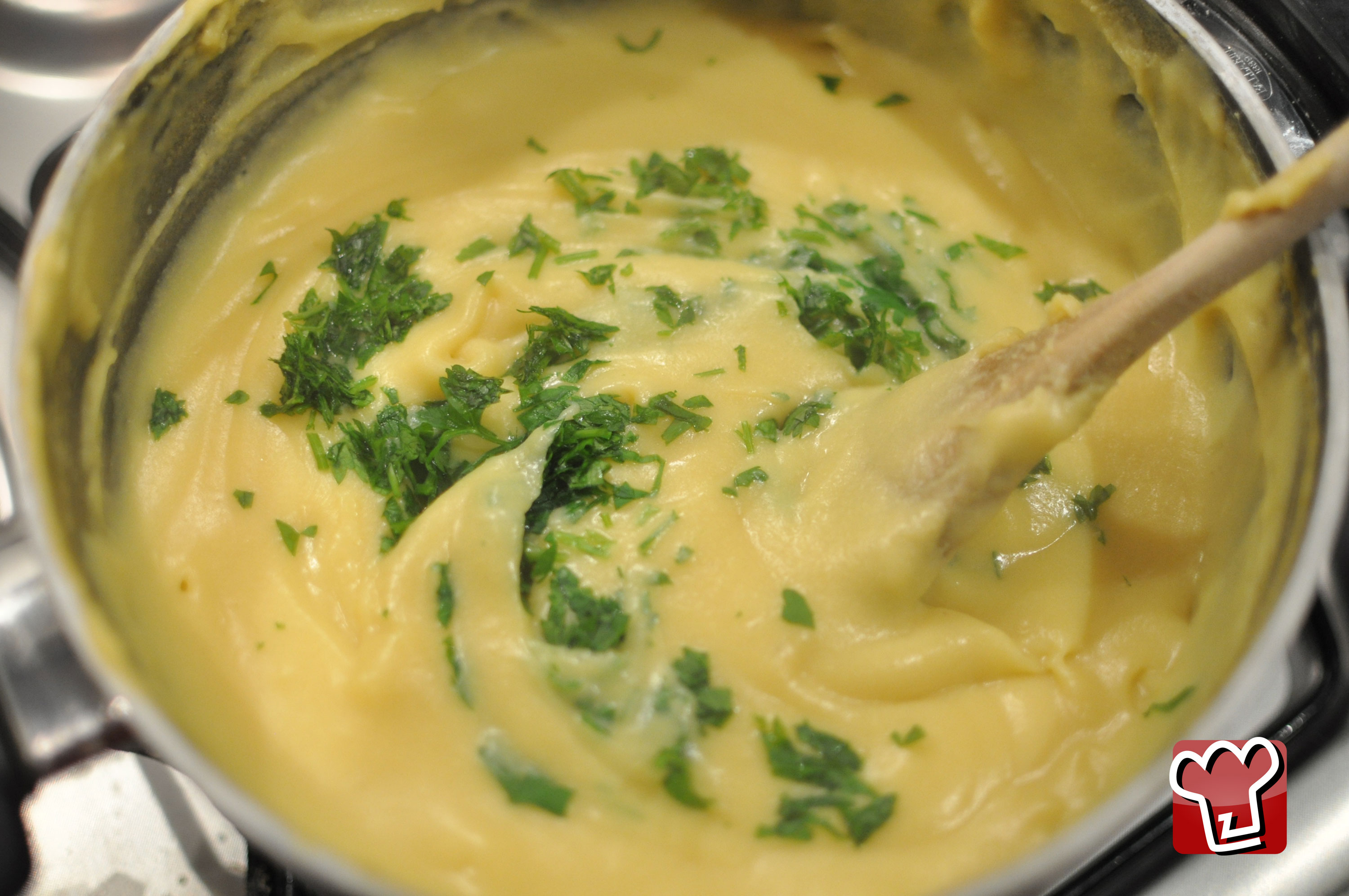
Turn off the heat and add the parsley
|
|
View the step by step
|
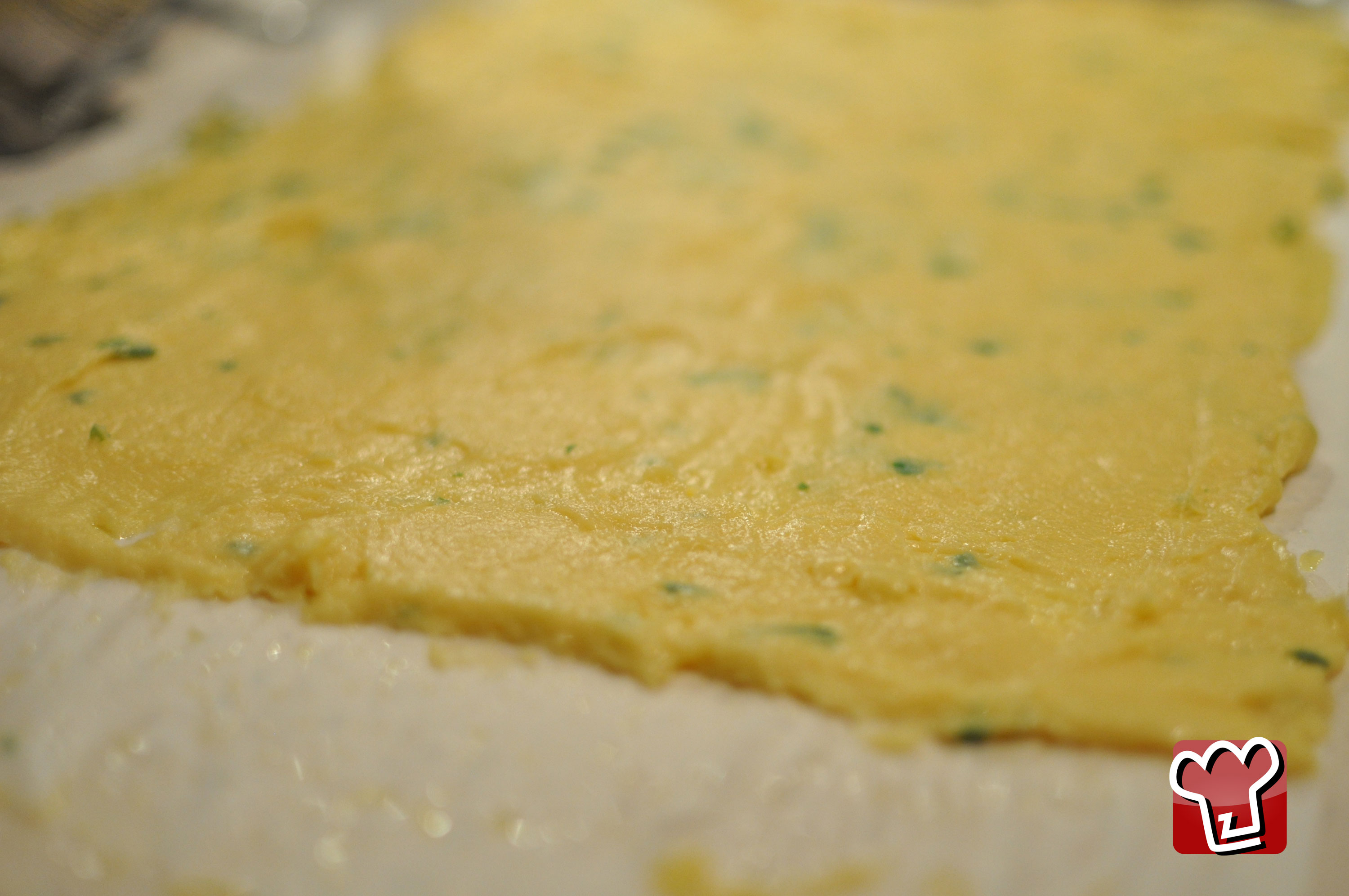
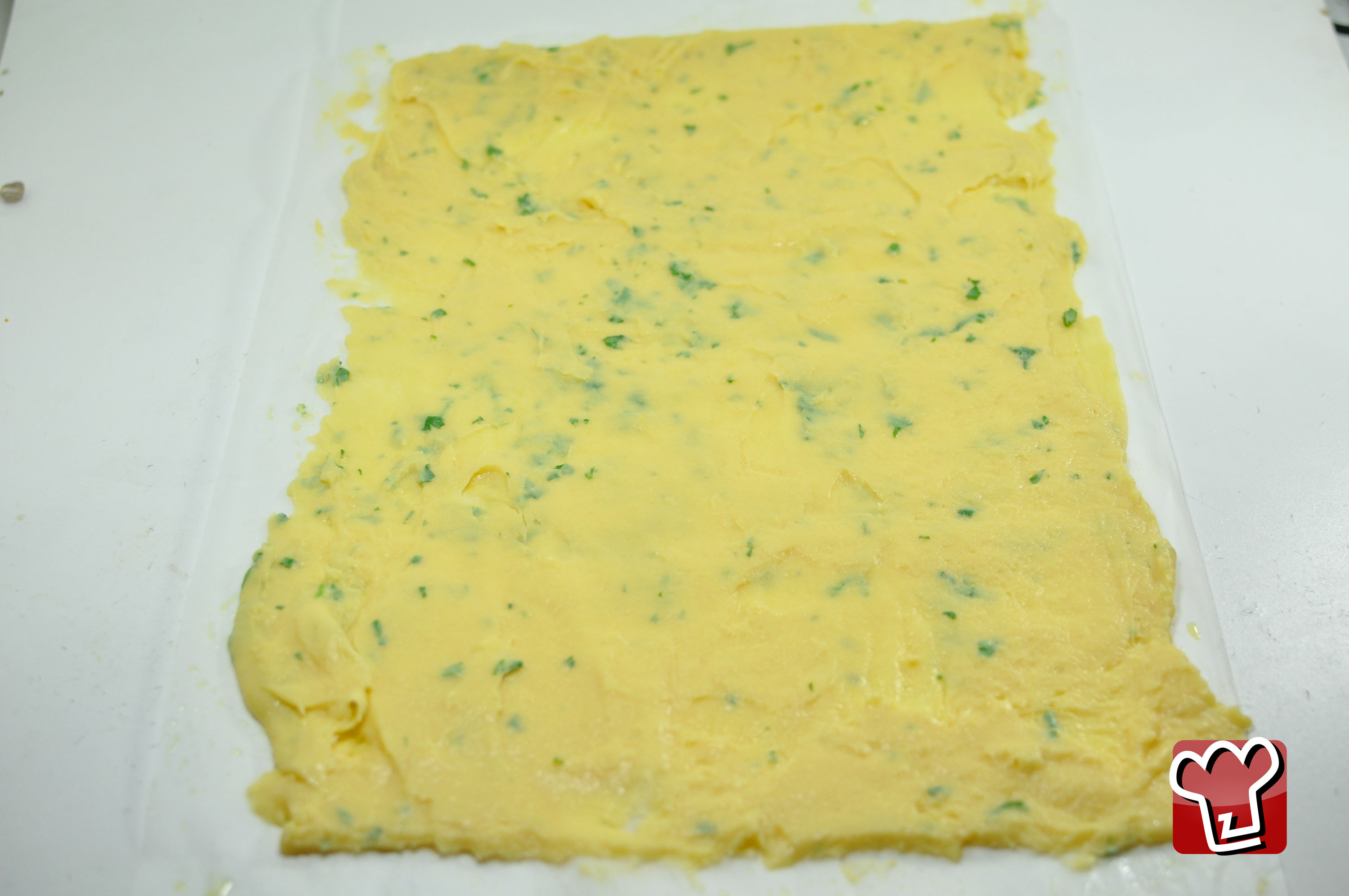
Place the dough on an oiled pastry board and, very quickly, spread it out evenly to a thickness of 3-4 mm with the help of a spoon dipped in water
|
|
View the step by step
|
Leave the dough to cool, so that it dries a little, and cut it up into little rectangles
|
|
View the step by step
|
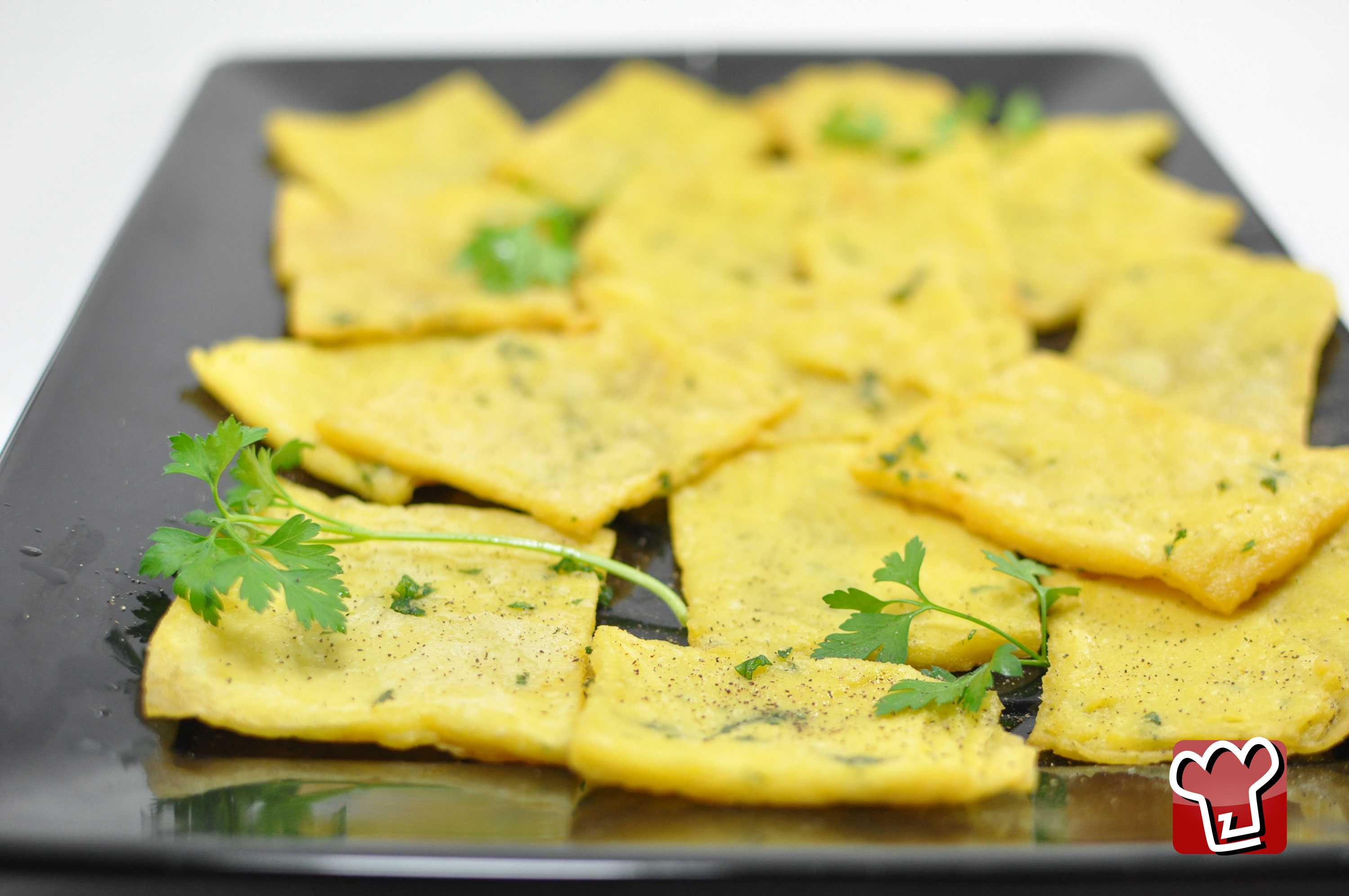
Fry the fritters in lots of hot oil, season with pepper and serve hot
|
Or share via: