Pizza made with starter dough
One of the Italian specialties that has managed to take over the world thanks to its essential goodness and scope for adaption with endless ingredients: the pizza. Famous and appreciated all over the planet, you can make a good pizza only if you pay scrupulous attention to the dough. That is why we are introducing the starter dough, a ‘pre-dough’ which is added to the main mixture in a 30 per cent proportion. In the final mixture it has the function of providing more large bubbles, more taste, more crunchiness and greater pliability. Many of you may know it as ‘lievitino’. Try preparing some starter dough for yourself before making homemade pizza: the end result will be more soft, smooth and tasty, but also more digestible. Once the starter dough has been made, you prepare the dough for your pizza by adding it directly to the ingredients that you normally use to make pizza ...
Ingredients
* approximate values per serving
Preparation
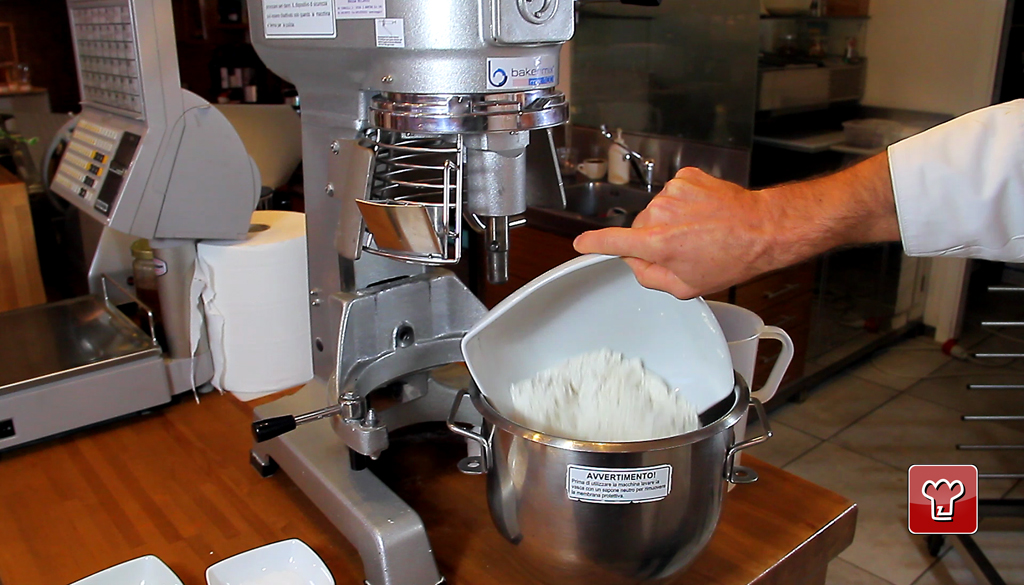
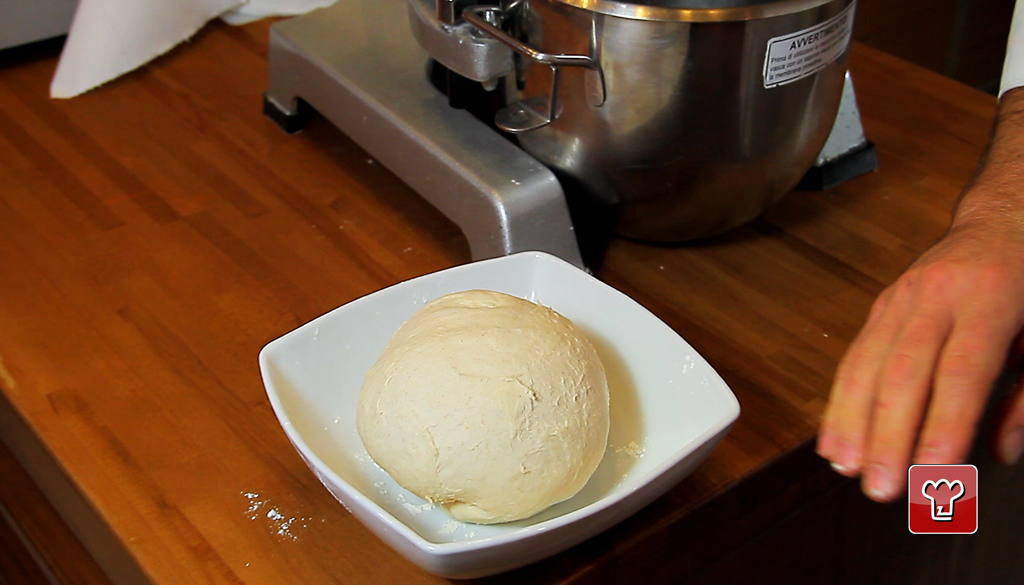
Put in a mixer the flour, the starter dough, the yeast and water. Knead thoroughly. Then add salt and oil. When finished the dough should be a nice pliable ball. Put it in a container and then shape into balls to make pizzas.
Step by step
|
View the step by step
|
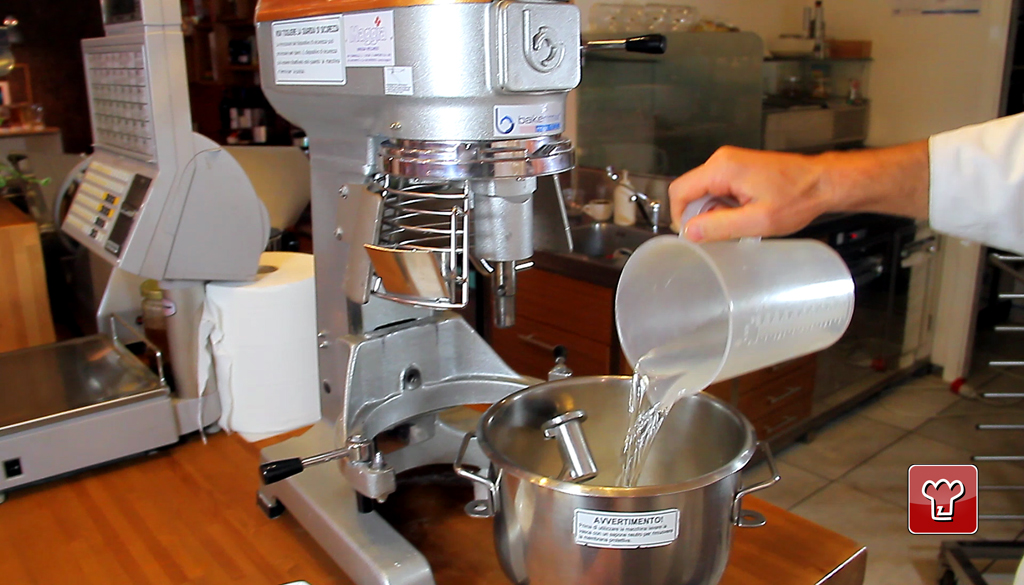
Add water to make a dough
|
|
View the step by step
|
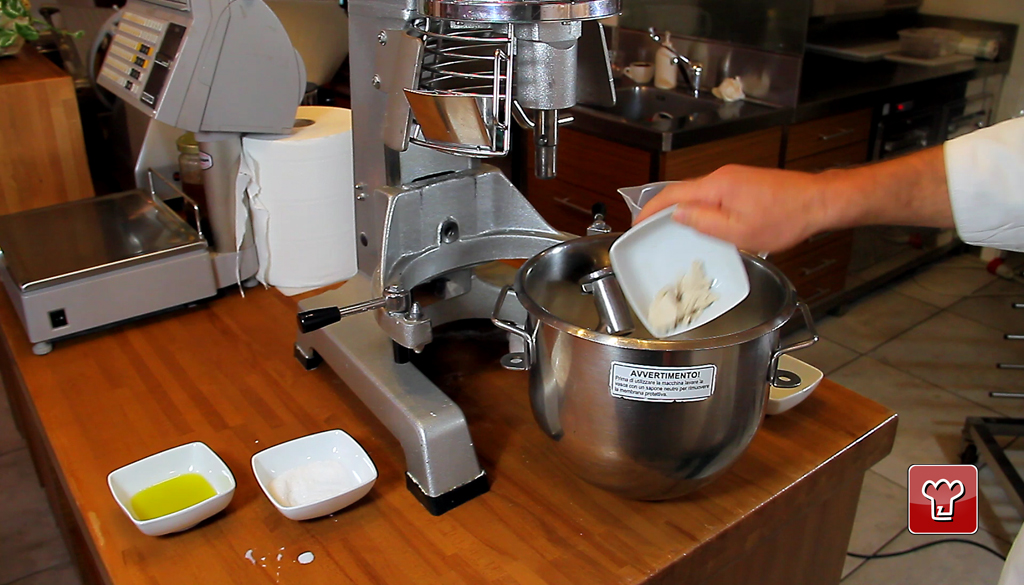
Add yeast to the dough and stir in well, then add the oil and mix again. Then add salt and knead in the food mixer for 5 more minutes.
|
|
View the step by step
|
The dough made with starter is ready
|
Additional information
Pizza Base with Biga Dough and Whole Wheat Flour
An interesting variation of the classic pizza base with biga dough is the one that uses whole wheat flour. This preparation not only gives a more rustic and deep flavor but also offers a greater amount of fiber and nutrients compared to traditional white flour. To make it, simply replace part of the white flour with whole wheat flour, keeping the rest of the ingredients unchanged. The dough will be slightly darker and have a denser consistency, but the final result will be a pizza that is just as tasty and nutritious. The cooking will remain similar, so don't worry: your pizza with biga dough will have excellent leavening and a crispy crust, perfect for holding your favorite toppings.
Pizza Base with Neapolitan Biga Dough
The preparation of the pizza base with biga dough can be enriched with the tradition of Neapolitan pizza. This variation involves using fresh, high-quality ingredients, such as San Marzano tomatoes and buffalo mozzarella, to enhance the flavor of the dough. Additionally, Neapolitan pizza is distinguished by its quick cooking in a wood-fired oven, which gives a thin crust and a soft center. To achieve an authentic result, it is advisable to stretch the dough by hand, creating a high and well-defined edge. The combination of biga dough with Neapolitan tradition will allow you to enjoy a pizza with an unmistakable flavor, perfect for a night with friends or a special dinner.
Light Pizza Base with Biga Dough
For those who are mindful of their diet, the pizza base with biga dough can be prepared in a light version, using lighter and lower-calorie ingredients. One solution is to reduce the amount of oil and opt for type 1 flour, which contains fewer calories than 00 flour. Additionally, it is possible to add grated vegetables to the dough, such as zucchini or carrots, to increase the fiber and vitamin content without weighing down the dish. This variant not only makes the pizza lighter but also enriches it with flavors and colors, making it ideal for those who want to enjoy a tasty dish without compromising on health.
Nutritional Benefits of Pizza Base with Biga Dough
The biga dough used for preparing the pizza base offers several nutritional advantages. Thanks to the long fermentation, this dough develops more intense aromas and flavors, reducing the presence of fermentable sugars. Furthermore, the flour used is often of high quality, contributing to an intake of complex carbohydrates that provide long-term energy. If prepared with fresh ingredients, the pizza can represent a balanced meal, rich in carbohydrates, proteins, and healthy fats. On average, a portion of pizza made with biga dough can contain about 250-300 calories, depending on the ingredients used. It is an ideal choice for those looking for a satisfying meal without exceeding calorie limits.
Can the Pizza Base with Biga Dough be Frozen?
Freezing the pizza base with biga dough is a very common and recommended practice to always have fresh dough on hand. To do this, it is important to follow a few steps. After kneading and allowing the dough to rise, divide it into portions of the desired size. Wrap each portion in plastic wrap or food bags, making sure to remove excess air. Once frozen, the base can be stored for several weeks. When you want to use it, simply take it out of the freezer and let it thaw in the refrigerator for a few hours, then proceed with rolling and topping. This method does not compromise the quality of the dough, allowing you to enjoy a pizza as if it were freshly made even on busy days.