Renato Bosco’s Panettone
Our daily appointment with the most delicious and enjoyable recipes of Italian gastronomy arrives at an historic recipe. It is one which has spread across the world in a remarkable fashion, and which appeals to both adults and children at Christmas time with its delicious simplicity. We asked our friend Renato Bosco - who has already been involved in making other sweet and savoury treats for us - to make this, the central character of the Italian Christmas tradition: panettone, which for centuries has dominated the dining tables of Italy. It is a recipe that is quite a challenge to make, certainly, but we’re sure that when you see the result you will be overwhelmed with enthusiasm, and will throw all your energy into the preparation of our delicious cake. We recommend just one thing: don’t be tempted to sample the product of your labours before it's ready!
Ingredients
* approximate values per serving
Preparation
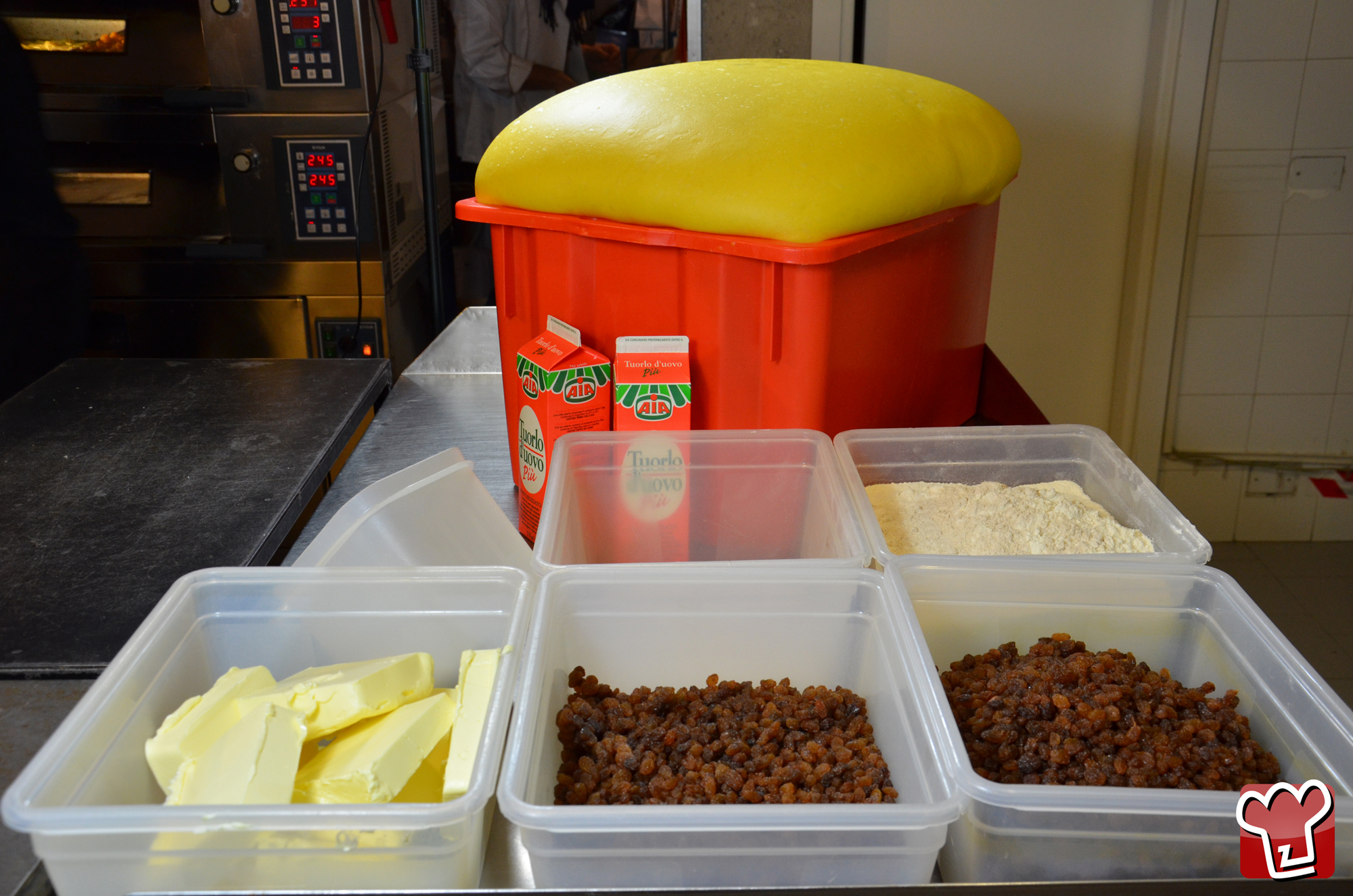
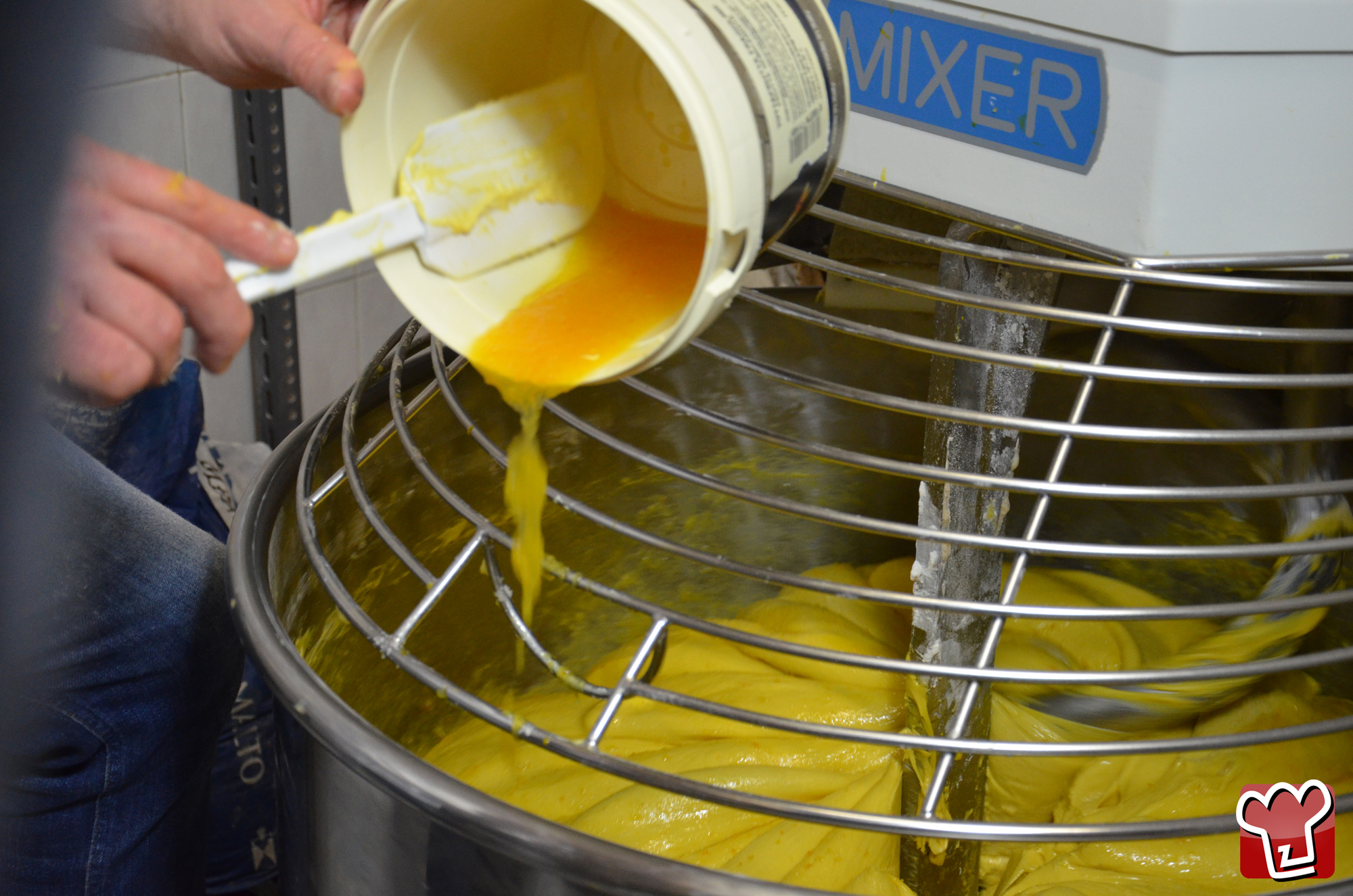
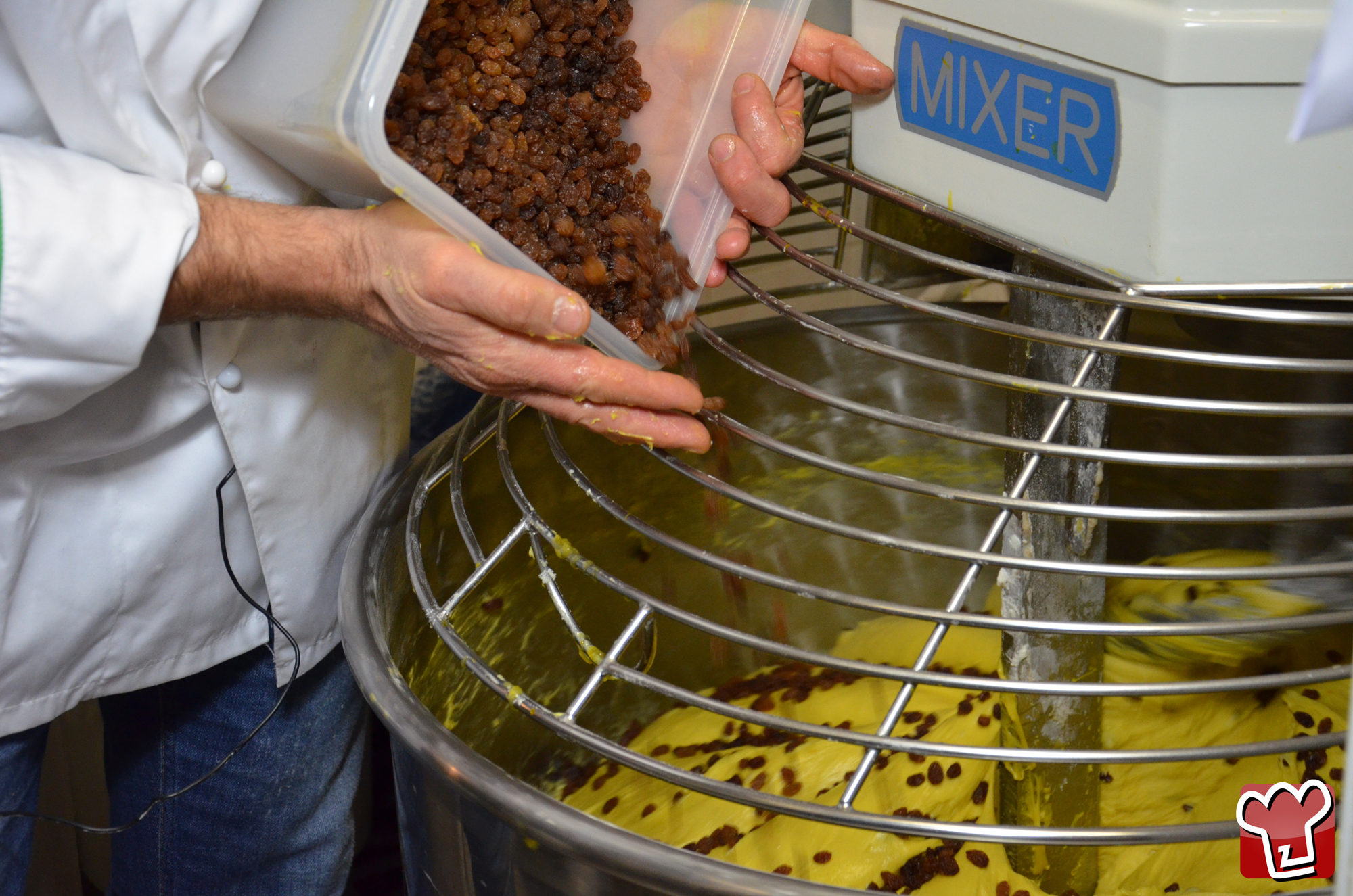
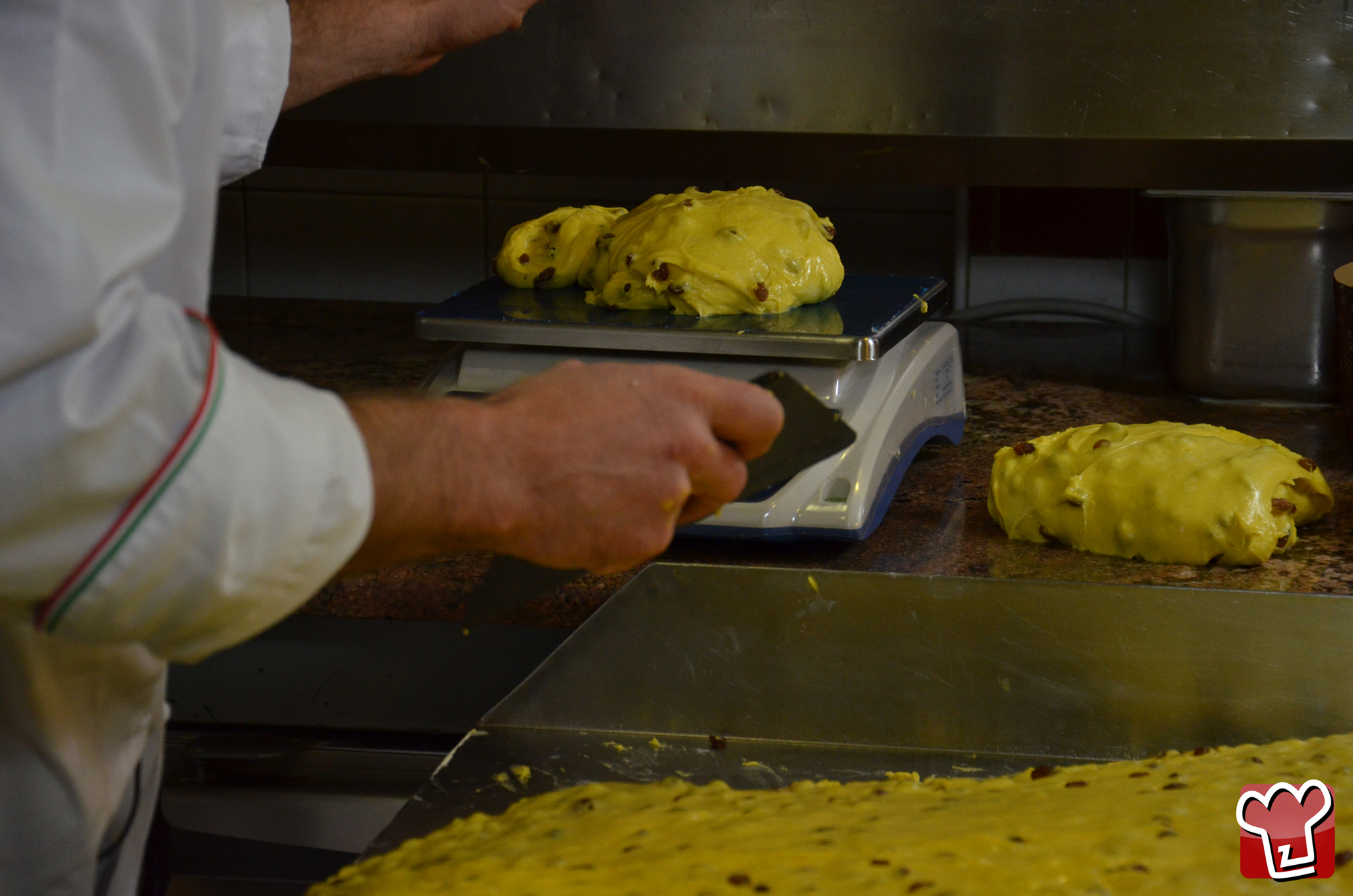
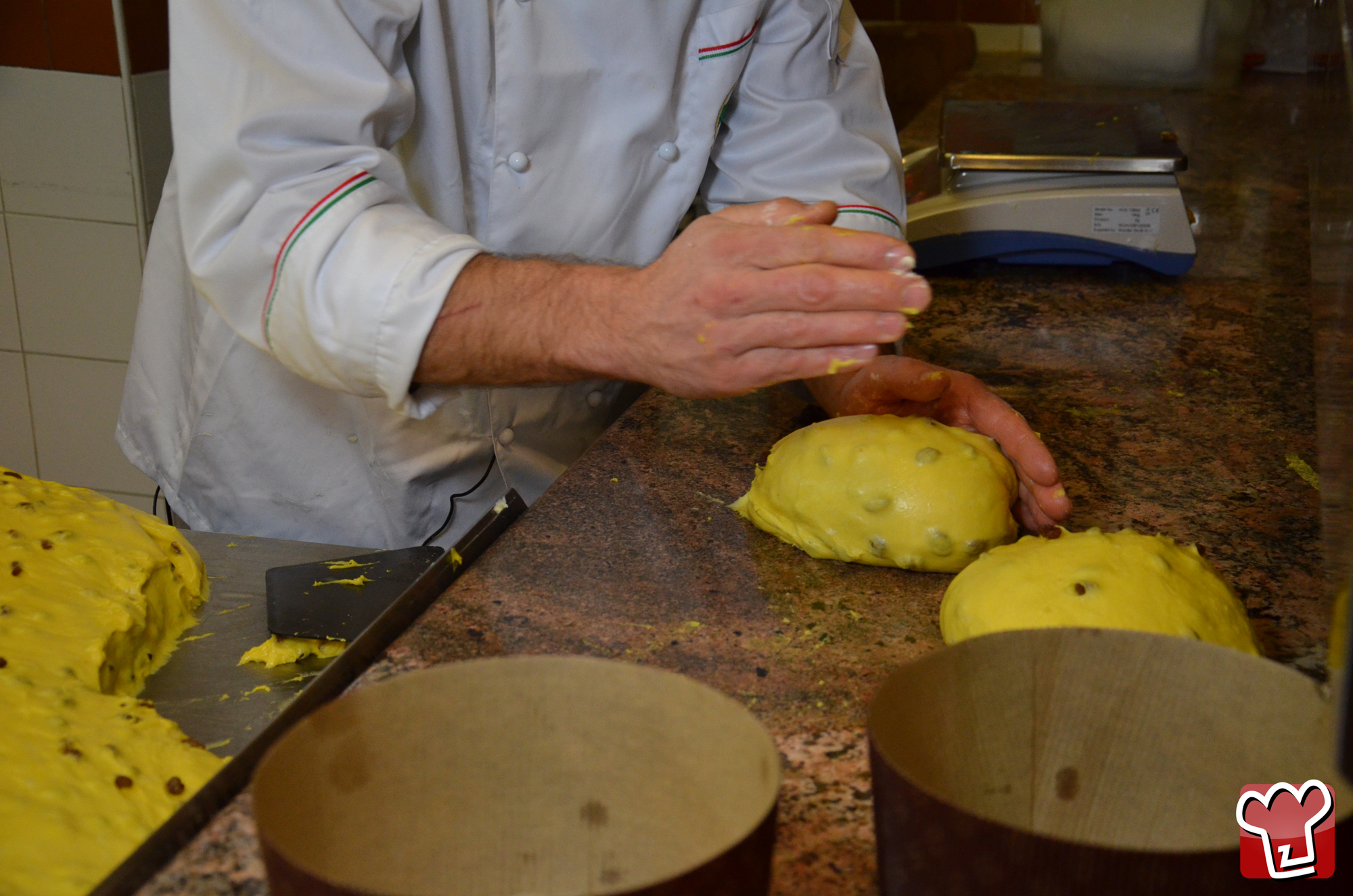
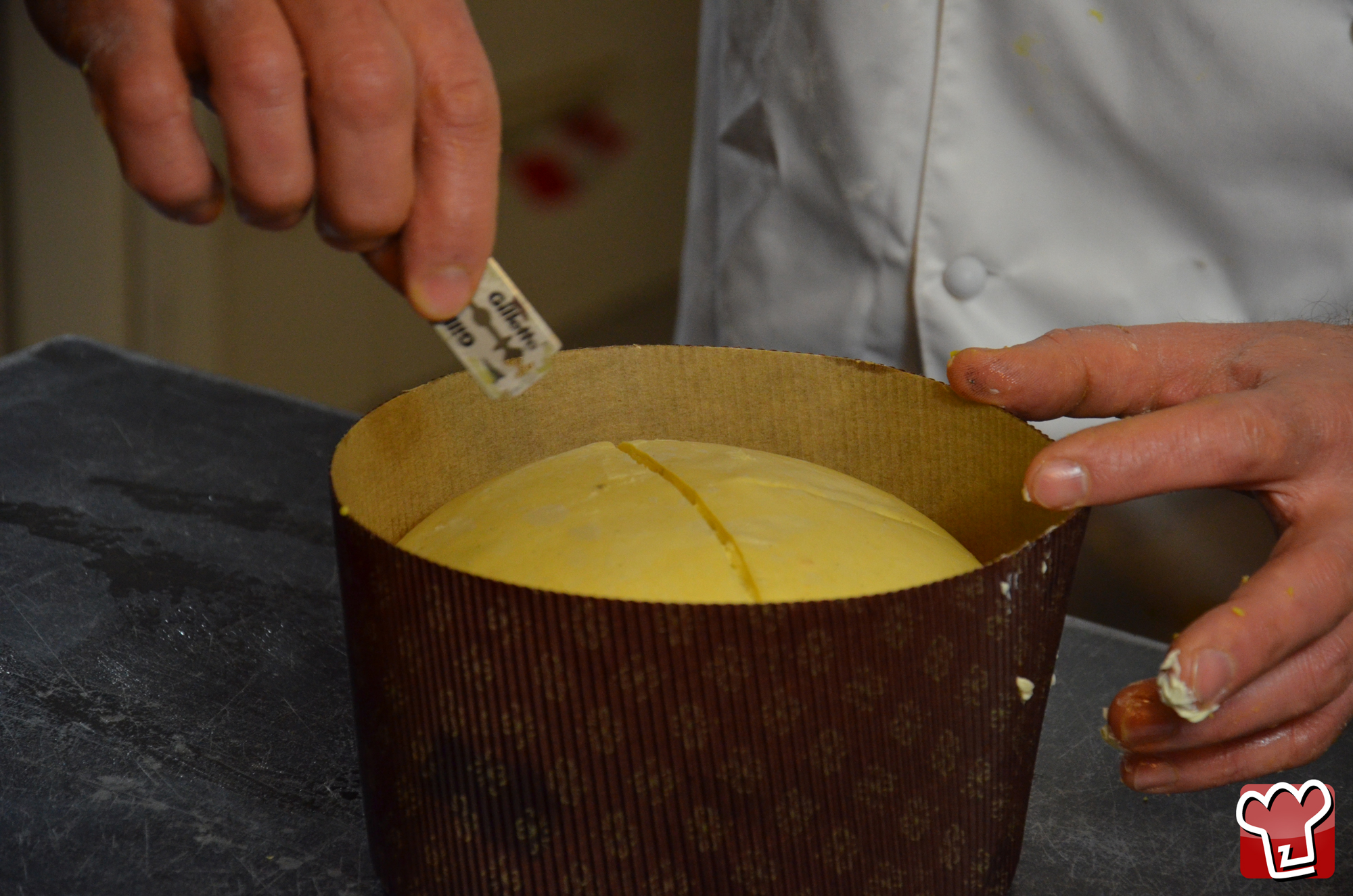
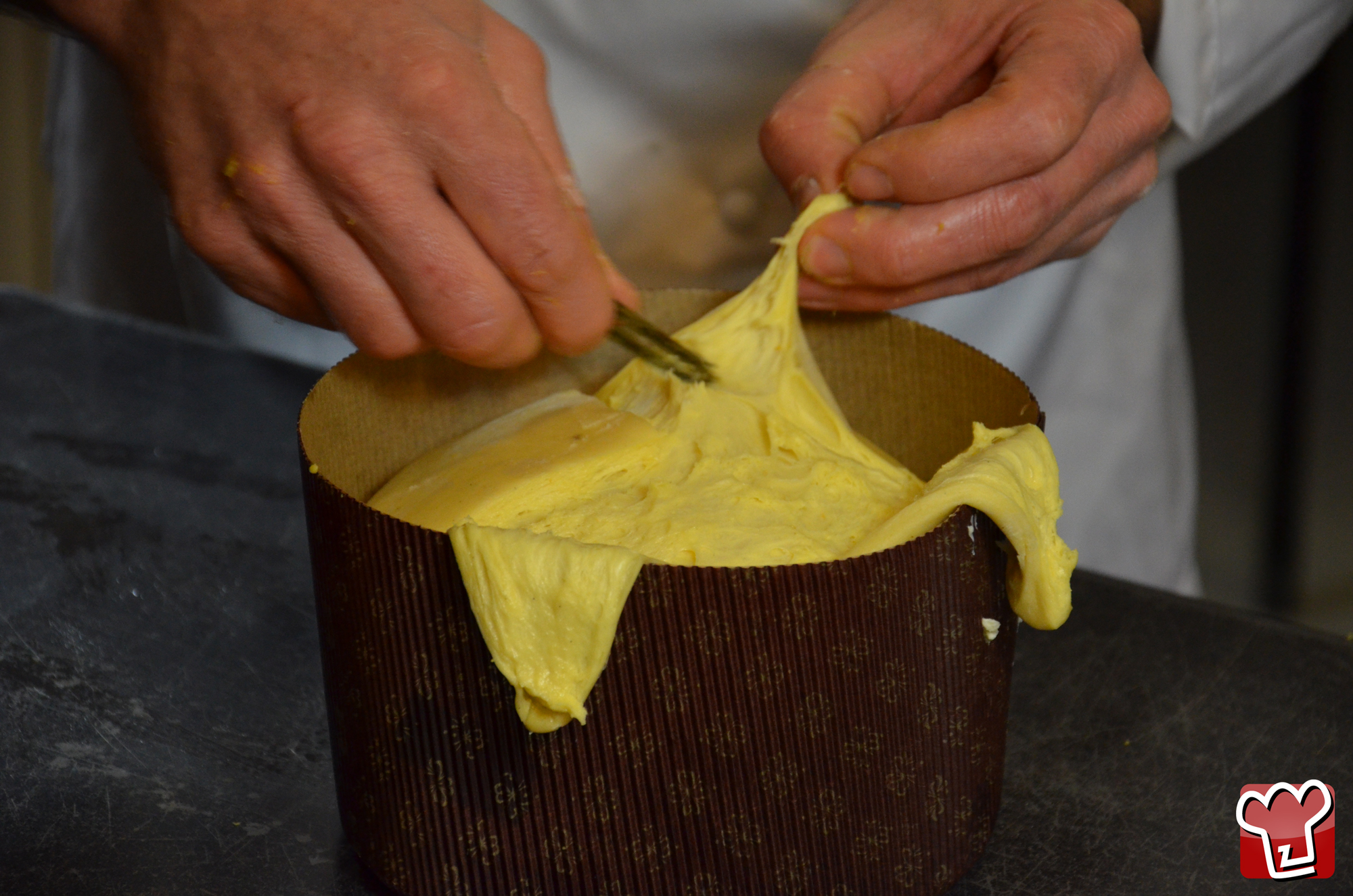
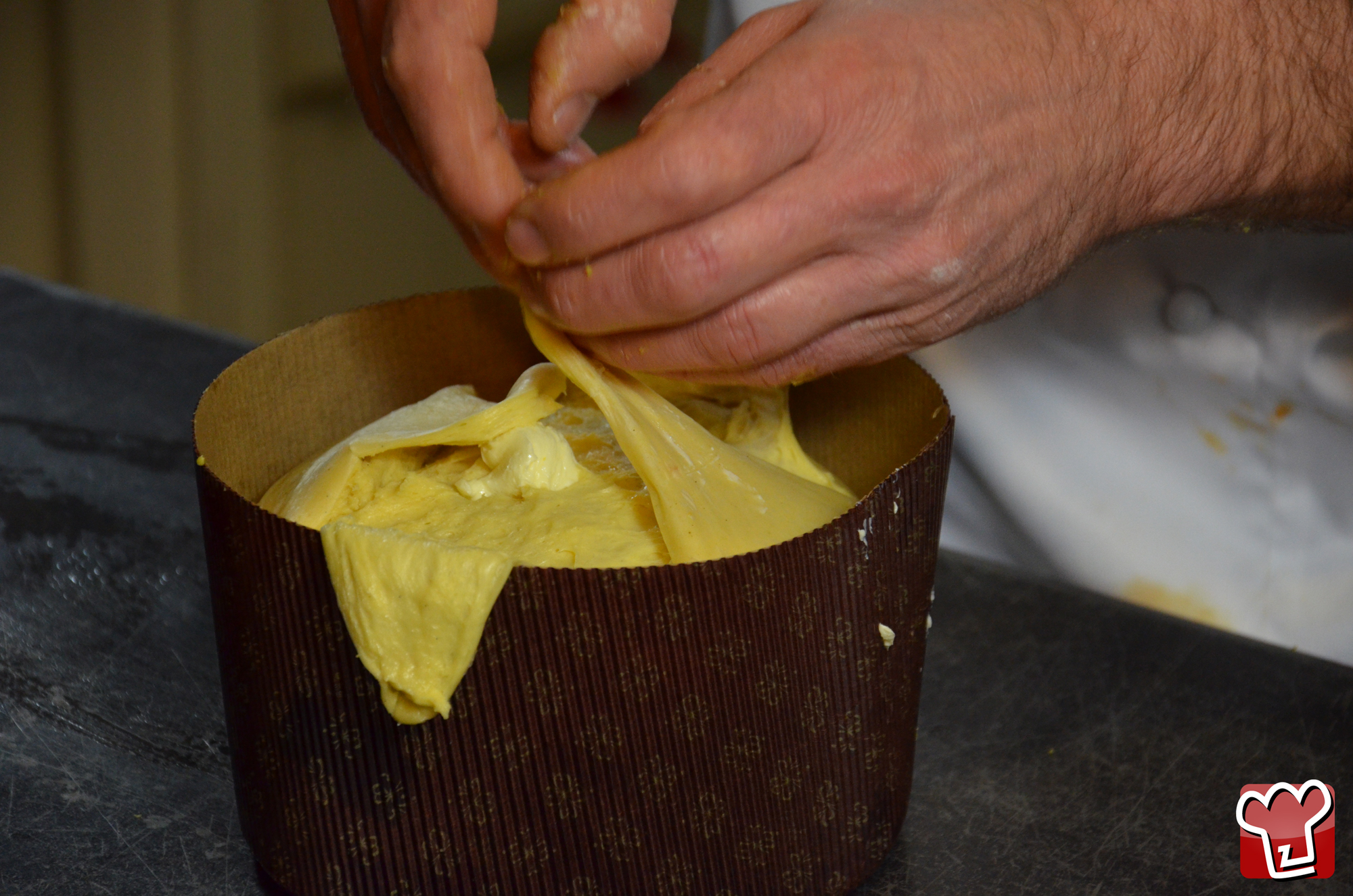
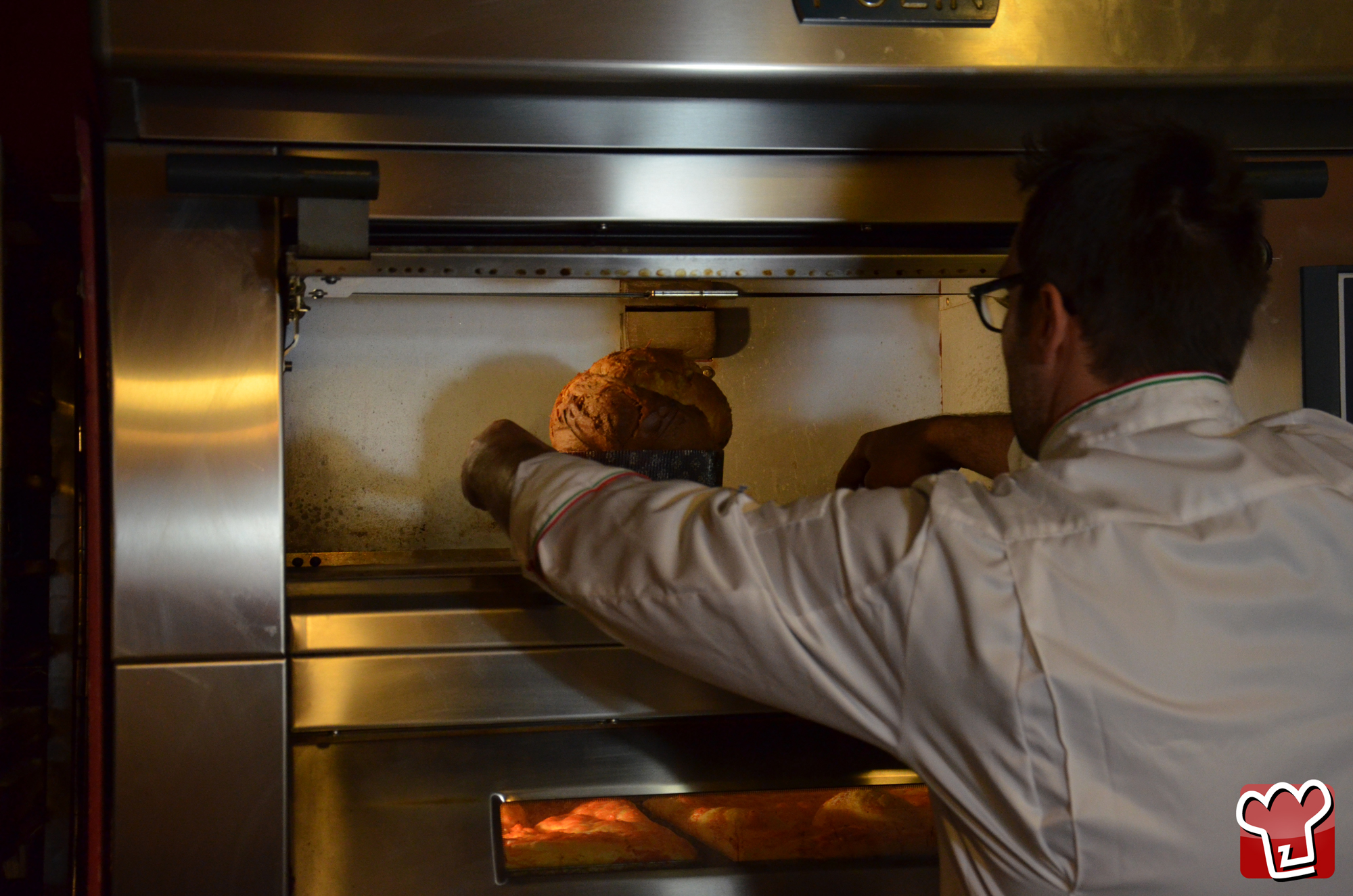
The starter dough is made with water, flour, egg yolks, and natural yeast to the third refreshment. Mix together and leave to rise for 14-16h at 18-20°C. Transfer the starter dough to a food mixer, add the flour and knead well for 10 minutes until the dough is firm and has a very pliable consistency. Add the pastry cream and allow it to be absorbed slowly so that the dough does not lose its shape and integrity. Once the pastry cream is blended in add the sugar. Amalgamate the sugar and add the egg yolks slowly. Then add the butter mixed with vanilla beans. Leave to combine in the food mixer at a very low velocity. Add the salt: the salt is added to give the perception of sweetness and to help the formation of the gluten and therefore retain gas in the rising phase. Add the orange essence to give more flavour. Add the raisins as the last ingredient. When you’ve finished mixing, store it in a large bowl or basin and let it rest for 50 minutes at room temperature so that it reactivates. Then transfer to a well-greased board and divide it into 1.1kg pieces. Once divided out, take a portion and place it on a work surface. Start the ‘pirlatura’, whereby you simply turn the portion of dough in a circle with your hands while it sits on the work surface, giving it a rounded shape. Then put the cake in the baking container. Let it rise for 6 hours at 26°C. Proceed with the ‘scarpatura’ phase: cut a cross in the surface of the cake with a razor blade, raise the flaps and insert in the open centre a knob of butter, then close the flaps. Bake the cake for 50 min at 170°C. Once cooked, clamp it and allow it to rest for 10 hours upside down at room temperature.
Step by step
|
View the step by step
|
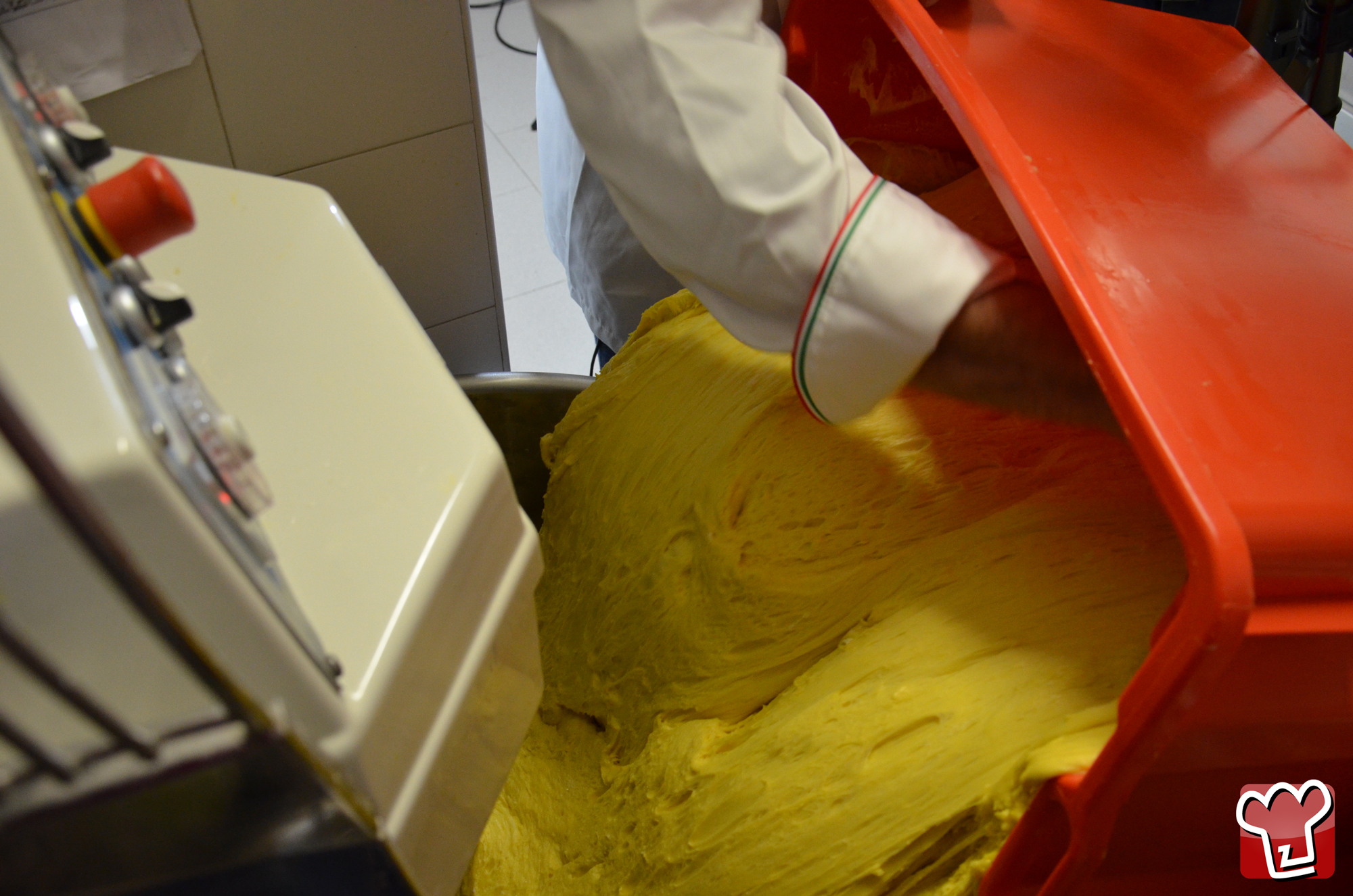
Add the starter dough to the food mixer
|
|
View the step by step
|
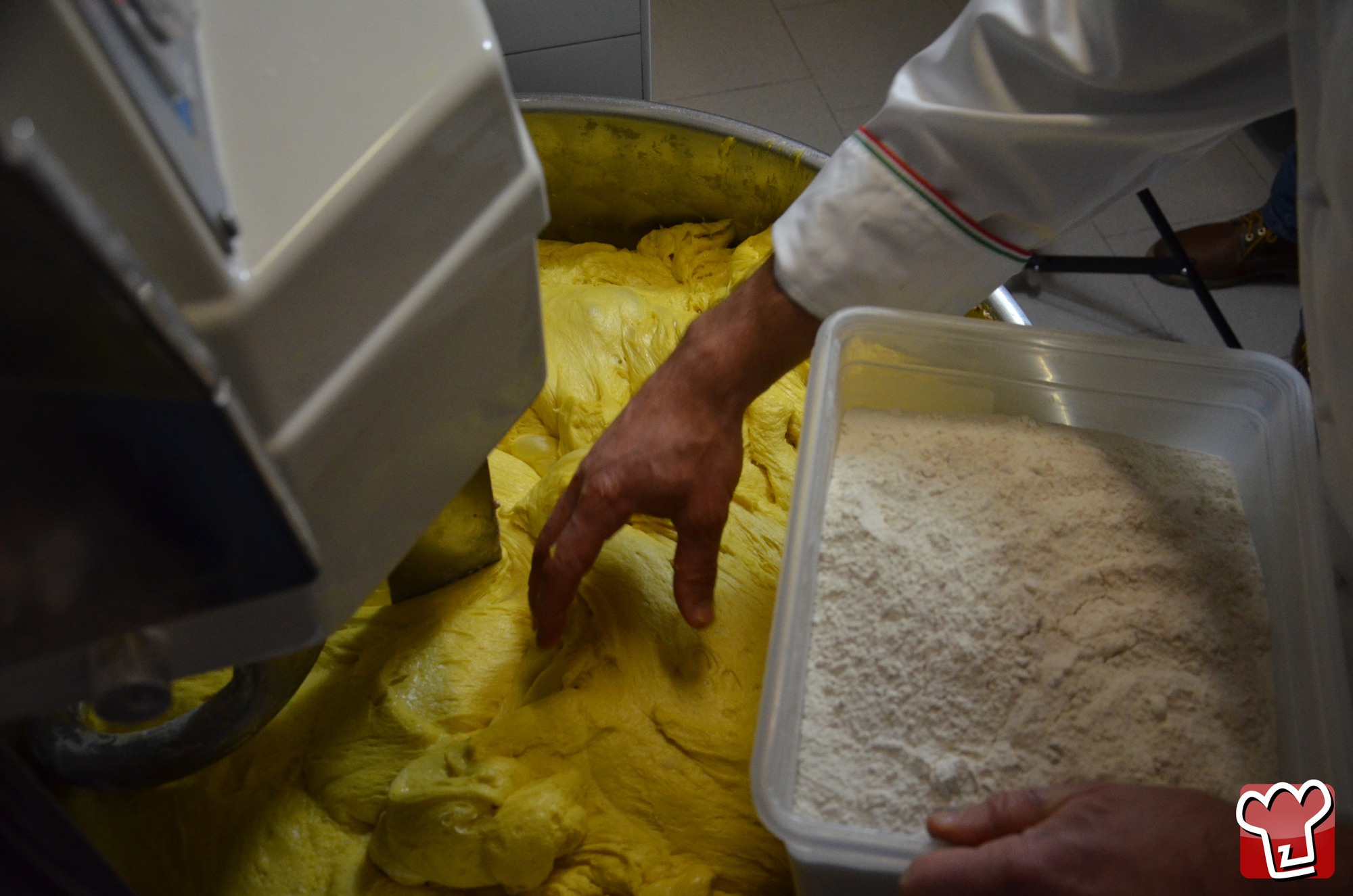
Add the flour and leave to knead for 10 minutes
|
|
View the step by step
|
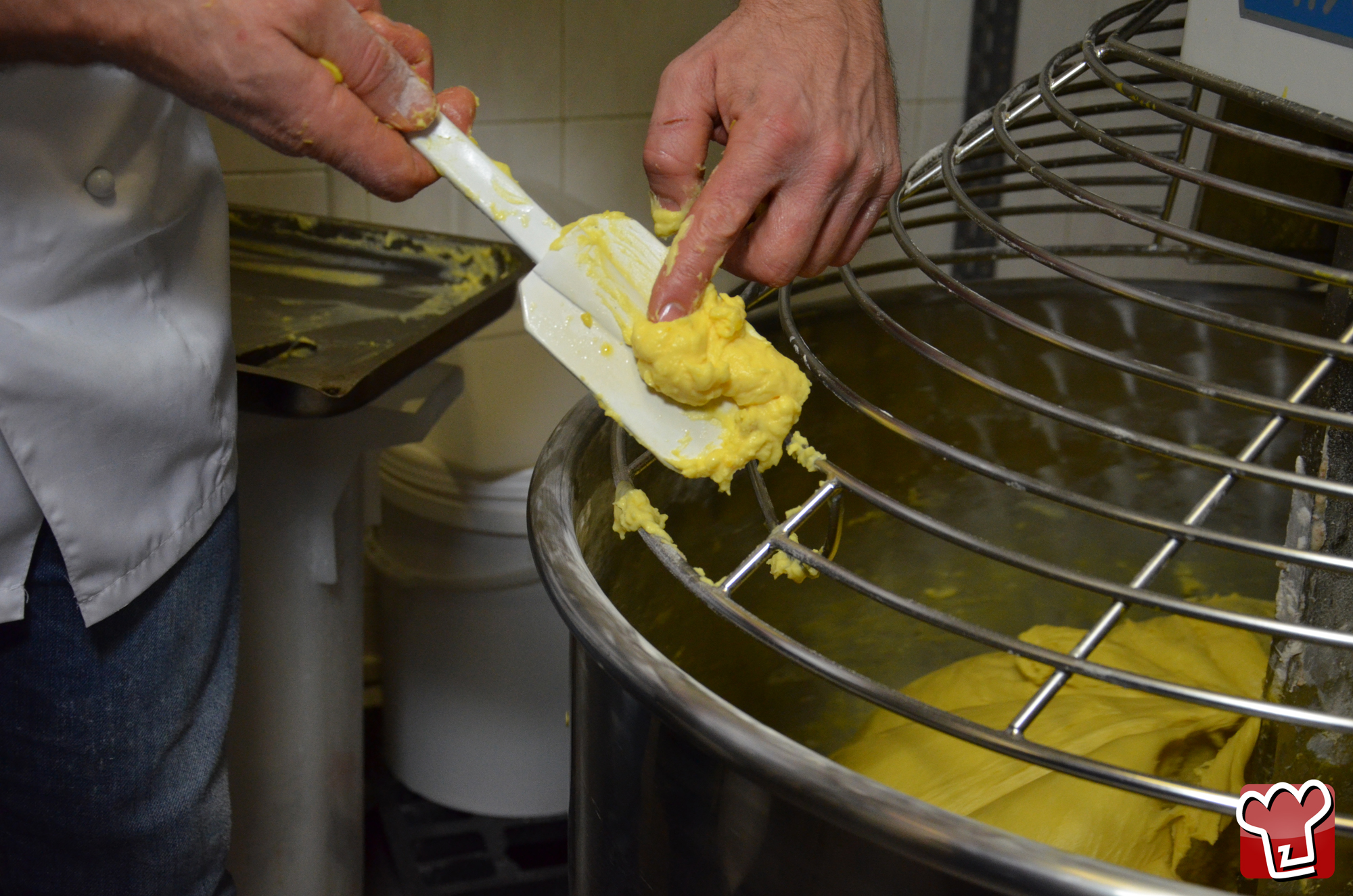
Add the pastry cream very gradually
|
|
View the step by step
|
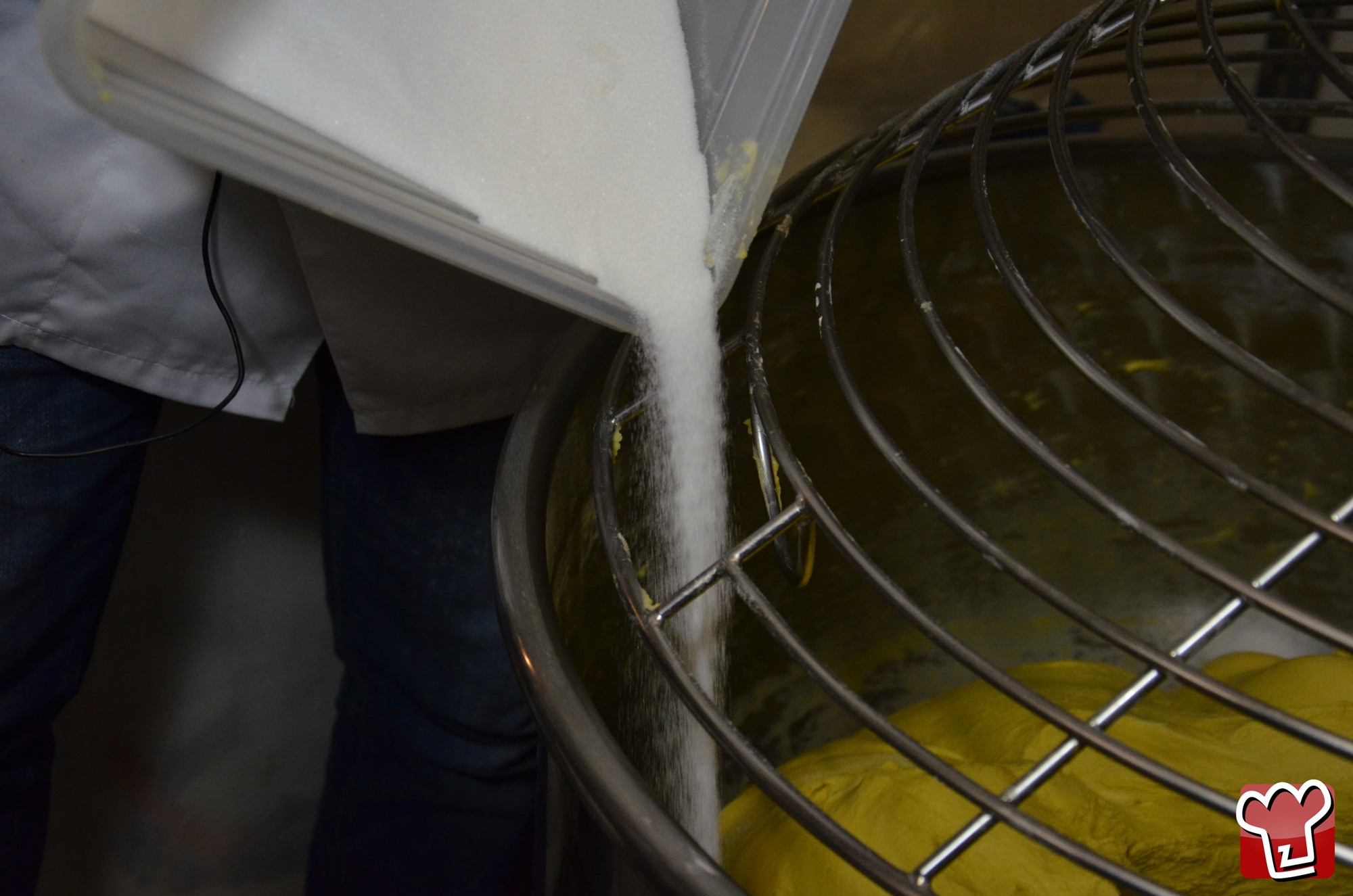
Add the sugar very gradually and leave to knead
|
|
View the step by step
|
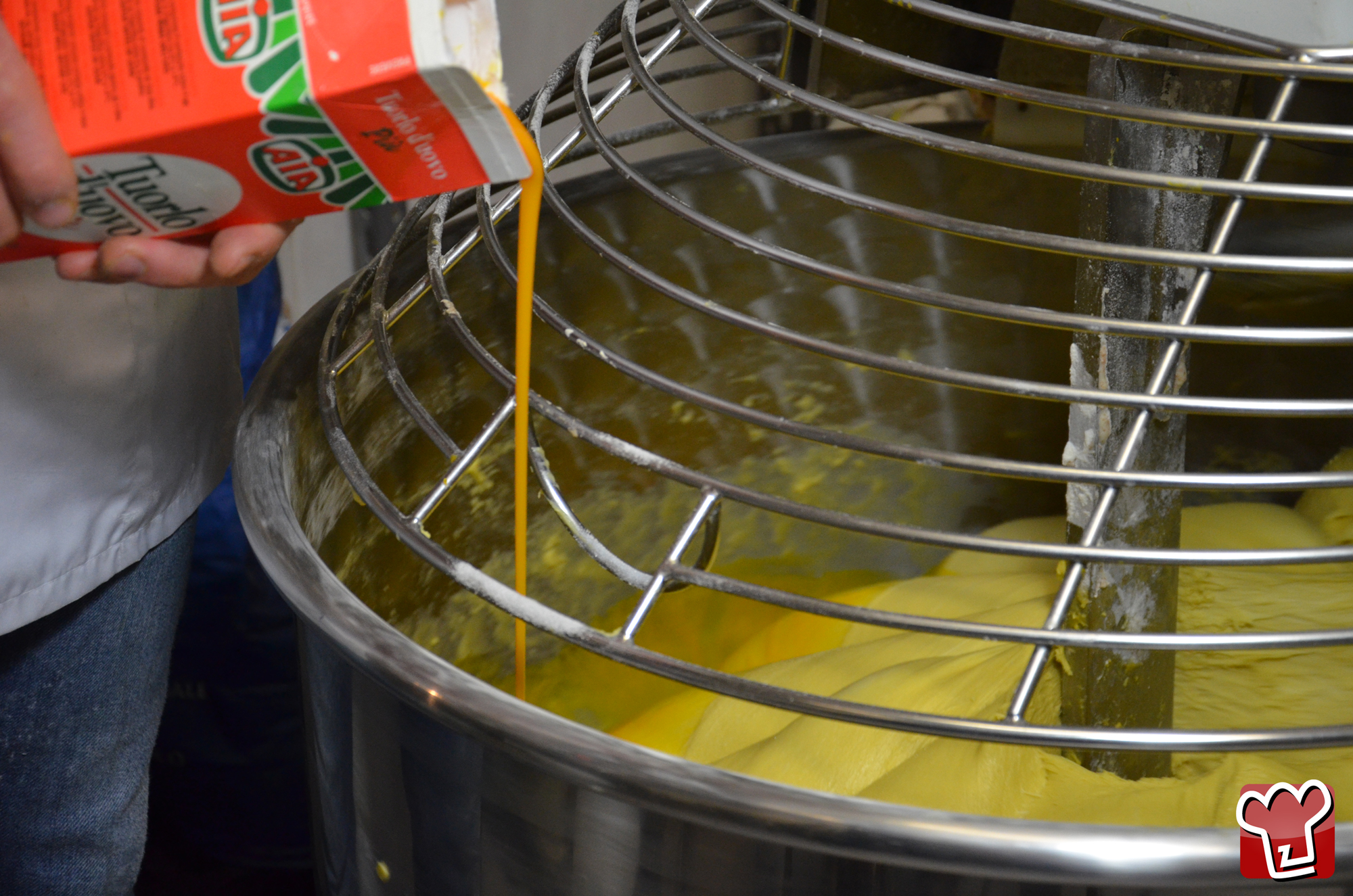
Add the egg yolks and leave to knead
|
|
View the step by step
|
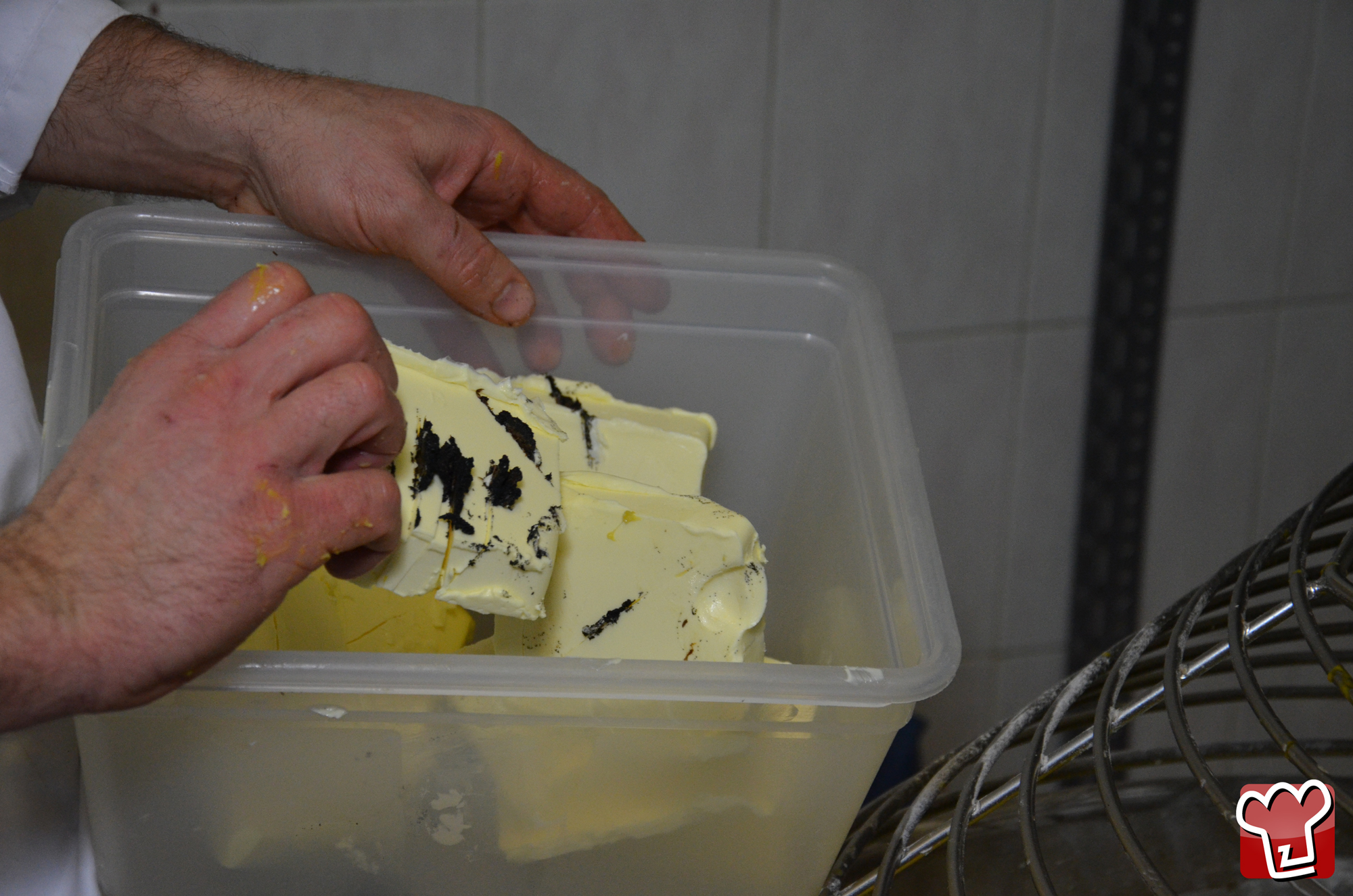
Add the vanilla seeds to the butter and then add to the dough
|
|
View the step by step
|
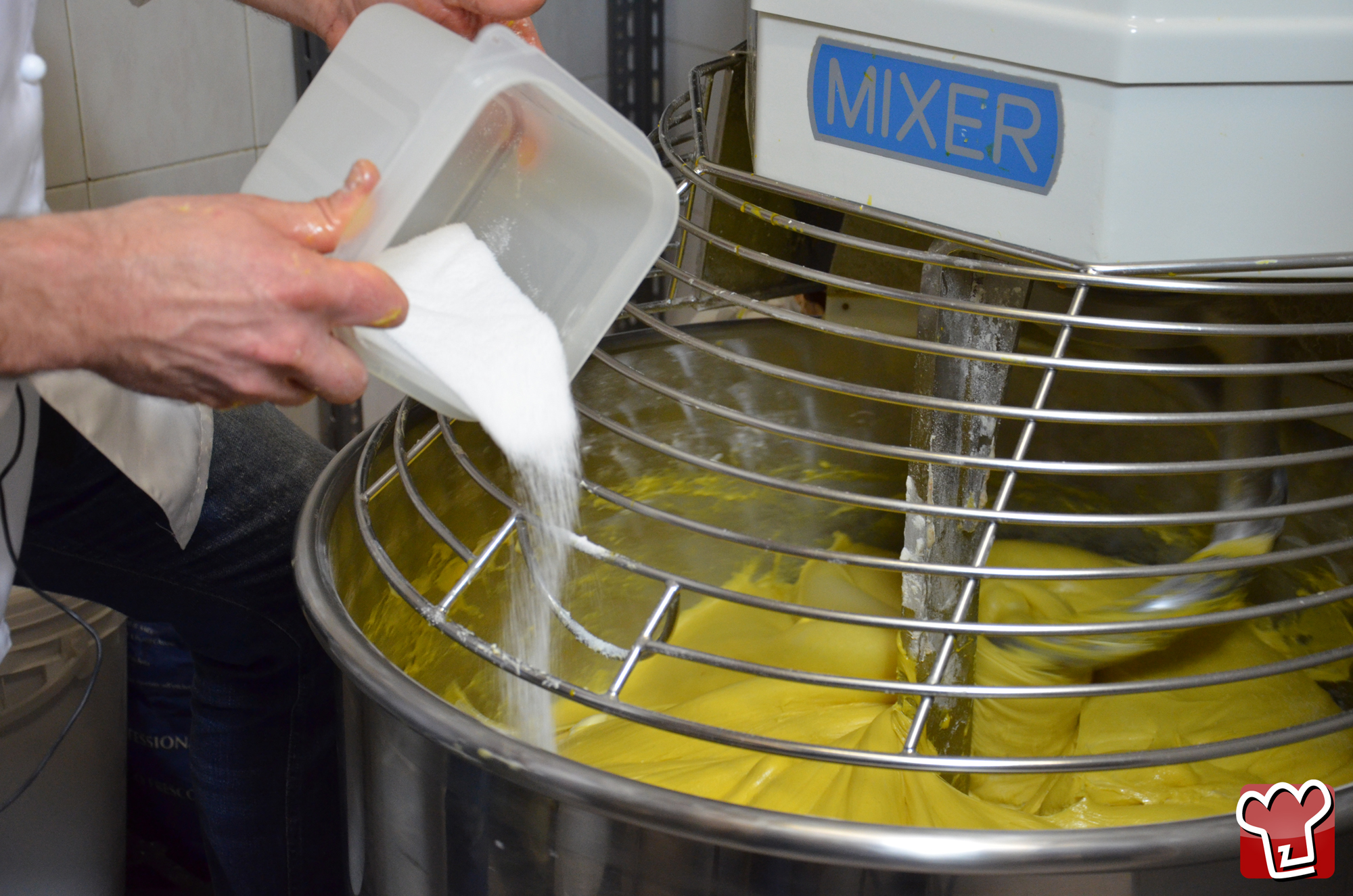
Add salt to the dough
|
|
View the step by step
|
Add the orange essence to the dough
|
|
View the step by step
|
Add the raisins to the dough
|
|
View the step by step
|
Divide the dough into 1kg portions
|
|
View the step by step
|
Shape into a circle with your hands with the dough sitting on a flat surface, then place in a paper baking cup. Leave to rise for 6 hours
|
|
View the step by step
|
Cut an X on the surface of the panettone with a razor blade
|
|
View the step by step
|
Raise up the flaps
|
|
View the step by step
|
Add a knob of butter to the centre then re-close the flaps
|
|
View the step by step
|
Bake for 50-60 minutes at 160-170°C
|
|
View the step by step
|
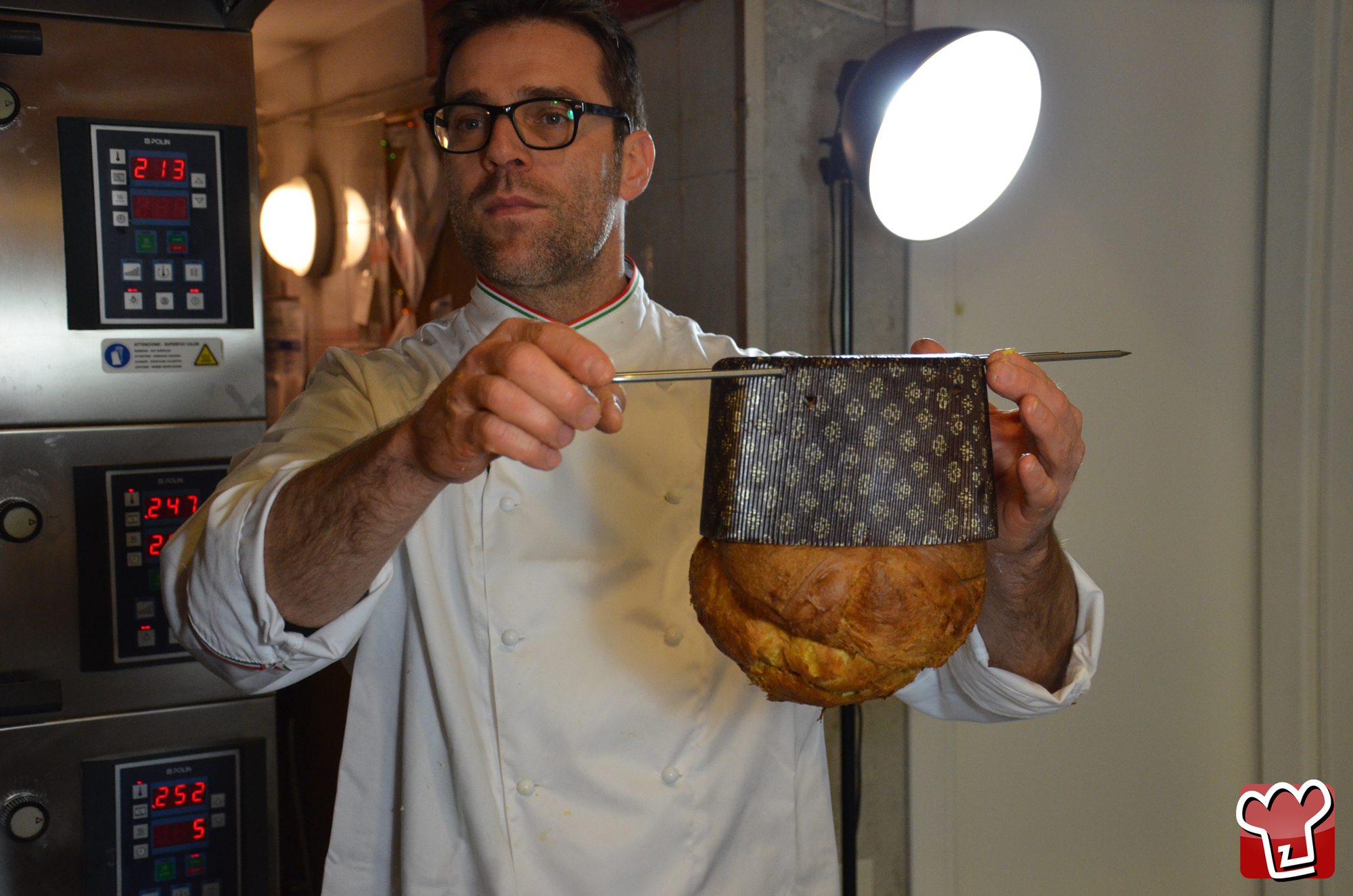
Clamp the panettone firmly and leave to rest upside down for 10 hours at room temperature
|
|
View the step by step
|
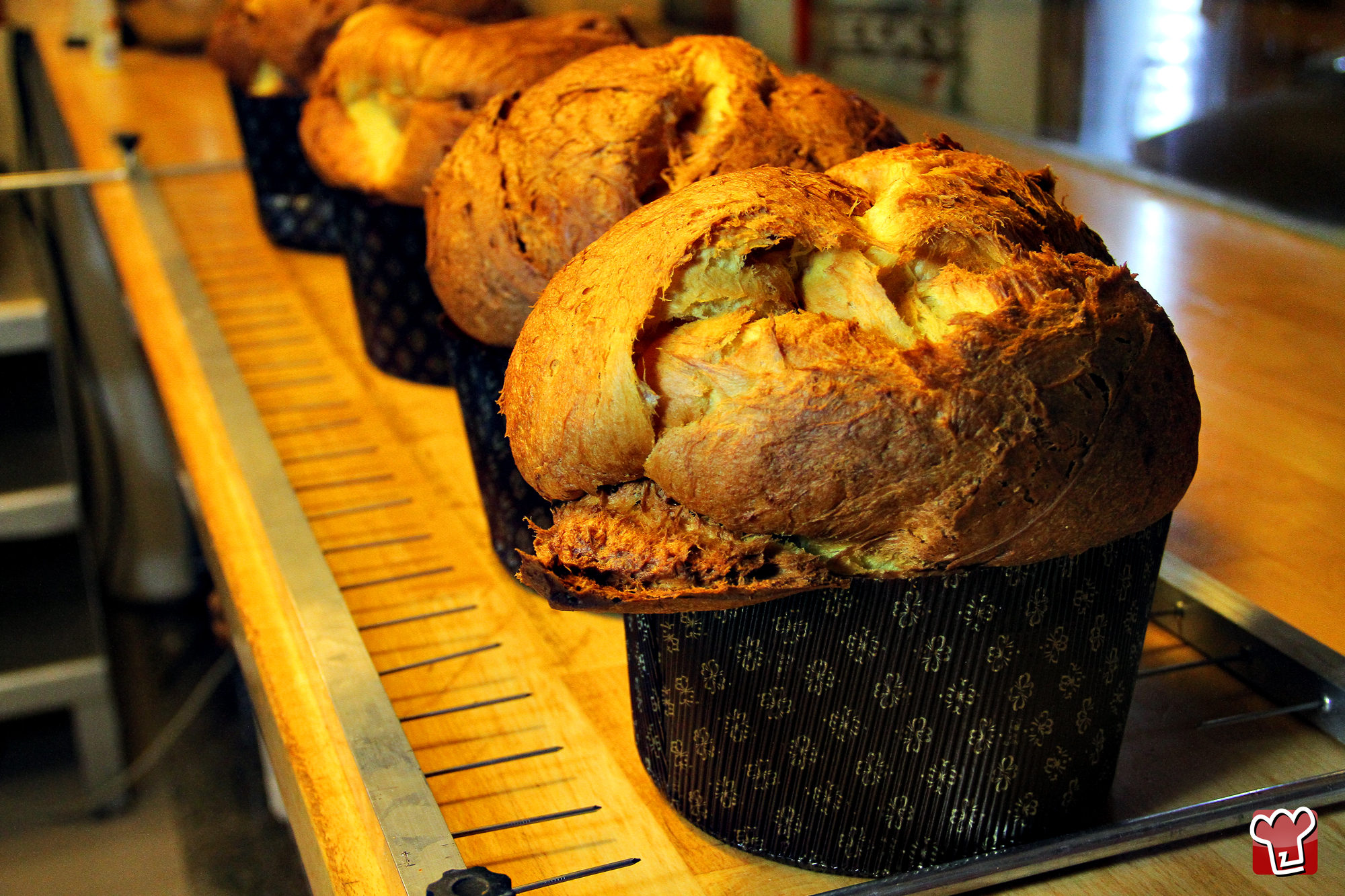
Here is the finished panettone in all its splendour
|
Additional information
Renato Bosco's Panettone with Pastry Cream
One of the most delicious variations of Renato Bosco's Panettone is certainly the Panettone with pastry cream. This preparation stands out for the addition of a rich pastry cream, which makes the dough even softer and moister. To make it, it is essential to follow the basic recipe, paying particular attention to incorporating the cream. During the mixing phase, the pastry cream should be added slowly, allowing the dough to absorb it completely without compromising its structure. This step is crucial to achieve a dessert that melts in your mouth, ideal for the Christmas holidays or for a special snack. Don't forget to decorate your Panettone with a dusting of powdered sugar for an elegant and tasty final touch.
Renato Bosco's Panettone in the Venetian Style
Renato Bosco's Panettone can be prepared according to the Venetian tradition, thus offering an authentic experience for those who love typical festive desserts. This variation is characterized by the use of local ingredients, such as orange zest, which gives the dessert an unmistakable aroma and flavor. The preparation remains faithful to the original recipe, but it can be enriched with the addition of raisins and candied fruits, making the panettone even more delicious. In Veneto, panettone is often served with a good sweet wine or sparkling wine, creating a perfect pairing for celebrations. Preparing Renato Bosco's Panettone in the Venetian style means bringing to the table a dessert that represents the warmth and tradition of this fascinating Italian region.
Renato Bosco's Light Panettone without Butter
For those who wish to enjoy Renato Bosco's Panettone without feeling weighed down, it is possible to make a light version without butter. By replacing butter with seed oil or Greek yogurt, a lighter dessert is obtained while still being rich in flavor. This variation is ideal for those following a more careful diet but who do not want to give up the pleasure of a good panettone during the holidays. The dough will remain soft and fragrant, thanks to the use of high-quality ingredients such as fresh eggs and selected flour. Remember to pay attention to the sugar amounts to keep the dessert balanced. This way, you can enjoy Renato Bosco's Panettone in a healthier version, without sacrificing taste.
Renato Bosco's Panettone: Benefits and Calories
Renato Bosco's Panettone, besides being a delicious dessert, also has some benefits. The main ingredients such as egg yolks and orange zest provide important nutrients. The yolks are rich in proteins and vitamins, while the orange zest offers natural antioxidants. However, it is important to consider the calories: a serving of panettone can contain about 350-400 calories, depending on the preparation and the ingredients used. Consuming Panettone in moderation, perhaps accompanied by tea or coffee, allows you to appreciate its flavor without overindulging. In this way, you can enjoy a traditional dessert while also bringing a bit of wellness to the table.
Can Renato Bosco's Panettone be Frozen?
Many wonder if it is possible to freeze Renato Bosco's Panettone. The answer is yes, it can be frozen to preserve its freshness and flavor. It is advisable to wrap the panettone in plastic wrap and place it in a suitable freezer bag. This way, it prevents it from absorbing unwanted odors or flavors. When you want to enjoy it, simply let it thaw at room temperature for a few hours, or it can be lightly warmed in the oven to restore its original consistency. Freezing the panettone is an excellent solution for those who wish to prepare it in advance and have it always ready for special occasions.