Radicchio lasagne
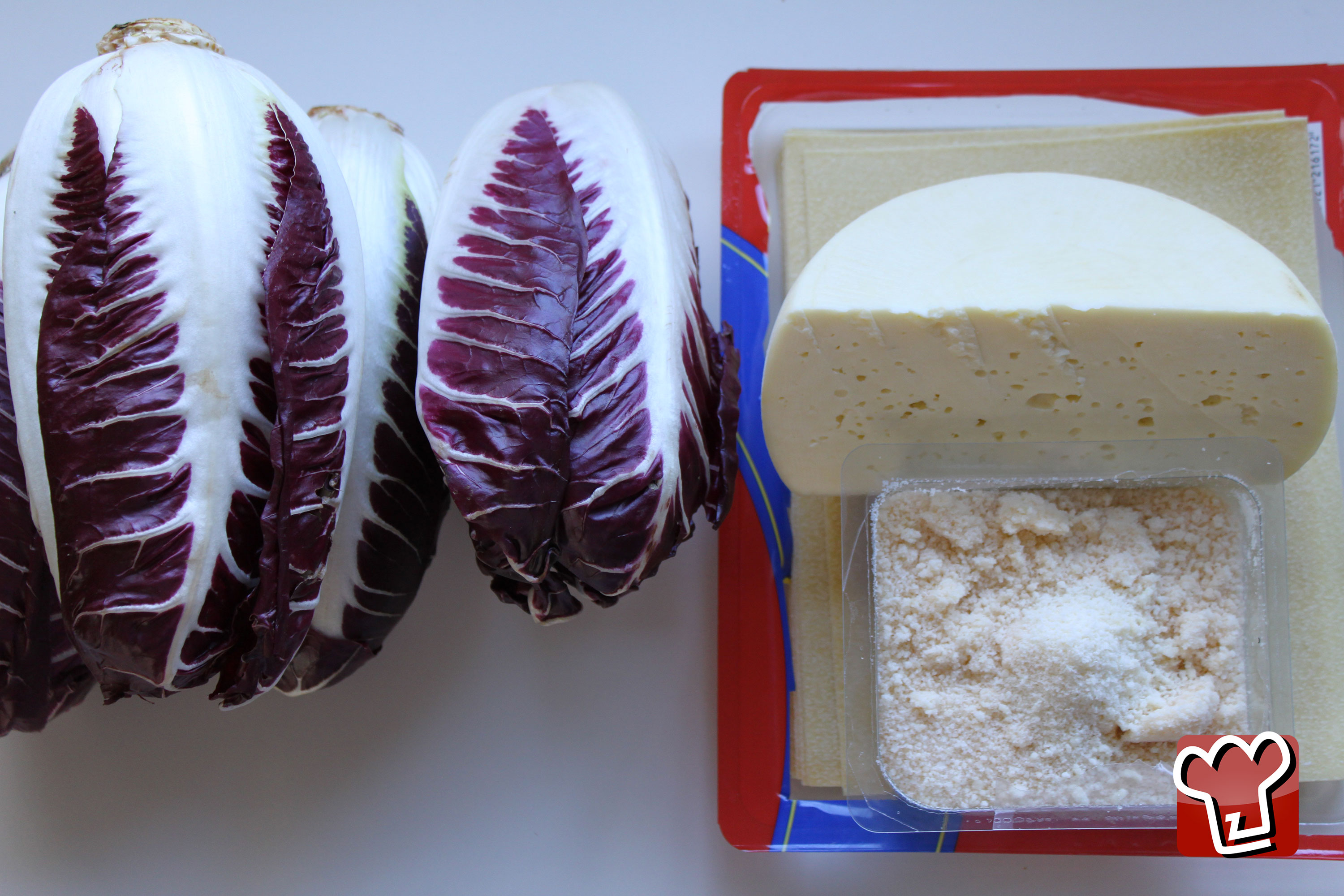
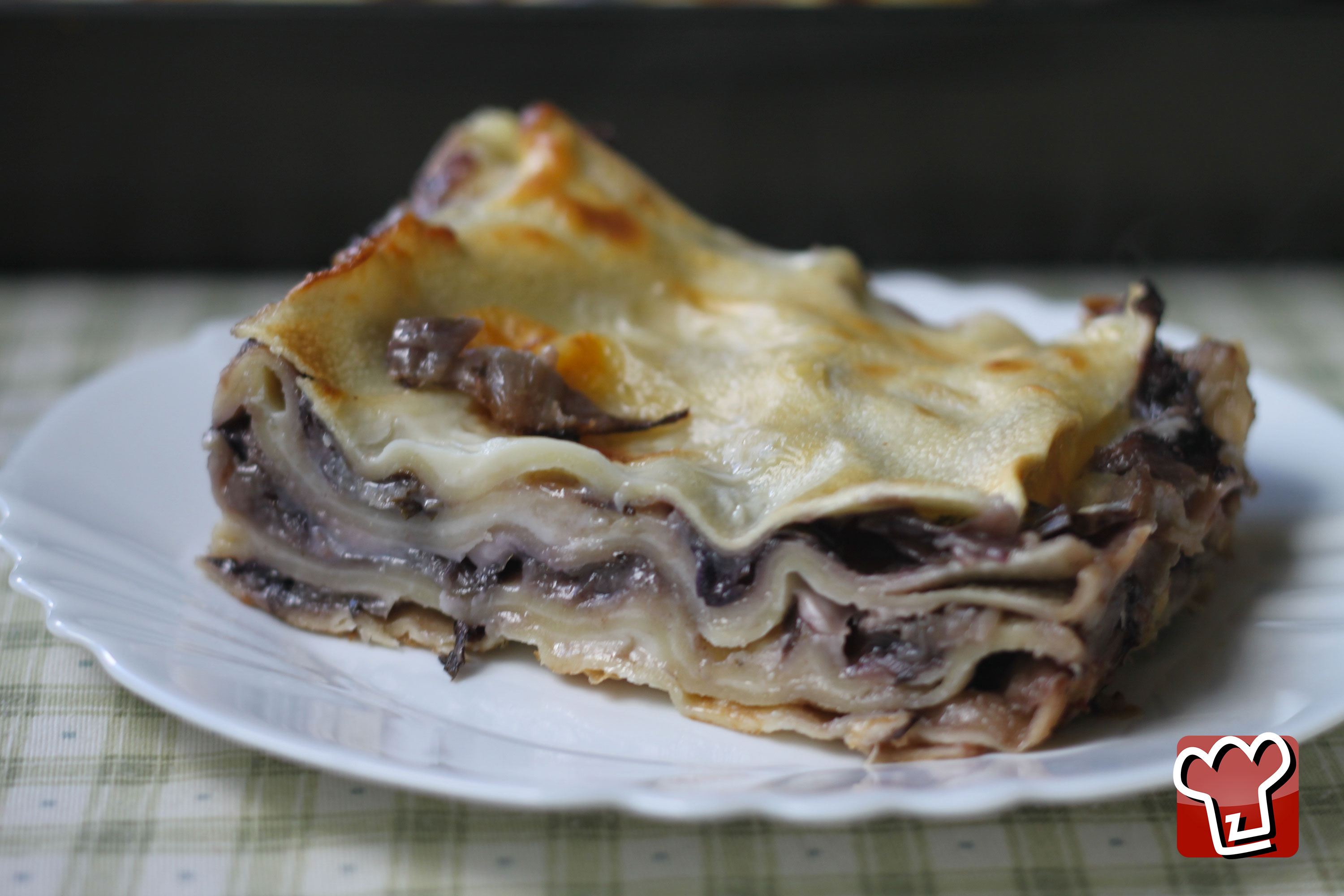
Radicchio lasagne is a Venetian specialty which is also much loved outside its region of origin. It’s a delicious, rich dish, always made in Italy with the Treviso radicchio sometimes known as ‘tardivo’. For those not familiar with radicchio, just bear in mind that the round, red varieties, namely those from Chioggia, are quite unsuitable for this dish. In the Veneto this dish is known as a ‘pasticcio’, although in the centre and south – and abroad – it would probably be called ‘lasagne’. We wanted to make it even more sumptuous with the addition of an extra layer of cheese. If you’re not vegetarian and love rather more intense flavours you could add bacon to the radicchio, thereby making it even more savoury and flavourful.
Ingredients
* approximate values per serving
Preparation
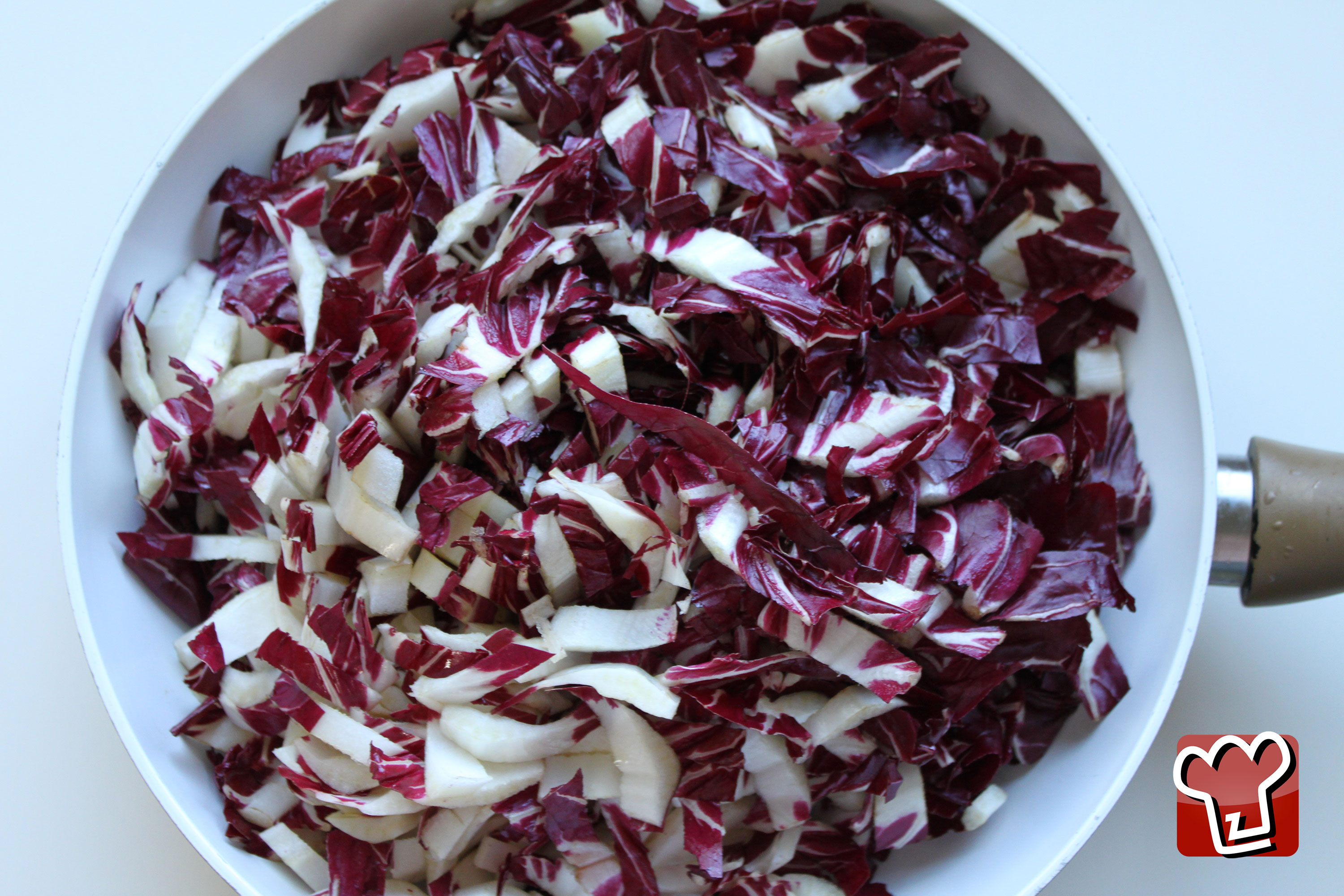
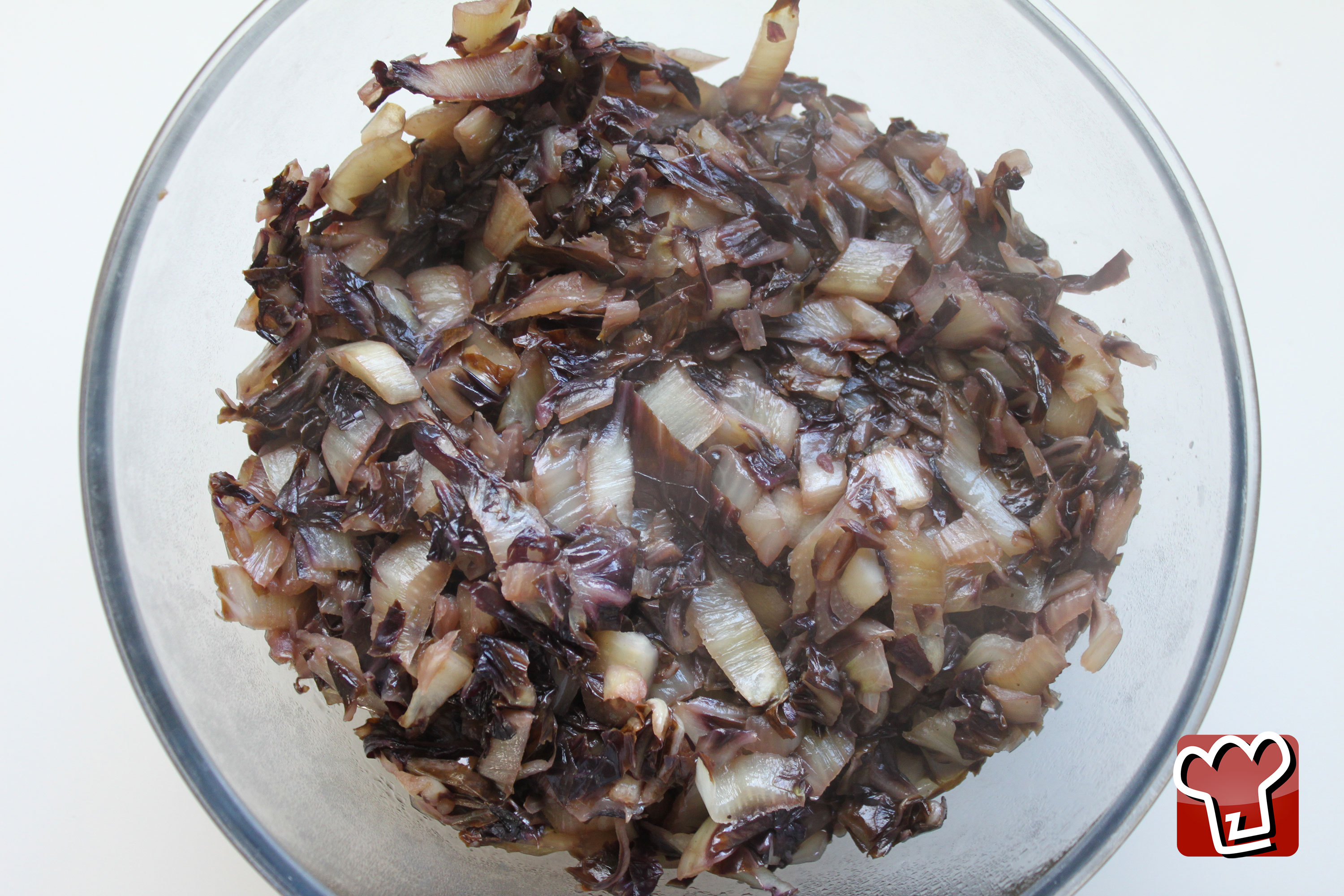
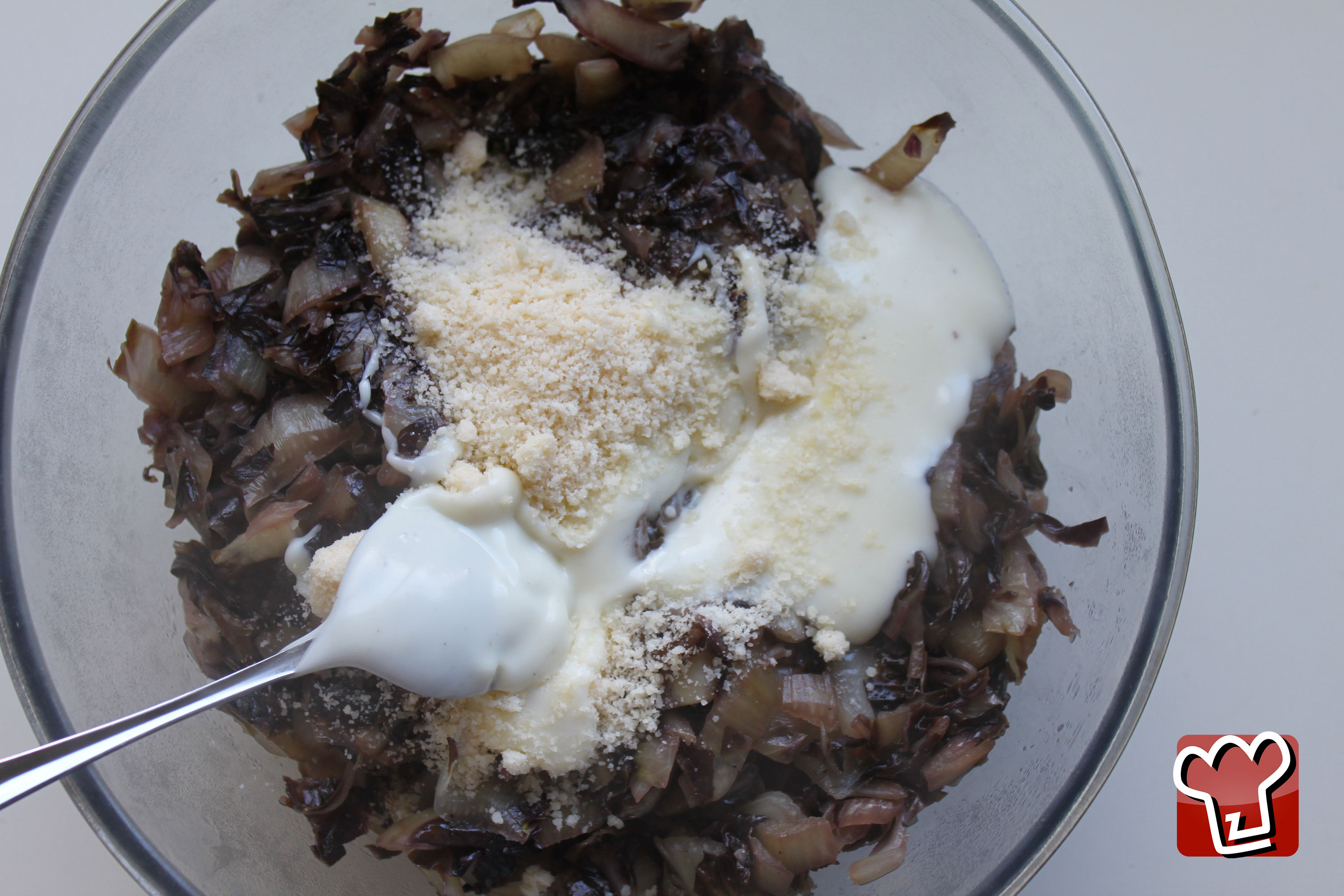
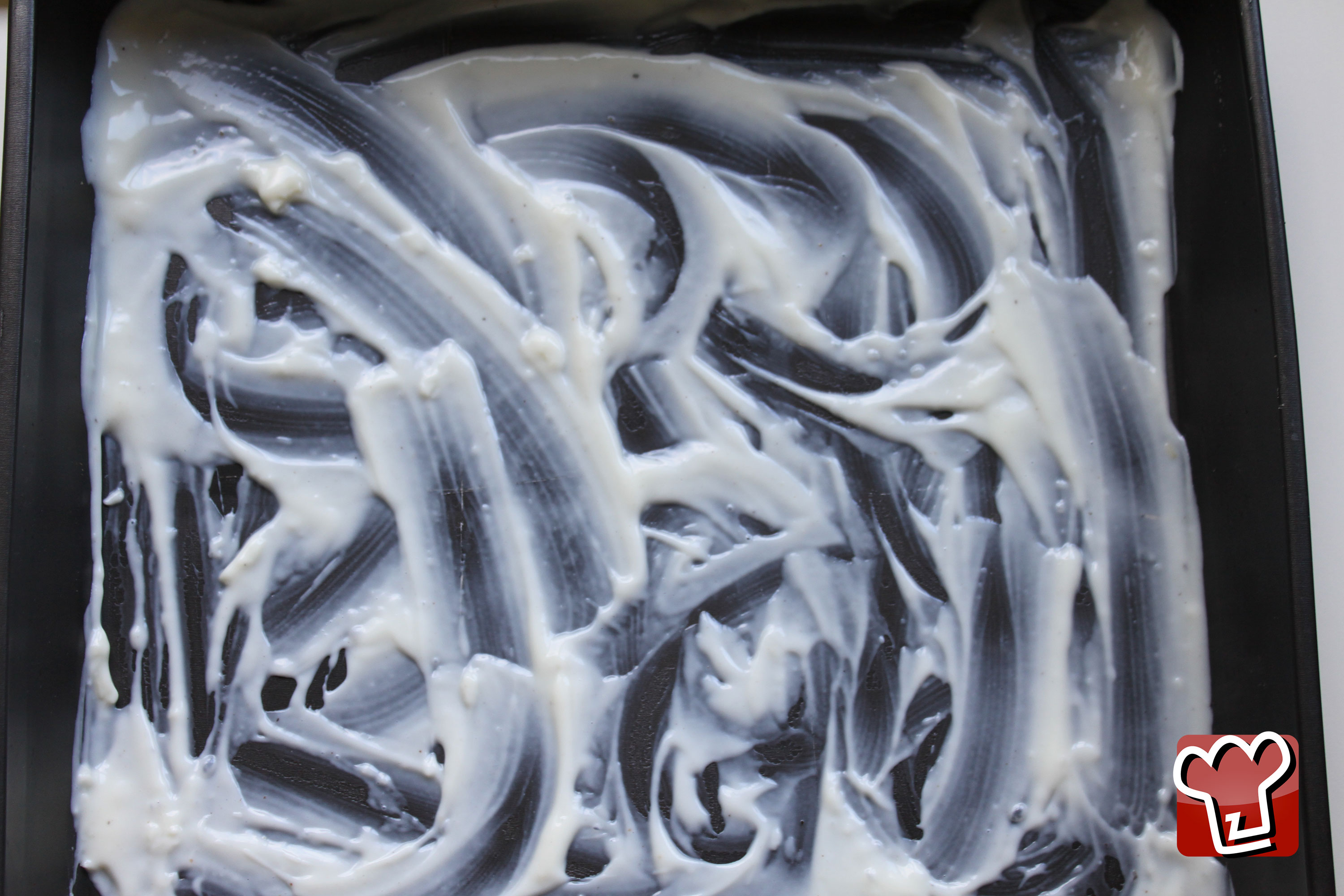
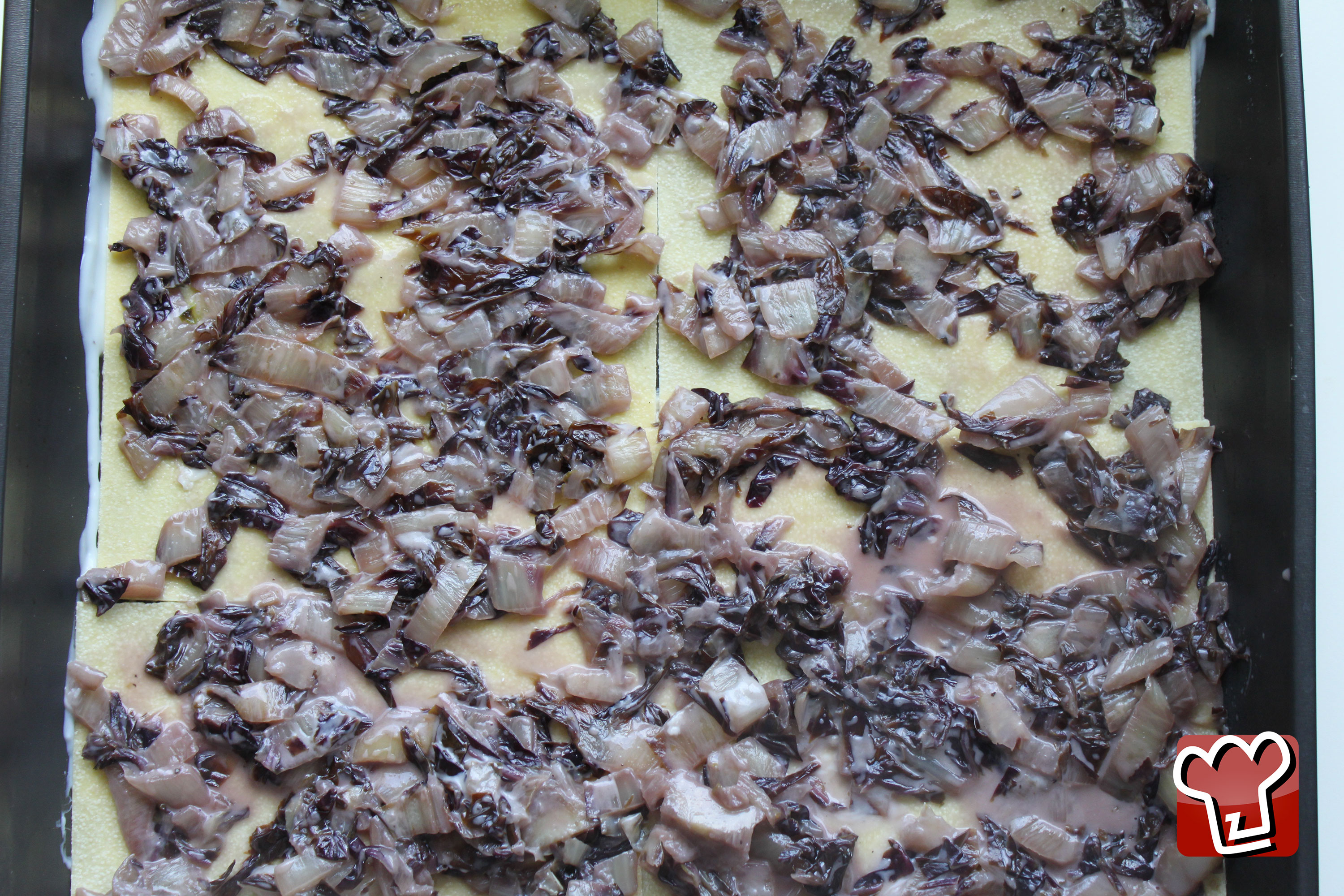
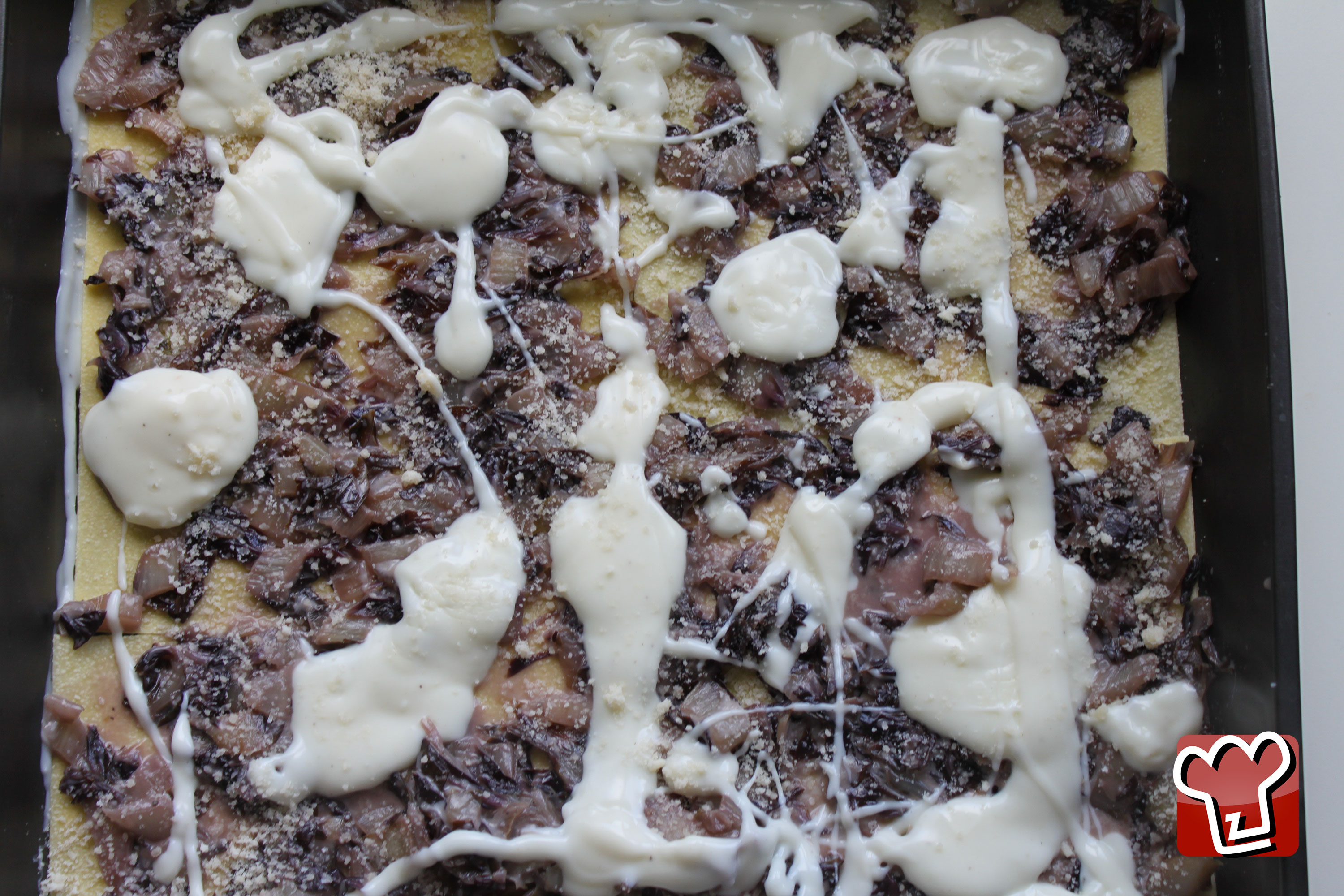
First wash the radicchio and cut it into strips. Heat the olive oil in a saucepan, fry the garlic in its skin and discard. Add the radicchio and some salt and pepper, then cover the pan and cook for 15 minutes. When the radicchio is ready, drain it well, squeezing as much of the moisture out as you can, and leave in warm place. At this point cook the lasagne sheets unless you have pre-cooked or fresh ones. Prepare the béchamel by dissolving the flour in milk, adding the salt, butter and nutmeg. Start putting the lasagne together. Take a baking dish, smear the bottom with a little béchamel and arrange a first layer of pasta, then add a layer of radicchio that you mixed with a generous grating of parmesan and a few tablespoons of béchamel; add more béchamel and sprinkle with grated cheese. Make a second layer with small pieces of cheese and a little béchamel sauce. Continue in this way until you have three layers. Now put the pan in the oven and bake at 200°C for 30 minutes.
Step by step
|
View the step by step
|
Cut the radicchio into strips
|
|
View the step by step
|
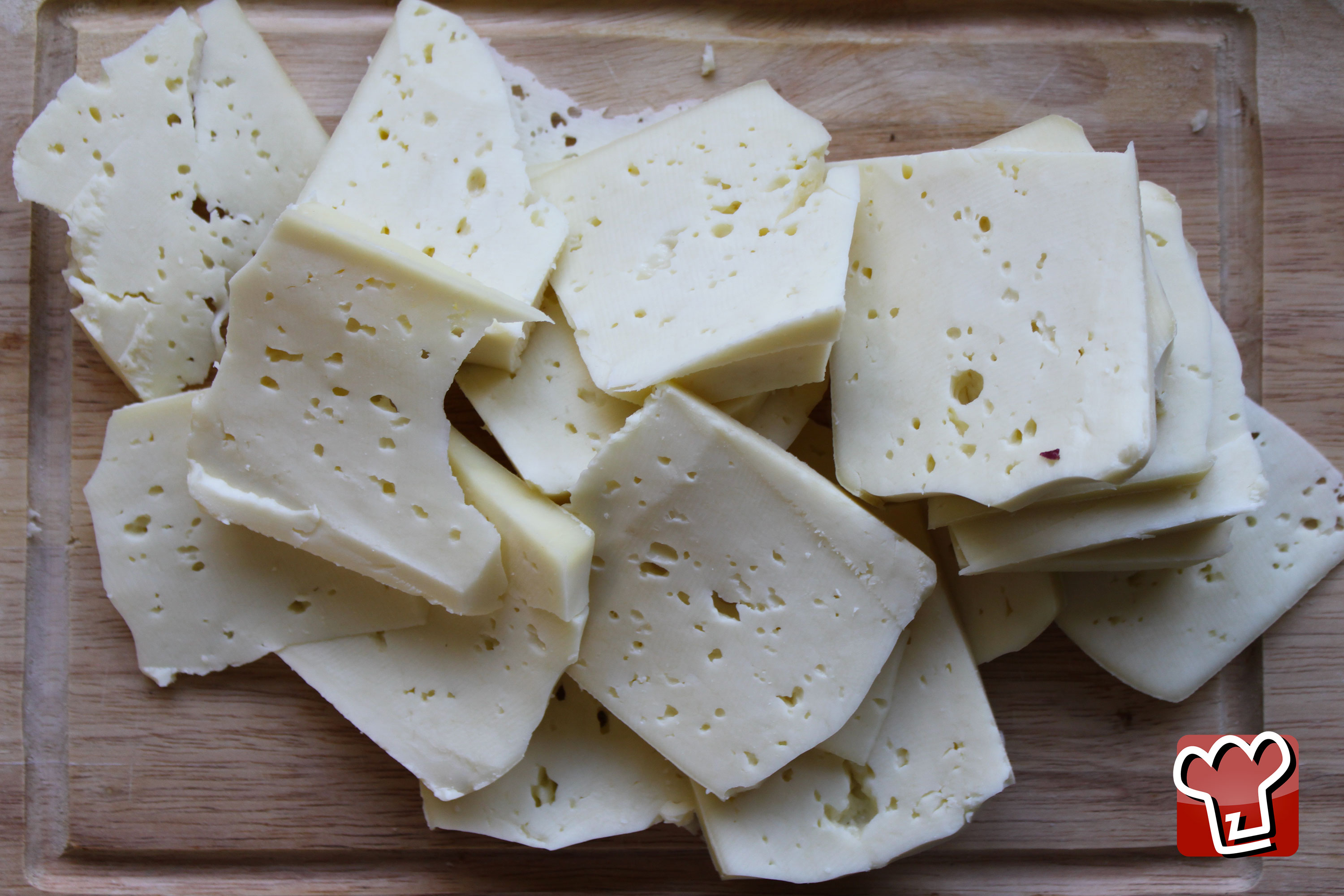
Slice up the cheese
|
|
View the step by step
|
Braise the radicchio with salt and pepper
|
|
View the step by step
|
Add a little parmesan and béchamel to the radicchio
|
|
View the step by step
|
Smear the base of a baking dish with some béchamel
|
|
View the step by step
|
Start to put the lasagne together by adding lasagne strips and radicchio
|
|
View the step by step
|
Add béchamel and parmesan
|
|
View the step by step
|
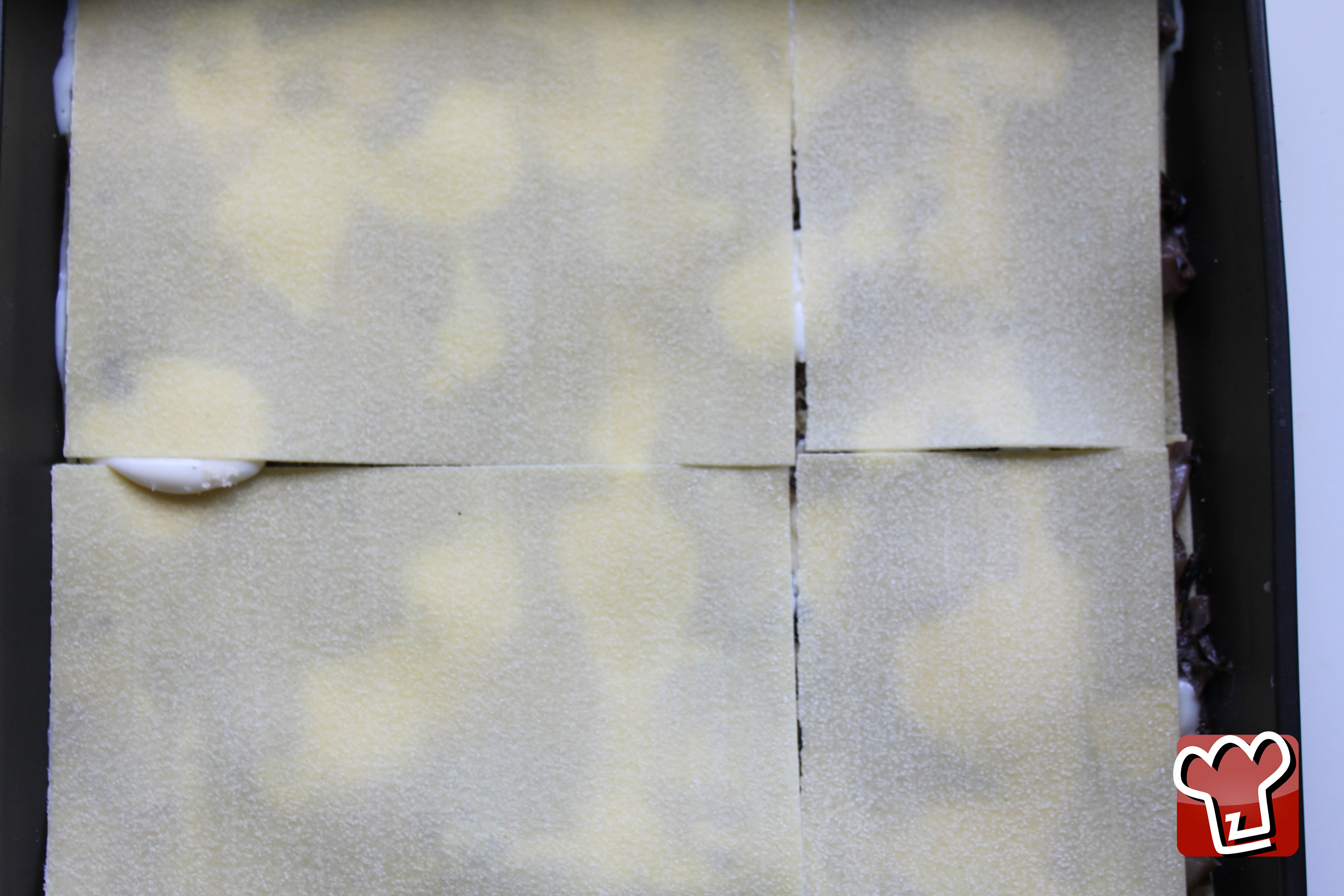
Add some more lasagne strips
|
|
View the step by step
|
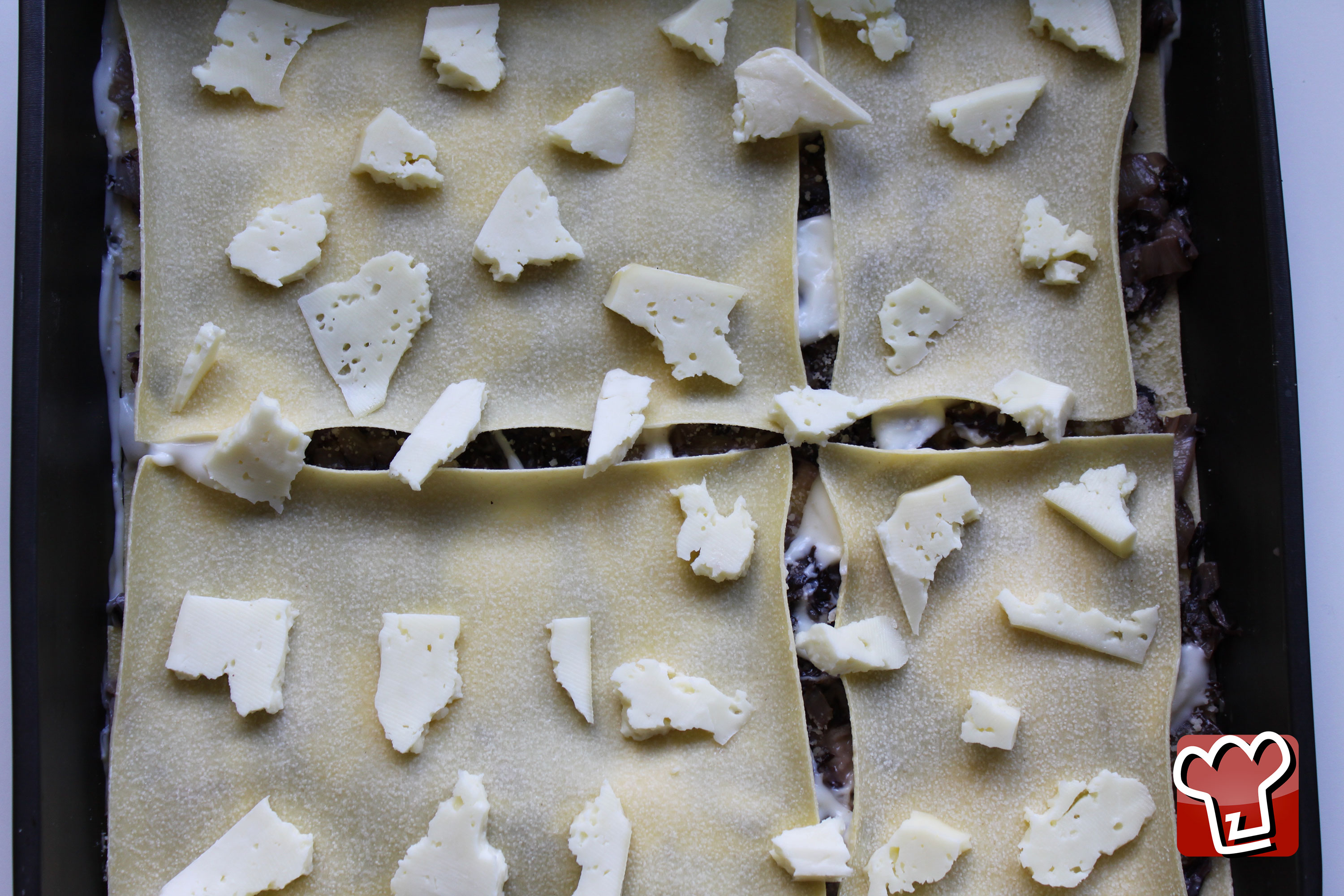
Add the cheese
|
|
View the step by step
|
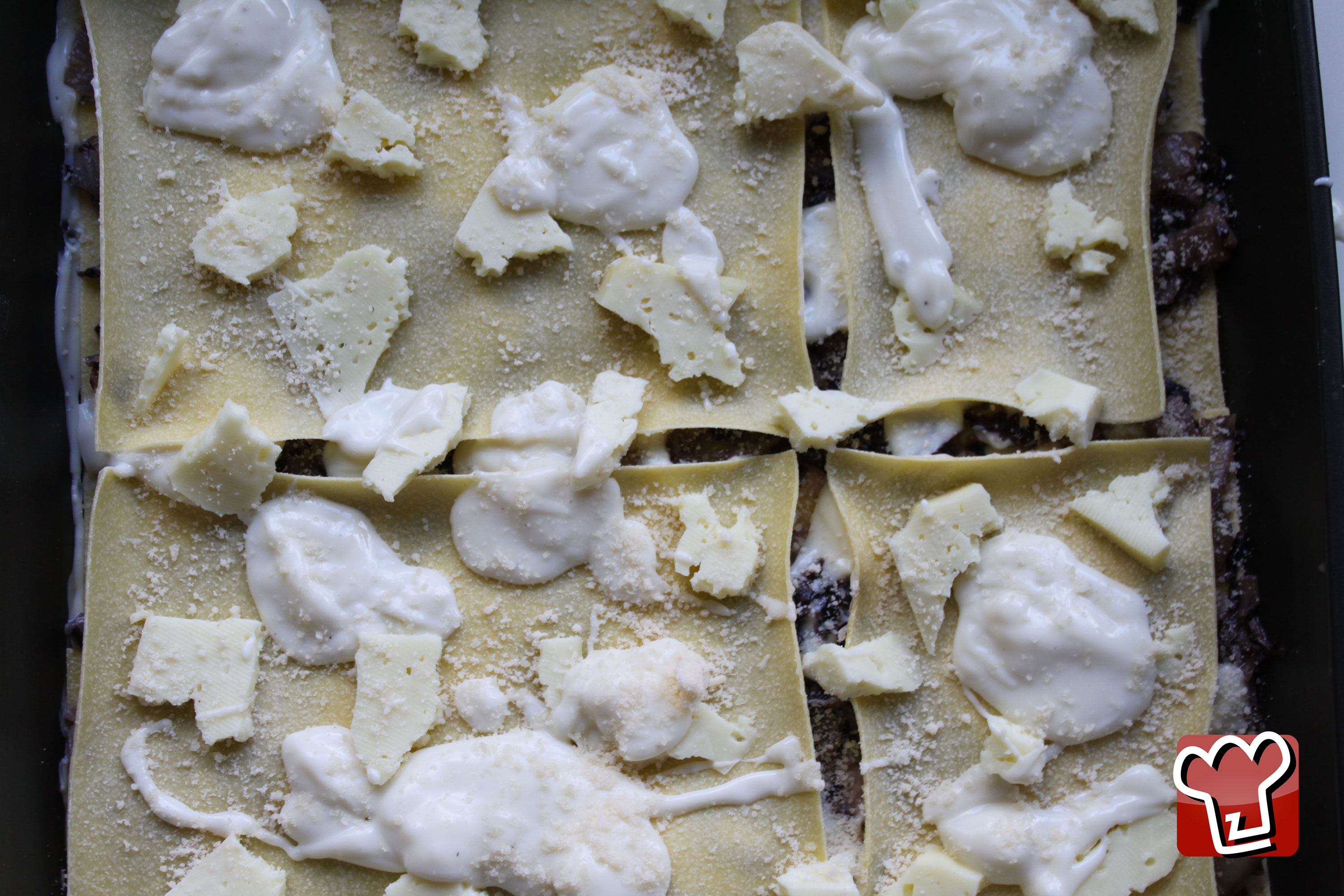
Add parmesan and béchamel
|
|
View the step by step
|
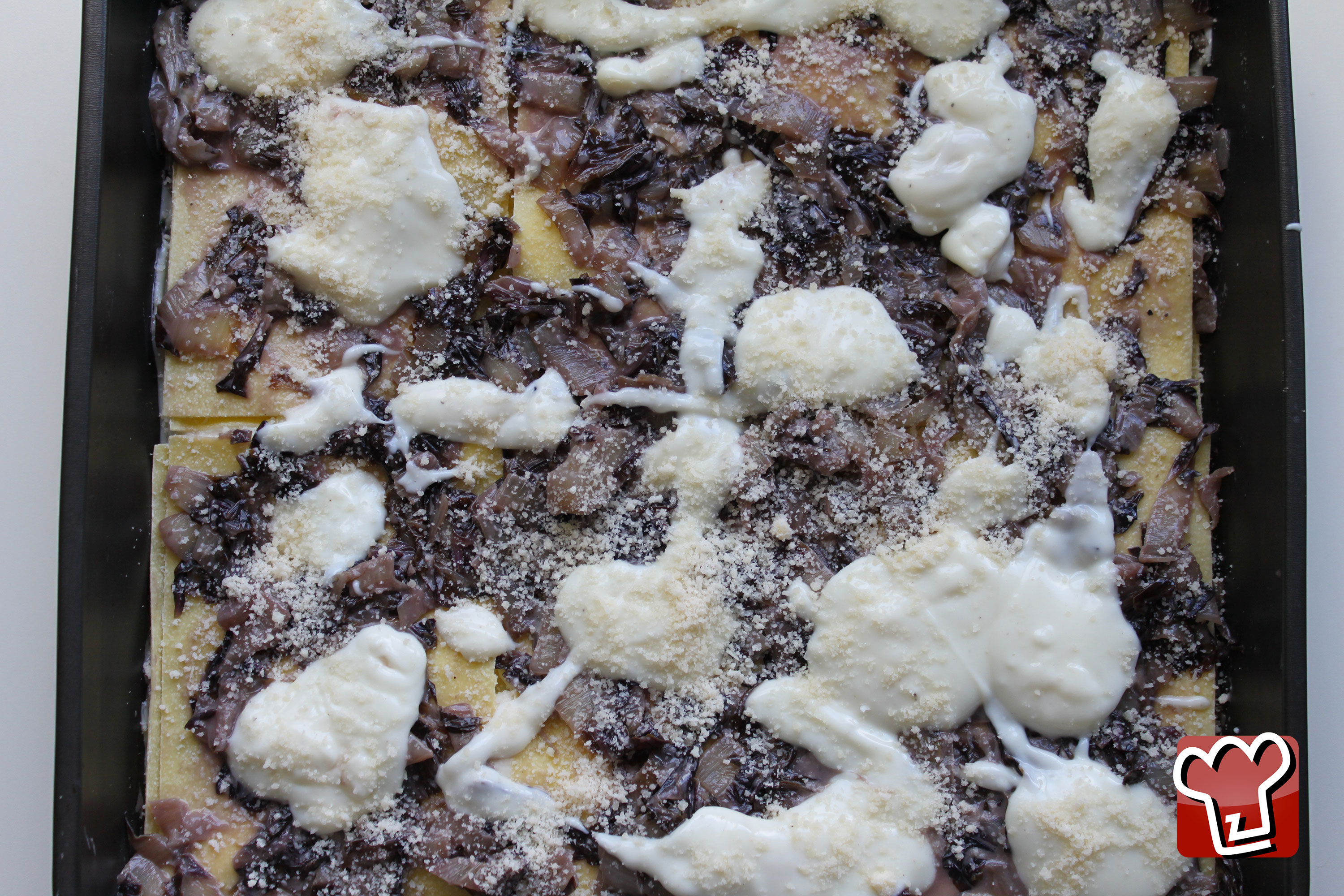
Proceed with the layering until you have used up all the ingredients
|
|
View the step by step
|
Bake and serve
|
Additional information
Radicchio and Speck Pie or Radicchio and Pancetta Pie
The radicchio and speck pie is a tasty and complete first course perfect for those who want to add an animal-based ingredient to the classic radicchio pie. In this sense, speck pairs very well with radicchio. To prepare the recipe, follow the instructions for the classic preparation (further up this page) but, between each layer, add the speck. We advise against adding long slices of speck or large pieces as you would then have difficulty cutting the pie. The recommendation is to have the speck sliced as thinly as possible and then cut it into strips. This way it will integrate perfectly into the pie, adding flavor and zest to the recipe. As an alternative to speck, you can also use pancetta, which you should have sliced not too thinly, and then you can add it in strips directly to the radicchio. Cooking the animal product together with the radicchio is a good idea if you like the fat from the pancetta or sausage to flavor and blend with the radicchio. If, however, you prefer to stick to lighter flavors, cook the pancetta or sausage separately and then drain the excess fat, as explained below.
Radicchio and Sausage Pie
The radicchio and sausage pie is another option for those who love to pair radicchio with another animal-based ingredient. You can ask your trusted butcher to provide you with freshly made sausage meat or, if they don't have it, ready-made sausages, from which you will then take off the casing. Do not make the mistake of simply slicing the sausage into the layers of the pie. We recommend crumbling the sausage in a pan, cooking it briefly, and draining the excess fat by tilting the pan after cooking. At this point, you can spread the sausage crumbs over the layers of the pie, alternating them with the radicchio.
Radicchio and Gorgonzola Pie (or Radicchio and Cheese Pie)
Those who do not love animal products may consider pairing radicchio with gorgonzola. The combination is winning and certainly appreciated. To achieve a good radicchio and gorgonzola pie, we recommend measuring the quantities of ingredients well: too much gorgonzola would become overpowering! Our advice is to use sweet gorgonzola, the spoonable kind. The more flavorful and "green" gorgonzola would be too overpowering for the pairing, and the final dish would be "heavy" on the palate. Similarly, you can use another type of cheese of your choice. Among the most popular cheeses are scamorza (both sweet and savory) and taleggio. The radicchio and taleggio pie is definitely tasty and flavorful and usually meets the taste of all diners. If you have various cheese leftovers in the fridge (asiago, scamorza, bel paese, caciotta), you can also take the opportunity to use up the cheeses and create a decidedly delicious pie.
Chioggia Radicchio Pie
It is not necessary for the radicchio pie to be made with Treviso radicchio. Chioggia radicchio also lends itself very well to being the star of a nice homemade pie made properly. If you have found good Chioggia radicchio, fresh, red, and compact, take advantage of it and follow the recipe proposed above, simply using the radicchio you have at home. You can also use half Chioggia radicchio and half Treviso radicchio.
Radicchio and Pumpkin Pie
The radicchio and pumpkin pie is definitely something original. Pumpkin does not have an overpowering flavor but is always appreciated for the creaminess it can impart to the dish. Naturally, you will need to cook it first, separately, preferably in the oven. If you decide to boil it, it would absorb a lot of water, and then you would need to strain it to eliminate the excess liquid. Otherwise, the pie could become watery! Baking in the oven, on the other hand, softens the pumpkin, preserves its creaminess, but does not make it watery.
Radicchio Pie without Bechamel
The radicchio pie without bechamel is a good idea for those who wish to avoid excess fats or simply do not like bechamel. In this case, our advice is to use a cheese of your choice - mozzarella works well too - to still make your pie creamy and stringy.
Radicchio and Cooked Ham Pie
We conclude the overview of the variations of radicchio pie by mentioning the variant with cooked ham. Cooked ham is always appreciated by children and adds that touch of sweetness that may be lacking in radicchio. We recommend using lean cooked ham and having it cut not too thinly, so that its flavor and texture do not get lost during cooking.