Roman green, leafy salad
Cookery is often like a journey rediscovering the specific and peculiar flavours of traditional recipes or regional dishes, often well suited as an accompaniment to more substantial dishes: today we suggest a Roman-style bitter leaf salad. Distinguished by their freshness and simplicity, the Italian bitter salad leaves are favoured especially in the traditional cuisine of Lazio and Campania: made simply, and raw, they are for just this reason ideal for providing a touch of lightness to lunch or dinner. With this dish you will also be reviving the flavours of a recipe that has its roots deep in the culinary heritage of the Italian countryside, adding to the bitterness of the salad leaves some extra depth from the garlic and anchovy. To avoid any mistakes, and thus making sure you serve something tasty and crispy to your guests, follow our recipe carefully!
Ingredients
Chicory and Anchovies: A Fresh Encounter
Chicory, with its delightful crunch, pairs beautifully with Apulian anchovies, a quality ingredient that enhances the dish with its intense flavor. This combination highlights the freshness of the vegetables, creating the perfect backdrop for an appetizer that embraces the simplicity and goodness of tradition.
* approximate values per serving
Preparation
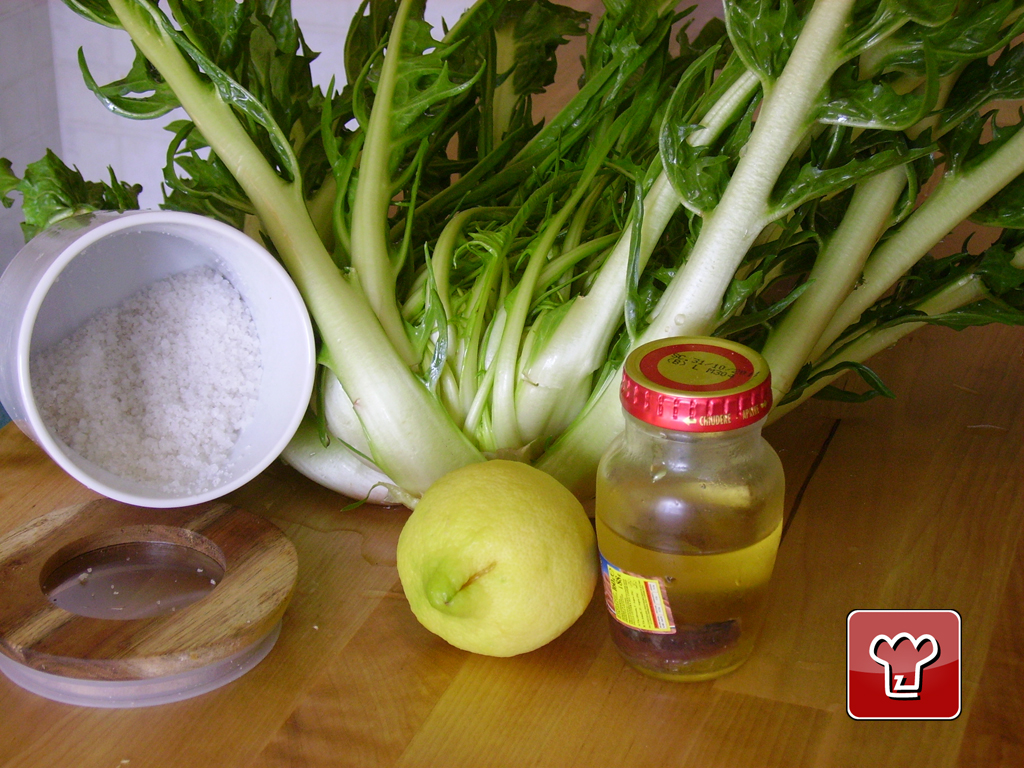
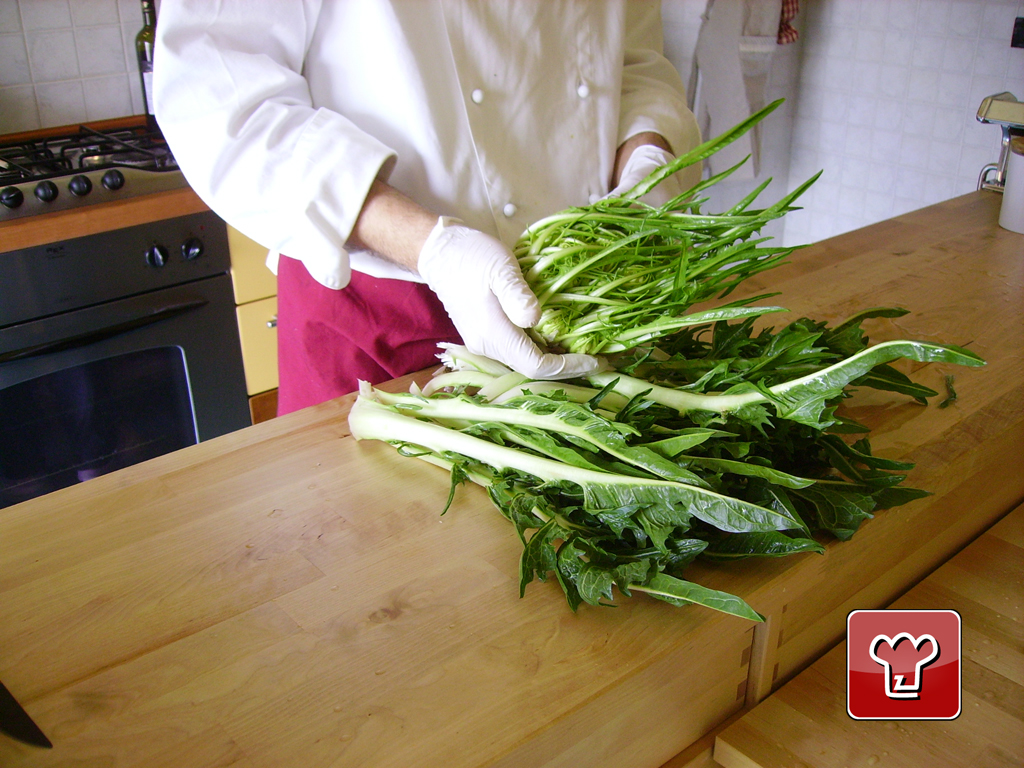
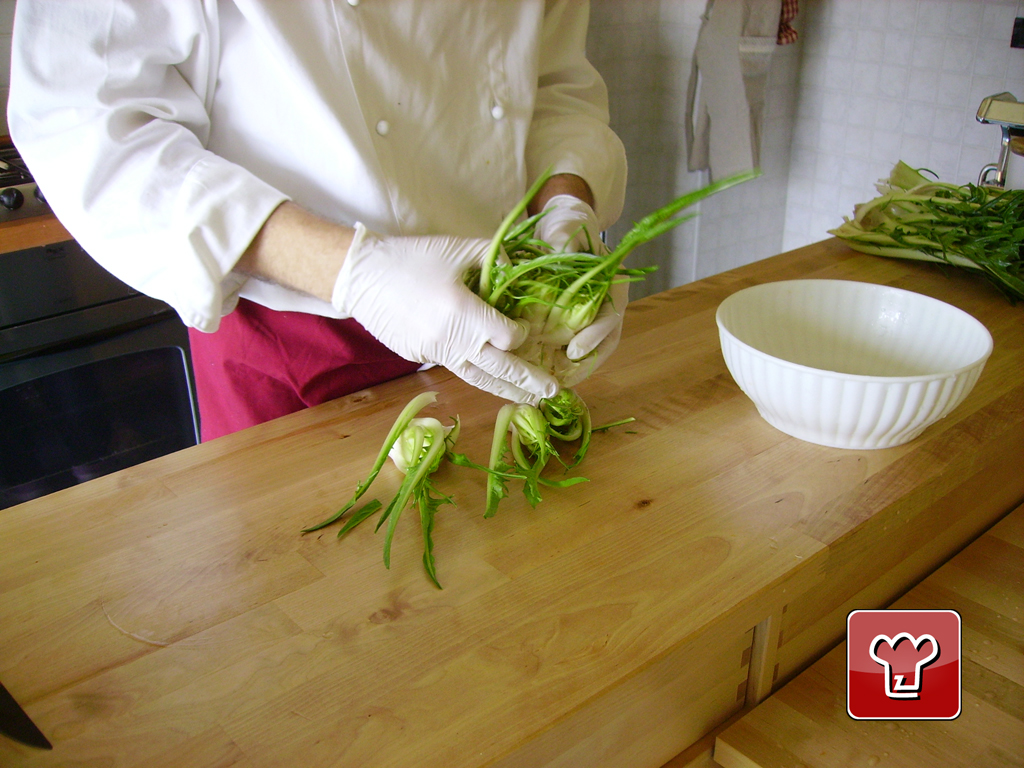
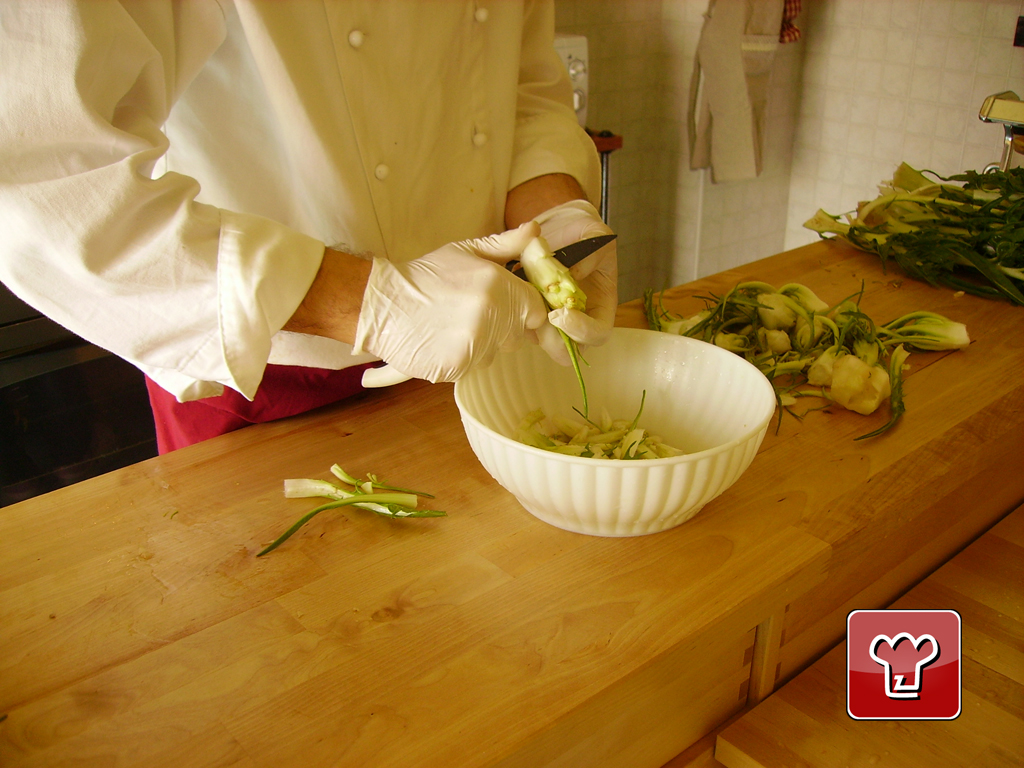
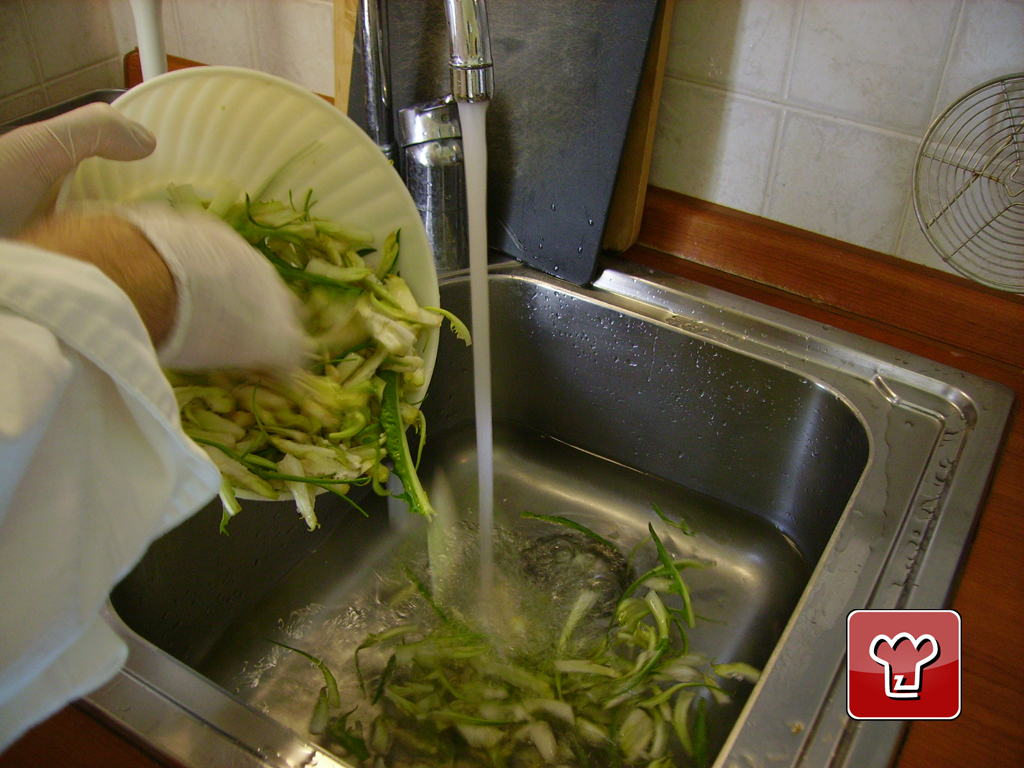
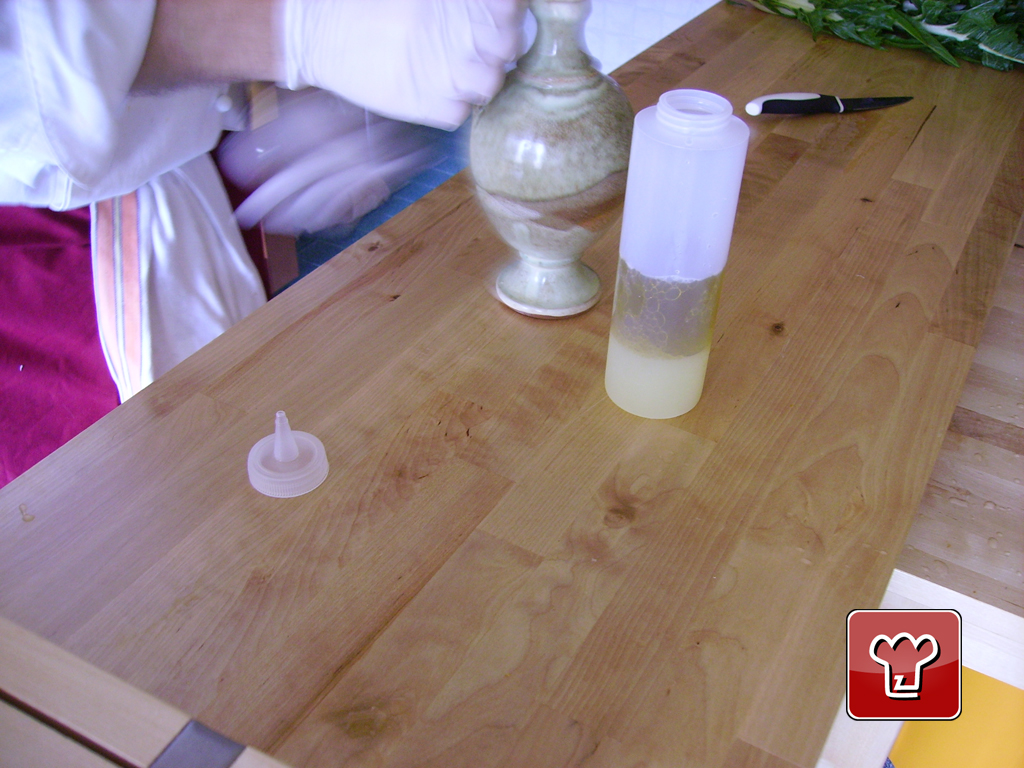
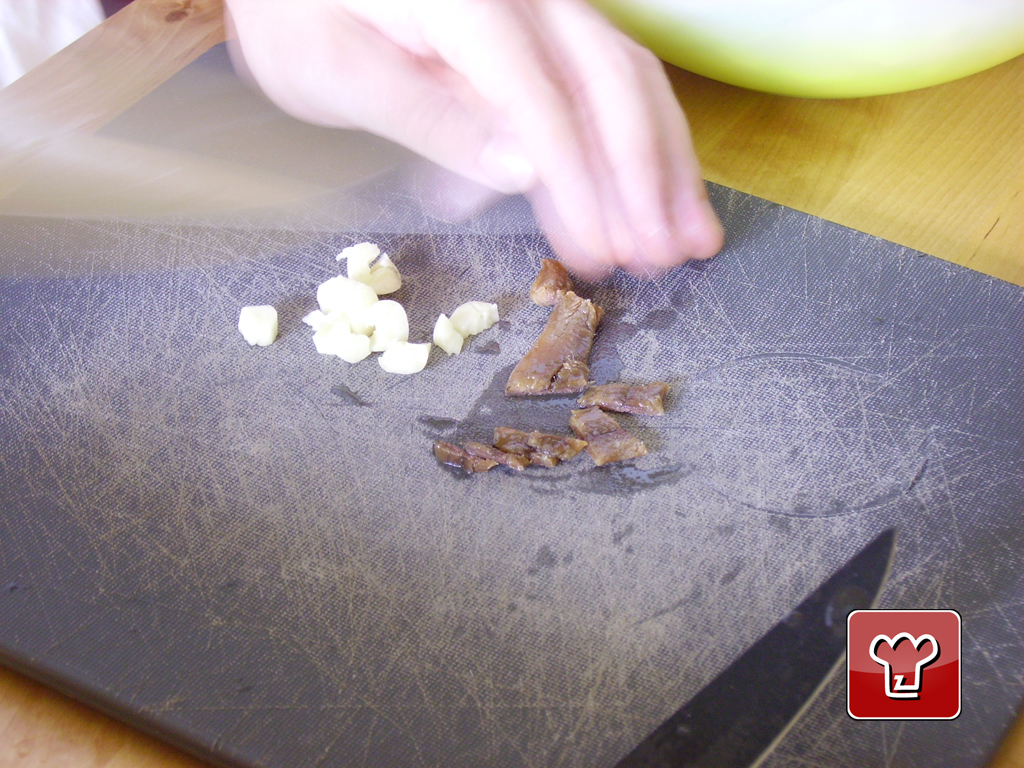
Prepare the salad leaves by removing all the external stems (the longer ones), but don’t throw them away! It would be a waste: they are very good sautéed with a little garlic and chilli. But that's another story, back to the current recipe: now you should have in your hand the heart of the salad leaf plant. Remove them one by one from the base and rinse under running water. Now cut them into vertical strips, leaving out the toughest part near the base. Fill the sink with cold water and leave to soak for ten minutes so that the cold water firms up the stems. In fact, the salad leaves harvested between January and February are longer and, according to tradition, the skins should be removed so that the cold water curls them. But I prefer not to remove the skin because I like the texture and taste. Do as you prefer! Now prepare the unsalted dressing, mixing oil and lemon juice (I usually use the "bottles" that you see in the picture gallery, which are really practical both for emulsifying and for pouring the dressing). Coarsely chop the garlic and anchovy. Remove the salad leaves from the water and dry in a salad spinner. Dress the salad leaves with the chopped anchovy and garlic, the lemon dressing, and salt to taste.
Step by step
|
View the step by step
|
Remover the leaves from the head; keep aside to boil another time
|
|
View the step by step
|
Separate the tender parts of the vegetable
|
|
View the step by step
|
Slice the veg stalks vertically
|
|
View the step by step
|
Soak the veg in iced water so that they stiffen
|
|
View the step by step
|
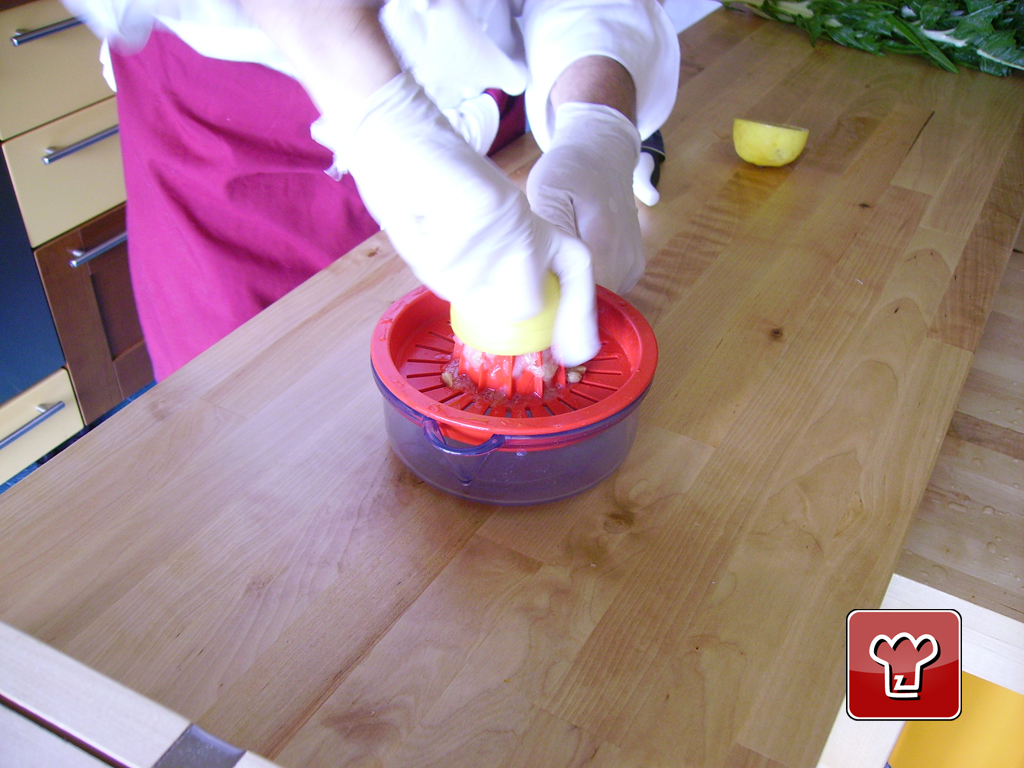
Squeeze the juice from a lemon
|
|
View the step by step
|
Prepare a dressing, using equal parts lemon juice and extra virgin olive oil
|
|
View the step by step
|
Finely chop the garlic and anchovy for dressing the salad leaves
|
|
View the step by step
|
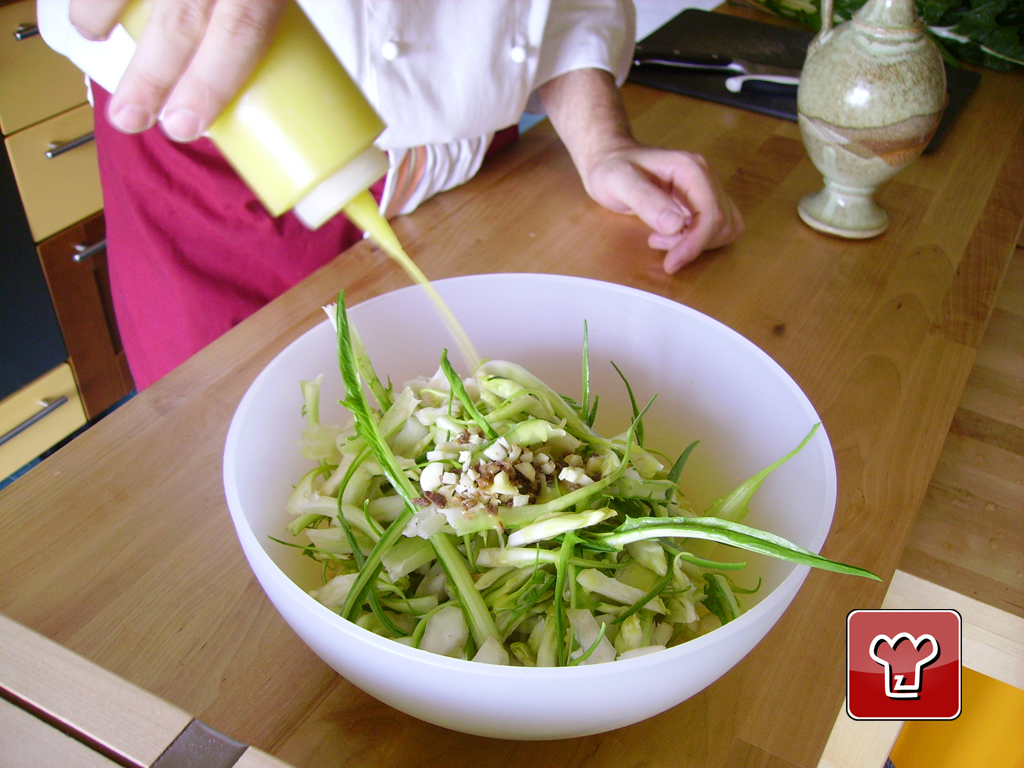
Dress the salad leaves with the lemon dressing, garlic, anchovy, and salt
|
|
View the step by step
|
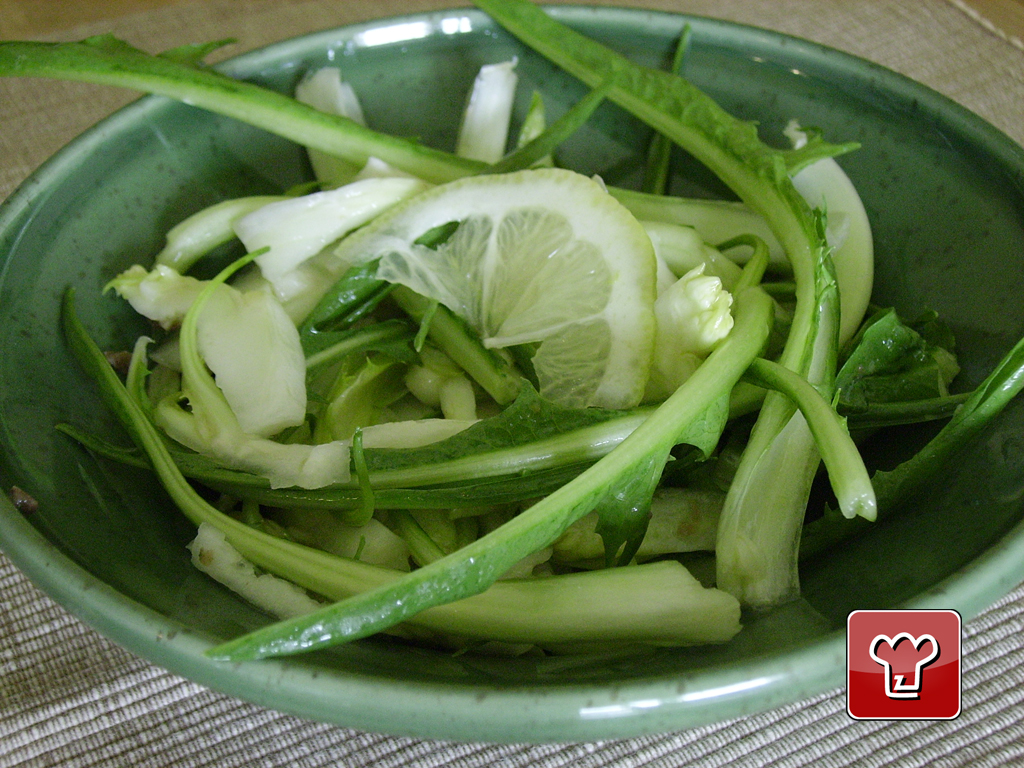
This really healthy and tasty side dish is ready
|
Additional information
Roman Puntarelle what they are
The puntarelle are the central inflorescences of the catalogna chicory plant. The plant consists of a heart made up of dense inflorescences and, around it, long, serrated green leaves with a robust white rib. The central shoots are called "talli" and vaguely resemble asparagus. You may wonder why sometimes the catalogna chicory consists only of leaves and other times it has a dense heart of shoots. It depends on the timing of the harvest. When the chicory is about to flower, it produces the shoots.
Puntarelle can be consumed both cooked and raw: when raw, they have a crunchy texture and a fresh taste in the mouth, with a slight bitter aftertaste. Puntarelle have been known to humans since time immemorial: think that even the Roman author Pliny mentions them in one of his writings! The Greek physician Galen, who lived in the second century AD, recommended enjoying them as a remedy for liver ailments.
Today, Roman puntarelle are widespread throughout Italy. They are particularly typical of Lazio, Campania, and Puglia. The vegetable from which they are derived is not always the same: as mentioned, in most cases, puntarelle come from catalogna chicory or Gaeta chicory, but in Puglia, for example, there are two other varieties of chicory that give rise to tasty sprouts: Molfetta chicory and Galatina chicory. In such cases, the sprouts are less elongated and more compact, but the flavor is still more or less the same.
Roman puntarelle recipes
Whatever type of puntarella you have on hand, know that you can enjoy it raw, very simply. All you need to do is separate the shoots and enjoy them one by one, even unseasoned. Alternatively, you can cut them in half or quarters and add some fresh fennel, creating a nice salad to dress with oil, salt, and vinegar. Puntarelle are also good when cooked: to cook them, cut them in half (or leave them whole if they are small) and simply blanch them in a little water. Alternatively, you can cook them in a little water with fennel or artichoke, adding, if desired, a bit of white onion.
Cooked Roman puntarelle, how to make
Roman puntarelle season
The season for Roman puntarelle is winter: they are available from October to April, after which they make way for other vegetables. Many people who particularly love them freeze them to have them available all year round.
Do you want to know everything about puntarelle? Read here.