Kept only on this device, in your browser.
Kept only on this device, in your browser.
The Spanish Cake presents itself as an enveloping sweetness, capable of capturing attention with its soft texture and the delicate flavor of potatoes, an ingredient that, although it may seem unusual in a dessert, provides a unique creaminess and natural sweetness. This dish is a true specialty of Spanish tradition, where the combination of potatoes, sugar, and eggs creates a light cake, perfect for those who love desserts that are not overly sweet. The preparation begins with cooking the potatoes, which are then mashed and combined with a mixture of egg yolks and grated lemon zest, a touch of freshness that perfectly balances the richness of the other ingredients. The addition of beaten egg whites makes the cake even airier, resulting in a dessert that melts in your mouth. This dessert finds its ideal place during family snacks or as a sweet ending to special meals, where it can be accompanied by fresh fruit or dusted with powdered sugar for a touch of elegance. Although the traditional recipe may vary slightly from one region to another, the Spanish Cake remains a symbol of conviviality and simplicity, perfect for a dinner among friends or a festive lunch. Its versatility also makes it suitable as a recovery dessert, an ingenious way to use ingredients that might otherwise go to waste. With its enveloping aroma and unique flavor, this cake is destined to win the hearts of all, making it appreciated on every occasion.
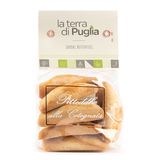 Pitteddhe with quince
Filled pastries
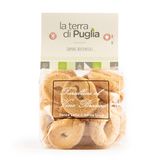 White wine taralli
Sweet baked taralli
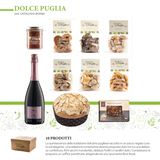 Sweet Gift Basket
Gift hamper of Apulian products
 Sponsor · la terra di Puglia
* approximate values per serving
Boil the potatoes. When they are cooked, pass them through a potato ricer and let them cool slightly. In a bowl, beat the sugar with the egg yolks and the grated lemon zest. Add the mashed potatoes, mix well, gently fold in the stiffly beaten egg whites, and pour everything into a well-buttered cake pan. Bake at 180 degrees Celsius. After fifteen minutes, sprinkle the chopped dried fruit on the surface (to taste; I add walnuts, almonds, and a bit of pine nuts) and continue baking until the classic toothpick comes out dry. Let it cool, dust with powdered sugar.
One of the tastiest variations of the Spanish Cake is definitely the one with potatoes and dried fruit. In this preparation, the potatoes not only provide a soft and moist texture to the cake but also pair perfectly with the crunchiness of the dried fruit. To prepare this variation, follow the basic recipe, but pay special attention to the choice of dried fruit: walnuts, almonds, and hazelnuts are excellent combinations. You can also try toasting the dried fruit before adding it on top for an even more intense flavor. This cake is perfect for a snack or as a dessert after a meal, and it is also well-suited to be served on festive occasions. The sweetness of the potatoes beautifully complements the slight citrus flavor of the lemon, creating a truly interesting balance of flavors.
The Spanish Cake Spanish Style is a preparation that enhances the traditional flavors of Iberian cuisine. Using fresh ingredients like eggs and lemon, this variation represents a simple and delicious way to enjoy a typical dessert. The combination of whipped egg yolks with sugar and grated lemon zest gives the cake a note of freshness that contrasts splendidly with the texture of the potatoes. Additionally, if you want to add an extra touch, you can include a bit of ground cinnamon in the batter. This cake is ideal for those who love light desserts but rich in flavor, and it is also well-suited for being served on special occasions. Baking at 180 degrees allows for a golden and inviting surface, perfect for being dusted with powdered sugar before serving.
For those who desire a lighter version of the Spanish Cake, it is possible to prepare a variant without refined sugar. By using natural sweeteners like honey or agave syrup, you can reduce calories without compromising flavor. The potatoes, rich in complex carbohydrates, provide a natural sweetness that pairs well with the freshness of the lemon. It is advisable to whip the egg whites until stiff peaks form to maintain the lightness of the cake, making it ideal for those following a balanced diet. This preparation is perfect for those who want to enjoy a sweetness without guilt while still maintaining a good nutrient intake. Moreover, the final result will be a soft and fragrant cake, suitable for those looking for a healthier alternative without sacrificing taste.
Potatoes are the main ingredient in the Spanish Cake and offer numerous nutritional benefits. Rich in vitamins, minerals, and fiber, potatoes contribute to a balanced diet. In particular, they are a good source of vitamin C, which helps strengthen the immune system, and potassium, which is beneficial for heart health. Additionally, due to their consistency, potatoes allow for moist and soft cakes, reducing the need for additional fats. For each serving of Spanish Cake, approximately 200-250 calories can be estimated, depending on the ingredients used. This makes the cake a lighter choice compared to other richer and more caloric preparations, perfect for those looking for a tasty dessert that is not excessively caloric.
A common question concerns the preservation of the Spanish Cake: can it be frozen? The answer is yes, this cake can be frozen without any problems. It is advisable to do so once it has completely cooled and to wrap it well in plastic wrap or in an airtight container to prevent it from absorbing odors from the freezer. This way, the cake will maintain its freshness and softness. When you want to enjoy it, simply let it thaw in the refrigerator for a few hours or at room temperature for an hour. Remember to dust with powdered sugar before serving for a final touch. Freezing the Spanish Cake is an excellent solution for preparing desserts in advance for parties or dinners, without sacrificing taste and quality.
With your consent we use Google Analytics cookies to count visits and see which recipes are read. Without consent we load none. There is no third-party advertising on this site. Cookie policy